Matox News

Truth Over Trends, always!

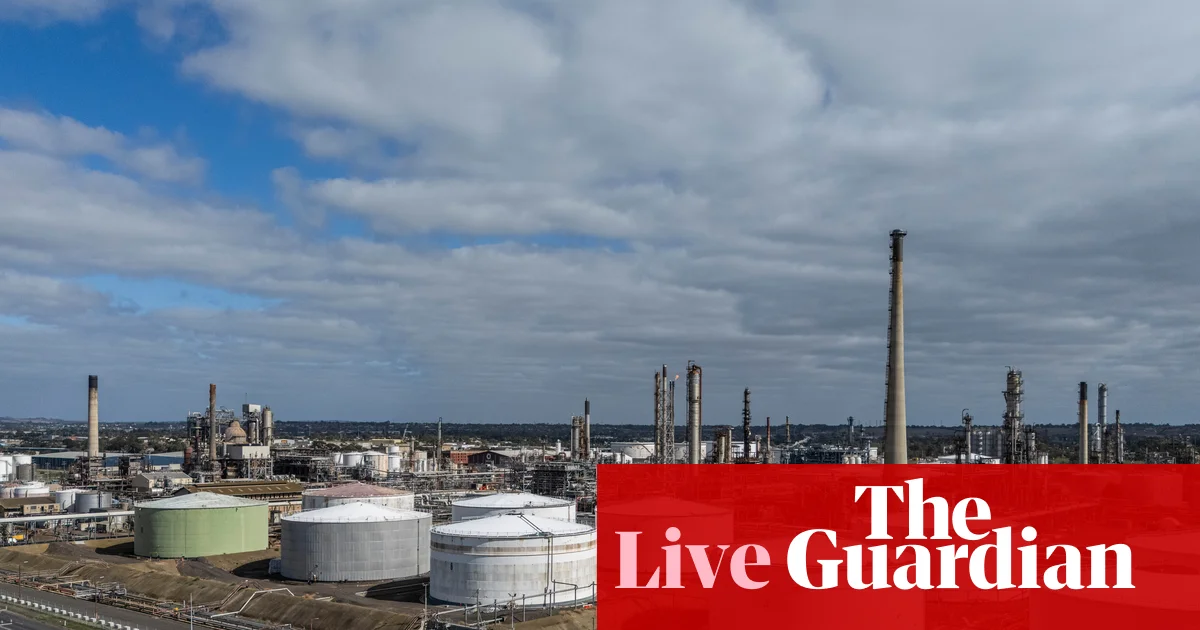
Australia News Live: Albanese Announces National Cabinet to Tackle Ongoing Fuel Crisis this Week

Global Tensions Rise as Middle East Conflict Sparks Economic Uncertainty

In a stark reminder that geopolitical conflicts are no longer confined to distant borders, recent events in the Middle East have sent ripples across the global economy, highlighting the interconnected nature of international affairs. Since the United States and Israel launched military strikes against Iran on 28 February, the region has descended into a complex conflict with profound consequences not only for localized populations but for nations worldwide. The unfolding crisis underscores how international decisions can reverberate through markets, societies, and the balance of power, demanding a nuanced global response.

Major powers and international organizations are closely monitoring the situation, recognizing that the opening or closing of vital shipping lanes such as the Strait of Hormuz carries weight far beyond the immediate region. Historians and analysts warn that this conflict could signify a turning point in regional stability, with world leaders advocating for a permanent resolution. Among them, Anthony Albanese, Prime Minister of Australia, has emphasized the long tail of economic shocks that such conflicts can produce, warning that no nation is immune to their effects—highlighting the age-old truth that in the era of globalization, regional upheavals quickly become global crises.

As the conflict persists, national leaders are convening to strategize responses. Albanese has announced plans to reconvene the national cabinet in the coming days to address rising fuel prices and supply concerns. His government has indicated that, although there are no immediate plans to escalate military involvement, Australia intends to play a constructive role in diplomatic negotiations. This approach reflects a broader international consensus on seeking a negotiated settlement, as echoed by Penny Wong, Australia’s Foreign Minister, who expressed the country’s desire for the full reopening of critical shipping lanes—an essential step toward stabilizing global energy markets.

The regional conflict in the Middle East has ignited a global energy crisis that analysts warn could have enduring repercussions. Energy prices have surged, affected supply chains, and increased economic uncertainty among nations that rely on the strategic flow of oil and gas. International organizations such as the International Energy Agency are sounding warnings about the potential for prolonged volatility. Meanwhile, historians and geopolitical experts draw parallels to past conflicts, warning that unresolved tensions could lead to a broader confrontation, with the stakes for nation-states and their populations growing ever higher. The resolution of this crisis hinges on diplomatic agility and a recognition that the pursuit of peace benefits all.

As stories unfold and diplomatic efforts continue, the question remains: how will this pivotal chapter in history shape the global order? Will nations succumb to the pressures of conflict, or will they forge a path toward lasting peace? The weight of decisions made in these critical moments will echo through the corridors of history, defining the next chapter of international relations. The unfolding saga reminds us all that in our interconnected world, the fate of distant nations is intertwined with the prosperity, security, and stability of societies everywhere. As the world waits and watches, the true impact of this crisis will be felt long after the bombs fall silent – a stark testament that in the theater of geopolitics, history is always still being written.

Victorians Score Free Public Transport for a Month to Tackle Fuel Crisis

The recent decision by the Victoria government to make public transport free for a month highlights a significant national response to the ongoing international fuel crisis brought about by the war in the Middle East. The move, announced amidst soaring fuel prices and shortages, underscores how localized policies can reflect and attempt to mitigate global upheavals. The energy shock resulting from conflict in regions critical for oil production demonstrates the intense interconnectedness of geopolitics and domestic economies. Governments are now caught in a balancing act: managing immediate economic relief while addressing the broader, unsettling geopolitical realities that threaten energy security worldwide.

Analysts from prominent international organizations, including the International Energy Agency (IEA), warn that the recent disruptions are likely to have enduring repercussions. Historically, such conflicts have served as catalysts for energy market volatility, often leading to sustained price increases and supply chain vulnerabilities. The current situation casts a spotlight on the contentious matter of energy independence; many nations, especially in the West, are increasingly recognizing the imperative for diversified energy sources. Meanwhile, some geopolitical analysts suggest that these crises could accelerate shifts in alliances and strategic partnerships, as countries seek to secure reliable energy supplies amid political instability.

At the domestic level, the Australian government’s attempts to alleviate this crisis—such as offering free public transport—highlight a strategic acknowledgment of how economic hardship and geopolitical shifts influence societal stability. Despite the increased cost of petrol—upwards of $20 more weekly for many households—Australians are yet to markedly reduce driving, indicating a reliance on personal vehicles that complicates government efforts to curb fuel consumption. Such policies, while primarily aimed at easing the immediate burden, inevitably underscore the fragility of energy-dependent lifestyles and the pressing need for resilient infrastructure. Critics, however, argue that these measures are temporary palliatives that sidestep the deeper issue of energy independence—issues that, if left unaddressed, could threaten national security as dependence on unstable global suppliers grows.

As leaders and historians analyze the unfolding crisis, a somber truth remains: the conflicts reshaping the Middle East are no longer isolated events but pivotal moments in history with the potential to redraw the geopolitical landscape. The decisions made by governments today—whether to diversify energy sources, bolster strategic alliances, or implement social support measures—will resonate in the annals of history. As governments scramble to navigate this turbulent era, it becomes clear that the ripple effects of geopolitical upheaval extend well beyond borders, impacting every societal fabric from economic stability to personal mobility. The weight of history continues to unfold in real time, leaving future generations to judge whether current policymakers successfully steered through this turbulent epoch or allowed it to spiral into a new, uncertain world order.

12 Game-Changing Laundry Hacks Every Young Rebel Needs to Tackle Chores with Ease | Life & Style

In the pursuit of embracing a more sustainable, intentional lifestyle, many young people are rethinking traditional laundry routines—opting for smarter, eco-friendlier choices that make a personal impact on health, leisure, and even home aesthetics. The modern laundry enthusiast is increasingly prioritizing quality over quantity, seeking products and habits that align with a wellness-focused worldview while still maintaining efficiency and style. From investing in durable clothespins to modernizing washing machines with internet connectivity, these small yet significant shifts are transforming everyday chores into moments of mindful living.

Take, for example, the rise of ash hardwood clothespins—a simple upgrade with notable benefits. Unlike standard plastic or wooden variants that discolor, stain, or rust over time, these high-quality clothespins made from ash hardwood with stainless steel springs are built to last. They grip clothes more firmly, resist weathering, and infuse the drying process with a touch of rustic charm. Julia Skinner, a celebrated lifestyle writer, extols their virtues, emphasizing that such accessories do more than just hold laundry—they embody a commitment to sustainable living. Likewise, homes are increasingly equipped with multi-section hampers—designed to revolutionize the chores of sorting laundry. By separating whites, darks, and delicate fabrics at the point of deposit, busy lives are simplified, reducing the stress of post-wash sorting and fostering better garment care.

Technology also plays a pivotal role in this lifestyle shift. The integration of Wi-Fi connected washing machines—like LG’s flagship models—exemplifies how innovation can elevate routine chores into the realm of convenience and personalization. These devices allow users to control cycles remotely via smartphone apps or voice assistants such as Alexa and Google, transforming laundry into a seamless, smarter experience. This not only reduces waste and energy usage but also encourages a more deliberate approach to home management—one that aligns with the modern appreciation for tech-driven efficiency. Similar enhancements include dedicated cleaning tablets, like Affresh, that target bacteria buildup in washing machines—preserving appliance health while safeguarding personal hygiene. This automates maintenance, ensuring every load is not just clean but hygienic, reinforcing the importance of self-care and wellness in daily routines.

Further emphasizing wellness shifts, the market now embraces environmentally conscious detergents branded as vegan, biodegradable, and highly efficient. Products like Dirty Labs Bio Enzyme Laundry Booster and Detergent exemplify this trend, combining sustainability with power. For sensitive skin, they are a kinder alternative, while their concentrated formulas highlight a philosophy of waste reduction—necessitating less product per load and minimizing packaging. Similarly, aromatic products such as Trudon wax melts offer an aromatic layer to home wellness, transforming mundane spaces into fragrant sanctuaries. Fragrance experts, including those highlighted by cultural figures like Oset Babür-Winter, confirm that such sensory experiences can uplift mood and hospitality, making daily routines more about self-encouragement than chores.

To optimize the entire laundry experience, smart accessories are increasingly popular. Items like the Singer fabric shaver and lint remover help maintain garments’ longevity, preventing pilling and textile defects while reinforcing a zero-waste ethos. When paired with containers such as reusable lavender dryer bags—a charming, aromatic alternative found at places like Trader Joe’s—the routine becomes an act of love for both fabric and planet. These small innovations contribute to a lifestyle of refinement, where sustainability is not a compromise but a personal statement crafted into daily decisions, and where modern technology gently nudges individuals toward their best selves.

As the journey of home and self-care unfolds, it leaves a lasting impression: that lifestyle is an ongoing pursuit—an act of embracing purposeful change. Every upgrade, from the simple durability of a clothespin to the intelligent control of a Wi-Fi washer, speaks of an individual eager to enhance their environment and personal wellness. In choosing products that blend efficiency with eco-consciousness and comfort, the modern youth is rewriting the narrative of chores into one of resilience, beauty, and mindful consumption. This dance with daily routines transforms them into reflective rituals, reminding us that in every act of care, there lies a subtle yet potent step towards a life truly well-lived—one where even laundry becomes an understated expression of self-respect and liberation.

Pandora shifts from silver to platinum to tackle soaring prices

The recent decision by prominent jewellery companies to reduce their exposure to precious metals signals a notable shift in the international commodities market. As the cost of gold, silver, and platinum continues to surge, driven by inflationary pressures and geopolitical uncertainty, industry leaders are reassessing their strategic positioning within a landscape that is becoming increasingly volatile. This move underscores a broader geopolitical dynamic where economic interests intersect with national security considerations, compelling corporations and nations alike to adapt swiftly to the changing tides of global finance.

The decision emanates from an urgent need to mitigate risks associated with fluctuating commodity prices, which have reached levels not seen in over a decade. According to market analysts and economic historians, such volatility often foreshadows broader economic transformations. As central banks around the world grapple with inflationary spirals and persistent geopolitical tensions—most notably the ongoing conflicts involving Russia and China—precious metals have become a battleground for economic resilience and strategic resource control. The jewelry industry’s pivot to reduce exposure not only shields individual companies from potential losses but also reflects a deeper recognition of how commodities are intertwined with power dynamics and international security models.

Within this context, the shifting stance on precious metals could influence global markets and diplomatic relations. Countries rich in mineral resources are increasingly aware of the geopolitical leverage tied to their natural assets. Similarly, international organizations and think tanks warn of a new era where economic warfare—through trade restrictions, sanctions, and resource manipulation—may become more commonplace. Analyzing these developments, some experts predict that the jewelry sector’s cautious approach may set a precedent, prompting other sectors and nations to reconsider their strategic reserves and financial dependencies. Such decisions carry profound geopolitical impact, affecting everything from international trade flows to regional power balances.

As the world watches, the narrative unfolds with cautious optimism and underlying tension. The silence of economic giants and the subtle reordering of alliances stand as a testament to a moment where history is being written in the margins of commodity charts and diplomatic cables. The choices made today—by corporations, governments, and international institutions—will resonate across the decades, shaping the contours of a new world order. In this relentless game of influence and survival, the jewelers’ cautious retreat echoes as a stark warning: in the arena of global power, no resource is immune, and every decision bears the weight of history’s unfinished chapters.

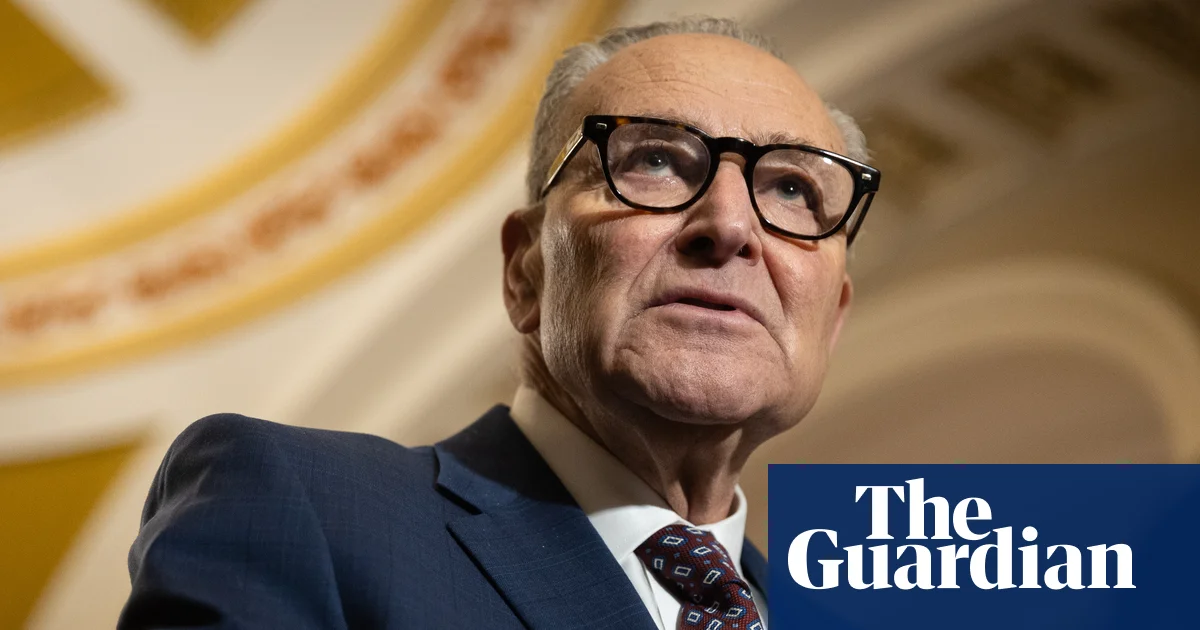
Senate OKs Deal to Keep Government Open and Tackle ICE Rules

The United States faces a pivotal juncture as the Senate has approved a crucial government funding package amidst rising domestic turmoil. The approval, in a 71-29 vote, signals an unusual moment of bipartisanship, reflecting the heightened tensions surrounding nationwide debates over immigration enforcement and the role of federal agencies such as ICE. This legislative maneuver comes against the backdrop of a series of tragic incidents, notably the deaths of Alex Pretti and Renee Good—both American citizens killed amidst federal police operations in Minneapolis. These events have ignited debate over police and enforcement accountability, exposing the complex intersection of immigration policies and civil rights, and highlighting the potential long-term geopolitical impact of American internal conflicts.

Despite the Senate’s convergence, the legislation faces uncertainty in the House of Representatives, which is currently out of session. A looming partial shutdown threatens to paralyze government functions if disagreements persist. As the Biden administration and Republican lawmakers grapple over DHS funding and reforms, many Democrats are pushing for reforms that would impose transparency and accountability measures—such as mandatory body cameras and restrictions on aggressive patrol tactics. Historians and analysts warn that these internal struggles may not merely affect domestic governance but could ripple globally by undermining the perceived stability and moral authority of America on the world stage. The ongoing debate underscores an enduring truth: that internal American conflicts often serve as a mirror for geopolitical shifts, especially with rival powers like China and Russia closely watching.

In an intriguing twist, prominent figures like Senator Bernie Sanders sought to reallocate military-grade funds toward domestic priorities like healthcare, symbolizing a broader contest over America’s resource allocation and values. While the Senate approved the budget with bipartisan support, division persists, especially among Republicans eager to attach conservative legislation such as the Save Act. The possible inclusion of restrictive voting laws and other conservative measures threaten to deepen the internal divide, with analysts warning that the outcome will shape America’s future on multiple levels. As Senator Schumer advocates for targeted reforms, Republicans warn that any capitulation to progressive demands could fracture their fragile majority—raising fears that a failure to unify might not only cause a shutdown but also signal a broader political realignment.

Meanwhile, the global implications of this domestic crisis are profound. China and Russia observe these power struggles with keen interest, recognizing that American internal divisions weaken the nation’s capacity to project power and influence. The bipartisan disagreements over immigration enforcement and government spending highlight how internal reform debates serve as a precursor to broader geopolitical trends. As former historians and international observers warn, these internal fissures threaten to diminish America’s standing on the global stage, emboldening adversaries and testing alliances with traditional partners. The current crisis is not merely about budget bills—it is a mirror reflecting the profound uncertainties looming over the world’s most powerful democracy. History remains unwritten, and the weight of the future now hangs heavily in the balance, as the US edges closer to another defining moment in its tumultuous saga.

UK Eyeing Danish-Style Immigration System to Tackle Asylum Crisis

UK Eyes Denmark’s Stringent Immigration Model Amid Growing International Tensions

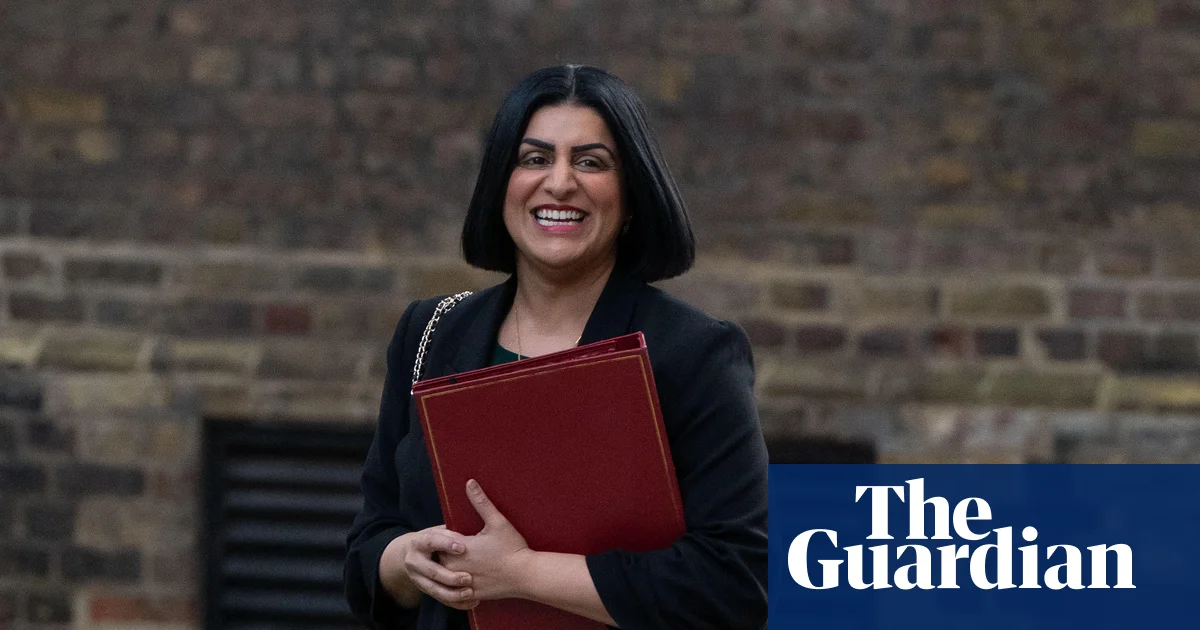
In a move set to reshape the United Kingdom’s approach to immigration, Home Secretary Shabana Mahmood is poised to introduce reforms modeled heavily on Denmark’s controversial policies, which are among the most restrictive in Europe. These proposed measures, understood to be announced later this month, signal a shift toward a tougher stance on refugee arrivals, family reunifications, and border control — policies that have already ignited fierce debate across the continent. Last month, UK officials traveled to Denmark to scrutinize its border policies and asylum restrictions, signaling a strategic shift in the UK’s immigration philosophy amid ongoing political pressures and a rising tide of populist sentiment.

The Danish model has gained notoriety for its uncompromising stance on immigration, with policies that include stringent family reunion rules and the designation of “parallel societies,” where residents from non-Western backgrounds face restrictions on family reunification. In 2022, Denmark rejected residency renewal for over 1,200 Syrian refugees’ in Damascus, considering the region safe enough for return— a move sharply opposed by international bodies like the UN and EU. Critics have labeled these policies as dangerously xenophobic, a charge levelled both domestically and abroad. Nonetheless, Denmark persists, arguing that these measures are essential safeguards for social cohesion and national security. By adopting similar policies, the UK risks aligning itself with this hardline approach, prompting concerns about the geopolitical impact of such a shift on Britain’s international reputation and its relations with neighboring European nations.

Analysts warn that adopting Denmark’s stricter policies could deepen the divide between Western nations and migrant communities, leading to increased social polarization and undermining the UK’s commitments to human rights. Historians like Eric Hobsbawm and modern think tanks warn that such policies may foster “parallel societies,” which could become breeding grounds for radicalization and discord. Meanwhile, some Labour MPs have expressed stark opposition. Clive Lewis criticized the government’s strategy, warning that moving toward a “hardcore approach” akin to Denmark’s could alienate progressive voters and turn Britain into an increasingly divided nation. Other members, including Nadia Whittome, described aspects of the Danish model—particularly concerning “parallel societies”—as inherently racist and dangerous, revealing growing ideological rifts within the political landscape.

More broadly, the move reflects a rising global trend toward stricter border controls and restrictive asylum policies, often at odds with international humanitarian commitments. The European Commission and human rights organizations condemn Denmark’s laws as harmful to migrant rights and social integration. Yet, the political momentum in the UK suggests a desire to outflank Eurosceptic and populist factions like Reform UK. This strategic maneuver raises questions about whether the UK is sacrificing its moral authority and historical commitments to asylum and refugee protections to appease domestic fears and xenophobic sentiments. As Britain recalibrates its immigration policies, it faces inevitably serious consequences—both for its social fabric and its standing on the world stage.

Ultimately, the decisions made today will echo through the corridors of history. As the UK pushes toward a more guarded, exclusionary stance inspired by Denmark, the global community watches, wary of a future where the lines between national interest and human rights blur dangerously. In this unfolding chapter of international politics, the stakes are higher than ever—where the choices of leaders may decide not just the future of migration, but the very soul of nations striving to define their identities amidst the chaos of a changing world.

Social Media Auto Publish Powered By : XYZScripts.com