Matox News

Truth Over Trends, always!

Schools in knife crime zones to receive targeted crisis training for students

Government Launches Initiative to Tackle Knife Crime in Schools

In a decisive move to address the rising concern of knife-related violence among youth, the government has announced a new partnership aimed at providing comprehensive training for school leaders. This initiative underscores the recognition that schools serve not only as educational institutions but also as vital community anchors. By equipping educators with the tools to identify and mitigate risks associated with knife crime, policymakers aim to foster safer environments where young people can learn and grow free from the threat of violence. Yet, such measures also highlight deeper sociocultural shifts and systemic challenges that demand a broader societal response.

Social Tensions and the Erosion of Community Bonds

Historically, communities have played a crucial role in shaping the moral fabric and social cohesion of young people. However, many areas experiencing socioeconomic decline have seen a breakdown of these communal bonds, creating fertile ground for youth to become embroiled in gang culture and illegal activities. Sociologists like Robert Putnam have documented how social capital—the networks of trust and cooperation—has diminished in disadvantaged neighborhoods. This erosion leaves at-risk youth more vulnerable to peer pressure and violent influences, ultimately impacting families and the wider social fabric.

Educational Challenges and the Role of Schools

Schools are often considered the frontline in the fight against youth violence, but they face complex challenges rooted in educational inequalities and resource limitations. Many educators report feeling ill-equipped to handle these issues without proper training or support systems. The new program seeks to arm school leaders with insights into risk indicators and intervention strategies, emphasizing that prevention begins with understanding the social contexts students navigate daily. Historical patterns show that when educational institutions are disconnected from community realities, efforts to curb violence are less effective—underscoring the need for holistic, community-inspired approaches.

Challenges and Prospective Solutions for Society

  • Developing integrated community programs that combine education, mental health services, and social support networks.
  • Enhancing youth engagement initiatives to foster leadership and positive social identity.
  • Supporting families through outreach and parenting programs that reinforce community values and resilience.
  • Addressing the root causes of youth disenfranchisement, such as unemployment, inequality, and limited access to quality education.

The contemporary challenge is not solely about reactive measures but about healing the societal wounds that have deepened over decades. Thought leaders like sociologist Charles Murray have argued that a culture of responsibility and opportunity is essential to reversing trends of youth violence. As communities grapple with demographic shifts and cultural tensions, it becomes imperative for society to adopt a comprehensive approach—one that emphasizes not only law enforcement but also moral education, social cohesion, and economic empowerment. Ultimately, safeguarding our youth requires that we reflect on the societal values we uphold and the future we seek to build—a future where safety and opportunity are accessible to all.

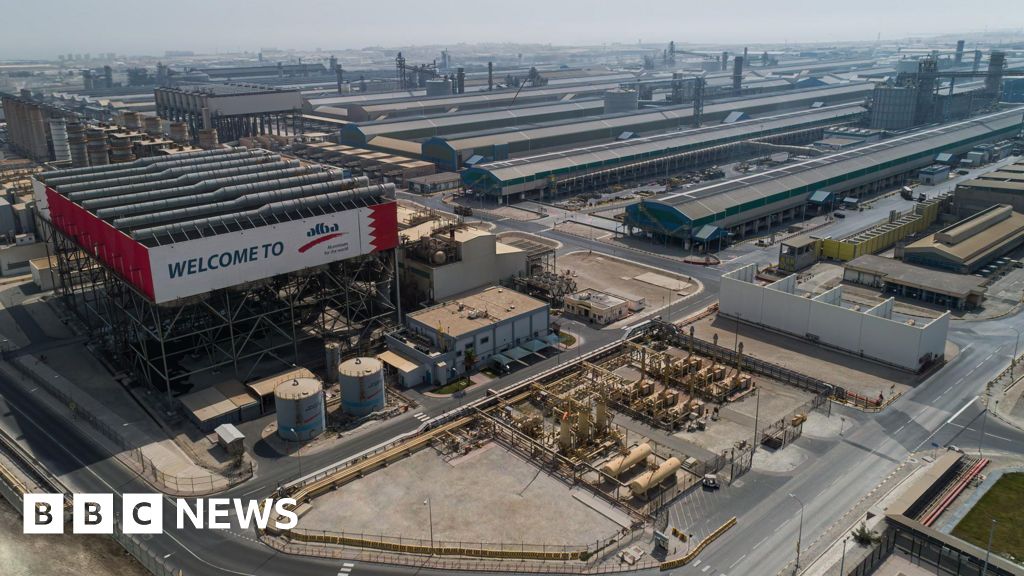
Iranian Strikes Hit Gulf, Major Industrial Sites Targeted

Recent developments in the Middle East signal a potentially dangerous escalation in regional conflicts, as reports emerge of attacks targeting critical aluminium production sites in the UAE and Bahrain. Though details remain scarce, the attacks have reportedly injured several individuals, raising serious concerns among international observers about the stability of this volatile region. These actions, likely carried out by non-state actors or covert state-sponsored groups, underscore the fragile security landscape predating ongoing geopolitical confrontations.

Such strikes on industrial infrastructure do more than cause immediate damage—they threaten to destabilize regional economies heavily reliant on energy and industrial export sectors. The attack underscores a broader geopolitical strategy by adversarial factions seeking to undermine the economic resilience of the Gulf Cooperation Council (GCC) countries. Analysts from global think tanks have pointed out that these incidents could be a warning sign of a more aggressive posture from regional rivals, notably Iran, whose influence extends across much of the Middle East. Many experts contend that these attacks are part of an ongoing campaign to weaken the Gulf states’ economic and military stability, thus shifting the regional balance of power.

International organizations and security analysts have voiced mounting concern over the potential for these incidents to spark wider conflict. The United Nations and Middle East Peace Initiative have called for heightened vigilance and diplomatic efforts to de-escalate tensions. Meanwhile, U.S. and European allies have condemned these attacks as provocative acts that threaten regional peace. Yet, critics warn that such condemnations may fall short unless accompanied by substantial diplomatic and strategic responses. Historically, attacks on economic infrastructure have often served as catalysts for larger conflicts — a reminder of the destructive power of unchecked hostilities.

The geopolitical impact of this escalation extends well beyond immediate casualties. As regional powers reassess their military postures, alliances are being tested, and international investments are under threat. The Sunni-led Gulf nations, wary of Iran’s regional ambitions, are likely to respond with increased military preparedness and tighter security measures. Conversely, adversaries might exploit the chaos to pursue asymmetric warfare or covert operations. This delicate balance of power highlights how pivotal decisions made in the coming weeks could shape the geopolitical landscape of the Middle East for years to come. As security alerts rise and diplomatic dialogues falter, the world must confront the sobering reality that these seemingly isolated incidents could serve as catalysts for a broader regional conflagration.

In the end, history reminds us that conflicts of this nature often evolve in unpredictable ways, with consequences that stretch across borders and generations. The recent assaults on Gulf industrial sites are more than just acts of sabotage; they are a stark warning of how fragile peace can be and how vital it is to recognize the interconnectedness of regional stability and global security. As the world watches, the question remains: will these developments usher in a new era of confrontation, or can diplomacy still forge a path toward enduring peace? The weight of history lingers, uncertain of its next chapter.

Rihanna’s Beverly Hills Home Targeted by Gunfire, Police Report

Breaking News: Shooting in Los Angeles Sparks International Concerns

In a recent incident that has captured global attention, authorities in Los Angeles announced the arrest of a suspect following a shooting that occurred on Sunday afternoon. While initial reports indicate a localized incident, its repercussions extend far beyond the city’s boundaries, reflecting ongoing challenges faced by many urban centers worldwide. The incident underscores the persistent issues of violence and societal instability, themes that resonate across borders and influence international perceptions of internal security.

The shooting in Los Angeles has prompted a wave of reactions from international institutions and geopolitical analysts, who argue that such violence reflects deeper, systemic problems rooted within urban governance, socioeconomic disparities, and the failure of community safety measures. Experts cite that in an era where law and order are often scrutinized through the lens of social and political divides, incidents like these threaten to destabilize growing efforts toward peaceful coexistence. As noted by the International Crisis Group, similar episodes in other major capitals have often served as flashpoints, revealing underlying fractures in societal cohesion that can be exploited by internal and external actors alike.

From a geopolitical impact perspective, this incident raises questions about how national security policies are evolving to address urban violence that transcends local concerns and influences international security strategies. Countries such as the United States, known for its complex relationship with gun control and public safety, find themselves at a crossroads where pressuring urban centers to tighten security can change diplomatic dialogues and aid allocations. These incidents often serve as a reminder to the global community that internal stability is a cornerstone of international order, with consequences reaching far beyond city limits.

Historicians and analysts are quick to draw parallels with past episodes of urban unrest, warning that unchecked violence can destabilize societal structures and erode public trust. Moreover, the recent arrest of the suspect may serve as a turning point, but it also highlights the ongoing need for comprehensive strategies—including community engagement, social reform, and international cooperation—to prevent future tragedy. As the United Nations and other global entities call for renewed efforts to combat violence, the world watches with cautious hope that the lessons of history will not be ignored.

What lies ahead remains uncertain. As policymakers grapple with balancing civil liberties and security, the echoes of today’s violence will reverberate through history, prompting nations to reconsider the fragile equilibrium that underpins peace and stability. The unfolding story of Los Angeles is a stark reminder that in the mosaic of global conflict, each piece matters — and its resolution depends on the collective resolve of nations to shape a safer, more resilient future.

Foreigners increasingly targeted in Sahel's lawless chaos—security risks soar
Foreigners increasingly targeted in Sahel’s lawless chaos—security risks soar

The year 2025 has vividly underscored the mounting insecurity gripping the Sahel region of Africa. Known historically for its volatility, this vast expanse—stretching across countries like Mali, Niger, Burkina Faso, and parts of Chad—has become a flashpoint of destabilization and violence. According to recent reports by international organizations and security analysts, 2025 stands out as one of the worst years on record for the abduction of foreigners, revealing the dangerous expansion of militant networks and the weakening of state control. This increase in hostilities is not merely an African crisis but a matter with profound geopolitical repercussions that threaten global stability.

The surge in abductions has been driven by a complex web of factors, including the proliferation of jihadist groups and opportunistic insurgents exploiting the region’s political fragility. The transnational nature of these threats means that their impact extends beyond Africa’s borders. Countries like France, the longstanding military presence in the region under operations such as Opération Barkhane, have faced critical challenges in restoring order. Analysts warn that the diminished capacity of African governments to maintain security and the rise of non-state actors have created a power vacuum. International organizations such as the UN have issued warnings about the potential for these conflicts to further destabilize neighboring countries and fuel regional migration crises.

Key events of 2025 include a sharp increase in high-profile abductions targeting foreign aid workers, diplomats, and business personnel. These acts of terror have led to a tipping point in international engagement and call into question the long-term effectiveness of current military and diplomatic strategies in the region. Notably, critics argue that previous reliance on external military interventions have failed to address the underlying causes—poverty, political disenfranchisement, and porous borders.

  • The shift toward more humanitarian and development-focused initiatives by some nations has yet to yield significant progress, leaving foreign nationals vulnerable.
  • Meanwhile, regional powers like Nigeria and Algeria are under mounting pressure to take more decisive action, yet face their own internal challenges that hamper a coordinated response.

As security experts and historians such as Dr. Samuel Huntington warn, neglecting the escalating crisis risks encouraging militant groups to extend their reach, potentially transforming local conflicts into broader regional unrest. The international community must grapple with the reality that the Sahel’s instability is a harbinger of greater chaos—prompting urgent debate on strategic priorities and intervention policies.

Ultimately, the fate of the Sahel and its impact on global stability remains an unfolding story. With each abduction, each act of violence, the fragile fabric of regional peace teeters further toward collapse. The questions loom large: Will the world recognize the gravity of the crisis before it is too late? Or will history again witness a period where neglect and ineffective policies deepen the wounds of a war-torn continent? As the sands of the Sahel shift violently under the weight of these conflicts, the international community finds itself at a crossroads, whether to act decisively or watch accordingly as history writes itself anew—with echoes that will resonate well beyond Africa’s deserts.

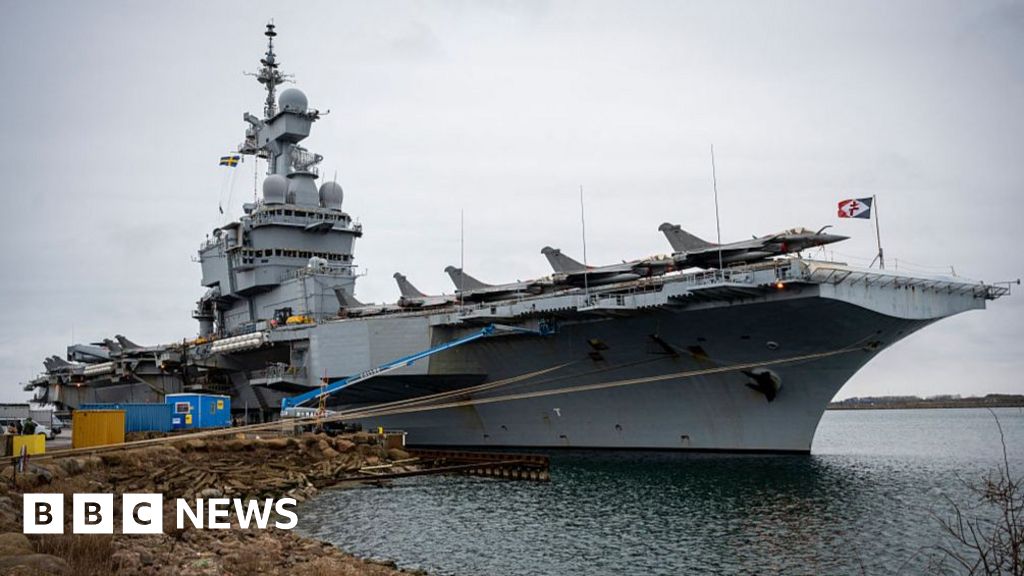
Swedish officials suggest suspected Russian drone targeted French carrier—raises tension in Europe

STOCKHOLM— In a striking display of regional concern, Swedish Prime Minister Ulf Kristersson addressed the nation from the deck of a military carrier, emphasizing the gravity of recent military incidents that have escalated tensions along the Nordic border. In a candid assessment, Kristersson declared the event, which he characterized as serious, to be not entirely unexpected, signaling a brewing storm that threatens to alter the security landscape of Northern Europe.

Kristersson’s remarks highlight a disturbing pattern, as many analysts interpret the incident as part of a broader Russian strategy aimed at projecting power beyond its traditional spheres of influence. “It is very difficult to see as a coincidence,” he remarked, pointing to the persistent tempo of Russian military movements and provocative actions that mirror tactics observed in other regions where Russia has sought to assert dominance. Historically, such behaviors have been a prelude to more aggressive policies, raising alarms both within NATO and among neighboring nations wary of increased Russian assertiveness.

International organizations and security experts have sounded the alarm over these developments. The NATO alliance, already on edge after recent provocations, views these incidents as a potential preamble to further destabilization. According to analysts from the International Crisis Group, “This pattern of behavior signifies a calculated effort by Russia to challenge the existing security order in the region, and while escalations may seem isolated, they are part of a larger strategy of intimidation and influence.” The implications of such actions extend beyond regional borders, threatening the fragile balance of peace and risking a broader confrontation that could ignite across Europe.

Decisions made today echo profoundly on the geopolitical stage. Sweden’s decision to bolster its military readiness signifies a clear shift in policy, aligning with NATO’s efforts to deter Russian expansionism. The analyses of historians like Dr. Eric L. Hanley suggest that these moments could serve as either a reaffirmation of Western resilience or, conversely, a catalyst for renewed conflict if diplomatic channels fail to contain the crisis. Meanwhile, international institutions such as the United Nations have expressed concern but lack the decisive authority to curb such aggressive maneuvers without a unified response from the West.

As the world watches, the unfolding series of provocations and countermeasures signals a pivotal chapter—one that could determine the stability of Europe for generations. The weight of history presses heavily on today’s leaders, whose choices will shape a continent teetering on the edge of a potential new Cold War. The tense silence before the next move is deafening, and the eyes of history remain fixed on the unfolding narrative, where every decision could either forge a new era of peace or plunge the region into chaos, echoing the tumult of the 20th century’s darkest hours.

Rhode Island suspect in hockey shooting targeted ex-wife and son, authorities say

In a startling development that reverberates through the corridors of international security and societal stability, the mysterious death of Robert Dorgan—also known by the alias Roberta Esposito—inside the Pawtucket arena has ignited widespread speculation and concern. While initially dismissed as an isolated incident, experts and analysts are now scrutinizing the circumstances, emphasizing its potential implications far beyond local spheres. This sudden loss raises questions about the forces at play within and outside the borders of the United States, potentially signaling shifts in regional stability and internal security dynamics.

Historically, deaths amid public or high-profile settings often signal underlying tensions—be they political, social, or clandestine. International security analysts suggest that this incident could be more than a tragic accident. Some draw parallels to past episodes where unexplained deaths of influential individuals served as foreshadowing or cover for larger geopolitical struggles. The U.S. has long been a nexus of both internal divisions and external conflicts, and unexplained events such as these subsequently take on broader significance, often revealing underlying fractures or covert struggles. The uncertainty surrounding Dorgan’s identity, with his alternate name hinting at possible clandestine affiliations, only deepens these concerns.

Among the key issues at stake is the international impact of domestic instability. The United States, as a pivotal global power, influences every corner of the globe—from economic policies to military alliances. Any ripple through its internal cohesion can cascade outward, affecting alliances, trade relations, and conflict zones worldwide. International organizations and diplomatic entities are beginning to monitor social and political climates within the country, wary of hidden fractures that could embolden adversaries or destabilize fragile regions. Conversely, some analysts warn against overreaction, emphasizing that isolated incidents do not necessarily portend broader upheavals but serve as stark reminders of the vulnerabilities that come with a nation’s complex geopolitical fabric.

As history has repeatedly demonstrated, the death of a figure wrapped in mystery and controversy often symbolizes a turning point—a moment where internal tensions might either simmer quietly or erupt into full-blown crisis. Decisions made in the coming days and weeks—regarding security, transparency, and international diplomacy—will reveal whether this event signifies a transient anomaly or a catalyst for profound upheaval. The global community watches with bated breath, acutely aware that the unfolding narrative in the United States will inevitably shape the geopolitical landscape. For now, the weight of history continues to hang in the balance, as generations wonder if this tragic occurrence will be remembered as a mere footnote or as the prologue to a new chapter in the shifting tides of international power and social order.

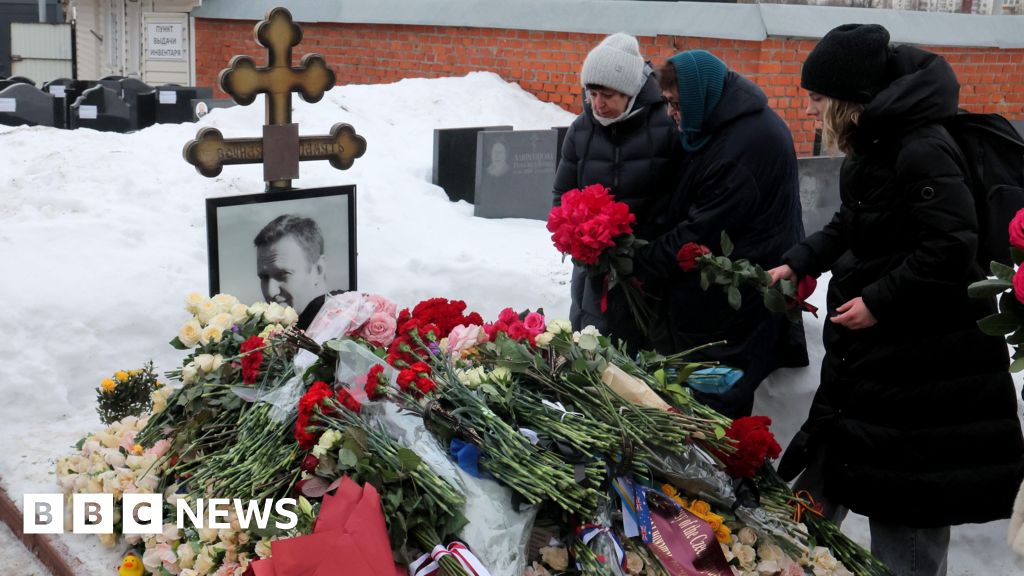
Navalny’s mother calls poison evidence proof he was targeted and murdered

As the world marks the second anniversary of the death of Alexei Navalny, his mother, Lyudmila Navalnaya, delivers a poignant reminder that challenges to political sovereignty in Russia extend far beyond individual human tragedies. She asserts that her son’s death was not merely a tragic consequence of incarceration but an event reflective of a broader geopolitical struggle, one that tests the resilience of international norms and the sovereignty of nations.

Unveiling a Deadly System and Its Impact on Global Stability

Navalny’s death in prison, widely seen as a breach of human rights, resonates as a stark warning to Western democracies and autocratic regimes alike. Analysts from the International Institute for Strategic Studies highlight that this event underscores the peril of unchecked authoritarianism, which threatens to destabilize regional equilibrium. Despite global diplomatic efforts, Russia remains resolute in suppressing political dissent, thereby challenging the principles of sovereignty and self-determination. Such actions have prompted rising concern among nations who view navalny’s fate as a bellwether for the trajectory of Russia’s internal governance and its international commitments.

Global Reactions and the Struggle for Accountability

The international community, especially the European Union and the United States, faces mounting pressure to balance strategic interests with the imperative of human rights enforcement. The United Nations has repeatedly called for transparency and accountability but remains hamstrung by political divisions. According to prominent historians like Anne Applebaum, the modern world enters a new phase where the fight for democratic values is contested through geopolitical power plays. As Russia dismisses Western criticisms, the risk increases that the global order will fragment into competing spheres of influence. This dynamic directly affects societies worldwide by threatening to erode the international legal frameworks that once underpinned diplomatic stability.

How Decisions on the International Stage Shape Societies

Every diplomatic move concerning Russia reverberates across national borders, influencing regional security, economic stability, and public perceptions of justice and governance. The decision by Western nations to impose sanctions or engage in dialogue directly impacts the stability of Eastern Europe and beyond. Such choices are scrutinized by global analysts, who warn that persistent inaction or misguided policies could embolden other regimes to adopt similarly ruthless tactics. As history demonstrates, the suppression of political dissent in Russia does not occur in isolation; it threatens to empower autocratic tendencies across the world, destabilizing the international system itself.

Historical Echoes and the Unfolding Reality

Throughout history, instances of political repression have often marked turning points—either sparking upheaval or cementing authoritarian rule. Today’s situation, with Navalny’s death serving as a somber reminder, echoes the warnings of pre-World War II upheavals when unchecked tyranny went unchallenged. Analysts like Timothy Snyder suggest that this era may well define the global landscape for decades to come. The weight of this unfolding narrative underscores the importance of steadfast resistance to oppressive regimes, lest the lessons of history be lost and humanity march toward an uncertain future where the triumph of individual rights and sovereignty remains under threat.

As nations grapple with the repercussions of the Navalny tragedy, the historical significance becomes painfully clear: the decisions made today will determine whether democracy endures or succumbs beneath the weight of authoritarian ambition. The story is far from over; indeed, the arc of history continues to be written by those willing to confront tyranny and stand firm for the principles that safeguard human dignity. In this moment of peril and hope, the world remains a battleground of ideas—where the future of freedom itself hangs in the balance, and the echoes of history threaten to shape the destiny of generations yet unborn.

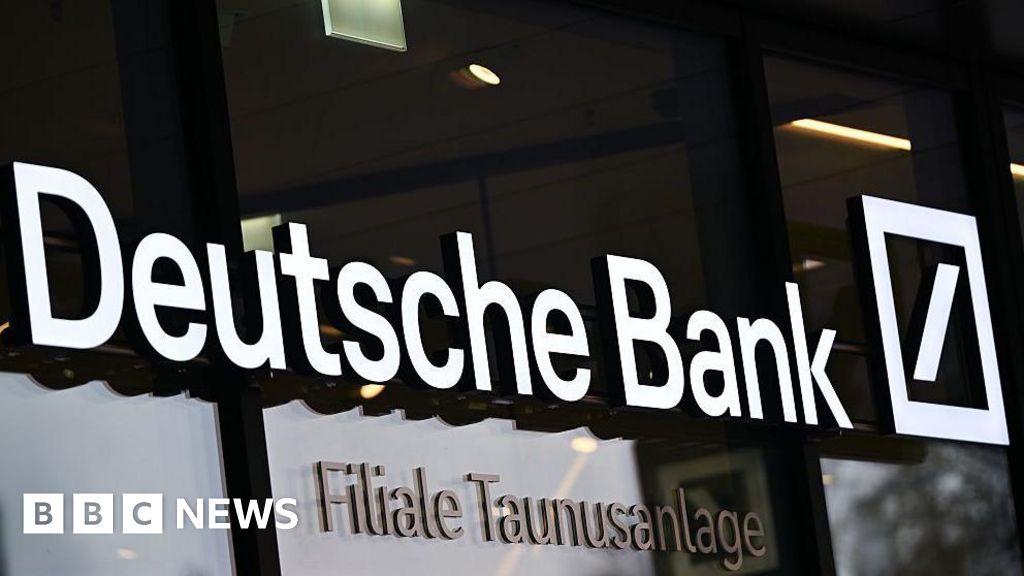
Deutsche Bank offices targeted in money laundering investigation—major disruption for Germany’s financial giant

Germany finds itself at the center of a new wave of scrutiny as officials recently conducted extensive searches in offices across Frankfurt and Berlin. This investigation revolves around what authorities are calling “past business relationships,” a vague yet potentially far-reaching clue into the economic and political fabric of Europe’s largest economy. While details remain scarce, the move signals an increased resolve by German regulators to address issues of transparency and accountability within influential sectors—an effort that has implications well beyond Germany’s borders.

The timing of these searches coincides with heightened geopolitical tensions and fluctuating alliances across Europe. Analysts suggest that such investigations could serve as a lever to scrutinize how certain business dealings—possibly tied to controversial partnerships or regions—may influence national policies or European stability. World observers note that this move also reflects growing concern over the nature of international financial networks and their potential to undermine democratic institutions. Observers point to the importance of this moment, emphasizing that these inquiries are not just domestic affairs—they are part of a broader contest of influence between global powers, where economic ties often mask underlying geopolitical struggles.

European institutions, including the European Commission and agencies specializing in anti-corruption, are closely monitoring the situation. According to international experts, these investigations could open a Pandora’s box, revealing connections that stretch across borders—potentially involving Russian, Chinese, or other foreign entities whose interests challenge Western policies. Such revelations might influence future negotiations on trade, security, and diplomatic relations, especially as Germany seeks to maintain its role as Europe’s economic leader amidst shifting alliances and external pressures. Furthermore, the European Union’s emphasis on scrutinizing corporate practices underscores a broader push towards moral and institutional integrity, which increasingly becomes a battleground in the contest between Western values and authoritarian models.

Historically, the pattern of uncovering hidden dealings within powerful economies has often precipitated significant realignments, warns renowned geopolitical analyst Dr. Jane McAllister. Such investigations, although seemingly procedural, hold the potential to *reshape* the landscape of international influence. As governments scramble to contain or capitalize on these disclosures, the wider societal impact remains profound: questions about accountability, sovereignty, and the true cost of global interconnectedness are laid bare. Meanwhile, several international organizations have issued cautious comments, emphasizing the importance of transparency but also warning against politicized misuse of investigative tools. Yet, the underlying message persists—what is uncovered today may very well determine the course of global history tomorrow.

As the world watches with bated breath, the echoes of this investigation threaten to resonate well beyond the confines of German bureaucracy. The unfolding story becomes a haunting reminder: in an era of intertwined economies and fragile diplomatic ties, history is written not just in treaties or military alliances, but in the quiet, relentless pursuit of truth. The question lingers—how will these revelations shape the future of Europe and the broader international order? The answer remains uncertain, but one thing is clear: the weight of history is still being forged in the shadows of today’s uncoverings.

Australian teens targeted online by gangs to carry out violent acts

In a striking display of the evolving geopolitical landscape of digital security, Australia has unveiled alarming revelations regarding a new, twisted form of online crime that transcends national borders. Australian authorities, led by AFP Commissioner Krissy Barrett, have identified an insidious trend where networks of violent extremists are coercing vulnerable girls into acts of violence—against themselves, their families, or even pets—within a disturbing “gamification” framework. This emerging threat underscores a broader issue: the rapid proliferation of how digital platforms are weaponized in modern ideological conflicts. With already three arrests within Australia and nine more internationally, this phenomenon highlights the urgent need for global coordination. The international community must grapple with the implications, as these online networks exploit digital spaces the same way that traditional armies once fought on physical battlefields.

The accused, largely aged in their late teens or early twenties from Western backgrounds, have been recruiting young girls through gaming platforms like Roblox and messaging apps such as Discord and Telegram. This recruitment tactic, reminiscent of a well-orchestrated underground movement, reveals how the boundaries between online gaming and violent extremism are blurring. Analysts warn that these groups—whom Commissioner Barrett calls “crimefluencers”—subscribe to a nihilistic and sadistic ideology rooted in Nazism, satanism, and other extremist doctrines. Their purpose, however, exceeds mere ideological posturing; it is driven by a desire for amusement, social dominance, and the thrill of inflicting harm without accountability. This new frontier in gender-based violence complicates the traditional paradigms of international security, demanding an urgent, multi-national response.

This troubling development occurs against the backdrop of Australia’s proactive efforts to curb online harm, exemplified by the impending introduction of a pioneering social media ban targeting users under 16. Yet, the exemption of gaming and messaging platforms from these restrictions signals a deeper geopolitical challenge: regulating digital environments that have become breeding grounds for extremism. The Five Eyes alliance—comprising the US, UK, New Zealand, and Canada—is actively collaborating with Australia to dismantle these transnational networks. Such cooperation highlights a crucial recognition: that the digital space is now a contested arena where national security and societal stability are at stake. As international organizations such as INTERPOL advocate for increased cyber law enforcement, it becomes clear that the fight against these malicious online communities will define the next chapter in global security policy. The rise of these “gamified” violence networks raises profound questions about the efficacy of existing laws and the future of international cooperation in combating digital extremism.

Ultimately, this disturbing trend is not merely an isolated issue but an unfolding chapter in the ongoing contest for influence over our digital future. As historians and analysts warn of the dangerous convergence of technology and ideology, the world stands at a pivotal crossroads. The weight of history suggests that the choices made today—how nations respond, cooperate, and regulate—will shape the boundaries of acceptable conduct in the digital age. With the eyes of the world fixed on Australia’s bold stance, the message is clear: the battle for the soul of the internet has begun, and its outcome will determine the course of societal stability for generations to come. The unfolding story underscores one timeless truth—when the digital frontier is exploited for violence and ideological conquest, the entire spectrum of humanity risks paying a heavy toll. Only time will reveal whether global resolve can stem this tide of chaos, or whether we are destined to watch as history is rewritten in the shadows of cyberspace.

Florida Couple Targeted: Suspects Use Apple AirTag to Track and Ambush in Bold Attack

The Cultural Impact of AirTags: From Convenience to Controversy

In today’s fast-paced and interconnected society, technology companies continue to develop tools that shape our daily lives. Among the latest innovations, Apple’s AirTag stands out as a game-changer in personal item tracking, promising unparalleled convenience for the average user. With a simple attachment to personal belongings, users can now keep tabs on everything from keys to luggage, blending seamlessly into a lifestyle rooted in efficiency and security. This shift in behavior underscores a broader societal craving for control and peace of mind in an increasingly unpredictable world.

However, as with many technological advancements, the cultural impact of AirTags has extended beyond their initial purpose. The viral stories emerging from their misuse reveal a darker side: they are now being exploited for nefarious purposes. Recent reports from Florida highlight a disturbing trend where individuals use AirTags to stalk or track others without their knowledge, revealing a potential social rift. In a shocking incident, a Tampa couple was targeted by suspects who planted an AirTag on their SUV, tracking them to their home. The suspects then attempted an abduction at gunpoint before fleeing when an alarm was triggered. Such incidents have prompted public debates about privacy and security, reflecting a societal tension between innovation and the potential for misuse.

The Shift in Social Behavior and Norms

The escalating concerns about unwanted tracking highlight an urgent need for awareness. Apple’s efforts to educate users—through alerts and step-by-step guides—signal a recognition that technology’s social relevance is growing. For example, iPhone users are advised to activate location services, Bluetooth, and notifications to be alerted if an unknown AirTag is detected nearby. Android users are similarly encouraged to enable their own tracker alerts, emphasizing the shift in societal responsibility toward individual digital security. This evolution in user awareness demonstrates a societal acknowledgment that technological empowerment must go hand-in-hand with heightened vigilance.

Moreover, influencers and watchdogs on social media are amplifying these messages, encouraging young people to stay informed. Notable privacy advocates argue that these trends are not merely about gadgets but are central to understanding the social contract in a digital age. Sociologists suggest that this new awareness marks a cultural shift—from passive consumers of tech to active guardians of their own privacy. As tech companies continue to innovate, society’s collective behavior is echoing a need for ethical considerations and accountability—a move that could reshape future tech design and usage norms.

The Future: A Balancing Act

Where does this leave us? The narrative seems to be moving towards a delicate balancing act: innovation that enhances our lives without crossing into the territory of intrusion. The emergence of tracking misuse prompts a pressing question: will future advancements in personal technology prioritize privacy and ethical safeguards or continue to prioritize convenience at any cost? The next big question is whether society will leverage this awareness to push for stronger regulations and responsible design, or if the urge for convenience will outweigh concerns for individual rights.

As this debate unfolds, one thing remains clear: the technology we embrace today will inevitably shape the social norms of tomorrow. Young users, in particular, must ask themselves—are we crafting a future where innovation and privacy coexist, or are we unknowingly paving the way for a society where unseen eyes are always watching? The rise of AirTags may seem ordinary now, but the story they tell about our values and priorities could define the next chapter in the digital age.

Social Media Auto Publish Powered By : XYZScripts.com