Matox News

Truth Over Trends, always!

Italy probes Sephora and Benefit for targeting kids with skincare ads

The recent statement by the Italian Competition Authority has sent ripples across the international economic landscape, highlighting the influential reach of LVMH, the luxury goods conglomerate based in France. According to the Authority, LVMH appears to have employed “particularly insidious” marketing strategies that potentially distort fair competition within the global luxury sector. This investigation underscores broader concerns about the power wielded by multinational corporations and their ability to influence economic policies and consumer behavior in interconnected markets.

The allegations against LVMH arrive amidst mounting scrutiny of how large corporations manipulate consumer perceptions, often blurring the lines between genuine branding and monopolistic tactics. While the company remains a leader in high-end fashion, jewelry, and spirits, critics argue that certain marketing practices—such as exclusive collaborations, orchestrated scarcity, and targeted advertising—may serve to artificially inflate demand and suppress smaller competitors. Esteemed international economists and watchdogs warn that such strategies, if unchecked, risk fostering monopolistic environments that threaten consumer choice and market diversity. Historically, similar accusations have precipitated regulatory crackdowns that reshape industry dynamics—potentially foreshadowing a reckoning for conglomerates like LVMH.

The geopolitical implications of these developments extend beyond mere market competition. In an era where economic might often translates into geopolitical influence, corporations such as LVMH serve as soft power vehicles for France and the broader European Union. Such companies contribute significantly to national prestige and economic stability; thus, regulatory actions—like those pursued by Italy—highlight a broader global trend towards scrutinizing corporate dominance.

  • They reflect an international effort to promote fair competition, which is often intertwined with national interest and sovereignty.
  • These moves can influence international trade negotiations, especially as countries seek to curb perceived economic overreach by multinational giants.

Global institutions, such as the World Trade Organization (WTO), are watching these cases carefully, aware that the outcomes may set precedents for how multinational corporations operate across borders. As European regulators tighten their grip on corporate practices, and other nations grapple with similar questions, the landscape of global commerce stands at a critical juncture. Analysts warn that if LVMH’s strategies are deemed anti-competitive, it could catalyze a wave of reforms that reshape the luxury industry, forcing even the most influential brands to recalibrate their approaches. In the shadows of these developments, nations must decide whether to defend their markets or risk surrendering sovereignty to corporate giants.”

In this unfolding saga, history seems poised to reveal yet another chapter where the boundaries of free enterprise and national sovereignty collide. The decisions taken today—whether to regulate or to acquiesce—will profoundly influence the fabric of global economic and social life. As the world watches, the question remains: will this be a moment of restraint, or will it mark the dawn of a new era of corporate dominance—an era where nations and societies grapple with the enduring repercussions of decisions made in the cloistered corridors of power? The weight of history persists, lingering in the balance, as the story of corporate influence continues to unfold on the world stage.

Argos under fire for launching ‘influencer kit’ targeting young kids

The recent controversy surrounding the British retail giant Argos and its promotion of a wooden “influencer kit” aimed at toddlers exemplifies a broader cultural shift that extends beyond the consumer realm into the geopolitical fabric of the modern world. This seemingly innocuous toy—crafted to ignite storytelling and creativity—has ignited a debate that echoes across Western societies and beyond about the influence of digital culture on vulnerable generations. Critics warn that normalising the concept of social media fame—through play—serves as an early exposure to the pressures of digital labour, privacy erosion, and superficial social valuation. Such concerns are not isolated but embedded within a larger global narrative about how technology and consumerist values reshape childhood in the XXI century.

Geopolitical Impact and Cultural Shifts

From the European Union to United States, international institutions like the UNICEF and various child advocacy groups have voiced alarm over a potential cultural erosion of traditional childhood values. Experts such as Dr. Francis Rees from the University of Essex warn that this escalation in shaped play signals a disturbing normalisation of visibility and precarious digital labour starting at an increasingly early age. Amidst the push for global technological dominance by China and the United States, a covert cultural battle is unfolding over the next generation’s perception of work, success, and identity. As the United Kingdom’s consumer market adopts these toys, it underscores how consumer choices are impacting societal norms—fueling an ideology that equates fame with purpose, action with spectacle, and childhood innocence with early digital engagement.

Consequences for Society and International Relations

This focus on early digital influence plays directly into the socio-political strategies of global powers. As nations compete in technological innovation and information dominance, the cultural import of such toys reveals underlying ideological contestation. Western nations, driven by a mix of capitalist expansion and digital utopianism, risk normalising a hyper-visible, performative culture that could undermine long-term societal stability. Critics argue that this represents a subtle yet profound shift in how societies foster resilience and authentic human interaction. Meanwhile, China and other authoritarian regimes actively promote digital literacy, but within tightly controlled narratives that emphasize discipline and collective identity rather than individual fame. The international community must consider how these cultural elements inform children’s understanding of their roles within both their national societies and the global order, especially as the UK and the EU navigate their futures amidst post-Brexit recalibrations.

Historical and Analytical Perspectives 

Throughout history, societal paradigms have been shaped by the toys and cultural symbols propagated during formative years. Historians such as Niall Ferguson highlight the importance of childhood socialization in building national character and global influence. Today, as digital culture rapidly infiltrates daily life, the debate over children’s play extends beyond trivial consumer choice to a battle for the cultural soul of Nations. Analysts warn that unchecked normalization of digital labour and performative identities could exacerbate inequalities, intensify social stratification, and insidiously alter the fabric of democratic societies. This ongoing transformation does not merely reflect societal change; it actively participates in international power plays, with cultural soft power becoming a vector for ideological influence and future geopolitical realignments.

The Final Word: Toward a New World Order

As history continues to unfold, the choices made—including the innocent seeming decision of what toys children should play with—will echo through generations. The profound question remains: what kind of future are societies forging—a future of genuine human connection or an era defined by digital spectacle and performative identity? In this complex web of economic, political, and cultural forces, the scholar’s warning persists: the age of digital influence is not merely about technology—it is about shaping the very destiny of nations. The weight of history now rests in the hands of those who dare to decide what legacy this new generation will inherit, as the world watches and history’s pen continues to write its uncertain chronicle.

Inside Cambodia’s fakery factory: How fake rooms and slick scams are targeting youth—uncovering the dark side of cyber deception

In the underbelly of Southeast Asia’s rapidly changing landscape, a disturbing phenomenon has emerged—**the proliferation of large-scale scam centres** that operate with startling sophistication. These centres, often disguised as legitimate offices or even police stations, are part of an extensive online fraud industry that generates billions annually—amounting to nearly half of certain countries’ formal GDPs. Cambodia, a popular destination for digital nomads and entrepreneurs seeking fresh opportunities, has become a hotbed for these operations, with estimates suggesting the industry rakes in over $12.5 billion a year. This shadow economy, fueled by international networks, presents a dangerous clash between the pursuit of economic growth and the rise of criminal enterprises that mask themselves behind the veneer of legitimate business.

Recent investigations reveal just how organized and expansive these scam networks have become. A typical scam compound in a border town like O’Smach sprawls across dozens of buildings, equipped with all the hallmarks of a corporate environment—desks padded with noise-canceling foam, whiteboards tracking targets, and detailed scripts for workers to follow. Inside, stacks of fake currency, documents in multiple languages, and guides instructing workers to deceive victims with false stories—ranging from pretending to be police to fabricating urgent family emergencies—paint a clear picture of the highly profitable, yet morally depraved industry at work. Many of these centres have detailed procedures for exploiting vulnerabilities, including romance scams and impersonation of law enforcement agencies, targeting individuals across continents. The personal toll for victims can be devastating, yet the impact on workers—many of whom are trapped or coerced—remains even more troubling.

The international community is beginning to crack down on these operations, with actions like UK and US sanctions targeting key figures such as Chen Zhi, a Chinese-born businessman believed to be a kingpin of the scam trade. The Cambodian government, pressured by global partners, has pledged to dismantle these networks, claiming to have closed numerous scam sites. Yet, the physical aftermath of these raid operations often reveals buildings scarred by gunfire, abandoned documents, and the hurried escape of operators, shedding light on the fragile border between law and chaos. The extensive presence of these scam centres, supported by corrupt officials and local elites, highlights a broader issue—the erosion of state authority—and leaves many questioning whether genuine change can be achieved.

  • Travel smart: Stay cautious when dealing with unfamiliar online contacts, especially those pushing false narratives or urgent requests.
  • Leverage technology: Use credible cybersecurity tools and report suspicious activity to authorities to help curb the spread of these scams.
  • Stay informed: Follow reports and updates from trusted sources—like the Guardian—to understand how these issues evolve and how to protect yourself.

In the face of this complex web of deception, it’s crucial to remember that the fight against cybercrime and fraud is more than a battle against faceless networks; it’s a reflection of our collective resilience. The stories of workers fleeing the chaos, of authorities working tirelessly behind the scenes, serve as reminders that even in the darkest corners of the digital age, there is a spark of hope—an unwavering spirit striving for accountability, clarity, and integrity. While the physical scars on buildings might fade, the real challenge lies in fostering a culture of transparency and personal empowerment. As we look toward the horizon, let us embrace the journey of awareness and vigilance, knowing that the true victory resides in the preservation of trust and the relentless pursuit of justice—one informed decision at a time.

Israeli forces storm Lebanese village, leave dozens dead in latest raid targeting 40-year-old remains

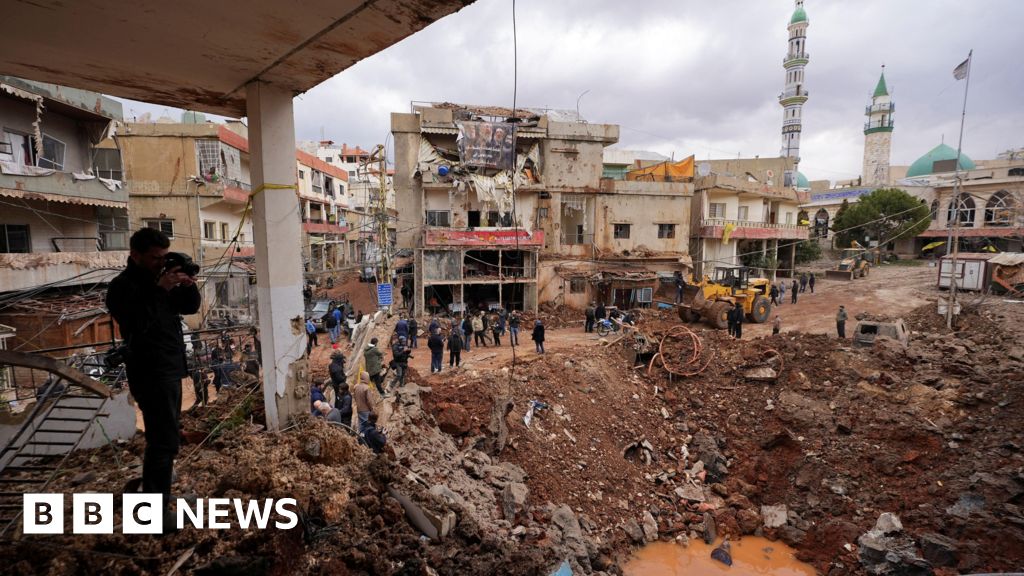
In what has been swiftly characterized as a significant escalation in the ongoing Middle Eastern conflict, an overnight operation conducted by Israel resulted in the deaths of at least 41 individuals and left 40 more injured, according to reports from the Lebanese health ministry. This incident underscores the persistent volatility in the region, where tensions continue to simmer beneath the surface of diplomatic overtures and ceasefire agreements. Such military actions are not isolated but rather emblematic of a broader struggle for regional dominance, sovereignty, and security, with every strike reverberating across a complex geopolitical landscape.

The Israeli Defense Forces have yet to release detailed statements explaining the precise objectives and targets of the operation, yet analysts suggest that this escalation may be part of a strategic effort to weaken militant groups, or a direct response to recent provocations. Historically, Israel has maintained that its military operations aim to neutralize threats posed by Hamas and other groups, but critics argue that such actions often lead to extensive civilian casualties and increase regional instability. The incident highlights the precarious balance of power in the Middle East, with each military action threatening to ignite further cycles of violence and retaliation.

International observers, including United Nations analysts and human rights organizations, have expressed deep concern over the profound geopolitical impact of escalating violence. These events threaten not only immediate regional stability but also have wider implications for global security. Some experts warn that this could mark a dangerous turning point—a moment when fragile peace efforts are shattered and the region’s volatility intensifies. The United States, European powers, and neighboring states are closely monitoring developments, but their influence remains limited amidst the rapid shifts of ground reality.

The fallout from this recent escalation underscores the critical importance of international diplomacy and the urgent need for lasting solutions. Historians have long noted that moments of intense violence often serve as markers in the ongoing narrative of the region’s tumult, with each chapter revealing the profound consequences of strategic decisions by global powers. As conflicts ripple outward and alliances are tested, the world watches with a mixture of apprehension and resolve. The decision to escalate military operations, while perhaps seen as necessary by some, also risks deepening divisions, fueling cycles of retaliation, and destabilizing nations that are already fragile.

In this critical hour, history’s pen continues to write a story fraught with peril and hope. The choices made today—by leaders and policymakers—will shape the destiny of this geopolitically vital region for generations to come. With every dropped bomb, every diplomatic deadlock, the world stands at the precipice of an uncertain future where the weight of history continues to unfold, echoing through the corridors of power and the lives of millions caught in the storm. This is not merely a chapter of conflict but an enduring saga, where every decision could either usher in peace or plunge the region into deeper chaos.

Chinese dance troupe’s Australia tour sparks bomb threat targeting PM

Threats Against Australian Leadership and the Shifting World Order

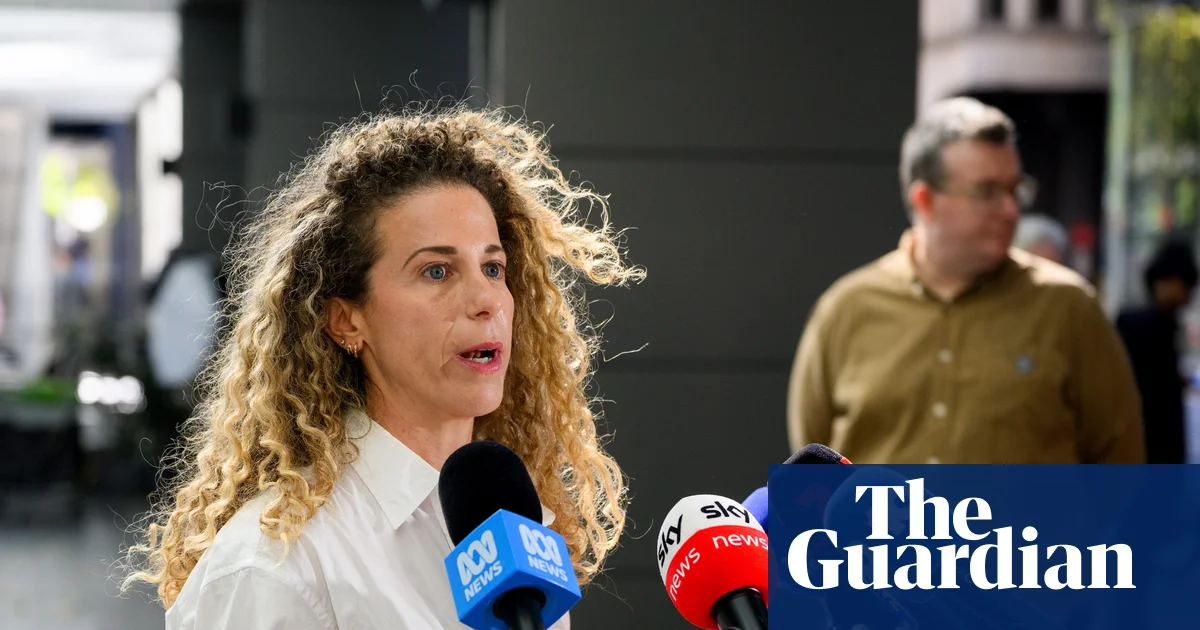
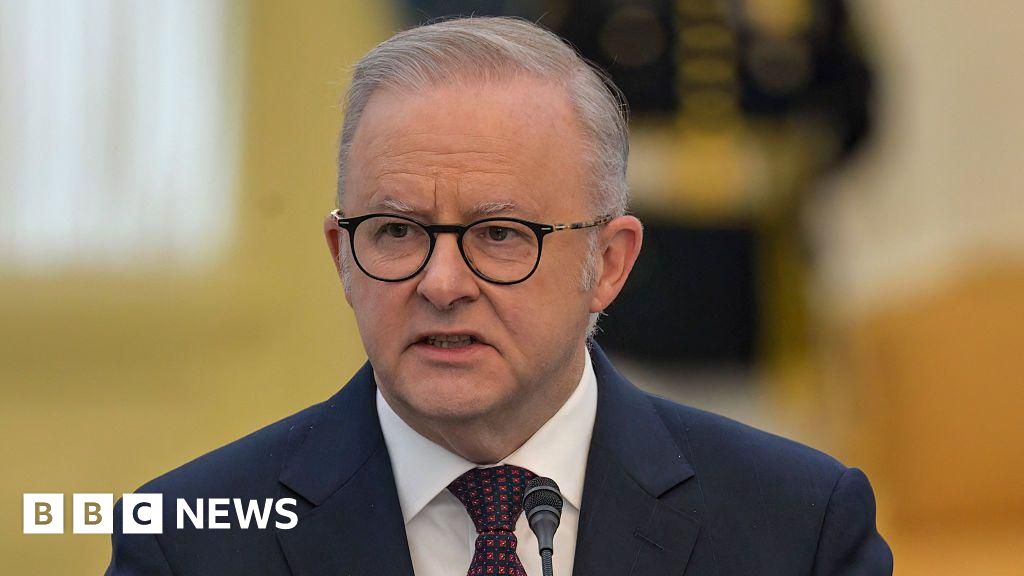
In a startling escalation of internal security threats, reports have emerged that organizers of a controversial performance were instructed to cancel their events or face far graver consequences — specifically, explosive attacks targeting Prime Minister Anthony Albanese’s residence. This alarming development underscores the persistent volatility in domestic security, as well as the broader implications for international stability and sovereignty. The incident echoes troubling patterns globally, where extremist factions leverage violence to influence political landscapes, often with unintended consequences for national security and diplomatic relations.

Security agencies in Australia have responded swiftly, condemning the threats while reaffirming their commitment to protecting the nation’s leaders. Experts and international observers suggest such threats are symptomatic of broader ideological conflicts fueled by external players seeking to sway political outcomes. Historically, terrorist groups and radical factions have targeted prominent political figures to destabilize governments or send symbolic messages. As noted by regional security analysts, this pattern aligns with recent trends where threats are not merely isolated acts but components of complex geopolitical games involving proxy conflicts, ideological battles, and influence operations. These developments come at a time when Australia finds itself increasingly entangled in global strategic shifts, particularly amidst rising tensions between Western alliances and authoritarian rivals.

The incident also raises concerns about how societal divisions and partisan conflicts can be exploited by extremists to foment unrest. The Australian government’s proactive stance underscores the importance of safeguarding democratic institutions from internal threats masked as ideological expressions. Meanwhile, international organizations, such as INTERPOL, continue to monitor similar threats worldwide, warning that violence against political leaders could escalate if root causes remain unaddressed. Historically, such threats have not only endangered individual lives but also served as catalysts for policy shifts—sometimes leading to harsher security laws or, conversely, societal divisions that threaten cohesion.

The weight of history is clear: when violence targets the core of national leadership, it signals a deeper crisis that reverberates through international borders. As nations grapple with internal radicals, the geopolitical impact inevitably influences diplomatic relationships, especially with allies concerned about regional stability.* The decision by the threat actors to attempt attacks at Albanese’s residence reveals a disturbing intent to send a message—one that echoes through the corridors of power, warning that no leader is immune. In such turbulent times, the world watches as the pages of history are written, ominously reminding us that these moments are more than isolated incidents—they are reflections of a shifting global landscape where the lines between domestic dissent and international chaos blur, leaving societies to grapple with the uncertain future that lies ahead.

OpenAI teams with Tata for 100MW AI hub in India, targeting 1GW growth

OpenAI Sets Strategic Milestone with Tata Group Partnership in India’s AI Revolution

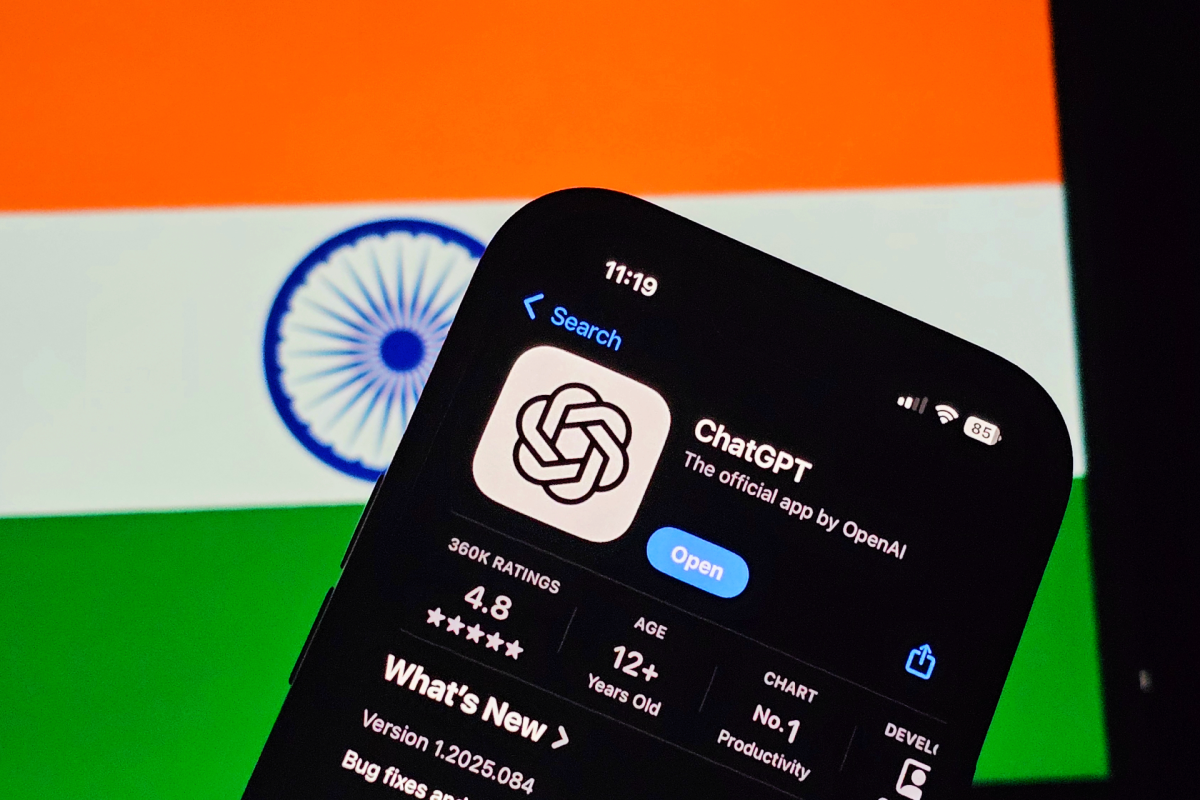
In a move signaling disruption and innovation in the global artificial intelligence landscape, OpenAI has announced a groundbreaking partnership with Tata Group to develop a robust AI-ready data center infrastructure in India. This partnership is a core component of OpenAI’s Stargate project, which aims to build scalable, enterprise-grade AI infrastructure on a global level. Starting with an initial capacity of 100 megawatts, the collaboration is set to expand to a staggering 1 gigawatt, positioning India as a key hub for AI innovation and enterprise adoption.

Leading industry analysts, including Gartner and MIT research teams, emphasize that this strategic shift underscores the importance of localized data processing for large-scale AI deployment. Hosting AI models domestically reduces latency—vital for delivering real-time solutions in sectors such as finance, healthcare, and digital governance—while enabling compliance with India’s data residency laws. Notably, the move positions OpenAI at the forefront of industry disruption, with capabilities rivaling the world’s largest AI data centers, exemplified by tech giants like Google and Amazon, who have already demonstrated the business potential of massive infrastructure investments.

Innovation Driven by Strategic Infrastructure and Enterprise Collaborations

The partnership is more than just a hardware upgrade; it symbolizes a paradigm shift in enterprise AI adoption. TCS’s HyperVault data centers, backed by approximately $2 billion in planned investments, will serve as the backbone for OpenAI’s local operations. This infrastructure will enable deployment of advanced AI models like GPT-4 locally, significantly improving turnaround times, data security, and compliance for Indian enterprises. Large-scale AI training, which demands intensive GPU clusters, underscores the scale of this operation, reflecting the company’s long-term ambitions for India as a regional powerhouse.

  • Deployment of ChatGPT Enterprise to streamline Tata’s workforce, empowering hundreds of thousands of employees with AI-driven tools.
  • Standardization of AI-native software engineering through OpenAI’s Codex tools, sparking a wave of innovation within Tata Group’s diverse portfolio.
  • Certification programs launched by OpenAI to upskill Indian professionals, ensuring a ready workforce equipped to harness the AI revolution.

Leading voices like Sam Altman have highlighted India’s rising influence, with over 100 million weekly ChatGPT users, driven by a surge of student, developer, and entrepreneurial activity. This rapid adoption rate signals an urgent window of opportunity for global AI firms to embed deeply into India’s digital economy. The collaboration also aligns with Tata’s vision to culturally and technologically position itself as a leader in AI, a move echoed by industry insiders as a disruptive force that could redefine enterprise software standards across Asia and beyond.

Future Implications and Next Steps

As OpenAI ramps up its local footprint, including upcoming offices in Mumbai and Bengaluru, the company’s strategy signals a recognition that AI’s future is rooted in regional infrastructure and enterprise integration. The partnership with Tata and the HyperVault platform signifies a critical inflection point—where innovation meets strategic deployment, and global AI leadership is renegotiated. With AI’s disruptive potential only accelerating, India is poised to become an engine of the next wave of digital transformation.

Market observers and industry leaders must remain vigilant. The acceleration of AI infrastructure development underscores the urgent need for regulatory clarity, ethical standards, and innovations that safeguard user interests. As giants like OpenAI position themselves for dominance, delay or complacency could render other players obsolete in this rapidly evolving landscape. The question is no longer whether AI will reshape industries—it’s about who will lead the charge. The future belongs to those willing to invest boldly now, shaping a world where AI drives unparalleled economic growth, technological breakthroughs, and societal transformation.

The rise of the ‘scam state’: Southeast Asia’s booming illegal industry and the new wave of cybercrime targeting youth

Unmasking the Monster: How Southeast Asia’s Scam Industry Threatens Power and Prosperity

In recent years, cryptic economic undercurrents have surged beneath the surface of southeast Asia’s vibrant landscape, revealing a dark infrastructure that is reshaping not only regional stability but also defining issues of personal security and economic freedom. The dramatic demolition of KK Park, one of the continent’s notorious “scam centres,” signifies a fragile attempt to open a window into this clandestine world—a world rooted deeply in _conflict zones_ and _lawless borders_, where opulence and impunity walk hand in hand. These hubs, often sprawling and openly visible, symbolize the extent to which corruption and illicit financial networks have become intertwined with state power, painting a narrative of *blatant impunity* that is hard to ignore.

What makes this industry particularly insidious is its *evolution* from simple phishing scams to an *industrial-scale political economy.* Experts like Jacob Sims, a Harvard fellow specializing in cybercrime, describe a shift where online fraud has transformed into a *massive illicit market*, grossing hundreds of billions annually—roughly mirroring the drug trade in scope. The industry relies heavily on _advanced technologies_ such as generative AI, deepfake video calls, mirrored websites, and *sophisticated misinformation tactics* to manipulate victims globally. Recent estimates reveal that, in 2024, cyber scams in the Mekong sub-region generate about $44 billion annually, representing 40% of the formal economy—making it not just a criminal enterprise but an *economy unto itself*. Such figures underscore a stark reality: these illicit networks are *driving regional economic shifts* and exerting *enormous influence* over policy and governance.

This rise has serious personal implications for individuals worldwide—victims entrapped in “pig-butchering” scams, where authentic relationships are cultivated online before victims are pressured into fraudulent investments, often in cryptocurrencies. The regret and financial devastation for victims are profound, with many losing *more than half of their net worth*, sometimes totaling hundreds of thousands of pounds. This *human toll* reveals how *technology* and *greed* have become tools for exploitation, fueled by scammers who harness deepfake videos and AI translation to deceive even the most cautious. From a personal health perspective, such scams foster stress, anxiety, and financial strain, reinforcing a need for better *digital literacy* and *preventive education*. To truly understand and combat this industry, awareness must extend beyond borders, involving clients worldwide and policymakers committed to rooting out these *global illicit networks*.

Despite efforts to dismantle these operations, their **publicly visible** scale and *interwoven political connections* suggest a disturbing compromise of sovereignty and law enforcement. Experts argue that visible scams are often mere *”performative”* acts—aimed at appeasing international pressure without risking the fundamental interests of powerful *criminal-elite networks*. The ongoing existence of enormous compounds, diplomatic cover-ups, and *state co-optation* signals a *systematic failure*—a reflection of a *scam industry* that has become entrenched, profiting off *conflict*, *border chaos*, and *weak governance*. This situation demands a reassessment of our *values* and *priorities*, emphasizing that the fight against such corruption must also be a personal journey—one of resilience, knowledge, and refusal to accept *an economy of exploitation*.

Reflection

As society stands at this crossroads, the path forward invites each of us to consider how our choices—whether in safeguarding our digital lives or advocating for *transparency*—connect to the broader narrative of _power, integrity,_ and _independent prosperity_. The story of Southeast Asia’s scam industry is not just about illicit money—it’s a lesson in vigilance and responsibility, urging us to embrace a lifestyle rooted in _truth_, _empowerment_, and _ethical awareness_. The challenge remains: will we continue to be passive spectators, or will we become active participants in fostering a world where *justice and integrity* hold sway? The journey of lifestyle, after all, is a reflection of our collective willingness to uphold these principles, transforming us from bystanders to builders of a resilient future.

Key Takeaways:

  • Understand the scope: The scam industry is a major economic driver in the region, comparable in size to the illicit drug market.
  • Stay vigilant: Technological advancements make scams more sophisticated—education and awareness are your best defenses.
  • Recognize the systemic issues: Many scam hubs operate with state complicity, highlighting the importance of advocacy and international pressure.
  • Personal impact matters: protection of personal wealth and mental health should be prioritized amid these evolving threats.
Roman Abramovich slams 'conspiracy' targeting Jersey government
Roman Abramovich slams ‘conspiracy’ targeting Jersey government

The recent escalation in the legal confrontation between Roman Abramovich, the infamous Russian oligarch once associated with Chelsea FC, and the government of Jersey underscores a broader trend of increasing scrutiny over offshore wealth and its geopolitical implications. The Crown dependency has launched a criminal investigation into allegations of corruption and money laundering, linking Abramovich’s vast fortune to illicit practices rooted in the tumultuous economic transition of 1990s Russia. This case exemplifies how elite financial networks—often concealed in tax havens—continue to shape global power dynamics. Analysts suggest that the unfolding legal battle could expose not only individual misconduct but also reveal the deeper mechanisms of international financial secrecy, which influence geopolitics at the highest levels.

In September, a Swiss federal criminal court ordered the release of Swiss banking records that implicated Abramovich’s wealth sources. These revelations prompted Jersey authorities to intensify their investigation, which initially targeted his offshore assets frozen shortly after Russia’s invasion of Ukraine in 2022. The freeze of over $7 billion in assets illustrates the sharp edge of international sanctions, designed to exert economic pressure on Russia and its elites. Yet, Abramovich’s legal team has argued that there is *no* concrete evidence linking him to criminal activity and has called the investigation a possible conspiracy. This claim aligns with a broader pattern where wealthy individuals employ legal and diplomatic tactics to shield their assets, delaying accountability and revealing the ongoing struggle for transparency in international finance.

The case’s significance extends beyond individual fortunes, highlighting the strategic importance of offshore jurisdictions like Jersey. These maritime enclaves facilitate the concealment and movement of assets, often out of reach of Western legal systems and sanctions regimes. The recent court orders demanding the disclosure of private messages, emails, and data—an unprecedented move—serves as a turning point, threatening to open a Pandora’s box of covert dealings. As Jersey’s government comes under pressure to justify its confidentiality policies, international organizations like the Financial Action Task Force (FATF) are raising concerns about the global impact of such secrecy, which enables corruption, illicit finance, and geopolitical leverage against Western interests.

Historian and geopolitical analyst Dr. James Thornton warns that this case exemplifies the fragile balance between sovereignty, financial privacy, and national security. “The decision by Jersey authorities to release sensitive data about a powerful oligarch reflects a potential shift in the legal landscape—one where transparency can no longer be bypassed with mere legal veneer,” he states. The United Kingdom and international community watch closely, aware that these revelations could influence not only individual reputations but also the broader conflict frameworks involving Russia, Ukraine, and Western sanctions. As the legal drama unfolds, the weight of history hangs heavily over Jersey’s tiny islands—reminding the world that even the most secretive financial fortresses are not immune to the relentless tide of accountability and justice.

BBC exposes sextortion scam targeting teens—justice on the way

Global Cybercrime Epidemic: Sextortion and Its Far-Reaching Impact

In recent years, cybercrime has transformed from isolated incidents into a sophisticated, organized war on the innocence of youth worldwide. The alarming rise of sextortion—a heinous form of sexual extortion—has exposed how vulnerable teenagers are in the digital age, with the United States and United Kingdom reporting record-breaking numbers of victims and cases. The tragedy of Evan Boettler, a 16-year-old who tragically took his own life after falling prey to a scammer, underscores an urgent crisis that reaches across borders, revealing the dark underbelly of social media platforms and the failures of global tech giants to protect their youngest users.

The influence of organized crime networks based in Nigeria—notably the so-called “Hustle Kingdoms” of Lagos and Makoko—has dramatically escalated the scope of sextortion. These operations, often led by figures such as the elusive “Ghost,” deploy ruthless tactics that encompass digital scams, rituals rooted in local superstitions, and even cutting-edge deepfake technology to deceive and exploit Western youth. According to investigative reports, these gangs operate hierarchies that funnel vast amounts of illicit gains upward, turning youthful desperation into cash with blatant disregard for the human toll. How these flexible, deeply embedded systems of organized crime operate illustrates a shift in the geopolitical landscape—a struggle where nations are fighting to contain crime syndicates that have effectively weaponized the internet to target the West’s most vulnerable.

The Roots of a Crisis and Global Responses

Events in Lagos serve as a stark testament to how local superstitions and modern technology collide to produce a new breed of scammers. The destructive business models are fueled by young hackers, some as young as elementary school age, who visit traditional healers to cast “spells” and perform rituals promising wealth and protection. These rituals, like the ritual sacrifice of a dove, bid best wishes for financial success, yet fuel the cycle of crime that devastates innocent families globally. On the digital front, scammers leverage professional-grade tools—such as advanced face-swapping apps costing thousands of dollars—to craft convincing deepfake identities that entrap victims into sextortion schemes. As one Nigerian scammer explained, “It’s not superstition anymore; it’s a business expense.” Such chilling insights demonstrate how traditional beliefs have been woven seamlessly into the fabric of digital crime, transforming the landscape into a battleground where old superstitions meet new technology.

The international community has begun to respond, but critics contend these efforts are often reactive rather than preventative. For instance, Meta reported taking down over 63,000 sextortion-related accounts linked to Nigeria in 2024—yet critics question whether this aggressive clean-up is merely a cosmetic fix. Is this enough to stem a rising tide? A former engineering director and whistleblower within Meta testified before US Congress that the company’s protections are fundamentally inadequate, often ignoring warnings about children’s safety. Meanwhile, social media giants like Snapchat and Instagram maintain that they are doing their best, although cases like Evan’s highlight a stark truth: when it comes to shielding vulnerable youth, the digital giants often fall short, leaving families to bear the tragic consequences.

What the Future Holds and the Weight of History

As families like the Boettlers and activists call for more decisive action, the question remains: can international cooperation and technological innovation close the doors to these predators? Law enforcement agencies across nations are racing against time to dismantle networks, while traditional and spiritual remedies, such as those in Lagos, reveal a complex interplay of cultural beliefs and modern criminal enterprise. Human rights organizations and analysts warn that without comprehensive, proactive strategies—integrating community engagement, stricter platform accountability, and innovative policing—the cycle of despair will deepen, with young lives lost and innocent futures shattered. The case of Evan Boettler, along with countless others, is a heartrending reminder that history is watching, and its silence or action will define the legacy of this digital age. Today, the battle for the innocence of the young is not just a fight against cybercriminals; it is a high-stakes moral contest that will determine the shape of international order for generations to come. As the world turns this critical page, only time will tell whether justice will prevail or whether these dark currents will continue to erode the fragile fabric of our global future.

Man gets 5 years for arson targeting YouTube star FriendlyJordies’ Bondi home

In recent developments that underscore the fragile stability of modern nation-states, incidents of domestic terrorism and organized crime reveal broader questions about law enforcement capabilities and the influence of international criminal networks. A disturbing attack in Australia, where a popular YouTuber, Jordan Shanks, known as FriendlyJordies, had his home set ablaze, highlights the dangerous intersections of organized crime, political activism, and societal unrest. The arson attack, reportedly linked to the Alameddine gang, signals a worrying trend: criminal organizations extending their reach into the fabric of democratic societies, threatening the safety of citizens and the integrity of public discourse.

Analysts suggest that this incident is not isolated but a symptom of escalating crime syndicates’ influence in Australia, with police indicating possible connections to larger organized crime groups operating across borders in Southeast Asia and the Pacific. The plight of Jordan Shanks, who had been targeted for exposing local issues, underscores how free speech is coming under assault in the age of organized crime and political censorship. These developments have significant geopolitical impact: they jeopardize sovereignty, undermine rule of law, and highlight the importance of international cooperation to combat transnational criminal networks, which often operate under the radar during global power struggles.

Decisions made at the international level, such as the strengthening of extradition treaties, regional security pacts, and intelligence-sharing agreements, are crucial in curbing such threats. However, the rise of domestic violence and lawlessness also reflect broader societal shifts—a failure of social cohesion, economic instability, and political polarization—continuing to shape a volatile landscape that the global community must address. Teachers, students, and the rising youth generation are watching intently, aware that the tone of today’s decisions could define the world they inherit.

As history witnesses moments of transformation and conflict, the ongoing saga of crime, censorship, and international collaboration remains an indelible part of the larger narrative of our era. The recent events in Australia serve as a stark reminder that the battleground of tomorrow’s geopolitical conflicts lies not only in distant borders but within the very societies we strive to protect. The weight of history presses down, urging global leaders and citizens alike to consider: how do we preserve our freedoms amid rising chaos? How do nations stand firm against the rising tide of organized threats? The answers will be written in the coming days—yet, the storm of change, like the flames that consumed a simple home, leaves behind an echo that resonates far beyond the shores of Australia.

Social Media Auto Publish Powered By : XYZScripts.com