Matox News

Truth Over Trends, always!

Australia updates: Dural ‘stronghold’ tied to Baghsarian kidnapping, NSW police reveal; Angus Taylor calls to ditch ‘net zero’ push

As 2026 unfolds, the world witnesses a series of seismic shifts that threaten to redefine geopolitics and global stability. From internal political tremors in Australia to sweeping changes in Europe and fragile peace negotiations in the Middle East, nations grapple with decisions that will echo through history. The choices made today set the trajectory for generations, and their impacts extend far beyond borders.

The recent developments in Australia exemplify the turbulence faced by democracies under pressure from both domestic political narratives and international expectations. The controversial shift by Angus Taylor and the Liberal Party’s declaration to abandon the previously embraced ‘net zero’ commitment signals a departure from global climate consensus. While the government asserts that this move offers flexibility, critics argue it undermines efforts coordinated through international climate accords. Analysts warn that this divergence could weaken Australia’s diplomatic standing and erode trust with allies committed to sustainability, further isolating a nation vital to the Indo-Pacific strategy. Historians caution that such policy reversals might be remembered as a pivotal moment where economic interests overrode environmental responsibility, casting shadows on the country’s global reputation.

Meanwhile, in the United Kingdom, the arrest of Andrew Mountbatten-Windsor at Sandringham on suspicion of misconduct has cast a spotlight on questions of accountability within the British monarchy. This unprecedented event ignites debates about tradition versus transparency, with international observers questioning whether the monarchy can adapt to the demands for moral integrity today. The fallout, if allowed to deepen, could influence Britain’s soft power and diplomatic alliances, especially as Europe faces its own challenges with regional unity and economic stability. Experts from the European Union warn that such internal struggles might embolden nationalist factions and threaten the unity of the bloc at a time when global powers are recalibrating their alliances.

Contrasting these internal political crises are the ongoing conflicts and security concerns in the Middle East. Reports from Syrian and Iraqi authorities confirm that over 5,000 detainees, including suspected former Islamic State fighters, have been transferred across borders. The potential for unrest or resurgence in extremism remains a troubling prospect for regional stability, drawing concern from international organizations like the United Nations. The transfer underscores the fragile balance of power in a region where diplomacy and military might intertwine dangerously. Should extremism reignite, it could trigger a broader security crisis impacting Europe and the United States, emphasizing how even regional disputes have global consequences.

In this high-stakes landscape, the decisions of today are shaping a world on the brink. The intertwined fates of nations—whether they choose resilience or retreat—carry implications far beyond their own borders. As the great historians of tomorrow sift through these moments, they may recount 2026 as a defining year—a year when the delicate fabric of international order trembled under the weight of rash decisions and forgotten commitments. History, with all its weight and consequence, continues to unfold, leaving a stark reminder: in geopolitics, the stakes are nothing less than the future of civilization itself.

At 71, Seasoned Dancer Proves You’re Never Too Old in Taylor Swift’s Latest Video

In a world increasingly driven by fleeting digital signals and transient trends, the selection of Denise Sides from hundreds of applicants to partake in the Opalite video underscores a profound truth: culture remains our most sacred vessel of identity. Her selection is not merely an arbitrary event but a testament to the enduring significance of artistic expression in shaping collective consciousness. Amidst the chaos of modernity, artists like Sides emerge as custodians of tradition, embodying values, stories, and symbols that anchor societies in purpose and remembrance. This act of choosing reflects the age-old understanding that culture functions as a mirror of our deepest selves—a mirror crafted through generations, which reveals who we are and who we aspire to be.

Historically, cultural icons and movements have served as both reflection and critique of societal shifts. Philosophers like Ortega y Gasset have emphasized that we are cultural beings, inherently bound to the narratives we craft and uphold. The Opalite project, with its deliberate focus on visual art and symbolism, taps into this tradition. It reminds us that art is more than aesthetic—it is a dialogue between the past and future, a symbol of our collective memory and hope. As Tocqueville observed, democracies flourish when their cultural fabric is strong and resilient, woven by shared stories and common values. The selection of Sides, therefore, signifies recognition of this vital fabric, a call to preserve the cultural identity against the corrosion of nihilism that often accompanies contemporary pursuits.

The role of culture in societal cohesion is undeniable; it reaffirms our roots and guides us amidst shifting tides. G.K. Chesterton once pointed out that tradition is the democracy of the dead, a testament to the ongoing dialogue between generations. In this light, the Opalite video is not just a showcase of aesthetic talent but a renewal of that dialogue—a reminder that, through the arts, we honor our ancestors and inspire future generations. It is in these expressions that the essence of our humanity persists: as a legacy to be cherished and a prophecy to be fulfilled. When we nurture our cultural memory, we forge a collective identity resilient enough to face the uncertainties ahead.

Ultimately, culture encapsulates both memory and prophecy, embodying the enduring spirit of human aspiration. As T.S. Eliot noted, “The past should be altered by the present as much as the present is directed by the past.” The story of Denise Sides and the Opalite project exemplifies this sacred chain—an act of cultural transmission, rooted in tradition yet reaching toward an uncertain future. In this delicate interplay between remembrance and renewal, we find the true essence of society—an ongoing, lyrical journey where the past prophesies the shape of what is to come, and memory paints the portrait of our shared humanity.

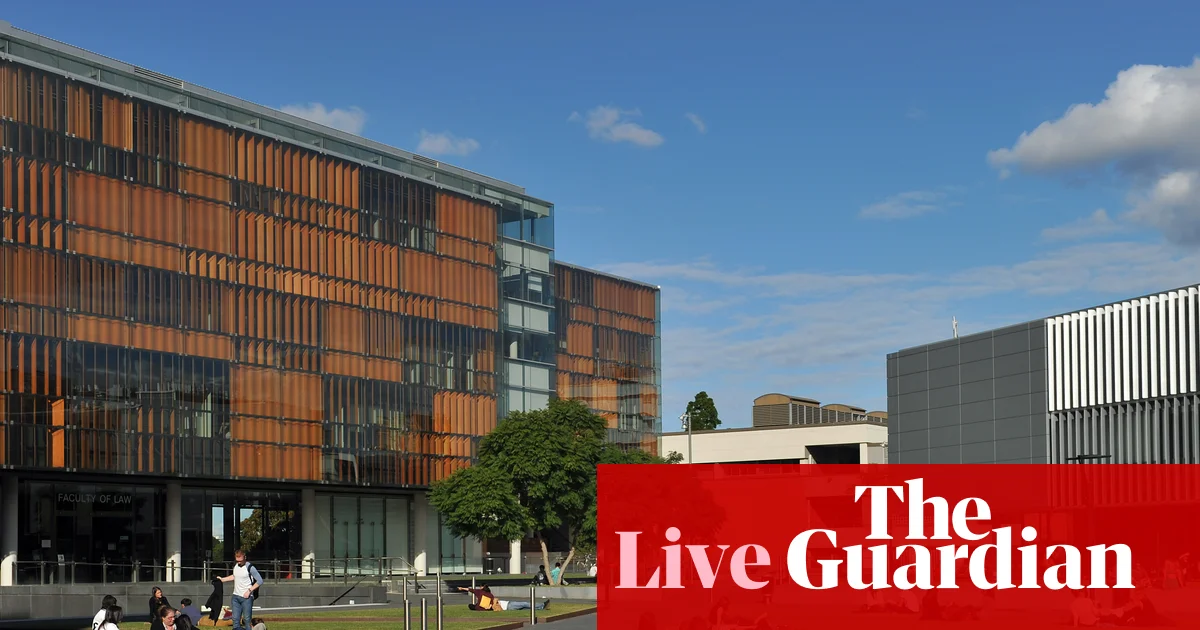
Australia Today: Universities’ Racism ‘Systemic,’ Angus Taylor Shuns Leaked Migration Plan

International Alert as Australia’s Political Landscape Faces Turmoil

The political environment in Australia is rippling with controversy following revelations about a proposed immigration policy fragment that has sparked international concern. An unreleased document, reportedly drafted under the leadership of former Sussan Ley, has outlined a plan to severely restrict migration from regions associated with terrorist activities across 13 countries. The plan, which aims to rapidly remove up to 100,000 asylum seekers and visitors on student visas, has been widely condemned by human rights and international watchdogs as a blatant exercise in discrimination. The Refugee Council of Australia labeled it an “appalling idea,” echoing global fears about rising populism and exclusionary policies that threaten Australia’s reputation for fairness and our commitment to humanitarian principles. Despite the current opposition leader Angus Taylor declaring he had no knowledge of the document, the internal divisions within the Liberal Party expose a troubling shift towards more hardline, Trump-inspired border policies.

Global Impact of Regional Policies and the Rise of Systemic Racism

The leaked proposals underscore a broader shift in global politics, emphasizing national sovereignty and security concerns over traditional humanitarian commitments. Such policies resonate with nationalistic narratives pushed by populist leaders worldwide, contributing to a dangerous normalization of prejudice. Meanwhile, international organizations like the United Nations warn that policies based on indiscriminate bans threaten to enlarge the gulf of distrust and xenophobia. In Australia, this trend is compounded by a disturbing report exposing the pervasive systemic racism endemic within the university sector. According to the Australian Human Rights Commission, a landmark study found that 70% of survey respondents had experienced indirect racism, with Palestinian and Jewish students experiencing rates as high as 90%. These findings highlight the damaging impact of institutional bias, which threatens the fabric of multicultural societies and undermines core democratic values. Critics argue that if such discrimination remains unchecked in education, it is only a matter of time before societal tensions escalate further, potentially igniting unrest on the streets.

How Decisions Shape Future Societies and the Winds of History

As analysts warn, the decisions taken today will reverberate for generations, shaping the moral and geopolitical landscape of the 21st century. Governments that resort to discriminatory policies in the name of security risk unleashing a wave of social fragmentation, fostering extremism rather than preventing it. Historical figures such as George Orwell and Hannah Arendt warned that totalitarian tendencies often emerge from fear and prejudice cloaked in national security rhetoric. The international community watches keenly as Australia’s internal conflicts reflect a wider, global struggle—whether to uphold the timeless ideals of justice and fairness or succumb to the siren call of exclusion. Underneath the surface, these decisions expose societal fractures rooted in ignorance and fear, threatening to derail the progress of multiculturalism and inclusion. The weight of history lingers, a reminder that the pathways chosen today define the societies of tomorrow—whether as beacons of hope or shadows of despair, remains an unfolding narrative on the scale of nations and civilizations.

Australia Politics Live: Tim Wilson Snubs Deputy Role as Taylor and Ley Eye Liberal Leadership Spill

Unfolding Geopolitical Shifts and Domestic Turmoil: Australia’s Political Landscape and International Ripple Effects

In recent days, Australia has been engulfed in a tumultuous political saga that underscores the broader geopolitical ramifications of internal party conflicts and leadership disputes. The Liberal Party’s leadership spill — culminating in the contest between Angus Taylor and Sussan Ley — exemplifies the fragility of political allegiances amid global instability. As the world watches, these disputes are more than domestic skirmishes; they are manifestations of wider ideological battles that could reshape regional alliances and influence Australia’s posture on the international stage.

Numerous analysts, including prominent historians and global institutions, highlight how leadership crises like this ripple beyond national borders. The United Nations and wise geopolitical observers warn that such upheavals weaken a nation’s ability to project strength, particularly in the Indo-Pacific, a region increasingly vital amid the shift of global power dynamics toward China and the United States. The outcome of this spill could determine Australia’s future role — whether as a steadfast ally of Western democracies or an errant actor caught in internal discord. Importantly, the internal disunity, vividly illustrated by the backroom dealings and public statements of figures like Jane Hume and Tim Wilson, signals a nation at a crossroads, whose domestic stability directly influences regional security.

  • The leadership ballot, scheduled to commence at 9 am, reflects a deeper contest within the ruling party—one emblematic of the ideological battles shaping the global conservative movement.
  • Figures such as Jacinta Nampijinpa Price and Sarah Henderson show heightened interest in repositioning conservative policies, signaling internal struggles over Australia’s strategic direction.
  • The broader international implications include intensified concerns over freedom of speech and foreign influence, especially as protests unfold over the Israeli president’s visit, symbolizing heightened geopolitical tensions that resonate globally.

Indeed, as Australian leaders grapple with their party’s consolidation or disintegration, global sentiments also hang in the balance. The International Monetary Fund and World Bank have issued cautions about regional stability, emphasizing that internal political crises can impair economic resilience and diplomatic credibility. This week’s events serve as a stark reminder that internal division can undermine a nation’s capacity to navigate the complex currents of international diplomacy and economic competition. The appointment of Bruce Preston to the Reserve Bank’s interest rate committee signals a pivot toward technical expertise, yet the chaos within the Liberal ranks underscores the volatility that continues to define Australian politics. As the nation votes to determine its future leadership, historians caution that today’s decisions are shaping a history where internal upheavals are the harbingers of larger shifts.

In a world where national sovereignty is increasingly tested by external forces, Australia’s internal crises echo broader themes of resilience and vulnerability. The protests by the Jewish community and others against Herzog’s visit exemplify the societal fractures—a microcosm of the geopolitical turbulence that characterizes this era. As the dust settles and new leaders emerge, the shadow of history reminds us that these moments of political turbulence are but chapters in a larger narrative—one where the decisions made today will influence the global balance of power for generations to come. The unfolding story of Australia’s leadership contest, intertwined with regional tensions, serves as a stark reminder: in an interconnected world, internal discord can become the catalyst for profound, lasting change.

Young conservatives rally behind Angus Taylor in leadership bid against Sussan Ley

Australia’s Political Landscape Shaken as Liberal Party Faces Leadership Crisis

In a dramatic turn of events, Australia’s political arena is witnessing a pivotal moment as the Liberal Party grapples with internal turbulence that could reshape the nation’s leadership. The outgoing leader, Sussan Ley, finds her position under threat amid a wave of resignations and shifting allegiances, signaling a deeper crisis within the party. The mounting tension reflects not only party dynamics but also a wider contest over the future direction of Australia, particularly in response to domestic and international challenges that demand firm leadership. Experts and analysts warn that the outcome of this leadership contest could influence Australia’s policy stance on issues such as climate change, immigration, national security, and economic recovery.

Key figures emerged as the battle lines solidified during this political upheaval. Angus Taylor, a former shadow defence minister known for his conservative stance, has garnered significant backing from influential party members, including Queensland senator James McGrath and opposition figures like Michaelia Cash. Their support underscores a growing divide within the party—between moderates who favored Ley’s leadership and conservatives rallying behind Taylor. The tension culminated when Taylor resigned from his shadow cabinet position to formally challenge Ley, claiming the party has “lost its way” and emphasizing the need for “strong and decisive leadership” to address Australia’s pressing issues. His narrative resonates with many young conservatives across the country who yearn for a return to traditional values and robust national policies, especially in light of international complexities such as regional security and economic resilience.

The leadership election, scheduled to be decided this week at Parliament House, is tightening as both sides claim the support of the 51-member party room. The possibility of a narrow victory hangs in the balance, with Ley maintaining that she still commands “the numbers,” even as critics argue her position has become increasingly untenable. Notably, the broader geopolitical impact of this internal party conflict extends beyond Australia’s borders—potential leadership shifts could influence Australia’s foreign relations, especially its stance toward China, the Indo-Pacific region, and global trade alliances. Historically, Australian parties’ leadership stability has impacted its international posture, with quick leadership changes often seen as destabilizing for diplomatic consistency and economic policy.

As Australia faces these tumultuous internal debates, the international community observes with cautious interest. The contest mirrors global struggles where nations look to their political parties to deliver stability amidst geopolitical turbulence. Analysts from organizations such as the Lowy Institute warn that a leadership upheaval could create a temporary vacuum, affecting Australia’s commitments to regional security pacts and trade agreements. The internal party dispute, while ostensibly about policy direction, symbolizes a broader cultural clash—between traditional conservatism and progressive ambitions—that will indelibly shape the country’s future. As the vote nears, the weight of history presses heavily, reminding all that leadership crises are not merely internal squabbles, but pivotal moments that may define a nation’s course for generations to come.

Angus Taylor allies gear up to challenge Sussan Ley for Liberal leadership soon

In a striking display of conservative instability, Australia’s ruling Liberal Party finds itself at a historic crossroads, with internal tensions threatening to fracture its very foundation. The political landscape has been shaken by a dramatic decline in electoral support, evidenced by the latest Newspoll revealing the party’s primary vote collapsing to an alarming 18%. This figure, a nine-point drop from previous months, has prompted urgent calls for change among party factions, especially as leader Sussan Ley faces mounting criticism and the looming prospect of a leadership spill. Conservative parliamentarians argue that, with support waning, it is only a matter of when, not if, the party will resort to reshuffling its top ranks to salvage electoral viability before the crisis deepens further.

While Ley, buoyed by some moderate voices, remains defiant—stating her job is “not expected to be in question”—the internal dissent has reached new levels of intensity. Supporters inside the party speculate that the fallout from the recent Coalition split over hate speech laws has gravely damaged Ley’s credibility, undermining any claims to stable leadership. Their fears are compounded by the internal power struggles exposed when Angus Taylor, a prominent conservative figure, emerges as a frontrunner for the leadership. According to insiders, Taylor may soon initiate a leadership spill, which would require Ley’s resignation from her current shadow cabinet position and a swift contest for the party’s leadership. Analysts emphasize that such a move could be the party’s last-ditch effort to restore voter confidence amidst a societal landscape increasingly aligned with populist sentiments elsewhere.

Internationally, Australia’s political turmoil resonates beyond its shores, as geopolitical analysts warn of the ripple effects on regional stability and alliances. The U.S. and UK, longstanding partners, scrutinize Canberra’s internal chaos, aware that a weakened Australian opposition could embolden rival powers like China and Russia in the Indo-Pacific. The possibility of leadership upheaval threatens to weaken Australia’s stance in critical multilateral engagements, including the Quad and regional security dialogues. Furthermore, experts observe that Australia’s political lessons echo a broader international pattern: when national parties falter in the face of societal shifts and electoral discontent, the resulting turbulence can have far-reaching consequences, altering regional geopolitics and the balance of power.

Meanwhile, within Australia, the debate shifts to the societal impact of these political upheavals. Moderate voices call for a strategic reevaluation, arguing that the party must embrace reforms to resonate with a generation increasingly attuned to issues like immigration, economic opportunity, and national sovereignty. Historians caution that the current crisis echoes past moments of ideological fissure, reminding voters and leaders alike that history often remembers the decisions made in these turbulent times as defining events—shaping the future course of the nation, for better or worse. As the political machinery grinds into motion, the weight of history presses down on the shoulders of its leaders, who must decide whether to cling to fading factions or forge a new path forward amid the chaos.

In the vast tapestry of history, moments of upheaval are often the dawn of transformation. As Australia faces its latest storm—a potential leadership overhaul in a time of societal and geopolitical flux—the question remains: will this be the beginning of a renewed national resolve or a slide into prolonged instability? The final chapter has yet to be written, but the echoes of this moment resonate across generations, challenging the very foundation of Australia’s political identity in the shadows of an uncertain future.

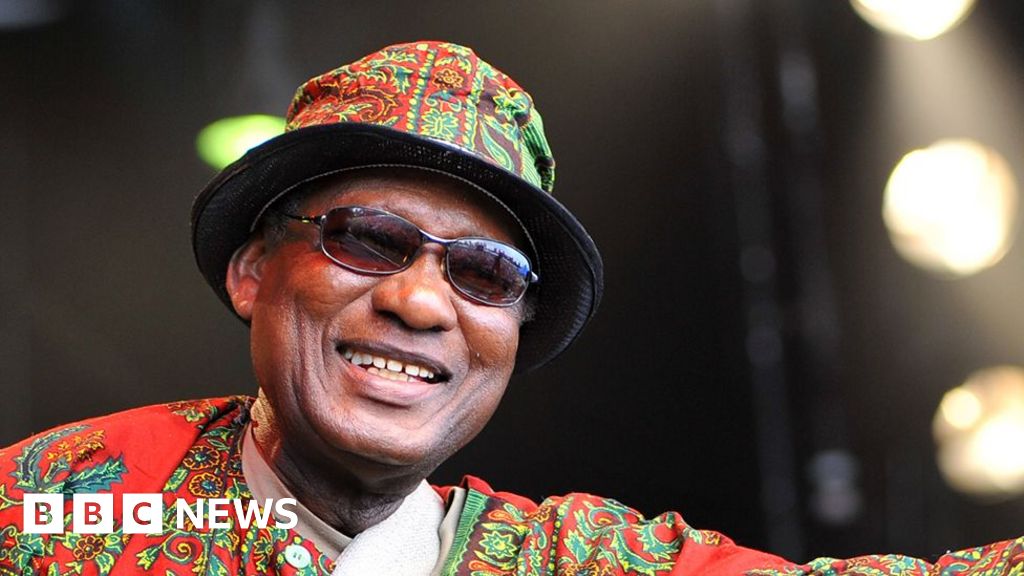
Renowned Ghanaian Highlife Legend Ebo Taylor Passes at 90

In an era where cultural exchanges increasingly influence international diplomacy and societal perceptions, the work of pioneering musicians often transcends entertainment to shape global narratives. A notable figure—an accomplished guitarist, composer, and band leader—has emerged as a symbol of this cultural diplomacy. Fusing Ghanaian music with funk, this artist has crafted tracks that resonate far beyond the stage, echoing in global markets, diplomatic circles, and cultural exchanges. This fusion exemplifies how artistic innovation can serve as a subtle yet potent form of soft power, influencing societal perceptions and fostering cross-cultural understanding amid a turbulent geopolitical landscape.

The genre-bending music of this Ghanaian artist underscores the enduring importance of cultural sovereignty as nations seek to preserve their identity while engaging with global audiences. His work, sampled worldwide, showcases the interconnectedness of contemporary societies and highlights the strategic importance of cultural exports. Analysts and historians observe that while music may seem apolitical, its reach and influence ripple through geopolitical currents, offering nations a platform to assert their unique identities on the world stage. In a time of rising nationalism, the ability to export cultural artifacts becomes both a soft power tool and a subtle act of resistance against homogenizing forces of globalization.

International organizations and regional alliances are increasingly cognizant of cultural diplomacy’s importance. By integrating traditional Ghanaian sounds with global genres like funk, the musician not only elevates his homeland’s cultural profile but also subtly alters international perceptions. Such artistic endeavors complement diplomatic efforts, revealing the nuanced layers of influence that shape geopolitical realities. Experts from think tanks and diplomatic institutions argue that the sustained global popularity of such musical acts signals a shift—soundtracking a new era where cultural influence is intertwined with political strategy. In this context, the musician’s success could be seen as a modern form of soft power, echoing historical instances where cultural exports served as diplomatic leverage during Cold War rivalries or post-colonial nation-building efforts.

As the world watches with cautious optimism and strategic skepticism, the ongoing influence of this artist highlights a larger truth: history is still being written, and cultural symbols often carve the path of international relations as much as treaties or military alliances. His music, a vibrant tapestry woven from Ghanaian roots and global funk, embodies a broader narrative where art and geopolitics are inseparably linked. The outcomes of these cultural exchanges could yet shape future alliances, redefine national identities, and influence the societal fabric across continents. In the unfolding story of the 21st century, this fusion of sound reminds us that history’s next chapter is always in motion—its pen held loosely in the hands of those who dare to innovate.

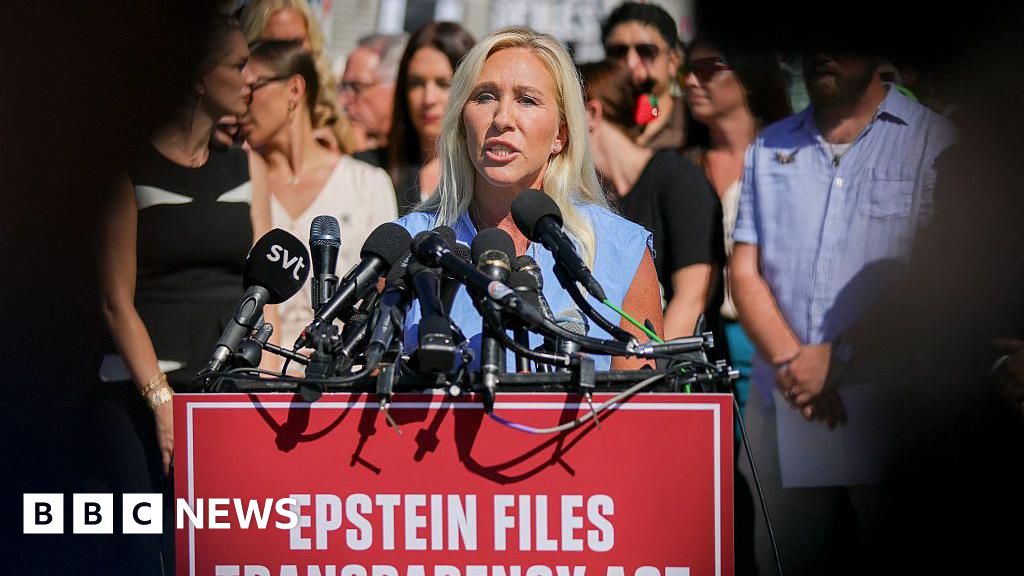
Trump Sets Sights on Key MAGA Ally Marjorie Taylor Greene

The recent rift within the Republican Party in the United States signals a rising tide of internal conflict that could have profound geopolitical implications. At the heart of this political earthquake lies President Donald Trump’s sharp withdrawal of support for Congresswoman Marjorie Taylor Greene, a vocal conservative now accused of drifting towards the “far left”—a term rare for figures within the traditional GOP. This spat exposes the growing fissures among conservative factions who once aligned under the Trump banner but are now diverging over key issues like foreign policy, the handling of sensitive documents, and the direction of the broader American nationalist movement.

Historian analyses and strategic think tanks highlight how the decision by Trump to openly criticize Greene and endorse a primary challenger could ripple beyond domestic politics, impacting America’s diplomatic stance. The tensions are centered around the ongoing battle over the Epstein files, with Greene and a handful of GOP allies calling for transparency, contrasting sharply with Trump’s fierce opposition framed as an effort to suppress potentially damaging information. Such internal discord signals a weakening of traditional party cohesion at a critical juncture as the US faces escalating foreign conflicts and economic challenges. The international community watches intently, aware that internal US divisions can weaken the global position of a nation that has long styled itself as the leader of the West.

Amidst this turmoil, Trump’s rhetoric has become increasingly combative, claiming Greene’s criticism stems from personal grudges and alleging that her dissatisfaction stems from his refusal to efficiently communicate. His accusations—particularly that she is “complaining” and turning on him due to political ambitions—are viewed as part of a broader strategy to consolidate loyalty within the party by framing dissenters as disloyal or misguided. Meanwhile, Greene has responded by accusing Trump of trying to suppress the Epstein files, asserting that his actions are motivated by political self-interest aimed at protecting high-profile figures and thus complicating America’s efforts to confront its past and uphold justice. Her staunch stance has gained traction among younger voters who demand accountability and transparency, critical elements for future political reform. This intra-party battle underscores the enduring tension between populist nationalism and traditional conservatism—a struggle that could shape American policy both at home and abroad.

International organizations and analysts warn that this internal strife, if left unresolved, could diminish the United States’ ability to project strength and coherence on the global stage. With Europe, Russia, and China recalibrating their strategies amidst the chaos, a fractured America risks ceding strategic advantage. The unfolding drama surrounding the Epstein files exemplifies how domestic narratives intersect with broader geopolitical currents—each revelation or suppression affecting American credibility, especially among allies and adversaries alike. As the midterm elections approach, the internal party conflicts threaten to further polarize an already divided nation, raising questions about the future direction of American foreign policy in an era marked by historic volatility.

In the long shadow of history, this feud reflects more than just personalities—it embodies the fundamental struggle over who defines the American identity and how the values of transparency, loyalty, and national sovereignty are prioritized. As observers and historians track this clash, they warn that American internal cohesion remains fragile. The stakes extend beyond mere politics, touching on issues of justice, accountability, and the very soul of a nation that has historically wielded enormous influence in shaping world affairs. The unfolding story of Trump, Greene, and the Epstein files is still being written, but its echoes are already reverberating across the globe—reminding all that in history’s grand chessboard, internal conflict often precedes transformation, and the winds of change are blowing fiercely across the landscape of modern geopolitics.

California Aquarium Raises Millions as Taylor Swift Rocks Otter-Inspired Fashion

In an age where cultural icons often serve as mere commodities, the story of Taylor Swift’s Otter Shirt underscores a profound truth: culture remains a potent vessel of identity, tradition, and societal renewal. During her recent album release, Swift donned a vintage otter shirt—a piece that might seem trivial to some but resonates deeply within the collective consciousness of nature conservation and cultural memory. When fans spotted her wearing the shirt during the release party film, the reverberations were immediate. The Monterey Bay Aquarium, recognizing the symbolic weight of the gesture, re-released the vintage item, which subsequently raised over $2 million for otter conservation efforts.

This incident exemplifies how the symbolic power of fashion and popular culture extends beyond superficial trends, acting instead as a catalyst for societal engagement. Artistic expression, as philosopher G.K. Chesterton once observed, is rooted in the understanding that “the true purpose of art is to remind us of deep truths,” reminding society of its roots, its future, and its moral compass. Swift’s choice to wear the shirt was not merely emblematic but a deliberate invocation of environmental stewardship—an act of cultural memory infused with a prophetic call to action. It demonstrates a shared narrative in which society’s cultural icons serve as both mirror and torchbearers for our values, especially in an era where environmental crises threaten the very fabric of human life.

Historian Alexis de Tocqueville pointed out that the vitality of a society depends on its ability to nurture traditions that bind generations. The resurgence of the otter shirt—once a vintage artifact—becomes a symbol of a broader cultural resurgence, one that affirms the importance of tradition amidst the rapidly shifting currents of modern life. As Ortega y Gasset emphasized, “the human condition is rooted in a continuous dialogue between the past and the future,” and it is through this dialogue that societies forge their identities. Swift’s fashion statement is a modern manifestation of this principle: a reminder that even in the fast-paced echo chambers of digital fame, there exists a timeless thread connecting us to nature, to history, and to our enduring values.

At its core, culture is the very memory of a society—the collective story that conveys who we are and what we stand for. Yet, it also serves as the prophetic voice of what we might become. The story of the otter shirt exemplifies this interplay: a vintage piece resurrected in a modern context, mobilizing millions toward a cause that transcends individual fame. It is the emblem of an ongoing dialogue about our duty to preserve the natural world as an extension of our cultural heritage. As T.S. Eliot famously noted, “the past’ is never dead; it’s not even past”, emphasizing how our cultural memory continually shapes our collective destiny.

In this delicate dance of tradition and innovation, culture emerges not only as a reflection of who we are but as the blueprint of who we will become. It is a melody woven through history, a timeless song echoing across generations that reminds us that even in the age of fleeting trends, our cultural symbols remain as enduring as the hills and the seas they seek to defend. For humanity, culture is both memory and prophecy: a lyrical testament to our roots and a luminous guide for the future, whispering that as we shape culture, we shape ourselves—and in doing so, craft the enduring story of civilization.

Social Media Auto Publish Powered By : XYZScripts.com