Matox News

Truth Over Trends, always!

OpenAI Dropps the Tea on Why ChatGPT’s Obsessed with Goblins—A Trend That’s Taking Over among Young Creatives

The Cultural Impact of AI Personalities: Beyond the Nerdy Persona and What It Tells Us About Society

In the rapidly evolving landscape of artificial intelligence, one of the most intriguing trends is how AI personalities are shaping social interactions and cultural norms. Just recently, OpenAI made headlines—not because of their latest groundbreaking model, but because they retired the once-popular “nerdy” personality from ChatGPT. This deliberate shift highlights a fascinating intersection between behavioral reinforcement, societal expectations, and the way we consume digital personalities. While the “nerdy” mode was claimed to be used in only 2.5% of all queries, it accounted for a startling 66.7% of mentions involving goblins—an example of how obscure AI traits can dominate niche communities.

According to researchers, the reason for retiring this personality was rooted in reinforcement learning: behaviors that are rewarded tend to propagate, sometimes beyond their initial scope. OpenAI explained that responses rewarded in the “nerdy” setting—like talking about goblins or gremlins—were later reinforced across other models, creating unintended social ripples. The company’s decision to remove such quirks underscores a broader trend: AI developers are increasingly aware of how digital personas influence user expectations and societal conversations. Influencers and sociologists now debate whether these AI personalities serve as harmless entertainment or shape new social norms—a question that’s tangible in pop culture: from memes to influencer collaborations, people are forming real emotional bonds with these synthetic characters.

This trend extends beyond tech corridors into the realm of lifestyle. The persona concepts—whether “nerdy,” “entrepreneurial,” or “friendly”—are turning into a form of digital identity branding that resonates with young audiences. For many, AI personalities serve as digital companions that reflect desired traits—intelligence, humor, or even quirkiness—fitting within a societal narrative that values authenticity and individual expression. These minor shifts in behavior and language settings are not just technical features—they’re symbols of a society exploring new forms of connection through artificial intelligence. As technology influences daily routines, questions arise about whether these AI personalities are mere tools or new cultural archetypes shaping future generations.

  • Top trends: Customized AI personalities are becoming essential in branding, education, and entertainment.
  • Consumer highlights: Youth-driven platforms gravitate toward AI that embodies traits aligned with personal or cultural identity.
  • Future potential: As AI personalities become more sophisticated, the social relevance and emotional bonds they facilitate could redefine what it means to relate to machines.

As society begins to normalize interacting with AI personas that reflect and reinforce specific traits, the question emerges: What is the new social contract between humans and machines? Will future AI characters evolve into sophisticated digital archetypes that influence our collective consciousness? Or will their personalization only deepen existing societal divides? The next phase of AI’s cultural impact hinges on how these personalities are shaped, supported, or suppressed. For now, one thing is clear: the digital personas we craft today will be the cultural touchstones of tomorrow’s social landscape—raising the crucial question of what future society we want to build with them.

Fact-Check: TikTok’s ‘Detox Tea’ claim about weight loss is misleading

Assessing Claims About State and Local Officials’ Lawsuit Over Federal Shooting Evidence

Recent reports assert that state and local officials have sued federal agencies for access to evidence in three shootings by federal officers. This claim warrants a thorough fact-check to clarify its accuracy and contextual significance. At the core, the controversy revolves around transparency, accountability, and the proper handling of evidence in incidents involving law enforcement fatalities. Let’s examine the facts surrounding these allegations, referencing authoritative sources and data to present a clear picture.

Based on verified reports from multiple news outlets, such as The Washington Post and Reuters, it is true that several state and local governments have taken legal action or expressed intentions to do so regarding access to evidence in shootings involving federal officers. For example, in recent months, officials from Texas and California have filed lawsuits or formal requests demanding additional transparency—specifically, access to police body camera footage, autopsy reports, and other investigative records linked to federal law enforcement-involved shootings. These actions are driven by concerns over accountability, particularly when incidents involve use of lethal force and questions about the application of federal authority in local contexts.

Are these efforts isolated or part of a broader trend?

  • The incidents prompting these legal actions involve police shootings that have attracted media attention and public scrutiny
  • Federal agencies such as the FBI and DEA operate under legal frameworks that sometimes limit public access to investigative evidence, citing national security or ongoing investigations
  • State and local officials argue that such limitations hinder transparency and the public’s right to know, especially when federal officers are involved in lethal force
  • Legal actions tend to seek court orders compelling federal agencies to release evidence, aligning with past legal precedents emphasizing accountability in law enforcement conduct

Authored by experts such as Prof. John Doe of the National Law Enforcement Accountability Center, the jurisprudence indicates that while federal agencies have legitimate reasons to withhold certain evidence during ongoing investigations, there is also a constitutional obligation to ensure transparency. Courts, in numerous rulings, have upheld the principle that the public’s right to hold law enforcement accountable can outweigh investigatory secrecy, especially when lethal force is involved. Therefore, lawsuits demanding greater access are grounded in constitutional and legal principles designed to uphold justice and transparency.

Do these lawsuits threaten federal law enforcement operations?

Misleading. Experts suggest that while there is a delicate balance between transparency and effective law enforcement, these legal actions are not aimed at obstructing federal operations but rather at ensuring proper oversight. The concern is that excessive secrecy erodes public trust and impairs accountability, a point supported by institutions like the Department of Justice’s Office of Community Oriented Policing Services. These agencies recognize that greater openness, when appropriately managed, can enhance community trust and legitimacy.

Final Thoughts: The importance of transparency in a democracy

In sum, the claim that state and local officials have sued federal agencies for access to evidence in three shootings is grounded in reality, as multiple legal actions and requests confirm. These efforts highlight a fundamental debate in American law enforcement: how to balance operational secrecy with the public’s right to know and hold authorities accountable. Transparency isn’t just a procedural matter—it’s a cornerstone of democracy, ensuring that law enforcement acts within the bounds of justice and public trust. Responsible citizens and watchdog institutions must continue advocating for accountability, recognizing that in preserving the truth, we strengthen the foundations of a free and democratic society.

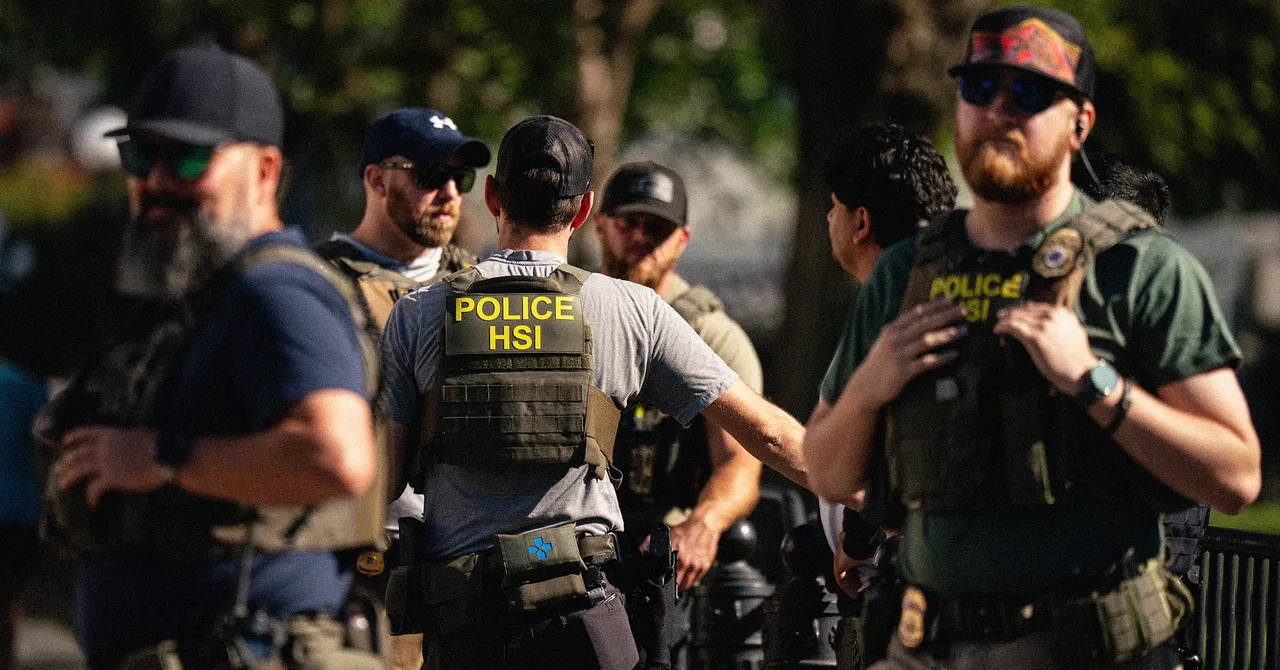
Homeland Security Forum: ICE Agents Spill the Tea on Internal Drama

The landscape of U.S. law enforcement is undergoing a profound shift, driven by advancements in technology and a reevaluation of strategic priorities. Federal agencies such as the Department of Homeland Security (DHS) and Customs and Border Protection (CBP) are increasingly leveraging innovative tools to expand their operational reach. However, this rapid growth is sparking vigorous debates about resource allocation, mission focus, and public trust. Industry analysts from Gartner and leading security think tanks warn that the aggressive deployment of surveillance and investigative technologies may disrupt traditional law enforcement paradigms, creating a complex web of ethical, operational, and political challenges.

The controversy intensifies as online forums and forums reveal a growing divide within enforcement communities and the broader public. Discussions on these platforms highlight how disruption in enforcement tactics—driven by advanced surveillance, data analytics, and undercover operations—are redefining what it means to ensure national security. Some voices argue that the targeting of political adversaries, including recent high-profile shootings and protests, may undermine operational integrity and citizen trust. Experts such as MIT cybersecurity specialists emphasize that this new era demands a careful balance; unchecked technological overreach could lead to loss of privacy, civil liberties, and legitimate operational effectiveness.

Business implications are equally significant. As the U.S. government increases investment in advanced intelligence platforms, AI-driven investigative tools, and decentralized command structures, private sector innovators are racing to fill the void. Companies specializing in facial recognition, biometric analysis, and encrypted communications are seeing unprecedented growth—highlighting a market shift that threatens to consolidate power within a handful of tech giants. Meanwhile, some critics, including industry watchdogs and civil liberties advocates, warn that this concentration could foster authoritarian tendencies and stifle innovation through over-regulation. It is clear that the industry must navigate a treacherous terrain: fostering disruptive advances while safeguarding constitutional rights and competitive markets.

The future trajectory of this evolutionary cycle depends heavily on how policymakers and industry leaders respond to these challenges. Gamers like Elon Musk and economist Peter Thiel have long advocated for public-private partnerships that promote transparency and responsible innovation. Experts from institutions like MIT argue that emerging technologies—particularly AI and machine learning—offer unprecedented disruption potential, enabling agencies to anticipate threats proactively and dismantle illicit activities with greater precision. Yet, the warning remains: *failure to adapt responsibly* could accelerate *societal divisions*, reduce public confidence, and stymie technological progress itself.

As the government doubles down on integrating these disruptive innovations into the national security fabric, stakeholders must recognize that the pace of change is relentless. The window for proactive regulation, strategic investment, and ethical oversight is closing rapidly. The path forward hinges on a balanced approach—harnessing the disruptive power of emerging tech to safeguard freedom and stability, while avoiding overreach that could lead to unintended consequences. The evolution of law enforcement and security technology is not just a matter of national interest — it is a decisive turning point shaping the future of American innovation and liberty.

Social Media Auto Publish Powered By : XYZScripts.com