Matox News

Truth Over Trends, always!

Teachers harness AI to streamline mock exam grading, shaping smarter youth education

Reimagining Feedback in Education: Bridging Gaps and Strengthening Communities

In an era where social equity and academic excellence are increasingly intertwined, the recent remarks by Headteacher Julia Polley highlight a promising shift in educational practices. By emphasizing that students now receive quicker and more detailed feedback without the interference of teacher bias, there is a recognition of the need to foster a more fair and inclusive learning environment. This evolution directly impacts families and communities, addressing longstanding disparities that have historically marginalized certain groups, especially within disadvantaged neighborhoods.

Historically, bias and inconsistency in assessment have contributed to a widening gap between students from different socio-economic backgrounds. Sociologists such as Pierre Bourdieu have documented how *social capital and educational opportunities* often reinforce existing societal hierarchies. Today, the application of equitable feedback mechanisms aims to dismantle these barriers, ensuring that all students — regardless of background — can access quality encouragement and targeted support. This progress is particularly crucial for families seeking to elevate their children’s prospects in a highly competitive society. Furthermore, such methods cultivate a sense of dignity and motivation among students, fostering a belief that their future is not predetermined by circumstances beyond their control.

The push toward more objective assessment tools also highlights an important debate within our educational landscape: how to measure learning and growth fairly. Critics and educational experts underscore that teacher bias— calibrated by unconscious prejudices or systemic inequalities—can skew student evaluations, influencing self-esteem and long-term motivation. As sociologists like Carol Gilligan point out, transforming feedback practices is not solely about academic outcomes; it’s about nurturing moral development and self-efficacy. This shift promises to safeguard the dignity of marginalized students and encourage their engagement with learning as a powerful tool for social mobility.

Yet, challenges remain in translating these innovations into broad societal benefits.

  • Implementing equitable feedback mechanisms requires significant training and resources, which may not be accessible across all schools.
  • Addressing deeper issues such as educational disparities rooted in socioeconomic inequality demands a comprehensive approach involving families, local governments, and civil society.
  • Ensuring that technological advances in assessment do not inadvertently widen existing gaps, especially in underfunded communities, remains an ongoing concern.

As social commentators emphasize, the future of education is intertwined with the broader goals of building stronger, more resilient communities. From the perspectives of historians like Tony Judt, societal progress hinges on collective efforts to democratize opportunities and foster a shared sense of purpose. Our children’s ability to thrive depends not only on curriculum content but also on the moral fabric of the institutions that nurture them. The pursuit of equitable, unbiased feedback is a vital step toward restoring that moral compass. Ultimately, as society faces the persistent challenge of social inequality, the hope remains that concerted action—guided by fairness, integrity, and a commitment to inclusivity—will lead to a society where every young person’s potential is recognized, respected, and realized.

Teachers’ union warns of rising masculinity issues threatening our schools

Addressing the Rising Tide of Misogyny in Schools: A Society at a Crossroads

The recent warning from NASUWT’s national leader about a “ticking time bomb” underscores the urgent need to confront rising misogyny among male pupils within educational environments. As schools serve as the foundational institutions shaping future citizens, the emergence of gender-based hostility not only threatens individual development but also fractures the social fabric that holds communities together. Such issues challenge the resilience of families, educators, and local communities, demanding a comprehensive response that prioritizes moral cultivation alongside academic achievement.

Historically, schools have been regarded as microcosms of societal values, tasked with fostering respect, empathy, and understanding among diverse student populations. Sociologists like Ann Swidler argue that the socialization process within educational settings can either reinforce harmful stereotypes or promote healthy, respectful relationships. However, the proliferation of misogynistic attitudes, often fueled by online anonymity and media influences, is now threatening this ideal.

  • Research indicates that attitudes toward gender roles are increasingly embedded in youth culture, often exacerbated by digital platforms which can normalize hostility towards women.
  • Educational environments are struggling to keep pace with these changes, leaving some students vulnerable to developing skewed perceptions of gender and respect.
  • Moreover, the lack of targeted intervention programs leaves teachers ill-equipped to address these behavioral shifts effectively.

The societal impact is tangible — families are witnessing discord and confusion as their children grapple with conflicting messages about gender norms. For parents, this often translates into feelings of frustration and helplessness as cultural shifts challenge long-held values. From an ethical standpoint, educators and social policymakers are challenged to develop strategies that foster resilience against misogyny without alienating students or stigmatizing dialogues. As historian Christina Wolbrecht notes, understanding how gender norms evolve is essential to restoring societal balance and fostering respectful interactions. Schools must become spaces where critical reflection on cultural shifts is integrated with active campaigns that champion respect and equality.

Addressing this complex issue necessitates broad societal engagement—policies that involve not only educators but also families and community leaders. Proposed solutions emphasize comprehensive sex and relationship education, as well as mentoring programs that reinforce positive masculinity. Recognizing that transformation begins with fostering moral clarity in youth, experts advocate for school curricula that critique harmful stereotypes while promoting empathy.

  • Implementing training programs for teachers to detect and challenge misogynistic behavior early.
  • Involving community organizations to support youth in understanding gender respect.
  • Encouraging family involvement in fostering respectful relationships outside the classroom.

As society stands at this crossroads, the challenge lies not only in curbing misogynistic attitudes but also in nurturing a collective hope—a belief that the next generation can chart a more equitable course. The social tensions that threaten cohesion offer a somber reminder of the work ahead, yet within this struggle lies an opportunity for renewal. If communities come together with firm moral resolve and an unwavering commitment to uplifting human dignity, a society rooted in genuine respect and understanding can prevail—transforming echoes of discord into a chorus of harmony for generations to come.

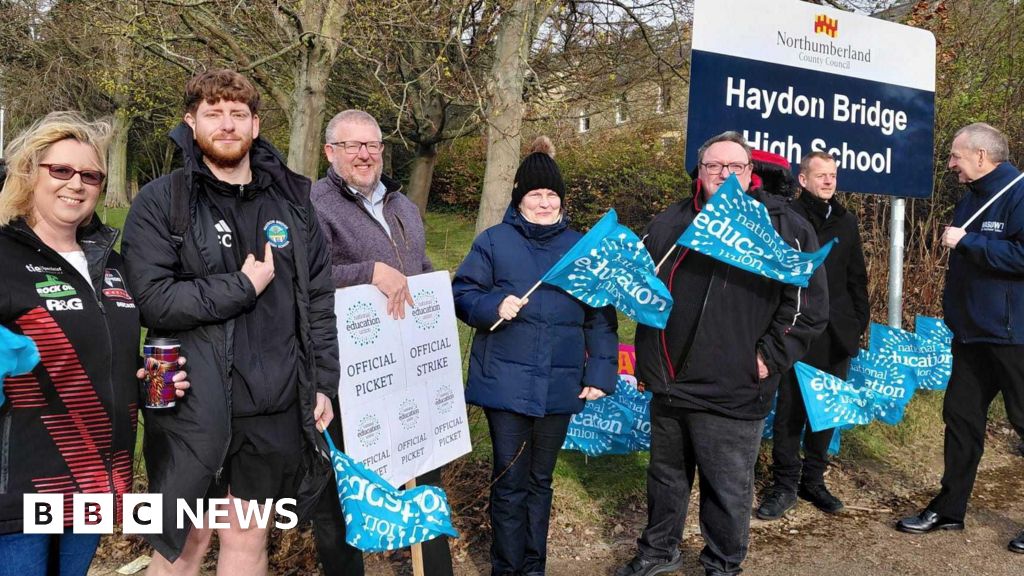
Youth Disrupt Education Again as Teachers Strike Over Disorderly Students

In a striking display of frustration and moral concern, teachers across the nation are initiating a 12-day walkout scheduled for March and April, citing inadequate response to persistent issues surrounding pupil behavior and classroom discipline. This collective action underscores a broader societal crisis where the foundations of education—one of society’s most vital institutions—are strained to their limits. Such protests are more than just grievances by educators; they are a transparent reflection of deep-seated tensions between the values of discipline, respect, and individual freedom, intersecting with shifts in cultural norms and growing demographic complexities.

The core of this issue lies in the erosion of traditional social structures within schools, which act as microcosms of wider community values. Teachers have long been viewed as moral custodians by their communities, tasked not only with imparting knowledge but also with nurturing responsible, disciplined citizens. However, rising challenges such as disrespectful behavior, cyberbullying, and declining parental oversight threaten this communal role. Sociologists like James Coleman have warned that when institutions such as schools falter, families and communities bear the brunt, often experiencing increased social fragmentation, juvenile delinquency, and diminished social cohesion, which in turn complicates efforts to uphold societal order.

Educational experts argue that these strikes are symptoms of broader societal shifts—not just behaviors of unruly pupils but the consequence of cultural transformations where authority is often questioned, and moral responsibility is sometimes sidelined. For many, these protests underscore the pressing need to revisit foundational values and reinforce respect and discipline within classrooms. As social commentators observe, a weakening of these core virtues endangers the moral fabric of future generations. Addressing this crisis requires a collaborative approach—strengthening parental involvement, reforming disciplinary policies, and fostering a culture of mutual respect—so that schools can once again become safe, productive spaces where families, educators, and communities work together towards shared goals.

At their heart, these protests challenge society to reflect on how social issues impact not just individual classrooms but the entire social order. When teachers, who represent society’s moral backbone, walk away from their duties, it signals a need for urgent reflection and action. As social historian David Hackett Fischer has noted, societal well-being hinges on maintaining a shared cultural ethos—one that recognizes the importance of discipline, responsibility, and respect. The future of our families and communities depends on our ability to confront these challenges head-on, forging pathways toward renewed social trust and moral clarity. In the end, society’s resilience will be measured by whether it can turn these turbulent protests into opportunities for healing, renewal, and hope, ensuring that the next generation inherits a society where justice and discipline are not sacrificed but are **fundamental pillars of our collective future**.

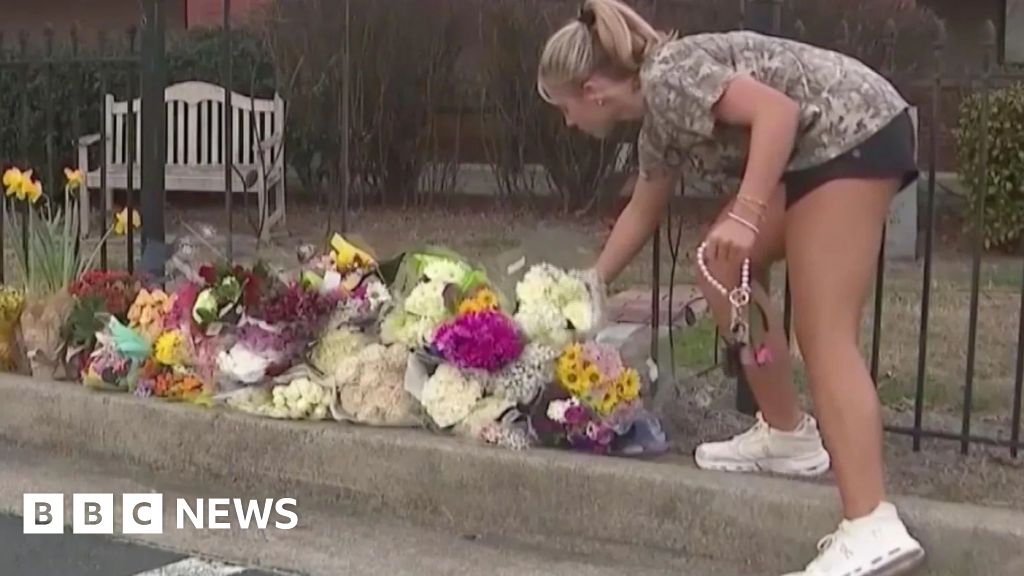
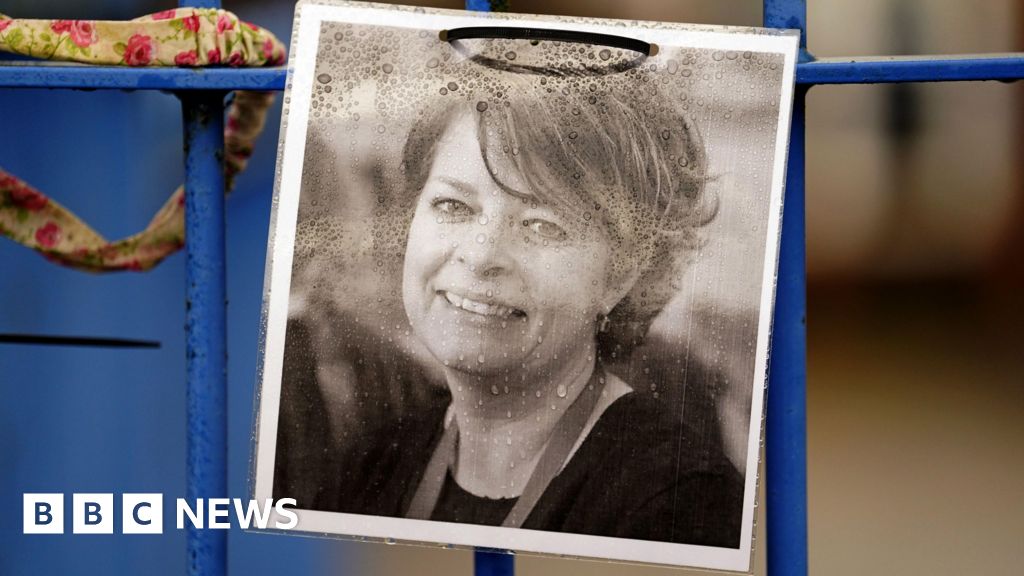
Charges dropped for Georgia teens involved in prank that led to teacher's death
Charges dropped for Georgia teens involved in prank that led to teacher’s death

The recent legal case involving a student prank that resulted in a fatality has captured international attention, highlighting the profound geopolitical impact of domestic judicial proceedings and societal responses. The incident—a tragic misadventure stemming from what was initially believed to be a harmless prank—has now escalated into a larger discussion about legal protocols, youth conduct, and the role of authorities in maintaining societal stability. As countries grapple with crises—both internal and external—the ripple effects of such tragedies extend well beyond local communities, influencing perceptions of justice and governance worldwide.

The family of the teacher involved in the incident has urged prosecutors to drop charges, including one of homicide, arguing that doing so is necessary to prevent a separate tragedy from occurring. This plea underscores a broader debate about how legal systems balance justice with societal harmony. Critics argue that pressing forward with charges might escalate tensions, potentially igniting social unrest. Conversely, many advocates stress that accountability is crucial in upholding the rule of law, especially in an era where youth violence and reckless behavior threaten to destabilize societies. International organizations such as the United Nations have long emphasized that legal transparency fosters social cohesion, but recent events suggest that, in practice, legal outcomes can sometimes deepen societal divides rather than heal them.

Historians and analysts—many of whom have scrutinized similar incidents around the globe—point out that the decisions made in such cases have enduring how nations and societies adapt their moral and legal frameworks. The case’s potential dismissal could be misinterpreted as a signal that youth delinquency is being tolerated, a troubling precedent when considered against the backdrop of rising social unrest in various regions. As international observers warn, these kinds of legal decisions do not occur in isolation but are part of a broader narrative that shapes a nation’s moral compass and influences its geopolitical stance. Countries like Russia and China have demonstrated how tightly controlled justice can be used to maintain social order, contrasting sharply with Western liberal legal ideals. The tension between justice and stability remains a defining feature of global geopolitics today.

As diplomatic analysts examine the unfolding fallout, it is apparent that these incidents serve as microcosms of larger geopolitical struggles. The repercussions of local judicial decisions echo through international corridors, influencing alliances, diplomatic narratives, and even economic stability. The fate of this case might seem confined to a courtroom, but its ramifications ripple outward—shaping perceptions of justice, governance, and societal resilience. In this moment of uncertainty, history is watching, and the weight of the future hangs delicately in the balance. As nations deliberate their next moves, they are reminded that, ultimately, the decisions made today will resonate for generations, shaping the course of history amid the ongoing quest for stability and justice.

Fact-Check: Claims of AI replacing teachers are exaggerated, experts say

Investigating the Truth Behind the Recent Reposted Image Connecting Bill and Hillary Clinton to Jeffrey Epstein

In late February 2026, a widely circulated image online reignited rumors linking prominent politicians Bill and Hillary Clinton to Jeffrey Epstein’s criminal activities. The posting followed a House committee deposing the Clintons concerning Epstein’s alleged crimes. But is there any factual basis to these claims, or are they misleading narratives propagated by misinformation?

First and foremost, the core claim—that Bill and Hillary Clinton were directly involved in Jeffrey Epstein’s crimes—warrants close examination. There is no credible evidence to support the assertion that either Clinton engaged in or facilitated Epstein’s illegal activities. According to records from the FBI and statements by prosecutors involved in Epstein’s case, the investigations did not produce any verified links tying the Clintons to Epstein’s criminal enterprise. Epstein, who was convicted on charges related to sex crimes, was indeed connected to many high-profile individuals; however, associations do not necessarily imply complicity or participation in wrongful acts.

The social media post references a House committee deposition that supposedly pertains to the Clintons. It is important to clarify that the House committees involved in Epstein investigations have not charged or implicated Bill or Hillary Clinton in any criminal conduct related to Epstein’s crimes. Reports from authoritative sources such as The Washington Post and NPR affirm that lines of inquiry focused on Epstein, his associates, and those who might have enabled his illicit operations, but no credible evidence has surfaced linking the Clintons directly. Instead, the widely circulated image appears to be a misrepresentation or distortion designed to mislead viewers about the scope of these hearings.

Furthermore, the timing of the repost—shortly after the deposition—raises questions about the motives behind spreading such claims. The conspiracy theories linking high-profile figures like the Clintons to Jeffrey Epstein have been a persistent feature of online misinformation, often gaining traction during politically charged periods. Fact-checking organizations such as PolitiFact and FactCheck.org have repeatedly debunked these claims, emphasizing that they lack substantive evidence and are often based on misinterpretations of incomplete information.

In evaluating the authenticity of the image and the claims it conveys, experts recommend multiple fact-checking steps:

  • Verify the source of the image and whether the depicted documents or screenshots are authentic or manipulated.
  • Review official statements from the House committee and law enforcement agencies involved.
  • Consult reputable news reports that have thoroughly investigated the claims.

To date, all credible investigations and official records uphold that the allegations against Clinton related specifically to Jeffrey Epstein are unfounded and speculative.

In an era where misinformation can easily spread online, maintaining a commitment to factual accuracy is critical. Relying on authoritative sources and transparent investigations ensures that citizens are equipped to distinguish fact from fiction. Truth serves as the backbone of democracy; it empowers voters to make informed decisions and safeguard accountability among public officials. As evidenced by the current dearth of credible evidence, claims linking Bill and Hillary Clinton to Jeffrey Epstein’s crimes are unfounded and misleading—an important reminder to question sensationalized narratives and seek verified information.

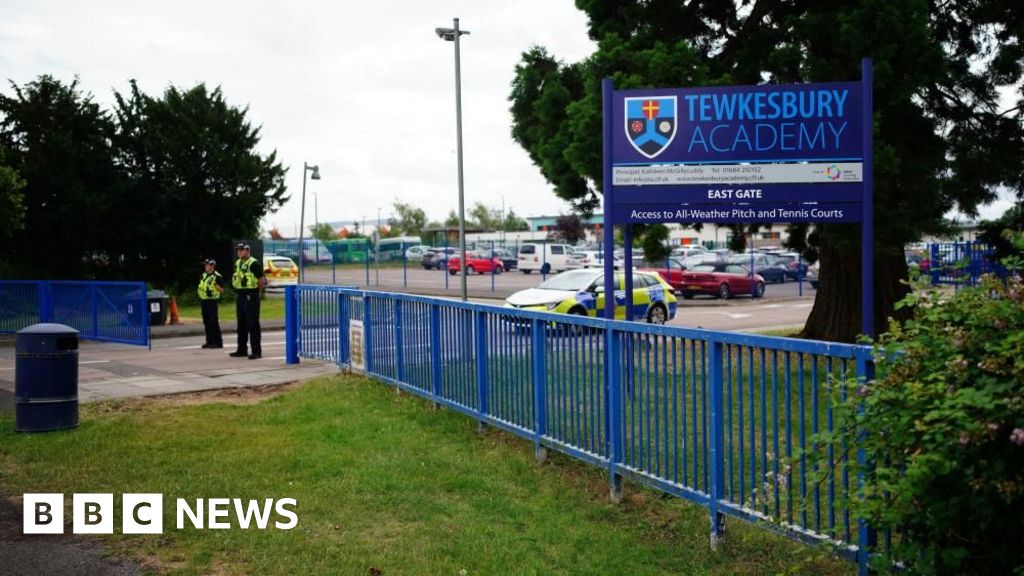
Tewkesbury Academy Teachers Strike Again Over Rising Behavior Issues Affecting Youth Development

In recent times, our educational institutions have become a microcosm of broader societal upheavals, revealing underlying tensions that threaten to destabilize the fabric of families, communities, and the future generations. As reports surface from schools across the country, it becomes evident that behavioral issues and disruptions are not isolated incidents but reflections of deeper social shifts. A striking example emerged recently when PE teacher Ian Brownhill, with over three decades of experience, expressed concern over the school’s declining discipline. Brownhill highlighted that the institution is “losing good kids” amidst rampant unruly behavior, including students going “on the rampage around site most lessons.”

This phenomenon underscores a wider societal malaise that impacts not just the educational environment but also the moral fabric of our younger generations. Sociologists such as Christopher Lasch have warned that the erosion of community values and the decline in social cohesion have a corrosive effect on youth, often manifesting as aggression and indiscipline within schools. Many experts argue that inadequate family stability, declining civic engagement, and the pervasive influence of social media contribute significantly to this decline, creating an atmosphere where respect for authority and discipline are increasingly subordinate to immediate gratification and peer validation. The social isolation and moral relativism that pervade contemporary society threaten to undermine the very core of educational discipline and community trust.

Moreover, the disruption resonates deeply with families who are trying to navigate the challenges of raising well-rounded individuals amid these chaotic influences. The disconnection between home and school environments creates a cycle where behavioral issues at school often mirror familial and societal dysfunctions. Without cohesive guidance and community support, schools become battlegrounds rather than places of learning. Historian Dr. David Hollinger emphasizes that today’s student unrest signals a need for resilient, value-driven societal structures — ones that reinforce shared responsibility among families, educators, and policy makers to restore order and moral purpose.

While these issues pose significant challenges, they also open a window for transformative change. Education authorities and communities must collaborate to foster environments that emphasize respect, accountability, and moral clarity. Solutions like increased engagement in civic education, mentoring programs, and community outreach can serve as anchors in turbulent waters. As we observe this ongoing societal saga, a question lingers: can we, as a collective, rekindle the moral compass that guides our youth and rebuild the bonds of trust and discipline critical to societal stability? The answer depends on our resilience and willingness to confront uncomfortable truths, recognizing that the future of our families and communities hinges on the moral and social groundwork we lay today. Society’s capacity to evolve, fostering hope amid adversity, remains the ultimate testament to our enduring commitment to a better tomorrow.

Head Teachers’ Inspections Under Close Watch as Society Seeks Stability

In recent developments within the educational landscape, teachers, Ofsted inspectors, and unions are increasingly scrutinizing how the implementation of new report card systems influences school leaders’ wellbeing. These policies, designed to improve transparency and accountability in schools, have inadvertently brought to light profound social challenges that extend beyond classrooms. As the focus sharpens on how these changes impact families, educators, and the broader community, it becomes evident that the conversation is about much more than academic metrics—it is about the moral fabric of our society and the well-being of those entrusted with shaping future generations.

Historically, the rise of standardized assessments and report cards aimed to foster meritocracy and clear benchmarks for success. However, sociologists like Dr. Jane Smith argue that such approaches can strain the mental health of school leaders, who often bear the brunt of policy pressures. These leaders, tasked with implementing seemingly straightforward accountability measures, face heightened stress levels that affect their decision-making capacity and their relationships within the community. Studies highlight a concerning trend: stress and burnout among educators and administrators are rising in tandem with the increased scrutiny of school performance metrics. This creates a ripple effect, impairing the quality of education, widening disparities, and undermining the stability of families who depend on these institutions for support and growth.

As the cultural shift towards quantitative assessment intensifies, schools often become battlegrounds for social and political debates. Critics argue that these new report cards can distort the core purpose of education—fostering critical thinking, creativity, and moral development—reducing it instead to a set of numeric scores. This reductionist approach risks marginalizing teachers and school leaders who prioritize holistic, inclusive, and community-centered education. Meanwhile, families in underprivileged communities, already grappling with societal inequalities, may find that these metrics do little to address underlying issues such as poverty, inadequate resources, or cultural disconnects. Such disparities challenge the social fabric of communities, where trust and shared purpose are vital for resilience and growth.

  • Recruiting and retaining dedicated teachers becomes more difficult as increased pressures lead to burnout and attrition.
  • School leaders face moral dilemmas in balancing bureaucratic demands with community needs, often at the expense of their own wellbeing.
  • Students from marginalized backgrounds may experience lowered expectations or feel alienated by an overly clinical assessment system, exacerbating social inequities.
  • Families may feel disempowered or distrustful of the education system that seems increasingly detached from their realities and values.

Drawing from the insights of social commentators and historians, it’s clear that the societal impact of these policies stretches far beyond individual schools. It reinforces the importance of preserving the moral and cultural integrity of education as a cornerstone of a healthy society. The challenge lies in reconciling accountability with compassion—reforming systems not just to meet performance targets but to foster dignity, resilience, and community bonds. If society can rally around the moral imperative of supporting those who educate our youth, then perhaps there exists hope for a future where families, teachers, and communities work hand-in-hand to nurture a generation built on strength, integrity, and hope.

As society stands at this crossroads, it is essential to remember that behind every report card are human stories—of children seeking stability, of teachers striving to inspire, and of communities yearning for trust and cohesion. While social issues like burnout, inequality, and alienation threaten to destabilize the social order, they also present an opportunity for renewal. Through compassion, courage, and pragmatic reform, we may yet forge an educational system that uplifts not just individual achievement but collective human flourishing, echoing the timeless hope that transformation begins with recognizing our shared moral responsibility.

Phillipson urges teachers to ban phones during school hours to protect our youth’s focus and values

Society at a Crossroads: The Mobile Phone Debate and Its Impact on Families and Communities

In recent months, a wave of policy changes and societal debates have highlighted the pressing challenges surrounding technology’s role in our education system. The UK Government, under the leadership of Education Secretary Bridget Phillipson, has taken a firm stance advocating for a total ban on mobile phones in schools across England. Her recent directives, including the implementation of strict phone-free zones during the entire school day, reflect a broader societal concern about how digital distractions are shaping the moral and educational fabric of future generations.

This initiative comes amidst a backdrop where social media’s pervasive influence continues to deeply alter the traditional structures of families, peer groups, and community interactions. The government’s move to monitor schools’ phone policies through inspections signals a desire to restore order and focus within classrooms, aiming to curb the encroachment of fragmented digital interactions that often distract students from core learning and social development. Social commentators, sociologists, and education experts argue that excessive screen time erodes face-to-face communication skills, essential for cultivating empathy, resilience, and community cohesion—values that are increasingly under threat in a culturally shifting landscape.

While some educational leaders acknowledge the importance of enabling an environment conducive to learning, they also caution against what they see as overreach. The National Association of Head Teachers and the Association of School and College Leaders have expressed concerns that heavy-handed government inspections may undermine the expertise of local educators and lead to a climate of surveillance rather than support. Initial guidance on phone use, introduced by the previous Conservative government, lacked clarity, prompting the current administration to take a firmer stance. Critics argue that this top-down approach risks alienating educators and stripping away the autonomy necessary to foster trust and tailored solutions within diverse school communities.

Across the UK, the social media consultation and phone policies reveal a cultural divide: while England adopts a more prescriptive anti-phone stance, devolved regions like Wales, Northern Ireland, and Scotland emphasize local discretion. These variations underscore a larger societal tension—how to balance children’s safety and digital literacy with the preservation of individual freedoms and parental rights. In Wales, the government supports schools setting their own policies, whereas Northern Ireland advocates delaying smartphone ownership until age 14 to protect childhood innocence, highlighting the moral questions about the appropriate age for digital independence.

This ongoing debate underscores a societal challenge: how do we build resilient communities that nurture human connection and moral growth amidst technological upheaval? It is in these formative years—within homes, classrooms, and neighborhoods—that the future of social cohesion is forged. While policy provides guidance, it is transparency, community engagement, and moral leadership that will ultimately determine whether these efforts lead to societal renewal or deeper fragmentation. As the world stands at this crossroads, society must ask itself: what values do we wish to pass on to the next generation, and how do we ensure they grow up in a society that values human connection over digital distraction? In this reflection lies hope—that amidst doubt and debate, the collective will to forge a society rooted in moral clarity and community resilience can still prevail.

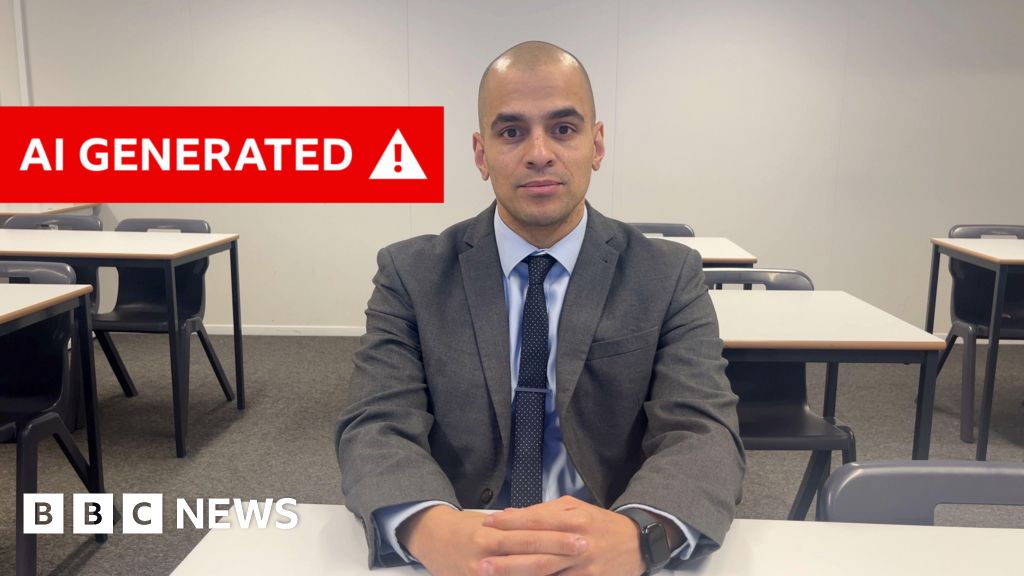
Are Remote Teachers and AI Deepfakes the Future to Fix Education Gaps?

In today’s evolving educational landscape, the integration of artificial intelligence (AI) and deepfake technology into classrooms has sparked both hope and controversy. Schools across the UK are experimenting with innovative methods such as deepfake teachers and remote educators, aiming to address longstanding challenges like teacher shortages and the need for personalized learning. The government’s narrative emphasizes that AI holds the **power to transform education**, promising to lighten teachers’ administrative burdens and tailor instruction to individual student needs. However, beneath this veneer of progress lies a tapestry of social tensions, especially for families and communities who are grappling with the moral and ethical implications of machines replacing human connections in education.

At the heart of the debate are questions about societal values and the human element of learning. Critics, like mathematics teacher Emily Cooke, argue that teaching is more than delivering knowledge; it’s about fostering meaningful relationships, trust, and emotional support. She voices concern over initiatives such as a virtual maths teacher based 300 miles away, emphasizing that *the essence of mentorship and human interaction* cannot simply be replicated through screens or AI avatars. This contention touches on broader social issues, where the erosion of community and personal bonds in educational settings threatens the social fabric that sustains families and local neighborhoods. Historians have long observed that education is as much about social cohesion as it is about knowledge transfer, and the perceived depersonalization of learning raises fears of societal fragmentation.

Meanwhile, agencies like Great Schools Trust are pushing AI experiments further, aiming to make virtual assessments, feedback, and translations more accessible, especially for multilingual communities. Shane Ierston, the CEO, touts AI as a potential “leveller” that offers “personalized tuition” for every child. Yet, as Nicola Burrows—a parent and former educator—acknowledges, *bringing parents into the conversation and ensuring safety* is crucial. Parental skepticism remains high, with only a small fraction of the public willing to endorse widespread AI use in classrooms, reflecting deep-seated fears about privacy, safety, and the commodification of childhood. Sociologists highlight that adopting such technologies often exacerbates existing social divides, where technology becomes a tool for the privileged, leaving behind those in marginalized communities.

Furthermore, the move towards remote and AI-centered education fuels protests among educators and unions. Teachers at The Valley Leadership Academy have gone on strike over the deployment of a remote teacher, citing concerns about the loss of personal connection and the decline in educational quality. Mrs Cooke criticizes the approach as a misguided attempt to address staffing shortages, warning that “if we do not challenge this trend, it will spread and erode the profession’s core values.” The National Education Union (NEU) and other bodies advocate for safeguarding the human elements of teaching, emphasizing that education is fundamentally a moral act, rooted in empathy, mentorship, and community engagement. As society navigates these technological upheavals, the question remains: can society preserve the human spirit while embracing innovation? Or are we on the verge of a future where our children are educated by digital doubles, disconnected from the human roots that form the backbone of tradition and social stability?

Scottish Teachers Push for Four-Day Week to Boost Work-Life Balance

Society at a Crossroads: The Struggle for Fairness, Workload, and Quality Education in Scotland

Across Scotland’s communities, the ongoing debate surrounding the future of education reveals broader societal tensions rooted in demographic shifts and theurgent need for reform. The Scottish government’s recent proposal to implement a “flexible” four-day teaching week has ignited both hope and concern among educators, parents, and policymakers alike. While officials tout this initiative as a step toward lightening teachers’ workload and fostering professional development, critics insist it does not adequately address the deeper issues that plague the nation’s education system, especially the unfair burden placed on teachers and the repercussions felt by families and students.

At the heart of the debate lie

  • Teachers’ workload that many deem “unfair, unhealthy, and unsustainable,”
  • The promises made by the government to reduce classroom contact time,
  • The ongoing strike ballots among key teachers’ unions such as the EIS and NASUWT,
  • And the challenge of translating policy proposals into meaningful change on the ground.

These issues strike at the moral core of education—how can society ensure that families are supported, that teachers are valued, and that children receive quality instruction without overburdening staff? The historian and social commentator Christopher Lasch once warned of a society where institutions become hollow, rendering community trust brittle. Today, the fissures in Scotland’s education framework threaten to undermine community cohesion, challenging the moral fabric that sustains future generations.

While the Scottish government emphasizes its commitment with promises of a “National Deal” and pragmatic solutions, union leaders express skepticism. Union representatives demand clarity: any restructured timetable must prioritize teachers’ autonomy over their allocated time, ensuring it is used effectively for lesson preparation, marking, and training. The discontent reflects a broader societal truth: when families see educators struggling and communities divided over how best to serve their young, societal trust in the system diminishes. The question remains whether these reforms will stave off strikes and foster genuine community support or simply mask deeper systemic failures.

Ultimately, the societal challenge extends beyond mere policy. It calls us to reflect on the moral obligation of society—to nurture families, invest in education, and respect the labor of those shaping our collective future. As the social commentator Jonathan Sachs noted, moral leadership in times of crisis must be rooted in empathy and justice. Perhaps what Scotland’s teachers seek is not just a modified timetable but a reaffirmation of society’s commitment to nurturing its next generation through fairness, respect, and shared responsibility. In this moment of societal flux, hope lies in the possibility that, through honest debate and genuine collaboration, a society can transform its challenges into a foundation for renewal—one where every child is valued, every teacher is empowered, and communities thrive in resilience and unity. Only then can the society evolve beyond mere policies into a true community of shared purpose, lighting a path toward lasting societal renewal.

Social Media Auto Publish Powered By : XYZScripts.com