Matox News

Truth Over Trends, always!

Instagram and Facebook flout EU’s illegal content laws—youth-led digital freedom on the line

EU Regulatory Crackdown Challenges Tech Giants’ Dominion

The European Union’s latest move signals a significant shift in how global regulatory frameworks are poised to reshape the technology landscape. Both unnamed leading platforms are facing stiff fines of up to six percent of their annual worldwide revenue, a stark wake-up call for industry giants accustomed to operating with minimal oversight. As these firms mull over the potential to challenge the EU’s findings or enact preemptive measures, the stakes could redefine how platforms innovate and compete on the global stage. This regulatory pressure underscores a broader trend: regulation as a disruptive force in establishing new norms for digital governance.

The core concern centers on the platforms’ potential abuse of market dominance and anti-competitive practices—allegations that, if proven, could fundamentally alter the digital ecosystem. Industry analysts from Gartner and MIT suggest that such enforcement actions serve as a crucial inflection point, compelling companies to accelerate compliance initiatives and rethink their strategic agility. For example, these companies might need to implement more transparent algorithms, enhance user data protections, or modify their business models to meet stringent EU standards. The possibility of hefty fines—calculated as a percentage of revenue—adds an economic deterrent, pushing firms toward a new era of regulatory-driven innovation.

This tightening regulatory landscape arrives amid a wave of global calls for increased platform accountability. However, critics warn that excessive regulation could stifle foundational innovation or trigger retaliatory measures that fragment markets. Yet, industry leaders like Elon Musk and Peter Thiel emphasize the importance of disruption as a catalyst for competitive evolution, arguing that regulations should foster innovation while safeguarding consumer rights. As a result, the verdict and subsequent actions will likely serve as a blueprint for future global regulatory standards, compelling platforms to develop smarter, more responsible technological solutions.

In considering the broader business implications, this scenario signals a definitive shift towards an industry where compliance and innovation are increasingly intertwined. Companies that adapt swiftly—embracing transparency, AI governance, and fair market practices—stand to strengthen their position amid adverse regulations. Conversely, firms unable or unwilling to adjust risk falling behind as regulators adopt a more assertive stance. Moving forward, the urgency is clear: the tech sector must innovate within the boundaries of emerging regulatory frameworks or face disruptive penalties that could reshape market dominance. As the EU’s final rulings loom, the question remains—how will these digital titans evolve in an era where regulation, innovation, and global competitiveness are inseparably linked?

Shocking Fraud Unearthed: Poker Cheats Using X-Ray Tables, Tech Gear, and NBA Athletes

Global Crime Syndicates Hit Hard: Mafia-Linked Poker Scheme Unveiled with Devastating Geopolitical Ramifications

In a startling development that underscores the shadowy reach of organized crime into the fabric of American society, federal authorities have dismantled an elaborate gambling scheme linked to Italian mafia factions, including the notorious Bonanno, Gambino, Luchesse, and Genovese families. The investigation, spanning several years and involving relentless federal agents, revealed a sophisticated network targeting high-profile individuals such as celebrities, professional athletes, and wealthy gamblers, with far-reaching geopolitical impact being a core concern for analysts around the world.

The operation, which prosecutors describe as “reminiscent of a Hollywood movie,” employed cutting-edge technology — from X-ray card tables to rigged shuffling machines and contact lenses capable of reading concealed cards — as part of a well-orchestrated effort by criminals to manipulate outcomes and siphon millions. Such technological ingenuity not only exposes the vulnerability of clandestine gambling operations but also demonstrates how technological advancements are increasingly exploited for illicit activities across borders. The scheme’s use of cryptocurrency and shell companies to launder profits illustrates the innovation organized crime employs to stay ahead of law enforcement efforts, threatening the stability of financial systems and how decisions made in legal arenas resonate globally.

High-Profile Figures and International Implications

The scheme’s ripple effects extend beyond national borders, with arrests including NBA coach Chauncey Billups and former NBA player Damon Jones. Billups, identified as a “face card” in the illegal poker games, was detained in Portland and reported to be on leave from the NBA, highlighting how organized crime’s reach infiltrates even mainstream sports and entertainment sectors. The involvement of elite athletes, who prosecutors say were enlisted to lure unwitting victims (“fishes”), reveals the dangerous intersection of sports, crime, and international influence. The FBI’s assistant director in charge, Christopher Raia, described the scheme as a threat to national security, emphasizing how organized crime groups use financial resources to fund their broader criminal enterprises, which could include transnational operations far beyond US borders.

Analysts suggest that this bust serves as a warning to other nations about the cross-border nature of organized crime, especially considering the longstanding influence of Italian mafia families interconnected through global criminal networks. The tapestry of illicit activities that includes money laundering, illegal betting, and rigged gambling tables paints a stark picture of a criminal underworld that adapts swiftly to technological change. International organizations such as INTERPOL view the case as a clarion call for enhanced cooperation, recognizing that how nations counter these schemes directly affects societal stability. The dismantling of this operation signifies a pivotal shift, reinforcing the idea that organized crime’s tentacles extend into financial, sporting, and entertainment sectors worldwide — a clear reflection of the complex geopolitical landscape it fuels.

History’s Unfolding Shadow Play

As authorities continue to unravel this sprawling web of deceit, the broader significance becomes clear: history is being written not just with arrests, but through the looming shadow of crime shaping the future of justice and security. The case acts as a stark reminder of how turning points in global criminal pursuits threaten to destabilize societies, challenge law enforcement, and redefine the boundaries of justice. Every technological innovation exploited by these networks whispers a warning to nations still grappling with the fallout, signaling that the battle against organized crime is far from over. The weight of history now rests on the shoulders of global institutions tasked with defending the rule of law, as the dark web of greed and violence seeks to rewrite the future in shadows cast by the very tools meant to innovate and connect nations.

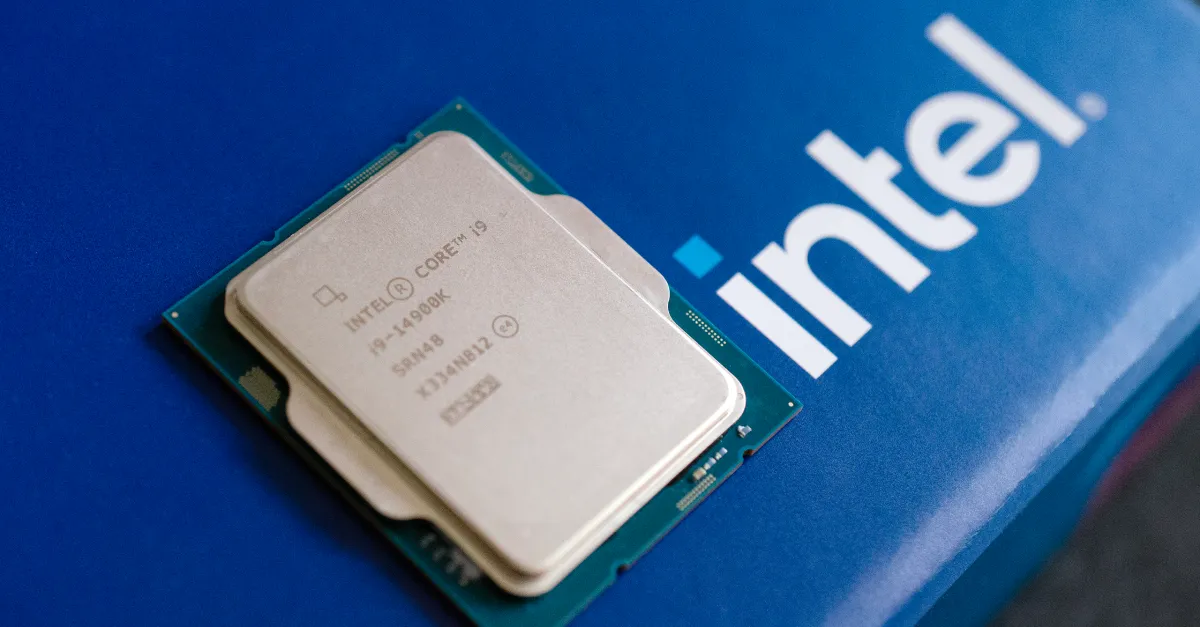
Intel’s Tick-Tock is Dead: What it Means for Tech and Young Minds

Intel Reinforces Focus on AI and Next-Gen Chip Innovation Amid Industry Disruption

In its Q3 2025 earnings report, Intel marked a critical milestone: its first profit in nearly two years. This turnaround underscores the company’s strategic pivot towards high-margin AI server chips, signaling a significant disruption in the semiconductor landscape. With supply chain shortages expected to peak early next year, Intel CEO Lip-Bu Tan emphasized prioritizing capacities for AI applications over traditional consumer processors. This shift highlights the industry-wide acknowledgment of AI’s transformative potential and demands a rethinking of supply chain strategies to capture emerging market opportunities.

Looking ahead, Intel’s ambitious plans to release new AI GPUs annually follow the footsteps of industry heavyweights Nvidia and AMD, who have already disrupted the traditional product cadence. As Tan revealed, maintaining competitive relevance in AI hardware is crucial, and Intel is positioning itself to meet the surging demand. However, this aggressive schedule raises questions about the company’s ability to balance innovation with supply chain resilience, especially within the context of ongoing component shortages. These decisions could define whether Intel maintains its trajectory toward innovation-led growth or gets sidetracked by supply constraints.

At the core of these developments is Intel’s advanced 17A and 18A process nodes. The company continues to invest heavily in these next-generation manufacturing nodes, promising to power “at least the next three generations” of client and server products. Yet, persistent yield issues at 18A threaten to delay mass adoption; CEO Zinsner admitted yields are “adequate,” but not yet at a level to sustain robust margins. This acknowledgment is a stark reminder that technology disruption in semiconductor manufacturing is not without challenges; the industry’s push for smaller, more powerful nodes is fraught with complex engineering hurdles. The proposed Intel 14A node, potentially crucial for future competitiveness, is now under renewed confidence thanks to customer support, with Zinsner suggesting that it is outperforming initial expectations.

  • Innovation: Intel’s focus on AI hardware and advanced manufacturing
  • Disruption: Industry-wide shift towards AI chip cadence, challenging traditional tick-tock models
  • Business implications: Supply chain realignment, strategic prioritization, and large-scale investment in next-generation nodes
OpenAI Unveils ChatGPT Atlas: A New Web Browser Powered by ChatGPT for Young Tech Enthusiasts

OpenAI Launches AI-Powered Browser, Sparks Geopolitical Ripples

In a move that signals the escalating influence of artificial intelligence on global digital infrastructure, OpenAI unveiled ChatGPT Atlas, an innovative AI-enhanced web browser. This development has sent shockwaves through the tech world and geopolitical spheres alike, with critics and analysts quick to recognize its potential to reshape online navigation and information dissemination. The new platform, integrated with ChatGPT, promises a personalized browsing experience, empowering users to interact with websites via a sidebar that can summarize content, analyze data, and even modify text—features that could redefine user engagement worldwide.

This launch, albeit primarily technological, extends far beyond the realm of software. In the context of rapidly evolving AI capabilities and digital sovereignty debates, it underscores a new chapter in the competition for technological dominance among the world’s superpowers. As OpenAI makes Atlas available globally on Apple’s Mac OS and prepares for launches on Windows, iOS, and Android, glimmers of a digital arms race emerge in the shadows. Tech giants like Google, which recently integrated its Gemini AI into Chrome, are not sitting idly by. Shares of Google fell immediately after the announcement, reflecting investor fears that OpenAI could challenge Chrome’s supremacy, the world’s most used browser. This shifting digital landscape demonstrates how AI innovation is intrinsically linked to economic power and geopolitical influence.

World analysts, including those from Oxford’s Future of Humanity Institute and the United Nations’ digital policy division, warn that the race for AI-driven browsing tools could become a new battleground for international influence and control. Countries like China and Russia are reportedly ramping up investments to develop their own AI-driven web technologies, aiming to neutralize Western dominance in digital infrastructure.

  • For the United States, the emphasis on AI as a competitive edge in global innovation is paramount, with policymakers strategizing to secure digital sovereignty and protect critical infrastructure.
  • Meanwhile, European nations are calling for stricter regulation on AI, fearing the potential erosion of privacy rights and the emergence of a new “digital divide”.

In this context, decisions taken now — such as OpenAI’s push into the browser market — will shape who controls information flow and technological standards in the decades to come.

Historians of technology emphasize that past innovations, from the printing press to the internet, have always been catalysts for profound societal change and geopolitical shifts. Today’s AI-powered browsers mark a similar turning point, weaving digital sovereignty, economic dominance, and societal control into a complex tapestry that will define the future of international relations. As the global community watches unfold this new chapter, the stakes could not be higher: an uncharted landscape where the line between technological innovation and geopolitical power blurs, leaving history to judge those who dared to lead the charge into the unknown.

Top Deals: Motorola Razr Ultra & Marshall Emberton II Lead the Pack this Week

2025: A Year of Breakthroughs and Industry Shifts in Technology

As the technological landscape accelerates into 2025, industry leaders are witnessing unprecedented waves of innovation and disruption that are fundamentally reshaping consumer markets and enterprise sectors alike. Notably, the launch of the Motorola Razr Ultra signals a renewed focus on foldable devices, integrating cutting-edge hardware with an ultra-stylish aesthetic that appeals to a youthful, style-conscious demographic. With its dual-display setup featuring a 7-inch inner screen and a 4-inch outer panel, powered by the Snapdragon 8 Elite chipset, this device exemplifies the convergence of form and function, setting a new benchmark for mobile tech that prioritizes both innovation and user experience.

The business implications of such innovations extend well beyond aesthetics; they signal a pivotal shift in how device developers incorporate AI and versatile hardware to meet the demands of next-generation consumers. The addition of a dedicated AI button for live transcriptions and notification summaries illustrates a move towards more intuitive, context-aware devices—an evolution driven by industry visionaries like Elon Musk and analysts from Gartner. Meanwhile, accessories are following suit. The Marshall Emberton II portable speaker, now more affordable at Best Buy and Amazon, showcases how iconic brands are pivoting towards rugged, outdoor-friendly designs with multi-directional stereo sound, enhancing brand relevance and consumer engagement in competitive markets.

The rapid growth of integrated peripheral solutions underscores a broader trend: hardware ecosystems are becoming more interconnected and powerful. The Ugreen 8-in-1 dock exemplifies this, bringing a wealth of connectivity—including four Thunderbolt 4 ports, gigabit Ethernet, and multiple USB-A ports—centered around an efficient 140W GaN charger. Such innovations streamline workflows, allowing professionals and power users to operate seamlessly across multiple high-resolution displays, high-speed data transfers, and legacy accessories. This level of hardware integration paves the way for more flexible, portable, and powerful computing setups, which are indispensable as remote work becomes entrenched within corporate strategies.

Looking ahead, these technological advancements demonstrate an industry eager to disrupt traditional paradigms by weaving together hardware excellence, AI sophistication, and consumer-centric design. Industry observers like Peter Thiel have long predicted that the most impactful companies will be those that leverage disruptive innovations to redefine user expectations. The combination of rugged, stylish devices like the Motorola Razr Ultra, smart accessories like the Emberton II, and comprehensive connectivity hubs suggests that 2025 may be the year where breakthrough fundamentals set the stage for a more integrated, AI-powered, and consumer-first digital ecosystem. A sense of urgency surrounds these shifts: the companies that embrace this future faster will dominate an increasingly competitive landscape driven by innovation, disruption, and relentless pursuit of future-ready tech. As the industry propels itself forward, it remains clear—those who hesitate risk falling behind in the race for technological supremacy.

TiVo Fights Courts, but Misses the TV Revolution

TiVo’s Decline: A Lesson in Innovation and Industry Disruption

Once hailed as a pioneer in digital video recording, TiVo now stands as a cautionary tale of missed opportunities amidst the relentless pace of technological disruption. The company’s early dominance with its advanced DVR technology was built on a series of groundbreaking features, protected fiercely through the now-infamous US Patent 6,233,389, popularly known as the Time Warp patent. However, despite its patenting strength, TiVo’s focus on prolonged intellectual property battles with industry giants such as Motorola, Time Warner, AT&T, and others diverted its energy from innovation to litigation. The company’s victory streak in patent suits culminated in a $500 million settlement with EchoStar, but critics argue this legal fervor drained resources that could have been used to pioneer the next wave of entertainment technology.

Failure to Capitalize on Industry Shifts

The television and digital video space rapidly evolved with the advent of streaming services and smart TVs. TiVo, despite adding support for Netflix and Hulu, struggled to keep pace with the disruptive market forces. Rivals like Roku and Google Chromecast exemplified this shift by offering low-cost, plug-and-play streaming solutions at impulse-purchase prices—sometimes as low as $49.99—eroding the premium perception of TiVo’s hardware. Meanwhile, the smart TV operating systems gained in capability, making dedicated set-top boxes increasingly redundant. The company’s traditional advantage—the user-friendly interface and iconic peanut remote—became less relevant as consumers gravitated towards integrated, smart TV platforms fueled by massive changes in consumer expectations and wider industry trends. TiVo’s incremental approach, heavily reliant on licensing its patents and litigating, starkly contrasted with the innovative disruption led by companies embracing software-first, streaming-focused environments.

From Hardware to Patent Licensing: A Changing Business Model

The acquisition of Rovi in 2016, a firm specializing in patent licensing, epitomized TiVo’s shift from hardware pioneer to patent troll. Instead of developing cutting-edge hardware or new OS platforms, the company pivoted towards monetizing its extensive patent portfolio through licensing and litigation. When Xperi acquired TiVo in 2020, it marked the end of an era for consumer hardware innovation, with the TiVo Edge being last of its kind before hardware production was quietly discontinued. The new focus on licensing underscores a broader trend where patent hoarding and legal battles replace technological innovation as industry drivers. Critics like Gartner analysts warn that such a model, while profitable in the short term, could spell long-term obsolescence in a competitive market that favors agility and consumer-centric innovation.

The Future of Digital Video Technology

The shift away from traditional hardware to software-driven platforms is accelerating, with giants like Apple and Google investing heavily in their own ecosystems. The announced focus of TiVo’s successor operations—namely a new smart TV OS—comes *15 years too late* amid a landscape dominated by native platform integrations. Industry insiders such as Elon Musk and Peter Thiel emphasize the importance of disrupting entrenched legacy systems with truly innovative, consumer-first solutions, rather than relying on old patent hoarding tactics. The key for future success will hinge on how quickly and effectively emerging players can leverage AI, edge computing, and next-generation streaming services to outpace competitors and redefine consumer expectations. Industry momentum is shifting decisively towards integrated, streaming-first, software-centric ecosystems—those that innovate rather than litigate will seize the future.

Facebook’s new AI-powered button previews your private photos before you even upload—are you ready?

Meta’s Latest Push into AI-Enhanced Camera Roll Features Sparks Industry-Wide Disruption

Meta continues to redefine the boundaries of artificial intelligence and user data integration with its latest feature rollout, raising significant questions about the future of data-driven innovation and digital privacy. Recently, the social media giant announced a new camera roll feature at Facebook that leverages AI to assist users in enhancing their photographs before posting. This development exemplifies disruption at the intersection of personal data and AI capabilities, offering both technical innovation and strategic market advantages that could reshape social media engagement.

Initially tested in June, the feature proposes to select media from users’ camera rolls and upload it to Meta’s cloud, ostensibly to generate creative suggestions. While Meta claims that private photos used solely for suggestions will not be used to train AI models unless explicitly authorized, industry experts such as Gartner analysts highlight that this transparency may be more perceived than actual. “The potential for future misuse or escalation in data harvesting practices remains a key concern,” warns Dr. Anne He, a prominent researcher in AI ethics and privacy. Today, Meta clarifies that media uploaded for suggestion purposes isn’t immediately used to improve AI, unless the user engages further—yet the underlying implication remains significant for industry-wide data policies.

Strategic Innovation and Industry Implications

Meta’s approach demonstrates a push for convenience-driven AI interfaces that blur the lines between personal privacy and technological convenience. As Meta trains its models on publicly available data since 2007, and potentially on user uploads in the future, industry leaders are recognizing the strategic value of this disruptive shift. The move positions Meta to lead the next wave of AI-powered content creation, aligning with the broader trend of companies leveraging user-generated data to fuel ever more sophisticated algorithms.

Furthermore, the company’s emphasis on avoiding advertising targeting using private media underscores a calculated attempt to mitigate backlash while maximizing data utilization for AI training. This tactical stance could set a precedent for industry standards, prompting rivals such as Snapchat or Twitter to accelerate similar innovations. The strategic deployment of AI-enhanced features like this signals a future where personalized, real-time content enhancement becomes a compelling differentiator in a crowded social landscape.

Disruption, Challenges, and the Road Ahead

The move marks a pivotal moment for digital innovation, yet it comes with significant challenges. Critics argue that any collection of private media for AI training could initiate a new era of privacy erosion, potentially undermining user trust. Industry insiders, including Elon Musk and Peter Thiel, warn that unchecked data aggregation could lead to unforeseen ethical dilemmas and regulatory crackdowns, ultimately disrupting long-term growth prospects for digital giants.

The core question remains: how will industry players balance cutting-edge innovation with user trust and regulatory compliance? As Meta advances in AI-driven content manipulation, the urgency for establishing clear ethical standards becomes evident. With the race to dominate AI-enabled social experiences intensifying, any hesitation or misstep risks falling behind in a market that is rapidly evolving beyond traditional boundaries. Looking forward, the convergence of AI, privacy, and business innovation will likely define the technology landscape for the next decade, requiring companies and regulators alike to act swiftly, decisively—and with vision.

Meta’s Instagram rolls out AI-powered parental controls for teens next year

In a significant move toward responsible AI deployment, Meta has rolled out its first major safety update for its AI chatbots, integrated across Facebook, Instagram, and WhatsApp. This update marks a pivotal milestone in the technology giant’s ongoing efforts to mitigate risks associated with AI interactions at scale. Coming on the heels of recent regulatory pressures and heightened public scrutiny over misinformation and harmful content, this development underscores the urgent need for robust safety protocols in AI systems. As AI continues to embed itself into daily digital interactions, the imbalance between innovation and safety becomes a focal point for industry leaders, investors, and policymakers alike.

The timing of Meta’s safety enhancements coincides with broader industry trends emphasizing responsible AI development. Notably, the company’s move follows recent policy shifts targeting teen safety on social platforms, including Instagram’s new restrictions designed to emulate PG-13 standards—an effort to address mounting concerns over youth exposure to unsuitable content. Analysts from Gartner and MIT urge tech firms to prioritize transparency and accountability as AI tools become more sophisticated and pervasive. Meta’s actions reflect a recognition that disruption alone will no longer suffice; sustainable innovation demands built-in safeguards without stifling user engagement or technological advancement.

This evolution is not just about user safety. Enhanced safety protocols could redefine business models in the digital landscape. Companies that invest in AI safety capabilities position themselves as industry leaders, gaining a competitive edge through increased trust and reduced liability. Yet, the path forward is fraught with challenges: balancing innovation with regulation, avoiding censorship backlash, and maintaining a seamless user experience.

  • Potential for increased regulatory scrutiny
  • Risk of reputational damage from safety lapses
  • Opportunities for monetization through safer AI products

The implications are clear: the era of unrestrained AI experimentation is giving way to a more disciplined, safety-conscious phase of development. Visionaries like Elon Musk and innovations from institutions such as MIT emphasize that the future of AI hinges on embedding ethical considerations into core algorithms. For investors and entrepreneurs, this shift signals the need to leverage emerging safety standards as a strategic advantage rather than an obstacle. As industry giants race to refine artificial intelligence, the pressure to deliver disruptive yet responsible solutions will intensify—pushing the frontier toward an AI-enabled future that balances progress with prudence. The question now remains: how swiftly and effectively will organizations adapt to this new paradigm? The answer will likely determine their position in the next wave of digital innovation.

Pinterest’s ‘Tuner’ gives you control over AI content—just enough, not too much

Pinterest’s New Feature Empowers Users to Tweak AI Influence on Visual Discovery

In a move reflecting the rapid evolution of artificial intelligence within the social media landscape, Pinterest has unveiled a novel tool that enables users to modify the prevalence of AI-generated content in their feeds. Dubbed a “tuner,” this feature offers a meaningful step toward personalized content filtration—a critical innovation amid ongoing debates over the rise of AI-infused media. Available immediately on Android and desktop platforms, with an anticipated rollout to iOS shortly, the feature allows users to fine-tune their experience in key categories such as beauty, art, fashion, and home decor.

This development underscores a broader industry shift—tech companies are increasingly prioritizing user agency over AI-driven algorithms. By placing control in the hands of individual consumers, Pinterest disrupts the standard dynamic where platforms push AI-curated content with minimal transparency. Instead, reflecting insights from institutions like MIT and analysts at Gartner, this approach not only enhances user trust but also positions Pinterest at the forefront of a disruption aimed at neutralizing “AI fatigue” among a digital-savvy generation hungry for authenticity and choice. The “refine your recommendations” setting leverages existing AI detection tools to personalize content, effectively allowing users to cut through the noise of AI-generated imagery.

Moreover, Pinterest has historically grappled with what it terms “AI infestation” — a tongue-in-cheek way to describe the overwhelming influx of AI-generated pins. In May, the company introduced an “AI modified” label, aiming to enhance transparency amid rising concerns about misleading or synthetic visuals. With increased detection and more visible labeling, Pinterest seeks to strike a balance between technological innovation and consumer protection—an approach that echoes calls from Think Tanks and industry experts like Elon Musk, who warn against unchecked AI proliferation. These efforts showcase a larger industry trend: digital platforms recognizing the necessity of integrating AI responsibly to preserve user trust and differentiate themselves in an increasingly crowded marketplace.

The implications for businesses and developers are profound. As the industry shifts towards more user-controlled AI experiences, companies must innovate not only in detection and labeling but also in personalization and transparency. This move towards nuanced content filtering could set a precedent for future AI applications across social media, e-commerce, and entertainment sectors. Early adopters of such controls—particularly younger demographics—may demand a new level of engagement, where technology respects user preferences rather than hidden algorithms dictating discovery. Leaders like Meta and Google are likely to follow suit, embedding similar features that allow for expansive customization, thereby disrupting traditional content recommendation models.

Looking ahead, the future of AI in consumer platforms hinges on balancing disruption with responsibility. Pinterest’s push for user empowerment signals a critical turning point—an industry-wide call for transparency and user-centric design. For technologists, investors, and industry watchers alike, this signals a pressing need for innovation that aligns with growing demands for authenticity and control. As AI continues to evolve at a breakneck pace, the next decade will define the trajectory of how digital experiences are curated—either as tools of manipulation or as repositories of genuine human expression. The urgency is clear: embracing these shifts now will forge the path toward a more transparent, personalized, and ethically grounded digital future.

Steve Jobs graces—$1 coin debut honors tech visionary

US Mint Unveils Steve Jobs Commemorative Coin, Signaling Innovation’s Cultural Significance

The United States Mint has announced a new $1 coin honoring the visionary co-founder of Apple, Steve Jobs. This move underscores how cultural icons of innovation are increasingly embedded into national identity, reflecting a broader societal shift emphasizing technological disruption and entrepreneurial spirit.

Designed to depict a young Jobs against a California landscape, the coin captures the essence of innovation with a quote: “Make something wonderful,” from 2007. Priced at $13.25 and available from 2026, this initiative forms part of a multi-year project launched in 2018, aimed at celebrating American innovation through commemorative coins. Each state can nominate icons aligned with its industrial heritage, illustrating a decentralized recognition of technological contributions, with Wisconsin’s selection of the Cray-1 supercomputer highlighting America’s pioneering role in computing.

Implications for Disruption and the Business Ecosystem

This initiative exemplifies how governments are increasingly recognizing disruptive innovation as a core element of national legacy. The choice of Steve Jobs, often hailed as a disruptor who revolutionized multiple industries, signals a strategic alignment with the ethos of technology-driven growth. As noted by industry analysts at Gartner, such symbols serve both as cultural milestones and as branding tools that reinforce innovation as a national value.

By immortalizing figures like Jobs, the U.S. Mint is effectively positioning itself at the intersection of cultural recognition and the business landscape, fostering a narrative that innovation is at the heart of America’s identity. This trend is echoed by tech entrepreneurs and thought leaders like Elon Musk, who emphasize the importance of celebrating pioneers who push the boundaries of technology. In the context of a rapidly evolving market landscape, such symbolic gestures could influence investor sentiment and inspire emerging entrepreneurs to pursue disruptive technologies.

The Forward-Looking Perspective: Innovation as the New National Currency

The integration of icons like Steve Jobs into official national symbolism signals a potential paradigm shift. As noted by MIT’s Leading Innovation Report, disruption is no longer confined to startups but has become woven into national narratives. The timing is crucial; with the global competitive landscape intensifying, governments and industries must accelerate their recognition of technological pioneers or risk falling behind in the _____ race for dominance in AI, quantum computing, and other transformative sectors.

As market analysts warn that failing to embrace and promote innovation might erode future competitiveness, technological disruption warrants urgent investment and policy support. The historic inclusion of Jobs underscores a broader imperative: to galvanize a new generation of innovators inspired by legacy figures, ensuring the U.S. remains at the forefront of innovation-driven economic growth. The countdown to 2026 is not just about a coin—it’s a strategic move emphasizing that in today’s world, the currency of the future is innovation itself.

Social Media Auto Publish Powered By : XYZScripts.com