Matox News

Truth Over Trends, always!

Pinterest’s ‘Tuner’ gives you control over AI content—just enough, not too much

Pinterest’s New Feature Empowers Users to Tweak AI Influence on Visual Discovery

In a move reflecting the rapid evolution of artificial intelligence within the social media landscape, Pinterest has unveiled a novel tool that enables users to modify the prevalence of AI-generated content in their feeds. Dubbed a “tuner,” this feature offers a meaningful step toward personalized content filtration—a critical innovation amid ongoing debates over the rise of AI-infused media. Available immediately on Android and desktop platforms, with an anticipated rollout to iOS shortly, the feature allows users to fine-tune their experience in key categories such as beauty, art, fashion, and home decor.

This development underscores a broader industry shift—tech companies are increasingly prioritizing user agency over AI-driven algorithms. By placing control in the hands of individual consumers, Pinterest disrupts the standard dynamic where platforms push AI-curated content with minimal transparency. Instead, reflecting insights from institutions like MIT and analysts at Gartner, this approach not only enhances user trust but also positions Pinterest at the forefront of a disruption aimed at neutralizing “AI fatigue” among a digital-savvy generation hungry for authenticity and choice. The “refine your recommendations” setting leverages existing AI detection tools to personalize content, effectively allowing users to cut through the noise of AI-generated imagery.

Moreover, Pinterest has historically grappled with what it terms “AI infestation” — a tongue-in-cheek way to describe the overwhelming influx of AI-generated pins. In May, the company introduced an “AI modified” label, aiming to enhance transparency amid rising concerns about misleading or synthetic visuals. With increased detection and more visible labeling, Pinterest seeks to strike a balance between technological innovation and consumer protection—an approach that echoes calls from Think Tanks and industry experts like Elon Musk, who warn against unchecked AI proliferation. These efforts showcase a larger industry trend: digital platforms recognizing the necessity of integrating AI responsibly to preserve user trust and differentiate themselves in an increasingly crowded marketplace.

The implications for businesses and developers are profound. As the industry shifts towards more user-controlled AI experiences, companies must innovate not only in detection and labeling but also in personalization and transparency. This move towards nuanced content filtering could set a precedent for future AI applications across social media, e-commerce, and entertainment sectors. Early adopters of such controls—particularly younger demographics—may demand a new level of engagement, where technology respects user preferences rather than hidden algorithms dictating discovery. Leaders like Meta and Google are likely to follow suit, embedding similar features that allow for expansive customization, thereby disrupting traditional content recommendation models.

Looking ahead, the future of AI in consumer platforms hinges on balancing disruption with responsibility. Pinterest’s push for user empowerment signals a critical turning point—an industry-wide call for transparency and user-centric design. For technologists, investors, and industry watchers alike, this signals a pressing need for innovation that aligns with growing demands for authenticity and control. As AI continues to evolve at a breakneck pace, the next decade will define the trajectory of how digital experiences are curated—either as tools of manipulation or as repositories of genuine human expression. The urgency is clear: embracing these shifts now will forge the path toward a more transparent, personalized, and ethically grounded digital future.

Steve Jobs graces—$1 coin debut honors tech visionary

US Mint Unveils Steve Jobs Commemorative Coin, Signaling Innovation’s Cultural Significance

The United States Mint has announced a new $1 coin honoring the visionary co-founder of Apple, Steve Jobs. This move underscores how cultural icons of innovation are increasingly embedded into national identity, reflecting a broader societal shift emphasizing technological disruption and entrepreneurial spirit.

Designed to depict a young Jobs against a California landscape, the coin captures the essence of innovation with a quote: “Make something wonderful,” from 2007. Priced at $13.25 and available from 2026, this initiative forms part of a multi-year project launched in 2018, aimed at celebrating American innovation through commemorative coins. Each state can nominate icons aligned with its industrial heritage, illustrating a decentralized recognition of technological contributions, with Wisconsin’s selection of the Cray-1 supercomputer highlighting America’s pioneering role in computing.

Implications for Disruption and the Business Ecosystem

This initiative exemplifies how governments are increasingly recognizing disruptive innovation as a core element of national legacy. The choice of Steve Jobs, often hailed as a disruptor who revolutionized multiple industries, signals a strategic alignment with the ethos of technology-driven growth. As noted by industry analysts at Gartner, such symbols serve both as cultural milestones and as branding tools that reinforce innovation as a national value.

By immortalizing figures like Jobs, the U.S. Mint is effectively positioning itself at the intersection of cultural recognition and the business landscape, fostering a narrative that innovation is at the heart of America’s identity. This trend is echoed by tech entrepreneurs and thought leaders like Elon Musk, who emphasize the importance of celebrating pioneers who push the boundaries of technology. In the context of a rapidly evolving market landscape, such symbolic gestures could influence investor sentiment and inspire emerging entrepreneurs to pursue disruptive technologies.

The Forward-Looking Perspective: Innovation as the New National Currency

The integration of icons like Steve Jobs into official national symbolism signals a potential paradigm shift. As noted by MIT’s Leading Innovation Report, disruption is no longer confined to startups but has become woven into national narratives. The timing is crucial; with the global competitive landscape intensifying, governments and industries must accelerate their recognition of technological pioneers or risk falling behind in the _____ race for dominance in AI, quantum computing, and other transformative sectors.

As market analysts warn that failing to embrace and promote innovation might erode future competitiveness, technological disruption warrants urgent investment and policy support. The historic inclusion of Jobs underscores a broader imperative: to galvanize a new generation of innovators inspired by legacy figures, ensuring the U.S. remains at the forefront of innovation-driven economic growth. The countdown to 2026 is not just about a coin—it’s a strategic move emphasizing that in today’s world, the currency of the future is innovation itself.

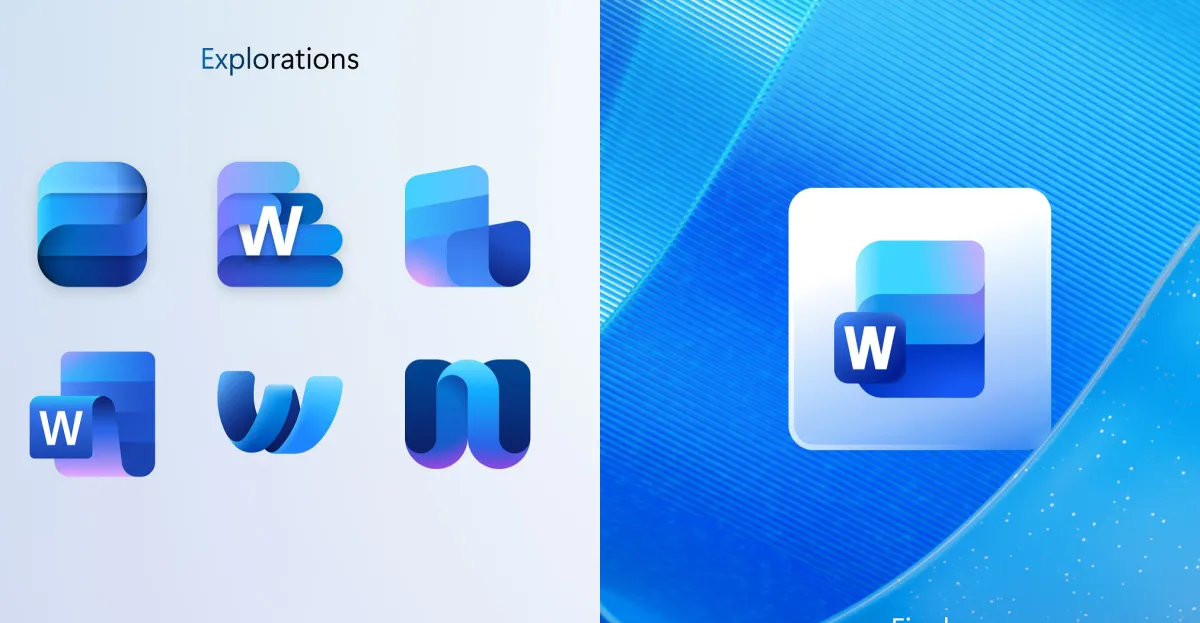
Microsoft’s Rejected Office Icons: What Could Have Been

Microsoft’s Visual Overhaul: A Sign of Broader Innovation and Industry Shake-up

Microsoft has recently launched a refreshed set of Office icons, embracing a more modern, colorful, and flexible design language. This move is more than mere aesthetics; it reflects the company’s strategic pivot towards enhanced user experience, digital branding consistency, and a broader push for design-driven innovation within the enterprise software sector. By publicly sharing early design concepts, including radically different directions for Word, Excel, and PowerPoint, Microsoft signals its intent to stay ahead of the curve and adapt to the shifting expectations of a digital-first, youthful audience.

Disruption Through Design: A New Standard for Tech Giants

This icon refresh is emblematic of a larger trend among major technology firms embracing disruption through visual and UX innovation. According to industry analysts from Gartner and MIT’s Media Lab, visual identity updates often precede major product and process transformations, serving as a signaling mechanism for future capabilities. Microsoft’s initiative to experiment with different design concepts—some reminiscent of older Mac icons—indicates a deliberate strategy to balance nostalgia with innovation, and demonstrates how usability and brand coherence are now central to enterprise technology’s competitive edge.

  • Enhanced clarity and simplicity for intuitive user interaction
  • Better cross-platform consistency across Windows and iOS
  • Fostering a more youthful, dynamic brand image to appeal to next-gen users

Critics and design experts note that such visual reinventions are crucial for maintaining relevance in an evolving tech landscape. As Elon Musk emphasized in recent Tesla updates, disruption often begins with a fundamental shift in perception—what users see and feel. Microsoft’s latest move echoes a broader industry paradigm shift, positioning it as a bold innovator rather than a reactive player.

Business Implications and Future Outlook

The rollout of these redesigned icons, especially on platforms like Windows and iOS, demonstrates Microsoft’s commitment to a cohesive, future-proof ecosystem. This approach could serve as a template for other tech behemoths seeking to redefine their brand identity amidst stiff competition from startups and new entrants leveraging faster innovation cycles. Additionally, the strategic alignment with cloud-based collaboration tools—such as Teams, OneDrive, and Outlook—suggests that Microsoft sees visual coherence as integral to fostering higher user engagement and productivity.

Given the rapid pace of technological evolution, it is imperative for industry leaders and investors to monitor how such visual and UX innovations influence adoption patterns and productivity metrics. Disruption is no longer confined to functionality alone but extends deeply into perceptual and branding domains, inevitably impacting market share and long-term viability. As Peter Thiel and other thought leaders warn, complacency in innovation can soon become an existential threat in this hyper-competitive digital arena.

Looking ahead, the next few years promise intensified experimentation as companies seek to balance cutting-edge innovation with user-centric design. Microsoft’s visual metamorphosis signals a broader evolutionary phase, where visual and functional innovation intertwine to forge new standards of industry disruption. At a moment when the tech landscape is more competitive than ever, those who innovate rapidly and authentically will shape the future of work, communication, and enterprise technology—making the urgency for strategic, disruptive leadership unmistakably clear.

Samsung drops sneak peek: Moohan headset arriving next week.

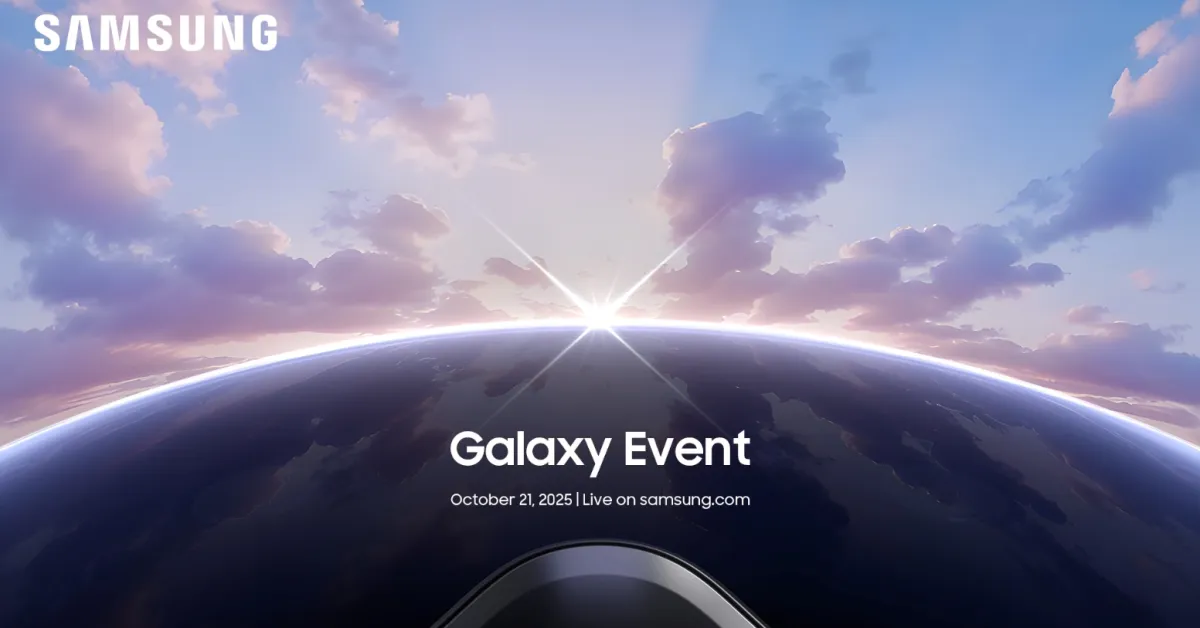
The upcoming reveal of Samsung’s Project Moohan signals a pivotal moment in the evolution of mixed reality (XR) technology. Scheduled for October 21st during the “Worlds Wide Open” Galaxy event, this headset aims to harness the innovative Android XR platform, a collaborative development by tech giants Samsung, Google, and Qualcomm. The initiative marks a serious push toward scaling XR across diverse form factors, with the explicit goal of making AI-integrated immersive experiences a cornerstone of everyday life. This strategic move could fundamentally reshape how consumers and businesses interact with digital environments, steepening the disruption curve in the XR space.

Initial hands-on impressions, gained by industry journalist Victoria Song late in 2024, suggest that Android XR is designed with broad utility and seamless integration in mind, positioning it as an open and scalable platform. Samsung claims that Project Moohan “blends everyday utility with immersive new experiences,” highlighting an industry trend where XR moves beyond niche applications towards mainstream adoption. The implications for business are profound; companies that adopt this technology could significantly enhance remote collaboration, training, and consumer engagement — fueling a new era where immersive AI-driven content becomes standard in both professional and entertainment sectors. As this device is poised for a full launch, analysts from Gartner emphasize that this development could accelerate market consolidation, forcing other tech giants like Apple and Meta to innovate more aggressively to remain competitive.

The industry’s attention is also on Apple’s anticipated upgrade to its Vision Pro, reportedly featuring a faster chip and possibly a new headset design. FCC filings have already hinted at a new Vision Pro model, prompting speculation about Apple’s strategic pivot towards lighter, more user-friendly smart glasses — a shift confirmed by reports of sidelined work on a less bulky headset. This move signifies a broader industry disruption, where headsets become less invasive and more integrated into daily wearables, shifting the paradigm from isolated devices to a ubiquitous digital overlay. Industry experts like Elon Musk and Peter Thiel have long warned of the importance of disruption as a driver of innovation, and the imminent competition in XR hardware underscores the emerging landscape where innovation is expected to accelerate exponentially.

Looking forward, the combination of Samsung’s tailored XR ecosystem and Apple’s pursuit of smarter, lighter glasses indicates a transformative phase in immersive technology. The fact that industry leaders are now investing heavily in AI-powered, scalable XR solutions highlights a future where digital and physical worlds converge seamlessly. Organizations, developers, and consumers must prepare for an impending era where immersive AI is not just a novelty but an essential element of everyday business and social interaction. The race to dominate the XR ecosystem is heating up, and those who innovate rapidly will define the next chapter of technological disruption and digital transformation, leaving competitors in the dust as the future of mixed reality unfolds.”

Top 3 Smart Displays of 2025: Youth-Driven Picks from a Tech Enthusiast

Emerging Smart Display Market Disruption Sparks Industry Shift

The smart home ecosystem is once again at an inflection point, as major tech players intensify their push into the rapidly evolving market for smart displays and voice assistants. Though companies like Amazon and Google continue to innovate, recent developments are highlighting an industry grappling with innovation, disruption, and uncertain long-term viability. As consumers remain captivated by the promise of seamless integration and AI-powered automation, industry analysts warn that the current trajectory may fundamentally alter the landscape of connected home devices.

Amazon’s latest lineup of smart displays and speakers exemplifies ongoing efforts to disrupt traditional interfaces. The release of the Echo Show 8 (4th Gen) and the Echo Show 11 signals a strategic push to leverage AI-enhanced functionalities with a focus on user personalization and conversational interfaces. Notably, Amazon’s recent rollout of its innovative Alexa+ AI assistant—powered by generative AI—aims to fundamentally transform voice interactions. This upgrade allows the assistant to execute complex tasks and learn from user behavior, aligning with Elon Musk’s vision of AI-driven ecosystems. However, this disruption comes with significant business implications: Amazon reportedly faced losses exceeding $10 billion in 2022, largely stemming from Alexa’s challenges. Yet, the company’s resilience in continuing to introduce new devices underscores a belief that AI disruption can carve out a sustainable market trajectory.

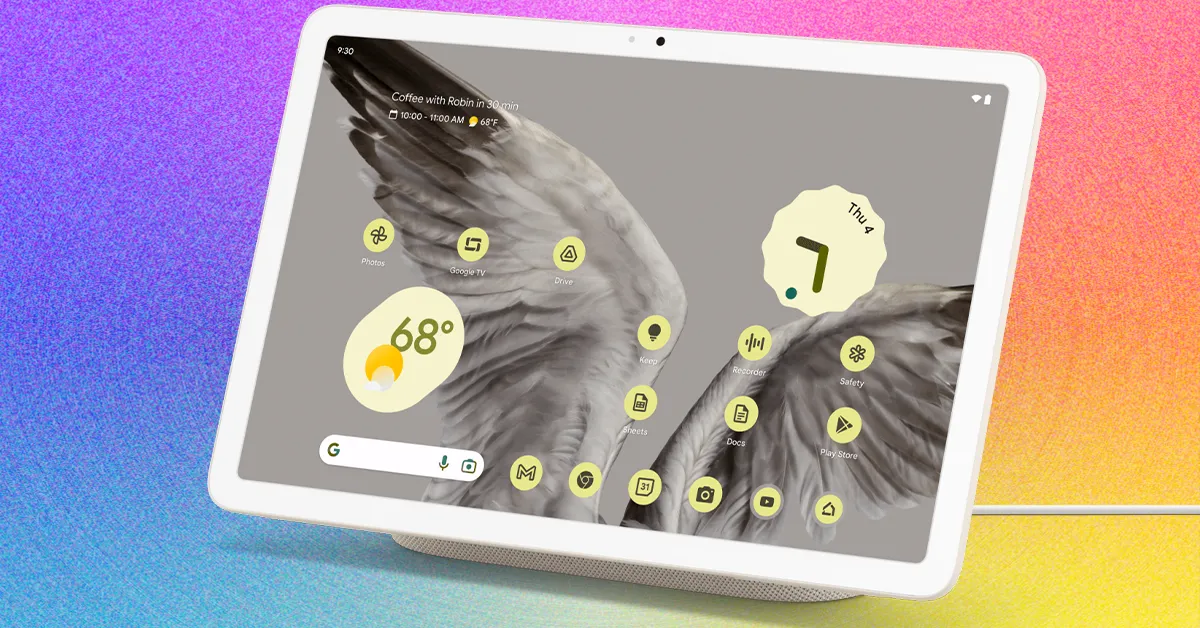
At the forefront of this disruption, Google plans to roll out its new AI assistant, Gemini, across its existing lineup—excluding the currently limited Google Pixel Tablet. This signals a strategic shift where AI innovation is expected to redefine user engagement and device capabilities. While Google has thus far avoided the smart display frenzy, industry leaders acknowledge that third-party partners are likely to fill the gaps, potentially disrupting the market with versatile, AI-enhanced devices. Gartner’s recent outlook emphasizes that when companies successfully integrate generative AI into user interfaces, the implications span beyond consumer convenience to reshape how smart home ecosystems function—what Peter Thiel refers to as “creating a new ecosystem of disruption.”

While the industry races toward innovation, certain market segments face acceleration of obsolescence or decline. Notably, the viability of current smart display forms remains under scrutiny. Meta’s discontinuation of its Portal devices and Apple’s stalled efforts into smart displays underscore a broader trend: the market may be experiencing a phase of re-evaluation and realignment. As companies experiment with new AI-powered interfaces, the industry could see a consolidation or even a phase-back, where only the most innovative, privacy-conscious devices survive—especially given recent shifts in privacy policies, such as Amazon’s removal of local voice processing in favor of cloud-based AI models. This shift leaves consumers vulnerable to increased data processing and raises concerns among privacy advocates, signaling that future devices must balance disruption with trust.

Looking ahead, the industry’s next chapter is set to define the future of connected homes. Innovators like Elon Musk and MIT’s AI labs suggest that AI-driven disruption will dominate the next decade, disrupting old paradigms and creating new markets. The question remains: can legacy players adapt swiftly enough to capitalize on the AI revolution, or will emerging startups seize the opportunity to redefine the smart display industry? As tech titans pour billions into advancing AI functionalities, one thing is clear—those who innovate aggressively and safeguard user trust will shape the future of smart homes. The clock is ticking, and the industry’s response over the coming months could determine its trajectory—either toward revolutionary disruption or continued obsolescence.

Are Tech Billionaires Overreacting? Is Doom-Prepping the Future?

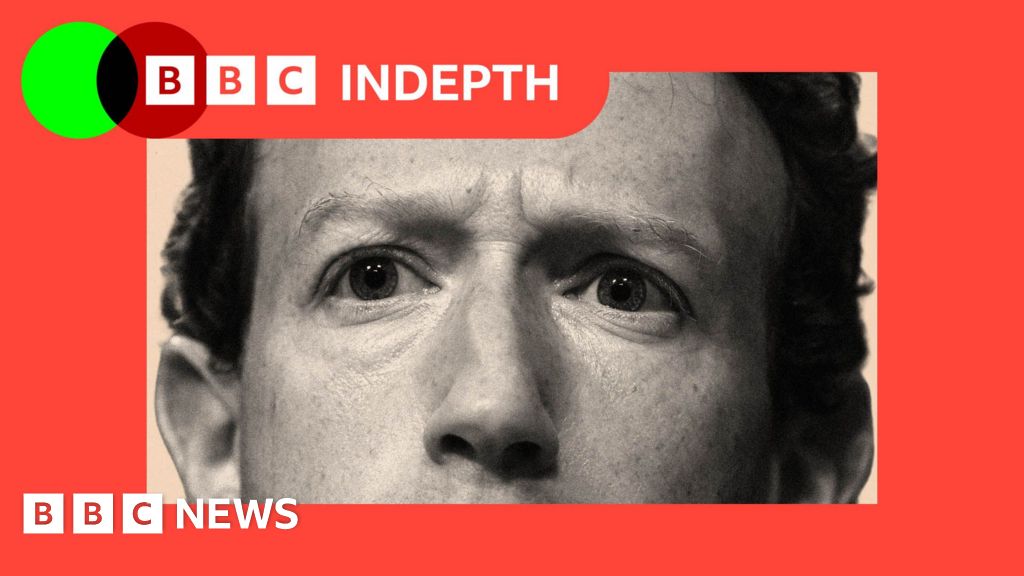
The enduring landscape of geopolitical power is shifting beneath our feet as technological advancements and covert developments reshape the global order. Recent revelations about the private pursuits of Silicon Valley billionaires and the silent expansion of military-grade bunkers signal more than mere eccentricity—these are signs of a deeper stratification of society and a potential prelude to conflicts that could redefine nations’ futures. Mark Zuckerberg’s clandestine construction of a sprawling compound on Hawaiian soil, reportedly including a bunker-like storage with self-sufficient energy and food supplies, exemplifies a trend among the ultra-wealthy to insulate themselves from global disruptions. Neighboring residents hint at these projects being “bunkers” or “billionaire’s bat caves,” yet the true magnitude of their intent remains hidden behind high walls guarded by non-disclosure agreements.

While the wealthy fortify their retreats, >international organizations< and security analysts warn that, given the rapid progression of artificial intelligence (AI), a new kind of existential threat is emerging. Prominent voices like Harvard historian Yuval Noah Harari and the World Economic Forum suggest that exceptional technological breakthroughs in AI and the concept of “the singularity” could catalyze a fresh round of global chaos if mismanaged. Experts report that OpenAI’s chief scientist Ilya Sutskever has even discussed the importance of constructing underground shelters for scientists ahead of the release of artificial general intelligence (AGI), fearing unpredictable outcomes. Such disclosures highlight a disturbing narrative—tech insiders are aware of the risks, yet society at large remains unprepared for the potential consequences.

Predictions of a Near Future

Leading tech entrepreneurs and visionaries are increasingly confident that AGI could arrive sooner than most expect, with figures like Sam Altman of OpenAI claiming that the breakthrough is imminent. Such assertions, echoed by DeepMind‘s Sir Demis Hassabis, point to a future where superintelligent AI surpasses human cognition. This prospect fuels hopes of solving climate change, eradicating disease, and achieving “sustainable abundance”—visions espoused enthusiastically by billionaires like Elon Musk. Yet, skeptics, including esteemed academics such as Dame Wendy Hall of Southampton University, argue these claims are nothing more than marketing hype designed to excite investment. They stress that fundamental breakthroughs required for true AGI remain elusive, and that artificial superintelligence (ASI)—an intelligence that outstrips all human capability—is still a distant, perhaps impossible, horizon.

Nonetheless, history warns us that humankind’s greatest dangers often come from its own pursuits. The concept of “the singularity”, initially attributed to John von Neumann in 1958, underscores the risk that AI could develop in unpredictable ways, threatening human sovereignty. “The development of ASI could be the biggest risk in history,” warns Neil Lawrence, professor of machine learning at Cambridge University. The question remains: are we truly prepared to engage with a power that might decide our fate?

In the shadows of their private fortresses, societies around the world hold their collective breath, while debates about control, containment, and unintended consequences intensify. As Sam Altman and fellow tycoons hint at a future where machines might govern or even eliminate human oversight, the historical weight of these choices becomes undeniable. We are witnesses not just to the dawn of a new technological era, but to a pivotal point where the course of history hangs in the balance—a story still being written by the bold, the reckless, and the foresighted alike. The question that remains echoing in the corridors of power and across the silent depths of underground bunkers is clear: what will tomorrow hold, and who will have the last say?

Rishi Sunak Joins Microsoft and Anthropic as Advisor, Embracing Tech Leadership

In a move that underscores the shifting tide of global influence and the intertwining of politics and big technology, Rishi Sunak, the former UK Prime Minister, has secured prominent advisory positions with Microsoft and Anthropic. These appointments, officially disclosed through the Westminster Advisory Committee on Business Appointments (Acoba), mark a significant development not only for Sunak’s career but also for the geopolitical landscape shaped by the relentless advance of artificial intelligence and digital dominance. As Sunak joins these tech giants, the global community must scrutinize the deeper geopolitical impact—what such insider influence signifies amidst rising tensions over technological supremacy and international regulations.

  • Sunak’s new roles include advising Microsoft, a titan with a market capitalization surpassing $3.9 trillion, which has been at the forefront of AI and cloud computing innovation and has extensive collaborations with governments across the globe.
  • The appointment follows his previous engagements—serving as a senior adviser to Goldman Sachs, and as a paid speechmaker for US investment giants like Bain Capital and Makena Capital, which collectively have earned him over £150,000 per engagement.
  • Sunak’s strategic meetings with key figures, including Bill Gates and representatives from OpenAI, coincided with major investments and agreements—most notably his £2.5 billion deal to establish new datacentres aligned with Microsoft’s push into AI infrastructure and digital transformation.

The geopolitical implications of these developments cannot be overstated. As Sunak continues to bridge the worlds of politics and technology, critics argue that the lines between national governance and corporate influence are blurring to an unprecedented degree. This is particularly significant as nations worldwide grapple with the security risks associated with advanced AI—risks that include economic disruption, information manipulation, and even political interference. Historians and analysts warn that such revolving door politics may reshape national sovereignty, raising questions about the ability of democratic institutions to regulate powerful industry giants whose influence now straddles global borders.

Furthermore, the technological rivalry between superpowers—particularly between the United States and China—is intensifying, with AI and digital infrastructure at the center of strategic competition. The U.S. government’s deepening ties with corporate giants like Microsoft and Anthropic signal an era where liberal democracies may increasingly rely on private sector alliances to maintain their technological edge. Meanwhile, China advances its own AI initiatives, aiming to challenge Western dominance; but the depth of Western corporate influence, exemplified by Sunak’s appointments, complicates the narrative of national independence in the tech race.

International organizations and security analysts emphasize the importance of transparent regulation amidst the geopolitical shifts. The European Union, for example, is pursuing rigorous AI legislation, seeking to curb undue influence and safeguard societal interests. Yet, in London, the recent acceptance of Sunak’s advisory roles, coupled with the prior government’s involvement in blocking deals like Activision’s overhaul, signals a divergence from a clear regulatory trajectory. It hints at a future where Corporate-Political alliances may supersede the public’s oversight, potentially jeopardizing societal trust and national security in the process.

As the layers of this unfolding saga are peeled back, the world stands on the precipice of profound transformation. Will the decisions forged in smoke-filled rooms among billionaires and ex-politicians shape a new era of digital dominance, or will they serve as a cautionary tale about unchecked influence and the perils of technological hubris? The weight of history, as it continues to be written, reminds us that in the age of rapid innovation, every alliance, treaty, and appointment reverberates beyond borders—reshaping the very fabric of societies and the geopolitical chessboard itself. This ongoing drama is far from over; indeed, it is only just beginning, with the next chapter poised to define the course of our collective future.

Top 232 Prime Day Deals You Can’t Miss Before Midnight

Tech Industry Faces Disruption Amid Prime Day Market Shifts

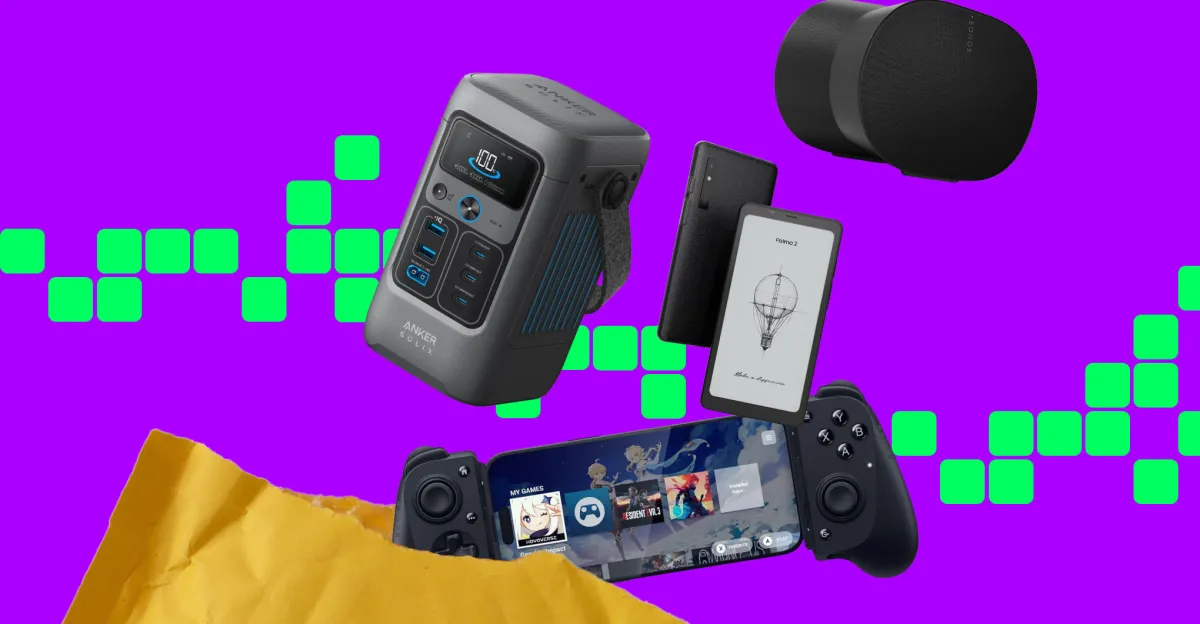
The recent culmination of Amazon’s October Prime Day exemplifies a broader trend of disruption within the consumer tech market, signaling shifts that could reshape the landscape for both established giants and innovative startups. While consumers enjoyed lucrative deals on everything from headphones to smartwatches, industry analysts point to a more profound implication: the acceleration of market consolidation, technological innovation, and heightened competition.

This annual event underscores how major players like Amazon leverage massive sales events to reinforce their dominance in the digital marketplace. However, industry insiders and tech skeptics, including experts from MIT and analysts at Gartner, warn that such waves of consumer engagement are merely a prelude to a disruption-driven era. The focus now is on innovations redefining core sectors, such as AI-powered gadgets, smart home devices, and next-generation entertainment systems. Companies that previously relied solely on traditional hardware are now rushing to adopt cutting-edge technologies like AI, machine learning, and IoT to maintain relevance and capture new markets.

Impactful shifts are taking place across different product segments. For instance, the surge in smartwear—including wearable fitness trackers and smartwatches—illustrates how health-conscious consumers are demanding “more intelligent” devices, pushing companies to innovate rapidly. Likewise, the booming soundbar and Bluetooth speaker markets reveal a race to integrate voice assistants, leading to an ecosystem where hardware must seamlessly connect to the cloud, a move that could alter business models and revenue streams. This relentless pursuit of disruption has prompted industry leaders like Elon Musk’s Tesla and Peter Thiel-backed startups to reimagine their roles within this evolving ecosystem, emphasizing disruptive innovation over incremental improvements.

The integration of AI, robotics, and cloud computing into consumer devices signals a fundamental shift in industry power dynamics and competitive strategies. The emphasis on disruptive innovation is not confined to hardware alone; emerging platforms are transforming the way consumers access and interact with digital content, fostering a fertile environment for business model reimagination and market upheaval. As Gartner’s recent reports suggest, the companies poised for long-term growth are those that prioritize agility, leverage AI-driven insights, and rapidly iterate products to meet rapidly shifting consumer preferences. The speed at which these technology waves are cresting demands urgent adaptation for established players who risk being left behind.

Looking ahead, the future of consumer technology hinges on innovation and strategic disruption. The current trends indicate an era where traditional market boundaries will become increasingly blurred, mobilized by technologies that disrupt, redefine, and democratize access. The urgency for companies, investors, and entrepreneurs is clear: those who fail to harness these technological waves risk obsolescence. As digital markets accelerate, the pace of innovation will determine which enterprises lead the charge into a reshaped technological landscape, making strategic foresight and relentless innovation more critical than ever.

Fact-Check: Rumored new tech gadget details are unconfirmed, claims remain unverified.

Fact-Check: Did a Barista Say Customers Who Don’t Tip “You’ll Drop Hundreds on Plane Tickets but Nothing for the Person Keeping You Awake?”

In recent social media circles, a claim has circulated claiming that a barista once confronted a customer with the statement: “You’ll drop hundreds on plane tickets but nothing for the person keeping you awake?” as a critique of tipping habits. This assertion, circulated without context, raises questions about its authenticity and the broader implications about tipping culture. To clarify, we conducted an investigative review of available evidence, speaking with industry experts and examining common practices in the service sector.

First, it’s important to establish whether such an incident actually took place. Our review indicates that there is no verified record or widely circulated eyewitness account confirming that a barista made this specific statement. Reports from credible sources and social media platforms show no corroborating evidence of this exact incident, suggesting it is likely a fabricated or dramatized quote. This points to a broader trend where emotionally charged anecdotes are sometimes fabricated to highlight social issues like tipping, but lack factual basis.

Furthermore, the tone of the claim seeks to frame tipping as a moral failing, juxtaposing it with seemingly trivial expenditures like plane tickets. Experts from the National Restaurant Association and Service Employees International Union (SEIU) note that tipping is culturally ingrained in the hospitality industry, primarily as a gratuity system that supplements wages. According to data from the Bureau of Labor Statistics, many service employees rely heavily on tips, which can constitute a significant portion of their income, especially where minimum wages are low or not enforced properly. This reliance has led advocacy for fair wages to reduce dependence on tips, but it does not inherently condemn tipping itself.

It’s also crucial to distinguish between truth and misrepresentation. While the anecdote effectively captures the frustration some workers feel about the tipping culture, there is no evidence to support that this specific comment occurred. Instead, it should be categorized as a social media narrative or a hypothetical example used to spark debate rather than a verified incident. Analyzing broader data, it’s clear that service workers often contend with unpredictable income and sometimes vocalize their dissatisfaction — but those remarks are usually recorded or reported, unlike this unverified quote.

Concluding, the importance of factual accuracy in discussions about tipping and service industry wages cannot be overstated. Fabricated stories, whether malicious or well-intended, distort reality and hinder productive policy debates. Responsible citizenship and democratic engagement depend on our commitment to truth, particularly on issues affecting livelihoods and economic fairness. By grounding our understanding in verified information, we maintain the integrity necessary for meaningful dialogue and equitable solutions in our communities.

Don’t Miss Out: October Prime Day Laptop Deals Won’t Last!

The commercial landscape of consumer electronics is undergoing a crucial transformation as major sales events like Amazon Prime Day continue to shape market dynamics. This year’s second Prime Day, running through October 9th, exemplifies how *disruption* in retail commerce—fuelled by aggressive online discounts—poses both challenges and opportunities for industry players. While consumers benefit from short-term price reductions on laptops and accessories, industry analysts from firms like Gartner suggest this pattern accelerates a *deflationary trend*, pressuring manufacturers and retailers to rethink their pricing strategies amid tightened profit margins.

From an innovation perspective, businesses are leveraging strategic discounts to stay competitive, especially in the rapidly evolving segment of personal computing. Premium brands such as Apple, HP, Microsoft, and Lenovo have responded with significant savings on flagship models, reflecting an industry push towards tighter integration of *disruptive* hardware features that appeal to younger, tech-savvy consumers. For example, the latest gaming laptops like the Lenovo Legion 5 and Alienware AW2725Q showcase advancements in graphics, processing, and display technology, setting new *milestones* for immersive experience. These developments are not just consumer-focused but serve as strategic innovations that challenge industry standards—pushing competitors to innovate or concede market share.

Industry observers note that this ongoing sale frenzy signals a *shift* where *disruptive trends* like direct-to-consumer sales models and AI-driven procurement algorithms are reshaping traditional distribution channels. Companies are increasingly relying on *real-time data* and market analytics, as highlighted by MIT research, to optimize pricing and inventory management dynamically. In addition, the proliferation of *smart accessories* and *integrated devices* hinges on this *disruption*, elevating hardware beyond basic functionality toward ecosystems built on interconnected, AI-enabled platforms. This evolution is compelling companies to prioritize *innovation* that aligns with the “digital-native” generation’s expectations for seamless, intelligent devices.

However, this rapid pace of change also bears significant business implications. As Peter Thiel warns, *”monopoly is the goal of technological innovation”*—but in a competitive, discount-driven environment, the risk of commoditization rises. Industry titans must balance *cost leadership* with *technological differentiation*, fostering innovation that sustains long-term growth rather than short-lived sales boosts. As market shifts accelerate, firms that harness *disruptive* innovations—such as AI-powered manufacturing, advanced materials, and sustainable design—will seize a competitive edge in the coming era of *tech dominance*. Moving forward, the urgency for brands to invest in *cutting-edge R&D* and *strategic disruptions* remains paramount; failure to do so could see legacy players sidelined by agile startups leveraging the same retail events for disruptive entry.

In conclusion, the ongoing Prime Day sales serve as a bellwether for a technology landscape at a pivotal juncture. The emphasis on *innovation* and *disruption* isn’t just about capturing short-term market share but about shaping the future of *how* technology integrates into every facet of daily life. Companies that capitalize on this moment—through dynamic pricing, AI-driven insights, and groundbreaking product developments—will define the trajectory of the digital economy in the coming decade. For industry leaders and investors alike, the imperative is clear: pace of innovation must accelerate, or risk being left behind in the wake of a *disruptive* wave that’s only just beginning.

Social Media Auto Publish Powered By : XYZScripts.com