Matox News

Truth Over Trends, always!

New Instax Printer: Big Upgrade, Worth the Price for Tech-Savvy Teens

FujiFilm’s Mini Link+ Sets New Standard in Instant Photography, Marking a Disruptive Shift for Visual Enthusiasts

In an era where disruption and innovation are reshaping the landscape of portable imaging technology, FujiFilm remains at the forefront, leveraging recent advancements to elevate the humble instant camera. The company’s latest release, the Instax Mini Link+ ($169.95), promises to deliver not only superior image quality but also a suite of expanding business implications spanning consumer markets and creative industries. Building upon its popular Mini Link 3, FujiFilm aims to disrupt the long-standing perception that instant prints are inherently soft and muddy, introducing processing upgrades that enhance contrast, color fidelity, and detail resolution—features that professional photography analysts like Gartner are now tracking as critical shifts in consumer imaging products.

The cornerstone of this innovation is the **Design Print mode**, designed specifically to cater to the burgeoning demand for crisp, detailed prints—especially for faces and landscapes. While early reviews suggest that this mode delivers only marginal improvements over the traditional Simple mode, the internal processing advancements within the Mini Link+ offer a noteworthy leap in overall print quality. These enhancements not only disrupt the traditional instant film paradigm but also challenge the business models of competitors that rely on legacy instant film technologies. The strategic move aligns FujiFilm with market trends emphasized by MIT researchers: that consumers demand quick, high-quality prints that integrate seamlessly with their mobile devices, further reinforced by FujiFilm’s own app ecosystem, which offers features from AR visualization to social media integration.

Implications for Industry and Consumer Behavior

The industry shift is palpable: FujiFilm’s investment in processing technology signals that future portable printers will prioritize image fidelity, disrupting the low-margin, muddy print stereotype historically associated with instant film. These improvements suggest a potential *disruption of the $30 per 20-sheet film market*, as consumers may now perceive value in more detailed and vibrant prints, thus possibly increasing demand. This strategic upgrade also compels competitors like Polaroid to respond, accelerating innovation in compact, tech-enabled instant solutions. Educational institutions and creative startups, like those featured by industry giants such as Elon Musk or Peter Thiel, might recognize this as a breakthrough opportunity: embedding high-fidelity portable photo solutions into youth culture, art communities, and storytelling platforms.

However, critics caution that the app’s complexity and the high price point—coupled with limitations in printing intricate text-heavy illustrations—may dampen mass-market adoption. Despite this, the business implications extend beyond consumer hobbyists: brands aiming to create tangible marketing collateral or personalized promotional materials now have access to a disruptive technology capable of revolutionizing visual engagement strategies. Moreover, FujiFilm’s innovative approach underscores a broader trend—leveraging internal processing advancements to disrupt legacy markets and redefine value propositions for portable imaging.

Next-Gen Outlook and Industry Urgency

Looking ahead, the focus on image processing and mobile integration indicates a rapid evolution in portable photo technology—one that demands swift industry response. The stakes are high: those who fail to innovate in this space risk obsolescence, especially as younger audiences increasingly prioritize instant, high-quality visual storytelling. As experts forecast, the next wave of disruption will likely originate from integrated AI-powered enhancement algorithms, further narrowing the gap between amateur and professional-level captures on pocket-sized devices. The question remains whether established giants or agile startups will seize this moment to lead the market—fuels that market analysts say will be determined within the next 12-24 months. The future belongs to those with the agility to innovate: a compelling race where disruption is imminent, and every player must respond with urgency.

In this rapidly shifting paradigm, FujiFilm’s Mini Link+ exemplifies how technological innovation can revolutionize an industry rooted in nostalgia, transforming it into a high-fidelity, business-critical platform. As industries and consumers recognize the value of detailed, tactile images in a digital world, the window for strategic disruption widens—underscoring the importance of continual innovation and agility in capturing the future’s visual marketplace.


Peloton Cuts 11% of Staff Amid AI Hardware Launch—Are Tech Times Changing?

Peloton Restructures Amid Market Turmoil and AI-Driven Innovation

In a decisive move indicative of broader industry disruptions, Peloton announced it will lay off approximately 11 percent of its workforce, primarily targeting engineers involved in technology and enterprise initiatives. This follows an earlier 6 percent reduction last August, marking a continued effort to realign its business model in a challenging market environment. Industry analysts see these cuts as a sign that Peloton is struggling to maintain its pandemic-fueled growth, with sales figures showing a prolonged decline despite launching innovative hardware featuring Peloton IQ AI. These developments underscore the aggressive shift in how fitness technology companies must innovate or face obsolescence in a hyper-competitive landscape.

The company’s latest strategic pivot involves deploying AI-powered features across its product lineup, aiming to deliver personalized, real-time performance insights that could disrupt traditional workout routines. The Cross Training Series, introduced last October, includes a revamped bike, treadmill, and rowing machine—each integrated with AI capabilities such as real-time form correction, exercise analysis, and AI-generated routines. These features, meant to elevate user engagement and justify increased subscription costs, exemplify how disruption in the fitness tech industry hinges on harnessing AI to maximize user outcomes and retain loyalty. Yet, despite these technological advancements, initial sales have been sluggish, raising concerns about whether Peloton’s innovation can translate into immediate commercial success.

The industry’s trajectory underscores a growing trend where traditional fitness companies are forced to pivot rapidly, investing heavily in AI and data-driven personalization to compete against tech giants and emerging startups. This massive shift toward intelligent, autonomous workout systems echoes predictions by firms like Gartner, which emphasize that AI and machine learning will be core drivers of competitive advantage in the coming decade. However, Peloton’s recent struggles highlight a crucial lesson: technological innovation alone cannot guarantee market resurgence. Instead, it must be coupled with effective marketing, product differentiation, and scalable operations—areas where Peloton has faced setbacks, as it attempts to counteract declining subscriber growth and mounting financial pressure.

From a business perspective, Peloton’s ongoing downsizing and technology overhaul signal a broader warning to industry players: Disruption is only beneficial if it sustains user engagement and profitability. Meanwhile, industry watchers like Elon Musk and Peter Thiel suggest that the surge toward AI-enhanced fitness is inevitable and will redefine the entire health and wellness sector. The imperative now is for companies to move beyond incremental enhancements and embrace radical innovation that leverages AI not just for customization but for creating entirely new business models and ecosystems. As the market evolves, so too must the strategic agility of industry leaders to avoid obsolescence and harness the disruptive potential of AI-driven fitness technology.

Looking ahead, the timeframe for Peloton’s recovery remains uncertain, emphasizing the urgency of strategic adaptation in a hyper-accelerated technological landscape. The industry’s next chapter is poised to be defined by companies that successfully integrate emerging AI capabilities with scalable, engaging user experiences. Those who fail to do so risk being overshadowed by nimble startups and digital giants forging entirely new markets. In this context, Peloton’s ongoing transformation exemplifies the pressing need for bold innovation and relentless adaptation—because in the race for market dominance, standing still is equivalent to moving backward.

Smart Ring Watch: Your All-in-One Heart, Sleep, and Fitness Tracker for the Modern Youth

The wearable technology landscape is experiencing a significant disruption with the launch of the Fusion ring watch, an innovative product that is redefining accessible health & fitness tracking in a compact form factor. Priced competitively at $49.99—a stark contrast to traditional counterparts from brands like Casio and Timex, which retail above $100—the Fusion leverages cutting-edge miniaturized display and sensor technology to deliver a multifunctional device in a sleek, ring-shaped form. The introduction of this product signals a strategic move toward democratizing wearable tech, disrupting established industry giants that have historically dominated the premium segment.

The Fusion’s standout feature is its 0.49-inch OLED screen, which offers a crisp display for time, date, and health metrics. This compact yet powerful display challenges the notion that functionality must come at the expense of style or size. Equipped with an optical heart rate sensor and a suite of motion sensors capable of tracking over 100 different sports, this device exemplifies disruption through miniaturization. Its impressive battery life of approximately five days of active usage and up to eight days on standby ensures extended utility, a crucial criterion in consumer adoption. Such tech innovations are poised to warp the traditional wearable market, pushing other brands to innovate beyond basic smartwatches and fitness bands.

Industry analysts, including Gartner and researchers from MIT, emphasize that this product heralds an era where wearable devices are becoming more integrated into daily life through seamless form factors. Innovation driven by miniaturization and multi-sensor integration places a premium on features traditionally reserved for larger devices, now condensed into a ring — a radical shift in hardware design paradigms. This product’s breakthrough challenges the established notion that advanced health metrics and comprehensive monitoring require bulk and cost. It also opens pathways for business model innovation, with potential for integration into broader health ecosystems, enterprise wellness programs, and even fashion tech. Tech giants and startups alike are closely monitoring this development, recognizing that the next frontier lies in pervasive, unobtrusive biometrics tracking.

Looking ahead, the advent of products like the Fusion ring reveals a broader trend: disruption driven by innovation, affordability, and user-centric design. As Peter Thiel and Elon Musk have often cautioned, the future belongs to those who dare to reimagine possible, and this device exemplifies that philosophy — blending hardware prowess with urban, youth-oriented aesthetics. With other tech incumbents facing rising pressure to redefine their offerings, market competitors must adapt quickly. As the industry accelerates toward a future where wearable tech is ubiquitous and invisible, stakeholders must embrace the urgency of innovation — or risk being left behind. The next chapter of wearables is being written today, and it’s characterized by agility, disruption, and unrelenting ambition.

Crypto bill’s Congressional push hits a wall—Youth tech still waiting for breakthroughs

Crypto Industry Faces Disruption as U.S. Policy Gridlock Intensifies

Innovation and disruption are constants in the fast-evolving landscape of blockchain technology and cryptocurrencies, but recent developments in Washington threaten to stall vital progress. Major players like Coinbase are closely watching legislative maneuvers that could redefine the regulatory framework for digital assets. As the U.S. Congress nears a pivotal juncture, the industry stands at a crossroads where political partisanship and industry priorities collide, potentially shaping the future of finance for years to come.

At the center of this turbulent scene is the contentious Clarity Act, which aims to establish clear regulatory guidelines for the burgeoning stablecoin sector. Innovation in stablecoins—cryptocurrencies pegged to traditional mediums like the US dollar—has been a turbocharged driver of adoption, with Coinbase offering 3.5% rewards on USDC holdings—a rate vastly eclipsing traditional bank interest. Such rewards act as powerful incentives for retail and institutional holders, hinting at a future where stablecoins could be central to mainstream financial daily routines. However, the banking lobby perceives these rewards as loopholes that could undermine traditional deposit-based models, lobbying hard to limit or prohibit such yields, which delays crucial market structure legislation. If the bill passes, Coinbase anticipates a significant business impact, with stablecoin rewards potentially curtailed, thereby limiting their competitive edge and the transformative potential of DeFi solutions.

The business implications extend beyond Coinbase alone. Industry analysts from institutions like Gartner and think tanks like MIT warn that the ongoing legislative gridlock could disrupt innovation pipelines and slow the adoption of crypto-based financial products. The political battleground is heated, especially with upcoming midterm elections which threaten to bring partisan polarization into even sharper focus. Democrats and Republicans are at loggerheads over the broader market regulation, with Democrats generally more skeptical of crypto’s risks, while Republicans tend to favor the industry’s potential to disrupt traditional financial institutions. The political calculus becomes increasingly complex as key figures—such as Sen. Elizabeth Warren or Maxine Waters—oppose industry-friendly policies, driven by fears of destabilization and concerns over banking incumbents’ dominance. Meanwhile, industry lobbyists are emphasizing crypto’s voter base; crypto holders are seen as highly motivated, single-issue voters whose wallets significantly influence election outcomes.

The industry’s future hinges on strategic legislative momentum. The Senate Agriculture Committee is scheduled for a crucial markup, but hope dims as bipartisan unity frays. As Cody Carbone, CEO of The Digital Chamber, notes, “The longer the partisan battle persists, the more likely crypto will be sidelined in favor of entrenched bank interests. If Democrats control both chambers, legislative prospects dim further, with prominent committee chairs signaling a focus on enforcement over adoption for crypto.” Such a scenario could result in a policy deadlock that stifles innovation and allows entrenched interests to maintain control. However, industry insiders remain cautiously optimistic if bipartisan support can be rekindled swiftly, as crypto advocates argue their voter base is more influential than assumptions suggest. The upcoming weeks are critical—stakeholders must navigate an urgent landscape where policy, business, and politics intertwine to decide whether the next wave of financial disruption will be unleashed or stymied by congressional gridlock.

With the trajectory of crypto regulation hanging in the balance, the industry faces a stark reality: delay breeds risk. As Peter Thiel and Elon Musk warn about the necessity of proactive innovation, the urgency to push forward legislation that fosters disruptive technologies becomes undeniable. The next legislative cycle could either accelerate America’s leadership in digital finance or cede that ground to emerging global competitors. For entrepreneurs, investors, and consumers alike, understanding this high-stakes game isn’t just advisable—it’s essential. The clock is ticking, and the future of financial innovation depends on decisive action now.

Intel’s Panther Lake Chips Crush Apple’s M5—Game Changer for Young Tech Fans

Intel’s Latest Chips Signal a Disruptive Shift in Computing Power and Industry Dynamics

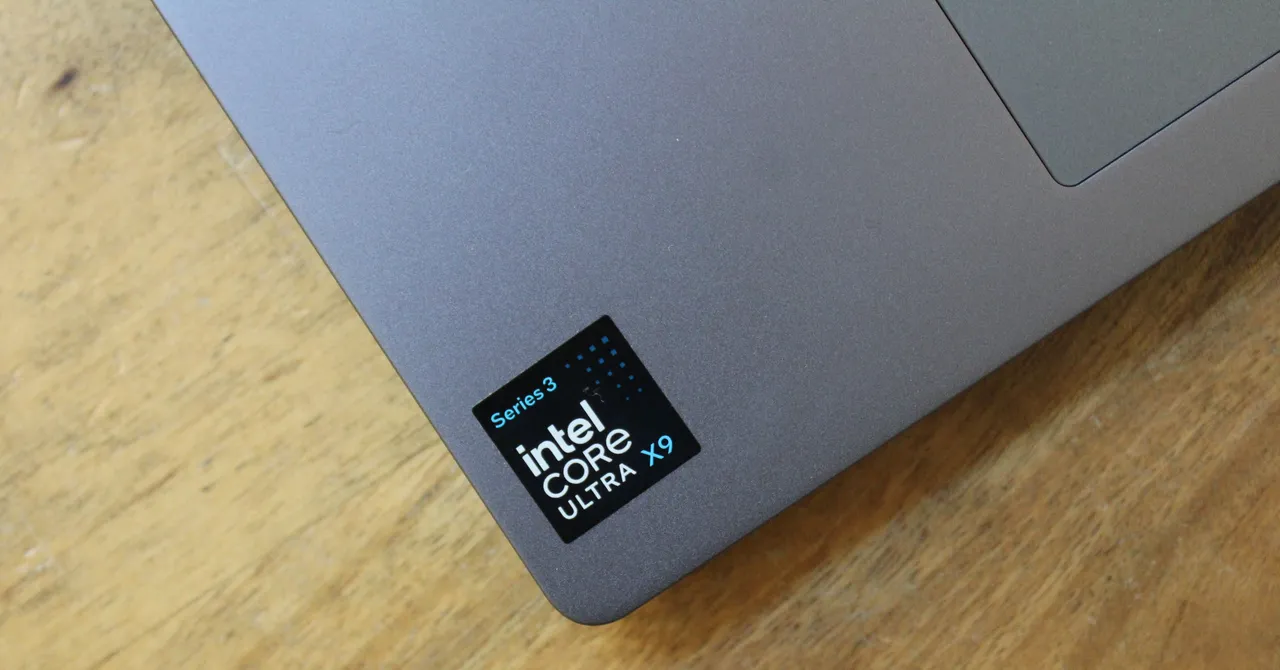
In a remarkable display of hardware innovation, Intel has reasserted itself at the forefront of the tech battlefield with its new generation of chips boasting unprecedented multi-core performance and integrated graphics capabilities. The flagship X9 388H chip, outperforming Apple’s latest M5 by a staggering 33 percent, exemplifies how Intel is strategically disrupting the status quo. This surge is more than a simple technical victory; it signals a potential redefinition of benchmarks in laptop and mobile computing, challenging established industry giants and paving the way for new standards of performance in thin-and-light devices.

Revolutionizing Integrated Graphics and Multi-Core Power

Intel’s Core Ultra 7 258V has delivered a benchmark-defying 52 percent increase in multi-core CPU performance and a 54 percent upgrade in integrated graphics, tested against current-generation competitors such as the M4 MacBook Air. The use of the powerful B390 GPU and 12 Xe cores in the X7 and X9 configurations, with the X9 at the forefront, demonstrates a disruption of traditional discrete GPU reliance—transforming laptops from mere portable tools into powerhouse multi-taskers capable of professional-grade graphics processing.

  • Top-tier multi-core performance surpassing industry expectations
  • Integrated graphics on par with discrete desktop GPUs
  • Significant leaps in AI and video editing capabilities within ultraportables

Analysts from Gartner and industry insiders note that this leap in integrated graphics represents a strategic pivot for Intel, directly challenging the long-held dominance of dedicated desktop GPUs in performance computing. Industry watchers view this as a clear signal that Intel intends to redefine what is possible in portable computing hardware, with implications across gaming, AI inference, and professional content creation sectors.

Market Implications and Industry Disruption

The impact of Intel’s advancements extends beyond mere performance metrics. The industry is witnessing a shifting market dynamic where innovation drives new business models. OEMs are already integrating these chips into ultrathin laptops that balance power with portability, radically shrinking the gap between high-end desktop performance and mobile efficiency. Such innovations threaten to erode the market share of traditional discrete GPU manufacturers, while companies like Apple, AMD, and NVIDIA face a renewed challenge from Intel’s disruptive hardware advances.

Furthermore, this progress demonstrates how disruption in core hardware can accelerate software and ecosystem innovation, prompting developers and businesses to rethink their approach to application design. As noted by industry leaders, the potential for integrating powerful AI operations directly into portable devices could” change the landscape of mobile AI, edge computing, and real-time data processing.

Looking Ahead: A Future Defined by Agility and Power

Intel’s latest chips are not merely an evolution but a revolution in portable computing, an inflection point that demands rapid adaptation from competitors and entrants alike. As Thiel and Musk have historically emphasized, technological progress hinges on relentless innovation and nimbleness. The next phase will see hardware manufacturers pushing these advances further into AI, machine learning, and 5G-enabled computing, making today’s breakthroughs tomorrow’s industry standard. Time is of the essence for competitors who wish to remain relevant in this new era of high-performance, integrated computing.

In conclusion, with such groundbreaking hardware, Intel is signaling a shift that could reshape the entire technology ecosystem—disrupting established players while opening doors for bold new applications. The race for supremacy in integrated, mobile, and AI-powered computing is accelerating, and those who innovate swiftly will lead the charge into a future where hardware and software harness unprecedented levels of power and efficiency.

Founder revolutionizes firefighting, now mining AI gold for the next-gen tech wave

HEN Technologies Unveils Next-Gen Fire Suppression System with Smart Data Capabilities

Emerging as a formidable contender in the realm of industrial innovation, HEN Technologies is revolutionizing fire suppression and water management through groundbreaking sensor-driven, predictive systems. Founded in June 2020, the company has levered a diverse technological background—including nanotech, solar, semiconductors, and automotive—to develop a portfolio of intelligent water control devices. These tools are not just hardware; they are catalysts for disrupting the entrenched firefighting and municipal water systems, with far-reaching business implications for military, emergency, and industrial sectors globally.

Innovation at the Core: From Nozzles to Data Ecosystems

  • Utilizes custom-designed circuit boards embedded with sensors and powerful computing units—including Nvidia Orion Nano processors—transforming basic hardware into connected, smart systems.
  • Develops precise, adaptive water nozzles capable of controlling droplet size, managing velocity, and resisting wind, enhancing firefighting efficiency in high-stakes scenarios.
  • Expands into a portfolio of flow control and monitoring devices—such as Stream IQ and discharge systems—integrating real-time data streams for operational insights.

The innovation is embodied in HEN’s system architecture, which employs sensors at the pump level to act as virtual sensors in the nozzle, capturing detailed data about water flow, pressure, and environmental conditions. This data not only optimizes firefighting efforts but also creates a valuable multi-modal data pipeline that has attracted significant investor interest, including a recent $20 million Series A round led by O’Neil Strategic Capital. According to industry experts, this level of integrated data infrastructure positions HEN as a potential pioneer for predictive analytics—crucial for advanced AI systems that construct dynamic models of physical environments.

Disruption and Business Implications: Beyond Firefighting

HEN’s platform is poised to disrupt traditional emergency response and municipal water management by enabling predictive analytics and resource optimization. Its devices gather critical data on water usage, environmental conditions, and system performance—information that has historically been difficult to access in real time. This data ecosystem could revolutionize how agencies like the DHS NERIS program and international defense organizations approach emergency readiness, disaster mitigation, and resource allocation.

The company’s strategic move into qualified federal procurement channels, such as GSA approval, signals a deliberate push toward scale within government contracting, turning this technological disruption into a sustainable business model. Fire departments routinely replace thousands of aging engines annually; HEN’s intelligent hardware offers recurring revenue opportunities from hardware sales complemented by ongoing data contracts—an attractive prospect for investors driven to capitalize on the growing need for smart city infrastructure.

The Road Ahead: Data as the Future Currency

While hardware sales currently fuel revenue growth—$200,000 in Q2 2023 skyrocketed to over $20 million forecasted for this year—the real value lies in the data generated. As analysts at Gartner and MIT emphasize, the future belongs to companies that can harness real-world data for AI-driven predictive systems. Companies building sophisticated world models, especially in emergency management and robotics, will pay a premium for the high-fidelity, multimodal physics data generated by HEN’s deployments.

With a talented team drawn from Tesla, Apple, NASA, and Microsoft, HEN is positioning itself as a critical enabler of these emerging AI applications, which require granular, real-time data to operate effectively in unpredictable, high-stakes environments. As government agencies and private industries increasingly adopt such systems, HEN’s strategic focus on robust hardware, data pipelines, and institutional penetration signals a fast-approaching industry inflection point. Companies ignoring the looming disruption risk falling behind in the race for the next-generation of intelligent, connected infrastructure—making early adoption not just advantageous but essential.

In this rapidly evolving landscape, the message is clear: the convergence of sensor technology, AI, and real-time data is giving rise to a new wave of disruptive innovation. HEN’s success, fueled by visionary engineering and strategic investor backing, exemplifies how the future of infrastructure resilience and emergency response will be driven by those who master the art of data collection and intelligent control. The race to dominate this space is just heating up, and forward-looking companies must move swiftly to capture the immense opportunities ahead.

Score $100 Off with Shark’s January Deal — Upgrade Your Tech Game Now!

Revolutionizing Consumer Markets: Shark’s Strategic Expansions

In an era marked by rapid innovation and disruption, Shark is carving out a broader footprint beyond its established reputation in cleaning appliances. Recently, the brand has leveraged targeted marketing strategies—offering exclusive discounts like 10% off for first-time vacuum buyers and 15% discounts for students via UNiDAYS—to foster brand loyalty while expanding its consumer base. Such initiatives underscore a shift in the company’s approach, employing digital incentives and referral programs to catalyze organic growth in a competitive landscape.

Crucially, Shark is venturing into the emerging segment of personalized, at-home food production with its Ninja CREAMi line. This innovation exemplifies how traditional appliance brands are disrupting the food-tech industry by democratizing culinary creativity. Market acceptance has been strong—showcased by consumer enthusiasm for home gelato and soft-serve recipes—making Shark a meaningful player in the rapidly evolving kitchen gadget market. According to industry analysts, this shift signals a broader move toward multifunctional, affordable appliances tailored for younger, tech-savvy audiences seeking convenience and novelty.

Implications for Industry & Market Disruption

The company’s strategic diversification blurs industry boundaries, challenging established giants in both cleaning and kitchen appliances. Disruption occurs when a company leverages innovation to reduce costs and improve user experience—Shark’s incorporation of smart features and cost-effective designs exemplifies this trend. Meanwhile, their push into refurbished product markets aligns with a broader sustainability trend that appeals to environmentally conscious younger consumers, reducing barriers to purchase and fostering repeat engagement. Experts at MIT have noted that these moves could force competitors to reassess their innovation pipelines, especially as AI and internet-connected devices redefine product capabilities and consumer expectations.

Business implications are profound: Shark’s strategy not only heightens industry competition but also signals a paradigm shift where customer-centric digital incentives and versatile product offerings become standard. Companies must now innovate beyond features—consider sustainability, affordability, and seamless user experiences—or risk losing relevance in a fast-changing market.

Looking Forward: Innovation as the New Standard

As technology accelerates, the era of passive consumption is giving way to active, personalized engagement—something Shark is capitalizing on through targeted promotions, product innovation, and sustainability initiatives. Industry observers, including Gartner analysts, predict that the convergence of smart technology, AI-driven customization, and eco-conscious practices will set the new benchmark for success.

For the youth and future-ready entrepreneurs, this landscape is ripe with opportunity—and peril. The brands that harness innovation’s disruptive power will dominate the next decade; those that fail to adapt risk obsolescence. Shark’s aggressive yet strategic approach exemplifies how modern companies must act with urgency, blending technological advances with savvy marketing. As we look ahead, one thing remains clear: the race for consumer loyalty and industry leadership is intensifying, and the next chapter in this technological revolution is just beginning—warning those slow to innovate that in today’s market, complacency is costly.

Top AirPods Picks for 2025: Gear Up for the Future

Apple’s Next-Generation Earbuds Push Industry Boundaries with Strategic Innovations

In a move poised to redefine the wireless audio industry, Apple is reportedly preparing to launch its latest iteration of earbuds, building on its tradition of disruption and ecosystem-centric innovation. According to recent reviews and industry leaks, these new earbuds are expected to incorporate a suite of advanced features that emphasize disruption in both hardware and ecosystem integration, with potential implications for competitors like Bose, Sony, and emerging tech giants—pushing the boundaries of what consumers now expect from wireless audio devices.

Key features under development suggest a focus on elevating sound quality, comfort, and ecosystem synergy, challenging established norms. Industry analysts from Gartner and institutions like MIT underscore the significance of innovation-driven product differentiation. The new earbuds are anticipated to boast

  • Enhanced active noise cancellation (ANC) capable of competing with premium models such as the AirPods Max
  • Extended battery life, promising up to 8 hours with ANC enabled
  • Improved ergonomic fit with adjustable foam-plus-silicone tips—including XXS sizes to cater to diverse ear shapes
  • Health and fitness features, notably a built-in heart rate sensor, positioning these earbuds as personal health trackers
  • Advanced ecosystem connectivity, including seamless integration with iOS, macOS, and Windows devices, along with sound-rich features like live translation and clinical-grade hearing aid support

Implications for Business and Industry Dynamics

The disruption extends beyond hardware to influence the broader market shift towards integrated, multi-functional wearable devices. As Elon Musk and Peter Thiel have emphasized, business innovation in tech hinges on ecosystem lock-in and user experience. Apple’s targeted enhancements threaten to widen its lead in the premium wireless earbuds segment, while incentivizing competitors to innovate or cede ground. The strategic introduction of tailored features—such as active health monitoring and immersive spatial audio—signal a future where earbuds serve as multifunctional health and entertainment hubs, disrupting traditional product categories.

Furthermore, the adoption of *new materials and form factors*—like foam-infused tips—highlight Apple’s push for premium comfort and better fit, addressing longstanding consumer pain points—especially for users who find tight ear tips uncomfortable. This focus on personalization and user-centered design is expected to escalate competition, compelling brands to invest in dual-purpose innovations that blendaudio excellence with health and lifestyle functionalities.

Conclusion: A Turbulent Future Demands Urgency

The upcoming launch signals a critical juncture in tech innovation, urging stakeholders across the industry to remain vigilant. As Apple continues to leverage its extensive ecosystem, the company’s new earbuds are set to redefine the standards for disruption, innovation, and ecosystem control. Industry observers warn that those slow to adapt risk obsolescence in an increasingly fast-paced market environment, where the integration of health, AI, and high-fidelity audio becomes the new battleground. For developers, manufacturers, and competitors alike, this is a stark reminder: The future belongs to rapid innovation rooted in a seamless ecosystem experience.

In an era characterized by relentless technological evolution, the race for supremacy in premium earbuds is more urgent than ever. With Apple’s strategic moves, the industry is likely to witness a cascade of disruptive innovations that will shape consumer habits and corporate strategies alike for years to come.

Google AI Summaries Threaten Recipe Writers’ Livelihoods: Is a Digital Extinction on the Horizon? | Tech Trends

Embracing the Future: How AI Is Reshaping Culinary Inspiration and Lifestyle

As technology advances at a breakneck pace, many young lifestyle enthusiasts are witnessing a seismic shift in how they approach their passions—most notably, their love for food and genuine culinary experiences. Recently, the rollout of Google’s AI Mode has introduced a new frontier in the realm of online recipes, but with it comes a wave of questions surrounding authenticity, creativity, and the personal impact on creators. Unlike traditional recipes shared with love and expertise, AI-generated dishes are often rough frankensteins of multiple sources, sometimes lacking nuance and personal touch. This shift challenges not only the integrity of culinary arts but also how young consumers connect with trusted food bloggers and lifestyle influencers who have built communities rooted in genuine expertise.

Many intentional lifestyle seekers today are drawn to authenticity—a shift underlined by wellness experts emphasizing the importance of personal experience and human touch in crafting wellness and leisure routines. Elder culinary authorities and food writers such as Julia Child and modern icons like Samin Nosrat remind us that the magic of good food lies in its storytelling, cultural heritage, and the personal care imbued in each step. When AI disrupts this narrative by producing generic, soulless recipes, it threatens to dilute the very essence of lifestyle pursuits that emphasize connection, tradition, and personal mastery.

Impact on Food Bloggers and Culinary Creatives

Authentic food bloggers, such as Jim Delmage and Tara Delmage of Sip and Feast, have long relied on their experience, craftsmanship, and personal stories to build audiences. However, AI’s infiltration into search engines has led to widespread concern. As Jim Delmage recounts, “many food creators are now worried about their livelihoods, fearing that AI recipes, often assembled without care, will overshadow the work they’ve poured years into.” Such sentiments reflect a broader cultural concern: the potential replacement of human artistry with machines, which could result in a decline in trust for online culinary resources and, by extension, a loss of personal impact for these creators.

Yet, amidst these challenges, some chefs and bloggers are doubling down on what makes their content compelling—authenticity. Karen Tedesco, a seasoned chef and culinary personality, emphasizes a reliance on experience and technique—elements that AI cannot replicate. Her detailed Italian meatball recipes, complete with process photos and personal anecdotes, demonstrate how expertise and storytelling foster trust and elevate lifestyle content beyond simple instructions. This approach highlights the importance of maintaining human storytelling in an age increasingly dominated by digital manipulation and automation.

Trust, Authenticity, and the Road Ahead

Interestingly, surveys indicate that consumer trust in AI-generated content remains fragile. Research of over 3,000 US adults shows that “the more interaction people have with AI, the less they want to engage with it,” affirming that trustworthiness still hinges on human authenticity. As Matt Rodbard from Taste points out, the cluttered, ad-heavy interfaces of many recipe sites have already alienated some audiences. Now, the addition of AI content risks compounding this disconnect, making personal, honest storytelling more vital than ever for those who want to distinguish genuine lifestyle voices from soulless automation.

Despite the hurdles, the ethical stance among many creators remains clear: they strive to protect their craft, advocating strategies such as blocking AI training crawlers or emphasizing their unique experiences. Even so, the pressure mounts, pushing many toward offering exclusive subscription content, which, for some, is a necessary step to preserve their livelihood in a rapidly shifting environment. This pivot echoes a broader cultural theme—the pursuit of meaningful, well-crafted lifestyles that resist the transient allure of cheap, disposable content.

Inspiring a Lifestyle of Resilience and Authenticity

Ultimately, this unfolding story reflects a timeless truth: the journey of embracing authentic living, whether through culinary mastery or lifestyle pursuits, is one of resilience. For young individuals seeking vitality, leisure, and a sense of purpose, the message resonates strongly—trust in human experience, nurture your passions, and stay true to what inspires you. As the digital landscape evolves, the true treasures remain those crafted with intention, care, and a story worth sharing. In the face of automation, the journey to authentic living becomes even more meaningful—challenging us to cherish what makes life flavorful, personal, and real.

iRobot Declares Bankruptcy Amid Tech Shakeup

iRobot Declares Bankruptcy Amid Industry Disruption and Competitive Pressures

After 35 years of pioneering household robotics, iRobot has announced it is filing for Chapter 11 bankruptcy protection. This significant development marks a transformative moment in the smart home market—highlighting the intense industry disruption caused by emerging Chinese competitors and increasing geopolitical tariffs. The company’s decision to be acquired by Picea Robotics, a Chinese-based contract manufacturer, underscores the shifting landscape of global manufacturing and technological power. Despite this upheaval, iRobot assures consumers that existing products and services will remain unaffected for now, allowing the popular Roomba series to continue cleaning homes uninterrupted.

The decline of iRobot illustrates the challenges faced by established tech innovators in an increasingly competitive environment. Since its founding in 1990 and the launch of the Roomba in 2002, the company has continuously reinvented its product line through innovative features such as lidar mapping and advanced app integrations. However, these efforts have been outpaced by a surge of Chinese manufacturers, eager to disrupt the market with lower-cost, feature-rich alternatives. Industry giants like Xiaomi and Roborock have flooded the space, leveraging mass production to undercut US and European rivals. According to Gartner analysts, this rapid commodification poses a significant threat to the profit margins of legacy brands, leading to the financial instability faced by iRobot.

  • Milestones in innovation: Integration of lidar mapping tech, smarter navigation, and increasingly affordable pricing models.
  • Challenges: Tariffs, rising manufacturing costs, and aggressive Chinese competition.
  • Implications: Disruption in household robotics, with potential shifts in market leadership towards Asia-based firms.

The strategic move by Picea Robotics signals a broader trend of industry consolidation amid geopolitical tensions and supply chain vulnerabilities. Such acquisitions could accelerate the adoption of advanced robotic systems across various sectors, transforming the traditional landscape of domestic automation. Leading industry observers like Elon Musk and Peter Thiel have long emphasized the importance of innovation in maintaining competitive advantage. In this context, the merger presents an opportunity for Chinese firms to leverage manufacturing efficiency and technical expertise to redefine global standards and consumer expectations.

Furthermore, the financial strain on legacy firms such as iRobot signals a pivotal moment for startups and established players alike. No longer can companies rely solely on incremental improvements; innovation must now focus on disruptive innovations, such as AI-driven autonomous systems and IoT integration. As MIT researchers highlight, the future of household robotics hinges on the seamless integration of smart tech with everyday life—a frontier where American companies risk losing dominance unless bold strategic shifts are undertaken.

Looking ahead, the field of robotics is poised for rapid evolution. The convergence of AI, material science, and 5G connectivity suggests that the next decade could witness unprecedented breakthroughs. For industry leaders and entrepreneurs, this signals both an urgency and an imperative: to harness the disruptive potential of emerging technologies or risk becoming obsolete. With global market shifts accelerating, those who act decisively today will shape the future—making it essential to anticipate and adapt to the technological upheaval that lies ahead.

Social Media Auto Publish Powered By : XYZScripts.com