Matox News

Truth Over Trends, always!

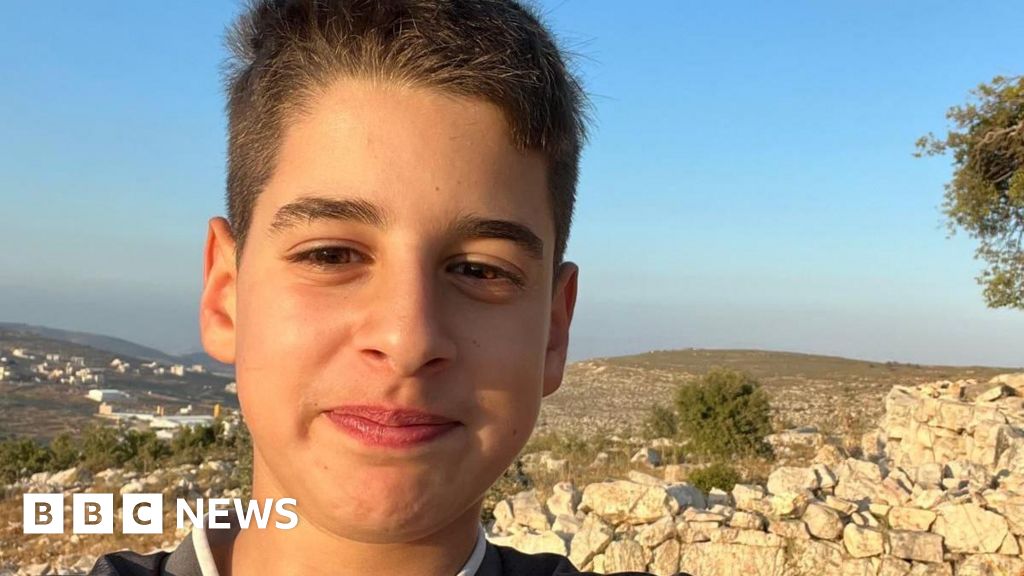
US-Palestinian teen released after nine months behind bars in Israel

The recent release of Mohammed Ibrahim, a 16-year-old Palestinian-American who endured nine months of detention by Israeli authorities without formal charge, underscores the ongoing complexities defining the Israel-Palestine conflict and its profound geopolitical impact. Arrested at 15 while visiting the West Bank from Florida, Mohammed’s case is emblematic of the broader issues surrounding the treatment of Palestinian minors in Israeli custody, a matter long condemned by human rights organizations and the United Nations. While his release marks a personal milestone, it also raises pressing questions about international accountability and the role of the US in advocating for its citizens abroad.

  • Mohammed’s detention followed allegations of stone-throwing against Jewish settlers, a charge he and his family deny, highlighting the persistent tensions and accusations of misconduct from both sides of the conflict.
  • The Israeli prison system, where approximately 350 Palestinian minors are held, has faced widespread condemnation for alleged abuses and torture—accusations upheld by human rights organizations and reinforced by international reports.
  • Mohammed’s family, including his father Zahar Ibrahim, criticizes what they perceive as insufficient intervention by the US government, despite bipartisan advocacy—27 US lawmakers signed a letter demanding action from President Donald Trump.

Analysts note that the detention of minors in such conditions not only impacts individual lives but also fuels regional instability. Experts from Oxford’s Middle East Institute warn that these policies contribute to a cycle of violence, unrest, and international scrutiny. The case also exemplifies how US foreign policy, often characterized by a complex balance of support and criticism, influences how these conflicts evolve. The US’s stance, articulated through the State Department, prioritizes citizen safety, yet many critics argue this rhetoric often falls short of meaningful action, especially when dealing with PGs like Israel in sensitive areas.

This situation also emphasizes the broader consequences for societies caught in prolonged strife. Mohammed’s case and the subsequent focus on other injustices, such as the death of dual US citizen Sayfollah Musallet at the hands of settlers, illustrate the deep scars of unresolved conflict. The family’s fight for justice and accountability underscores how international decisions reverberate through communities—turning localized incidents into symbols with global ramifications. The inability of authorities to prosecute those responsible for Sayfollah’s death, despite evidence, feeds into an international narrative of unchecked violence and impunity, threatening the fragile stability of the region.

As history continues to unfold, the case of Mohammed Ibrahim stands as a stark reminder of the danger inherent in unresolved conflicts and the crucial need for international diplomacy and justice. With each headline, the weight of history presses harder—underscoring that these are not merely stories of individuals but chapters in the ongoing saga that will shape the future of nations and societies for decades to come. The question remains: will the international community heed the warnings, or will they be swept aside as just another chapter in a relentless cycle of conflict?
Palestinian-American teen imprisoned in Israel for 9 months finally released in West Bank

In a recent development that echoes across the geopolitical landscape, Mohammed Ibrahim, a 16-year-old Palestinian-American citizen, was released after nine months of detention in Israeli custody. The young teenager’s ordeal, which captured worldwide attention, underscores the ongoing controversies surrounding Israel’s treatment of Palestinian minors in military courts. Ibrahim’s case not only highlights alleged human rights violations but also signals the fragile state of U.S.-Israel relations, especially when American citizens are caught in the crossfire of regional conflicts. International organizations, including UN human rights agencies and various civil rights groups, have long condemned the systematic prosecution of Palestinian minors, which places Israel under increasing scrutiny for its military justice practices.

This incident arrives at a time of escalating tensions and international debates focused on the treatment of Palestinians under occupation. According to reports from B’Tselem and Defense for Children International-Palestine, hundreds of Palestinian children remain detained by Israeli forces, often subjected to harsh conditions, inadequate nutrition, and limited contact with their families. As of September, approximately 350 minors were in military detention, with allegations of abuses ranging from forced confessions to inhumane treatment. The case of Ibrahim, who lost a quarter of his body weight and contracted scabies, exemplifies the ongoing issues of military justice and human rights violations that continue to stain Israel’s image on the world stage. Critics argue that such practices threaten to undermine the legal norms espoused by democratic standards and fuel international divisions.

Notably, prominent American politicians, including Senators Bernie Sanders and Elizabeth Warren, along with over 100 human rights organizations, have demanded the U.S. government intervene to secure Ibrahim’s release. The U.S. State Department officially became involved when it appointed a dedicated officer to handle the case, reflecting mounting concern over the treatment of American citizens abroad. Yet, the broader geopolitical impact extends beyond individual cases. Many analysts view these incidents as symbols of a deeper conflict—a clash between Israel’s security policies and international calls for accountability. History advises caution, emphasizing that overlooking such abuses risks fostering further resentment and instability in one of the most volatile regions in the world. Furthermore, the international community remains divided, with some nations backing Israel’s security concerns, while others advocate for stronger adherence to human rights standards. Recognized voices like those from Amnesty International warn that ignoring abuses against minors could eventually catalyze wider movements against occupation policies, altering the continent’s geopolitical balance.

The incident involving Ibrahim is more than a mere isolated event; it amplifies the ongoing debate surrounding regional stability, human rights, and international law. The recent cases serve as stark reminders that, amid shifting alliances and renewed geopolitical rivalries, the unresolved Israeli-Palestinian conflict continues to echo with profound consequences. In the grand narrative of history, decisions made here—be it on military justice, human rights, or diplomatic engagement—will shape the future for generations to come. As the world watches, the question remains: will diplomacy and justice prevail, or will history record another chapter filled with injustice and lost opportunities? The weight of these choices bears heavily on the collective conscience, for it is in these moments that the course of history is truly decided.

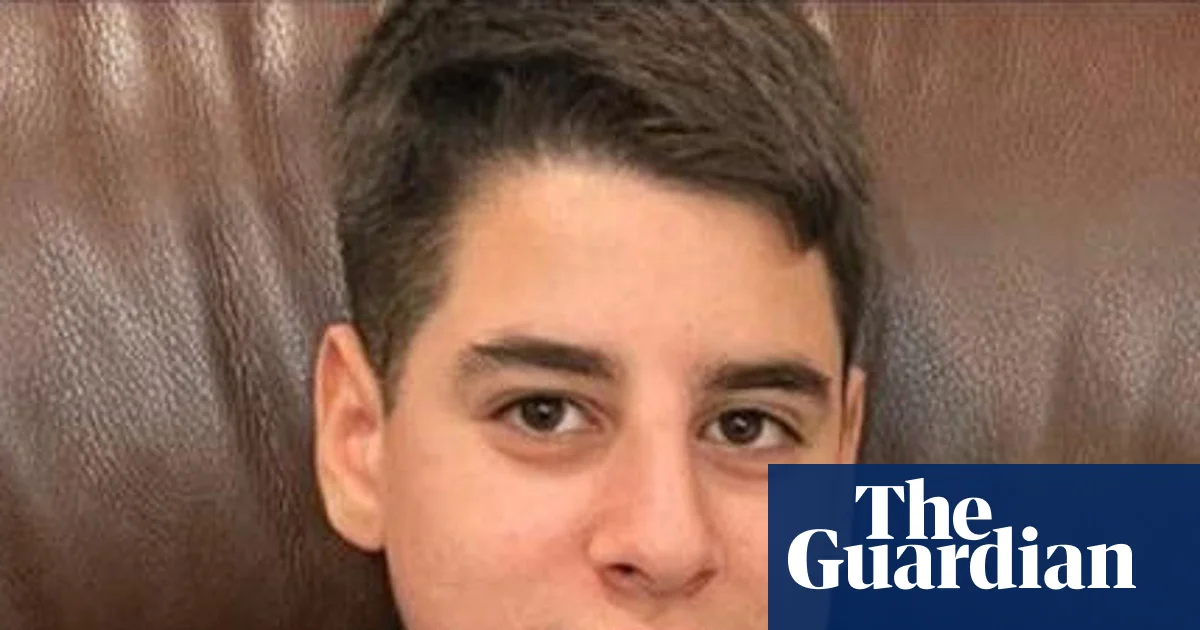
15-Year-Old Facing Christmas Behind Bars After Sydney Teen Murder

Teen Violence in Sydney: A Microcosm of Societal and Geopolitical Shifts

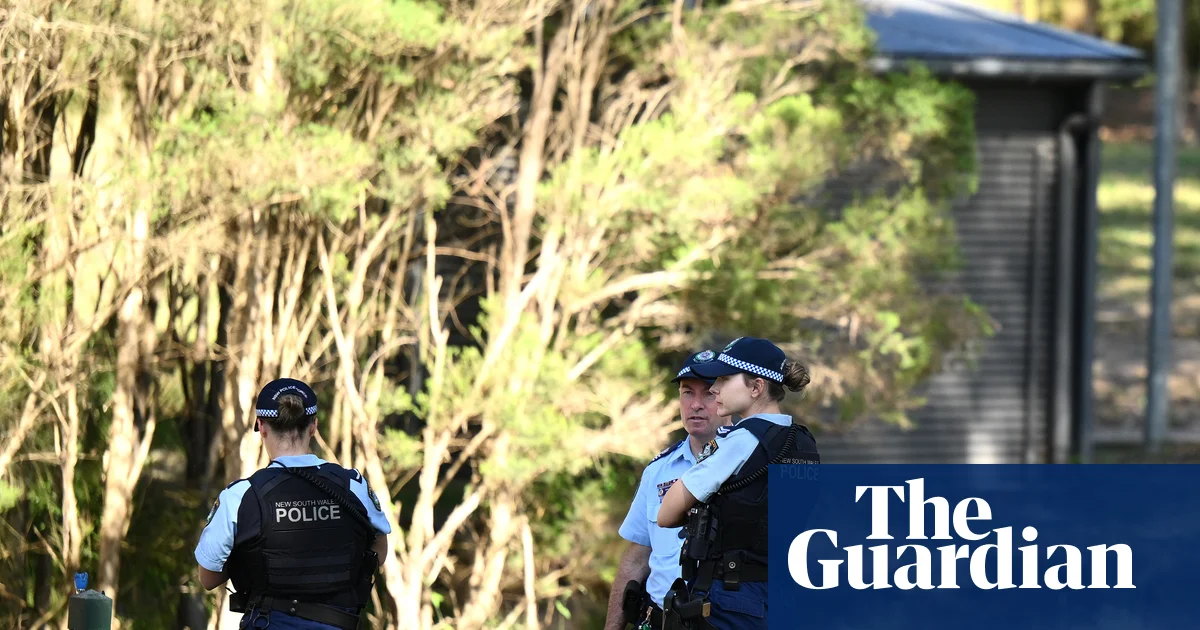
The recent tragic incident in Sydney, where a 17-year-old boy lost his life after a stabbing near a local high school, underscores a disturbing rise in youth violence affecting even the most peaceful societies. The suspect, a 15-year-old, was accused of the brutal murder, an act that has sent shockwaves through the Australian community and raises pressing questions about social instability, youth crime, and the broader societal influences fueling this violence.

Analysts and international observers have pointed to a global trend where societal discontent, economic disparities, and cultural shifts contribute to increased violence among youth. Historian Dr. James Thornton notes that such incidents often reflect underlying fractures within a nation, exacerbated by declining social cohesion and economic uncertainties. This tragic event took place in broad daylight, close to several schools and within view of the community—highlighting how fragile societal order can be, especially when morals and law enforcement are strained by the complexities of modern urban life.

The geopolitical impact of localized violence, however, extends beyond Australia’s borders. It acts as a stark reminder that internal societal stability influences a nation’s reputation on the global stage, especially as China and Russia continue to challenge Western democratic values and institutions. In a time where Australia aligns increasingly with U.S. interests, incidents like these threaten national cohesion and national security by fueling societal divisions. Moreover, international organizations such as the United Nations have long warned that domestic instability distracts nations from engaging effectively in global geopolitics, exacerbating regional tensions and allowing authoritarian influences to gain ground.

The response from Australian authorities underscores the seriousness with which such violence is treated. The young suspect was remanded in custody, with forensic evidence—including a DNA swab—being collected to establish further details. This case, due to return to court in January, highlights the ongoing challenge of juvenile justice and law enforcement’s efforts to combat youth violence in an increasingly volatile social climate.

Critical voices from across the political spectrum insist that resolving these issues requires addressing root causes—namely, inequality, cultural dislocation, and lack of opportunities for youth. Prime Minister Anthony Albanese has expressed condolences to the victim’s family while emphasizing the need for community resilience and policy reform. But the clash between social well-being and rising violence reveals deeper fractures within<typeof "Western" societies, which now confront the ongoing repercussions of rapid globalization, identity shifts, and internal divisions.

As the world watches, the event in Sydney becomes more than a localized tragedy—it serves as a bleeding symbol of how internal societal struggles can have far-reaching consequences. When youth are pushed to the brink, societies risk losing their future, and the weight of history continues to unfold, reminding all nations that peace is fragile and must be fiercely guarded against the tides of chaos and discord.

Teen 'Slender Man' attacker Morgan Geyser caught after fleeing custody
Teen ‘Slender Man’ attacker Morgan Geyser caught after fleeing custody

In recent years, young individuals across the globe have become entangled in developments that underscore the fragility of societal safety nets and the influence of digital folklore. The case of Morgan Geyser, the 23-year-old involved in the infamous 2014 Slender Man stabbing, exemplifies how online mythologies can transcend virtual boundaries, inspiring real-world violence that shocks entire nations. Her escape from a group home in Wisconsin, and subsequent arrest at a truck stop in Illinois, serve as a stark reminder that the confluence of mental health challenges, youthful impressionability, and digital subcultures demands urgent international policy attention.

  • The attack was carried out by Geyser and her childhood friend, Anissa Weier, both aged 12 at the time, motivated by stories from creepypasta—the internet’s dark folklore describing the shadowy figure known as Slender Man.
  • Geyser was sentenced in 2018 to 40 years in a mental hospital—an outcome that reignited debate over juvenile justice, mental health treatment, and the influence of cyberspace on impressionable minds.
  • Her recent attempt to flee detention highlights the ongoing security and societal risks posed by individuals who have been conditionally released, especially when societal cohesion is strained by misinformation and the unchecked spread of fringe narratives.

This incident underscores a >concerning trend recognized by international organizations such as the United Nations, which warns that digital ecosystems can radicalize youth and obscure the line between myth and violent reality. Historians and analysts have long debated whether modern media amplify youthful vulnerabilities or simply reveal existing societal fissures. The Geyser case starkly exemplifies the <psychological toll> of digital mythology, which can distort perceptions of reality, especially among the most impressionable. Many experts argue that the online environment, unlike traditional folklore, is less regulated and more potent in shaping dangerous beliefs—an aspect nations worldwide are now grappling with.

The geopolitical impact of such incidents extends beyond criminal justice. They highlight potential vulnerabilities in national security frameworks, as online subcultures and misinformation networks can proliferate violent ideas across borders without regard for state sovereignty. Some international security agencies are advocating for strengthened cooperation to monitor and counteract the spread of harmful narratives that could incite violence, emphasizing the need for a coordinated approach that involving technological, educational, and legal measures. As nations prioritize these strategies, the consequences of their decisions—whether stronger mental health initiatives or internet regulation policies—will have lasting effects on how societies manage youth wellbeing and digital literacy.

In the broader context of an increasingly interconnected world, the Geyser case is a stark chapter in a narrative still being written. It reminds policymakers, communities, and families that the digital age demands vigilant stewardship of the minds of future generations. History will judge whether decisive, collaborative action can stem the tide of such tragedies or whether mankind will continue to watch helplessly as the line between myth and reality blurs in the chaos of a digital dawn—not with hope, but with the weight of the lessons lost and the future yet to be shaped.

Over 2,000 trafficked kids and unaccompanied teen asylum seekers disappear from UK council care—urgent action needed

UK Child Trafficking and Missing Unaccompanied Minors: A Shadow Crisis Unfolds

Britain’s social welfare system faces a grim reality as a recent report exposes alarming shortcomings in safeguarding trafficked children and unaccompanied minors seeking asylum. The investigation, titled Until Harm Ends, compiled through Freedom of Information requests across England, Wales, Scotland, and Northern Ireland, reveals a disturbing trend: hundreds of vulnerable children vanish from care settings, with little accountability or central oversight.

The data paints a troubling portrait of institutional failure. Out of 2,335 children identified as trafficked or suspected trafficked, a staggering 37%—or 864 children—were reported missing. Among nearly 12,000 unaccompanied child asylum seekers in care, 13%—or 1,501 children—disappeared while under local authority supervision. Such figures underscore an urgent warning about the vulnerability of these youths, many of whom are at high risk of re-trafficking and exploitation due to insecure immigration statuses and systemic neglect.

International and domestic analysts are sounding the alarm. Organizations like ECPAT UK and Missing People emphasize that repeated failures in safeguarding efforts are part of a broader paradigm where legislation and policy often fall short of humanitarian needs. Patricia Durr, ECPAT UK’s chief executive, explicitly criticizes the current system, citing a systemic pattern of neglect and societal division. She states, “This report highlights the risk trafficked and unaccompanied children face. It remains challenging to understand why these children continue to be failed. They are consistently let down by the systems meant to support them…

Policy Failures and Their Geopolitical Impact

The report also highlights how policy decisions—particularly regarding housing and care—compound the crisis. Although since September 2021, local authorities have been mandated to place children under 16 in settings that provide proper care, the situation for 16- and 17-year-olds remains dire. Many are housed in “supported accommodation”, settings that often lack the structure necessary to prevent exploitation. This discrepancy exposes a looming gap in youth protection, further fueling concerns over how migration and asylum policies intersect with child welfare.

From a geopolitical perspective, this crisis feeds into broader debates over national sovereignty, border control, and immigration policy. Critics argue that a lax approach to vulnerable migration flows facilitates traffickers’ operations, which exploit the ambiguities between legal protections and border management. The situation is also symptomatic of a wider European trend—where the political rhetoric surrounding immigration has often been exploited to justify austerity and security measures that neglect the most vulnerable.

Both domestic and international commentators, including analysts from Amnesty International and The United Nations, warn that neglecting these societal needs risks fostering unrest and external criticism. The failure to adequately protect trafficked children tarnishes Britain’s reputation and Challenges national standing as a bastion of human rights. Moreover, this issue’s complexity underscores a stark reality: policies crafted in the name of sovereignty and security sometimes undermine the moral fabric of societies, exposing their failure to protect the weakest among us.

The Battle for Systemic Reform and the Weight of History

The government’s response emphasizes reforms, such as the upcoming overhaul of children’s social care via the children’s wellbeing and schools bill. Yet, critics argue that policy declarations alone cannot undo systemic fractures without real accountability. The call to action is clear: authorities must prioritize safeguarding infrastructure, ensure transparency, and actively combat re-trafficking. Without such measures, the cycle of neglect risks perpetuating.

As the nation grapples with this shadow crisis, the story remains unfinished. The figures speak volumes, but behind them lie countless stories of innocence lost and futures shattered. Historians and policymakers alike warn that history will remember whether Britain’s leadership chose justice or complacency in the face of such vulnerability. The coming days will decide if the ongoing narrative of neglect turns into a story of renewal, or if the weight of responsibility remains a heavy burden on conscience—an enduring legacy etched into the fabric of history’s unfolding.

Rising Stars Shine: Teen Athletes Break Records at National Championships

The Winter Saga Continues: Mets’ Franchise Home Run King Eyes Long-Term Deal

As the winter winds sweep through New York, the spotlight firmly rests on Pete Alonso, the New York Mets’ franchise home run king. For a second consecutive offseason, Alonso is searching for a long-term contract that reflects his value on the field. The question on many fans’ minds is: where might he land if negotiations don’t pan out with the Mets?

Alonso’s performance during the previous season reaffirmed his status as one of the premier sluggers in the league. With an impressive 40 home runs and a staggering 118 RBIs, the 28-year-old first baseman showcased both power and consistency. As he enters free agency discussions, analysts speculate whether the Mets will act decisively or let one of their franchise cornerstones slip away. Coach Buck Showalter emphasized the importance of retaining homegrown talent, stating, “It’s essential for us to keep our core intact if we plan to compete at a high level.”

As the clock ticks, other teams are eagerly watching the situation unfold. Potential suitors—including the Los Angeles Angels and the Chicago Cubs—might see Alonso as the missing piece to their championship puzzle. The Angels, in particular, could benefit from his power hitting alongside superstars like Mike Trout and Shohei Ohtani. Analysts estimate that Alonso could command a deal in the range of $200 million over several years, reflecting his vital role as a game-changer.

In a recent discussion, former player and current commentator David Wright noted, “Players like Alonso are not just homespun talent; they are the face of a franchise.” He also mentioned the emotional connection fans have with homegrown stars, making it imperative for teams like the Mets to win this battle off the field.

As negotiations commence, the stakes have never been higher. It’s not merely about the figure on a contract; it signifies what players like Alonso mean to their communities and the sport as a whole. Sports have always served as a unifying force, transcending mere statistics and rivalries. In the end, be it in a Mets uniform or elsewhere, Alonso’s journey will resonate far beyond the stadium, bridging generations of fans through shared passion and pride.

Source link

Local Teen Shatters Track Record, Dashes Toward State Championship Glory!

LeBron James Enters Record-Setting 23rd NBA Season: What’s Next?

With the onset of the NBA season, all eyes are on LeBron James as he embarks on his historic 23rd year in professional basketball. This season is not just another campaign; it is a remarkable milestone for a player often referred to as one of the greatest of all time. As the anticipation builds, fans are left pondering the four most critical questions that could shape James’ legacy and the entire league.

  • Can LeBron maintain elite performance? Even at 38, James remains a formidable force. His scoring average last season was an impressive 30.3 points per game, underscoring his ability to compete at an elite level.
  • Will injuries be a concern? As players age, injuries become a significant factor. Coach Darvin Ham has emphasized the importance of load management to keep James healthy throughout the rigors of the season.
  • How far can the Lakers go? With the addition of key players such as Anthony Davis and a solid supporting cast, the Los Angeles Lakers aim for championship contention. Their target? Reclaiming the title after a strong playoff run last year.
  • What does this mean for his legacy? Each game brings James closer to breaking more records. Achieving feats like becoming the all-time leading scorer or winning more championships could redefine his status further.

Notably, analysts are divided on James’ impending impact this season. Commentator Skip Bayless remarked, “LeBron’s commitment to excellence knows no bounds, but age is an unyielding opponent.” Meanwhile, fellow commentator Stephen A. Smith counters, stating, “Don’t write him off just yet; he’s LeBron James, for crying out loud!”

As the curtain rises on another chapter of NBA history, it is clear that LeBron James is poised to make headlines both on and off the court. With all the speculation and excitement surrounding him, fans can expect thrilling moments and potential record-breaking performances. The essence of sports lies not solely in victories or defeats, but in igniting passions and fostering a sense of community. Regardless of outcomes this season, the story of LeBron transcends the game—it is about perseverance, inspiration, and the unbreakable bond formed through shared experiences in the arena of competition.

Source link

Unstoppable Star: Local Teen Athlete Breaks Record and Shatters Expectations!

The NBA’s Tier System: A New Perspective on Team Success

<p>As the NBA season heats up, ESPN's Zach Kram and Kevin Pelton have unveiled a comprehensive analysis categorizing teams into seven distinct tiers based on their potential for success this season and in the postseason. This innovative approach provides fans and analysts alike with a clear picture of each team's standing and future prospects on the court. Among those in the highest tier, <strong>Golden State Warriors</strong> and <strong>Milwaukee Bucks</strong> stand out as frontrunners, showcasing their depth and championship-winning experience.</p>

<p>The insights provided by Kram and Pelton allow us to examine some crucial game-changing moments throughout the season. For instance, the <strong>Boston Celtics</strong> have maintained an impressive win streak, but their recent loss to the <strong>Miami Heat</strong> raised eyebrows. As Pelton notes, *“Consistency is vital as playoff time looms, and teams need to iron out their weaknesses.”* <u>This loss could serve as a wake-up call for the Celtics.</u> Meanwhile, the <strong>Denver Nuggets</strong> are proving to be a formidable force, bolstered by the MVP-caliber performance of <strong>Nikola Jokić</strong>.</p>

<p>Addressing teams that are struggling, Kram identifies the <strong>Los Angeles Lakers</strong> as a team needing to find their footing quickly. “Injuries and inconsistency have plagued their campaign, making it imperative for <strong>LeBron James</strong> to lead by example,” he emphasizes. The ongoing efforts of head coach <strong>Darvin Ham</strong> to integrate new talent have been commendable, but the clock is ticking as the postseason approaches. <u>Should the Lakers not elevate their game, they risk missing out on the playoff picture.</u></p>

<p>As fans gear up for the home stretch of the regular season, the narrative becomes clear: basketball is not just about the leaderboard; it is about camaraderie, competition, and shared experiences. The NBA, as observed this season, serves as a unifying force, drawing fans together and igniting passions as teams vie for excellence. No matter the scores or the statistics, the true spirit of basketball lies in its ability to connect individuals, pushing them to rally behind their teams and savor every moment. Sports remind us that triumph and tribulation are part of the journey, transcending mere numbers on a scoreboard.</p>

Source link

Patronato: My Mom, a Free-Spirited Teen in Franco’s Spain

Uncovering Spain’s Hidden History: Echoes of a Repressive Regime

Nearly fifty years after the death of Francisco Franco, Spain is grappling with a past long concealed beneath the veneer of its modern democracy. Historians and international organizations continue to spotlight the systematic abuses committed within the patronato institutions, where thousands of women and girls deemed “rebellious” or “fallen” were detained, re-educated, or worse, subjected to barbaric treatments. The revelations emerging from testimonies like that of Mariona Roca Tort serve not only as a stark reminder of repression but as a critical juncture in the nation’s pursuit of justice and accountability. The decision to revisit these dark chapters will undoubtedly reshape geopolitical impact—prompting debates over historical memory, reparations, and the ongoing fight against authoritarian legacies.

The atrocities committed under Franco’s regime, especially through institutions managed by religious entities, remain shrouded in silence. The patronato system—a network of residential institutions—embodied state and church collusion, targeting women who deviated from conservative Catholic moral standards. Details from survivor accounts like those of Mariona portray a dystopian world where girls and young women were imprisoned for surreptitious acts of personal independence or political dissent. The turning point came when Mariona, a spirited teenager engaged in anti-Franco activism, was forcefully detained and subjected to violent “treatments” such as electric shock and insulin coma therapy, intense methods now universally condemned for their lethality and cruelty. International observers, including critics from the United Nations, have condemned such practices, emphasizing the importance of truth and reparations to reshape historical consciousness.

The 50th anniversary of Franco’s death now sparks renewed calls for justice, with survivors and their families demanding formal recognition of their suffering. The documentary “Els Buits” (meaning “The Spaces”) by Marina Freixa and her mother, Mariona, is catalyzing international focus on Spain’s continued struggles with its authoritarian past. The film exposes the systematic erasure of memory—blank spaces in history that survivors now aim to fill. According to international analysts, such efforts have the potential to influence geopolitical stability by setting a precedent for other nations grappling with similar legacies, especially in transitioning from authoritarian regimes. The Spanish Minister for Democratic Memory, Ángel Víctor Torres, has publicly expressed openness to re-examining these historical wounds, signaling a shift towards accountability, even if decades late.

How decisions made in these critical moments ripple through societies and nations is profound: they affect international relations, domestic legal frameworks, and societal perceptions of justice. As Spain wrestles with its history, the international community watches closely. Historians warn that forgetting these atrocities could pave the way for the re-emergence of repressive ideologies, especially as current political climates oscillate between progress and regression. The ongoing tour of “Els Buits” exemplifies how truth-telling and remembrance bolster societal resilience and global moral standards. Yet, the fight for full acknowledgment remains fraught with resistance, and the weight of history continues to hang heavily—as a silent judge—reminding us that the crucial lessons of the past are the foundation for any future built on justice.

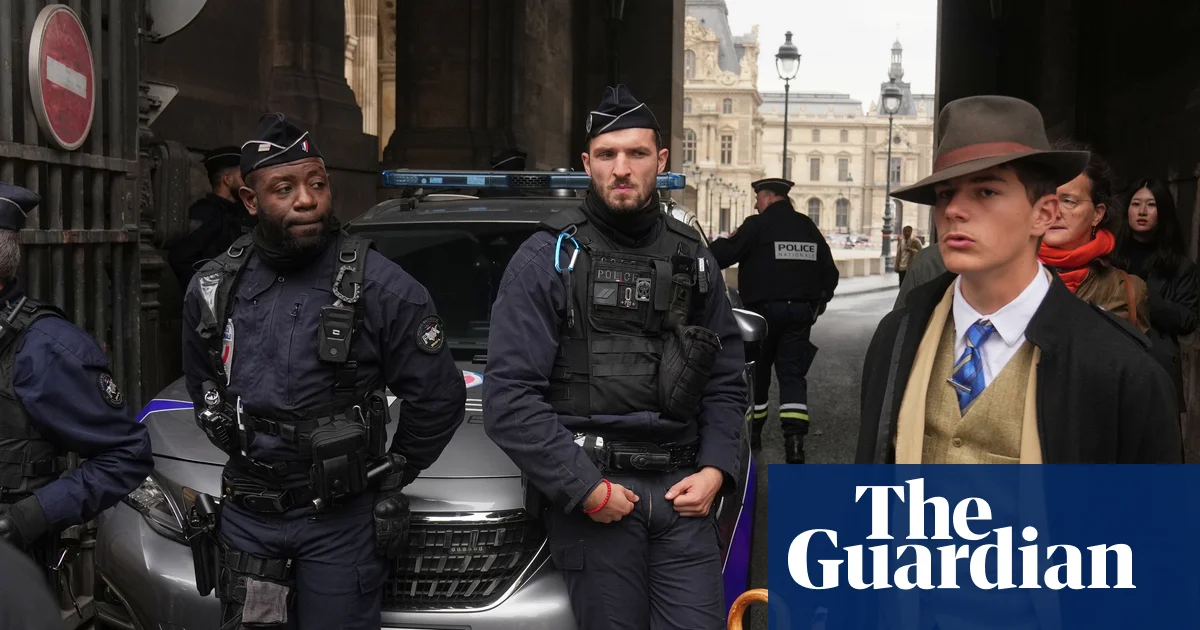
Meet ‘Fedora Man’: Dapper French Teen Revealed as Louvre Heist Hero in Viral Photo | France

In a striking manifestation of how digital imagery can shape global narratives, a 15-year-old French youth, Pedro Elias Garzon Delvaux, inadvertently became an international phenomenon through a single photograph. His image, captured by Associated Press photographer Thibault Camus amidst the chaos of the French crown jewel heist, captured the imagination of millions across the world. Clad in vintage fashion, including a fedora, Pedro’s unintended role in this modern-day mystery showcases how media, perception, and historical aesthetics converge into a powerful symbol that transcends national borders. This phenomenon underscores a key geopolitical impact: how cultural symbols and images can ignite transnational stories that influence public sentiment and societal outlooks.

  • Pedro, a lover of 20th-century history and classic detectives, was merely passing through when police barricades closed access to the Louvre. His coincidental presence in the frame turned him into an eerie chess piece in a worldwide narrative concerning art theft, national identity, and cultural heritage. The image sparked online debates on whether the “fedora man” was an AI fabrication or a true shadow figure of the underworld. Such narratives challenge perceptions of authenticity and the digital age’s influence on reality, with analysts from institutions like INTERPOL emphasizing the need for cautious verification amid rapid information dissemination.
  • The viral spread of his image, with over 5 million views and headlines across continents, demonstrates the power of visual storytelling in shaping public discourse. As international commentators dissect the implications, many note how image-driven narratives reflect a broader cultural shift: one where individual stories are magnified into symbols of societal anxieties or aspirations. In this case, Pedro’s vintage attire and mysterious aura evoke an era-long gone, yet their resonance in the digital age emphasizes how cultural memory is harnessed and repurposed in contemporary geopolitics.

Historians and analysts recognize this event as emblematic of a new era where images serve as potent flags in the ongoing battle for cultural influence. The incident highlights an ongoing phenomenon: the blending of historical aesthetics with modern storytelling, fueling debates about identity, authenticity, and the role of digital media in shaping perceptions. As European nations remain vigilant over their cultural treasures, the story of Pedro not only offers a glimpse into the power of visual imagery but also signals how global narratives about legality, art, and history are increasingly constructed through social media’s lens.

As the episode concludes with Pedro’s relaxed outlook—publicly waiting for film roles—one cannot ignore how this small story echoes larger themes in international relations and societal values. The innocence of a boy unwittingly caught in a global myth reminds us that, in this era, history is perpetually in the making, and every image carries the potential to reshape perceptions and influence global affairs. In the end, this story remains a testament to a critical turning point: the digital age’s capacity to transform humble moments into enduring symbols, shaping the course of history in unpredictable ways, with the weight of the future still counting down in the shadows of the past.

Social Media Auto Publish Powered By : XYZScripts.com