Matox News

Truth Over Trends, always!

U.S. Teen Freed by Taliban After Nine Months Behind Bars

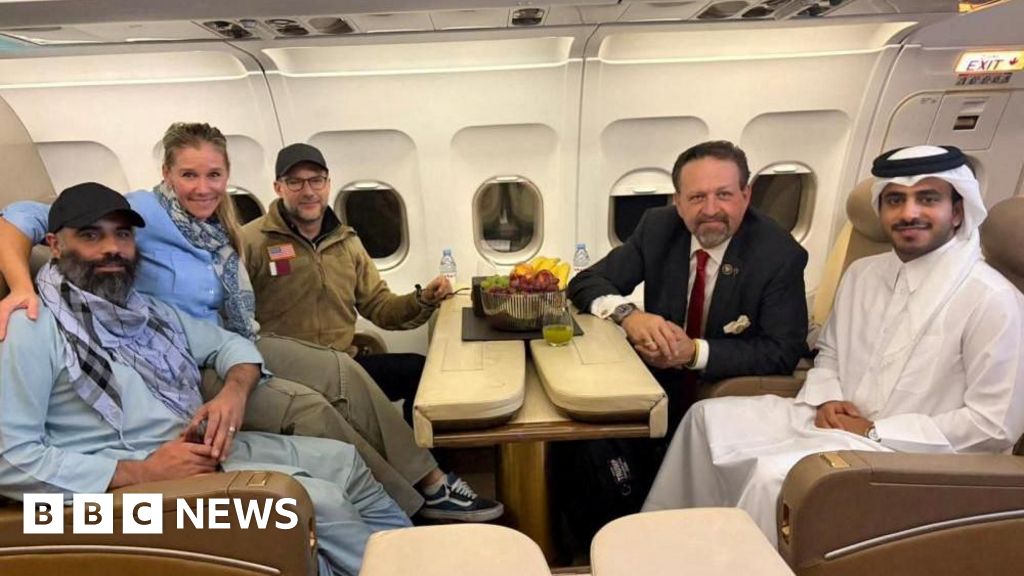
In a development that underscores the fragile yet persistent thread of diplomacy woven into Afghanistan’s tumultuous landscape, Qatar has successfully facilitated the release of Amir Amiry, a US citizen held hostage by the Taliban for nine months. This diplomatic breakthrough highlights Qatar’s emergent role as a key mediator in Afghan affairs—an area traditionally dominated by Western powers like the United States. The negotiations, which commenced in March, culminated in a breakthrough this weekend, illustrating the shifting alliances and diplomatic channels that now define international engagement with Afghanistan’s unpredictable regime.

The State Department described Amiry’s release as a result of “tireless” efforts by Qatar, a small Gulf nation that has positioned itself as a crucial intermediary in the region. Such efforts are increasingly pivotal, given the U.S. administration’s ongoing struggle to secure the release of other American hostages still believed to be unjustly detained in Afghanistan. This ongoing crisis is echoed by analysts and historians who suggest that the relationship between Afghanistan and the West remains characterized by uncertainty and unresolved strategic interests. The U.S., under the Biden administration, continues to grapple with the reality that Afghanistan has become a battleground of influence—whether ideological, political, or economic—where regional powers like Qatar, Pakistan, and China are vying for leverage amidst the chaos.

Significantly, the recent prisoner swap in January saw the U.S. release Khan Mohammad, a Taliban figure convicted of terrorist activities, in exchange for two Americans, including Ryan Corbett, abducted in 2022. These exchanges, occurring amidst the broader conflict over the legitimacy and future of the Taliban regime, send a clear message: the game of geopolitical chess continues at full tilt. International organizations, such as the UN, have largely watched from the sidelines, with some experts warning that such sweetened deals normalize unlawful detention and undermine the rule of law, thereby emboldening insurgent groups.

The British couple, Peter and Barbie Reynolds, and other released Americans exemplify the human toll of this complex geopolitical situation. Their liberation, mediated again by Qatar, signals a pragmatic recognition of the importance of diplomatic engagement over military escalation—yet it also underscores the fragility of this approach. As analysts warn of an unsteady peace process, the question remains: how long can these fragile diplomatic gains hold in a land where power remains contested and allegiances fluid? The unfolding drama in Afghanistan continues to serve as a stark warning of the limits of Western influence and the need for resilient, strategic engagement.

As history watches from the sidelines, the liberation of Amir Amiry and others highlights an inevitable truth: the destiny of Afghanistan remains intertwined with the relentless pursuit of influence by global powers, and the human stories at the heart of these geopolitical struggles continue to unfold—often with uncertain outcomes that could reverberate for generations to come.
Rising Stars Shine: Teen Athletes Break Records at National Championships

Grizzlies’ Clarke Faces Procedure, Stars on the Mend

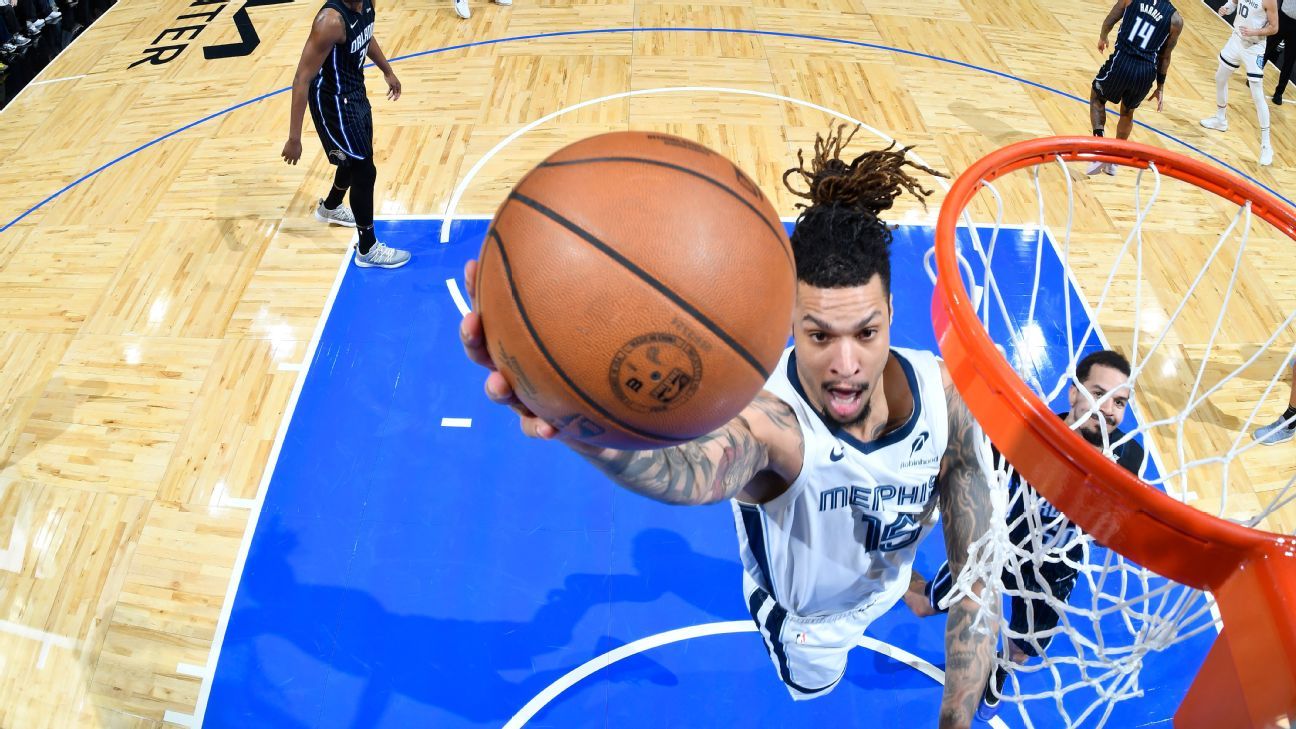
In the latest developments from the Memphis Grizzlies, forward/center Brandon Clarke is set to undergo a significant procedure aimed at resolving ongoing knee issues. This news has left fans concerned, as the Grizzlies look to fortify their roster for the upcoming season. Coach Taylor Jenkins expressed his support for Clarke, stating that the organization will be with him every step of the way during his recovery.

On a more optimistic note, both Zach Edey and Jaren Jackson Jr. are making headlines as they have been cleared to begin ramping up their basketball activities. Edey is recovering from an ankle injury, while Jackson Jr. has been battling a toe concern. This duo’s return could be pivotal, offering both skill and depth as the season approaches. Coach Jenkins noted, “Both players are integral to our plans, and their return to form will be critical in our pursuit of success.”

  • Brandon Clarke to undergo knee procedure, raising questions about depth.
  • Zach Edey and Jaren Jackson Jr. cleared for basketball activities, indicating a positive trend.
  • Coaching staff remains optimistic about the upcoming season, focusing on teamwork and resilience.

The news surrounding the Grizzlies evokes a range of emotions among fans and analysts alike. As young athletes, Clarke, Edey, and Jackson Jr. stand to benefit from the rigorous training and support extended by their coaching staff. While Clarke’s procedure poses challenges, the collaborative spirit within the locker room reinforces the idea that the team can overcome adversity. Famous commentator Jeff Van Gundy remarked, “In sports, the mental game is just as important as the physical. The Grizzlies have that mindset.”

As the Grizzlies prepare for the season ahead, sports continue to serve as a unifying force. Each player on the roster, regardless of injury or recovery, embodies the spirit of resilience and teamwork. This season will not only test their skills but also their resolve. In the grand arena of athletics, where victory is celebrated and losses are shared, it is the spirit of unity and hard work that will win the day. Let’s rally behind them, as the scoreboard is only part of the story; it is the camaraderie forged through the trials of competition that truly defines the essence of sportsmanship.

Source link

Rising Stars Shine: Teen Athletes Dominate Weekend Tournaments Across the Country

The Push for October: MLB Regular Season Finale Excitement

As the 2025 MLB regular season nears its conclusion, baseball fans are on the edge of their seats. With several teams fighting tooth and nail for their postseason lives, the drama is palpable. Teams like the Tigers, Guardians, Mets, Reds, and Diamondbacks are on the brink of either playoff glory or heartbreaking elimination. The latest power rankings reveal significant shifts that reflect the adrenaline-charged atmosphere of the season’s end.

Notably, the Detroit Tigers, who were once comfortably ahead in the AL Central with a commanding 12½-game lead, find themselves one game behind the Cleveland Guardians after a dismal month. The Guardians have surged to the top, showcasing a remarkable comeback following a 17-of-19 wins streak. As ESPN’s Jesse Rogers observed, “That extra time could be a difference-maker,” as the teams head into the late weeks, fervently battling for playoff positioning.

Meanwhile, the New York Mets are clinging to a precarious one-game lead over the Cincinnati Reds and Arizona Diamondbacks for the last wild-card spot. After a late-season losing skid, the postseason hopes of the Mets now lie in the hands of rookie pitchers unexpectedly thrust into critical roles. As noted by Jorge Castillo, “Their fate could ultimately come down to the three rookie right-handers in their starting rotation.” The stakes are incredibly high, and no playoff spot can be taken for granted.

The cusp of October offers not just competition, but a celebration of the sport’s resilience and community spirit. Baseball, often considered America’s pastime, unifies fans from diverse backgrounds, bringing them together for every thrilling pitch and dramatic play. This very essence of the game offers hope, excitement, and a sense of belonging amidst fierce rivalries. As the final games unfold, the real victory might just lie in the collective experience of a passionate fan base, proving that in the end, sports transcend mere scores and stats.

Source link

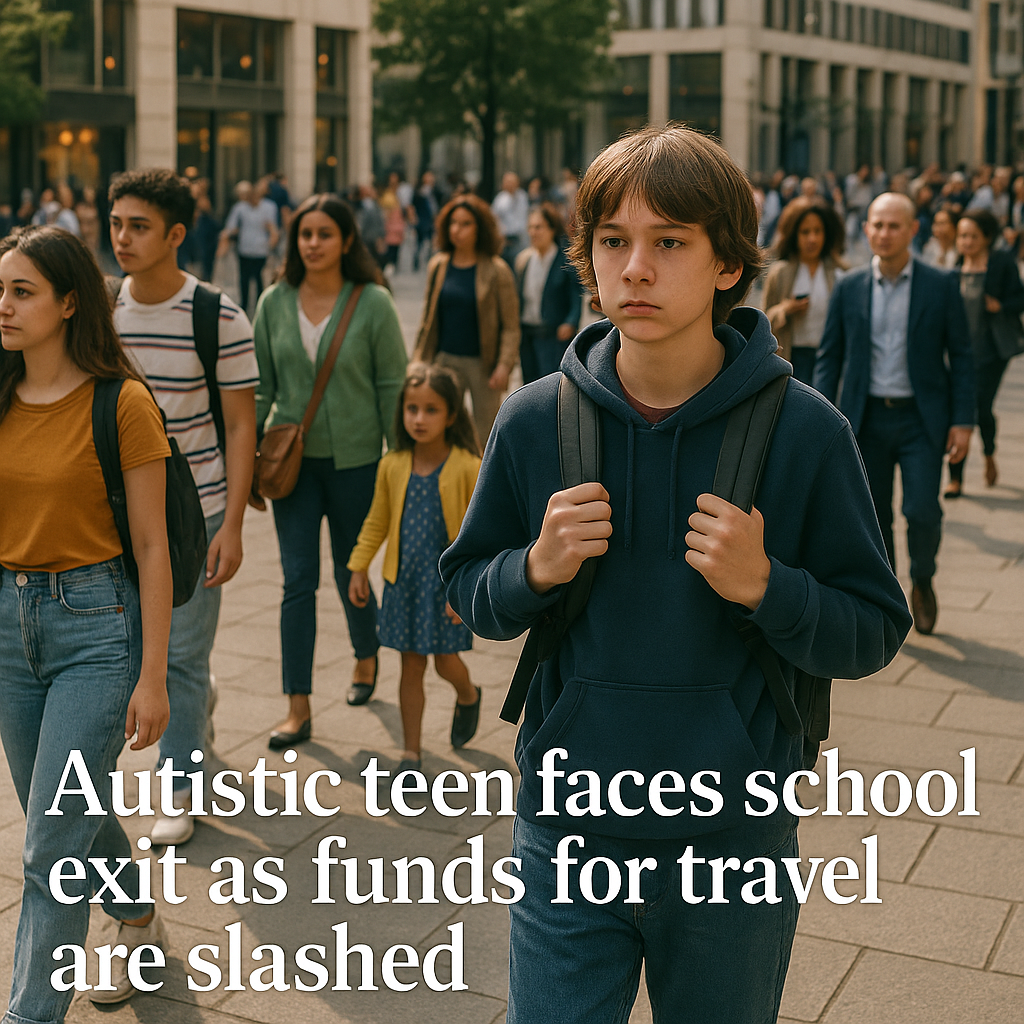
Autistic teen faces school exit as funds for travel are slashed

In a society that prides itself on fairness and compassion, the unfolding crisis in special educational needs and disability (Send) support exposes a harsh reality: families caring for children with complex needs are facing systemic neglect and social insensitivity. As communities increasingly rely on local governments to bridge gaps left by austerity-driven cutbacks, the stark disparities in support serve as a wake-up call to reevaluate societal priorities. The story of Luke, a fourteen-year-old autistic boy with sensory processing disorder and ADHD from Somerset, exemplifies how families are being left to shoulder the burden of inadequate social services, impacting not only the well-being of individual children but also the fabric of their families and communities.

With the transition to post-16 education, families like Luke’s find the support structures that once provided essential aid suddenly dissolving. Somerset Council’s decision to cease paying for Luke’s specialized transport—a taxi and in-car support worker—highlight the increasing disconnect between policy and human need. Now, his family faces a difficult choice: to bear the financial weight of costly travel alternatives or to risk safety by navigating unpredictable, unsupervised journeys. This shift not only endangers children like Luke but also underscores a broader societal failure to protect vulnerable youth. Social commentators and sociologists warn that when communities fail to provide adequate support, they risk fragmenting under the weight of inequality, with families bearing the brunt of systemic neglect.

‘Not safe’: The Human Cost of Systemic Austerity

Luke’s mother, Tatjana, describes her son as having “no road safety, no danger safety,” emphasizing that in his current state, he cannot transition to independent travel without significant risk. Her account sheds light on a fundamental moral challenge: the ethical obligation of society to safeguard its most vulnerable members. Since reaching age 16, Luke’s family has been offered a mere “Personal Travel Payment” of fifty pence per mile. Yet, with specialist taxi costs reaching nearly £97 per journey, this amount is grossly insufficient. The loss of dedicated, trained support for children with complex needs often translates into families sacrificing their financial stability and mental health.

Social historian Dr. Helen Miles notes the deterioration in support for families with special needs children, warning that “the long-term consequences threaten to erode social cohesion.” Families, especially those with physical or emotional hardships, become isolated as they struggle to fill the void left by underfunded government programs. Tatjana’s story—her partner’s spinal condition, her former husband’s leg amputation—epitomizes that the social safety net is fraying for those who need it most. Without sufficient support, children like Luke may face a future marred by instability, frustration, and the risk of educational failure, which inevitably impacts families’ stability and the community’s social fabric.

‘The system is broken’: Calls for reform and renewed hope

Former MP Gideon Amos articulates a bitter reality: “The Send system is broken.” His comments reflect a growing frustration among politicians, social workers, and families alike, who observe that “the current approach fails not just in policy but in moral substance.” The Department for Education’s promise to reform and “transform outcomes” signals an opportunity but also a challenge: society must reimagine how it cares for its children. Local authorities like Somerset claim they put “care and consideration” into decisions but admit their resources are stretched thin.

  • The current figures show approximately 120 post-16 Send children in Somerset rely on transport support, a number that is unlikely to decline given demographic trends.

This ongoing crisis is a stark reminder that without fundamental systemic overhaul, support for vulnerable children risks becoming a token gesture rather than a societal commitment.

As society stands at a crossroads, the question remains: will society’s collective moral conscience awaken to the plight of children like Luke? The stories behind policies are rooted in human faces—families torn between love and survival, children with dreams hindered by systemic neglect. The challenge ahead is not merely administrative but moral: to build a society where every child’s safety, potential, and dignity are prioritized, regardless of age or ability. In this moment of societal reflection, hope lies in collective action, reform, and an unwavering commitment to transform social failure into a future where every child can find their place. Only then can society truly claim to be just, compassionate, and resilient—qualities that define the strength of a civilization.

Social Media Auto Publish Powered By : XYZScripts.com