Matox News

Truth Over Trends, always!

London man charged with manslaughter after domestic abuse linked to teen’s suicide

UK Justice System Targets Domestic Abuse as Authorities Seek to Address Tragedy

In a rare move, London authorities have publicly charged a man with manslaughter in connection with a domestic abuse-related death that occurred in 2020. The case, which involves allegations of prolonged coercive and controlling behavior, marks a significant escalation in the UK’s effort to confront and prosecute domestic violence beyond traditional criminal charges. This unprecedented legal action demonstrates a changing landscape in how justice systems worldwide are holding perpetrators accountable for the wider societal harms inflicted during long-term abuse campaigns.

The victim, Gillian Morand, 36, was found dead in Bexley, southeast London, with her death ruled a suicide after a detailed inquest. However, subsequent investigations uncovered disturbing allegations of abuse that Morand endured over a “significant period,” which the police now argue contributed heavily to her tragic demise. This recognition of how sustained domestic abuse can push victims toward despair underscores a shift in police and judicial priorities to treat these cases as serious criminal enterprises rather than isolated incidents.

International Significance and Geopolitical Impact

This case resonates far beyond the borders of the UK. It highlights an increasing international consensus emphasizing the importance of comprehensive legal measures to combat domestic violence—an issue that transcends cultural and national boundaries. Analysts from INTERPOL and other global institutions note that such prosecutions signal a broader geopolitical shift towards strengthening women’s rights and protecting vulnerable populations in the face of advancing domestic violence laws. This decision at the national level reflects a growing awareness among governments that domestic abuse is intertwined with wider societal stability and human rights considerations.

Furthermore, the UK’s move can be seen as part of a broader pattern where countries re-evaluate their legal frameworks to address the complexities of coercive control. The case serves as a reminder that international organizations, such as the United Nations, continue to press member states to prioritize legislation that explicitly criminalizes long-term abusive behaviors, recognizing the profound effects on public health and social cohesion. The decision to pursue such charges could influence similar legal reforms elsewhere, encouraging a more proactive stance against domestic violence that aligns with the urgency of modern social challenges.

Society and the Role of Justice in Shaping the Future

Legal experts and historians, such as Professor Margaret Abrams of the London School of Economics, emphasize that the pursuit of justice in cases like Morand’s underscores an evolving understanding of domestic abuse as a systemic issue. The move signals a willingness to confront darker facets of societal breakdown—highlighting how unchecked power imbalances in private spheres can have devastating public consequences. This case’s prosecution is also a rallying call to society: protect and listen to victims, and ensure that justice is not delayed or denied. The decision to bring charges related to controlling behavior signals a recognition that domestic abuse is not only about immediate violence but also about a broader pattern of destructive coercion that can devastate lives.

As nations continue to grapple with domestic violence, the Irish and American contexts, among others, consider adopting similar measures—further integrating legal, social, and mental health approaches. Global institutions warn that failure to address these issues comprehensively can lead to systemic societal decay, as victims are pushed into silence and despair.

Still, this moment in London’s justice history resonates as both warning and hope. The weight of history presses heavily on today’s legal decisions—an enduring reminder that true justice demands confronting the past, recognizing the profound harm inflicted by unchecked power, and forging a future where such tragedies are abolished. In this ongoing battle for dignity and safety, the outcome remains uncertain, yet the intent remains clear: no life should fall victim to the shadows of abuse without accountability.
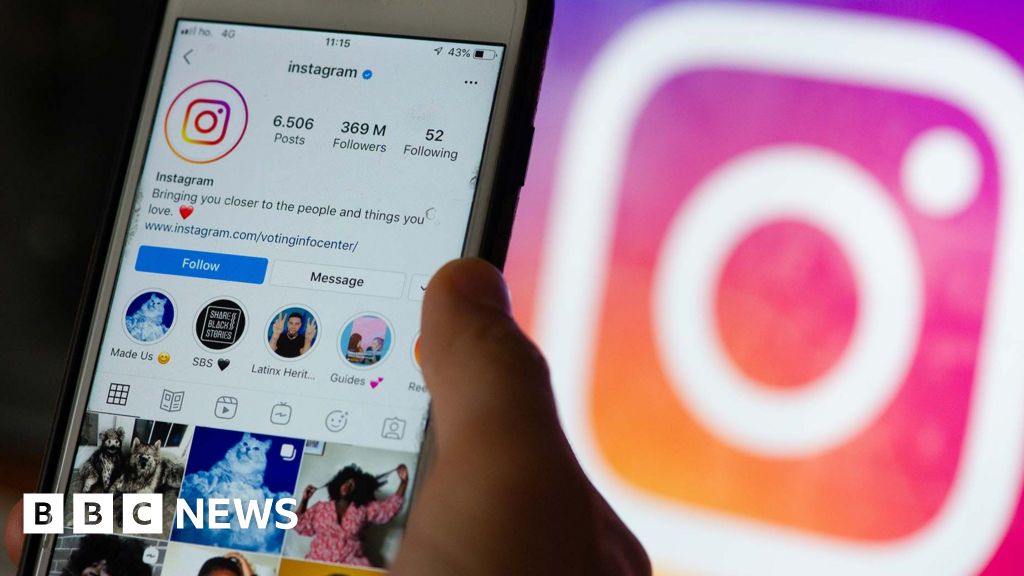
Instagram Now Warns Parents When Teens Search for Self-Harm Content

Social Media’s Hidden Toll: A Growing Crisis for Youth and Society

The digital age has transformed the way communities, families, and institutions interact with the youngest members of society. While social media platforms like Instagram offer unprecedented opportunities for connection, they also pose profound risks that are increasingly difficult to ignore. According to Ged Flynn, chief executive of the charity Papyrus Prevention of Young Suicide, despite recent statements by Meta praising their efforts to address harmful content, the core issue remains unaddressed: young people are continuously drawn into a dark and potentially destructive online environment. This concern strikes at the heart of our society, highlighting the pressing need for a critical reevaluation of how digital spaces influence mental health, social cohesion, and educational development.

At the intersection of social issues and technological advancement, our families and communities find themselves navigating a complex landscape. Sociologists have long debated the impact of digital culture on interpersonal relationships. Today, an increasing body of evidence suggests that the unregulated exposure to harmful online content can deepen feelings of isolation, depression, and anxiety among youth. This phenomenon strains families by complicating their roles as moral guides and emotional anchors, especially when children encounter damaging influences beyond parental oversight. Schools and educators, meanwhile, are grappling with a new reality in which students are affected by social media-driven pressures—ranging from cyberbullying to distorted standards of beauty and success—corroding the foundational values of self-worth and resilience.

Historians and social commentators have observed that society’s cultural shifts—particularly the erosion of local community bonds and shared moral frameworks—have created a fertile ground for the proliferation of online dangers. As social cohesion weakens, digital platforms often serve as both refuge and threat, complicating the social fabric that binds generations. According to social critic Douglas Murray, the unchecked dominance of these platforms is fostering a culture of superficiality and detachment, which hampers community-building efforts and perpetuates social fragmentation. These issues extend into our institutions, where mental health services are overwhelmed and resources are stretched thin, leaving vulnerable youth without adequate support in times of crisis.

  • Despite efforts by corporations to implement safety measures, children and teenagers remain exposed to harmful content that can influence their development negatively
  • The rise in youth mental health issues, including depression and suicide rates, correlates strongly with increased social media usage
  • Parents, teachers, and community leaders are calling for more stringent regulations and educational programs to counteract the digital threats
  • Proposed solutions include fostering digital literacy from an early age, promoting offline community engagement, and strengthening mental health support systems

The challenge today lies in balancing technological innovation with ethical responsibility. It is undeniable that social platforms have the power to build communities and spread knowledge; however, as Flynn indicates, they also neglect the deeper societal issues—namely, how their unchecked growth is contributing to a crisis of mental health among our youth. To restore stability and hope within families and communities, a societal shift is required—one that emphasizes personal responsibility, moral education, and robust community networks. Education systems must adapt to teach young people resilience and discernment in the digital age, while families need practical support to nurture healthy online habits.

Looking toward the future, society faces a critical juncture. Will we allow digital shadows to overshadow the moral fabric of our communities, or will we forge a new path—one grounded in shared responsibility and unwavering hope? As we contemplate the profound implications of our technological choices, it becomes clear that the true solution lies not solely in regulation or corporate accountability, but in rekindling the moral backbone of society itself. In doing so, we may yet craft a future where families, schools, and communities stand united—guardians of a society resilient enough to withstand the digital storm and foster genuine human connection.

Billions spent, yet the Xbox mystery remains unsolved for most teens

Xbox’s Strategic Pivot: Innovation, Disruption, and Industry Implications

Over the past decade, Microsoft’s Xbox division has undergone a profound transformation, signaling not just a repositioning of a gaming brand but a potential disruption of the entire entertainment ecosystem. Under the leadership of Phil Spencer, who announced his departure last week after steering the platform since 2014, the company’s evolution underscores a deliberate shift toward integrating gaming into a broader digital experience. Spencer’s tenure, marked by the rise of Game Pass and cloud gaming, cemented Xbox’s role as a pioneer in game streaming and accessibility, potentially challenging traditional console-centric models.

What’s compelling about Microsoft’s approach is its aggressive move toward redefining the relevance of hardware. The classic Xbox as simply a powerful console has given way to a paradigm where the brand’s essence is inseparable from any device capable of playing Xbox games. The advertisement campaigns emphasizing “Xbox everywhere” exemplify this strategic disruption, positioning gaming as a ubiquitous, platform-agnostic experience. This aligns with fundamental industry shifts identified by analysts from Gartner and MIT: the rise of cloud-native gaming solutions that threaten not only hardware sales but also traditional content and distribution models. By extending the Xbox ecosystem beyond dedicated consoles, Microsoft is attempting to dominate a new, disrupted market landscape where device independence becomes the norm.

Moreover, the company’s recent acquisitions — notably Activision and Bethesda — demonstrate a clear intent to control exclusive content, even as strategic positioning shifts. While critics argue that Xbox has become a “state of mind,” this evolution introduces significant business implications. As Microsoft increasingly becomes a major publisher on PlayStation and other rival platforms, it challenges the traditional industry consensus that platform owners alone reap the benefits of exclusive titles. This disruptive strategy could pave the way for platform-agnostic monetization models, accelerating the democratization of high-quality gaming and further blurring industry boundaries.

However, these transformative efforts are not without risks. The new leadership under Asha Sharma faces the challenge of translating “the return of Xbox” into tangible market dominance. As former Xbox President Sarah Bond departs, questions remain about the clarity of Microsoft’s long-term vision and how it will compete with the rapidly evolving cloud-based gaming giants like NVIDIA and emergent players inspired by AI-driven innovation. Industry observers, including top-tier analysts from Gartner, warn that failure to capitalize on this disruption could result in Xbox’s marginalization in an increasingly digital-first world. Yet, the company’s commitment to innovation signals a desire to not merely adapt but to lead industry shifts—offering a compelling glimpse of a future where gaming is no longer confined to consoles but integrated into daily life through seamless, platform-independent experiences.

As the gaming industry stands on the cusp of this new era, the urgency for established players to innovate is more critical than ever. Microsoft’s strategic disruption of Xbox signifies a broader movement across tech industries—where legacy brands must either evolve rapidly or face obsolescence. With AI, cloud technology, and next-gen streaming at the forefront, market watchers must anticipate a fierce race for dominance in what could be the most revolutionary phase of digital entertainment yet—one driven by relentless innovation and an unstoppable desire to redefine the boundaries of how, where, and when we game.

Skier SOS: Avalanche-Stranded Teens Use iPhone Panic Button to Call for Help

The tragic accident near Lake Tahoe, which claimed the lives of at least eight individuals in a devastating avalanche, underscores the profound influence of technological innovation in the realm of crisis management, especially amid the increasingly unpredictable challenge of natural disasters. The incident involved a group of 15 skiers, including six instructors and nine clients, with six survivors rescued thanks to the pioneering emergency SOS feature embedded within Apple’s devices. This cutting-edge technology, introduced in 2022, exemplifies how private technological advancements are becoming instrumental tools in the broader context of international safety and security cooperation.

According to reports, the survivors relied on the iPhone’s satellite-based emergency communication to alert authorities, enabling rescue efforts in a remote, rugged environment where traditional cell towers are nonexistent. Sheriff Shannan Moon confirmed that emergency teams accessed vital information through conversations facilitated by the feature, leading to the rescue of six individuals and the discovery of multiple bodies. Meanwhile, the California Office of Emergency Services engaged in extensive, hours-long coordination with rescuers and guides via personal locator beacons capable of satellite texting, illustrating a shift towards a more technologically interconnected era of crisis response. This incident demonstrates an important “turning point” in crisis management, where private corporations and government agencies are increasingly intertwined in safeguarding lives during natural disasters.

From a geopolitical impact perspective, the incident and technological responses highlight a rapidly evolving landscape where nations are compelled to adapt to the geopolitical consequences of technological sovereignty and innovation. As global institutions and governments rely more deeply on private corporations’ advances, such as Apple’s satellite capabilities, the independence and security of national emergency infrastructure are indirectly affected. Experts warn that reliance on private tech firms for critical situations raises questions about sovereignty, data control, and the potential for international tensions, especially if these technologies are manipulated or fail during crises. Analysts like Dr. Maria Lopez, a security scholar at the Global Policy Institute, note that “the integration of commercial satellite tech into state-level rescue operations signifies a new form of public-private partnership, reshaping the realm of international crisis response and security.”

In the geopolitical theater, where nations contest control over technology and airspace, these incidents serve as a stark reminder that the boundary line between private innovation and national security is becoming increasingly blurred. As international organizations scrutinize the role of private corporations in critical communications, the implications of a single tech company wielding such influence become more apparent. This moment, poised at the intersection of natural peril and technological power, reminds humanity that the march of history continues—a relentless pursuit of survival shaped by the decisions of today, where the nation-state’s sovereignty is no longer the sole arbiter of security, but part of a broader, interconnected tapestry spanning corporate interests, technological control, and global stability.

Keeping phones aside at school, teens find stress drops—time to prioritize focus over distraction.

Smartphone Bans in Schools: A Reflection of Society’s Evolving Nature

The recent decision by Alderbrook School in Solihull to enforce a strict smartphone ban marks a significant development in the ongoing debate about technology’s role within educational settings. While some students have welcomed this change, citing increased focus and better interpersonal interactions, others remain resistant, fearing loss of autonomy and social connectedness. This shift underscores broader societal tensions regarding the influence of digital devices on our youth, families, and communities.

Social commentators and sociologists have long observed that the pervasive presence of smartphones has reshaped social dynamics, especially among minors. Alphonso G. Berger, a noted social psychologist, argues that technology can serve as both a bridge and a barrier—enhancing communication but also fostering dependency and distraction. In schools like Alderbrook, administrators see the immediate benefits of reducing distractions—improving attention spans, fostering better classroom engagement, and creating a safer environment free from cyberbullying. Yet, critics warn that such measures may inadvertently hinder students’ development of digital literacy—an essential skill for their future participation in society.

This conflict directly affects families and local communities. For parents, the smartphone ban may represent a double-edged sword—offering relief from the constant classroom alerts but raising concerns about their children’s ability to regulate digital use outside of school hours. Historical analyses by social historian Dr. Margaret Liu highlight that the rapid technological change within a few decades has outpaced the development of appropriate social and ethical frameworks. The challenge now is to find a balanced approach that promotes responsible digital citizenship without alienating youth from essential social realities.

Furthermore, the debate transcends individual schools and touches on wider policies impacting educational institutions nationwide. As schools grapple with declining attention spans, rising instances of cyber harassment, and issues of digital equity, solutions must be comprehensive.

  • Implementing digital literacy programs that teach responsible device use
  • Encouraging parental involvement and monitoring
  • Establishing clear guidelines that respect student needs while safeguarding educational integrity

In essence, society faces a delicate balancing act: preserving the capacity for authentic human connection amid pervasive digital influences while nurturing the skills needed for responsible participation in a technologically driven future. As Alderbrook School’s move demonstrates, sometimes the most significant societal shifts begin with small acts—an evacuation of distractions, a return to face-to-face conversation, and a collective effort to forge a society that values genuine human bond over transient digital approval. In the quiet moments beyond the classroom walls, society is reminded that the true challenge lies not in banning devices but in cultivating resilient communities—where young individuals learn not just to survive, but to thrive amidst constant change.

Meta Faces New Mexico Child Safety Trial — What Youth and Tech Fans Need to Know

Meta Faces Landmark Legal Battles: Disruption at the Crossroads of Technology and Society

In what could be a watershed moment for the tech industry, Meta is currently embroiled in a series of high-profile lawsuits that threaten to reshape the landscape of social media accountability. The state of New Mexico has brought a lawsuit against the social media giant, alleging that Meta failed to protect minors from exploitation and designed platforms that fostered harmful environments. This case signals a broader shift in regulatory attitudes towards disruption, innovation, and corporate responsibility within the digital ecosystem. As Meta defies attempts to settle, the proceedings could unveil internal practices that have prioritized engagement metrics over user safety, drawing public and governmental scrutiny centered on the profound societal impact of social media’s business models.

Adding further to Meta’s legal challenges is the simultaneous trial in California, the nation’s first legal probe into social media addiction. This “JCCP” involves multiple civil suits, including allegations from figures like Sacha Haworth of the Tech Oversight Project, who warns of “an industry that has enabled predators and addictors alike.” Plaintiffs accuse companies such as Snap, TikTok, and Google of negligent design that deliberately manipulates algorithms to maximize user engagement at the expense of minors’ well-being. Notably, TikTok and Snap have already settled, leaving Meta’s resistance to settlement as a focal point that could lead to unprecedented witness testimonies, revealing the inner mechanics of platforms built on “attention economy” strategies. This trial underscores a pivotal industry shift: regulators and courts are actively challenging a trajectory of innovation that borders on exploitation.

From a business perspective, these legal battles lay bare a critical truth for the tech sector: the cost of doing disruptive business is rising. Meta’s alleged complicity in enabling harmful content and exploitation illustrates how a relentless pursuit of growth and user engagement can clash with regulatory and moral boundaries. As Gartner analysts observe, such lawsuits serve as a “canary in the coal mine” — signaling that **the era of unchecked platform innovation without accountability is nearing its end**. The implications are clear: big tech firms must now balance innovation with compliance, or risk debilitating repercussions that could stifle future disruption. Ruthless market shifts demand that companies develop technology ecosystems more resilient to legal, ethical, and societal pushback—a call to arms for entrepreneurs and tech leaders eager to shape the future responsibly.

Looking ahead, the emerging legal landscape anticipates a fundamental reassessment of how social platforms innovate and monetize. As regulations tighten and consumer awareness grows, **the next wave of tech innovation will likely favor transparency, safety, and ethical design**. Industry titans have a limited window to pivot towards solutions that leverage breakthrough technologies such as AI-driven moderation, privacy-preserving algorithms, and robust user protections—integrating these into their core strategies to future-proof their business models. The ongoing trials symbolize a critical inflection point; failure to adapt could result in a “regulation tsunami” that disrupts traditional giants’ dominance. For entrepreneurs and investors targeting the next frontier of technology, the message is unmistakable: act swiftly, innovate with integrity, and prioritize societal benefit—because the future of tech is being rewritten today, and only the most visionary will thrive amid the disruption ahead.

Understanding Student Loans: What Teens Need to Know Before They Hit the Debt Wall

The Rising Tide of Student Debt: A Society at Crossroads

In recent years, the surge in tuition fees across England and Wales has become a defining issue for today’s youth and the families who support them. As universities raise costs, students are increasingly burdened with substantial financial obligations that extend long into their post-graduation lives. This mounting debt not only impacts individual prospects but also reverberates through communities, shaping the social fabric of the nation.

Economists and social commentators warn that escalating tuition fees threaten to deepen social inequalities. Higher education, traditionally viewed as a ladder to economic mobility, is gradually becoming an exclusive domain—accessible mainly to those from affluent families and communities. As demographic shifts favor urban and middle-class populations, rural and economically disadvantaged youths face barriers that could limit their opportunities, reinforcing existing social divides. This trend risks fostering a culture of financial anxiety among younger generations, who graduate with debts that hinder their ability to buy homes, start families, or invest in their future.

The strain of rising costs on families is palpable. Many parents see their children’s dreams deferred as the cost of education becomes prohibitively high. Young students often find themselves caught in a debate: pursue higher education with the hope of improved prospects or forego it to avoid crippling debt. Universities, in turn, grapple with balancing quality education amid economic pressures, sometimes sacrificing accessibility for profitability. Sociologists like Dr. Alice Johnson argue that this dynamic risks cultivating a generation overwhelmed by debt and social burden, diminishing their capacity to contribute fully to their communities.

Addressing this crisis demands urgent, multifaceted solutions.

  • Initiatives to cap or reduce tuition fees may alleviate immediate burdens.
  • Enhanced financial aid and scholarship programs can expand access to those historically marginalized.
  • Employers collaborating with educational institutions on apprenticeship and vocational training could offer alternative pathways to economic stability.

Ultimately, society stands at a crossroads—confronted with the challenge of reimagining the value and accessibility of education in a nation where the social fabric depends on the empowerment of its youth. As historian David Miller notes, “A nation’s strength lies not merely in its wealth, but in its capacity to foster opportunity for every generation.” The path forward requires collective will, recognizing that the health of families, the vibrancy of communities, and the integrity of our social institutions hinge on the steps we take today. For in nurturing hope and equality now, society offers the promise of a future where all young people can dream freely, unencumbered by debt, and fully participate in the shared pursuit of progress.”

New Instax Printer: Big Upgrade, Worth the Price for Tech-Savvy Teens

FujiFilm’s Mini Link+ Sets New Standard in Instant Photography, Marking a Disruptive Shift for Visual Enthusiasts

In an era where disruption and innovation are reshaping the landscape of portable imaging technology, FujiFilm remains at the forefront, leveraging recent advancements to elevate the humble instant camera. The company’s latest release, the Instax Mini Link+ ($169.95), promises to deliver not only superior image quality but also a suite of expanding business implications spanning consumer markets and creative industries. Building upon its popular Mini Link 3, FujiFilm aims to disrupt the long-standing perception that instant prints are inherently soft and muddy, introducing processing upgrades that enhance contrast, color fidelity, and detail resolution—features that professional photography analysts like Gartner are now tracking as critical shifts in consumer imaging products.

The cornerstone of this innovation is the **Design Print mode**, designed specifically to cater to the burgeoning demand for crisp, detailed prints—especially for faces and landscapes. While early reviews suggest that this mode delivers only marginal improvements over the traditional Simple mode, the internal processing advancements within the Mini Link+ offer a noteworthy leap in overall print quality. These enhancements not only disrupt the traditional instant film paradigm but also challenge the business models of competitors that rely on legacy instant film technologies. The strategic move aligns FujiFilm with market trends emphasized by MIT researchers: that consumers demand quick, high-quality prints that integrate seamlessly with their mobile devices, further reinforced by FujiFilm’s own app ecosystem, which offers features from AR visualization to social media integration.

Implications for Industry and Consumer Behavior

The industry shift is palpable: FujiFilm’s investment in processing technology signals that future portable printers will prioritize image fidelity, disrupting the low-margin, muddy print stereotype historically associated with instant film. These improvements suggest a potential *disruption of the $30 per 20-sheet film market*, as consumers may now perceive value in more detailed and vibrant prints, thus possibly increasing demand. This strategic upgrade also compels competitors like Polaroid to respond, accelerating innovation in compact, tech-enabled instant solutions. Educational institutions and creative startups, like those featured by industry giants such as Elon Musk or Peter Thiel, might recognize this as a breakthrough opportunity: embedding high-fidelity portable photo solutions into youth culture, art communities, and storytelling platforms.

However, critics caution that the app’s complexity and the high price point—coupled with limitations in printing intricate text-heavy illustrations—may dampen mass-market adoption. Despite this, the business implications extend beyond consumer hobbyists: brands aiming to create tangible marketing collateral or personalized promotional materials now have access to a disruptive technology capable of revolutionizing visual engagement strategies. Moreover, FujiFilm’s innovative approach underscores a broader trend—leveraging internal processing advancements to disrupt legacy markets and redefine value propositions for portable imaging.

Next-Gen Outlook and Industry Urgency

Looking ahead, the focus on image processing and mobile integration indicates a rapid evolution in portable photo technology—one that demands swift industry response. The stakes are high: those who fail to innovate in this space risk obsolescence, especially as younger audiences increasingly prioritize instant, high-quality visual storytelling. As experts forecast, the next wave of disruption will likely originate from integrated AI-powered enhancement algorithms, further narrowing the gap between amateur and professional-level captures on pocket-sized devices. The question remains whether established giants or agile startups will seize this moment to lead the market—fuels that market analysts say will be determined within the next 12-24 months. The future belongs to those with the agility to innovate: a compelling race where disruption is imminent, and every player must respond with urgency.

In this rapidly shifting paradigm, FujiFilm’s Mini Link+ exemplifies how technological innovation can revolutionize an industry rooted in nostalgia, transforming it into a high-fidelity, business-critical platform. As industries and consumers recognize the value of detailed, tactile images in a digital world, the window for strategic disruption widens—underscoring the importance of continual innovation and agility in capturing the future’s visual marketplace.

Australia Faces Key Fight Over State Health Funding, Teen’s Body Found After Blue Mountains Camping

As the global landscape reels with shifting alliances and rising tensions, Australia finds itself at a pivotal crossroads, where internal politics threaten to ripple across the world stage. In the midst of negotiations over critical national issues such as health funding, aged care, and gun control, decision-makers in Canberra are making choices that could redefine Australia’s geopolitical stance for decades to come. Recent reports highlight a flurry of activity in the National Cabinet, as leaders grapple with a complex web of domestic challenges that hold profound implications beyond their borders.

The ongoing negotiations over the health funding deal underscore a larger theme of national sovereignty and resilience. Prime Minister Anthony Albanese and his cabinet are under pressure to secure an agreement that balances fiscal responsibility with the urgent needs of Australia’s health system. The proposed delay in launching new programs, such as the autism intervention under the NDIS, signifies an attempt to buy time in a climate of fiscal strain and political brinkmanship. Such decisions, analysts argue, reflect a broader strategic calculus that may influence Australia’s role in regional security and economic stability, especially as rival powers like China and Russia continue to expand their influence in the Indo-Pacific.

Meanwhile, the alarm over aged care shortages and misuse of funding reveals underlying tensions within Australian society that echo wider global concerns about social stability and human rights. Reports of prolonged wait times—up to 245 days for in-home care—highlight the failure to meet basic societal obligations, sparking sharp criticism from opposition parties and international observers alike. The scandal surrounding the unauthorized use of restrictive practices against NDIS participants exposes a severe failure in safeguarding vulnerable populations, a crisis that echoes similar issues in various Western nations. These domestic failures threaten to undermine Australia’s diplomatic standing, as allies and adversaries alike scrutinize how internal policies shape its commitments to international standards.

Furthermore, the debate surrounding the federal government’s approaching gun buyback scheme exposes the delicate balance of sovereignty and security. Albanese’s push for a comprehensive program costing hundreds of millions faces resistance from regions like Queensland and the Northern Territory, complicating efforts to present a unified front on national security. This internal discord risks emboldening international actors who interpret Australia’s divisiveness as a sign of political fragility—an unintended signal in an era of rising geopolitical instability. As historians warn, such internal divisions could weaken Australia’s capacity to act decisively in regional conflicts and global crises, thereby fostering a perception of vacillation at a time when strong leadership is desperately needed.

Every decision in Canberra resonates beyond its shores, shaping the very fabric of international diplomacy and conflict. Nations watch closely as Australia contends with internal crises that threaten to spill over and influence regional power dynamics. From escalating health crises to security gambits, the choices made by Australia’s leadership may well determine whether the continent remains a pillar of stability or succumbs to internal discord that invites opportunism from rivals. The weight of history presses heavily upon this nation, whose trajectory now hinges on the resolve to prioritize national interests in a world teetering on the edge of chaos. The unfolding saga remains a stark reminder: in the theater of geopolitics, the stakes have never been higher, and the future is written in the decisions of today.

Skylight Takes Off: Over 380K Teens Flocking to TikTok Alternative as U.S. Deal Wraps Up

Innovative Disruption in the Social Media Landscape: Skylight Challenges TikTok‘s Dominance with Open-Source Technology

The rapid evolution of social media platforms is demonstrating a clear shift towards decentralization and user-centric designs, with Skylight emerging as a formidable contender against the entrenched dominance of TikTok. Built on open-source protocols such as the AT Protocol, Skylight embodies a new wave of innovation aimed at disrupting traditional siloed social networks. Since its launch last year, the startup has achieved significant growth, surpassing 380,000 registered users—highlighting a notable traction spurred by current geopolitical tensions and consumer concerns regarding privacy and national security.

The strategic leveraging of open standards signals a paradigm shift in social media architecture, fundamentally challenging the centralized control exercised by giants like ByteDance (TikTok’s parent company). Unlike conventional platforms, Skylight offers features that empower creators and users with greater control over content, data, and community engagement. Its ability to support a vibrant ecosystem—highlighted by over 150,000 videos uploaded and streaming from Bluesky through its interoperability—demonstrates the disruptive potential of decentralized technology. Industry analysts, including Gartner and MIT researchers, emphasize that such innovation could redefine the landscape by significantly reducing dependency on monopolistic algorithms, thus fostering healthy competition and user sovereignty.

The recent developments surrounding TikTok’s legal and political battles reveal both vulnerabilities in centralized models and opportunities for open-source competitors. The Biden administration’s recent efforts to establish the TikTok USDS Joint Venture LLC—a move purportedly aimed at assuaging security concerns—has, paradoxically, increased skepticism about American ownership’s true allegiance. Concerns over privacy practices, especially regarding GPS and immigration data collection, have fueled a wave of distrust among younger demographics. This environment creates fertile ground for alternatives like Skylight, which tout transparency and open standards as core differentiators. The startup’s surge over the weekend, with up to 20,000 new users and a 150% growth rate in active sign-ups, exemplifies how concerns over control and privacy are driving the next-generation social media revolution.

The implications for existing tech giants and the broader industry are profound. Traditional platforms face mounting pressure to innovate or risk obsolescence, as their business models based on data monopolization and closed ecosystems are increasingly viewed as outdated and insecure. Disruption driven by open-source protocols and decentralized networks could usher in a new era where consumer sovereignty and content creator empowerment become the norm. Industry leaders like Elon Musk and Peter Thiel have long championed the potential of open models to catalyze innovation, and Skylight’s early success underscores this movement’s momentum. As regulatory scrutiny intensifies and user demands for privacy and transparency grow, the industry must adapt swiftly, or risk losing relevance in a rapidly shifting digital landscape.

Looking ahead, the rise of platforms built on open standards signals that the ongoing battle for control over social media’s future is just beginning. Technologies that prioritize decentralization, interoperability, and user empowerment are poised to challenge the conventional giants’ dominance, ultimately fostering a more competitive and resilient ecosystem. For innovators and investors alike, this era presents an urgent call to champion disruptive technologies that unlock new business models and redefine what social media can be—more open, more secure, and ultimately more aligned with user interests. As the industry hurtles toward this future, those who embrace these changes early will set the course for the next chapter in digital communication.

Social Media Auto Publish Powered By : XYZScripts.com