Matox News

Truth Over Trends, always!

Pakistan Tells Afghanistan: Enough Is Enough—Declares Open War After Border Attack

Escalating Tensions Between Pakistan and Afghanistan: A New Chapter in Geopolitics

The serene yet volatile relationship between Pakistan and Afghanistan has spiraled into a dangerous new phase, shaking the stability of South Asia and reverberating across global geopolitics. Just months after a fragile ceasefire brokered by Qatar and Turkey aimed to halt the deadly border clashes, both nations now find themselves embroiled in what many analysts are calling an “unprecedented escalation.” The situation echoes the historical tensions over the disputed Durand Line, but recent events mark a stark departure—the direct military engagement between the two neighboring powers.

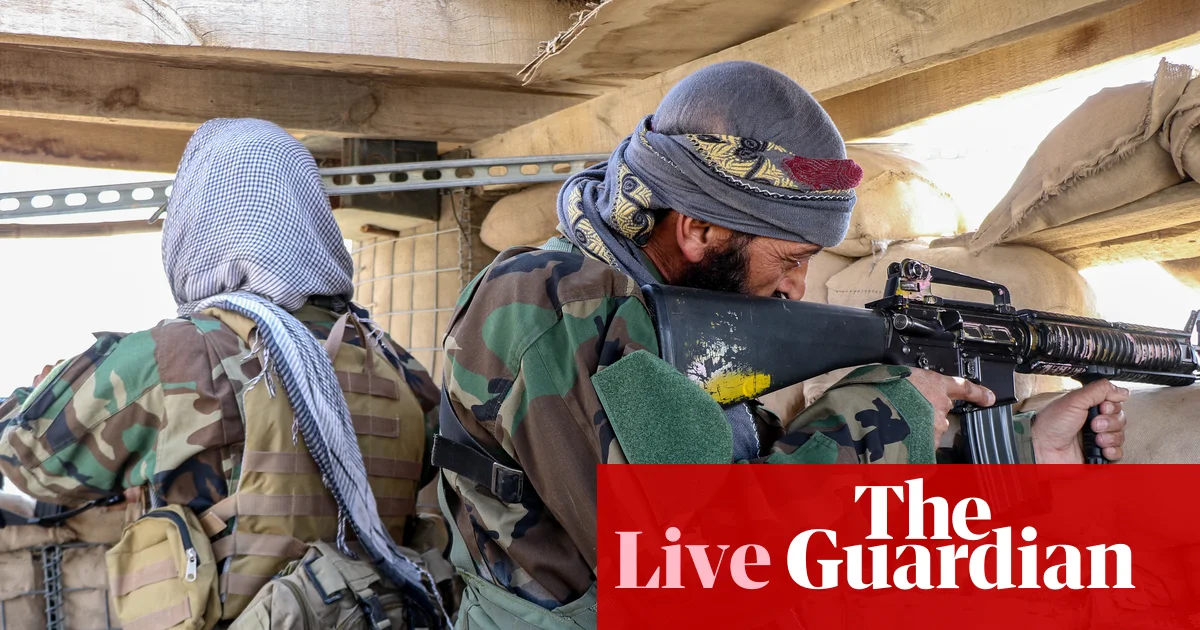
On February 27, 2026, Pakistan declared an “open war” following alleged unprovoked cross-border firing from Afghan territories. In a decisive move, Pakistani forces launched Operation Ghazab lil-Haq (“Righteous Fury”) targeting Afghan military positions, including Kabul, Kandahar, and Paktia—an unprecedented escalation that risks destabilizing the entire region. Khawaja Mohammad Asif, Pakistan’s defense minister, openly articulated the nation’s grim new stance: “Our patience has now run out. Now it is open war between us.” Such rhetoric signals a dangerous departure from diplomacy, reflecting mounting frustrations over what Islamabad claims are harboring Afghan Taliban and militant groups within Afghan borders.

Meanwhile, Afghanistan’s Taliban government has responded with retaliatory attacks, including claims of drone strikes targeting Pakistani military sites. Afghan officials have asserted that their military retaliated after Pakistani airstrikes, with reports of casualties reportedly both statistical and conflicting, as each side leaks vastly different figures. Official statements from Afghanistan speak of over fifty Pakistani soldiers killed, whereas Pakistani authorities claim significant Taliban casualties in the thousands, emphasizing the opaque and chaotic nature of today’s conflict. Many international organizations, including the United Nations, have expressed grave concern over the rising civilian toll—highlighting that the true human cost remains hidden amid diverging narratives.

  • The escalation begins as analysts point out it is the first time Pakistan has directly targeted Afghanistan’s Taliban rather than solely militant TTP positions.
  • Examining the wider geopolitical impact, this conflict threatens to undo the tentative peace processes and threatens regional stability.
  • Global powers, from Russia to China, are calling for restraint, but their diverging interests complicate swift resolution.

International responses continue to underscore the gravity of this evolving crisis. The UK, through Foreign Secretary Yvette Cooper, urges both sides to engage in de-escalation and mediated dialogue, echoing widespread calls for restraint. Conversely, Russia, the only country with formal recognition of the Taliban government, has urged both Afghanistan and Pakistan to return to diplomatic negotiations, warning that further escalation risks catastrophe. China, a regional powerhouse and key player in mediating through its channels, has expressed deep concern, calling for a swift ceasefire to prevent further bloodshed and chaos.

Within this tempest of military exchanges and diplomatic appeals, the destiny of South Asia hangs precariously in the balance. The recent direct confrontations breathe new life into a long-standing conflict that could ignite larger regional confrontations, involvingierleaning nations wrestle with the brutal realities of sovereignty, militant sanctuaries, and geopolitical dominance. As historians and analysts observe, “This moment may very well be the defining juncture of the 21st century’s regional order,” and the decisions taken in these tense days will undoubtedly echo through history’s halls for generations to come.

The unfolding chapter of this crisis leaves the world with a haunting question:

Will diplomacy prevail, or are we witness to the very brink of a wider, perhaps even catastrophic, regional war?

“Every Shirt Tells a Tale: How Designers Are Saving Football Kits from the Trash and Rebooting Style”

The Rise of Upcycled Football Shirts: A Cultural Shift in Sports & Fashion

The world of football isn’t just about the game anymore; it’s a reflection of broader cultural and social shifts. As clubs and fans grapple with environmental concerns, a new trend has emerged — *upcycled* football shirts that blend sustainability with style. This movement is not only changing how we see sports apparel but also challenging the disposable culture that has dominated modern fashion. While thousands of shirts are discarded each season—UEFA estimates that up to 60% of kits are thrown away—designers like Hattie Crowther and brands such as Vintage Threads are turning this problem into an opportunity. They’re transforming old kits into striking, one-of-a-kind headpieces, dresses, and jackets, giving these once-forgotten items a new lease on life. These creatives, many of whom are women leading the way, are reframing what it means to own a football shirt—making it a meaningful statement of style and values rather than just fleeting merchandise.

This movement delves into the _social relevance_ of sports apparel, as it transcends typical fan gear. Retro football shirts have become sought-after fashion symbols, appearing on celebrities like Kim Kardashian and Timothée Chalamet, fueling a vintage revival. On platforms like Depop, searches for historic kits have skyrocketed—up 38% over the past six months—showing a passionate collector culture thriving within this ecosystem. Preloved shirts aren’t just fashion statements; they are stories, symbols of nostalgia, and acts of environmental responsibility. Fans are recognizing that the enduring legacy of a shirt, especially one with a story, keeps its relevance alive far beyond the pitch. Gary Bierton, from Classic Football Shirts, notes that every secondhand shirt carries a narrative, often more compelling than what’s now mass-produced in the current cycle of rapid kit releases.

At its core, this _cultural impact_ signals a deeper societal shift toward embracing a circular economy in fashion. Instead of viewing football shirts as disposable commodities created from synthetic polyester—a material that’s cheap and performance-friendly but problematic environmentally—there’s a growing _movement_ to extend their lifespan. Initiatives like Green Football’s Great Save highlight how swapping, donating, and reworking kits can cut a shirt’s environmental footprint by up to 30%. This approach doesn’t just stop at sustainability; it opens avenues for clubs and designers to monetize _the story_ and _the style_ behind vintage and upcycled kits, turning environmental responsibility into a lucrative, *aspirational* trend. Clubs like Brighton are already experimenting with creating fashionable accessories from misprinted kits—proving that sustainability can be chic and profitable simultaneously.

Yet, the next big question is: *Will this movement be sustainable in the long term, or will it become a fleeting fad?* As the industry begins to see economic benefits—upcycled designs that are desirable and collectible—it raises the possibility of a circular football economy becoming embedded into mainstream sports culture. If this push toward sustainability continues to grow, perhaps the future of football apparel isn’t just about the game but about redefining how we value and repurpose our cultural artifacts. With youth-driven influencers, innovative designers, and forward-thinking clubs leading the charge, the true question remains — *how will this shift redefine not just fashion, but our societal priorities in the coming years?*

Tuesday Briefing: What the BBC’s Crisis Tells Us About Its Failures — and a Path Forward

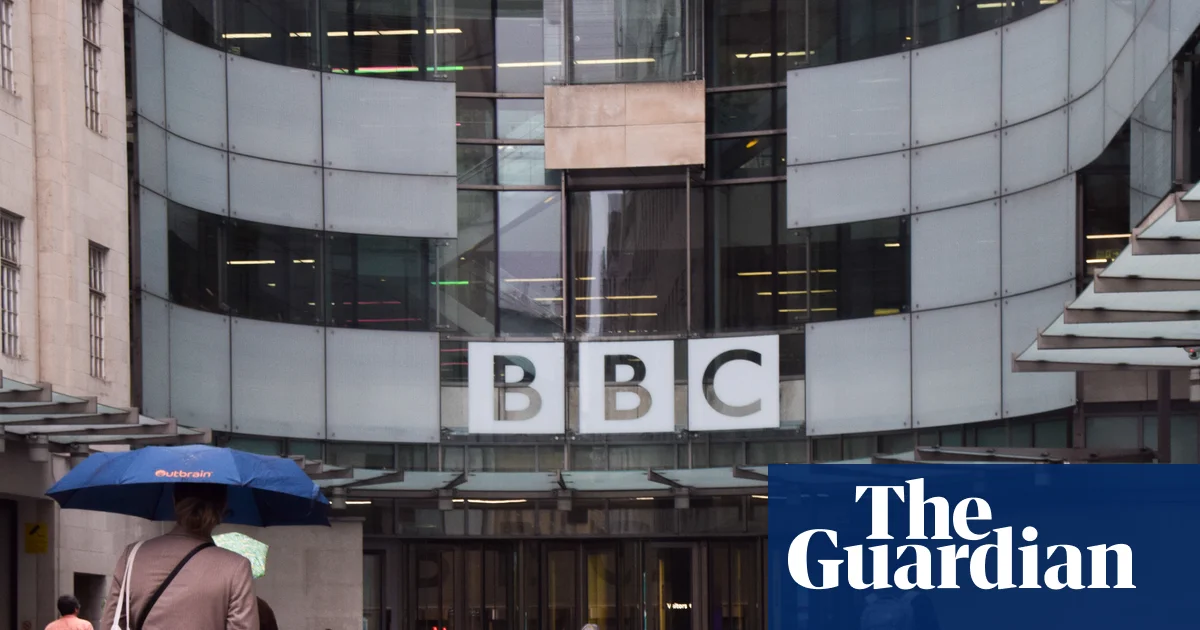
The recent upheaval at BBC exemplifies the volatile state of Western democracies grappling with the tensions between political influence and institutional integrity. The resignations of Tim Davie, the director general, and Deborah Turness, head of news, unfold amid a barrage of criticism led by the right-wing press and aligned political figures, especially from Conservative-linked media outlets. This crisis is not merely about journalism; it is emblematic of the broader struggle for who controls the narrative in a society that faces mounting external and internal pressures.

Experts like Michael Savage, a seasoned media analyst, emphasize how this turmoil exposes weaknesses in the *governance* of the BBC. Amid what he describes as an environment of “weak oversight,” a small clique of board members—including Gibb, whose influence has leaned towards the politicization of the corporation—decided to appoint Prescott to a sensitive advisory role. The fallout reveals how internal decisions are increasingly weaponized, reflecting a pattern seen in other major democracies where institutional independence is compromised to suit specific political agendas. As Britain approaches the critical renewal of its public broadcasting charter in 2027, the question emerges: will this revered institution find itself subsumed into the ideological fold of a nation deeply divided?

On the international stage, the United States swiftly introduces a stark new development that has ramifications far beyond the Atlantic. The “impossible job” now facing BBC leadership is paralleled by the impending battle for influence over global narratives. As US President Donald Trump threatens to sue the BBC for over $1 billion, alleging biased coverage—an accusation echoing the broader fight for media dominance—it becomes clear that the confrontation extends beyond mere legal threats. Such threats are a reflection of how hostile the global political environment has become towards independent journalism. Analysts warn that this clash signals a shift in international power dynamics, where information is weaponized as a tool for shaping perceptions and controlling societies.

There is a rising recognition among geopolitical strategists that the battle for the soul of media is integral to national sovereignty. Countries like France confront their own crises; the recent release of former President Nicholas Sarkozy from custody is a stark reminder of how internal political conflicts can reverberate across borders, affecting diplomatic relations. Meanwhile, Brazil’s hosting of the Cop30 climate talks underlines how global consensus on climate change is fractured, with failing national policies blamed for international chaos—famine, conflicts, and the destabilization of vulnerable societies. As world leaders debate and often delay fundamental reforms, the world stands at a crossroads, with decisions made in the coming months likely to influence generations.

The tapestry of these interconnected crises culminates in a stark lesson: as history continues to unfold, the choices made by key nations and institutions will determine whether the principles of free societies persevere or collapse into new forms of authoritarianism. The BBC, a symbol of the enduring power of public service media, finds its very existence challenged by forces seeking to rewrite the narrative for their own gain. And as international tensions escalate—be it legal threats from Trump or ideological assaults on free press—one truth remains: the battle for truth and influence is the battlefield of the 21st century, where the echoes of today’s decisions will resound through the corridors of history, shaping the destiny of societies yet to come.

Australia News Live: Thorpe tells Albanese to move past Voice setback after Indigenous treaty clears Victorian parliament

Emerging Shifts in National Commitments and International Tensions Reshape Global Geopolitics

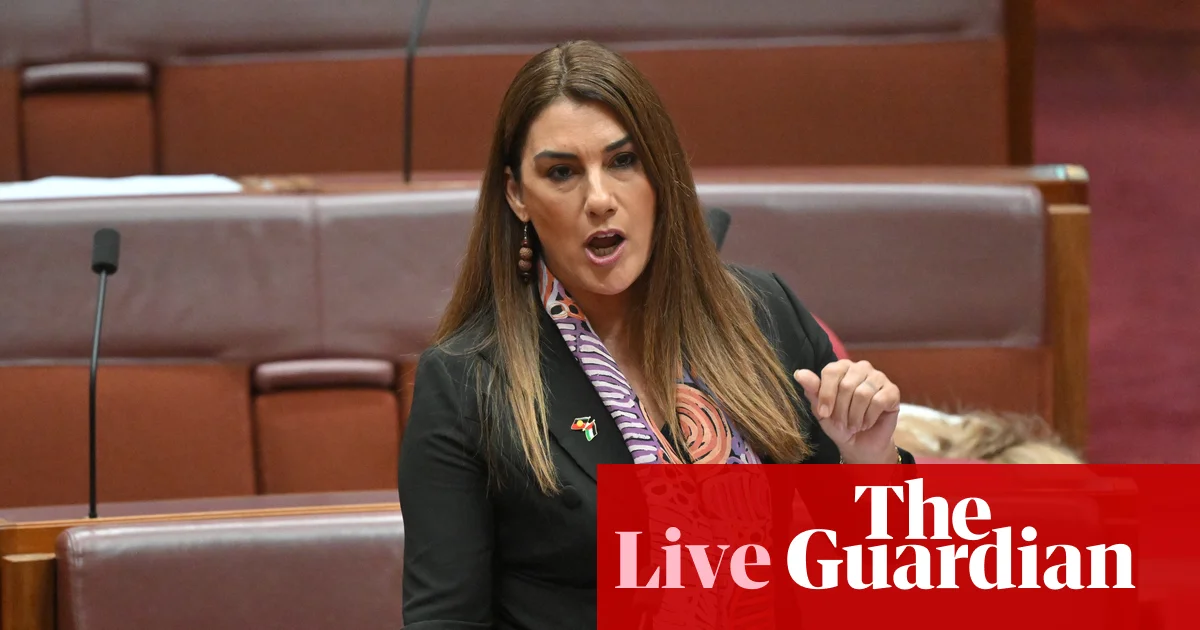
In a landscape steeped in rapid change, recent developments across nations reveal a profound transformation in how countries are engaging with issues of sovereignty, policy independence, and international cooperation. Australia has taken a historic step, passing its first treaty with traditional owners in a move that has sent ripples through geopolitics and Indigenous rights globally. This milestone signifies a break from past colonial frameworks and signals a potential recalibration of national identity and sovereignty. As Lidia Thorpe, a prominent Indigenous senator, asserts, this treaty marks a good start towards “real self-determination”, challenging the long-standing narrative that post-colonial states are resigned to their subordinate roles within global structures.

However, this progressive shift is not happening in isolation; it feeds into a broader contest for national sovereignty witnessed elsewhere. In Victoria, the passage of the Indigenous treaty aligns with a global increase in directly empowering indigenous and local governments—yet, critics warn that such victories could be undermined by overarching international pressures or domestic political stalls. Meanwhile, in Queensland, a tragic incident involving a young girl struck by lightning exemplifies the ongoing domestic crises rooted in local societal challenges—an inward reflection on societal resilience amid external geopolitical turbulence.

The international arena is also seeing strategic realignments. Australia and Papua New Guinea are deepening their security cooperation through new agreements designed to both enhance regional stability and counter transnational crime. These steps are emblematic of a wider surge in regional diplomacy, motivated by rising external threats from expanding powers like China and Russia. Similarly, Australia’s partnership with Papua New Guinea aims to fortify borders against illicit flows, emphasizing the importance of sovereignty while navigating the complex web of international alliances.

Within this context, debates over climate policy reflect a growing divide between economic independence and international commitments. Maria Kovacic and other members of the Liberal faction are grappling with the necessity for a feasible path toward net zero, including potential reliance on nuclear technology—a move that could alter the tectonic plates of global energy politics. Analysts warn that such policy debates are not merely domestic; they are the battlegrounds for influence over energy markets and technological dominances that will define the twenty-first century. Meanwhile, the Australian government faces accusations of opacity, with calls to improve transparency and accountability—an internal struggle that underscores tensions within the fabric of liberal democracies worldwide.

As history accelerates, we are witnessing the dismantling of old paradigms and the rise of new configurations—some peaceful, others fraught with conflict. The passage of treaties, the forging of security alliances, and the internal policy debates reflect a world that is both reshaping and being reshaped. Time will reveal whether these shifts forge a more sovereign, just, and balanced future or plunge nations into deeper crises of identity and trust, echoing the tumult of our most turbulent eras. The pages of history are turning—what will they record about this pivotal decade in global history?

Prince Andrew urged to come forward with his account of Epstein abuse, co-author tells BBC

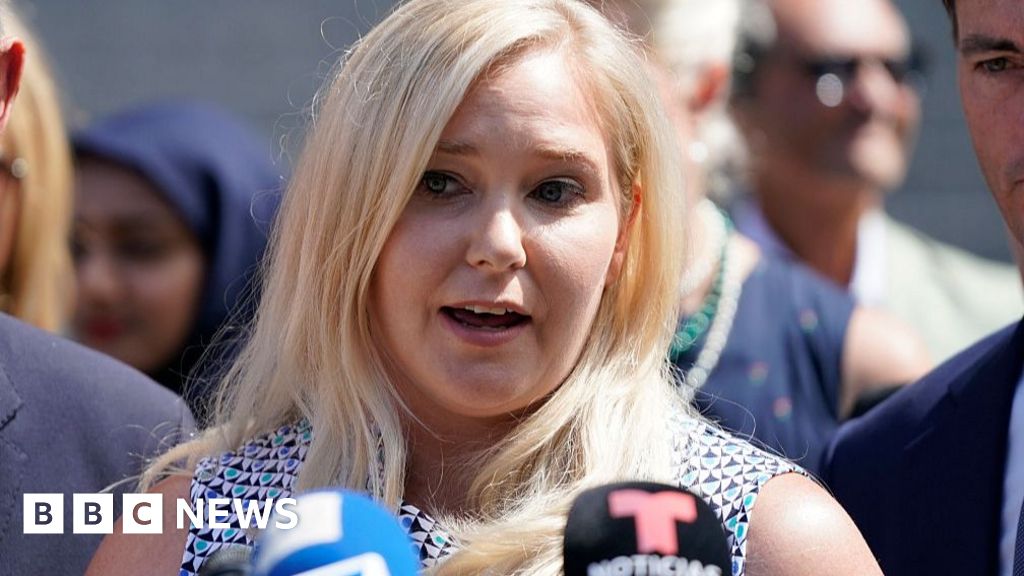
In the ornate tapestry of British history, few threads are as dark and revealing as the recent revelations surrounding Prince Andrew, a figure whose reputation has become an emblem of a broader cultural crisis—one where honor and morality are challenged by the insidious influence of power and greed. The contentious disclosures in Virginia Giuffre’s posthumous memoir, Nobody’s Girl, cast a stark light on a web of corruption intertwined with the sordid pursuits of Jeffrey Epstein. While the prince denies direct involvement, the details evoke echoes of historical tales where the thick fabric of tradition is pulled apart by the threads of scandal, forcing a nation to confront its values anew.

Beyond individual guilt, this saga raises fundamental questions about the relevance of culture as a custodian of societal virtue. As philosopher Ortega y Gasset highlighted, a society’s true fabric is woven from its shared beliefs, its sense of identity rooted in enduring moral frameworks. When these are compromised—be it through scandal or neglect—the entire social order risks unraveling. The royal family, once seen as a pillar of societal stability, now faces the difficult task of re-establishing its moral authority. The voluntary abdication of Prince Andrew from his titles and membership in the Order of the Garter signifies a symbolic gesture in this ongoing struggle—a recognition that history is a mirror, and the reflection demands accountability. Yet, symbols alone cannot heal the wounds inflicted by the abuse of privilege; institutions must be prepared to confront and learn from the past if they are to endure.

  • Culture as Memory: The traditions and narratives we hold dear are repositories of collective memory, shaping our identity and aspirations.
  • Culture as Prophecy: Our shared cultural symbols serve as blueprints for the future, guiding generations through lessons learned and values upheld.
  • Historical Parallels: Societies embroiled in scandal—akin to the fall of Rome’s decadence or the upheaval of the ancien régime—remind us that moral decay invites systemic crises unless confronted with truth and reform.

In the words of T.S. Eliot, true culture is “the memory of a civilization,” one that demands vigilance and honesty. Today’s challenge lies not in erasing the stain of scandal but in strengthening the moral foundation that underpins our societal institutions. As Chesterton once observed, “A true society is built not on the superficial veneer of power, but on the bedrock of principle,” urging us to look beyond fleeting symbols towards the enduring core of human dignity. The ongoing controversy acts as a reminder that culture is both a reflection and a prophecy: it reflects where we stand morally, and it foretells what we risk losing—our shared humanity—if we fail to confront our shadows. As we stand at this crossroads, may we remember that in the depths of scandal lurks the possibility of renewal, for history teaches us that from the ruins of arrogance and silence, a new society can yet emerge, rooted in truth and humility—a future where the memory of our virtues guides the prophecy of what humanity can become.

Social Media Auto Publish Powered By : XYZScripts.com