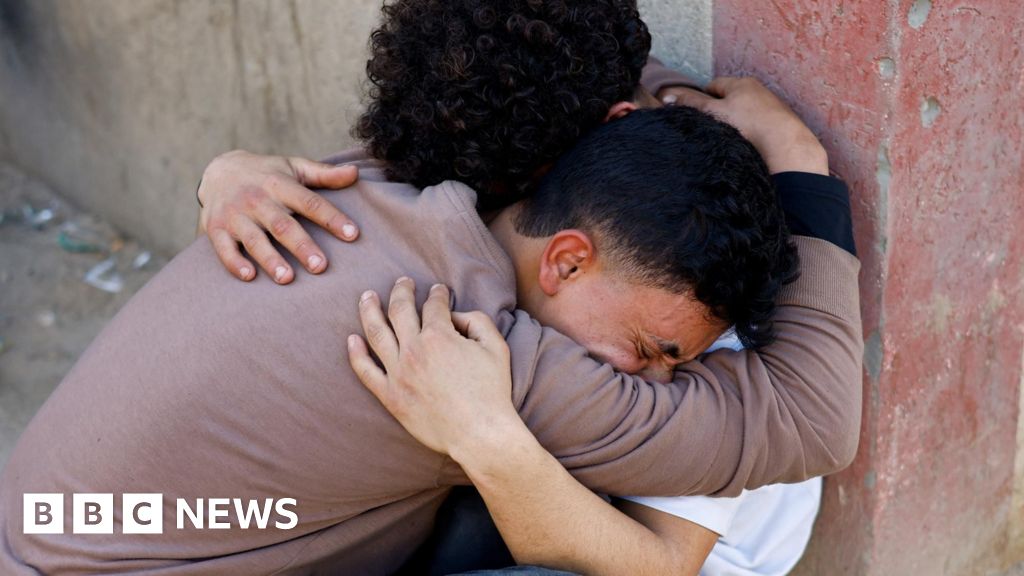

The recent escalation of violence in the Gaza Strip has once again thrust the Middle East into the international spotlight, intensifying concerns over regional stability and the broader geopolitical landscape. According to reports, Israeli forces conducted targeted strikes against Hamas security personnel following a confrontation near the Maghazi camp, an area historically fraught with tension and sporadic violence. This incident underscores the fragile, often volatile nature of the Israeli-Palestinian conflict, where localized clashes frequently ripple outward into larger regional crises.
Analysts and international organizations have pointed to this incident as a likely precursor to a broader escalation. The Israeli military statement maintains that the strikes were aimed deliberately at Hamas operatives engaged in hostile activities, which they argue threaten Israeli security. Conversely, Palestinian sources claim that the attack has led to casualties among civilians and reinforces the ongoing narrative of disproportionate military responses. This cycle of violence not only deepens divisions but also complicates international efforts aimed at fostering peace in the region, which remains a critical flashpoint of geopolitical tension.
- The incident occurred amidst an increased backdrop of unrest, with Hamas and factions allied with the Palestinian Authority calling for international intervention, while Israeli officials emphasize their right to self-defense.
- The recent clashes near Maghazi camp mark a significant escalation, illustrating the persistent threat posed by armed factions operating within Gaza’s densely populated areas.
- Major global institutions, including the United Nations, have voiced concern over the escalation, urging restraint but stopping short of condemning either party outright, reflecting the complex diplomatic balancing act involved.
This episode highlights the geopolitical impact of ongoing conflicts, as regional actors and international powers engage in a delicate dance of diplomacy and military posturing. Countries like Egypt and Jordan are pressed to maintain stability, given their geographic and political stakes in the Israeli-Palestinian plight. Meanwhile, the United States consistently underscores its support for Israel’s security needs, even as it navigates diplomatic sensitivities with Arab and Muslim-majority nations. Some analysts, including noted historians, warn that continued military escalation risks igniting wider regional conflicts that could destabilize entire corridors of the Middle East.
At the geopolitical level, decisions made in the coming days and weeks could shift the balance of power in the region. The escalation of violence serves as a stark reminder of how fragile the current arrangements are — with international diplomacy often overshadowed by the stark realities of violence and retaliation. As the world watches, the question remains: will there be a path toward peace, or are these clashes merely the latest chapter in a persistent saga of conflict that threatens to redefine the very fabric of Middle Eastern geopolitics? History continues to be written in the blood and resilience of those living through it, and the weight of this moment will undoubtedly echo through generations.