Matox News

Truth Over Trends, always!

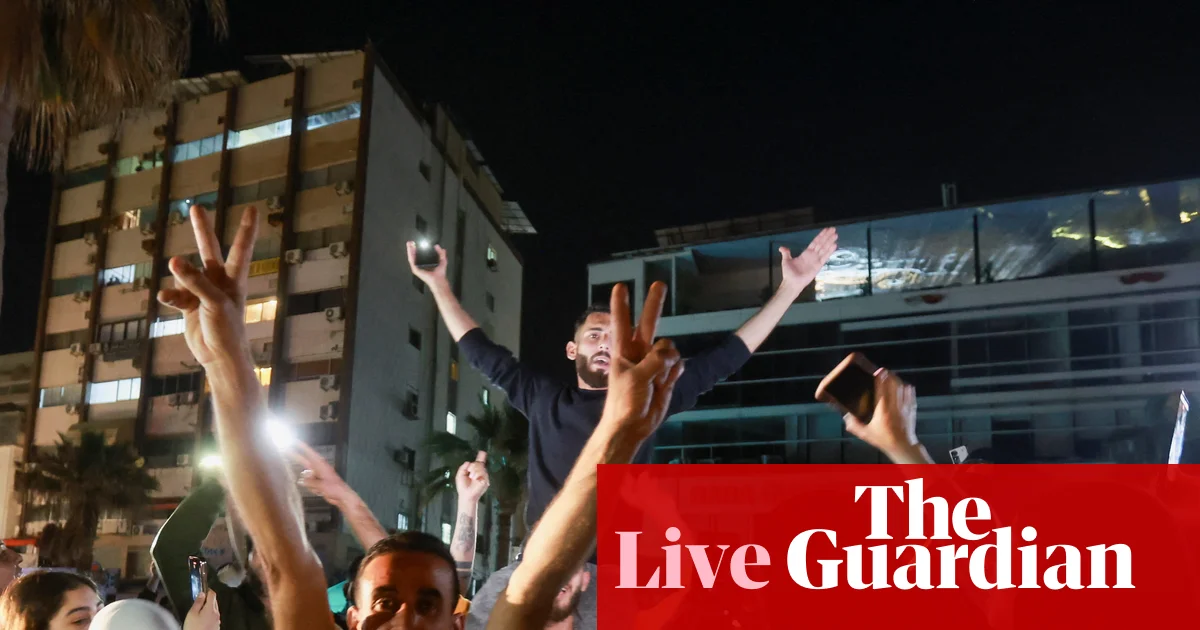
Middle East Tension: UN Urges Respect for Israel-Lebanon Ceasefire as US-Israel Target Iran

Global Geopolitical Shifts as Middle East Ceasefire Unfolds

The recent ceasefire between Israel and Lebanon marked a significant turn in the ongoing Middle East conflict, prompting a surge of cautious optimism across international markets and diplomatic corridors. As United Nations Secretary-General António Guterres publicly welcomed the 10-day truce, the global community watched with bated breath, aware that the fragile peace holds only as long as the critical political prerequisites, especially from involved powers, remain intact. The ceasefire’s implementation underscores a complex interplay of regional diplomacy and international interests, with key players like the United States and Iran vying for influence in shaping the future trajectory of stability in this volatile region.

Major geopolitical implications stem from the nuanced responses of world powers. Donald Trump has emphasized the importance of fully respecting the ceasefire, while also criticizing NATO allies for their perceived lack of support in the enforcement of US-imposed naval blockades aimed at Iran. Meanwhile, Iran’s foreign ministry expressed its approval of the ceasefire, framing it as an extension of the original Iran-US agreement brokered by Pakistan. This layered diplomacy signals a tentative thaw, yet analysts like those at the European Council on Foreign Relations warn that underlying tensions, especially Iran’s call for a “simultaneous ceasefire throughout the region,” hint at unresolved issues that threaten to ignite renewed violence in the future.

How International Decisions Reshape Societies and Strategic Alliances

The decision by Israel to maintain its military presence in southern Lebanon, despite the truce, exemplifies the persistent threat of escalation. Prime Minister Benjamin Netanyahu termed the ceasefire a “historic” opportunity for peace, yet reaffirmed his commitment to dismantling Hezbollah and occupying parts of Lebanon’s territory. In response, Lebanon’s government and Hezbollah have urged caution, warning that Israel’s history of violating ceasefire agreements could undermine the fragile peace. America’s role as facilitator in this ceasefire has further solidified its geopolitical stance—balancing between backing Israel’s security interests and avoiding further escalation with Iran-backed groups. Historically, such moves often deepen the divide among international coalitions, reinforcing the narrative of a region on the brink of recurrent conflict.

Furthermore, the reopening of international shipping lanes through the Strait of Hormuz is a critical focal point. British Prime Minister Keir Starmer, alongside his French counterpart Emmanuel Macron, has pledged to co-host a summit of around 40 nations to reaffirm global commitment to free navigation and respect for international law. This effort aims to counter the escalating blockade imposed by Donald Trump, who has called for “full freedom of navigation” amid Iran’s shutdown of the Strait, which has already led to economic ripples across energy markets. Analysts like Dr. Laurence Norrie warn that failure to reopen the shipping lanes could precipitate a broader energy crisis, destabilizing not just regional economies but threatening global stability.

Shifting Alliances and the Unfolding Narrative of Power

The unfolding events serve as a stark reminder of how nation-states are balancing their security concerns against international diplomatic pressures. As China’s export sector grapples with surging commodity costs—fueling fears of a slowdown—Russia, Turkey, and regional allies are realigning their strategies amidst the backdrop of this shifting landscape. The World Trade Organization warned of a possible global downturn if energy prices remain volatile, reinforcing the world’s dependency on Middle East stability. As recent histories have shown, decisions taken in these uncertain times often leave behind an indelible mark on the fabric of history, forging new alliances or reigniting old conflicts.

In the coming days, the weight of history appears poised on a knife’s edge. Whether the peace forged now endures or the region plunges once again into chaos, the international community waits, knowing that these decisions echo through the corridors of history—each move shaping the societies whose fate is woven into the tapestry of the Middle East’s unending saga. The unfolding stages of diplomacy, conflict, and commerce remind us that in this geopolitical theater, every act has profound consequences. As the world stands at this crossroads, the question remains—not just how this chapter will end, but what the pages of history will record as the true legacy of the days to come.
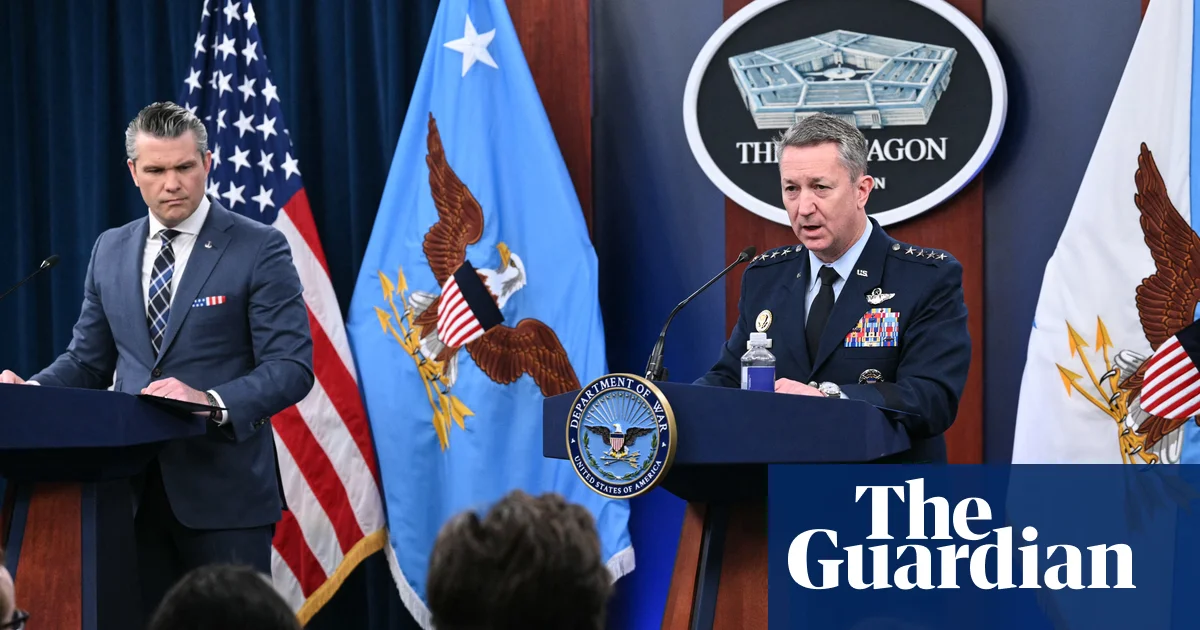
Pentagon gears up for extended ground actions in Iran amid US-Israel tension

The United States finds itself at a critical crossroads amid mounting tensions in the Middle East. Reports indicate that the Pentagon is actively preparing for potential ground operations in Iran, signaling a dramatic escalation in a region already fraught with geo-strategic conflict. As thousands of US troops are repositioned to the area, the decision to pursue limited raids or more comprehensive deployments carries profound geopolitical impact. Analysts warn that such moves could represent a significant shift in US foreign policy—leaving behind the era of cautious, often covert, military interventions in favor of openly confrontational tactics. The decision-making process, largely opaque, is fraught with controversy and uncertainty, especially with President Donald Trump yet to formally endorse any specific plan, fearing public backlash and political repercussions.

Within the US political landscape, there is a palpable debate over the constitutional authority to deploy troops into Iran. Some figures, like Senator James Lankford, emphasize the importance of clear objectives and limits, cautioning against open-ended commitments that could trap US forces in a protracted conflict. His remarks reflect a broader concern that unchecked military escalation could spiral into a full-scale war—something many lawmakers and American citizens alike are wary of, especially after the costly interventions in Iraq and Afghanistan. Meanwhile, Congress remains divided, with previous war powers resolutions having been rejected, allowing the executive branch considerable latitude in military actions. The Pentagon’s request for an additional $200 billion in military funding underscores the seriousness of these plans and the implications for national debt, global stability, and American influence on the world stage.

In the international arena, Iran has issued stark warnings, with Parliamentary Speaker Mohammad Bagher Ghalibaf threatening to set US ground troops “on fire.” Iranian officials have also hinted at countermeasures targeting US interests, including universities and regional alliances. The Revolutionary Guard claims it is poised to retaliate against US and Israeli strikes, raising fears of a broad regional conflict. Such rhetoric underscores how brinkmanship could spiral out of control, with analysts noting that the confrontation is no longer limited to diplomatic exchanges but threatens to ignite a wider war involving multiple nations. Historically, Iran has demonstrated a willingness to escalate militarily when pressed, making any US ground intervention a highly volatile pivot point with unpredictable consequences.

The geopolitical landscape is shifting rapidly, with Israel and Arab nations uniting against the perceived threat of a nuclear-armed Iran—an alliance that policymakers say underscores the serious danger of unchecked regional conflict. For some analysts, these developments echo the precipice of a new, broader confrontation in one of the world’s most sensitive zones. If the US proceeds with military action, it risks destabilizing an already fragile balance, while fueling anti-American sentiments that could linger for generations. As congressional leaders debate funding and legitimacy, and Iran signals potential escalation, history warns us—these moments of crisis often define the trajectories of nations for decades to come. The weight of decision now hangs heavy, as history continues to unfold, and the echoes of future conflicts begin to murmur just beneath the surface of geopolitical shifts. The world watches, awaiting the next chapter in a saga that could determine the fate of global peace and security.

Middle East Tension: China Warns Against ‘Jungle Law,’ Trump Claims Iran’s in Free Fall — U.S. and Israel Ramp Up Pressure

Geopolitical Turmoil in the Middle East: A Crisis Unfolding

The Middle East stands at a crucial crossroads as a series of escalating conflicts threaten regional stability and global security. The recent outbreak of violence, primarily driven by the US-supported Israel campaign against Iran, has drawn widespread international concern. Reports indicate that over the past week, a cascade of military actions, missile exchanges, and targeted strikes have pushed the region into chaos, with far-reaching consequences for nations involved and societies across the globe.

The initial spark was the aggressive clearance of Iranian targets by Israeli forces, ostensibly aiming to weaken Iran’s military capacity. Israeli airstrikes across southern Lebanon and the Iranian capital of Tehran have resulted in significant destruction, including fuel storage complexes and military command centers. The Israeli military reported it targeted “several fuel storage complexes” and “key commanders” of the IRGC’s Quds Force, which, according to analysts, signals a direct confrontation with Iranian paramilitary elements. Meanwhile, the US has embraced a hawkish stance, with President Trump declaring that Iran is being “decimated,” though he refused to rule out the deployment of ground troops, amplifying fears of an open-ended regional conflict.

International Responses and Shifting Alliances

Global reactions have been sharply divided amid the turmoil. China, a prominent regional power and strategic competitor of the United States, has condemned the conflict, stating “the war should never have happened” and warning that the world must avoid returning to a punitive “law of the jungle.” Wang Yi, China’s foreign minister, explicitly called for an end to military actions, emphasizing the need for diplomatic solutions. This stark opposition underscores the geopolitical impact of the crisis, as Beijing positions itself as a defender of multilateral diplomacy against unrestrained military escalation.

Conversely, America and Israel continue their assertive stance. Donald Trump, through social media, suggested that more Iranian officials would be targeted, with explicit warnings that “Today Iran will be hit very hard.” Reports indicate ongoing discussions between the US and Israel over deploying special forces to seize Iran’s highly enriched uranium stocks, a move that could escalate the conflict into a full-on war of attrition. The US has also been critical of their traditional allies, explicitly warning the UK for its delayed support, threatening to remember their perceived slights amidst this global chaos. The stakes are now higher than ever, with the possibility that this conflict could extend into years, shaping the future of international power dynamics.

Regional Strife and Societal Consequences

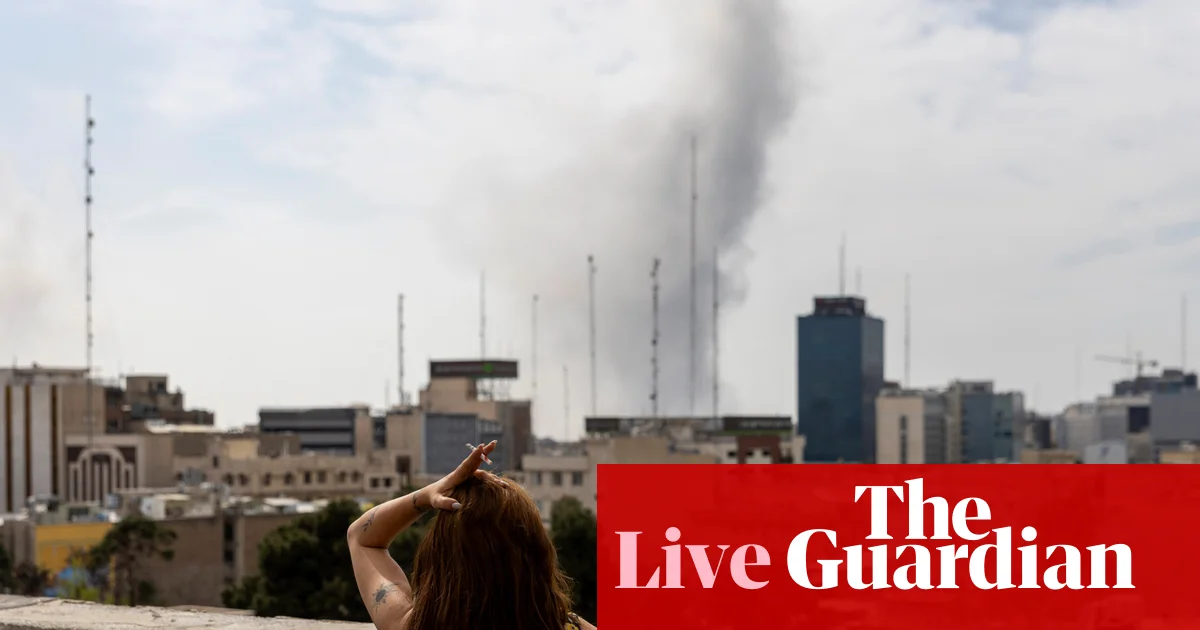
Beyond the political arena, the human toll is unmistakable. Iranian officials have claimed their military can sustain an indefinite war effort, but the reality for civilians is dire. Residents of Tehran report widespread fires and smoke blanketing the city, unable to escape due to ongoing attacks. In Lebanon, Israeli strikes have hit areas near Beirut, resulting in casualties and damage to critical infrastructure. Inside Kuwait and other Gulf nations, reports of missile and drone attacks and the death of border guards highlight the interconnected nature of regional conflicts and the threat to vital economic and strategic assets in the region. These developments threaten to ignite other conflicts and destabilize already fragile nations, creating a volatile powder keg that could ignite at any moment.

As the region teeters on the brink of wider confrontation, the international community finds itself at a critical juncture. The Australian, European, and Middle Eastern analysts warn that unchecked military escalation risks unleashing a new era of instability, reminiscent of Cold War-era proxy conflicts. The weight of history presses heavily on global shoulders as diplomacy is increasingly strained, and the path toward peace appears murky and uncertain. It is a moment that demands sober judgment, yet the tumult suggests a narrative unfolding with no clear end in sight—a story written in smoke and fire, shaping the contours of a tumultuous new world order.

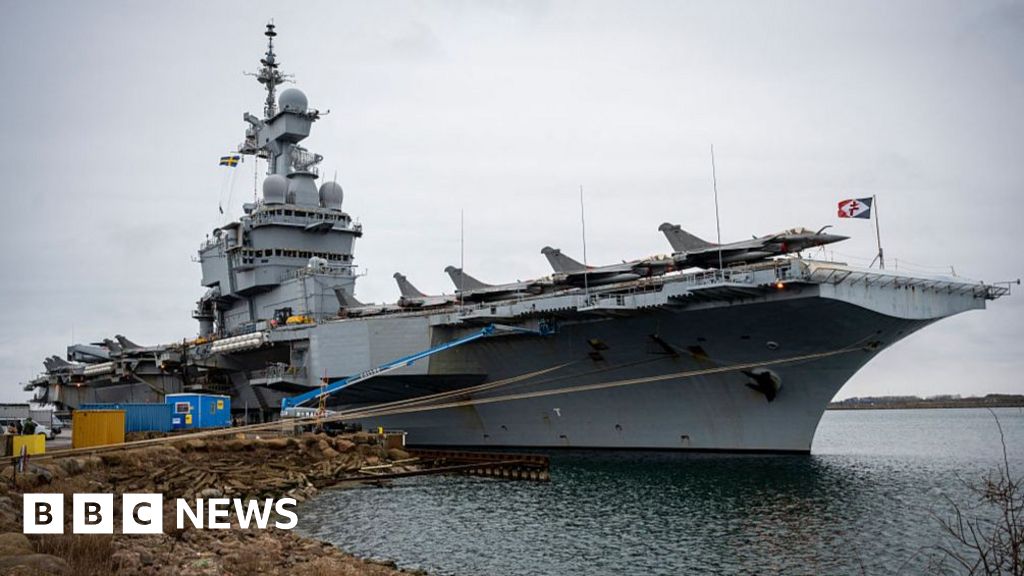
Swedish officials suggest suspected Russian drone targeted French carrier—raises tension in Europe

STOCKHOLM— In a striking display of regional concern, Swedish Prime Minister Ulf Kristersson addressed the nation from the deck of a military carrier, emphasizing the gravity of recent military incidents that have escalated tensions along the Nordic border. In a candid assessment, Kristersson declared the event, which he characterized as serious, to be not entirely unexpected, signaling a brewing storm that threatens to alter the security landscape of Northern Europe.

Kristersson’s remarks highlight a disturbing pattern, as many analysts interpret the incident as part of a broader Russian strategy aimed at projecting power beyond its traditional spheres of influence. “It is very difficult to see as a coincidence,” he remarked, pointing to the persistent tempo of Russian military movements and provocative actions that mirror tactics observed in other regions where Russia has sought to assert dominance. Historically, such behaviors have been a prelude to more aggressive policies, raising alarms both within NATO and among neighboring nations wary of increased Russian assertiveness.

International organizations and security experts have sounded the alarm over these developments. The NATO alliance, already on edge after recent provocations, views these incidents as a potential preamble to further destabilization. According to analysts from the International Crisis Group, “This pattern of behavior signifies a calculated effort by Russia to challenge the existing security order in the region, and while escalations may seem isolated, they are part of a larger strategy of intimidation and influence.” The implications of such actions extend beyond regional borders, threatening the fragile balance of peace and risking a broader confrontation that could ignite across Europe.

Decisions made today echo profoundly on the geopolitical stage. Sweden’s decision to bolster its military readiness signifies a clear shift in policy, aligning with NATO’s efforts to deter Russian expansionism. The analyses of historians like Dr. Eric L. Hanley suggest that these moments could serve as either a reaffirmation of Western resilience or, conversely, a catalyst for renewed conflict if diplomatic channels fail to contain the crisis. Meanwhile, international institutions such as the United Nations have expressed concern but lack the decisive authority to curb such aggressive maneuvers without a unified response from the West.

As the world watches, the unfolding series of provocations and countermeasures signals a pivotal chapter—one that could determine the stability of Europe for generations. The weight of history presses heavily on today’s leaders, whose choices will shape a continent teetering on the edge of a potential new Cold War. The tense silence before the next move is deafening, and the eyes of history remain fixed on the unfolding narrative, where every decision could either forge a new era of peace or plunge the region into chaos, echoing the tumult of the 20th century’s darkest hours.

North-East Syria Security Tension Grows as Fear of IS Return Flares Up

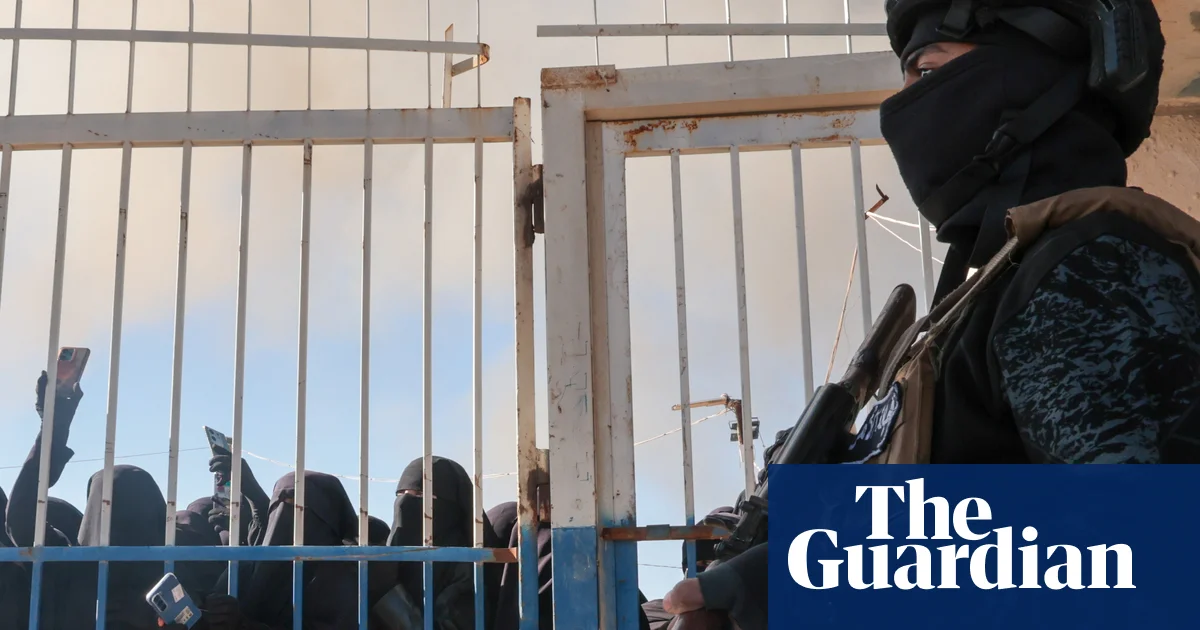
Amidst the tumultuous landscape of north-east Syria, a crisis of monumental proportions is unfolding, with consequences that reverberate across the geopolitical spectrum. Western officials, closely monitoring the deteriorating security situation, express grave concern over the resurgence of Islamic State militants (IS). The recent chaos involves a dramatic transfer of approximately 150 IS fighters from a frontline prison in Hasakah to Iraq, as the United States signals a readiness to evacuate up to 7,000 detainees. This move underscores the fragility of peace in the region and the peril that lurks within these unresolved conflicts, making it clear that the threat of a dangerous breakout remains alive—an alarming development for global security.

The chaos was fueled by a swift advance of Syrian government forces, which seized control of key prisons and camps housing former IS fighters and thousands of women and children connected to the terror network. The events led to an unprecedented change of hands over camps like al-Hawl, home to over 20,000 women from roughly 70 countries, highlighting the international dimension of this humanitarian crisis. Reports of escapes and a loss of control have amplified fears across Europe, where many of these foreign detainees pose a persistent threat. According to analysts such as Nanar Hawach from Crisis Group, the region is not witnessing a reborn caliphate but rather a dispersed insurgency rebuilding in the cracks—an insidious threat that could ignite anew if containment fails.

The geopolitical impact of these developments extends deeply into the strategic calculations of global players. The recent Washington decision to abandon support for the Syrian Democratic Forces (SDF)—long considered the primary anti-IS force on the ground—marks a pivotal shift. US special envoy Tom Barrack emphasized that the US’s primary partner in holding down IS had shifted towards reliance on the Damascus regime, led by President Ahmed al-Sharaa. Such a move signals a strategic recalibration, as Washington appears to prioritize stability over ideological affinity, even if it means tacitly endorsing the Assad regime’s evolving authority. This shift not only impacts the balance of power but also risks empowering insurgent networks and prolonging chaos, which analysts warn could destabilize the entire region further.

The ongoing conflict, marked by rapid territorial gains by Syrian government forces and fragile ceasefires, continues to ripple through the region’s delicate mosaic of alliances and enmities. Despite the official cessation of hostilities, the collapse of the ceasefire and the rapid advances by Assad’s forces threaten to escalate into a wider confrontation, with Kurdish factions caught in the middle. As the international community watches with concern, the fate of camps like al-Hawl remains uncertain, burdened by resource shortages and the inability of the Syrian government to fully manage the complex humanitarian demands. Experts like Hawach warn that managing these camps and preventing the resurgence of insurgent elements is complicated by institutional weakness—an issue that could undermine any efforts toward stabilization.

As history unfolds in the shadows of war, the fate of north-east Syria hangs in the balance. With alliances shifting and the specter of chaos lurking, this volatile corner of the Middle East embodies the high stakes and profound consequences of modern geopolitical decisions. Whether this crisis escalates into a renewed caliphate or spirals into broader regional destabilization, the world bears witness to a chapter where the weight of history continues to be written in the dust and violence of a land scarred by decades of conflict—an uncertain future that demands vigilance, resolve, and a careful understanding of the intricate webs that bind nations together in this stage of relentless upheaval.

Europe & US watch Russia’s reply to Ukraine peace plan—hope and tension grow

In a striking move that underscores the shifting tides of international power, top European officials convened this Tuesday in The Hague to establish an unprecedented international reparations body aimed at compensating Ukraine over Russia’s ongoing invasion. This initiative, authorized at a high-level summit, marks a significant escalation in Western strategy by formalizing how reparations claims will be assessed and potentially paid out. The International Claims Commission for Ukraine will serve as the tribunal to evaluate tens of thousands of claims from individuals and organizations, with a goal of quantifying the economic and social damage inflicted by Moscow’s military aggression. Its inception is being coordinated through the Council of Europe, reflecting an intent to mobilize European institutions to enforce accountability on an unprecedented scale.

This development arrives amidst a series of high-stakes diplomatic maneuvers, with Ukrainian President Volodymyr Zelensky actively touring Europe to rally support for the utilization of frozen Russian assets—an effort that has garnered widespread support among European nations. As Zelensky addresses parliaments and meets with government leaders, the European political landscape is shifting toward a stance of collective accountability, signaling a decisive move away from previous cautious diplomacy. These efforts are compounded by summits such as the Eastern Flank Summit in Helsinki, bringing together Nordics, Baltics, Balkan, and Eastern European leaders to strategize a united front. International analysts suggest that this coordinated approach could redefine the geopolitical impact of Europe’s response, further entrenching divisions and alliances that will shape the continent’s future stability.

Meanwhile, Moscow’s reaction remains coldly dismissive. Deputy foreign minister Sergei Ryabkov stated that Russia has yet to comprehend the details of these Western initiatives, emphasizing Moscow’s firm stance against any territorial concessions. His comments reflect an entrenched position that rejects compliance with Western demands; rather, Russia appears poised to hold its line, banking on the possibility of diplomatic stalemate and Western fatigue. The notably positive tone among US and European officials—highlighted by comments about “tremendous support”—places additional pressure on Moscow, which faces the dilemma of either engaging with these demands or risking further diplomatic alienation. The delicate dance of diplomacy now hinges on Moscow’s first official response, which many international observers believe could either soften or harden the ongoing conflict, with the potential to send shockwaves through global geopolitics.

The classic narrative of a conflict in flux reaches a tense crescendo as history continues to be written. How Russia responds to these Western moves will determine whether this ongoing crisis spirals further into a broader confrontation or begins to find an elusive path towards peace—yet, the very fabric of international diplomacy feels strained beneath the heavy weight of unresolved tensions. As the echoes of diplomatic dialogue reverberate across Europe, one thing remains clear: the decisions made in the coming days will carve the future of an entire continent, and perhaps, the course of global history itself, for generations to come.

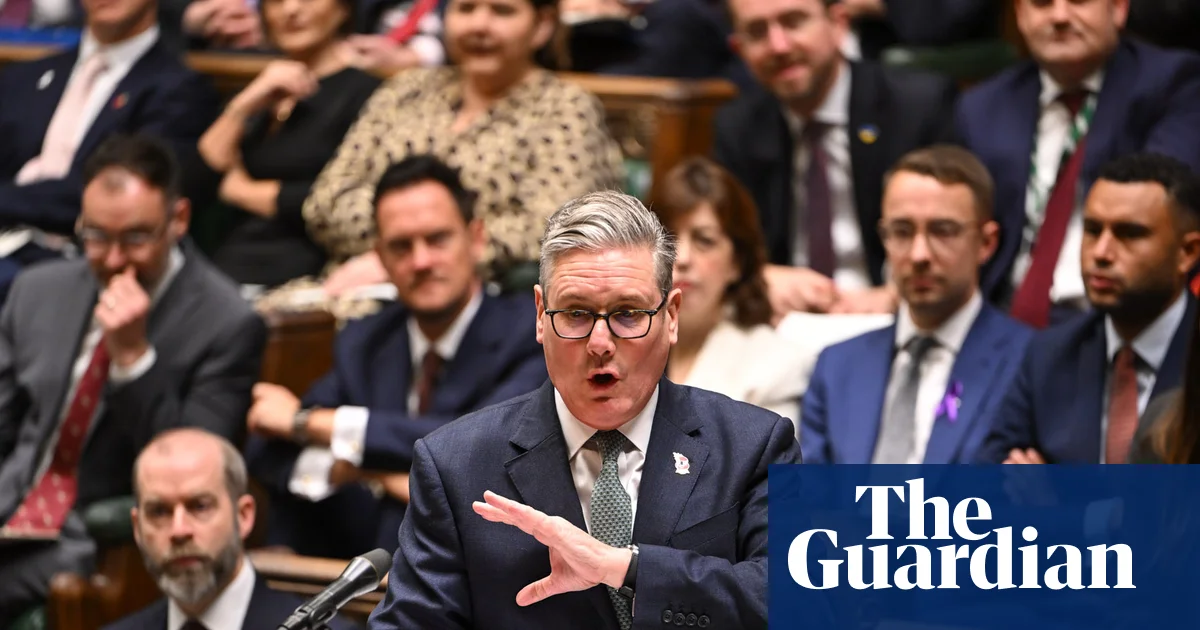
Keir Starmer faces backlash over Morgan McSweeney’s future amid tension with Labour youth

The Inner Battles of UK Politics: A Reflection of Global Power Shifts

In an era marked by growing geopolitical tension, United Kingdom politics are revealing deeper fractures within Western democracies and their struggle to adapt to a new international landscape. Recent revelations around the turmoil in Downing Street highlight not only internal factions vying for influence but also suggest a broader contest for authority that echoes across the Atlantic and beyond. As Keir Starmer grapples with internal dissent—specifically over the future position of his top aide, Morgan McSweeney—analysts warn that such factional battles could undermine the stability of the UK’s political system and its ability to navigate pressing global challenges.

The controversy centers on allegations that Starmer’s inner circle orchestrated covert operations targeting cabinet members, especially the Health Secretary Wes Streeting. Critics accuse McSweeney of fueling internal strife through unauthorized briefings—a move that has triggered fierce public and parliamentary backlash. The situation underscores the fragility of political institutions under the strain of internal power struggles, with some commentators drawing parallels to shambolic administrations elsewhere. In this context, the internal political chaos reflects a broader collapse of traditional governance models, a crisis that could weaken the global standing of Western alliances.

International organizations and political analysts have been quick to interpret the UK’s domestic chaos as emblematic of the waning influence of established democracies and the rise of ‘crisis governance’ tactics. Historian and policy expert Dr. Christopher Miller cautions that such infighting not only jeopardizes the UK’s credibility but also emboldens authoritarian rivals like Russia and China. The decision by Starmer to publicly affirm confidence in McSweeney, despite mounting evidence of internal disputes, signals a broader dilemma faced by leaderships worldwide: how to uphold coherence in the face of internal dissent that could be exploited by adversaries to destabilize the nation further.

Beyond the borders of Britain, this episode carries dramatic global geopolitical implications. The stability of Western alliances — predicated on the perception of unity and seamless policy execution — is now under threat. As nations watch the UK’s inner discord, they are reminded that internal fragility in key democracies could serve as a strategic advantage for China and Russia. Meanwhile, international institutions are issuing cautious warnings about the erosion of trust in democracies’ ability to govern effectively—a warning that rings loud in the corridors of the United Nations and other global forums.

As history unfolds on this internal battleground, the weight of future decisions holds profound significance. Will Starmer’s leadership be able to forge a path through these treacherous political waters, or will internal discord open the door for more aggressive authoritarian models to fill the void? This unfolding saga exemplifies the core battleground of the 21st century: the battle for control—not only of nations but of the narratives that shape global power structures. In a world where alliances shift and the lines between internal and external conflicts blur, the outcome of UK’s political turbulence may well determine the course of international stability for years to come.

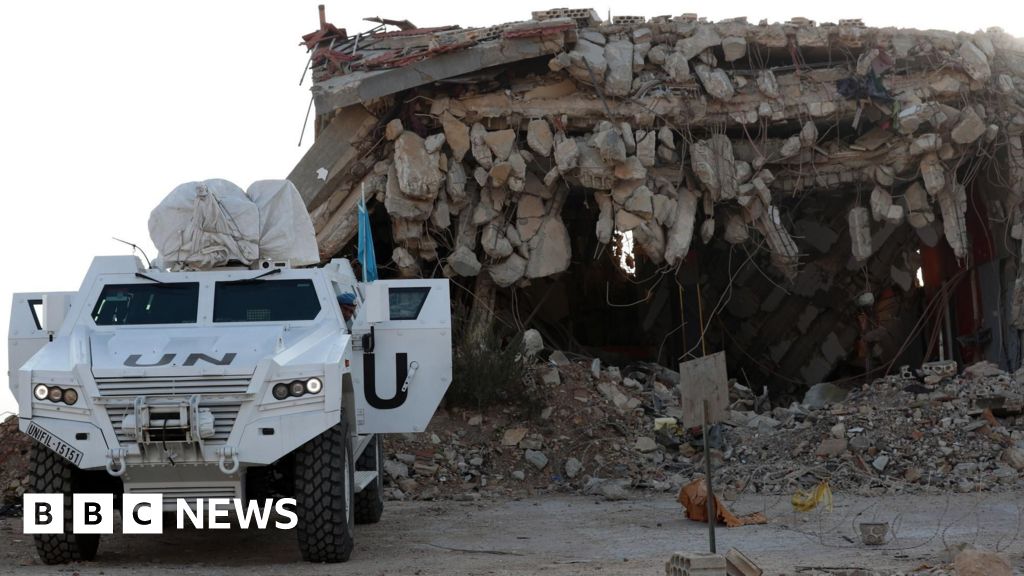
UN peacekeepers in Lebanon shoot down Israeli drone—hope for stability amid tension

The United Nations Interim Forces in Lebanon (Unifil) recently engaged in an unprecedented military action, shooting down an Israeli drone operating near the border town of Kfar Kila. This event marks a rare occurrence, highlighting the escalating tension along the historically volatile Israel-Lebanon border. According to Unifil, the drone was flying in an “aggressive manner,” prompting peacekeepers to take defensive measures. Contrasting the UN’s account, the Israeli military insists the drone was merely conducting “routine intelligence-gathering,” raising questions about the true nature of these incursions. The incident further underscores how fragile the recent ceasefire remains, with violence quickly rekindling despite international promises of peace.

Analysis from military experts and historians suggests that the latest flare-up is symptomatic of a broader, failed diplomacy. Despite a formal ceasefire that took hold last November after the devastating conflict involving Hezbollah and Israel, tensions along the border persist. Israel continues to carry out air strikes and drone operations targeting what it claims are Hezbollah’s rearming efforts. Meanwhile, Lebanon and international bodies, including the UN, condemn these actions as violations of sovereignty and breaches of the ceasefire agreement. Such conflicts threaten to unravel the fragile stability in the region, with critics warning that ignoring international law risks a larger, more destructive conflagration.”

The military confrontations and diplomatic efforts are unfolding amidst a region teetering on the brink of renewed war. The latest incidents saw Israeli forces drop grenades and fire at UN peacekeeping assets, actions that have been characterized as provocative and unjustified. The UN’s silence on these escalations only fuels speculation about whether international organizations are genuinely capable of mediating the increasingly complex geopolitical landscape or are simply watching as history repeats itself. As U.S. and French-led diplomatic teams convene again to restore peace, many analysts emphasize that the underlying issues—such as Hezbollah’s refusal to disarm and Lebanese sovereignty—remain unresolved, making any diplomatic momentum fragile and temporary.

In this high-stakes environment, how nations choose to navigate the next few weeks will determine the future of Lebanon and the entire Eastern Mediterranean basin. The recent events, including the downing of the drone and subsequent military responses, exemplify the delicate balance of power, where international diplomacy is underpinned by fierce local rivalries and unresolved conflicts. Prominent voices like historians and geopolitical analysts warn that failure to address these issues decisively could plunge the region into renewed chaos, with adverse consequences for stability and security. As the world watches, history continues to unfold, shaped by decisions made in war rooms and diplomatic halls—decisions that will echo through generations to come, determining whether the region plunges into a new era of conflict or moves towards genuine, lasting peace.

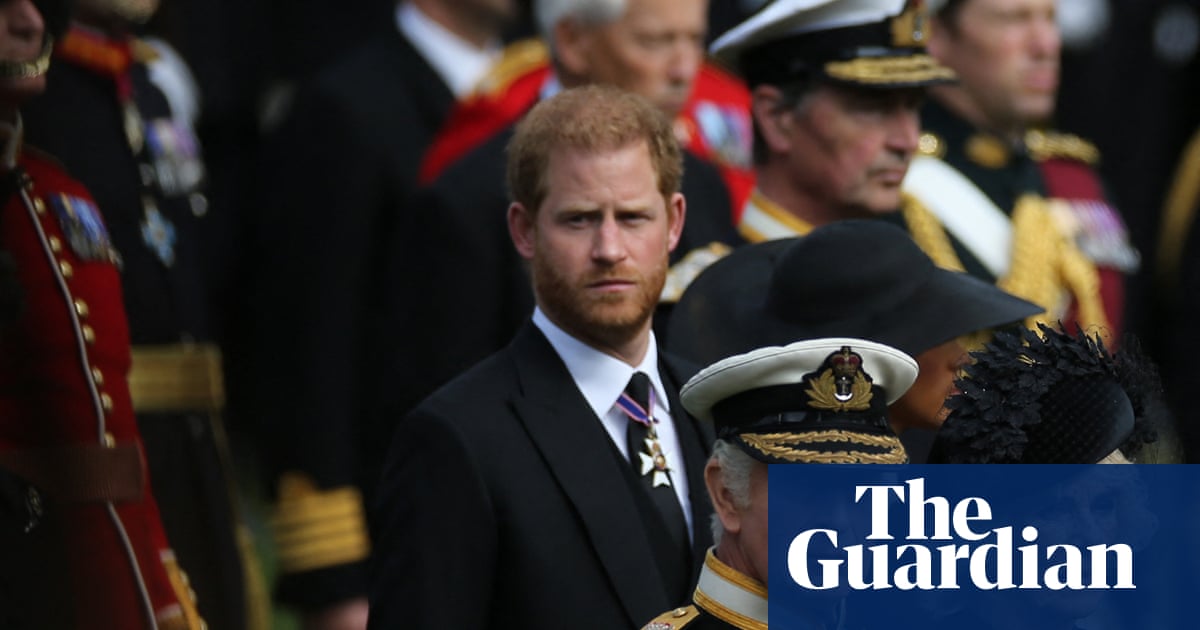
Prince Harry Blames ‘Sabotage’ for Rumors of Tension with King

Prince Harry recently made headlines with a rare personal move, suggesting a desire for reconciliation within the British royal family. His meeting with King Charles at Clarence House marks a significant shift after nearly two years of estrangement, reflecting broader themes of family dynamics amidst global scrutiny. The 54-minute private encounter, following Harry’s public expressions of willingness to reconcile, occurred amid ongoing media narratives designed to shape public perception. Harry’s emphasis on the sincerity of his intentions underscores the delicate balance of maintaining intimacy versus public image in a world obsessed with royal drama.

However, this gesture comes under an increasingly scrutinized lens, with media outlets such as The Sun and international analysts dissecting every detail. Harry’s response to reports about gifts exchanged during their meeting—correcting claims that a framed photograph contained images of him and Meghan—highlight the intense media warfare surrounding the royal “family feud”. While Harry’s spokesperson downplayed the significance of the private gifts, the media’s involvement demonstrates how the narrative of royal discord has become a geopolitical tool. As international observers analyze these internal conflicts, the impact extends beyond Britain, influencing perceptions of monarchy and stability across the Commonwealth and beyond.

This ongoing soap opera within the United Kingdom royal family unfolds against a backdrop of increasing geopolitical volatility. King Charles’ recent meetings with foreign leaders, including Anthony Albanese of Australia, exemplify his ongoing efforts to position the monarchy as a symbol of unity amid chaos. Yet, the internal fissures—exposed through Harry’s public statements and the media’s relentless reporting—undermine the royal family’s credibility and, by extension, the soft power they wield. Historians warn that such internal strife can weaken a nation’s diplomatic stature, especially when royal figures serve as international ambassadors. Consequently, domestic upheavals in Britain ripple outward, affecting diplomatic relations, global perceptions, and the space of influence that monarchies hold in a multipolar world.

In a rapidly shifting geopolitical landscape, the internal struggles of the British royal family serve as a mirror to the fragility of traditional institutions in an era of unprecedented change. As Harry’s attempt at reconciliation unfolds amid media frenzy, the international community watches with bated breath—aware that the tides of history are never static but constantly reshaping the power structures of nations. *How these personal dramas unfold will determine not only the future of the monarchy but also serve as a cautionary tale for societies grappling with the erosion of established symbols of authority.* Humanity stands at a crossroads, where familial betrayal and national prestige dance dangerously close, leaving us to wonder: will this chapter be remembered as the beginning of the monarchy’s decline or as an epilogue of resilience amidst chaos? The answers remain hidden in the unfolding pages of history.

Social Media Auto Publish Powered By : XYZScripts.com