Matox News

Truth Over Trends, always!

Chinese Tourists Skip Japan During Lunar New Year as Tensions Rise

The ongoing diplomatic tensions between Japan and China are unraveling not just regional stability, but also deeply affecting international economic and cultural exchanges. In the context of the broader U.S.-China rivalry and Beijing’s asserted influence in the Indo-Pacific, recent developments suggest a shift that could have long-lasting consequences for global diplomacy. The sharp decline in Chinese tourists visiting Japan, especially during the crucial Lunar New Year period, exemplifies how geopolitical conflicts directly influence societal interactions and economic interests—an observable trend noted by analysts at the International Crisis Group and historians specializing in East Asian geopolitics.

Since the end of last year, Japan’s tourist numbers from China have plummeted, nearly halving compared to previous years, with an estimated 60% decrease during major holiday seasons. This downturn is closely linked to diplomatic spats over Taiwan’s security—a matter Tokyo has publicly linked to potential military support if tensions escalate. Japanese Prime Minister Sanae Takaichi’s explicit remarks about deploying self-defense forces if China attempts to invade Taiwan have elicited angry responses from Beijing, including formal protests and accusations of militarist ambitions. Such exchanges underscore the dangerous escalation in rhetoric that echoes the darker chapters of East Asian history, prompting international observers to warn of the *risks of rekindling old hostilities*.

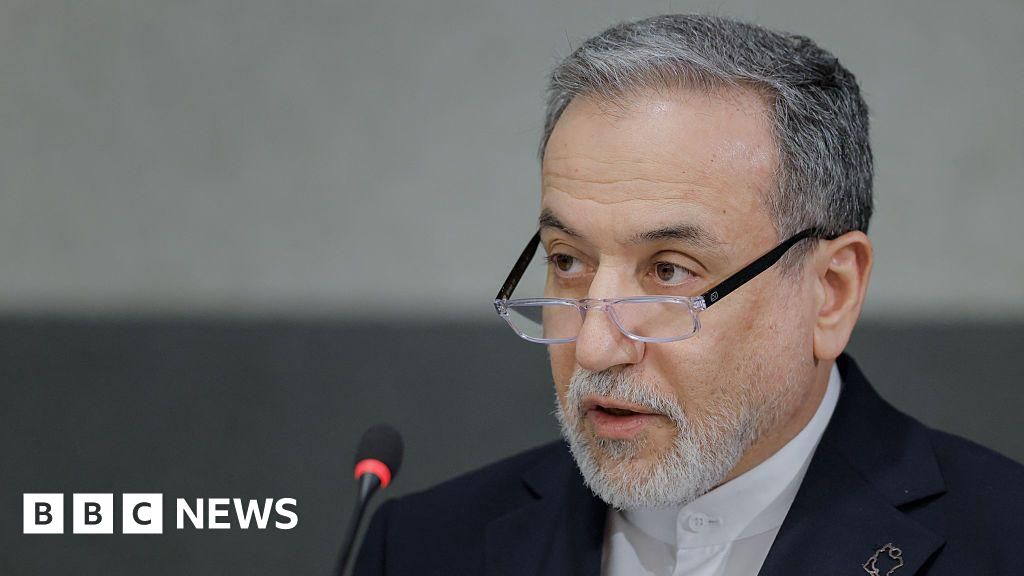
  • China’s Foreign Minister Wang Yi’s comments at the Munich Security Conference, accusing Japan of attempting to revive militarism and warning of “self-destruction” if Japan persists, exemplify the rising tensions.
  • China’s special representative on Korean affairs, Liu Xiaoming, further fueled fears of regional conflict by referencing Japan’s WWII past and related lessons from history, suggesting the country remains haunted by its militarist legacy.
  • The historic echoes of aggression—visually reinforced by Liu’s mention of Pearl Harbor—serve as stark reminders that the currents of history are never really past, only dormant, and that future conflicts could be a mere spark away.

In economic terms, this diplomatic war is starting to leave an imprint on the global travel scene. While **South Korea** is projected to become the primary destination for Chinese tourists during this travel surge, with an estimated 250,000 travelers—1.5 times the previous year—**Japan** is seeing its share fall sharply. The decline is not isolated; regional countries like **Thailand, Singapore, Vietnam**, and even **Russia** are benefitting from the pull of China’s outbound tourism. The geopolitical impact is clear—when diplomatic relations sour, cultural exchanges and economic benefits follow suit, threatening to reshape regional dynamics and economic interdependence.

The strained geopolitical landscape reveals the harrowing choice faced by many nations: balance national security with economic engagement. Japan has officially stated that its defensive upgrades are in response to an increasingly unstable security environment—not targeted at any specific nation. Yet, the accusations from Beijing and warnings from Chinese officials about dangers in Japan highlight how intertwined security policies and societal perceptions have become. Meanwhile, the international community is watching — with analysts noting that such rhetoric risks unleashing a spiral of mutual distrust that could fuel instability across East Asia’s strategic theater.

As history continues to unfold amidst the shadows cast by ancient conflicts and modern ambitions, the weight of decisions made today will resonate through generations. The world stands at a crossroads—whether this will be a chapter of renewed diplomacy or one of inevitable confrontation remains a question that will border on history’s greatest mysteries, with each step echoing in the corridors of power long after the last words are spoken. The future of East Asia is penned in these tense exchanges, as nations grapple with their legacies and their destinies—each move a stroke on the canvas of history, the final picture yet to be revealed.

Rubio: U.S. and Europe Still Strong Partners Amid Tensions

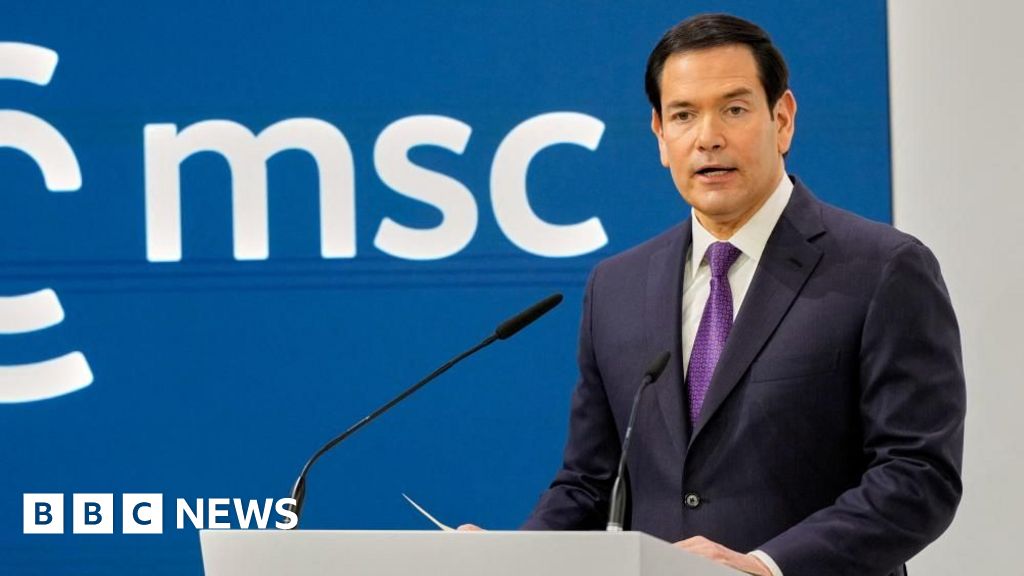
In a significant diplomatic move, U.S. Secretary of State Anthony Blinken recently delivered assurances to European leaders, affirming that the Trump administration’s policies do not signal a departure from the longstanding transatlantic alliance. This reassurance comes amid widespread global speculation about shifts under the recent U.S. presidential administration, prompting both alarm and cautious optimism among international analysts. As Europe grapples with an increasingly complex geopolitical landscape, the reaffirmation from Washington aims to solidify mutual commitments in an era marked by rising nationalism and fluctuating alliances.

Experts and historians have long emphasized the importance of the transatlantic alliance as a cornerstone of international stability, particularly through NATO’s enduring presence since its founding in 1949. Analysts such as Dr. Maria Sanchez, a prominent geopolitical scholar, highlight how U.S. policymakers often oscillate between engagement and retrenchment but ultimately recognize the alliance’s critical role in countering Russia’s geopolitical ambitions and maintaining leverage in global security matters. Nevertheless, recent statements from U.S. officials suggest an awareness that the post-Trump political landscape could still influence American foreign policy, which underscores the importance of diplomatic clarity to reassure allies on both sides of the Atlantic.

Furthermore, the European Union and NATO members remain deeply concerned about the potential for geopolitical disruptions stemming from internal American politics. Such fears were temporarily amplified by the tumultuous U.S. elections and policy shifts, prompting European leaders to question the durability of long-standing commitments. The U.S. Secretary of State’s recent comments serve as a strategic gesture to quell uncertainties, especially ahead of crucial NATO summits and European elections. The move also underscores the growing importance of the United States reaffirming its role as a reliable partner—a role that many analysts warn is indispensable in today’s unpredictable international order.

From a broader perspective, international organizations like NATO and the European Union are observing this diplomatic reassurance as a sign that Washington remains committed to a rules-based order and international stability. Yet, many experts warn that genuine trust will only be restored through consistent action and tangible policies, not just words. As some historians argue, the future of the transatlantic relationship hinges on a global environment increasingly defined by competitive powers such as China and Russia. The decisions made in Washington and Brussels today, therefore, carry the weight of history, potentially shaping the trajectory of global alliances for decades to come.

In an era where geopolitical tensions can escalate rapidly, the reaffirmation of alliance commitments remains a pivotal hinge in the balance of power. The world watches as leaders navigate the delicate dance of diplomacy, fully aware that today’s assurances could be tomorrow’s fragile diplomatic fabric. The ongoing unfolding of this story signals that, amid shifting allegiances and rising global threats, the question remains: How resilient are the pillars of the international order, and what price will societies pay when these pillars crack or falter? As history continues to write itself, the fate of the transatlantic alliance—an enduring symbol of Western strength and cooperation—stands at a crossroads, with its future writerly in the hands of those who hold the pen.

Japan Seizes Chinese Vessel in Bold Move Amid Rising Tensions with Beijing

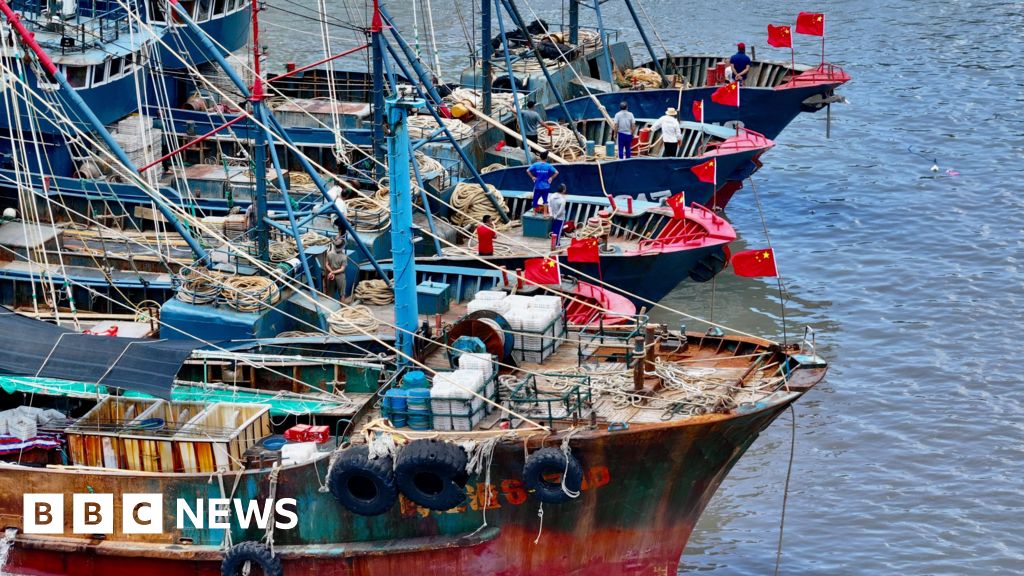
Recently, tensions in the East Asian maritime zone have soared following a provocative act by an unidentified fishing boat that attempted to evade Japanese authorities during a routine inspection inside Japan’s territorial waters. This incident, though seemingly isolated, underscores the growing geopolitical fragility in the region, with Tokyo asserting its resolve to uphold sovereignty amid rising regional disputes. As the fishing vessel made a conscious decision to flee rather than surrender, analysts warn that such acts are emblematic of deeper currents of maritime assertiveness and contestation.

The event has drawn widespread attention from international organizations and regional allies, highlighting the disputes over maritime boundaries that have become a flashpoint for broader geopolitical friction. Japan’s Coast Guard officials reported that the vessel refused to comply with inspection orders, initiating a chase that ultimately ended with the vessel’s capture. Experts note that this act of defiance carries implications far beyond a simple fishing infraction. It raises questions about illegal, unreported, and unregulated (IUU) fishing, which not only threatens Japan’s marine resources but also risks inflaming territorial disputes with neighboring nations, including China and the Republic of Korea.

Within the broader context, such incidents serve as a reminder of the disputed maritime claims that line the Indo-Pacific region and the strategic importance of controlling vital trade routes and natural resources. According to analysts from the International Maritime Organization, these acts of defiance could be precursors to more aggressive behavior, especially if regional powers see opportunities to assert dominance over competitive waters. The incident has also caught the attention of global entities like the United Nations, which stress the importance of adhering to international law, yet recognize that enforcement remains a challenge amid escalating regional nationalism. Historically, maritime conflicts have often served as flashpoints that escalate into broader confrontations, and many fear that unchecked provocations could destabilize the fragile peace established in East Asia since the end of the Cold War.

In response, Tokyo has reaffirmed its commitment to protecting its maritime sovereignty, emphasizing that “any unlawful act against Japan’s security interests will be met with firm measures.” However, critics argue that such incidents should serve as a wake-up call to the global community about the dangers of unresolved territorial disputes and the need for renewed diplomatic engagement. As regional powers like China continue to challenge established borders, the potential for miscalculation—and further confrontations—looms large. The incident, seemingly a minor fishing dispute, epitomizes a larger picture of an evolving geopolitical landscape where sovereignty and resources are battlegrounds frozen in time, yet fiercely contested beneath the surface.

As history continues to unfold on the tumultuous waters of the Pacific, the question remains: will regional diplomacy prevail, or will these aggressive acts ignite a conflict that reshapes international relations? With global nations watching closely and regional actors fortified in their claims, this incident is more than a fleeting maritime disturbance; it is a stark warning of the high stakes involved in controlling the seas—a struggle that could redefine the balance of power for generations to come. The pages of history are turning rapidly, and the world waits to see if diplomacy can quell the rising tide of maritime rivalry, or if the currents of conflict will drown the hopes of peaceful resolution.

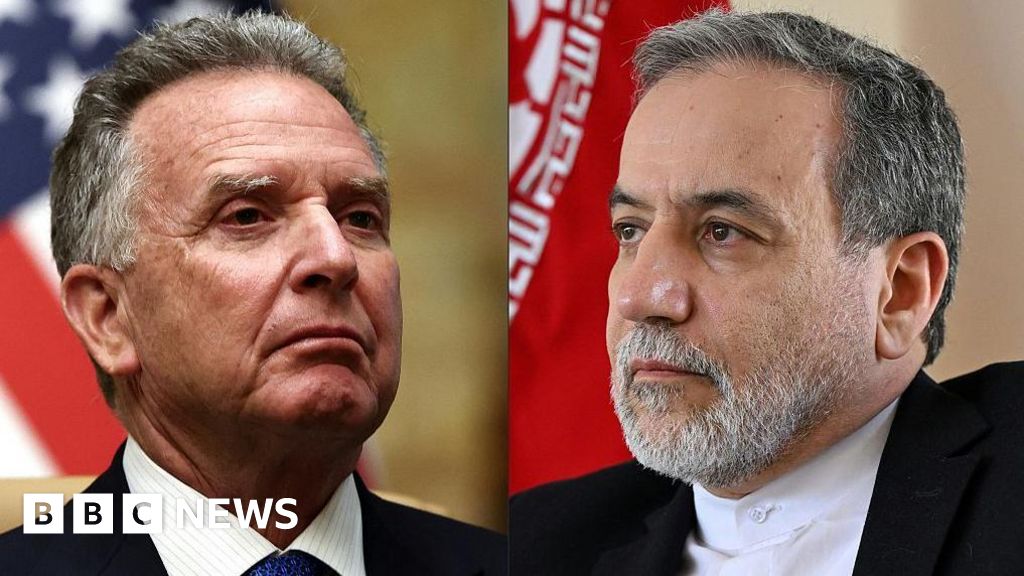
US-Iran Talks Restart Amid Rising Tensions and Fear of Fresh Clash

The United States has significantly enhanced its military presence throughout the Middle East following Iran’s recent crackdown on nationwide protests. This escalation underscores the enduring volatility in the region, where local unrest often intersects with broader global strategic calculations. The Biden administration, responding to both regional stability concerns and its commitments to its allies, has increased troop deployments and military assets into key locations across countries such as Iraq, Syria, and the Persian Gulf. This move is not merely a display of strength; it signals a recalibration of U.S. foreign policy amid intensifying geopolitical tensions.

Analysts and international observers view the heightened U.S. military activities as indicative of a broader pattern of American strategic realignment. With Iran’s persistent influence in regional conflicts and its ongoing nuclear ambitions, the United States aims to curtail Tehran’s sway and prevent what some describe as the emergence of a new Middle Eastern Cold War. Scholars from institutions like the Council on Foreign Relations warn that these military enhancements could increase the risk of inadvertent conflict, yet they also reflect America’s determination to assert its dominance in what remains one of the most volatile theaters of international politics. The recent protests, which have been violently suppressed by Iranian authorities, represent more than domestic discontent—they underscore how internal unrest can serve as a catalyst for regional shifts and external intervention. The U.S. perceives these upheavals as opportunities to bolster its strategic posture against Iran, which has steadfastly opposed American influence and supported proxies across the region.

The geopolitical impact of these U.S. actions extends well beyond regional borders. NATO allies in Europe, as well as emerging global power centers such as China and Russia, are watching keenly. The increased U.S. military footprint in the Middle East complicates diplomatic efforts, especially as Iran seeks to capitalize on perceived Western distractions to expand its regional influence and nuclear program. International organizations like the United Nations have issued cautious statements, urging restraint yet offering limited leverage amidst the strategic deadlock. We are witnessing a pivotal moment—one where the pathways to peace, stability, or further chaos are being tightly forged by the decisions of today.

Ultimately, the current Military buildup reflects a fundamental truth: history’s turning points are often marked by decisive, sometimes provocative actions with lasting consequences. A broad spectrum of voices—from seasoned historians to military analysts—underline that the Middle East remains a crucible of global power struggles. As the United States solidifies its military footprint and regional actors maneuver for advantage, the world bears witness to a relentless unfolding—a narrative of conflict, diplomacy, and resilience that will undoubtedly shape the course of the 21st century. The weight of history presses heavily on the horizon, reminding us that every intervention, every agreement, carries the potential to alter the destiny of nations—not just for today, but for generations to come.

Gaza’s Rafah Border Reopens for Select Travel Amid Tensions — What You Need to Know

Amid mounting international scrutiny, European Union officials and former diplomats are raising alarms over the ongoing humanitarian and legal crises in Gaza and the broader West Bank. A coalition of more than 400 former European top diplomats has called for intensified pressure on Israel, condemning what they describe as “excesses and unremitting violations of international law.” This unprecedented appeal underscores the deepening global concern about the conflict, as the bloc considers suspending or revisiting its strategic relations with Israel, including the engagement under the EU-Israel association agreement. The signatories, many of whom previously held senior diplomatic positions, are urging the EU to adopt a firm stance by initiating a “time-limited dialogue” with Israeli authorities, potentially including the suspension of agreements if Israel fails to respond constructively.

This diplomatic push comes at a time when the United Nations and human rights organizations warn of a dire reality on the ground. More than 500 Palestinians, including approximately 100 children, have been killed during Israeli military operations since last year’s ceasefire, according to Gaza’s health ministry. Heavy restrictions on humanitarian aid and ongoing Israeli settlement projects, particularly in East Jerusalem and the West Bank, threaten the viability of a two-state solution. Notably, Israel’s moves towards annexation and settlement expansion have drawn international condemnation, further complicating the prospects of peace and stability in the region. Critics argue that such policies not only violate international law but also bolster radical factions, which perpetuate cycles of violence and instability across the Middle East, with the global geopolitical landscape sharply affected as a result.

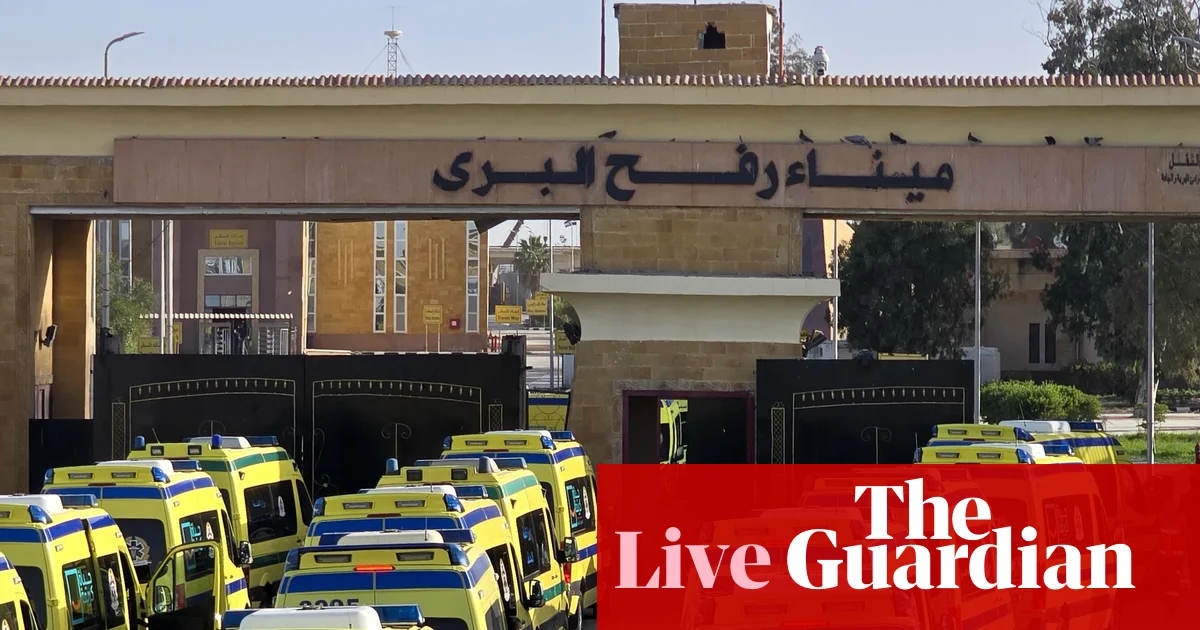
The recent reopening of the Rafah border crossing between Gaza and Egypt, after months of closure, symbolically marks a new but fragile chapter in the ongoing crisis. The limited movement of Palestinian civilians—just fifty people daily—mainly those in need of medical treatment, reflects the complex security calculus driven by Israeli and Egyptian authorities. Israeli officials stipulate that ongoing security checks will regulate crossing, and the process involves multi-layered screening. The Gaza health ministry reports approximately 20,000 patients, many of them wounded or ill, waiting to evacuate, emphasizing the persistent humanitarian catastrophe. This partial reopening, aligned with the US-led ceasefire efforts, comes amidst the deadliest Israeli airstrikes in months, which have resulted in the deaths of at least 30 Palestinians, including civilians sheltering in tent cities, highlighting the precariousness of peace prospects and the ongoing toll of conflict.

International organizations and analysts highlight how these strategic decisions and geopolitical maneuvers ripple through societies and influence global stability. The World Health Organization warns of worsening health conditions in Gaza, with rising cases of respiratory infections and hypothermia, exacerbated by the blockade and infrastructure destruction. Meanwhile, the International Criminal Court continues to investigate potential war crimes, including Israel’s conduct amidst accusations of a “genocide,” as a prominent UN human rights lawyer openly condemns Israeli policies — a stance that has led to sanctions and diplomatic fallout, especially from the US. The confluence of military action, diplomatic isolation, and international moral debates reveals a landscape of profound instability, where each decision echoes beyond borders. As the world watches, history’s ink continues to be written with every strike, treaty, and diplomatic reprimand—reminding all that peace in Gaza is not merely a local issue but a chapter in a larger story of justice, sovereignty, and international law that remains unfinished.

Trump warns UK: Don’t Prioritize China Over Our Alliance—Starmer’s Beijing Visit Sparks Tensions

Global Power Dynamics Shake as UK Navigates China and US Tensions

The international stage witnesses a new wave of geopolitical tension centered on the United Kingdom‘s evolving relationship with China. This shift, under the leadership of Sir Keir Starmer, reflects a nuanced attempt at forging a “more sophisticated” partnership with Beijing, diverging from the confrontational stance traditionally favored by Western allies. During his visit to Beijing, Starmer secured agreements that include visa-free travel for UK citizens and reduced tariffs on Scotch whisky—measures aimed at revitalizing trade ties with one of the world’s most influential powers.

However, this diplomatic overture has not gone unnoticed. Former US President Donald Trump swiftly condemned the move, warning that such dealings are “very dangerous.” His comments echo a broader concern among Western nations about China’s expanding geopolitical influence and its implications for national security and economic sovereignty. Trump’s high-profile criticism underscores a growing divide within the global community—where some nations prioritize pragmatic engagement, while others, led by figures like Trump and U.S. policymakers, advocate for a tougher stance against Beijing’s strategic maneuvers.

The geopolitical impact of these shifting alliances is profound. Scientists, historians, and analysts warn that the UK’s efforts to balance economic interests with cautious diplomacy could set a precedent for other nations caught between the strategic ambitions of China and the security concerns of the United States. The UK’s moves are linked to a larger wave of diplomatic realignment whereby countries may have to choose between deepening economic ties or adhering to a collective Western front aimed at counteracting China’s influence. The implications reach across societies, affecting everything from trade policies to immigration, forging a new terrain of international relations that will ultimately shape the fabric of global stability—or instability—for decades to come.

The diplomatic dance continues as Starmer prepares to meet with Sanae Takaichi in Tokyo, further signaling the UK’s strategic pivot towards key Asian allies. While the cost of these diplomatic shifts remains uncertain, what is clear is that history is once again carved by decisive, high-stake decisions that could redefine the balance of power. As nations grapple with whether to forge ahead or pull back from this complex web of alliances, the weight of history presses heavily, reminding the world that these negotiations are more than politics—they are the defining moments that will determine the future of global order.

Japan hands pandas back to China as U.S.-China tensions heat up

In a poignant sign of shifting geopolitical tides, Japan finds itself at a crossroads of tradition and rising international tensions. Thousands of spectators flocked to Tokyo’s Ueno Zoo to bid a heartfelt farewell to the country’s last two giant pandas, Xiao Xiao and Lei Lei. Their departure, scheduled for Tuesday back to China, marks the end of an era that began in 1972 when Japan and China normalized diplomatic relations. Over 108,000 people vied for one of the 4,400 slots to catch a final glimpse of the beloved bears, underscoring the pandas’ symbolic significance to Japanese society. For decades, pandas have served as a gentle diplomatic bridge, embodying China’s soft-power influence and fostering goodwill amidst geopolitical currents.

However, the moment is marred by increasingly hostile exchanges between Tokyo and Beijing. Recently, statements from Japanese Prime Minister Sanae Takaichi—warning that Tokyo might intervene militarily if China attacks Taiwan—have only exacerbated the already fragile diplomatic climate. This rhetoric signals a broader shift in Japan’s stance toward regional security and underscores the impact of recent political realignments. Since her comments, China has responded with heightened assertiveness, including restrictions on exports of critical rare earth elements that are vital to Japan’s tech sector. Analysts from institutions such as the International Institute for Strategic Studies (IISS) warn that these actions could escalate into broader conflicts, with East Asia edging closer to instability.

China’s strategy of loaning pandas abroad has long been a subtle but potent form of diplomacy. As China views these creatures as ambassadors of goodwill, it retains ownership of all pandas, demanding hefty annual fees—about $1 million per pair—and leveraging the creatures’ symbolic power to influence international ties. Historically, pandas have been exchanged during major diplomatic or trade negotiations, such as the 2011 loan to Edinburgh Zoo during a trade deal involving salmon, Land Rovers, and energy technology. Yet, with the recent deterioration of bilateral relations—fueled by China’s crackdown on exports and Tokyo’s hawkish rhetoric—the future of panda loans remains uncertain. Many experts suggest that the return of Xiao Xiao and Lei Lei signifies more than just a cultural departure; it highlights the fragility of international diplomacy and the mounting risks of conflict.

This unfolding saga underscores the deepening rift that threatens to redefine regional alliances and global stability. As nations grapple with their aspirations and fears, the farewell at Ueno Zoo embodies a broader warning: in an era where soft diplomacy is waning and hard power reasserts itself, the symbols of friendship and tradition risk being overshadowed by the darker shadows of geopolitical discord. History continues to be written with every decision—each move, a chapter in a story that may either forge peace or plunge the region into lasting turmoil. As the world watches, the cries of farewell echo in the halls of diplomacy, leaving behind a question of what future lies ahead—an era of unity or one of inevitable confrontation—and whether the lessons of history will be heeded before it’s too late.

Trump rolls out $12B farm aid as global trade tensions intensify

Global geopolitical shifts echo through America’s agricultural front

In what many analysts are calling a critical juncture for international stability and economic sovereignty, United States President Donald Trump has announced a substantial $12 billion aid package aimed directly at American farmers. This move comes amidst a backdrop of tense trade disputes and diplomatic confrontations, with impacts reverberating far beyond U.S. borders. The aid, primarily consisting of one-time payments, seeks to buffer the agricultural sector from the turbulent trade wars—chiefly with China—which have inflicted significant damage on key exports like soybeans, cotton, and grains. Historians now observe these developments as part of a broader strategy to protect domestic industries while asserting the country’s sovereign economic interests in the face of mounting international challenges.

Most notably, the trade war with China has reshaped the global agricultural landscape, with major importers like Beijing effectively halting massive purchases of American soybeans and other commodities. Despite Trump’s boast of a “bridge” for farmers to weather this storm, international organizations such as the World Trade Organization warn that such measures risk deepening the divides in a world economy increasingly characterized by protectionism. As economic analysts point out, market access for U.S. farmers remains precarious, compounded by a failure of the Chinese commitments made during high-level negotiations, which now seem more declarative than real. The geopolitical impact of these trade disruptions extends into diplomatic realms, threatening global supply chains and unsettling longstanding alliances.

The Water Rights Dispute with Mexico: A New Flashpoint

Adding to the mounting tensions, President Trump has lately threatened to impose a 5% tariff on Mexico—a nation long linked to the U.S. through historic treaties—over water rights disputes. The US accuses Mexico of violating an 80-year-old treaty that guarantees American access to water from the Rio Grande tributaries, a vital resource for agriculture in southern states. Such unilateral threats underscore a broader pattern of asserting American sovereignty and national interests; however, critics argue these actions risk destabilizing the regional balance and further fragmenting international cooperation on water and resource management.

Meanwhile, international legal and regional organizations monitor these developments with concern. The U.S.-Mexico water dispute exemplifies how resource competition, often driven by climate variability and demographic pressures, can escalate into diplomatic crises. For US farmers, this is not merely about water; it is a question of survival and control over their economic future. The geopolitical stakes are high—any escalation could have ripple effects, destabilizing agreements that have endured for generations and complicating future negotiations in an increasingly multipolar world.

Implications for Global Power Dynamics

As the Trump administration solidifies its stance, historians and geopolitical strategists observe an emerging pattern—the deliberate use of economic measures as tools of national assertion. America’s farming sector becomes a microcosm of the larger contest for supremacy, where trade, diplomacy, and resource control intersect. The aid packages and threats reveal a strategic attempt to bolster domestic resilience, but they also raise questions about how enduring such policies are in a swiftly shifting global landscape. As international institutions like the United Nations call for dialogue and cooperation, the US appears intent on forging a path defined by resilience through strength, rather than multilateral consensus.

In conclusion, the unfolding saga of trade wars, resource disputes, and economic aid illuminates the broader contest of power—one that will determine the future of sovereignty, global stability, and society’s resilience in an uncertain era. As history’s pages turn, the weight of this moment remains—an enduring testament to the enduring complexity of geopolitical ebb and flow, and the unyielding resolve of a nation striving to carve its own destiny amidst global storms. The question remains: will this chapter be a fleeting episode or the prologue to a new fragile equilibrium in the world order?

Tensions flare as Pakistan and Afghanistan clash again

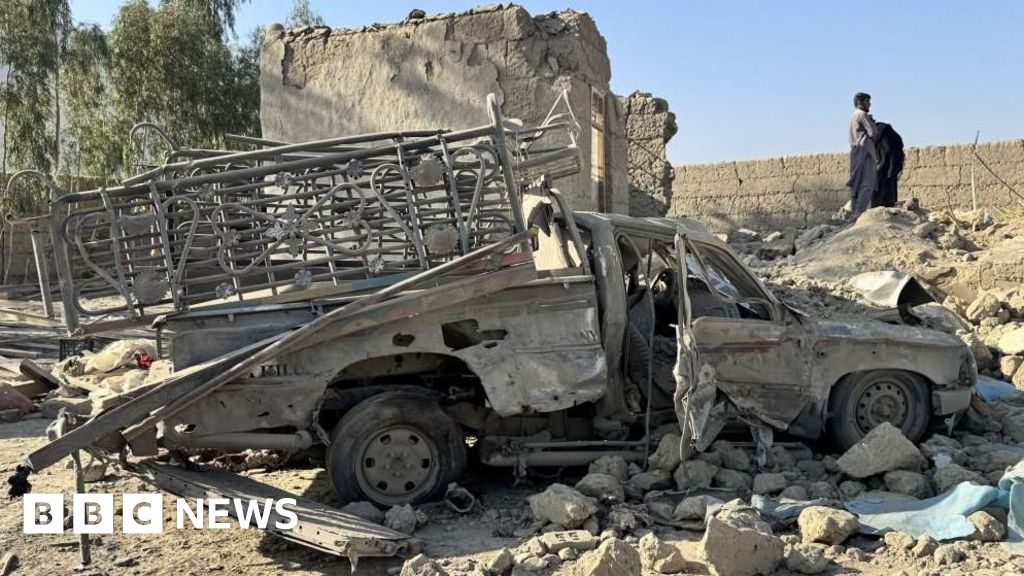
Recent border clashes between Pakistan and Afghanistan’s Taliban regime have once again underscored the fragile nature of peace in this volatile region. Despite international efforts to broker calm, hostilities erupted overnight along the nearly 1,600-mile frontier, resulting in casualties and mass civilian displacement. Both sides accused each other of initiating the confrontation, with sporadic fighting and accusations of air strikes igniting fears that longstanding tensions are reaching a boiling point. This flare-up highlights the complex interplay of security concerns, geopolitical interests, and deeply rooted mistrust that has persisted since the Taliban’s return to power in 2021.

The immediate aftermath saw residents fleeing in terror, with reports of mortar fire damaging civilian homes — a tragic reminder that regional conflicts often spill into innocent communities. Surgeons and aid workers describe a grim scene of the wounded arriving at hospitals, with at least four dead on the Afghan side and additional casualties reported across both nations. Analysts warn that these clashes threaten to undo recent diplomatic progress, casting doubt on prospects for a sustainable peace settlement sustained by mediators from Qatar, Turkey, and regional actors. Despite a ceasefire agreement inked less than two months prior, tensions flared anew, revealing how fleeting and fragile this diplomatic window has proven to be.

  • The Pakistan government accuses the Taliban of sheltering armed groups responsible for numerous attacks in Pakistan, cultivating a cycle of violence and suspicion.
  • The Taliban deny these accusations, asserting that Pakistan’s security failures and provocations are unprovoked and unjustified.
  • Both sides have engaged in repeated negotiations, including recent talks in Saudi Arabia, but a conclusive agreement remains elusive amid mutual accusations and geopolitical rivalries.

The geopolitical impact of these border conflicts extends well beyond Kabul and Islamabad. With international powers carefully watching shifts in influence, the ongoing violence complicates regional stability, especially considering the strategic interests of China, India, and the United States. Historians and global organizations warn of a potential escalation if unresolved grievances deepen, emphasizing the importance of balanced diplomacy and the dangers of allowing insurgency and militancy to flourish unchecked. As the world witnesses this tense chessboard, the future of centuries-old border lines—and the societies they divide—hangs in a delicate balance, their fates intertwined with decisions made in distant capital cities and hidden corridors of power.

Israel receives alleged coffin claimed to hold Gaza hostage's body—Hamas stirs tensions
Israel receives alleged coffin claimed to hold Gaza hostage’s body—Hamas stirs tensions

The ongoing crisis in Gaza has once again underscored the complex and deeply entwined web of geopolitical conflicts shaping the modern Middle East. Recent developments reveal a fragile détente coupled with profound human tragedy. Israel has indeed received a coffin via the Red Cross containing the remains of one of the last two Israeli hostages held in Gaza, as confirmed by the Israeli prime minister’s office. This exchange demonstrates both the humanitarian toll and the diplomatic jostling that define this latest chapter of the longstanding conflict. Notably, alongside the reported body, the Israeli authorities will transfer the remains to their National Institute of Forensic Medicine in Tel Aviv for identifications, an essential step in the ongoing negotiations and for future accountability.

Meanwhile, the Palestinian Islamic Jihad (PIJ) announced the discovery of a hostage’s body in northern Gaza hours prior to the handover, further complicating perceptions of progress and cooperation. The situation remains tense, with Israel accusing Hamas of intentionally delaying the return of the remaining bodies, while the latter claims the bodies are simply buried under rubble—highlighting the logistical and strategic struggles on both sides. The two identified victims—Ran Gvili, a 24-year-old Israeli police officer, and Suthisak Rintalak, a 43-year-old Thai agricultural worker—were killed during the attack on southern Israel on 7 October 2023, and their bodies were taken into Gaza’s chaos. This painful exchange exemplifies the wider human cost of the escalation, which has spurred international demand for a resolution that seems increasingly distant amid ongoing hostilities.

The broader US-brokered ceasefire initiated on 10 October aimed to secure the return of all hostage remains and those still held in Gaza, but progress has been slow. The initial agreement called for the release of 20 living Israeli hostages and the repatriation of 28 deceased Israeli and foreign nationals—a promise that, while partially fulfilled, has been overshadowed by delays and accusations. So far, 23 bodies of Israeli victims and three foreign hostages—Thai, Nepalese, and Tanzanian—have been recovered, but many remain unaccounted for. The exchange of bodies for Palestinian remains is a stark reminder of how fragile hope is in a conflict that has claimed over 70,100 lives, as reported by Hamas’s health ministry. Israel maintains that Hamas’s reluctance has bolstered accusations of deliberate obstruction, a claim that fuels the international community’s concerns and complicates efforts to advance President Donald Trump’s second phase Gaza peace plan, which includes governance reforms, troop withdrawals, and disarmament initiatives.

As the conflict inexorably shapes the geopolitical landscape, global powers and analysts are left to interpret the likely repercussions. The failures and delays in repatriations serve as a de facto reflection of the larger political deadlock—an impasse that threatens to ignite further instability in a region already marked by profound divisions. The ongoing tensions are not merely about the immediate humanitarian suffering but also about strategic influence, military power, and the ideological clash between forces vying for dominance in a crucial geopolitical corridor. This unresolved crisis continues to write itself into history, leaving a path of unresolved grievances and unhealed wounds for future generations. It is a poignant reminder that, amid the chaos and bloodshed, the weight of history remains heavy, its next chapters still unwritten but undeniably influenced by every decision made today.

Social Media Auto Publish Powered By : XYZScripts.com