Matox News

Truth Over Trends, always!

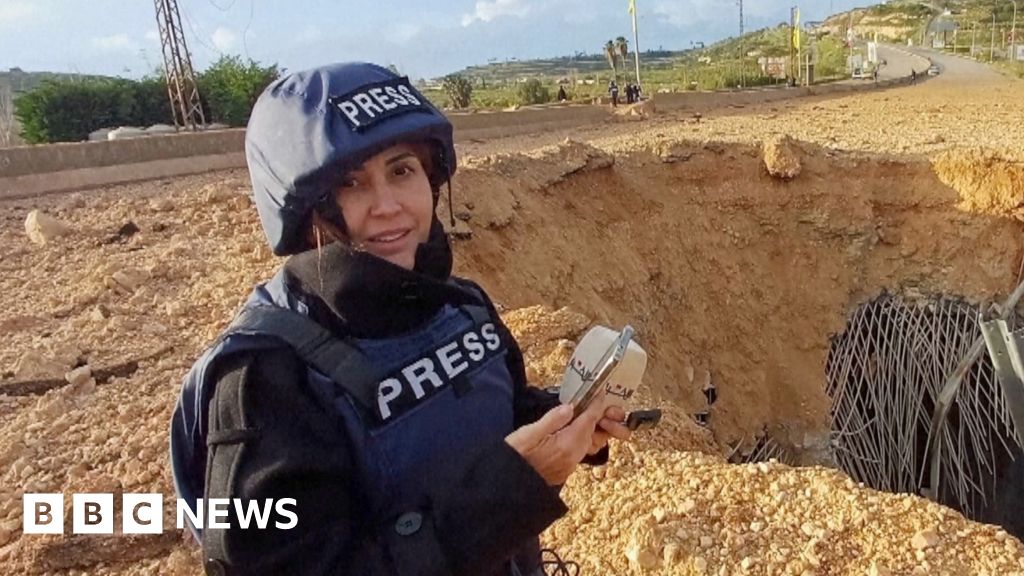
Lebanese Journalist Slain in Israeli Strikes Amid Heightened Tensions

In a significant declaration that underscores the ongoing volatility of the Middle East, Lebanese President Michel Aoun emphasized that safeguarding the nation’s sovereignty remains his paramount objective. Addressing both domestic and international audiences, Aoun articulated that Lebanese negotiators are committed to striving for a comprehensive resolution to the persistent regional conflicts impacting Lebanon. Central to this effort are demands for the cessation of Israeli military operations within Lebanese territory, the withdrawal of Israeli troops, and the urgent release of Lebanese prisoners currently held in Israel. Moreover, Aoun associated these goals with broader national security measures, including deploying Lebanese military units along the volatile border with Israel and initiating reconstruction efforts that aim to stabilize and rebuild war-ravaged regions.

This stance emerges amid heightened tensions and a shifting landscape of regional alliances that are shaping the geopolitical environment of Lebanon and its neighboring countries. The ongoing conflict, rooted in decades of unresolved disputes and intermittent hostilities, regularly draws international concern, notably from The United Nations and other global humanitarian organizations, which warn of the fragile stability of the Lebanese state. While Lebanese officials seek diplomatic avenues, historians and analysts caution that unresolved grievances and external influences threaten to ignite a broader conflict. The region’s history is replete with moments where diplomatic efforts have faltered, resulting in devastating wars and enduring instability.

The geopolitical impact of these developments extends well beyond Lebanon’s borders. As the Lebanese government emphasizes sovereignty and resistance to external threats, regional powers such as Iran and Israel continue to play pivotal roles. They influence outcomes through proxy conflicts, military aid, and covert operations that complicate efforts towards peace. International organizations have called for restraint, but with diplomatic negotiations often overshadowed by military posturing, the potential for escalation remains high. Analysts point out that any permanent resolution hinges on a delicate balance: concessions must be weighed against national sovereignty, security, and regional stability, all under the watchful eyes of global powers vying for influence in an unstable landscape.

As history unfolds, the world watches an intricate dance of diplomacy and power, where each decision leaves a profound mark. Lebanon’s fight for sovereignty is emblematic of a broader struggle—where the echoes of the past collide with the uncertainties of the future. The stakes are immense, not only for the Lebanese people but for the entire Middle East. With every diplomatic twist and turn, the question lingers: will peace finally take root, or are we doomed to repeat the conflicts that have, for generations, torn this region apart? The pages of history are still being written, and their impact will resonate for decades to come, shaping the fates of nations and defining the legacy of this volatile yet strategically vital region.

Middle East Tensions Rise: Iran Vows Retaliation as Ceasefire Fades and US-Israel Conflict Deepens

Middle East Crisis Deepens as Strategic Shifts and Geopolitical Power Plays Reshape the Region

In a move that signals intensifying instability, the Bahrain monarchy has ordered a review of citizenship status for individuals deemed threats to national security. Amid an ongoing crackdown on dissent, the assertion by Hamad bin Isa Al Khalifa that “those who have betrayed the nation or undermined its stability” are liable for citizenship stripping underscores the fragile balance of power in the Persian Gulf. Bahrain, a key U.S. ally hosting the Navy’s 5th Fleet, remains at the forefront of regional tensions, particularly as it faces persistent threats from Iranian military action. Analysts from the International Crisis Group warn that such internal crackdowns are likely to stoke further unrest, which could have disastrous geopolitical consequences for the stability of the broader Middle East.

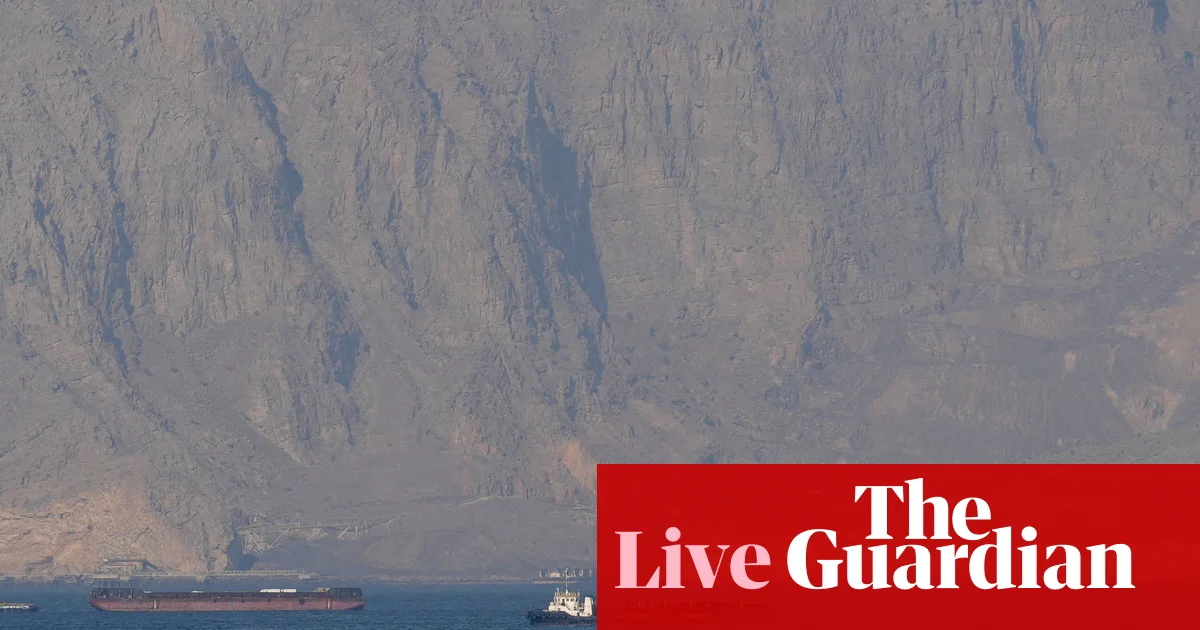
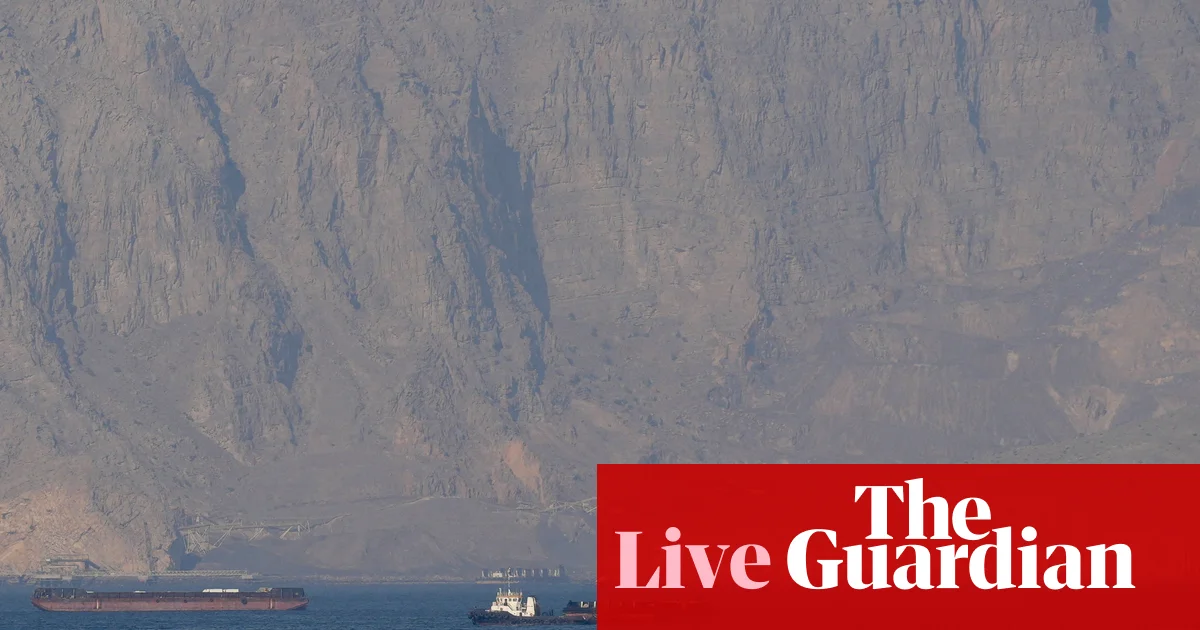
Meanwhile, the conflict escalates at sea and in the skies. The United States, firmly committed to maintaining its maritime dominance in the Strait of Hormuz, seized an Iranian cargo vessel attempting to bypass the naval blockade—an act sharply criticized by Tehran and viewed as a breach of the ceasefire agreement. The US military announced that several rounds of fire were directed at the Iranian-flagged ship, the Touska, highlighting the dangerous game of brinkmanship and the risk of open confrontation. The US administration’s aggressive stance, exemplified by threats from President Donald Trump to destroy Iran’s infrastructure if demands are not met, exemplifies a reckless approach that analysts argue heightens the risk of all-out war. Experts from RAND Corporation emphasize that the strategic objective appears centered on choking Iran’s access to vital maritime routes, a move with profound geopolitical impact that threatens to draw the entire region into chaos.

On the diplomatic front, prospects for a peaceful resolution appear bleak. Iran’s reluctance to participate in second-round negotiations with the US, citing Washington’s “excessive demands and ongoing naval blockade,” illustrates the deep mistrust that has come to define posturing in this crisis. Despite the Biden administration’s efforts to restart peace talks, Iran’s official stance signals an unwillingness to back down, raising fears of prolonged hostilities. The departure of US negotiators to Islamabad—led by Vice President JD Vance and including figures like Jared Kushner—demonstrates the clear intent to exert maximum pressure. The international community, including the United Nations, warns that such confrontational policies could undermine stability and destabilize vital energy markets, which are already volatile as oil prices surged nearly 7% amid fears of renewed conflict.

The Shadow of History and the Weight of the Present

Historians highlight that these developments serve as a stark reminder of how the choices made in these critical moments can shape the course of history. The region’s complex web of alliances, religious divides, and longstanding grievances underscores that a single misstep could ignite clashes on a scale unseen in generations. International organizations, such as the European Union, have expressed concern over the escalation, but their influence remains limited as power players assert their dominance. For nations across the globe, the unfolding saga in the Middle East is a portent of the chaos that could follow should diplomacy irrevocably fracture. A cautious observer might note that these events foreshadow a period where the weights of history threaten to tip into the storm of wider war, leaving the world spectators to ponder whether diplomacy’s flickering light can be sustained in this darkening theater.

As the clock ticks toward a potential breakdown of fragile ceasefires and diplomacy, the world witnesses an unfolding drama of power, betrayal, and strategic calculation. The decisions made today are not only shaping the immediate future but are also engraved into history’s vast ledger, with the weights of consequences still unmeasured and the shadows of conflict lengthening in the horizon. In this volatile crucible, the question remains: will cooler heads prevail or will regional powers and world superpowers ignite a conflict that reshapes history itself?

U.S. Seizes Iranian-Flagged Ship Amid Rising Tensions, Trump Calls for Strong Action

In a development that has captured global attention, Tehran has thus far remained silent regarding a recent incident whose details remain shrouded in mystery and geopolitical significance. This silence comes at a critical juncture as the United States prepares for a second round of diplomatic talks, aimed at de-escalating tensions and reviving diplomatic accords. As the world watches with cautious optimism and growing concern, analysts warn that this silence from Iran could presage tough negotiations ahead, with uncertain outcomes for regional stability and international diplomacy.

The incident, which occurred within a complex web of regional and global interests, highlights the fragile state of diplomatic relations between Washington and Tehran. High-level officials in the US have signaled a willingness to engage, yet recent developments reveal lingering mistrust and the risk of escalation. The United States is increasingly aware that its ability to secure a strategic realignment depends heavily on Iran’s next steps, particularly in light of ongoing concerns over Iran’s nuclear program and regional influence. Some analysts, including senior diplomats and geopolitical observers, have cautioned that this silence, combined with Iran’s recent actions, could signal either a calculated defiance or a prelude to genuine negotiations.

Historically, such moments serve as flashpoints that could redefine regional order. The United States, along with its allies, continues to view Iran’s nuclear ambitions as a paramount threat, fueling an array of economic sanctions and diplomatic isolations. Conversely, Iran perceives these measures as unjust pressure, advocating for national sovereignty and a strategic return to the international fold through negotiations. International organizations like the United Nations have called for restraint, but many experts emphasize that the real decision-makers are now navigating a labyrinth of trust, power, and strategic interests. The outcome of the upcoming talks could either propel peace or ignite further confrontation.

Assessments from international scholars, including historians specializing in Middle Eastern geopolitics, suggest that each step in this ongoing crisis is etched into the larger narrative of global power shifts. As US and Iranian officials prepare to meet again, the weight of history hangs heavily over the proceedings. The decisions made today may echo for generations, shaping a future where diplomacy either prevails or succumbs to the tides of war. With geopolitical stakes reaching new heights, the next chapter remains unwritten, yet undeniably decisive in the unfolding saga of 21st-century geopolitics.

As the international community braces for what could be a pivotal breakthrough—or a catastrophic breakdown—the path forward remains perilous and uncertain. The world holds its breath, aware that the future of peace in the Middle East and beyond hinges on these delicate negotiations. The pages of history continue to turn, each moment pregnant with the possibility of profound change or unthinkable conflict, as the weight of destiny presses heavily upon the shoulders of today’s leaders.

Iran: ‘Fundamental’ Issues Still Unsettled with US as Strait of Hormuz Tensions Escalate

Global Tensions Surge as Iran and the US Approach the Brink amid Strait of Hormuz Crisis

The Middle East has become a flashpoint once again, with escalating tensions revolving around the strategic Strait of Hormuz, a vital artery for global energy supplies. Recent developments reveal a complex web of diplomatic and military maneuvers as Iran and the United States inch closer to a potential eruption of conflict. Iranian negotiator Mohammad Bagher Ghalibaf acknowledged progress in talks with Washington but underscored the persistent gaps on nuclear issues and control of the Strait, a critical chokepoint through which roughly 20% of the world’s oil passes daily. He expressed cautious optimism, yet the underlying discord suggests a volatile standoff that could threaten stability across the globe.

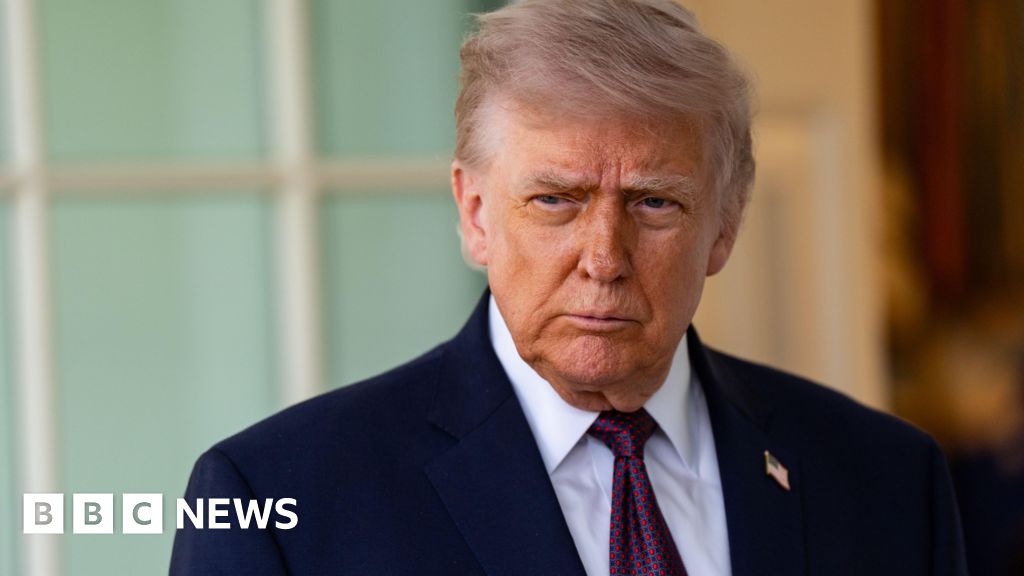
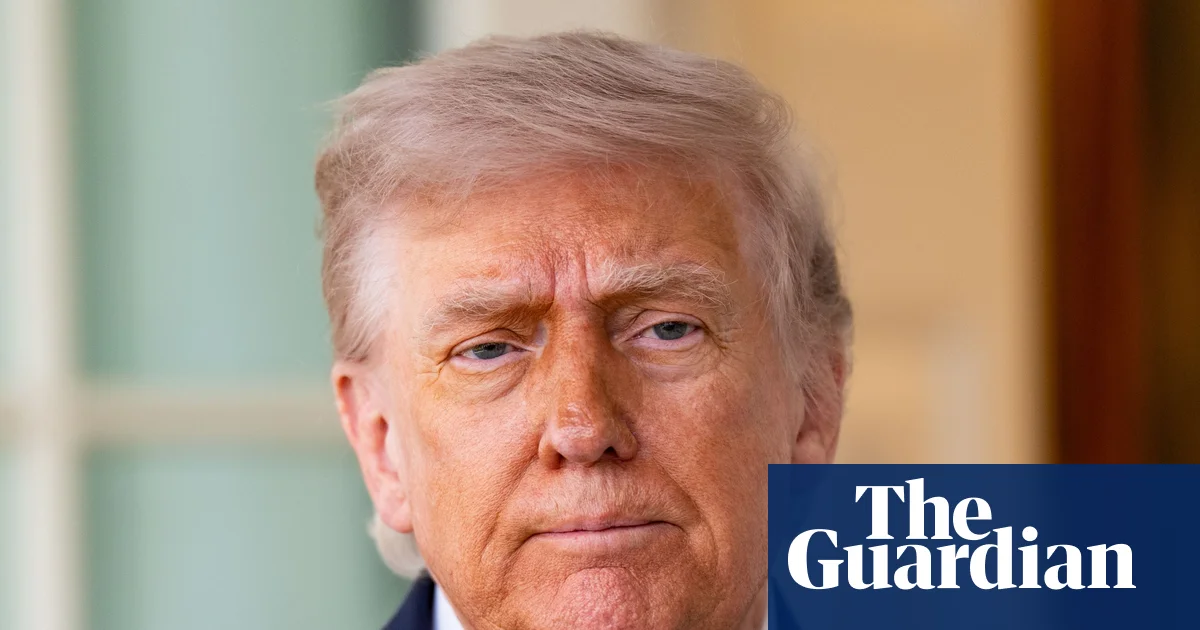
President Donald Trump publicly declared that the US was engaged in “very good conversations” with Tehran, but he also issued stark warnings against potential blackmail tactics over maritime routes. The US’s blockade of Iranian ports and its naval presence have fueled Iran’s reversal of the reopening of the Strait of Hormuz, reimposing restrictions that threaten to choke off global oil flows. On Saturday, Iran’s Khatam al-Anbiya military command announced it had reasserted control over the waterway, restoring the Strait to its “previous status” under strict military management. This move follows reports that Iranian Revolutionary Guard ships had fired upon a tanker attempting passage, with Indian-flagged vessels also targeted—a clear provocation with potentially far-reaching consequences.

Geopolitical Impact: A Powder Keg Ready to Ignite

Analysts and international security scholars warn that the escalation around the Strait of Hormuz is a turning point that could plunge the region into full-scale war absent a diplomatic breakthrough. The US convened a White House Situation Room meeting to evaluate the crisis, with senior officials warning that unless peace talks produce a significant agreement, a new conflict could erupt within days. The potential reopening of hostilities raises profound geopolitical questions about the future of global energy markets, regional stability, and the balance of power in the Middle East.

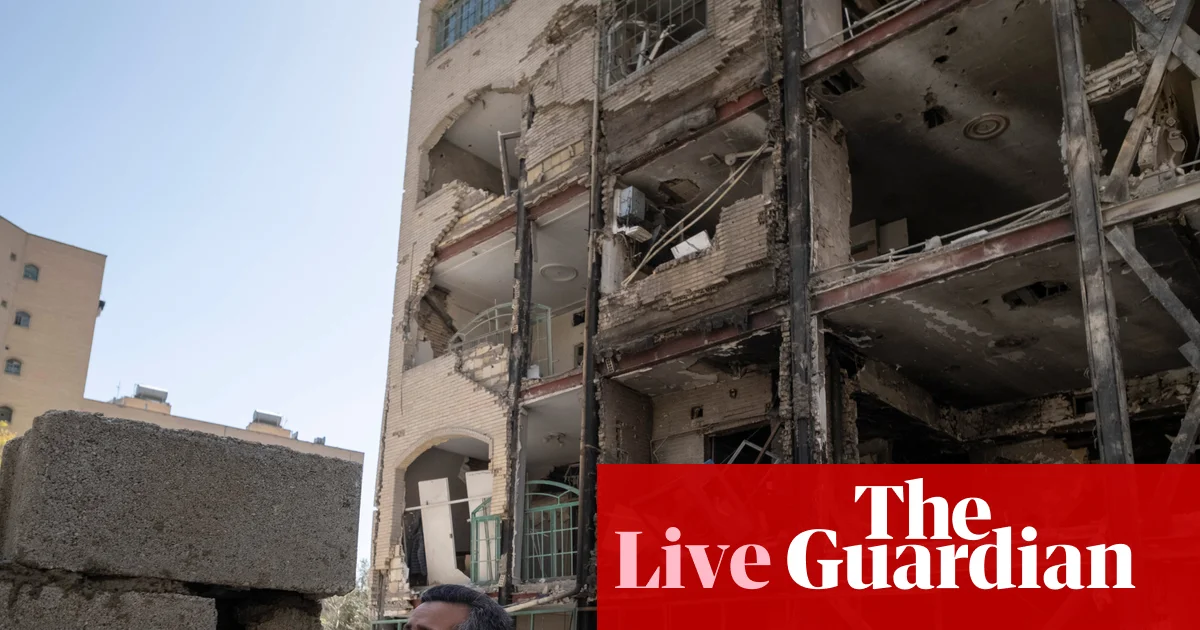
Meanwhile, regional actors such as Hezbollah have publicly denied involvement in recent deadly attacks against UN peacekeepers in southern Lebanon, efforts seemingly aimed at steering the broader conflict away from open regional war—yet the violence and military posturing suggest otherwise. Israeli forces have begun demolishing structures in border towns like Bint Jbeil, signaling a readiness to escalate border conflicts. Israeli military actions also extend into the Gaza Strip, where two UN-contracted drivers were killed, prompting a suspension of humanitarian aid operations. This sequence of provocations underscores how the crisis extends beyond Iran and the US, threatening to engulf Lebanon, Israel, and Palestinian territories in a broader regional upheaval.

How Decisions Shape Societies and Future History

The international landscape remains fragile, with diplomatic efforts hampered by mutual distrust and conflicting interests. Experts like geopolitical analyst John Bolton and organizations such as the United Nations warn of a possible “shadow war” burgeoning beneath the surface of diplomacy, with small military clashes potentially escalating into wider conflicts. The decision of President Trump to play golf amid this heightened crisis exemplifies a dissonance between leadership and the geopolitical urgency at hand—banner signals that the stability of oil markets and peace in the region hang in the balance.

As history continues to unfold, the way this crisis is resolved—or not—will determine the fate of millions caught in the crossfire. Will diplomatic patience prevail, or are we witnessing the initial moves toward yet another devastating regional war? The weight of history rests on current decisions, echoing lessons from conflicts past while forging pathways into an uncertain future. Global stability teeters on a knife’s edge, awaiting the next critical move that could reshape the geopolitical map for decades to come.

Middle East Tensions: US Claims Iran’s Economy Blocked, Trump Signals Talks Revival Amid US-Israel Pressure

In an era defined by shifting alliances and relentless strategic chess, the United States has escalated its stance against Iran with a sweeping naval blockade aimed at crippling the regime’s economic capacity. Ostensibly designed to pressure Iran back to the negotiating table by severing its oil revenues, this move has sent shockwaves through the global energy markets. Despite Iran’s resilience—exporting nearly 1.84 million barrels of oil daily—its ability to access vital shipping channels, especially via the Strait of Hormuz, has been severely constrained since early March. The blockade’s effect is profound: experts warn it could remove up to two million barrels of oil from the market each day, further tightening an already strained supply and destabilizing energy prices worldwide.

Amid the tumult, US military efforts to establish secure passage for non-Iranian vessels have been met with skepticism. The Pentagon claims that more than 20 ships have transited the Strait of Hormuz since the blockade’s inception; however, maritime analysts, including data firms like Kpler, report that actual traffic remains significantly below typical levels—just six vessels on the first day. Maritime historian Salvatore Mercogliano emphasizes the high commonality of operational risks in the region: “The operating environment remains high risk, limiting any meaningful recovery in flows.” The palpable uncertainty among shipowners underscores America’s strategic gamble: maintain maritime dominance while risking a broader economic backlash. Critics contend this brinkmanship could backfire, catalyzing a global recession if tensions escalate further.

The geopolitical ripple effects are unmistakable. President Biden, along with allies such as Britain and France, have convened in a series of diplomatic efforts aimed at safeguarding international shipping. Notably, the upcoming summit in Paris seeks to craft a mprehensive, multinational plan to reopen the Strait of Hormuz—a vital artery for global commerce. Meanwhile, in the Middle East, Lebanon and Israel continue fragile negotiations under the shadow of renewed conflict; Hezbollah launched rocket salvos at northern Israeli towns just hours after these talks commenced, highlighting the persistent volatility. Former analyst comments suggest these developments are not isolated but interconnected, embodying a broader regional struggle where proxy conflicts threaten to ignite a wider war—one with the potential to reshape alliances and influence the balance of power for decades to come.

Adding tangled layers to this geopolitical crisis, Pakistan‘s prime minister Shehbaz Sharif is engaging in diplomatic shuttle diplomacy, traveling to Saudi Arabia, Qatar, and Turkey this week to forge regional pacts and facilitate a possible resumption of Iran-US negotiations. The unfolding diplomatic dance hints at the persistent hope among regional leaders that dialogue, not conflict, will ultimately prevail. However, Trump’s recent comments—implying that a deal with Iran could be imminent and criticizing allies like Italy for perceived inaction—further complicate the landscape. As historians like Michael Eisenstadt warn, these transient flashes of diplomacy are often overshadowed by entrenched mistrust and strategic interests that resist easy resolution.

In the weight of history’s unfolding chapter, the world watches as these high-stakes maneuvers threaten to spiral into a global conflagration or, conversely, forge paths toward fragile peace. The outcomes hinge on decisions made in smoke-filled diplomatic rooms and across tumultuous seas. As the tug-of-war over the Strait of Hormuz intensifies, the international community stands at a crossroads, caught between the forces vying for dominance. In the shadows of these battles, the true aim remains elusive: can diplomacy overtake power, or will this era be remembered as the dawn of a new, darker chapter of global conflict?

US-Iran Peace Talks Possible Soon as Trump Warns of Tensions with Iran

Amid mounting global tensions and soaring energy prices, U.S. President Donald Trump has signaled the possibility of resuming peace negotiations with Iran in an unexpected diplomatic development. Trump’s recent remarks, suggesting that talks could resume in Islamabad within the next couple of days, mark a notable shift in the ongoing confrontation over Iran’s nuclear ambitions and regional influence. The U.S. leadership, wary of the economic fallout from the Strait of Hormuz closure—an essential corridor through which roughly 20% of the world’s oil transits—appears to be recalibrating its approach to avoid further destabilization.

Strategic analysts highlight the significance of Islamabad’s role as a mediator in this fragile geopolitical chess game. Field Marshal Asim Munir, Pakistan’s formidable army chief, has been praised by Trump for his “great job” in facilitating dialogue, reflecting Islamabad’s emerging prominence as a regional diplomat. This diplomatic effort is happening amidst a backdrop of economic anxiety—oiled prices surged above $100 per barrel following Iran’s shutdown of the strait. Though crude prices briefly dipped to nearly $95 amidst reports of renewed negotiations, the global economy remains perched on a precipice, waiting to see whether diplomacy can disarm the mounting crisis.

Complicating this delicate process is the intra-regional conflict erupting along the Lebanese border. Israel and Lebanon have entered into unprecedented negotiations in Washington, designed to address the ongoing conflict—a consequence of recent U.S.-Israeli strikes on Iran. Hezbollah, Iran’s key regional proxy, has openly declared it will not adhere to any agreements brokered by Israeli or Lebanese representatives, forcing international observers and regional powers to consider the possibility of a broader escalation. The atmosphere of distrust and defiance underscores how fragile any potential peace is, with the region teetering on the edge of further turmoil.

Meanwhile, the diplomatic sidelines are fraught with accusations over the negotiations’ sticking points. Reports reveal that U.S. Vice President JD Vance expressed skepticism about Iran’s willingness to make significant concessions, emphasizing that Tehran has yet to demonstrate the flexibility needed for a sustainable deal. Iran, on its part, remains steadfast, insisting it will not surrender its uranium enrichment program and demanding a shorter moratorium—less than ten years—rather than the U.S. demand for a 20-year suspension. Such divergence reveals the deep mistrust between the parties and the hardened positions that threaten to plunge the region back into conflict, despite informal talks hinting at possible détente.

Key external powers are also stepping into the fray, with senior officials from Saudi Arabia, Egypt, and Turkey attending consultations in Islamabad, seeking to influence the diplomatic process. As Prime Minister Shehbaz Sharif prepares to visit regional allies in a bid to garner support for peace initiatives and propose measures to reopen the Strait of Hormuz, the current diplomatic flux indicates that the future remains unpredictable. History warns us that each diplomatic blunder, each missed opportunity, could ignite a domino effect of chaos that redraws the Middle East’s landscape for generations to come.

As these perilous negotiations unfold under the shadow of regional and global interests, the fate of the Middle East hangs in the balance. The decisions taken in the coming days will shape not only the geopolitical contours of the region but also the everyday lives of millions caught in the crossfire. Whether diplomacy prevails or a new inferno ignites, the weight of history remains, watching silently as the world teeters ever closer to a defining moment—an epoch where the hopes of peace confront the reality of enduring conflict.

US and Iran meet in Islamabad as Pakistan pushes for peace — tensions rise amid US-Israel pressure

In an unprecedented turn of events, Iran and the United States have initiated direct peace negotiations in Islamabad, marking a historic moment since 1979 when diplomatic ties sharply severed. The talks, conducted under the aegis of Pakistan, aim to recalibrate decades of mutual hostility and regional instability. This diplomatic breakthrough was confirmed by both sides, with senior negotiators, including US Vice President JD Vance, and Iran’s parliamentary speaker Mohammad Bagher Ghalibaf, sitting at the same table for substantive discussions. The presence of Pakistani Army Chief Asim Munir underscores Islamabad’s pivotal role as a neutral mediator striving to foster dialogue amid ongoing regional conflict, notably in Lebanon.

  • The initial two-hour session focused on security, financial reparations, and the strategic importance of the Strait of Hormuz.
  • Iran’s demands included a ceasefire in Lebanon and unblocking frozen assets, while the US expressed outright skepticism about Iranian intentions, warning Tehran against manipulation.
  • Regional violence persisted outside the negotiations, with Israel’s military conducting extensive strikes on Hezbollah positions in southern Lebanon, killing ten overnight, amplifying the proxy war.

Despite optimism from Pakistani officials, who see the talks as a *glimmer of hope* amid regional chaos, questions remain about the ultimate viability of such negotiations. Analysts warn that how decisions are made now will significantly influence the geopolitical landscape. American and Israeli policymakers, emboldened by recent military successes—including the sinking of Iranian mines in the Gulf and the destruction of Hezbollah targets—are prepared to assert dominance over Tehran. President Donald Trump publicly declared that the US is “starting the process of clearing out the Strait of Hormuz,” with US navy assets repositioning to guarantee “freedom of navigation,” a move denounced by Iran as a provocative escalation.

Meanwhile, regional actors such as Israel and Hezbollah stand at the brink of a new phase of confrontation. Israel’s recent bombing of Lebanese targets and rocket exchanges signal an entrenched conflict that could unravel the fragile thread of diplomacy. Reports of a potential *U.S.-brokered* ceasefire between Lebanon and Israel remain tentative, as internal divisions deepen—especially with Hezbollah supporters rallying against diplomatic negotiations—highlighting the volatile intersection of local and global power struggles. Historians and analysts warn that flashpoints in Lebanon and the Gulf embody the broader contest for regional dominance, where every move has the potential to ignite a larger conflagration with catastrophic consequences.

As the world watches with bated breath, the unfolding chapters in the Iran-US saga may yet shape history’s verdict. Will these negotiations signal a genuine thaw or merely a pause in a relentless confrontation? With powerful regional players determined to shape the future on their terms, the next steps—regardless of diplomatic surface appearances—may seal the fate of an entire generation. In the shadows of these tense negotiations, the question remains: are we approaching a new era of peace, or are we merely witnessing the lull before a storm that could redefine the Middle East’s destiny for generations to come?

Irish police clear fuel protesters at oil refinery amid rising tensions

Recent demonstrations centered around rising costs have erupted across multiple regions, shedding light on the profound geopolitical impact of the escalating US-Israeli confrontation with Iran. As protests ripple through cities and highways, the broader consequences extend beyond mere discontent, signaling shifts in international stability and economic resilience. This unrest, driven significantly by economic pressures exacerbated by the ongoing conflict, reflects a society strained under the weight of war and the ripple effects of superpower diplomacy.

At the heart of recent upheaval are the sharp increases in fuel prices and commodities—an outcome of sanctions, tanker rerouting, and disrupted supply chains that have deepened economic vulnerabilities. Experts from the International Monetary Fund and geopolitical analysts argue that these economic disturbances are not isolated; instead, they are harbingers of a broader destabilization that could influence international alliances and power dynamics for years to come. Historian Dr. Jane Roberts warns that history teaches us conflict not only reshapes borders but also ripples through societal stability and civil order. The demonstrations highlight how local populations are affected by decisions made in distant capitals, underscoring the interconnectedness of modern geopolitics.

This surge in unrest coincides with heightened tensions between the United States, Israel, and Iran, where diplomatic efforts and military posturing are shaping a precarious global landscape. The recent military strikes and sanctions against Iran have sharply increased prices and supply uncertainties in global markets, fueling inflation and consumer distress. Countries across the Middle East and beyond face pressures to navigate these turbulent waters, with some analysts warning that any misstep could ignite a broader regional conflict. The United Nations warns that such instability undermines international peace efforts and feeds into anti-globalist sentiments worldwide.

Moreover, the geopolitical landscape is undergoing a profound transformation as alliances shift under the burden of war. Countries such as Russia remain watchful, evaluating how these conflicts open avenues for strategic gains or weaknesses. Decisions made now, including military support, sanctions, and diplomatic overtures, will reverberate long after the dust settles, shaping the post-war order and influence of global powers. International organizations, united in their pursuit of peace, continue to warn that escalation risks drawing a divided world into deeper chaos, with civilians caught in the crossfire.

As the protests continue to obstruct traffic and draw international attention, they serve as a stark reminder: the flow of history is unpredictable, yet often driven by moments of crisis. In the shadows of rising prices and unrest, the true test lies in whether nations can pursue stability amid upheaval or succumb to the chaos that war engenders. The world watches, holding its breath, as the tide of geopolitical currents carries us toward an uncertain future.

Lebanon demands ceasefire before any Israel talks, signs of upcoming tensions

In a recent development that echoes through the corridors of international diplomacy, Lebanonhas declared that it will only participate in peace talks with Israel if a ceasefire is firmly established beforehand. This conditional stance, articulated by a senior Lebanese official in an exclusive interview with the BBC, underscores the fragile state of regional stability and the complex web of alliances and animosities in the Middle East. This stance not only places Lebanon at a diplomatic crossroads but also signals a broader strategic calculation that could reshape regional stability for years to come.

The Middle East has long been a theater of geopolitical brinkmanship, where historical grievances, territorial disputes, and external influences intertwine. As tensions escalate in the wake of recent escalations—likely fueled by unresolved border issues, armed factions, and external actors—Lebanon’s decision reflects a strategic insistence on security guarantees before engaging in negotiations. Many analysts suggest that this move is not merely about immediate hostilities but signals Lebanon’s intention to leverage diplomatic standing in a larger regional conflict. Moreover, it emphasizes the importance of a comprehensive ceasefire as a precondition, positioning Lebanon as a country that refuses to be sidelined in fragile peace processes.

This stance resonates with international trends, as global institutions and major powers grapple with the unpredictable nature of Middle Eastern conflicts. Russiaand China have called for diplomatic solutions, yet the U.S. and European Union maintain that sustainable peace hinges on mutual recognition of security concerns. In this context, Lebanon’s conditional participation could be viewed as a strategic move to strengthen its negotiating position, highlighting how internal security and sovereignty are increasingly intertwined with international diplomacy. The decision also potentially influences neighboring countries, including Syria and Jordan, which are deeply affected by the regional unrest.

Historians and geopolitical analysts warn that the current developments could mark a pivotal turning point. Dr. Katherine Palmer, a senior researcher at the Global Security Institute, observed, “Lebanon’s firm stance reveals an emerging pattern where regional actors prioritize their sovereignty and security interests over piecemeal peace initiatives.” Meanwhile, the United Nations continues to call for restraint and renewed dialogue, though its influence appears increasingly limited amid mounting tensions. The global community’s ability to influence the trajectory of this conflict remains uncertain, with some experts fearing that unresolved grievances could ignite broader regional confrontations, dragging in external powers into a wider conflagration.

As the world watches while these negotiations and tensions unfold, the weight of history presses down upon every decision. The ongoing crisis in the Middle East is no longer just a localized conflict—it is a reflection of a shifting global order, where regional sovereignty, external influence, and ideological divides threaten to ignite a larger, more destructive war. This is a defining moment, where diplomacy is tested against the raw realities of power, and the destiny of nations hangs in the balance, awaiting the next chapter in this unfolding saga of geopolitics.

Middle East Tensions Rise: Red Cross Blasts Israeli Strikes as Lebanon Death Toll Soars; Iran at Crossroads

The Middle East stands at a perilous crossroads as recent developments in the ongoing conflict ripple across regional and global geopolitics. A fragile two-week ceasefire between the United States and Iran teeters on the edge of collapse amid escalations involving Israel and Lebanon. The escalation, notably Israel’s unprecedented bombardment of Lebanon which has reportedly killed at least 254 civilians, underscores the volatile and unpredictable nature of this conflict. Such actions have provoked international criticism, with UN Secretary-General Antonio Guterres warning of “a grave risk” to the region’s fragile peace, urging all parties to **immediately cease hostilities**.

<p>The stakes are further heightened as Iran threatens to **lock down the strategic <u>Strait of Hormuz</u>**, a crucial maritime chokepoint accounting for a significant portion of the world's oil trade. Tehran’s decision to announce alternative routes for ships amid fears of sea mines signals its willingness to weaponize control of vital waterways, a move that could plunge global energy markets into chaos. In tandem, Iran’s Revolutionary Guards have issued stern warnings, promising retaliation if Israel persists with its attacks on Lebanon. The escalating rhetoric indicates that regional tensions may snowball into a broader confrontation, threatening the stability of international trade and energy supplies.</p>

<p>Meanwhile, <strong>world leaders</strong> and international organizations are divided in their assessments of the conflict’s trajectory. <strong>French President Emmanuel Macron</strong> has called for the inclusion of Lebanon in negotiations, advocating for a broader ceasefire that encompasses all conflict zones. Yet, the <strong>Trump administration</strong> has clarified that Lebanon is **not** part of their negotiated ceasefire, with US officials stating there might have been misunderstandings on Iran’s part concerning the scope of agreements. This divergence underscores the fractured messaging and underlying geopolitical rivalries shaping the crisis. Notably, <strong>Israel’s Prime Minister Benjamin Netanyahu</strong> remains steadfast in his resolve to confront Iran, emphasizing that Israel’s military operations aim at **disarming Hezbollah** – a move viewed with suspicion by analysts as a flashpoint that could ignite further regional violence.</p>

<p>As diplomatic talks in <strong>Pakistan</strong> loom, the international community’s response reflects a broader contest for influence. <strong>Australian Prime Minister Anthony Albanese</strong> has urged Israel to cease its attacks, emphasizing the importance of **preserving regional peace**, while <strong>Sir Keir Starmer</strong> is actively engaging Middle Eastern allies to give “confidence” to maritime shipping passing through the **Strait of Hormuz**. The interconnectedness of these events reveals how decisions made in backrooms impact societies across continents, with the potential to either usher in a period of diplomacy or plunge the region into outright war.</p>

<p>This ongoing crisis exposes a fundamental truth: global stability is inherently intertwined with the actions of major powers and regional actors alike. Historians and analysts warn that the consequences of current policies could echo for generations, either forging pathways toward peace or cementing cycles of violence. As oil prices surge and stock markets wobble, the world watches with bated breath, recognizing that **the direction in which this conflict unfolds will fundamentally shape the geopolitical landscape for decades to come**. The shadow of history stretches long over these moments—mandating vigilance, conviction, and the unwavering pursuit of a sustainable resolution amidst the chaos.</p>
Social Media Auto Publish Powered By : XYZScripts.com