Matox News

Truth Over Trends, always!

Stephen Colbert Calls Kristi Noem a ‘Domestic Terrorist’ Deserving Gitmo—Late-Night TV Roundup

In the landscape of modern politics and media, the lines between spectacle and substance have blurred, yet beneath this facade lies a profound truth: culture remains the bedrock of identity, tradition, and societal cohesion. The recent upheavals within the American political scene, characterized by high-profile firings, ideological clashes, and media-fueled theatrics, serve as a stark reminder that the narrative we craft around our cultural symbols shapes our collective consciousness. When a figure like Kristi Noem is dismissed and replaced with theatrical fanfare, it underscores a deeper shift—a battle over what our culture signifies, who holds authority over its meaning, and how that meaning guides our societal trajectory.

The spectacle surrounding Noem’s departure, amplified by late-night monologues, reveals more than mere political rivalry: it exemplifies how culture acts as both memory and prophecy. Observers like Ortega y Gasset argued that a society’s vitality hinges upon its cultural self-understanding, a reflection of its roots and aspirations. Today, this struggle is evident in the caricatures and satire that fill our media, where figures are transformed into symbols—be it the hapless ICE agents slipping on ice or politicians dressed as fictional characters—highlighting our cultural obsession with spectacle. Such exaggerations serve a purpose: they remind us that culture is the soul’s language of continuity and change, always echoing the past while whispering future possibilities.

The cultural clash is also manifest in ideological battles over America’s role in a shifting global order, particularly concerning the Iran conflict and the manipulative narratives spun by political elites. As Chesterton once observed, “the test of a truly great culture is its ability to preserve tradition while embracing renewal.” The current discourse reveals a tension: do we honor our foundations—moral and historical—or do we allow populist spectacle and disinformation to erode the societal fabric? Historian Alexis de Tocqueville warned that democratic societies risk losing their identity when they abandon the moral and cultural moorings that give their liberty form and purpose. The media’s role in amplifying chaos thus acts as a double-edged sword—either reinforcing tradition or tearing it apart in a maelstrom of sound and fury.

In this cultural battleground, the importance of understanding our shared histories and moral foundations cannot be overstated. As S.T. Eliot famously argued, “The memory, of course, is neither history nor tradition but the ‘living presence’ of all that has been entrusted to our care.” Culture feeds into our sense of who we are—and, more importantly, who we might yet become. Every act of satire, every political upheaval, and every spectacle serves as a reminder: humanity’s story is both a memory that anchors us and a prophecy that beckons us forward. And it is in the continual dialogue between remembrance and aspiration that society finds its resilience, its meaning, and its hope for the future.
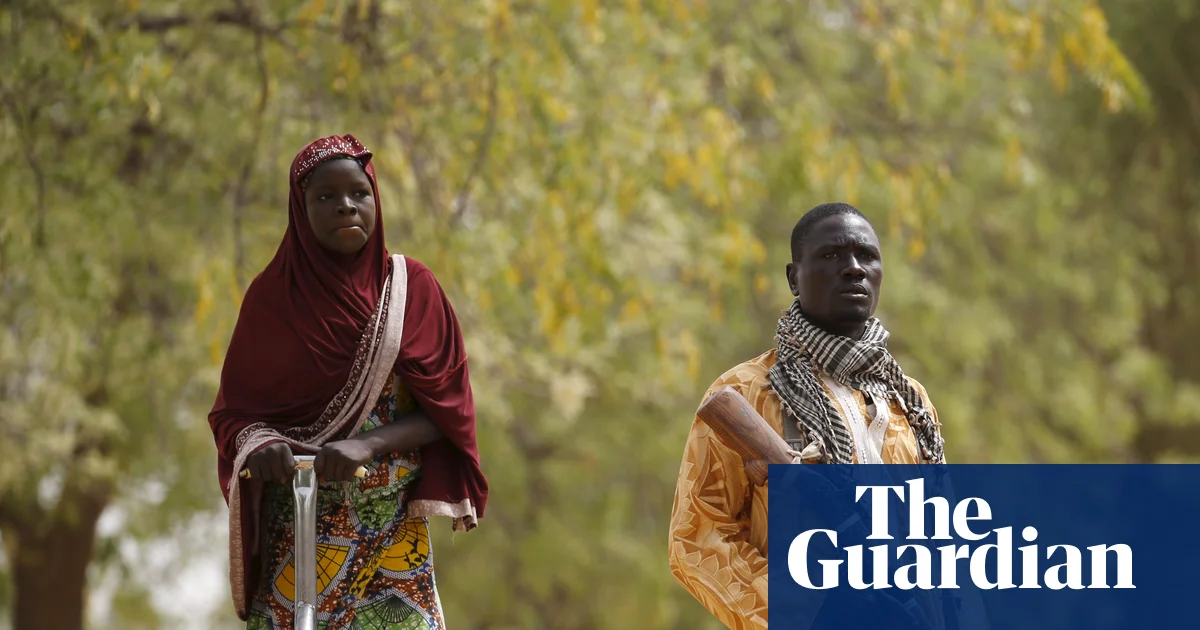
Clashes in Nigeria’s northeast leave around 200 dead in violent terrorist skirmish

The ongoing insurgency in Nigeria has entered a new and dangerous chapter, with recent clashes between rival jihadist factions causing significant loss of life and further destabilizing the fragile region. Reports indicate that as many as 200 terrorists were killed in a fierce confrontation between Boko Haram and Islamic State West Africa Province (ISWAP) in the village of Dogon Chiku, situated along the shores of Lake Chad. This area—at the crossroads of Nigeria, Niger, Chad, and Cameroon—has long been a battleground for non-state actors vying for control over territory, influence, and economic resources.

Over the years, Lake Chad’s receding waters—having shrunk over 90% since the 1960s—have fundamentally altered the power dynamics in the region. As land routes and operational zones open up amid the shrinking shoreline, jihadist groups like Boko Haram and ISWAP are engaged in a relentless struggle for dominance. Analysts warn that this violent turf war isn’t just about local control; it reflects a broader competition for regional influence, with the potential to destabilize the Sahel and undermine fragile state institutions. The recent clash indicates a shift in the ongoing power struggle, with potentially the deadliest confrontation yet. Experts such as military analysts and international entities observe that ISWAP, once considered the more resourceful and organized faction, now faces serious setbacks amidst Boko Haram’s persistent efforts to maintain control of the Lake Chad basin.

  • The conflict has seen frequent raids and skirmishes, with the latest fighting reportedly resulting in one of the highest death tolls for ISWAP, including the loss of several boats used in the attack. The Nigerian vigilante Babakura Kolo confirmed that approximately 200 ISWAP terrorists were killed, highlighting the brutal nature of the engagement. Such clashes typify a brutal fight for territory where economic interests—such as taxing fishers, loggers, and herders—are intertwined with ideological and political motives.
  • It also signals an intensification of intra-jihadist rivalry, echoing broader trends observed by analysts and even some international organizations. The UN Environment Programme has documented how the environmental degradation of Lake Chad fuels conflicts, as the environmental crisis exacerbates scarcity, forcing groups into violent competition over diminishing resources.
  • Historically, these factions emerged from splits within Boko Haram, a group that, since the death of its founder Mohammed Yusuf in 2009, has inflicted immense suffering on Nigeria’s largely Muslim north-east, including the abduction of schoolgirls and attacks on civilian populations. The death of Abubakar Shekau, Boko Haram’s notorious leader, marked a turning point, but violence persists as factions continue to vie for influence. Recent operations, including Boko Haram’s raids on ISWAP bases, demonstrate the volatile state of affairs, with scores of fighters killed on both sides.

The geopolitical impact of this intra-jihadist struggle extends beyond Nigeria’s borders, echoing across the Sahel region and drawing concern from international actors. Governments and organizations warn that this chaos could serve as a catalyst for broader instability, fostering radicalization and inspiring other militant groups nearby. The United Nations, though primarily focused on humanitarian aid, recognizes that these conflicts threaten regional security and economic development. As countries grapple with the ramifications, the ongoing clashes serve as a stark reminder of how environmental decline, weak governance, and the appeal of extremist ideology converge to create a tinderbox that threatens to ignite a much larger conflagration. In this moment, history bears witness to the fierce struggle for control—one that could determine the trajectory of security and stability in Africa for decades to come.

Social Media Auto Publish Powered By : XYZScripts.com