
Tesla Accelerates Urban Mobility Disruption with Robotaxi Expansion into Texas Markets
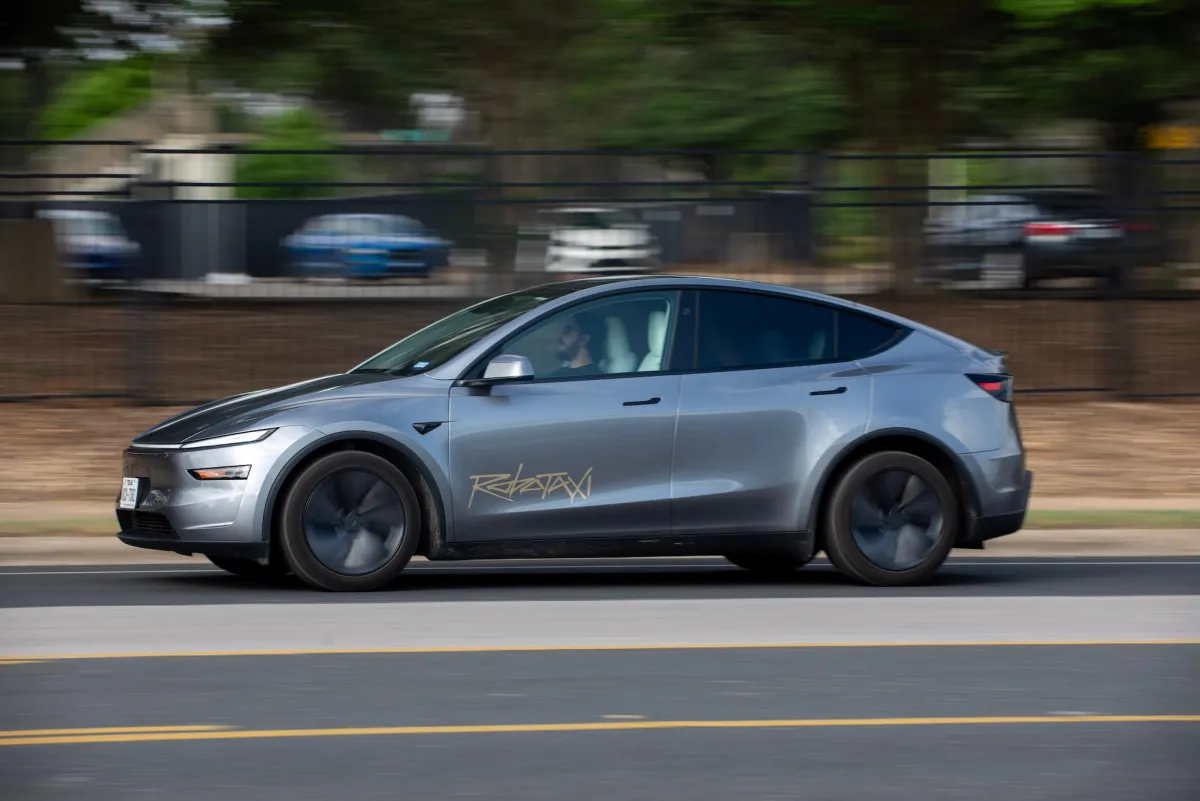
In a bold move demonstrating technology innovation and industry disruption, Tesla has extended its autonomous robotaxi service to the major Texas cities of Dallas and Houston. Announced via a concise social media post, the deployment features Tesla vehicles operating without human monitors or drivers, marking a significant milestone in autonomous vehicle deployment. This move signals Tesla’s continued push toward transforming urban transportation ecosystems, building upon earlier successes in Austin and the Bay Area.
The company’s expansion illustrates an evolving industry landscape where traditional ride-hailing models face revolutionary competition. Tesla, leveraging its proprietary Full Self-Driving (FSD) software and extensive data collection, is positioning itself to compete directly with legacy mobility giants like Uber and Lyft. Unlike the conventional ride-sharing approach, Tesla’s driverless fleet represents a new paradigm—disruptive, scalable, and potentially more profitable—potentially radically lowering urban transit costs while increasing safety and efficiency. Industry analysts from Gartner and MIT emphasize that Tesla’s persistence in this field could accelerate the industry-wide shift toward autonomous urban mobility, fundamentally altering how cities manage transportation infrastructure.
Implications for Business Models and Industry Standards
The deployment of Tesla’s robotaxis in multiple Texas markets emphasizes business model innovation. By aiming for a market saturation where robotaxis could work alongside or replace traditional taxis, Tesla is not only creating a new revenue stream but also setting the stage for a disruption of urban transit regulations. The company’s move into Dallas and Houston, after launching in Austin last year, highlights strategic geographical targeting—leveraging regional regulatory environments that might be more receptive to new mobility paradigms. However, recent reports indicate that Tesla’s fleet in these markets remains sparse—only a single vehicle in each city, according to crowdsourced data from Robotaxi Tracker—highlighting the challenges of scaling autonomous fleets quickly and safely.
Narrow deployment and ongoing safety concerns, with 14 reported crashes since Austin’s launch, reveal the resilience and prudence needed for widespread adoption. Despite these hurdles, Tesla is pushing ahead with permitting efforts to expand service to associated markets, including limited ride-hailing services in the San Francisco Bay Area. The strategic focus on urban centers with high ride demand and evolving regulatory frameworks demonstrates Tesla’s commitment to positioning itself as a dominant disruptor in this space. Industry leaders and analysts warn that the real challenge for Tesla lies not only in technology but in navigating policy landscapes, customer acceptance, and safety standards commensurate with autonomous operation.
Future Outlook: Ride-Hailing, Safety, and Market Disruption
As Tesla’s robotaxi operations grow in scope, industry observers anticipate a profound transformation of urban transportation over the next decade. With innovation accelerating at a pace driven by industry titans like Elon Musk and supported by MIT research initiatives, the trajectory suggests autonomy will soon become an indispensable component of mobility infrastructure. Disruption in this industry, while promising enormous benefits, demands unwavering focus on safety, regulatory compliance, and customer trust. Tesla’s expansion points to an urgent imperative for existing players to innovate or risk obsolescence—if they haven’t already.
Ultimately, the success or failure of Tesla’s autonomous mobility initiatives will shape the future of transportation, making it more accessible, safer, and more efficient. What remains clear is that technological innovation is no longer linear but exponentially disruptive—an era where those first to adapt and innovate will dominate the cities of tomorrow. Stakeholders across industries must heed this rapid evolution—because in the race for autonomous mobility, only the agile survive and thrive in the unfolding future.