Matox News

Truth Over Trends, always!

The Future of Safe Sex: At-Home STI Tests — What Young Tech Users Need to Know in 2026

Emerging Disruption in Healthcare: The Rise of At-Home STD Testing

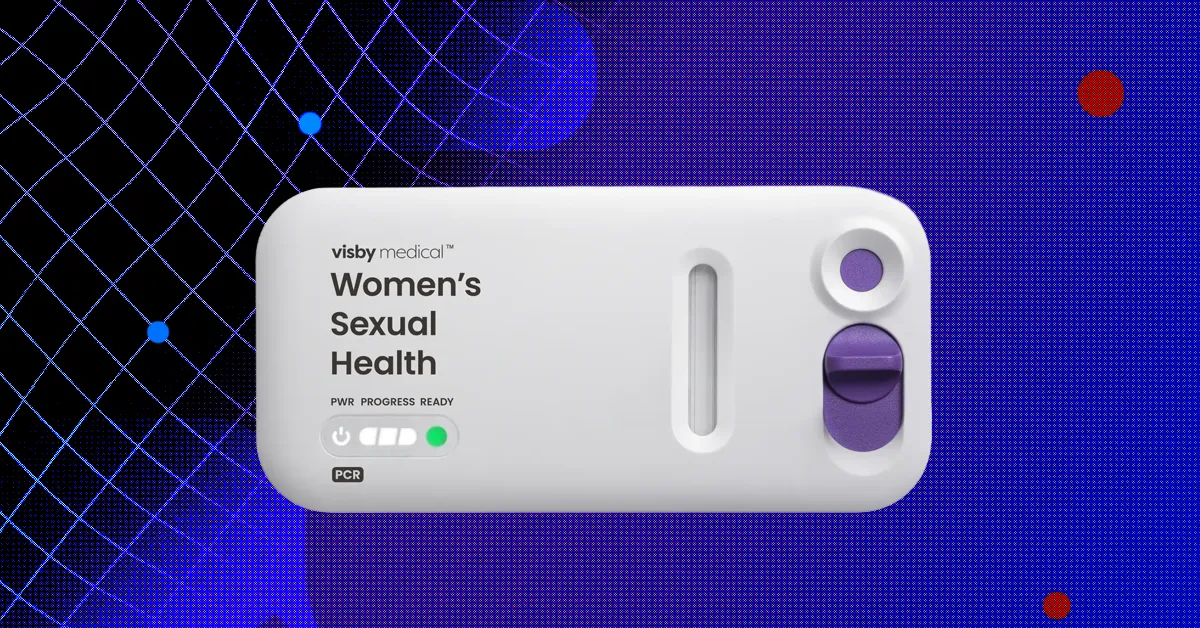
The healthcare industry is witnessing a significant wave of innovation as **at-home STD testing kits** disrupt traditional diagnostic models. Driven by advancements in biotech and the proliferation of telemedicine, this market shift offers consumers increased accessibility, privacy, and autonomy in managing their sexual health. Devices from **leading companies** leverage cutting-edge lab analysis techniques, including rapid molecular diagnostics, to deliver results directly to users without the need for clinical visits. This transition exemplifies the broader trend of *decentralization* in healthcare, empowering consumers to take health matters into their own hands.

Market analysts, such as those at **Gartner** and **MIT**, highlight the transformational potential of these home testing solutions. **Innovation** here is characterized not merely by convenience but by the disruption of stenotic *industry entry points*, challenging longstanding health service providers and reshaping the healthcare value chain. The core features of successful kits include:

  • High accuracy through advanced molecular assays
  • Ease of use with user-friendly instructions
  • Privacy-enhancing packaging and discreet shipping options
  • Immediate digital reporting systems that connect users with healthcare professionals if needed

However, this disruption is not without hurdles. Experts such as **Dr. Gary Schoolnik** caution that **sample collection accuracy** remains a crucial concern, as a technical failure can lead to **false negatives**, potentially delaying critical treatment and impacting public health outcomes. Additionally, many at-home tests are designed as initial screening tools, with positive results often necessitating confirmatory procedures at healthcare facilities. Market shifts toward remote diagnostics are increasingly raising questions about the *regulation* and *standardization* of these kits, prompting calls from policymakers and industry leaders for more stringent oversight.

Beyond technological challenges, *behavioral and social dynamics* influence the reception and efficacy of at-home testing. The persistent **stigma** surrounding STIs remains a barrier to widespread adoption, particularly among youth demographics. On the business side, companies investing heavily in **digital health ecosystems** are incentivized by emerging trends like *personalized health data* and *preventive care*. These developments promise to disrupt the traditional reactive healthcare model, fueling competition and innovation in the broader digital health sphere. Yet, as **Peter Thiel** and other visionary investors have observed, these rapid shifts require agility, foresight, and a vigilant eye toward *regulatory* and *ethical* considerations.

Looking ahead, the implications for industry and society are profound. As **new startups** and **tech giants** race to dominate this market, the focus will likely shift from mere testing to integrated health management platforms, incorporating AI-driven insights and telehealth consultations. The urgency for policymakers and healthcare providers is clear: adapt quickly or risk obsolescence in the face of this **disruptive innovation**. The boundary between traditional healthcare and consumer innovation continues to blur, with the next decade poised to redefine how society approaches health diagnostics—making it more accessible, private, and proactive. The question remains: will existing institutions embrace the change or be left behind as this **technological revolution** accelerates at an unprecedented pace?


Anduril’s autonomous weapons face setbacks in tests and combat, WSJ reports

Anduril Industries’ Autonomous Weapons Systems Face Setbacks Amid Market Disruption

Anduril Industries, a pioneer in defense automation and autonomous weaponry, is navigating a turbulent period marked by significant testing failures and real-world deployment issues. Founded in 2017 by renowned entrepreneur Palmer Luckey, the company quickly ascended into the defense tech stratosphere, backed by notable investments such as the $2.5 billion Series funding led by Founders Fund. Its ambitious vision for disruptive military technology has captured the attention of government agencies and private investors alike, fueling a paradigm shift in modern warfare. However, recent reports from the WSJ expose critical setbacks that threaten to slow this rapid trajectory.

Technological Disruption Meets Reality Checks

Test data reveal that Anduril’s autonomous systems are currently struggling to meet the rigorous standards demanded by modern combat environments. During a Navy exercise off California in May, over a dozen drone boats malfunctioned, raising immediate safety concerns and risking personnel safety. Additionally, the company’s unmanned jet fighter, Fury, experienced a mechanical failure during a summer ground test which resulted in engine damage. These incidents highlight the daunting challenges faced when pushing the boundaries of autonomous weaponry, especially regarding safety, reliability, and operational readiness.

Furthermore, a significant failure involved the Anvil counterdrone system during an August test in Oregon that triggered a 22-acre fire. Such incidents underscore the unpredictable nature of cutting-edge military tech—paradoxically, the very innovations designed to disrupt traditional warfare are exposed to unpredictable risks that threaten to undermine their deployment. Despite these setbacks, many analysts note that the industry typically goes through growing pains as groundbreaking technologies mature. Yet, the pressure from government contracts, private funding, and geopolitical tensions accelerates the need for breakthroughs without tolerating prolonged development cycles.

Real-World Deployment and Industry Implications

Beyond testing failures, Anduril’s operational experience in Ukraine reveals additional hurdles in battlefield validation. Ukrainian security forces reported that Altius loitering drones repeatedly crashed or failed to hit targets, leading to the cessation of drone deployment in the region. While Anduril maintains that these issues are “typical in weapons development” and emphasizes ongoing engineering progress, the setbacks highlight the critical challenge of translating innovation into battlefield resilience. Such setbacks could prompt military clients to exercise caution, potentially impacting future contract awards and the broader commercial viability of autonomous systems.

The disruptive potential of autonomous defense technology remains immense, with firms like Anduril spearheading a second-wave of militarized innovation. Sector leaders and analysts, such as Gartner and MIT experts, emphasize that the pace of technological disruption will intensify—if these systems can overcome reliability issues.

  • Autonomous systems are poised to redefine modern combat with faster, more lethal, and cost-efficient solutions.
  • Successful deployment could solidify new industry standards and create a rapid influx of advanced government contracts.
  • However, unresolved safety and reliability issues pose significant risks that could delay broad adoption and trigger regulatory scrutiny.

The Road Ahead: Innovation, Risks, and Urgency

As the defense industry accelerates toward a future of autonomous warfare, the urgency for technological refinement becomes unmistakable. Disruption is inevitable in this high-stakes arena, but the pathway to reliable and safe solutions remains narrow and fraught with obstacles. Companies like Anduril are at the forefront, exemplifying the explosive growth and associated risks inherent in military innovation. Industry watchers must stay vigilant, recognizing that the breakthrough moment hinges on resolving current failures and demonstrating battlefield resilience. The coming years will determine whether this new era of warfare innovation can transition from promising prototypes to operational supremacy, or whether ongoing setbacks will slow the disruptive revolution that is transforming the modern battlefield.

Greenlandic Families Push Back as Parenting Tests Banned, Fight to Reclaim Their Kids

Greenlandic Families Fight for Justice Amid Danish Child Welfare Policies

In an unfolding chapter of international custody and cultural conflict, families from Greenland are challenging decades-long practices by the Danish government that have led to the removal of their children. Tied to a complex history of colonialism, these legal and social interventions have sparked protests, emotional trauma, and ongoing legal battles, exposing a deep-rooted crisis of cultural identity and human rights. As Greenland strives for recognition of its sovereignty and cultural integrity, the case of these families underscores how international decisions can reverberate across societal fabric—shaping laws, perceptions, and lives in powerful, often tragic ways.

Central to this controversy are the so-called FKUs—parenting ability assessments that, since their inception, have been used by Danish social services in complex welfare cases. Critics argue that these evaluations are heavily biased, culturally insensitive, and lack scientific validity—particularly when applied to Greenlandic families. Analysts and human rights advocates warn that these tests, administered in Danish and tailored around Danish norms, distort true parenting capacity, threatening to erase traditional Greenlandic values and foster a cycle of loss and despair. For many families, like Keira and Johanne, these assessments have resulted in the heartbreaking removal of their children immediately after birth or during early childhood, often based on superficial tests that critics say cannot reliably predict parental success.

The Human Cost and Cultural Clash

The stories of Keira and Johanne are emblematic of the personal tragedy woven into this larger international issue. Keira, a Greenlandic mother, recounts her agony of having only two hours with her newborn, Zammi, before social services took her away—an experience marked by uncontrollable sobbing and whispers of regret. Despite ongoing visits, she remains separated from her daughter, battling court decisions rooted in assessments that questioned her parental abilities based on questions about Mother Teresa or the speed of sunlight. Similarly, Johanne’s premature son was taken at birth, despite a brief period of contact, and subsequently adopted—the loss lingering painfully for both parents. Such cases illustrate how administrative decisions intertwined with cultural insensitivity can fracture families permanently.

While the Danish government announced a review of hundreds of such cases in the wake of mounting criticism and protests—some in Nuuk, Greenland’s capital—>the process remains slow and uncertain. As of now, only a fraction of cases have been reevaluated, with no children returned. Critics, including social workers and psychologists, contend these assessments are often based on outdated or culturally biased criteria. The recent ban on FKUs in Greenland was a significant step, yet advocates argue that systemic reform is necessary to prevent future tragedies and uphold the rights of indigenous communities.

Implications for Global Law and Sovereignty

The dilemma extends beyond individual families; it highlights the broader geopolitical impact of colonial legacies and sovereignty. Greenland, a territory with a rich indigenous culture and increasing strategic importance due to its natural resources, finds itself at the crossroads of international governance and cultural preservation. The families’ struggles reflect a wider debate: should colonial-era social policies continue to dominate or give way to indigenous-led justice? International organizations like the United Nations and European Court of Human Rights face mounting pressure to intervene, signaling a global shift towards recognizing indigenous rights and cultural autonomy in social policies.

As historians and analysts observe, this murky intersection of law, culture, and geopolitics is a *turning point*—a test of how modern nations reconcile their histories with contemporary human rights standards. For Greenlandic families, especially, the fight is about more than custody; it is about preserving identity and dignity amid an evolving global landscape. Time may echo with the resolutions of courtrooms and legislative chambers, but the weight of history continues to cast shadows. The ongoing struggle for the return of their children serves as a stark reminder: decisions made in distant boardrooms and courtrooms today will, in time, define the legacy of justice, cultural resilience, and sovereignty for generations to come. The story is still unfolding, and only history can tell whether humanity advances towards true equality or remains prisoner to its colonial past.

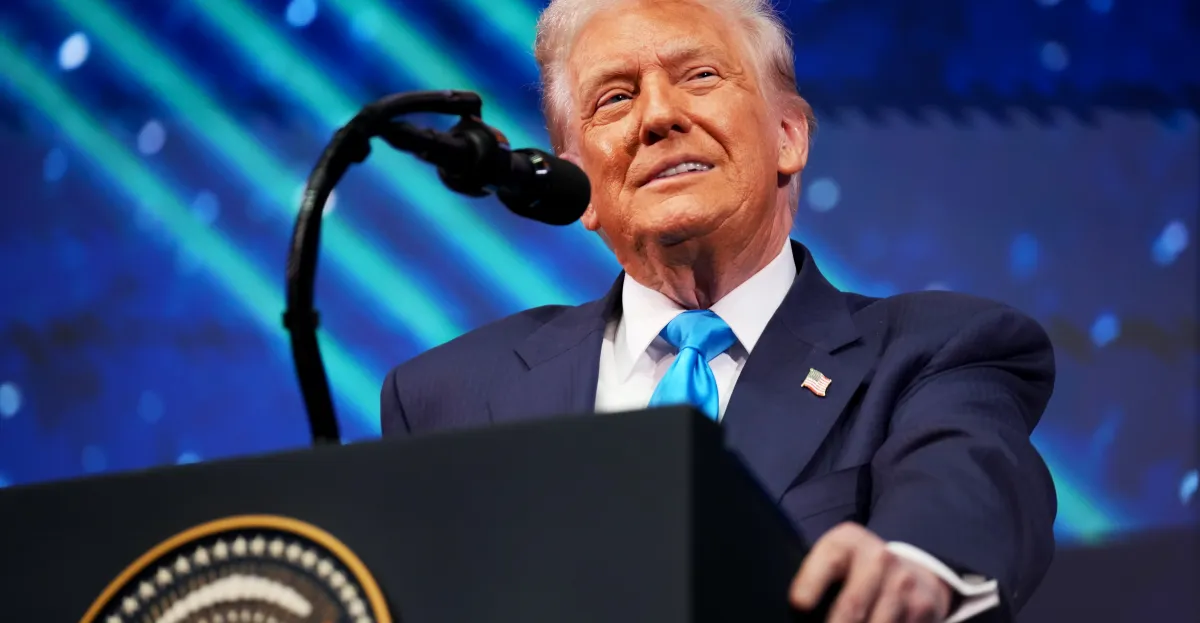
Trump vows to revive U.S. nuclear tests to boost national strength

President Trump’s Nuclear Posture Shift Signals Potential Disruption in Global Security and Tech Sectors

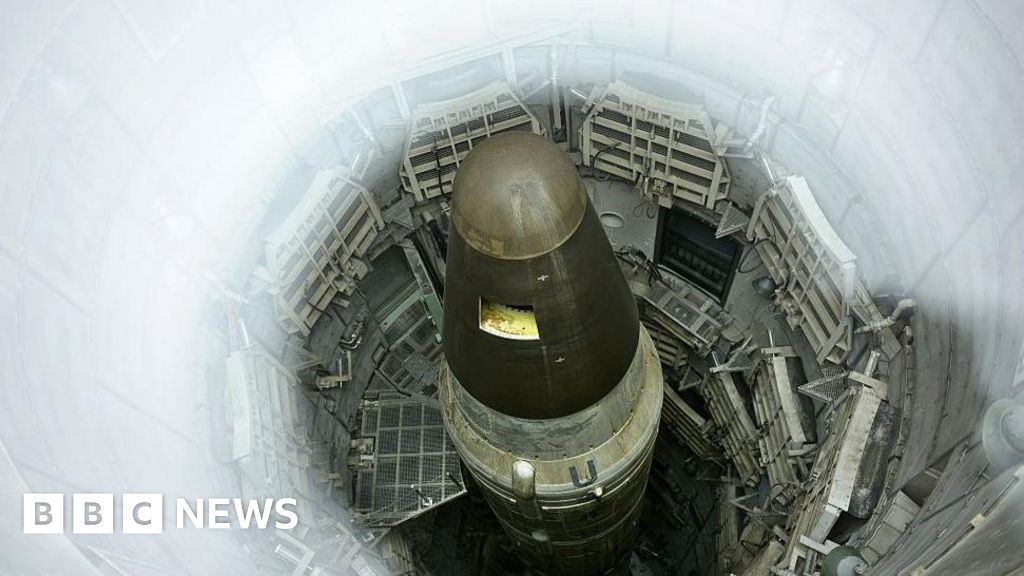
In a bold and controversial move, President Donald Trump has directed the Pentagon to resume testing nuclear weapons, citing the necessity to match other nations’ testing programs. This decision marks a significant departure from the longstanding post-Cold War nuclear testing moratorium, which has largely shaped global strategic stability over the past three decades. While few details have been disclosed, the announcement signals a possible new phase in military innovation, pushing the boundaries of nuclear capabilities and their associated tech ecosystems. The immediate implications could be profound, affecting international diplomacy, defense industries, and technological innovation in related sectors.

This move comes at a complex geopolitical juncture. Just before a high-stakes summit with China’s Xi Jinping, Trump’s statement appears to upend decades of American policy. Historically, the US maintained a strategic restraint on nuclear testing, aligning with global efforts for non-proliferation. However, Trump’s directive suggests a strategic pivot, possibly aimed at reasserting US military dominance amidst rising geopolitical tensions and global technological competition. But experts warn that such actions could destabilize existing treaties; the US, a signatory of the Comprehensive Nuclear-Test-Ban Treaty, has yet to ratify it. Meanwhile, Russia, which possesses the world’s largest nuclear stockpile, continues modernization efforts, injecting an element of disruption into the balance of global nuclear deterrence.

From an industry perspective, this escalation may act as a catalyst for innovation within the defense sector. Companies specializing in nuclear physics, materials science, and simulation technologies could see surges in demand. Emerging players in advanced warhead design and system delivery technologies might accelerate R&D investments or even disrupt existing supply chains. Yet, these innovations are fraught with ethical and regulatory challenges, complicating long-term business models. As analyst Peter Thiel might argue, disruption in high-stakes defense tech requires a careful balance between innovation, security, and international diplomacy.

The announcement also exposes the vulnerabilities of global non-proliferation efforts. With the US potentially resuming nuclear tests, other countries could follow suit, destabilizing the delicate international security architecture. This collapses the normative framework that discouraged nuclear tests for decades, and may incentivize rogue states or emerging powers to pursue clandestine programs. The ripple effect could further accelerate technological arms races, pushing industries toward more sophisticated satellite surveillance, advanced monitoring, and cyber capabilities—areas where innovation may be both a boon and a threat. As Gartner warns, the erosion of norms around nuclear testing could precipitate a broader disruption across defense and technology industries.

Looking ahead, this development underscores a pivotal juncture for global stability and technological advancement. The potential resumption of nuclear testing not only signifies a geopolitical gamble but also a catalyst for industry disruption in defense tech and international security. Fast-moving innovators and investors must now navigate this landscape with increased urgency, as the future of nuclear deterrence, international diplomacy, and technological progress hangs in a delicate balance. As authorities, companies, and nations grapple with these shifts, the imperative for strategic foresight becomes clear—those who proactively adapt to this new era of high-stakes innovation will be the ones to shape the trajectory of global security and technological dominance in the years to come.

Trump Announces US to Resume Nuclear Tests After 30 Years

U.S. Reverses Nuclear Testing Moratorium Amid Rising Global Tensions

In a move that has sent shockwaves through the international community, President Donald Trump has announced the resumption of nuclear weapons testing, marking a stark departure from decades of U.S. policy aimed at nuclear non-proliferation. Just ahead of crucial diplomatic interactions with Chinese President Xi Jinping, Trump publicly declared that the United States would initiate testing “on an equal basis” with countries like Russia and China. This shift reflects mounting concerns over the rapidly evolving geostrategic landscape, where nuclear capabilities are increasingly seen as essential leverage and deterrence in a world marred by conflicts and technological advancements.

The decision to restart U.S. nuclear testing has notable geopolitical impact. Historically, the U.S. and Russia have maintained a delicate balance of nuclear arsenals, with recent estimates revealing Russia’s stockpile at approximately 5,580 warheads—more than the U.S.’s slightly lower count of about 5,225, according to the Federation of American Scientists (FAS). Meanwhile, China has dramatically increased its arsenal, reaching around 600 warheads and projected to exceed 1,000 by 2030, as per analysts from the Center for Strategic and International Studies (CSIS). By announcing a return to nuclear testing, the U.S. appears to be signaling a readiness to escalate the arms race, a move that critics warn could undermine the existing nuclear treaties and fuel further instability.

It’s worth noting that, since the last U.S. nuclear test in 1992, the international community has largely adhered to a moratorium on testing, reinforced by treaties such as the Comprehensive Nuclear-Test-Ban Treaty (CTBT). The recent Russian testing of advanced missile systems and the development of nuclear-capable underwater drones, like the Poseidon, showcase a new era of nuclear brinksmanship where technological innovation compounds strategic threats. The decision by the Trump administration, coupled with Russia’s own tests of new weaponry, may ignite a chain reaction of destabilizing responses among nuclear-armed nations. International agencies, including the United Nations and global disarmament advocates, have warned that a resumption of testing could jeopardize the nuclear non-proliferation regime, risking a future where nuclear conflict becomes more likely rather than less.

Leading historians and international analysts emphasize the gravity of this shift. For example, Dr. Hal Brands, a notable security expert, cautions that restoring a testing program could mark *”the end of the post-Cold War era of strategic stability”* and escalate the risk of nuclear proliferation among emerging powers. Meanwhile, opposition figures in Congress and advocacy groups have voiced fears over the revival of nuclear tests, arguing that this could “trigger a dangerous arms race” and undermine decades of diplomatic progress. The strategic calculus now moves perilously close to a precipice, with the future of global stability hanging in the balance. As the world watches, it remains uncertain whether diplomacy can contain this dangerous flashpoint, or if history will be rewritten in fire and radiation—an ominous testament to the fragile balance of peace and chaos that has defined the nuclear age.

Trump orders Pentagon to ramp up nuclear tests to rival Russia and China | Donald Trump

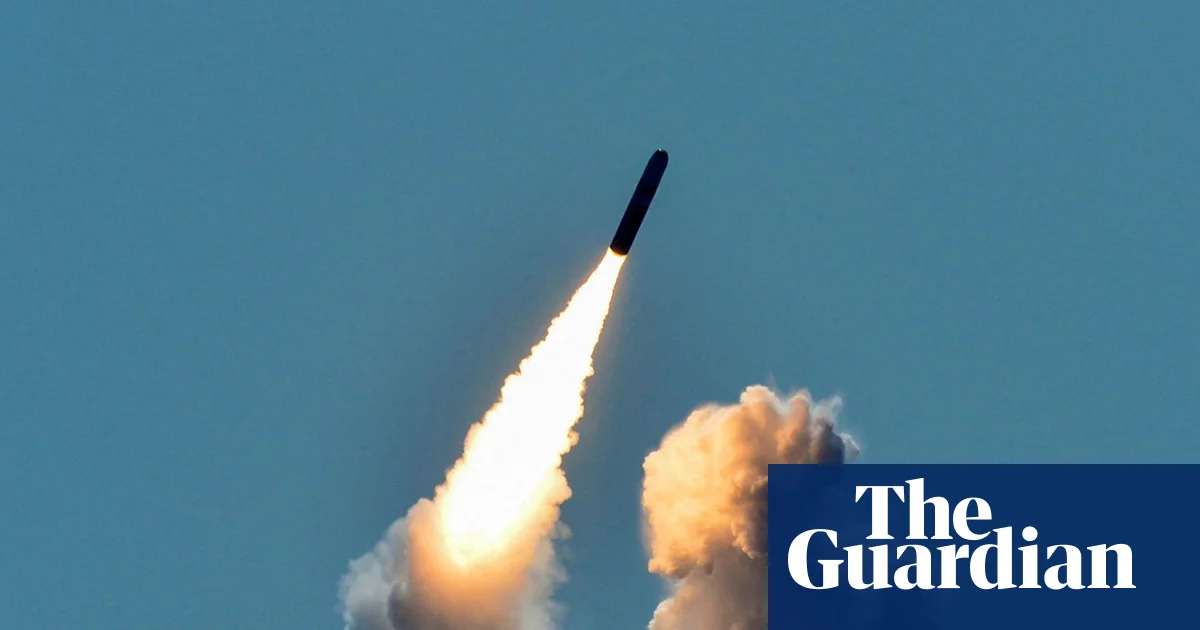
In a **dramatic escalation** of international tensions, Donald Trump has ordered the Pentagon to begin testing U.S. nuclear weapons in direct response to recent advances by Russia and China. This move, announced via social media, marks a **noteworthy shift** from years of US efforts to de-escalate nuclear tensions and cements a stark new reality—one where the world’s leading powers are engaging in a **dangerous game of nuclear one-upmanship**. Trump’s directive coincides with a backdrop where Moscow and Beijing have demonstrated their willingness to modernize and expand their nuclear arsenals, with Russia’s successful test of the Burevestnik cruise missile and Poseidon super torpedo exemplifying a clear intent to project power and undermine existing global stability.

Russia’s recent nuclear tests, including the Burevestnik nuclear-powered cruise missile and the Poseidon super torpedo, signal an **assertive posture** by the Kremlin amidst *breakdowns in diplomatic dialogue* with the West, particularly over the ongoing conflict in Ukraine. These developments are viewed by many analysts as a **deliberate display of strength**, intended to *deter Western interference* and reinforce Russia’s position as a formidable nuclear power. In response, Vladimir Putin has emphasized the need to ensure Russia’s national security, framing these tests as a necessary countermeasure in a new era of uncertainty. Meanwhile, the United States—despite a self-imposed moratorium since 1992—appears poised to re-engage in **nuclear testing**, threatening to ignite a new arms race. The move has sparked alarm among international organizations like the United Nations, which emphasize the catastrophic consequences of an escalated nuclear conflict and warn that such actions risk undoing decades of arms control efforts.

The **geopolitical impact** of Trump’s decision is profound and multifaceted. Not only does it **destabilize regional security architecture**, but it also threatens to undermine *existing treaties* such as the New START Treaty. The historic significance is clear: the revival of nuclear testing signals a departure from *diplomacy and mutual restraint*, opening a dangerous corridor leading toward a potential **nuclear crisis**. As traditional alliances and treaties waver, nations like India and Pakistan watch with concern, aware that a new arms race could destabilize a fragile global order. Leading international scholars, including arms control experts and historians, warn that such decisions “could unleash an era of instability and violence” that the world has sought to avoid since the Cold War’s conclusion.

Amidst this chaos, the **weight of history** looms heavy. The last full nuclear test conducted by the US was over three decades ago, and the silence that followed was seen as a *hope* for eventual disarmament. However, recent incidents suggest that the **axis of nuclear powers** is once again in motion, bringing the world closer to the “shadow of annihilation”. With *each test, each threat, and each escalation*, humanity edges toward an uncertain future. As nations grapple with the choice between peace and war, the question remains: will diplomatic efforts prevail, or will history once again be rewritten on the backdrop of nuclear shadows—a narrative where the clash of titans threatens to define the destiny of civilization itself?

Year 8 Students Face Mandatory Reading Tests in New Push to Boost Britain’s Youth Literacy

Cracks in the Foundation: Society’s Struggle with Educational Standards and Social Cohesion

As curriculum reforms and intensified testing take center stage in England’s education policy, the societal fabric faces subtle yet enduring strains. The government’s proposal to introduce mandatory reading tests for Year 8 students highlights a growing concern among policymakers regarding literacy standards and future economic competitiveness. Planned as part of an upcoming white paper, this initiative aims to evaluate pupils’ progress two years into secondary school, reflecting a broader desire to recalibrate educational accountability. However, critics argue that these measures may oversimplify the critical social and moral roles of education, risking a narrow focus that overlooks the diverse challenges faced by families and communities.

Historically, sociologists like Raymond Williams and bell hooks have emphasized that education is more than a standardized test; it is a vital space for cultural transmission, moral development, and social cohesion. Trends reveal that while 75% of Year 6 students met expected reading standards this year, a troubling quarter still fall short, underscoring persistent inequalities. For families from disadvantaged backgrounds, such gaps are compounded by systemic barriers that no amount of testing can fully address. Critics note that the reliance on annual assessments and high-stakes testing contributes to a narrowing of the curriculum, restricting teachers’ ability to cultivate critical thinking, creativity, and moral judgment. Instead of viewing these exams as tools for empowerment, many see them as instruments of compliance that threaten to erode the humanistic elements at the heart of education—elements that directly influence family stability and community well-being.

The debate extends beyond the classroom into the societal implications of these policies. Leaders like Daniel Kebede of the National Education Union warn that increasing test regimes risk fostering “punitive labeling” and academic stress, which disproportionately impact those already marginalized. Such approaches tend to favor a neoliberal narrative—one that equates student success with quantifiable benchmarks rather than holistic development. Meanwhile, critics like Sarah Hannafin of the NAHT argue that “good teaching,” not testing, is the real driver of improvements, emphasizing the importance of investing in resources and support systems. This tension underscores a deeper societal question: how do we balance accountability with the moral imperatives of fostering compassionate, resilient communities?

As society grapples with these dilemmas, the challenge remains clear: to forge an educational environment that values the dignity of each learner and recognizes the societal importance of social cohesion. The upcoming review of the curriculum and assessment framework offers an opportunity to reconsider whether current policies serve society’s broader moral and cultural needs or simply perpetuate a cycle of testing and compliance. Reflecting on the words of social critics and educators, it becomes apparent that true social progress must incorporate moral development, community engagement, and an acknowledgment of the systemic barriers faced by many families. In this crucible of change, society stands at a crossroads—a chance to build not just a qualified workforce, but a society rooted in shared values, hope, and resilience, rekindling the belief that education should uplift the human spirit, not diminish it.

Social Media Auto Publish Powered By : XYZScripts.com