Matox News

Truth Over Trends, always!

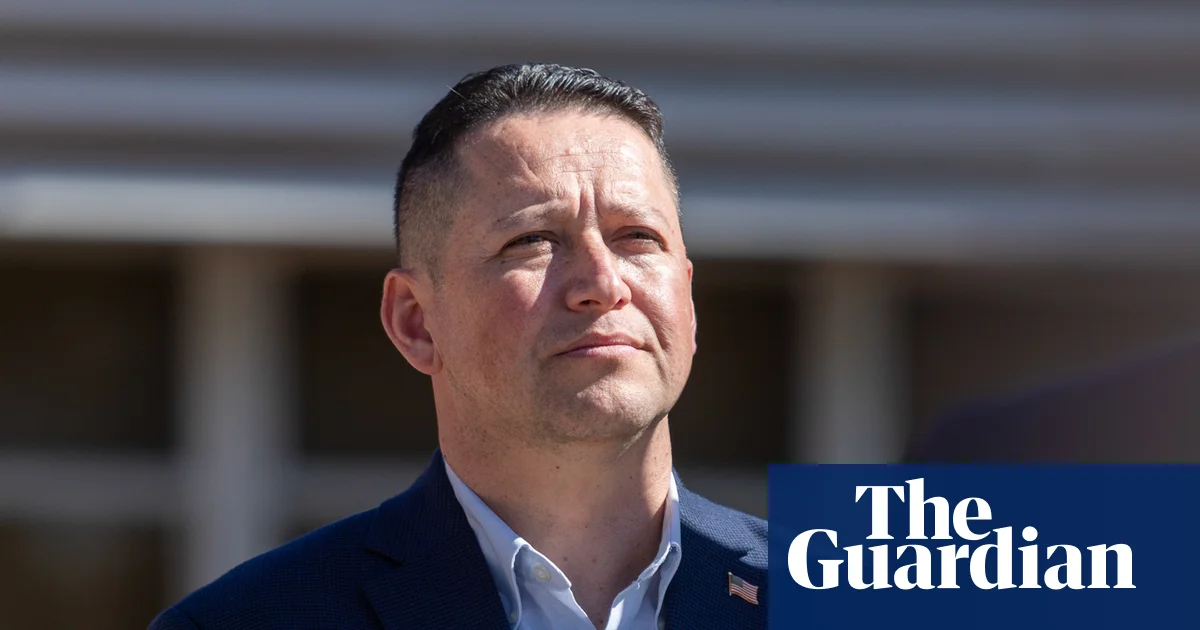
Texas lawmaker confesses affair with aide who tragically took her own life, House hearings reveal

In a raw display of personal scandal intersecting with national political drama, US House representative Tony Gonzales, a seasoned Republican from Texas, publicly acknowledged an extramarital affair with an aide who tragically took her own life last year. The revelation, made during an interview with conservative media personality Joe Pags, has added a new layer of turbulence to Gonzales’s political career, coming amidst an ongoing ethics investigation into allegations of misconduct within his congressional office. Such domestic turmoil in a leader from a pivotal U.S. border state underscores how personal flaws can cast long shadows over a politician’s role on the national and international stage, especially as the U.S. grapples with complex issues like border security, immigration, and internal polarization.

The House ethics committee swiftly opened an investigation, citing concerns over potential sexual misconduct and unfair privileges involving Gonzales and his staff. As the top Republican and Democratic members jointly emphasized, this inquiry aims to uncover whether Gonzales abused his office or engaged in any discriminatory conduct—charges that threaten to rattle the political landscape further. Gonzales, who has declared his intention to remain in office, insists that the full truth will emerge and has expressed remorse, claiming reconciliation with his wife and faith as guiding principles through the controversy. Yet, the undercurrents of this story resonate beyond mere personal morality: such scandals have historically shaken political systems, fueling public disillusionment and emphasizing the fragility of leadership in a nation grappling with internal discord.

Adding a profound layer of tragedy, recent reports reveal that the aide involved, Santos-Aviles, died by setting herself on fire in her Texas home, an event marked as a suicide. Text messages obtained by media indicate that the affair was known to her husband before her death, stunning observers and raising questions about the intersection of personal despair and political scandal. This personal tragedy, intertwined with Gonzales’s own disclosures, echoes a broader narrative of societal erosion where the fallout from political misconduct spills into private lives—challenging how nations view accountability, morality, and the human toll of public service. Commentators and historians alike warn that such incidents threaten to deepen societal divisions, erode trust in institutions, and serve as cautionary tales for political figures.

  • The investigation into Gonzales’s conduct underscores how internal political ethics can influence broader geopolitical stability, especially when seasoned diplomats and leaders are seen as ethically compromised.
  • The U.S. domestic scene mirrors global fears of corruption, moral decay, and the consequences of unchecked power—issues that resonate with international audiences tracking democratic resilience in an era of upheaval.
  • Historical analysts argue that scandals like Gonzales’s often trigger reform calls—and, at times, power shifts—alerting other nations to the importance of integrity in leadership on the world stage.

As the saga unfolds in Texas, it leaves the world pondering the pervasive reach of personal failure into the corridors of international influence. What does this scandal suggest about the moral fabric of Western democracies? Will it serve as a catalyst for reform, or deepen public apathy and cynicism? With each new revelation, the stakes rise—not just for Gonzales and his constituents, but for the fragile weave of global stability that depends on trusted guardians of democracy. The stories we witness today are more than isolated incidents; they are pages in history’s ongoing narrative—a narrative where decisions made behind closed doors echo loudly across continents, shaping the destiny of nations yet to come. As history watches silently from the shadows, the weight of the moment underscores one unalterable truth: the choices and failures of today will, in time, define the legacy of tomorrow’s world.
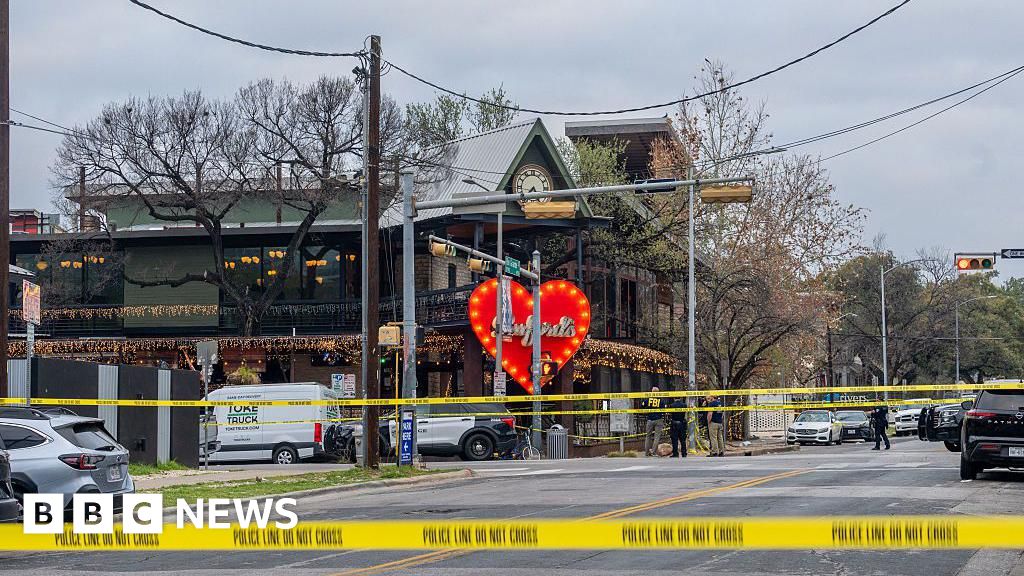

FBI: Texas Bar Shooting Could Be Terror Attack, Authorities Say

In a tragic incident that has captured international attention, a violent shooting event resulted in the deaths of **two individuals** and left **14 others injured**. Authorities confirmed that the suspected gunman was also shot dead at the scene, raising urgent questions about public safety, mental health, and the broader implications for security policies across nations.

Global leaders and security agencies have responded with immediate condemnation, emphasizing the critical need for coordinated efforts to prevent such tragedies. While the specifics of the attack remain under investigation, the incident underscores a common vulnerability: in a world grappling with escalating violence, individual acts of terror or impulse-driven violence can rapidly destabilize communities. Policymakers from **the United States**, **Europe**, and beyond are now scrutinizing existing laws and intervention strategies, with many calling for an urgent reevaluation of gun control measures, mental health support, and law enforcement preparedness.

The geopolitical impact of such events is profound. Countries with liberal attitudes toward firearms often face intensified domestic debates, but the ripple effects extend further. International organizations like **the United Nations** have long warned about the global escalation of violence and the importance of comprehensive security frameworks. As analysts note, moments like these are turning points that test the resilience of societal institutions and the ability of governments to uphold order amid chaos. The incident also intensifies the ongoing debate about **civil liberties versus public safety**, a tension that resonates across diverse political ideologies in multiple nations.

History and experts agree that such tragedies are not isolated incidents but part of a broader pattern that reflects social and psychological undercurrents in modern societies. According to security analysts and historians, these acts of violence often serve as stark reminders of the underlying fractures within communities—whether driven by economic disparity, ideological extremism, or mental health crises. The response to this shooting could either reinforce existing security policies or catalyze reforms aimed at more holistic societal resilience. As one renowned analyst remarked, “Today’s tragedy may ripple for decades, shaping policies and societal attitudes with consequences that will be debated by future generations.”

Amidst the fury of headlines and the grief of the victims’ families, history’s pen continues to write, capturing the unfolding narrative of a world where safety is increasingly fragile. As nations grapple with this latest tragedy, they are prompted to ask how humanity—young and old—can forge a collective path toward a future where such violence becomes a relic of the past. Yet, in the echoes of gunfire and tragedy, one truth remains clear: the weight of history presses heavily on the shoulders of all, a reminder that every decision, every policy, every society’s resolve, shapes the outcome of an uncertain tomorrow.

36 Hours in San Antonio, Texas: Uncover Heritage, Adventure, and Local Vibe

Amidst the sprawling miles of the riverside promenade, a city breathes life into its own narrative — a vibrant tableau woven from history, tradition, and the collective heartbeat of its people. As one ambles along this 15-mile artery of shared experience, it becomes clear that such spaces are not merely physical corridors but manifestations of cultural identity that define the very soul of a community. Here, the simple act of strolling transforms into a pilgrimage to memory, an homage to the ongoing story of a society that cherishes its roots while dancing into the future.

Within this tapestry of everyday life, the flavors of street-style tacos become symbols of cultural resilience and continuity, reaffirming that cuisine functions as a vital vessel for tradition. When locals gather to dance to Tejano and cumbia — genres born from the confluence of indigenous, Spanish, and African influences — they participate in a living dialogue with their ancestors, a reaffirmation that culture is both memory and prophecy. The rhythmic pulse of these musical forms reminds us that art is never merely aesthetic; it is a political act, a celebration of identity that defies homogenization and asserts a community’s right to exist on its own terms.

As the philosopher Ortega y Gasset observed, “The individual cannot live without a cultural environment; culture is the air in which the human spirit breathes and develops.” This city, with its melded heritage and local flavor, exemplifies this truth. While some may see such traditions as remnants of a bygone era, they are in fact the scaffolding upon which societies construct their future. Culture thus becomes both a sanctuary and a battleground, preserving the past while forging the identity necessary for the future. The vibrancy of this urban landscape echoes Tocqueville’s insight that democracy flourishes when rooted in a shared cultural fabric, binding diverse individuals through common stories and ancestral echoes.

In a world increasingly driven by transient trends and the specter of cultural nihilism, the enduring strength of local traditions offers a defiant voice. It reminds us that genuine cultural expression fosters a sense of belonging and purpose—principles vital to the health of society. We are called to cherish these living tapestries of history, to see in them not mere relics but ongoing acts of cultural creation. As G.K. Chesterton famously asserted, “The true object of nations is not to build walls for protection but to keep alive the fires of their identity.” And so, through these streets, through these melodies, and through these shared meals, society preserves its very essence, asserting that culture is the bridge connecting memory with hope, the guardian of our collective destiny and the seed of future generations.

In the end, we are all custodians of a vast, unfolding poem — a lyric left for humanity to read and recite anew. Just as a river carves its path through the landscape, so too does culture shape the contours of our existence, flowing from the past into the future, whispering softly, yet profoundly: that we are the heirs and architects of history’s grand, shimmering hymn.

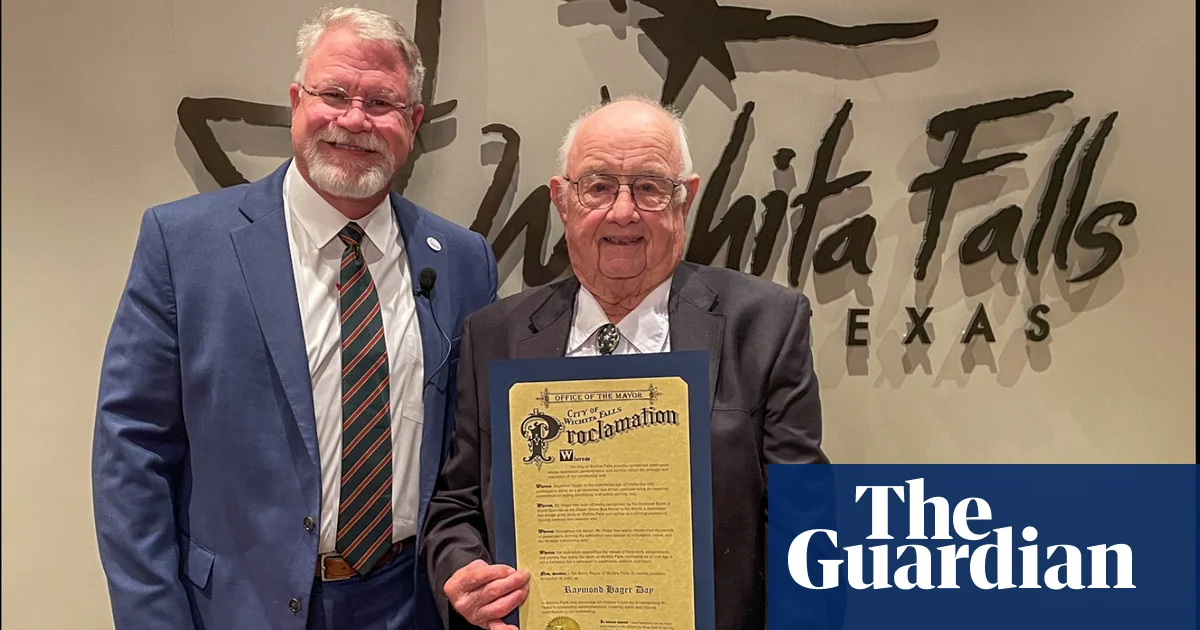
Texas centenarian bus driver, 95, defies age with no plans to stop

Age, Work, and Societal Shifts: The Lifelong Dedication of Raymond Hager Sparks Broader Reflections

In an era marked by mounting economic pressures and evolving social norms, the inspiring story of Raymond Hager, the 95-year-old bus driver from Texas, resonates as a microcosm of a worldwide phenomenon. Recognized by Guinness World Records as the oldest active bus driver, Hager’s unwavering dedication to his career exemplifies the changing landscape of work and retirement across nations. While his personal story focuses on individual perseverance, it also underscores the broader implications of demographic shifts, economic realities, and societal values, influencing international debates on aging, labor policies, and economic resilience.

Hager’s commitment to his profession reflects a broader trend—an aging workforce that challenges conventional retirement norms. In the United States, economic stagnation, soaring living costs, and stagnant wages are pushing individuals to extend their working years well beyond traditional retirement age. According to international labor analysts, this trend is not isolated; many advanced economies face similar realities, prompting policymakers to reconsider social security systems and labor laws. Experts point out that this shift could reshape national economies, strain social safety nets, and influence societal perceptions of aging. Nations such as Japan and Germany are already grappling with these complexities as their populations age at unprecedented rates, threatening to redefine productivity parameters and social cohesion on the global stage.

The international community observes such individual stories with mixed emotions. On one hand, they highlight resilience and personal purpose; on the other, they raise questions about how societies can sustain economic vitality and social stability amid demographic transformations. Global institutions like the United Nations and the World Bank have issued reports emphasizing the importance of adaptable socio-economic policies that address the aging phenomenon. These organizations warn that unprepared societies risk increased healthcare costs, labor shortages, and diminished economic growth if they fail to implement reforms that encourage lifelong employment and flexible work arrangements.

The geopolitical impact of these demographic trends extends further when considering international migration, workforce mobility, and shifting power dynamics. Countries with youthful populations, such as India and parts of Africa, could find themselves at the cusp of new economic opportunities by attracting aging professionals from the West. Meanwhile, nations with declining populations may become increasingly dependent on foreign labor, potentially fueling migration debates, diplomatic negotiations, and geopolitical alliances. These shifts will unquestionably influence global power balances, economic alliances, and even cultural perceptions of aging and productivity.

As this chapter of history continues to unfold, the story of individuals like Raymond Hager serves as a symbol of perseverance and an indicator of systemic change. His story is a reminder that societal progress demands adaptability—not only in laws and policies but also in cultural attitudes towards aging and work. With the weight of emerging demographic realities pressing down on national leaders worldwide, the legacy of such figures warns us that the future hinges on our ability to redefine aging—transforming it from a symbol of decline into one of enduring contribution. In the ongoing narrative of human history, the choices made today will resonate for generations, leaving an indelible mark on how societies will navigate the uncharted territories of aging and economic resilience.

Texas Takes on Roblox Over Safety Risks and Profits Favoring Predators

Roblox Under Global Scrutiny Amid Allegations of Child Safety Neglect

In an era where digital platforms increasingly influence young minds, Roblox, a foremost online gaming behemoth, finds itself at the center of a global controversy involving child safety and online protection. The recent legal actions initiated by Texas Attorney General Ken Paxton exemplify a broader movement within certain jurisdictions towards holding tech giants accountable for their role in safeguarding the most vulnerable. Paxton’s suit accuses Roblox of flagrantly disregarding safety laws, portraying the platform as a “breeding ground for predators” that prioritizes corporate profits over children’s security. This legal challenge extends beyond Texas, as states like Kentucky and Louisiana have already joined the chorus, signaling a concerted push for stricter oversight of online environments aimed at youth.

Developed as a space where children and teenagers can learn, create, and share, Roblox has rapidly become a cultural phenomenon, boasting millions of active users globally. Its educational initiatives—ranging from coding tutorials to physics experiments—are laudable, aligning with a broader societal push towards digital literacy. Yet, critics, including international watchdogs and security experts, argue that the platform’s open nature—which allows users to interact with strangers and develop their own content—creates significant loopholes exploited by predators. The platform’s moderation struggles have been well documented, and in some regions, authorities have taken drastic steps—such as Turkey’s ban of Roblox—to curb child exploitation. Singapore’s incident involving radicalized teenagers accessing ISIS-themed servers on Roblox highlights how unsuitable content can slip through the cracks, fueling concerns about the platform’s vulnerability to manipulation.

The central issue transcends national borders, reflecting an urgent need for international cooperation and regulation in digital safety. The United Nations, along with independent analysts, emphasize that how nations regulate online safety can significantly influence the fabric of societies—protecting innocence or exposing it to danger. The legal actions against Roblox underscore a pivotal moment where the fight for child safety versus digital freedom confronts the realities of an increasingly interconnected world. Roblox’s response, which includes technological efforts such as age verification via video selfies and stricter messaging controls, signals an awareness of the crisis, yet many experts argue that voluntary measures are insufficient without binding laws and international standards.

As the debate intensifies, the question arises: will the global community hold corporations accountable for the unseen harm hidden within the pixels of our children’s virtual worlds? History has shown that neglect in protecting future generations can lead to devastating consequences—an erosion of trust and societal fabric that takes generations to repair. As historians warn, each law and regulation is a brick in the edifice of history being written—sometimes at a tragic cost. With each new case, the weight of responsibility increasingly bears down on policymakers, technology companies, and society at large. In the shadows of the digital age, the fight to safeguard innocence persists, leaving the future to be shaped by decisions made today—a testament to the enduring power of governance and the unyielding march of history’s relentless tide.

Social Media Auto Publish Powered By : XYZScripts.com