Matox News

Truth Over Trends, always!

Parking inspector and wife busted for €1M meter theft blitz

European Local Governance and Trust Under Scrutiny

In a striking case that underscores the fragility of public trust in local institutions, Kempten, Germany, a town renowned for its rich history and strategic position in the Bavarian Alps, has been rocked by allegations of massive embezzlement involving a municipal parking inspector and his spouse. The report reveals that over €1 million (£878,000) was siphoned from parking meters across the town, a scandal that has sent ripples through Germany’s meticulous system of local governance and integrity. This incident is not merely about theft but touches on the broader question of accountability and the erosion of trust that leadership and citizens must uphold in the face of increasing regional challenges.

Geopolitical Impact and Rising Concerns

While at first glance this appears as an isolated case of municipal corruption, analysts and international watchdogs such as Transparency International are warning that such incidents could serve as warning signs of deeper systemic failures. As local governments become focal points of societal trust, these breaches threaten to undermine confidence in the broader European Union’s fragile network of institutions and local administrations. The involvement of a public official in embezzling public funds echoes similar scandals across other European nations, where corruption scandals have weakened the perceived legitimacy of local and national authorities. Such instances fuel an atmosphere of disillusionment among citizens, who are increasingly demanding transparency and accountability from their leaders.

International Reactions and Societal Implications

  • European political leaders are emphasizing the importance of reinforcing anti-corruption measures at all levels of government, stressing that trustworthiness and integrity are essential for maintaining social cohesion and international credibility.
  • Germany’s federal institutions have reinforced their commitment to transparency, with the country’s justice system promising a thorough investigation. The mayor of Kempten, Thomas Kiechle, responded swiftly, establishing a commission to review past processes and prevent future misconduct, symbolizing a recognition that local governance must be resilient against such breaches.
  • In light of this scandal, economic analysts point to the potential for increased public demand for oversight, which could translate into political shifts at both regional and national levels—especially in a continent grappling with mounting migration pressures, economic instability, and geopolitical tensions.

The incident in Kempten highlights how fragile the societal contract can become when trust is broken. It exposes a flaw in the infrastructure of local governance—one that, if left unaddressed, could have far-reaching consequences not only for Germany but across Europe. Historically, corruption scandals such as these have served as catalysts for reform, yet they also threaten to deepen existing divides and foster cynicism among the youth and marginalized communities. As historians and political analysts warn, these episodes are not isolated failures but indicators of an urgent need for comprehensive reform in accountability structures across Western democracies.

As the investigation continues and the media follows the unfolding legal proceedings, the question remains: in an era where trust is fragile and the geopolitical landscape is ever-changing, how will European nations restore their credibility and ensure that such breaches of integrity do not become the norm? The weight of history presses heavily on today’s leaders—each decision shaping the destiny of their communities, each action echoing across generations. The story of Kempten’s scandal is a stark reminder that, beneath surface civility, the true strength of a society lies in its unwavering commitment to justice and transparency—a legacy that must be guarded with vigilance or risk being forever lost in the shadows of neglect.

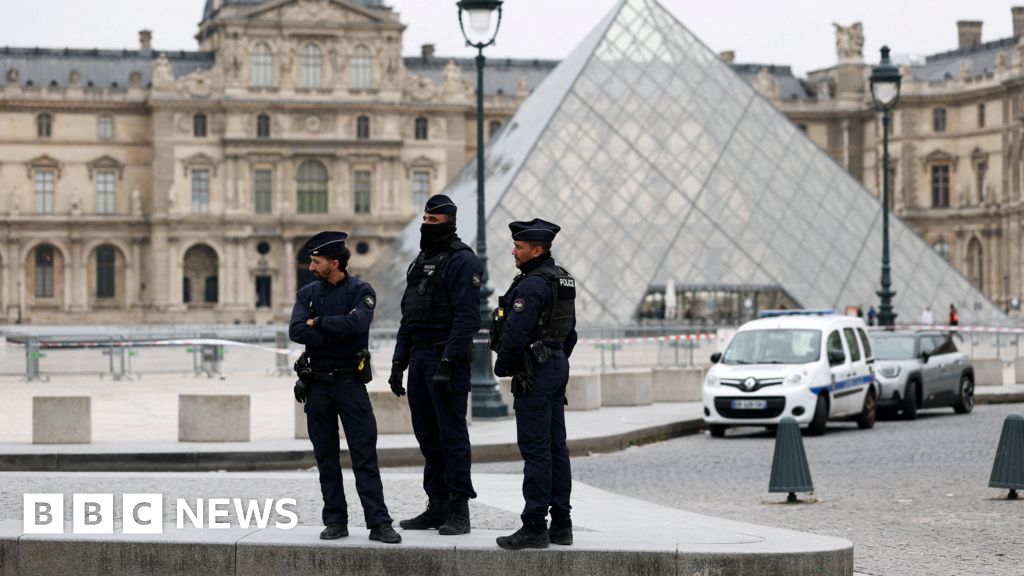
Two more hit with charges in Louvre jewelry theft crackdown

Global Implications of the Louvre Heist: Security Failures and Geopolitical Ramifications

The recent audacious theft of priceless jewelery from France’s most iconic cultural institution, the Louvre Museum, has sent shockwaves through the international community. On October 19th, four suspects executed a swift daylight raid, infiltrating one of the world’s most heavily monitored museums. Utilizing a stolen vehicle-mounted lift and a disc cutter, they shattered display cases housing treasures valued at €88 million, including the famous Parure Marie-Amélie diadème, a sapphire-encrusted crown. The incident highlights glaring vulnerabilities in France’s cultural security and signals a broader geopolitical narrative: the erosion of national sovereignty in the face of organized crime and international looting syndicates.

French authorities swiftly responded, charging two additional individuals—one a woman from La Courneuve and a man with a criminal record—raising questions about deep-rooted security lapses. Despite initial optimism about the progress of the investigation, critics within France and abroad have condemned the Louvre’s security measures, revealing critical flaws. For years, concerns about perimeter security and camera placement—particularly in areas where the suspects gained entry—went unaddressed. Culture Minister Rachida Dati admitted that the museum authorities had “gravely underestimated the risks,” promising reforms. The fact that the sole surveillance camera pointed away from the breach indicates a failure in basic security protocols, exacerbated by bureaucratic finger-pointing between the Louvre and the municipal authorities of Paris. The ongoing inquiry underscores a stark lesson: neglect of national treasures invites international criminal syndicates to operate with impunity, risking the erosion of cultural heritage globally.

Underpinning Political and Social Unrest: A Crisis of Confidence

The Louvre heist is emblematic of a deeper crisis brewing across Europe. Many analysts, including European security experts, interpret this event not merely as a robbery but as a symptom of weakened institutions and rising organized crime networks that operate across borders. The incident comes amid heightened tensions surrounding the stability of the European Union and concerns about law enforcement’s capacity to protect national assets. How nations respond to such breaches will shape the future of cultural sovereignty and social cohesion in the continent’s most influential nations.

Several historians note that this event mirrors historical episodes of cultural plunder, where corrupt regimes and unscrupulous traders seized invaluable artifacts, often spilling into international black markets. Modern pundits warn that failing to bolster national security in cultural institutions paves the way for darker forces—organized crime, foreign state actors, and illicit trafficking—to threaten societal stability. International institutions like INTERPOL have emphasized this incident as a wake-up call, urging European governments to reassess their security frameworks. As societies debate budget allocations, critics argue that prioritizing monumental projects like Louvre’s New Renaissance—focused on renovations and expansions—has diverted funds from essential protections. This shift in focus exposes how political misjudgments and misallocated resources can weaken national resilience against external threats and internal vulnerabilities alike.

The Broader Geopolitical Impact: Looting, Security, and International Relations

This theft underscores a significant, potentially destabilizing flaw in the fabric of global security. Though the immediate focus remains on retrieving the stolen items—expected to have already traversed borders—the incident has broader geopolitical implications, as nations grapple with balancing tourism, cultural preservation, and security. France, historically a custodian of Western cultural heritage, finds itself at a crossroads where international cooperation is vital. The theft is likely to embolden organized crime syndicates operating acrossEurope’s porous borders, possibly strengthening alliances with foreign actors seeking to profit from black-market sales.

Most disturbingly, international organizations such as UNESCO have issued warnings that similar high-profile targets could become frequent if corrective measures are not swiftly adopted. The incident also signifies a potential shift in the strategic narrative—where the preservation of cultural assets becomes intertwined with national security. Critics warn that if Western countries continue to underestimate the importance of safeguarding their cultural patrimony, future crises—ranging from theft to outright destruction—could further erode societal resilience and international standing.

As history continues to unfold in this era of uncertainty, the weight of the Louvre heist—once seen as a mere criminal act—now looms large as a stark reminder: in this rapidly changing world, the battle for sovereignty extends beyond borders, security measures, and military might. The story of those stolen jewels remains unfinished, a volatile chapter waiting to be written by governments, criminals, and the relentless tides of history itself. The outcome may well determine whether nations can shield their collective memory from the shadows of lawlessness or succumb to a new age of cultural loss that history will inevitably记得—and judge.

Police Crack Down on Jewel Theft at Louvre, Youths Behind Bars

Heist at Paris Louvre: A Crossroads of Security and Reputation

The recent daring theft of €88 million worth of crown jewels from the Paris Louvre signals a stark warning to the international community about the vulnerabilities of cultural institutions amidst rising global unrest. The audacious daylight raid, carried out by a gang wielding power tools and using a vehicle-mounted lift to breach the historic museum’s defenses, has exposed glaring gaps in security protocols that could have profound geopolitical consequences. French authorities have confirmed the apprehension of two suspects, but the incident serves as a broader reflection of how states are increasingly vulnerable to well-coordinated, high-profile crimes that threaten national prestige and cultural sovereignty.

According to the Paris prosecutor’s office, the suspects were apprehended amid a swift investigation, which revealed troubling lapses in security, notably the absence of CCTV coverage in critical areas. The prosecutor’s statement indirectly underscores the weaknesses in France’s safeguard of its cultural heritage, forcing officials to admit that “security protocols failed” — a candid acknowledgment that may deepen political pressure on successor administrations. The incident has sparked a heated debate, not only about security failures but also about the fragile state of cultural diplomacy in a world rife with geopolitical tension. Historically, the Louvre’s priceless artifacts are symbols of France’s enduring cultural legacy; now, they have momentarily become pawns in a larger chess game of international image and influence.

Strategic analyst Dr. Stephen Grant states that such brazen thefts are “not merely opportunistic crimes but deliberate acts designed to send political or economic signals.” In an era where nations are vying for dominance or influence, the loss of iconic symbols can serve as a warning sign of declining security and confidence. Other nations are watching closely, realizing that a breach at one of Europe’s most iconic landmarks signifies vulnerability that could have wider repercussions, especially if such lapses occur at other cultural or critical infrastructure sites. UNESCO and other international institutions are now under renewed pressure to develop cohesive security strategies that go beyond superficial protections, emphasizing the critical importance of safeguarding the tangible symbols of world heritage.

As France scrambles to recover the stolen artifacts and restore faith in its security apparatus, the incident’s implications extend beyond national borders. The event has become a case study in the stark reality that even the most celebrated cultural institutions are not immune to international crime networks and audacious attacks. Historians and security experts warn that the current trend reflects a wider crisis of societal resilience, where the erosion of traditional safeguards leaves societies exposed to narratives of vulnerability. The incident leaves global observers with a sobering reminder: the unfolding story of this theft is just one chapter in a larger, ongoing narrative of security, diplomacy, and the enduring human desire to preserve the past amidst a turbulent present.

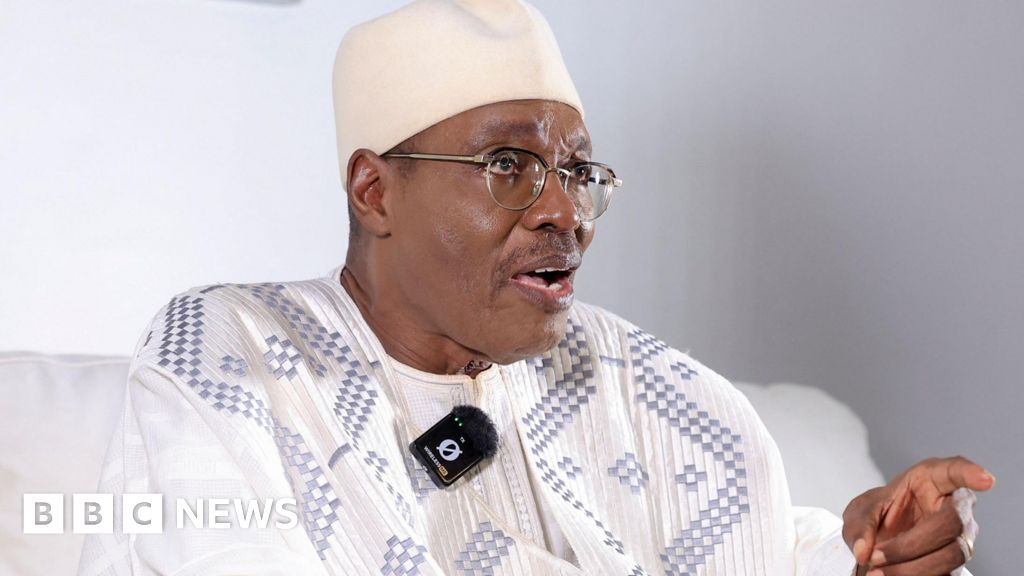
Issa Tchiroma Bakary vows to defend legitimate votes against theft

Cameroon’s Election Crisis Sparks International Concern

In Cameroon, a nation grappling with multiple internal conflicts, the recent presidential elections have plunged the country into a tense political crisis. Opposition leader Issa Tchiroma Bakary, who has audaciously declared himself the winner of the 12 October vote, presents a fierce challenge to President Paul Biya, who has maintained power for over four decades. Tchiroma Bakary’s claims are anchored in an assertion that he and his team have meticulously compiled results from individual polling stations, demonstrating a clear victory margin. However, the ruling party dismisses these allegations, emphasizing that only the Constitutional Council has the authority to declare official election outcomes, underscoring the deep divisions within Cameroon’s political landscape.

Historically, Cameroon has faced the complex goal of balancing internal stability with democratic processes. Analysts warn that the current situation, marked by contested results and accusations of ballot-stuffing, threatens to ignite fresh waves of unrest. Tchiroma Bakary, a former government minister who has broken ranks with long-serving President Paul Biya, has openly challenged the legitimacy of the electoral process. His declaration of victory and call on supporters to defend their votes drift dangerously close to undermining constitutional order. As Tchiroma Bakary boldly states that he has already won and urges the public to resist perceived election theft, fears escalate over potential violence or even a breakdown of law and order—especially considering the country’s ongoing separatist conflict in the Anglophone regions and Boko Haram insurgency in the Far North.

The International Response and the Road Ahead

Global observers and international organizations, such as the Economic Community of Central African States (ECCAS) and the United Nations, monitor the escalating crisis closely. Their warnings emphasize that peaceful resolution depends on a transparent and constitutional process, rather than unilateral declarations that threaten fragile stability. The highly respected Catholic Church in Cameroon has issued a cautious appeal for calm, urging the authorities to ensure that the final results genuinely reflect the will of the people. Their intervention highlights how societal institutions can serve as buffers amid chaos, but also how easily faith in the electoral process can be fractured when claims of illegitimacy are publicly expressed.

As constitutional lawyers and historians analyze the unfolding events, some argue that the integrity of electoral institutions is paramount for safeguarding citizenship rights and national cohesion. Others warn that dismissing official results may delegitimize the entire democratic process, risking a cycle of unrest that could spiral beyond Cameroon’s borders into the broader Central African region. The international community remains divided, with some calling for calm and adherence to legal channels, while others hint at possible sanctions or diplomatic pressure to prevent further destabilization. The critical question remains: can Cameroon navigate this turbulence without descending into chaos, or will these contested elections become a catalyst for a deeper crisis?

The Weight of History and the Unfolding Future

Cameroon’s current election turmoil echoes a broader trend seen across the continent—where prolonged leadership, perceived electoral manipulation, and ethnic and regional tensions converge to threaten fragile nations. As historians and political analysts warn, history often repeats itself when citizens lose trust in their electoral institutions and resort to force or rebellion. With the specter of violence looming, the question arises: how will Cameroon’s leaders, societal institutions, and international allies act in the coming days?

While the political rhetoric surges and the streets remain tense, the true test lies ahead: will the voice of the ballot be respected, or will history record yet another chapter of contested power and broken promises? The future of a nation at a crossroads hangs in the balance, waiting to see whether this crisis can be a turning point for genuine democratic reform or only the prelude to a new epoch of instability—a chapter still being written by the relentless march of history.

Social Media Auto Publish Powered By : XYZScripts.com