
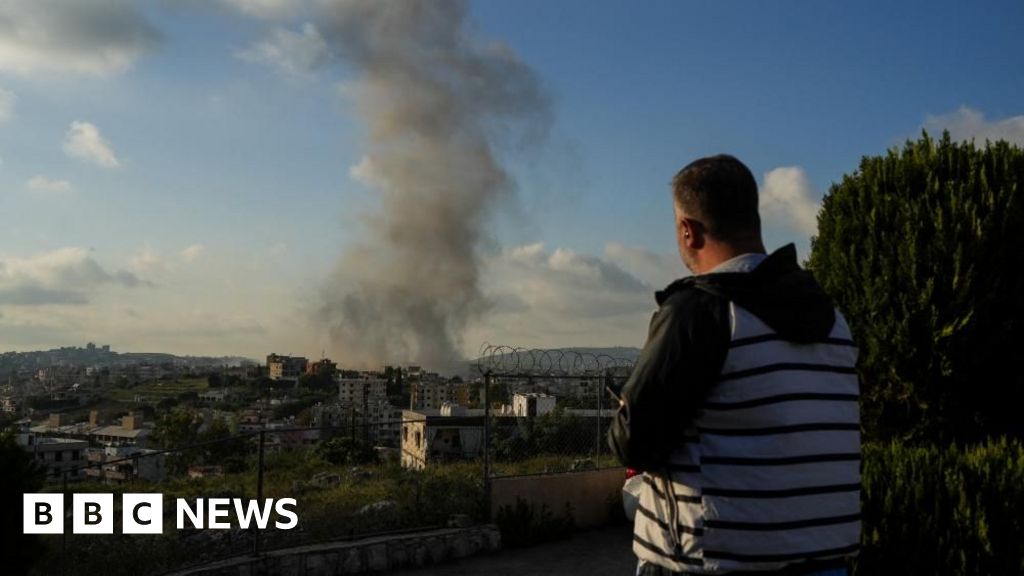

Amid a landscape fraught with ongoing conflict and shifting alliances, the Middle East finds itself again at a pivotal moment. On 30 April, the US embassy in Beirut signaled a potential breakthrough in regional diplomacy by suggesting a meeting between Lebanon’s President Joseph Aoun and Israeli Prime Minister Benjamin Netanyahu. This diplomatic overture underscores the intense international interest in stabilizing a volatile region that has long been scarred by conflict, territorial disputes, and deep-rooted historical rivalries.
The embassy’s statement pointed to a possible forum where Lebanon could seek to secure tangible commitments on critical issues. Specifically, the discussions would aim to address full sovereignty, territorial integrity, secure borders, humanitarian aid, reconstruction efforts, and the essential ⟨restoration of Lebanese authority over its entire territory⟩. These topics resonate deeply in a nation that has faced decades of internal upheaval, compounded by external pressures and regional conflicts. The gesture by the US, seen by many analysts as an attempt to foster dialogue, has stirred both hope and skepticism across international forums. Experts from entities such as the International Crisis Group warn that successful negotiations hinge upon concrete guarantees that respect Lebanese sovereignty and prevent further encroachments by regional actors.
Historically, Lebanon has been a battleground for influence among powerful neighboring states, with territorial disputes and political interference exacerbating internal divisions. The potential for a direct dialogue with Israel, the country’s long-standing adversary, marks an unusual shift. While some see it as a pragmatic step towards stability, others argue it is an extension of external powers’ influence, aiming to shape Lebanon’s future in line with their strategic interests. As noted by regional analysts, any breakthrough could significantly alter the geopolitical landscape, not just in Lebanon but across the broader Eastern Mediterranean. It would set a precedent for negotiations that could either pave the way for peace or plunge the region into further instability, depending on the commitments secured.
The consequence of such diplomatic overtures extends far beyond Lebanon’s borders. The unfolding negotiations hold the potential to de-escalate longstanding tensions, reducing the likelihood of proxy conflicts that have repeatedly embroiled the region. Conversely, failure to reach meaningful agreements may embolden factions resistant to peaceful resolution, ultimately destabilizing an already fragile geopolitical equilibrium. The international community’s role remains pivotal; institutions such as the United Nations and regional actors like Egypt and Jordan watch keenly, understanding that the stakes involve not just territorial disputes but the very fabric of regional stability. History reminds us that missed opportunities for diplomacy may usher in decades of unresolved conflict, leaving entire societies to suffer its consequences.
The weight of history persists over this potential breakthrough, a reminder that the decisions made today are weaving the narrative of tomorrow. The coming weeks will reveal whether diplomacy can transcend entrenched hostility or whether the region will continue its perilous dance with violence. As global eyes remain fixed on Beirut and Jerusalem, the question endures: will this moment mark the dawn of lasting peace or the shadow of renewed conflict? Time, it seems, will tell — but the echoes of history are already sounding, urging careful reflection on the paths carved in these critical days.






