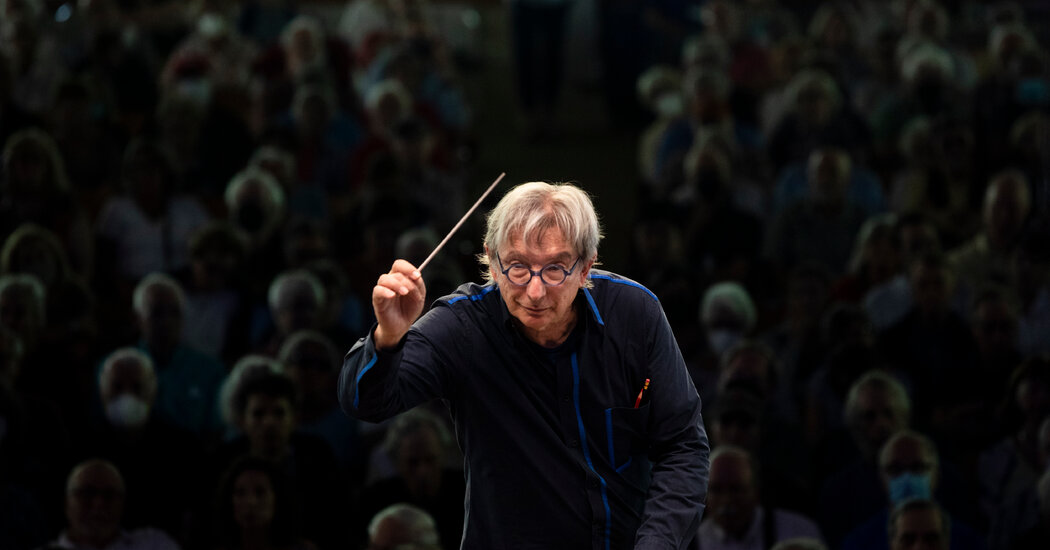

In a world increasingly captivated by the transient spectacle of modernity, it is vital to recognize the enduring significance of culture as the bedrock of identity, tradition, and societal cohesion. The story of Michael Tilson Thomas—a titan of American orchestral music—serves not merely as a chronicle of artistic achievement but as a testament to the profound role culture plays in shaping national character and collective memory. An advocate of the arts who seamlessly bridged the classical tradition with America’s vibrant, sometimes rebellious, cultural landscape, Thomas exemplified how the arts can act as both a mirror and a mold for society. His commitment to nurturing young talent, fostering innovation, and intertwining popular culture with high art underscores a fundamental truth: culture is the living fabric of a nation itself, crafted through the continuous dialogue between the past’s storied echoes and the prophetic voices of future generations.
Throughout his illustrious career, Thomas exemplified the profound philosophy that culture is both memory and prophecy. His work with the San Francisco Symphony and the founding of the New World Symphony embodied a mission to keep alive the lessons of tradition while eagerly anticipating the future. His efforts to incorporate diverse musical idioms—ranging from the classical to the avant-garde—mirrored the broader cultural shift of an America that increasingly values its hybrid identity. As Ortega y Gasset once argued, culture is not static; it is a dynamic process, a reflection of the rational spirit constantly shaping and reshaping societal values. Thomas’s embrace of technology, especially through initiatives like the YouTube Symphony Orchestra, represents a conscious effort to democratize art and democratize the link between tradition and innovation—integral in a society that prizes connectivity and accessibility.
The influence of figures like Thomas reminds us that culture is the architecture of society, influencing how communities conceive of their history, their values, and their destiny. When Thomas championed artists like Yuja Wang and Julia Bullock, he did more than foster individual careers; he reaffirmed the importance of cultural continuity in a rapidly changing world. His work was rooted in the understanding that tradition is not relic but the foundation from which new greatness is born. Historical critics such as Chesterton have long argued that a society without a vibrant love of its cultural roots risks falling into superficiality and alienation. Conversely, Thomas’s life demonstrated that to preserve tradition is to safeguard the soul of a nation, and to innovate within that tradition is to propel it forward—both essential in a society resisting the erosion of its identity amidst the chaos of modern change.
As we reflect on Thomas’s legacy, it becomes clear that the arts serve as a crucial platform for shaping young minds and reaffirming societal ideals. His attention to education and mentorship embodies the belief that culture is the seed of community, capable of inspiring the fiercest patriotism and the most profound human understanding. In this sense, culture is prophecy: what we cultivate today becomes the moral and aesthetic landscape of tomorrow’s society. This powerful idea is echoed by thinkers like T.S. Eliot, who emphasized that tradition is the backbone of creative renewal. In a cultural epoch often dominated by fleeting trends, Thomas’s life stands as a towering record of the enduring power of cultural roots—roots that anchor us to our history and blossom into the visions of what our society could yet become.
In the quiet dignity of his final years, Thomas returned to the nurturing ground of education, underscoring a fundamental truth: culture demands perpetual renewal. As he worked with students at the San Francisco Conservatory of Music, he exemplified the belief that each generation bears the responsibility of preserving the memory of their cultural ancestors while becoming prophets of their own artistic destiny. Culture, then, is both remembrance and prophecy—an eternal dialogue between memory and the future. When we recognize that our shared cultural endeavors are the ongoing stories of humanity, it becomes clear that society’s truest strength lies in its ability to remember and envision, to honor its past and forge its future. As the final notes of a symphony fade into silence, the enduring melody of culture continues to resonate, a poetic testament: human life, an unfolding epic, both rooted in history and reaching beyond it, shaping the destiny of humanity’s collective soul.