Matox News

Truth Over Trends, always!

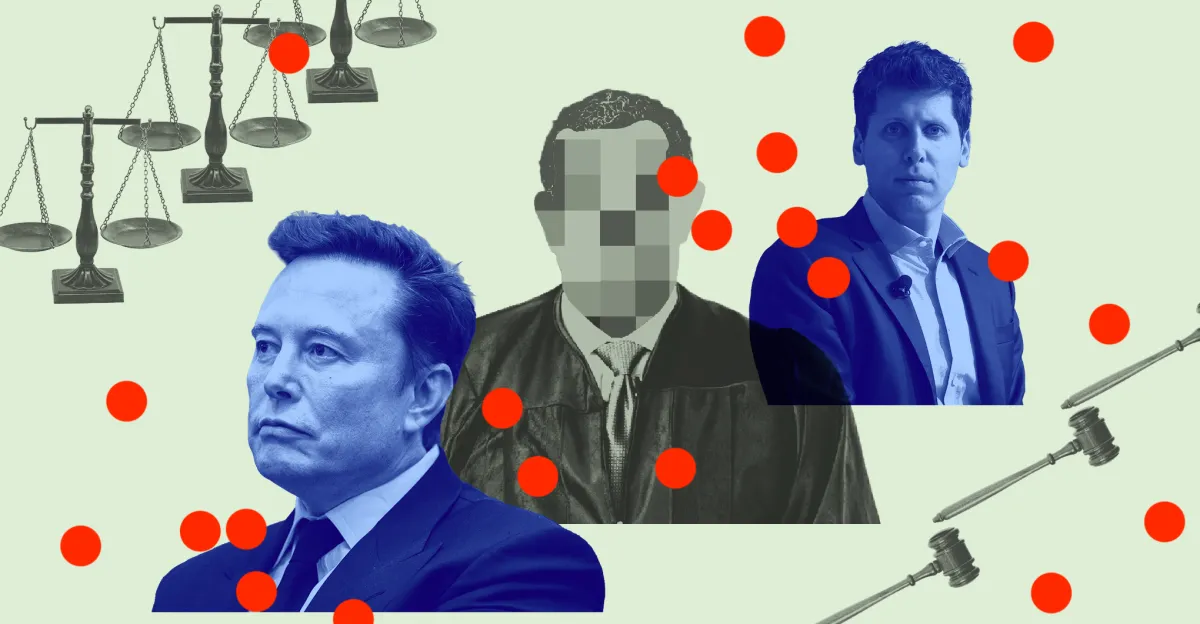
Shocking twist in Musk vs. Altman unfolds behind closed doors—just when everyone thought the duel was on hold

Emerging Market Shifts Signal Disruption in AI and Tech Sectors

The recent revelations from a high-profile legal investigation into OpenAI and Elon Musk have cast light on the intense, behind-the-scenes battles shaping the future of artificial intelligence. In a court transcript that has garnered significant attention, key figures involved in the bid to acquire OpenAI’s non-profit assets indicated that Sam Altman was not just a figurehead but was actively involved on both sides of a controversial transaction that could redefine industry boundaries. This clandestine maneuver illustrates the rapidly evolving landscape of AI asset valuation, investor influence, and corporate restructuring—factors that will invariably impact the realm of disruptive intelligence and innovation.

According to testimony from Birchall, Musk-led consortium, engaged in a bid valued at approximately $97.4 billion in early 2025, questioned the undervaluation of OpenAI’s non-profit foundation during its transition to a for-profit structure slated for public offering. The bid, driven by legal advice and strategic market considerations, hints at a broader pattern: disruption in traditional valuation methods and the emergence of market-shaping tactics that could accelerate or destabilize current AI development trajectories. Experts from Gartner and MIT warn that such maneuvers could create a new paradigm—where corporate influence, legal ambiguity, and strategic acquisitions become the new battlegrounds for innovation dominance.

From a business perspective, this tribunal-induced disclosure signals an industry-wide pivot where controlling assets, intellectual property, and investor alliances are becoming increasingly intertwined in complex, potentially hostile negotiations. The bid itself, underpinned by an aggressive valuation and insider negotiations, illustrates how disruption at the corporate governance level can rapidly influence market trust, investor confidence, and technological leadership. Elon Musk’s ongoing push toward xAI, aimed at pioneering next-generation AI systems, exemplifies this new wave of disruptive streaks energized by unseen negotiations and strategic bid manipulations. As Peter Thiel and other tech futurists have emphasized, the race for AI supremacy is as much about market control as it is about technological innovation.

Looking ahead, the unfolding saga underscores a pressing need for industry leaders, policymakers, and investors to remain vigilant. The confluence of legal gambits, massive valuations, and secret negotiations points to an urgent paradigm shift—one where the future of AI might be determined not solely by R&D breakthroughs but also by strategic market moves and legal insinuations. As the industry braces for this upheaval, the power dynamics are poised to favor those with the agility to disrupt traditional institutions and embrace the evolving landscape of digital dominance. The race is on, and innovators who understand these disruptive currents will be the ones shaping the tech frontier for decades to come—time is of the essence.
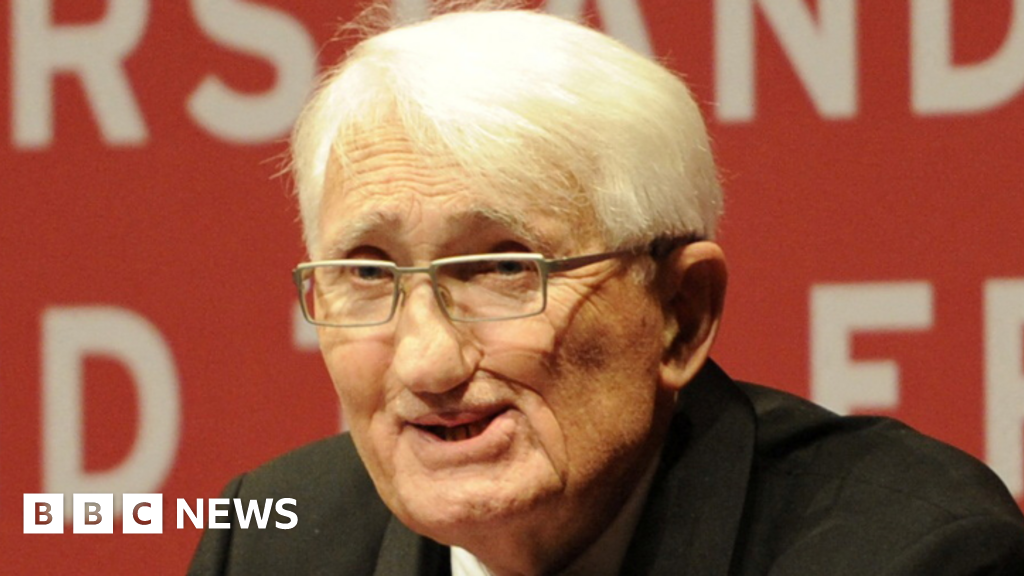
Legendary Thinker Jürgen Habermas Passes Away at 96—A Blow to Free Thought

In a moment of profound global transition, the philosophical and political contributions of one of post-war Germany’s most influential thinkers continue to shape international discourse. This thinker, whose intellectual pursuits seamlessly intertwined philosophy and political action, exemplified the power of ideas to influence societal transformation long after the ashes of war had settled. As nations grapple with the enduring consequences of history, understanding this individual’s impact is crucial in assessing how deep-rooted ideas influence the course of geopolitics today.

Historians and analysts recognize this figure’s unique ability to critically navigate the turbulent waters of post-World War II reconstruction. His work emphasized the importance of moral responsibility in political decision-making, urging societies to confront their past while forging a future rooted in ethical integrity. His voice became a rallying call for young Europeans and others across the globe, emphasizing that the ethical commitments made during times of crisis could serve as guiding principles for contemporary international relations. The international community, including institutions like the United Nations, often refer to his writings when deliberating the ethical underpinnings of conflict resolution and human rights.

Nevertheless, his influence extends beyond philosophy into tangible political action. Critics and supporters alike acknowledge that his ideas inspired movements aimed at democratization and social reform, which often challenged authoritarian regimes. His insistence on the unity of theory and praxis underscored a belief that intellectual engagement must translate into real-world change. This perspective continues to resonate as the geopolitical landscape shifts, with emerging powers questioning established international norms. Countries and leaders seeking to justify their policies often invoke this thinker’s emphasis on moral responsibility, framing their actions within a discourse of ethical legitimacy.

Ultimately, the enduring importance of this thinker’s legacy lies in the recognition that the decisions made today are threads woven into the fabric of history. As Europe and other regions confront crises—be it rising nationalism, economic instability, or conflicts fueled by ideological divides—their choices echo the fundamental lessons of moral responsibility and engagement championed by this influential figure. With each new chapter in history unfolding, his call for critical reflection and active participation remains a potent reminder that the path toward justice and stability is intricately linked to the ideas that shape our consciousness. As the world turns onto this uncertain road, the weight of history presses on all who seek to steer its course—charged with the responsibility to prevent the repetition of past missteps and to forge a future worthy of the sacrifices made.

Social Media Auto Publish Powered By : XYZScripts.com



