Matox News

Truth Over Trends, always!

Mexico's Pyramid Attack Stirs New Concerns Despite No Cartel Ties
Mexico’s Pyramid Attack Stirs New Concerns Despite No Cartel Ties

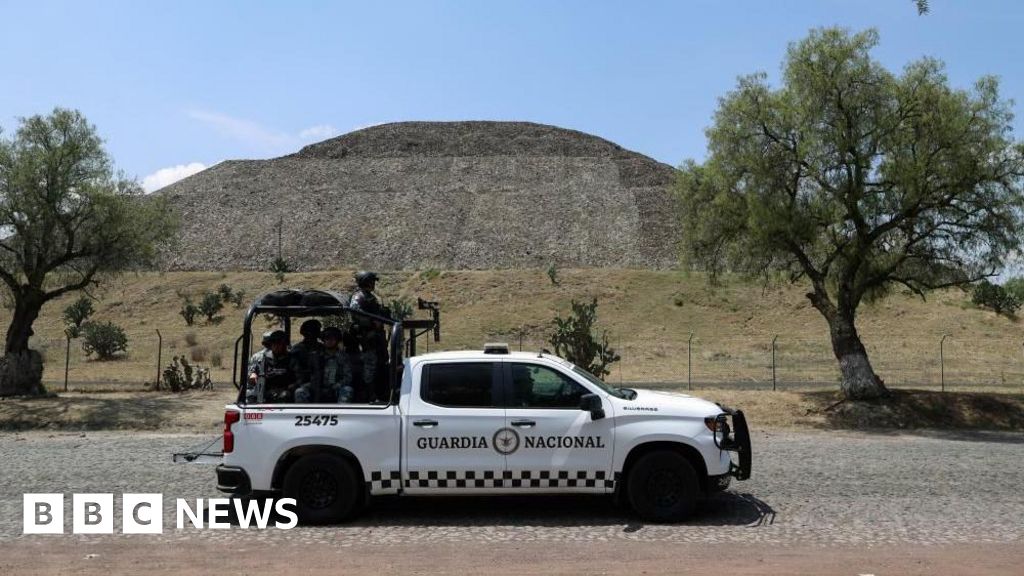
In a stark reminder of the lingering security challenges faced by Mexico, a deadly shooting incident at a prominent tourist destination has sent shockwaves through the nation and attracted widespread international attention. Occurring mere weeks before the highly anticipated 2026 FIFA World Cup, this tragic event underscores the ongoing struggle for stability in a country long plagued by organized crime and violence. The incident not only destabilizes Mexico’s internal security but also threatens to tarnish its global reputation as a safe host for one of the world’s most watched sporting events.

Several eyewitnesses report that the violence erupted unexpectedly in a bustling area renowned for its cultural and tourist attractions, where families, travelers, and locals traditionally gather. Authorities confirmed multiple casualties, prompting an immediate investigation into the motives behind the attack. While initial reports suggest that criminal groups may have been involved, analysts emphasize that such violence also reflects broader systemic issues—including weak law enforcement and the complex interests of transnational criminal syndicates operating within Mexico’s borders. International organizations, such as the United Nations Office on Drugs and Crime (UNODC), have repeatedly highlighted that violence has become a defining feature of Mexico’s security landscape, with implications far beyond its borders.

In response, the Mexican government has vowed to intensify efforts to combat organized crime, deploying additional forces and ramping up security measures in tourist hotspots. However, critics argue that these measures are often reactive rather than strategic, with deeper socio-economic reforms deemed necessary to address the root causes of violence. World analysts, including researchers from several think tanks, warn that unless Mexico’s government broadens its approach to tackling corruption, poverty, and illicit trade, such incidents will continue to threaten national stability. Furthermore, the incident risks deterring international tourists, a vital economic sector, which could result in long-term economic repercussions and ( ) undermine the country’s aspirations for a resilient tourism industry as a cornerstone of economic recovery.

The fallout from this tragedy extends well beyond the border of Mexico; it impacts regional geopolitics and influences international perceptions. Countries such as the United States, which shares a long border and has vested interests in regional stability, are closely watching Mexico’s ability to maintain order. Analysts suggest that both nations’ policymakers must confront the intertwined issues of insecurity and transnational crime collaboratively, lest Mexico’s internal strife spill over into neighboring regions. According to experts from the Council on Foreign Relations, this incident could serve as a catalyst for renewed diplomatic efforts aimed at curbing criminal activity that jeopardizes both nations’ security.

As the world watches with bated breath, the question remains: will Mexico’s leadership rise to meet the grave challenge, or will this tragedy mark a turning point in an ongoing saga of violence and instability? History has repeatedly shown that moments of crisis often serve as the crucible for profound national transformation. Yet, the path forward remains fraught with peril, as the weight of unresolved grievances and corrupt interests continue to threaten to unravel the fragile fabric of societal peace. In the shadow of this tragedy, the future of Mexico — and indeed, the geopolitical landscape of North America — hangs in the balance, forever altered by a single act of violence that echoes through the corridors of history, reminding the world that the battle for stability is never truly won, only fought anew.

Peter Mandelson’s Appointment as UK Ambassador to US: A Key Step in Strengthening Transatlantic Ties

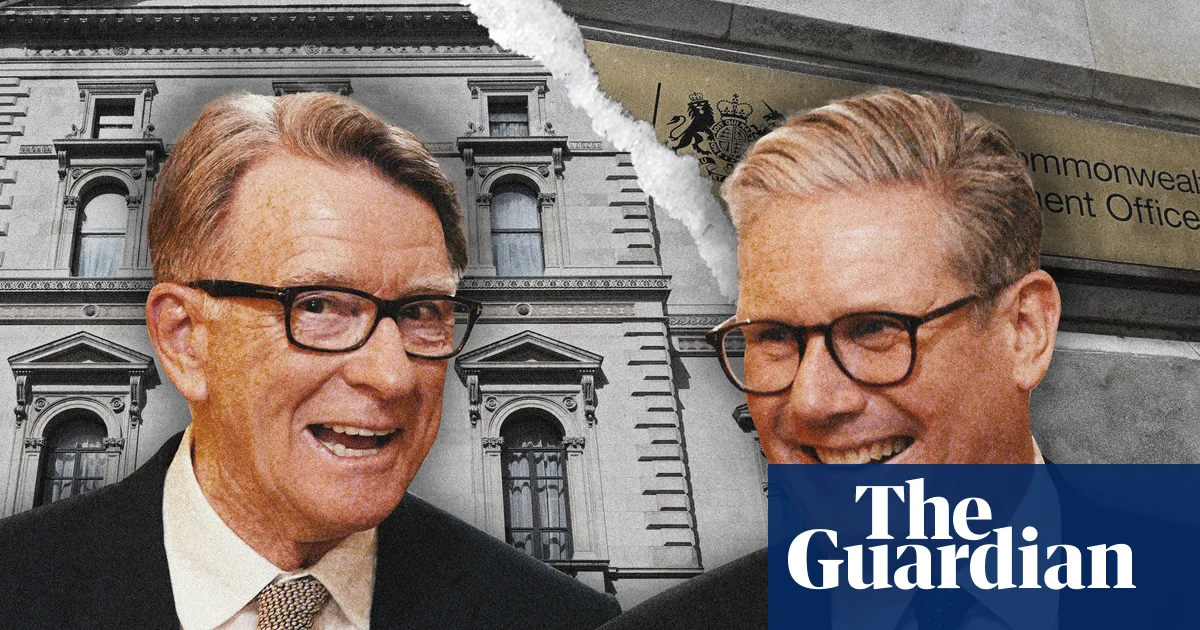
Recent revelations about the complex and controversial appointment of Peter Mandelson as the UK ambassador to the United States have shed light on the deep-rooted issues facing our governance system—and how these issues ripple outward into families, education, and communities. The saga, meticulously mapped out through parliamentary statements and investigative journalism, underscores the persistent tensions between political decision-making and bureaucratic oversight, raising questions about trust and transparency in our civil institutions. It also illustrates a broader societal challenge: how social issues at the highest levels influence the fabric of everyday life, especially for the youth and vulnerable communities.

The narrative begins with the apparent bypassing of established security vetting protocols—an issue that touches on the moral responsibilities of civil servants and elected officials alike. The case reveals that, despite clear recommendations from the UK Security Vetting Authority (UKSV) that Mandelson should not receive security clearance, the Foreign Office overruled this advice, granting approval under opaque circumstances. This decision, concealed from Prime Minister Starmer until much later, exemplifies how *cultural shifts within bureaucracies* can weaken accountability, creating a disconnect between civil service integrity and political expediency. The fallout resonates beyond the corridors of power; families depending on the stability of diplomatic relations, educators observing the erosion of trust in government, and communities questioning the integrity of leadership are all affected.

Sociologist Dr. Elizabeth Martin emphasizes that such instances of opaque decision-making undermine societal cohesion. When young people see their leaders manipulating transparency for political gains, they may develop cynicism toward democratic institutions. Moreover, the demographic shifts and cultural tensions, fostered or exacerbated by these scandals, threaten the social fabric. As history scholar Dr. James H. Connolly points out, “A society that cannot trust its civil servants and policymakers risks fragmenting along lines of disillusionment and disengagement.” Therefore, the social issues stemming from this political controversy extend into the educational sphere, where the next generation learns values of responsibility, integrity, and civic duty, or the absence of them.

  • The failure to follow established security protocols jeopardizes national security and trust, particularly affecting families concerned about safety and stability.
  • The opaque appointment process fosters social tensions by fueling perceptions of corruption or favoritism, especially among marginalized communities.
  • There’s a pressing need for reforms that promote transparency, accountability, and respect for institutional integrity, which are essential in restoring public confidence.

At its core, this political episode underscores an urgent societal imperative: ensuring that our institutions serve the people responsibly. For families, the question is whether society can cultivate leaders who value transparency and uphold moral standards. For educators and youth, the challenge lies in fostering a culture that demands accountability and reminds society of its ethical foundations. As the journey of Mandelson’s appointment reveals, even the highest echelons of power are not immune to failings that impact society at large. Yet, amidst these shadows of distrust, society holds the possibility of renewal—through vigilant civic engagement, structural reforms, and a collective commitment to moral clarity.

In a world fraught with political turbulence, the hope remains that society can evolve toward a future where trust is not merely restored but fortified by unwavering integrity. Like a verdant garden needing diligent tending, the roots of unity and resilience in our communities depend on the collective effort to confront these challenges with moral courage and a steadfast dedication to justice. Only then can society truly become a sanctuary for the values it aspires to uphold, nurturing generations yet to come in a society where transparency reigns and moral integrity guides every step.

US pressures Latin America to sever ties with Cuba’s doctor program—Youth voice grows stronger against interference

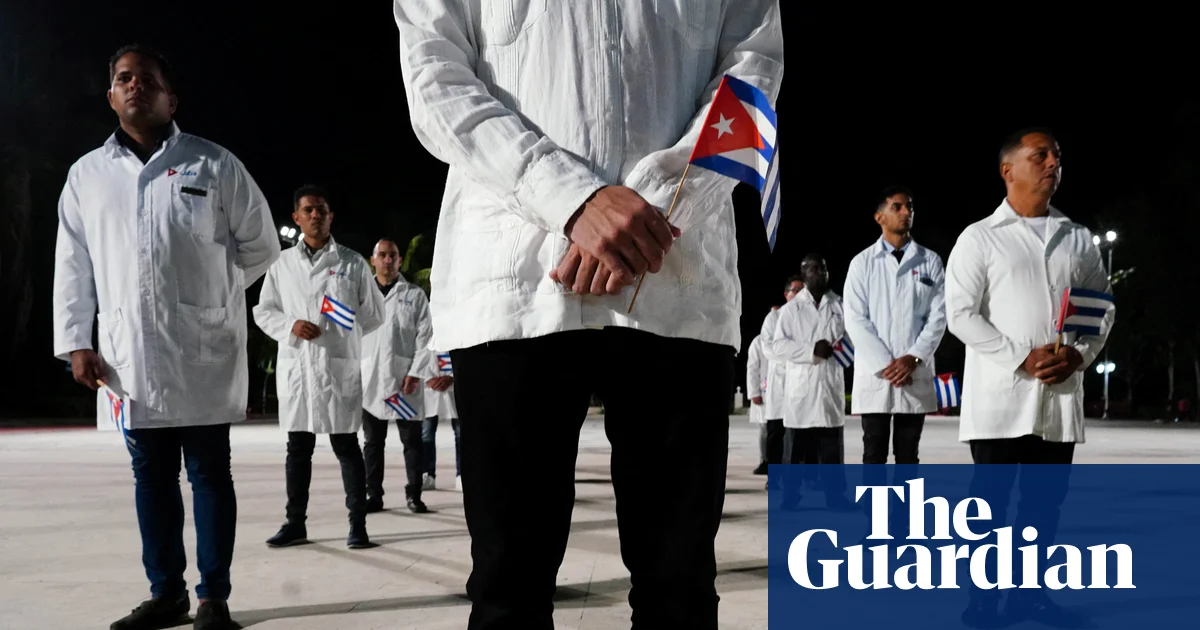
In a world where societal strains are often cast in the context of economic austerity and political power plays, the case of Cuba’s medical diplomacy presents a compelling reflection of how global conflicts extend beyond borders into the very fabric of families and local communities. The Cuban government’s foreign medical missions, a cornerstone of its soft power strategy since the 1960s, have become emblematic of a society balancing *solidarity* with economic necessity. These missions, deploying approximately 24,000 healthcare professionals across 56 countries—including remote and underserved regions—represent a complex interplay between altruism, income generation, and national sovereignty. Yet, recent developments reveal that *social and moral concerns persist beneath the surface, especially as the practice of sending doctors abroad is increasingly scrutinized within the broader context of US foreign policy.*

  • Guatemalan, Honduran, Jamaican, and Guyanese governments have terminated their agreements with Cuba, citing pressures from the United States to sever ties.
  • The US government claims that Cuba’s medical program constitutes forced labor, invoking human rights violations as part of a broader campaign of “maximum pressure.”
  • In 2025, Cuba earned an estimated $7 billion from its medical missions—an essential infusion for a fragile economy strained by a US energy blockade that has deepened social tensions and economic hardship.

The *social consequences* ripple outward, affecting families and communities both within Cuba and in the regions where doctors serve. Many of these regions depend heavily on the presence of Cuban healthcare professionals, especially in isolated villages where access to medical care is a matter of human dignity. The withdrawal of these professionals threatens to exacerbate existing health disparities, creating a new wave of social tension fueled by economic sanctions and diplomatic tools. Social commentators and sociologists like Dr. Anne-Marie Taylor have warned that these actions threaten to undermine community cohesion and social stability, especially in areas where healthcare workers often serve as vital links between government policy and everyday life. Such dynamics cast long shadows over where society’s moral compass should lie—whether in maintaining national sovereignty or prioritizing human needs for accessible health services.

The moral debate intensifies with the allegations of forced labor and human trafficking, as detailed in recent reports by the Inter-American Commission on Human Rights. Cubans deployed abroad often endure restrictions such as passport confiscation and wage withholding, which some experts classify as violations of fundamental human rights. These practices have elicited condemnations from social ethicists, raising questions about the ethical integrity of Cuba’s solidarity initiatives when individual freedom is compromised. As the debate heats up, it becomes clear that these geopolitical struggles are intertwined with the social fabric of families—where fathers, mothers, and children face uncertainty and upheaval. Without secure livelihoods and fair treatment, community bonds are tested, particularly in countries where residents rely heavily on the presence of Cuban doctors for essential health services.

Looking ahead, this scenario underscores the importance of balancing national sovereignty with human rights, as well as the need for societal introspection about the true nature of solidarity. Historians like Howard Zinn have long emphasized that social progress often involves confronting uncomfortable truths about power and exploitation. For Cuban families and the global communities touched by these policies, the challenge remains: fostering a social environment rooted in justice and mutual respect, even when external pressures threaten to fracture societal cohesion. As society navigates these turbulent waters, there remains—beyond the political discourse—an enduring hope that through dialogue, transparency, and moral resolve, communities can emerge stronger and more united in their shared humanity. In such reflection lies the possibility of transformation—of society healing its social fractures and restoring the dignity that all families deserve.

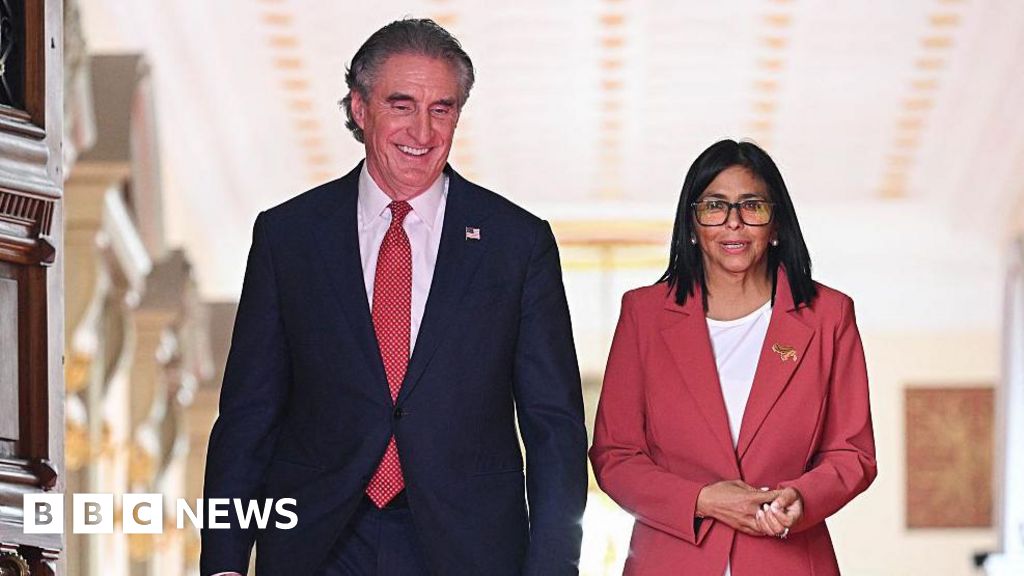
US and Venezuela rekindle diplomatic ties following Maduro’s capture

In a bold move that has sent shockwaves through the international community, the United States announced that it had seized Nicolás Maduro and his wife, marking a decisive shift in its approach to the ongoing crisis in Venezuela. This action, which the US framed as part of a broader effort to promote stability in the region, signals a significant escalation in Washington’s foreign policy objectives and highlights the complex interplay between diplomacy and power in today’s geopolitics. According to official statements, the two sides have committed to a joint effort aimed at fostering stability, yet the underlying implications for regional security remain profound.

Historian and international security analysts have widely discussed the geopolitical impact of this intervention. The move not only challenges the Maduro regime, which has been embroiled in economic collapse and political turmoil, but also shifts the balance of influence across Latin America. Many view the US action as a move designed to weaken the current authoritarian government and pave the way for a different political trajectory in Venezuela. It also raises questions about the future of regional alliances, with countries such as Russia and China—who have historically supported Maduro—likely to respond with strategic caution or increased hostility. The intervention underscores the broader global contest of influence, where superpowers leverage crises for ideological and political advantage.

Furthermore, this incident comes amid howling debates over sovereignty and international law. Critics argue that the US’s actions may exacerbate regional instability and could set dangerous precedents for extraterritorial intervention. The United Nations and other international institutions have issued cautious statements, emphasizing the importance of lawful conduct and multilateral dialogue. Yet, many experts warn that such unilateral actions, if left unchecked, risk undermining the post-World War II order that has largely preserved peace through diplomacy. As analysts like Dr. Laura Bennett of the International Crisis Group point out, the decision “stands at a crossroads of law, morality, and geopolitics, with consequences that could ripple across decades.”

The geopolitical consequences of this new chapter are still unfolding, with nations watching anxiously for the next move. While the US has pledged a joint effort to stabilize Venezuela, the real measure of success will depend on how regional actors respond, the resilience of Maduro’s supporters, and how the Venezuelan people navigate these turbulent waters. As history continues to be written in real-time, the world remains on edge, aware that an event of this magnitude could either usher in a new era of democracy or plunge the region into even deeper chaos. The question remains: which will prevail—the force of history, or the chaos of uncharted futures?

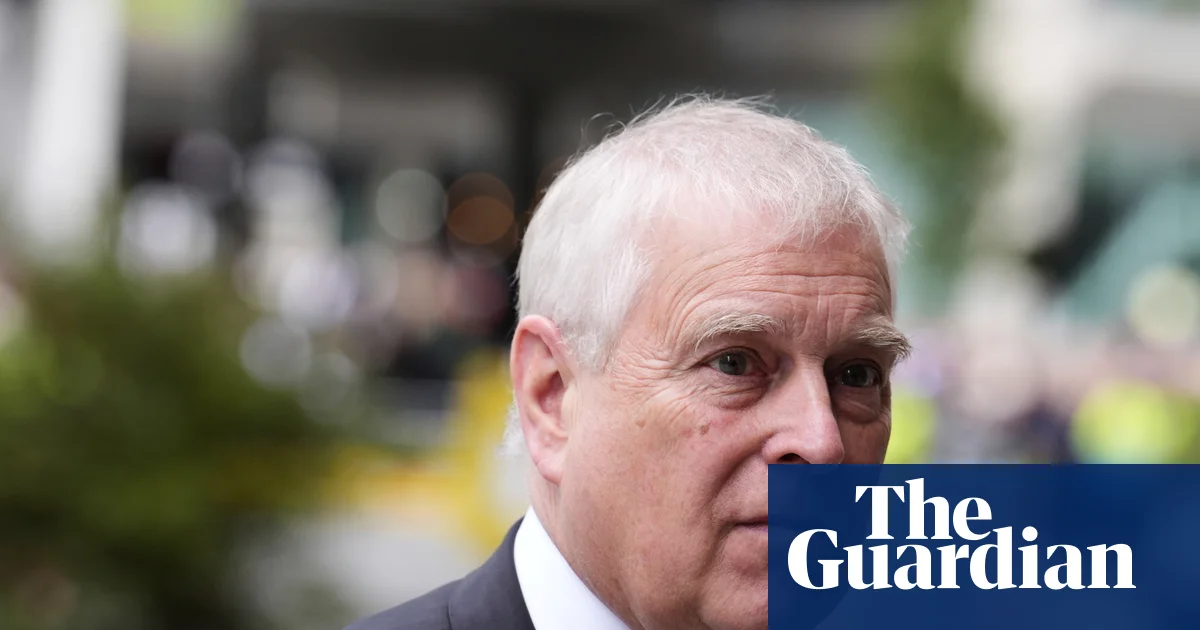
Police urged to investigate: Will Prince Andrew face questions over Epstein ties?

The unfolding revelations surrounding Prince Andrew and his alleged connections to Jeffrey Epstein have ignited a firestorm across international political landscapes, revealing the darker underbelly of elites and the far-reaching geopolitical impact of scandal and secrecy. As investigations intensify, questions about How deep character and institutional complicity run threaten to redefine perceptions of royal authority, diplomacy, and Britain’s global standing. Academic analysts and organizations like Interpol and Amnesty International warn that such exposures could undermine *public trust* in both monarchy and democratic institutions—a formidable challenge for nations that value transparency but are reluctant to confront their shadows.

The UK is at a pivotal crossroads. Growing pressure from lawmakers, international partners, and victim advocacy groups compels a reconsideration of longstanding narratives surrounding the royal family’s immunity. Evidence uncovered by investigative journalists suggests links between Mountbatten-Windsor and clandestine flight operations through UK airports, allegedly involving vulnerable women transferred via private planes owned by Epstein. Former Victims’ Commissioner Vera Baird emphasized that *the police must pursue these leads vigorously*, warning that *political inaction or institutional cover-ups* could fatally erode **faith in democratic systems**. The repercussions extend beyond Britain, affecting alliances with Commonwealth nations and influencing perceptions of Western governance on the world stage.

This scandal also strikes a blow to the monarchy. During a week marked by intense scrutiny, King Charles and his courtiers publicly declared a *“profound concern”* while asserting their willingness to cooperate with law enforcement. Yet, critics—including human rights advocates and anti-monarchy activists—highlight that *the royal family’s historical distance from accountability* complicates efforts for justice. As multiple emails and photographs come to light, depicting Prince Andrew in compromising situations, experts warn that *the very institutions that once shielded royal misconduct are now under siege*. The question of whether elite privilege can withstand the weight of these allegations remains an open, and unsettling, one.

Meanwhile, international organizations warn that this scandal illustrates the **new geopolitical terrain**, where *private wealth, power, and influence are intertwined with criminal activities*. The情况 shows how *transnational networks* operate under the veneer of diplomatic missions and global business, with China and Hong Kong among critical nodes in Epstein’s complex web—an area now being scrutinized for possible foreign influence and corruption. Historian Dr. Thomas Gray notes that *these scandals highlight the erosion of soft power* when elites abuse their positions, marking a dangerous turning point where diplomatic relations could falter. As investigations broaden, the world watches, awaiting the verdict that might reconfigure international diplomacy and the very narrative of justice itself.

As the pages of history continue to turn, the weight of these revelations lingers—an ominous reminder that *the truth often emerges from the shadows in moments of crisis*. The ongoing inquiry into Prince Andrew’s dealings, and those linked to Epstein, becomes more than a tale of individual misconduct; it is an unfolding saga that questions the integrity of power structures, the resilience of accountability, and the destiny of societies at their crossroads. Will this be a turning point—a moment to confront the shadows and forge a new path toward justice? Or will it fade into the silence of history’s forgotten corridors, as the forces of privilege and denial attempt to preserve their legacy? Only time will tell, but the future remains unwritten, and the echoes of these events will undoubtedly resound for generations to come.

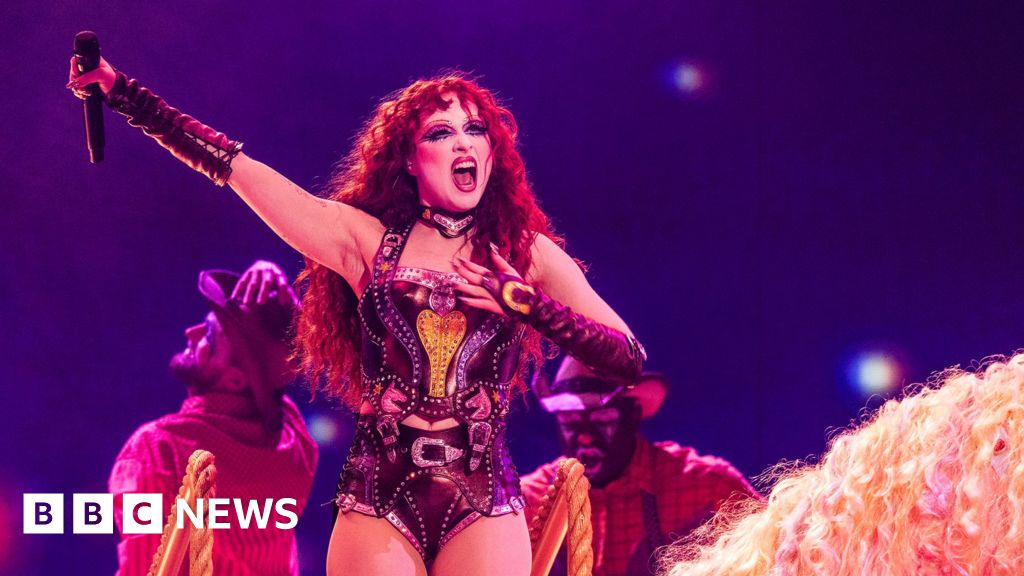
Chappell Roan cuts ties with Wasserman agency amid Epstein controversy

The recent revelation of Wasserman’s flirtatious emails to Ghislaine Maxwell from the Epstein files has sent shockwaves through international political and judicial circles. These documents, released amidst ongoing investigations into Jeffrey Epstein’s network, expose a web of clandestine communications that potentially implicate influential figures across multiple nations. The contents detail a pattern of clandestine ties that are now under scrutiny for possible diplomatic and legal repercussions, revealing how interconnected and opaque the world of the global elite truly is.

Analysts warn that these disclosures threaten to destabilize established narratives regarding the so-called “elite justice” system—a system often criticized by conservative observers as biased towards protecting powerful individuals. Historians from institutions such as the Smithsonian Institution and think tanks like the Cato Institute have pointed out that these revelations highlight recurring themes of systemic secrecy and impunity for the privileged in international law. The timing of their release underscores the broader geopolitical debate about accountability among the world’s most influential figures, and how such networks can shape global stability.

The geopolitical impact of this case extends beyond individual scandals, touching upon the delicate balance of power among nations. The revelations about Wasserman’s interactions with Maxwell suggest possible links to high-level operatives or intelligence agencies—a development that experts say could deepen mistrust between nations already wary of each other’s agendas. As countries like the United States, United Kingdom, and Russia assess the implications, questions arise about what international protocols are in place to monitor such clandestine exchanges and how they influence diplomatic relations. Moreover, these disclosures threaten to undermine public confidence in national and global institutions tasked with maintaining justice and transparency.

Ultimately, these leaked emails symbolize more than a scandal; they are an unsettling reminder that the forces shaping our world are often shielded behind layers of secrecy. As investigations intensify and the media picks up pace, the course of history remains uncertain. The unfolding narrative is a stark warning of the unchecked power of the few over the many—power that, if left unchallenged, could propel the world into an era of even greater instability. The weight of this revelation underscores a pivotal moment: a society must decide whether to confront its hidden hierarchies or continue to turn a blind eye, allowing history’s most enduring conflicts to persist in the shadows.

Top French Politician Resigns from Leading Institute Over Epstein Ties

European Influence in Crossfire as French Cultural Icon Faces Epstein Scandal

France has found itself embroiled in an international controversy that extends its shadow across diplomatic and cultural landscapes. The fallout from the Jeffrey Epstein scandal, which has rocked the global political and social order, continues to unearth disturbing revelations about prominent figures within European spheres of influence. Jack Lang, a revered cultural figure in France and a former Minister of Culture under François Mitterrand, has been forced to resign from his post as head of the prestigious Institut du Monde Arabe. This decision follows a disturbing investigation by French authorities into his alleged contacts with the convicted sex offender and financier, Jeffrey Epstein, who died in prison in 2019 under controversial circumstances.

Recent disclosures, stemming from files released by the US Department of Justice, have publicly linked Lang and his daughter, Caroline, with Epstein, revealing over 600 references in private correspondence. While Lang maintains his innocence, insisting his interactions were purely philanthropic, the **geopolitical impact** of this scandal reverberates far beyond France’s borders. How European elites are intertwined with American financial networks and illicit social circles is now under scrutiny, adding a new layer of complexity to international relations and perceptions of transparency. International organizations, including human rights and anti-corruption watchdogs, warn that such revelations threaten to erode trust in cultural and political institutions, fueling a narrative of decadence and moral decay among Europe’s ruling classes.

How Decisions Shake Societal Foundations and International Relations

  • The investigation underscores the persistent vulnerability of high-profile individuals amid rising demands for accountability in an era of heightened transparency.
  • Lang’s resignation and the ongoing probes highlight how **international diplomacy** is increasingly shaped by scandals that threaten to destabilize diplomatic goodwill and cultural diplomacy.
  • European nations face mounting pressure to confront internal hypocrisies, as the Epstein revelations expose uncomfortable truths about the network of elite influence that spans continents.

Comments from analysts and international organizations point to a **shift in the global perception** of Western moral authority. “This scandal exemplifies how clandestine networks operated by the elite are now being exposed at an unprecedented rate,” notes Dr. Marie Dubois, a geopolitical analyst. Such disclosures are likely to fuel populist sentiments across Europe, demanding greater scrutiny of both political and cultural elites. Moreover, historians warn that these crises serve as stark warnings of how unchecked power and influence can undermine societal foundations, leading to a potential crisis of legitimacy.

International Repercussions and the Broader Power Struggle

The Epstein case has become a litmus test for **international accountability**. The scandal’s reach extends into other global centers of power, raising questions about the extent of influence wielded by shadowy financial figures. As investigative authorities continue to scrutinize the connections between Epstein’s network and political figures across Europe, the **geopolitical landscape** may experience shifts in alliances and trust structures. Nations dependent on diplomatic goodwill, especially with *France*, now find themselves confronting uncomfortable truths that threaten to challenge their societal narratives.

Meanwhile, some political commentators argue that these revelations might catalyze reform, pushing nations to address systemic corruption. Conversely, others suggest that the scandal could entrench populist and nationalist movements, which thrive on anti-elite rhetoric. The **real legacy of this crisis** will hinge on how effectively international institutions and governments respond to the calls for transparency and justice. As history watches, the unfolding story of deception, power, and accountability remains a stark reminder of how **secret networks** can threaten the very fabric of modern democracy.

As the dust settles, one truth remains undeniable: the weight of history is still being written, and the actions taken today will shape the global narrative for generations to come. The scandal underscores perhaps the most profound lesson of our era—that the corridors of influence are fraught with peril and that the true price of power is often paid in the currency of integrity and trust. The emerging story is not merely about scandal but a test of societal resilience in an age where shadows often eclipse the light of truth.

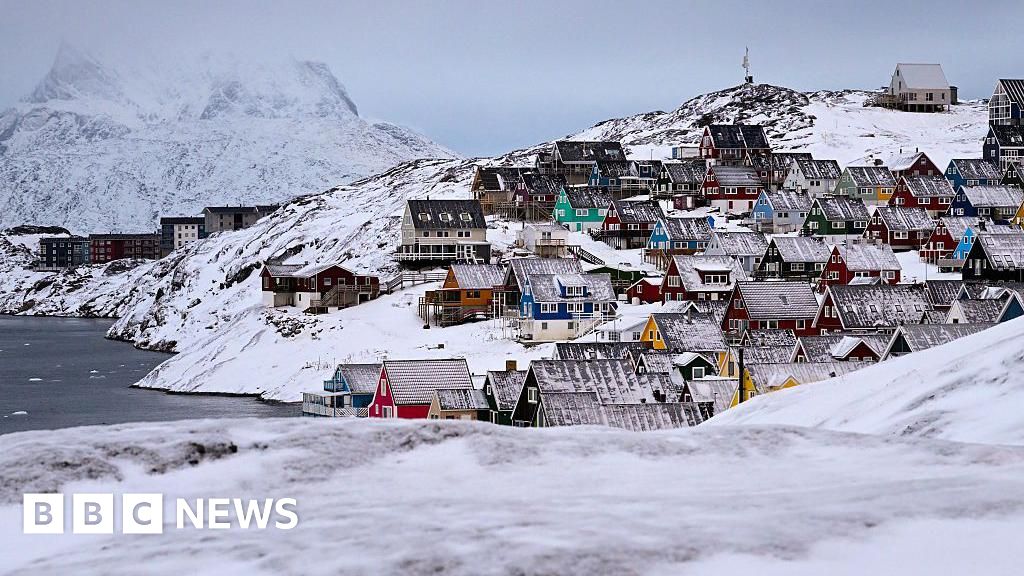
Canada sends top officials to establish Greenland consulate, signaling strong regional ties

The geopolitical landscape of the Arctic is once again at the forefront of international affairs, as nations jockey for strategic dominance amid shifting global priorities. Canada has publicly affirmed its move to demonstrate solidarity with Greenland, amid rumors suggesting the United States may have plans to establish a presence on an Arctic island. This diplomatic stance occurs despite reports indicating that the initiative was in motion prior to former President Donald Trump’s recent suggestion to purchase Greenland—a proposal that stunned global analysts and diplomatic observers. The timing of these developments underscores the multifaceted nature of Arctic geopolitics, where historic territorial claims, resource competition, and environmental concerns intertwine.

Analysts from institutions such as the International Crisis Group and various geopolitical think tanks emphasize that the Arctic has become a strategic arena—not just for resource extraction, but for projecting military power and influence across the northern hemisphere. The United States’ interest in Greenland, long discussed but seldom publicly activated, now appears to be gaining momentum as climate change accelerates ice melt, opening new shipping routes and access to untapped reserves of oil, gas, and minerals. Critics argue that the push for territorial claims in the Arctic echoes Cold War dynamics, with major powers seeking to secure their own interests before others can tighten their grips on the diminishing polar frontier.

Canada’s move to express solidarity with Greenland—a territory long associated with Denmark—comes amid broader concerns of potential encroachments and destabilization. Prime Minister Justin Trudeau has emphasized that this gesture aims to reinforce the importance of multilateral cooperation in the face of emerging threats and unilateral ambitions. Meanwhile, the North Atlantic Treaty Organization (NATO) has remarked that the Arctic’s strategic importance will only grow, urging member states to remain vigilant. For many analysts, including historians specializing in Cold War history, the current maneuvers could very well mark the beginning of a new chapter—a modern-day contest over Arctic dominance that could have sweeping geopolitical impacts.

Yet, the situation remains fluid and unpredictable. Russia continues to assert its own claims under the 2015 Arctic Council agreement, leveraging its military and scientific presence across the region. Meanwhile, China, increasingly vocal about its “near-Arctic” ambitions, is pushing for a role in future resource development and shipping routes. International organizations warn of the risks of escalation, but few agree on a clear path forward. As nations prepare for what many describe as an impending new Cold War in the high latitudes, history warns that these seemingly isolated disputes could spiral into a confrontation with global repercussions.

Ultimately, the decisions taken today in the Arctic are not merely about regional dominance—they reflect a broader contest for global influence in the 21st century. As iconic historian Paul Kennedy and geopolitical analysts observe, the unfolding elements of this silent, frigid struggle may determine the future balance of power. For those who sense the gravity of these shifts, it is clear that the stakes could not be higher—the Arctic, once a remote wilderness, now stands as a gateway to the tumultuous, uncharted corridors of international conflict. The weight of history presses heavily on this icy frontier, which could—in the span of a few decisive years—become the theater of a new, unanticipated global confrontation.

Queen’s University Belfast severs ties with George Mitchell over Epstein controversy

Recently, a notable controversy has erupted within the academic community regarding the legacy of Senator Mitchell. While no formal accusations of misconduct have been substantiated against him, the institutional decision to dissociate his name from university spaces underscores a broader societal shift—an increased emphasis on accountability and sensitivity toward victims and survivors of misconduct. Such actions reflect an evolving moral stance that prioritizes moral integrity and the well-being of vulnerable populations over historical recognition, signaling a significant cultural transition in how we reckon with past and present complexities.

This incident has ignited conversations about how societal values influence academic and communal identities. Critics argue that removing Mitchell’s name is a symbolic gesture, yet many see it as a necessary step in fostering more inclusive and respectful environments. The decision touches deeply on issues of justice, memory, and moral responsibility, which resonate across families, education systems, and local communities. As sociologists like Dr. Jane Harper have pointed out, such societal shifts are often driven by demographics and cultural tensions that challenge traditional notions of legacy—especially in a society increasingly aware of power dynamics and social disparities.

Amid these developments, educational institutions are grappling with how to reconcile historical figures’ contributions against contemporary moral standards. The debate transcends mere symbolism; it touches upon foundational questions of values, ethics, and the social fabric of communities. For families, this debate echoes in their personal beliefs about history and morality, influencing how young people perceive the moral weight of their communities’ legacies. As historians like Dr. Robert Lang emphasize, societal progress often involves re-evaluating history’s heroes—not to erase their contributions, but to contextualize them within a framework of moral accountability and social awareness. This evolving narrative aims to build a future where justice and empathy serve as the guiding principles of societal development.

In reflecting upon these social shifts, society stands at a crossroads, confronting uncomfortable truths about the costs of legacy and the importance of moral progress. The challenge remains: how to honor history without perpetuating injustice. Yet, beneath the surface of controversy lies a foundation of hope—an aspiration for a society where families, educators, and communities collaboratively forge a more respectful and just environment. As we navigate these turbulent waters of moral and cultural evolution, the true test will be whether society can transform its collective conscience into a beacon of hope that guides future generations toward greater understanding, accountability, and unity—standing resilient in the face of history’s shadows, yet inspired by the promise of genuine change.

Starmer names new US ambassador as UK-US ties face Trump test

Keir Starmer’s Diplomatic Dilemma: Navigating US-UK Relations Amid Global Tensions

As Britain prepares to appoint a new ambassador to Washington, the decision bears significant implications for international alliances and geopolitical stability. Prime Minister Keir Starmer faces a delicate balancing act, selecting from a shortlist that includes figures with deeply entrenched ties to the Trump administration and diplomatic experience in Russia and the United Nations. This appointment arrives at a critical juncture in global politics, with rising tensions over Ukraine and shifts in America’s foreign policy demanding a skillful diplomatic response from London.

The shortlist features Varun Chandra, a former corporate intelligence executive who has negotiated key trade deals with the US, and Christian Turner and Nigel Casey, career diplomats with extensive experience in high-stakes international settings. While the Foreign Office favors appointing a seasoned career diplomat to mitigate political risk, Starmer’s inclination toward Chandra suggests a strategic move to bolster bilateral ties through economic diplomacy. However, the wider geopolitical impact remains complex: the US’s recent aggressive stance on Ukraine, including President Trump’s persistent demands for a peace deal by Christmas, underscores an administration eager to withdraw from European conflicts and redefine its global role.

US-Europe Relations Under Strain: The Shadow of Donald Trump’s Narrative

Relations between Europe and the US are strained, with Trump’s recent inflammatory rhetoric exacerbating divisions. During interviews this week, Trump lambasted European nations, warning that many may “not be viable countries any longer” unless they overhaul their border policies. This rhetoric, reinforced by senior British MPs criticizing the US national security strategy, which claims Europe faces “civilisational erasure,” signals a rupture in the transatlantic alliance. Such language risks empowering nationalist and patriotic parties across Europe, seeking to redefine national identities in the face of perceived external threats.

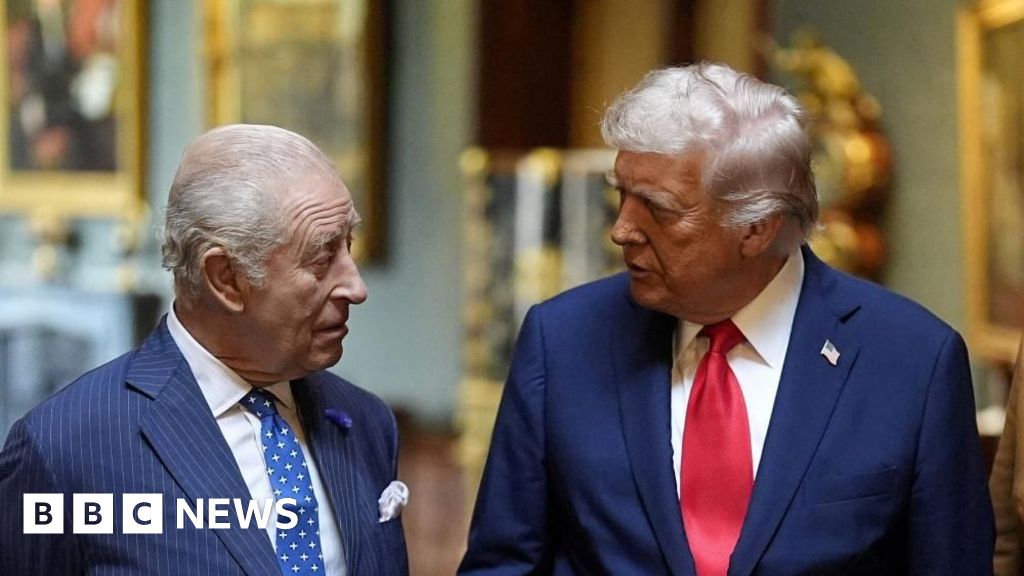
This predicament highlights a broader question: how can Britain and its allies navigate a shifting geopolitical landscape where American unilateralism erodes longstanding alliances? Analysts like Dr. Fiona Hopkins, a hawk on European security, argue that Trump’s increasingly disruptive approach, emphasizing “patriotic” European parties and border crackdowns, threatens the very fabric of continent-wide stability. Meanwhile, the US ambassador role, vacant since Peter Mandelson’s fall for undisclosed ties to Jeffrey Epstein, underscores the turbulence in maintaining diplomatic credibility amidst domestic scandals. The choice of ambassador, therefore, is as much about trustworthiness as it is about strategic alignment.

Uncertain Future: The Weight of History in a Tumultuous World

At this crossroads, Starmer’s decision will determine whether Britain can serve as a beacon of steady diplomacy or be swept into the chaos of conflicting global interests. The delicate act of managing US internal politics, European security concerns, and the ongoing crisis in Ukraine echoes the era-defining choices of history’s greatest diplomats. As the world watches with skepticism and trepidation, the choices made today will reverberate for generations—potentially redrawing the map of alliances, power, and influence in an unpredictable future. The pages of history are flipping, and with every turn, humanity balances on the edge of a new and uncertain chapter.”

Social Media Auto Publish Powered By : XYZScripts.com