Matox News

Truth Over Trends, always!

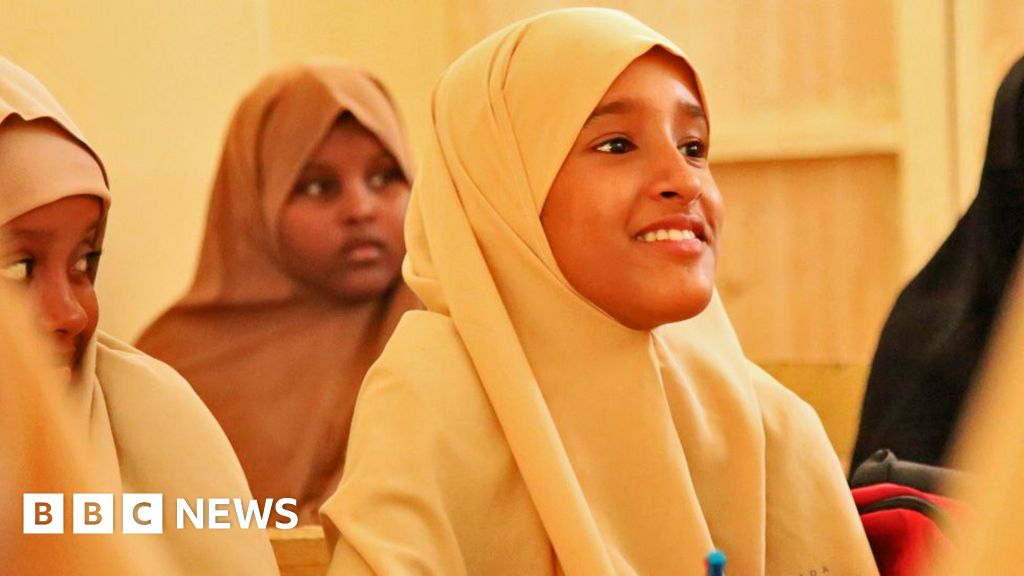
Somalia adopts Swahili in schools to strengthen cultural ties and boost national pride

In a move that highlights a broader shift toward regional integration and cultural identity, Somalia has announced plans to incorporate Swahili into its national curriculum. This development unfolds amid a backdrop of decades of conflict, social fragmentation, and evolving regional dynamics. Historically, Somalia’s education system has been dominated by English at higher levels and Arabic at Islamic schools, reflecting colonial and religious influences. The decision to emphasize Swahili, the lingua franca of East Africa, signals a recognition that language is power—an asset for families, teachers, and communities seeking to rebuild trust, expand economic opportunities, and forge regional bonds.

  • The adoption of Swahili aims to foster regional integration, making Somalia more connected with its East African neighbors and facilitating trade, diplomacy, and education exchanges.
  • Swahili, spoken by over 200 million people, is among the world’s top ten most spoken languages, representing a significant cultural and linguistic bridge for Somalia’s youth and working families.
  • Increased use of Swahili is already evident along Somalia’s southern coast and among refugees in Kenya, many of whom learned the language as part of their adaptation after fleeing violence.

This cultural shift underscores a profound demographic and social transformation. Decades of civil war, which erupted in 1991, have led to social dislocation and an erosion of traditional authority, forcing communities—and especially the youth—to adapt in unpredictable ways. The proliferation of Swahili in everyday life, particularly among those who have crossed borders or served in regional peacekeeping missions, exemplifies how social bonds are evolving outside conventional national boundaries. Leaders like President Hassan Sheikh Mohamud emphasize that cultivating Swahili at academic institutions—especially at the Somali National University—will promote regional cooperation and integrate Somalia’s economy more closely with East Africa’s emerging markets.

Critics and social commentators warn that such rapid cultural shifts could ripple through families and societal structures, challenging long-held identities rooted in language and religion. As Historians note, language is often intertwined with cultural sovereignty; thus, the push to prioritize Swahili may provoke tensions among those who cling to Arabic or English as symbols of religious and colonial heritage. However, proponents argue that this multilingual approach could foster a new generation of citizens equipped to navigate a multi-lingual world—one where economic empowerment and social cohesion depend on linguistic adaptability. Education Minister Farah Sheikh Abdulkadir envisions Swahili replacing English as the dominant language of trade and learning, a move seen as both pragmatic and strategic.

Ultimately, how families, schools, and communities adapt in the coming years will determine whether this linguistic pivot bolsters national unity or deepens cultural fissures. It is a testament to society’s ongoing battle between preserving identity and embracing progress—a confrontation familiar across many nations shaping their destinies amidst modern global challenges. As the sun sets over Mogadishu and a new chapter begins, society stands at a crossroads: will it forge a resilient, inclusive future by harnessing the power of language, or will it find itself divided by the echoes of a past reluctant to fade? In this fragile moment, society’s resilience lies in its ability to envision transformation, not just as empty rhetoric but as a tangible hope—an enduring testament to the human spirit’s capacity to reinvent itself amid chaos and change.
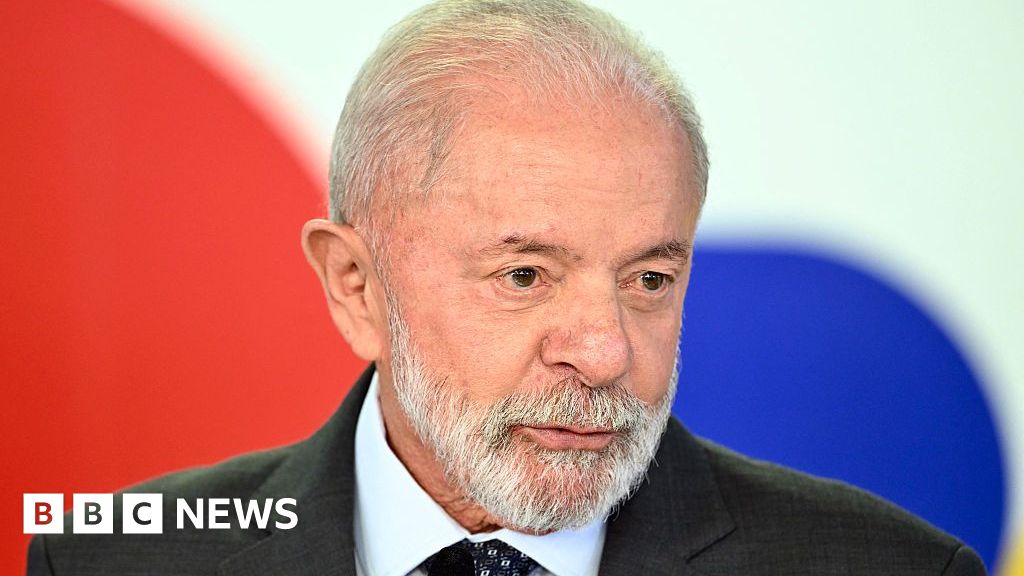
Trump and Lula Have Friendly Call Amid Growing Ties

The United States and Brazil have taken a tentative step toward restoring their diplomatic ties, signaling a shift in the geopolitical landscape of the Western Hemisphere. After months of diplomatic frost stemming from Trump-era tariffs on Brazilian goods, the recent phone call between President Donald Trump and Brazilian President Luiz Inácio Lula da Silva is a clear indication of renewed dialogue. Both leaders described the interaction as friendly and productive, with an emphasis on easing trade tensions that have threatened to undermine economic stability between the two nations. The focus was on reducing a contentious 50% tariff on imports—an action that could reshape regional economic alliances and influence global markets.

The tariffs introduced by the Trump administration in the summer were a response to the Brazilian court proceedings against Jair Bolsonaro, Lula’s predecessor, which strained relations during a period of heightened ideological tensions. However, the recent conversation, lasting approximately thirty minutes, hinted at a desire on both sides to restore cooperation. Lula has requested the reduction of tariffs back to 10%, along with the removal of sanctions on several Brazilian officials—an offer that suggests Brazil is eager to re-engage with U.S. economic strategies. The call also carried diplomatic undertones, as Lula and Trump exchanged contact details, signaling a move toward sustained direct communication. Analysts view this as part of a broader effort to stabilize relations and re-emphasize the importance of the Western democracies working together in a time of global uncertainty.

International observers, including geopolitical analysts and historians, highlight that these interactions are more than mere bilateral fixes—they shape the geopolitical impact of the Americas. The appointment of Secretary of State Marco Rubio as the lead negotiator by the U.S. signals Washington’s intent to keep the negotiations firmly within the sphere of influence of a Republican administration aligned with Trump’s nationalist, America-first policies. Nonetheless, within Brazil, there is internal debate. Sources close to Lula’s government suggest a preference for a negotiator with closer ties to the Brazilian leadership, rather than an envoy associated with what they term the “ideological wing” of the Trump administration. This internal divide underscores the complex nature of international negotiations, especially when political ideologies blend with economic interests. The upcoming UN climate summit in Belém and the potential meeting during the ASEAN summit in Malaysia signal Lula’s strategic diplomacy aimed at positioning Brazil as a pivotal player who influences both regional and global policies.

The unfolding diplomatic dance between these two powers underscores the broader shift in international alliances. As the world braces for a new chapter in global geopolitics, the U.S.-Brazil relationship serves as a bellwether for regional stability. How these decisions will ripple through the socio-economic fabric of Latin America and beyond remains to be seen. With the appointment of Rubio and Lula’s diplomatic overtures, the trajectory points toward a delicate balance—where diplomacy and national interests collide in the crucible of history. For the world’s youthful observers, the next few months could determine whether this renewed relationship sparks a regional renaissance or risks devolving into a fresh geopolitical quagmire, locking nations into cycles of tension and cooperation. Indeed, the pages of history are turning once more, and every handshake, every negotiation, could redefine the course of the coming decade, leaving indelible marks on the fabric of international diplomacy.

Social Media Auto Publish Powered By : XYZScripts.com