Matox News

Truth Over Trends, always!

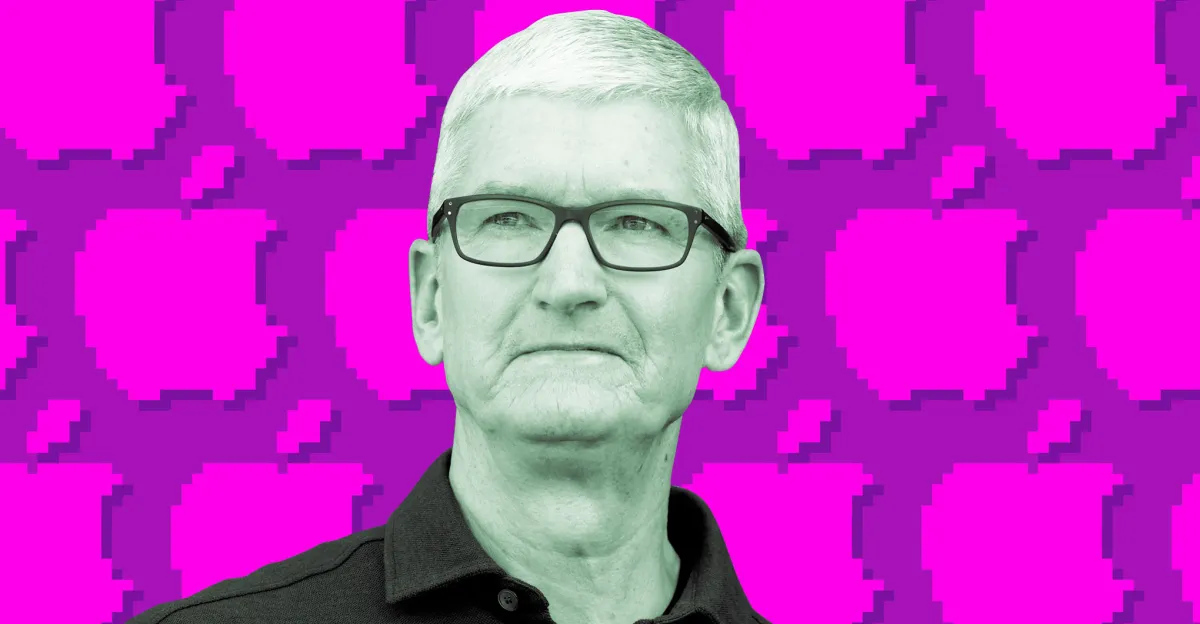
Tim Cook: The Innovator Who Carried Apple Forward, But Not the Jobs Vision

Apple’s Next Act: From Efficiency to Innovation Under New Leadership

Once synonymous with radical innovation, Apple has undergone a significant transformation over the past decade. The legacy of Steve Jobs forged a path characterized by groundbreaking products like the iMac and the iPhone—technologies that redefined entire markets. However, since Tim Cook took the helm in August 2011, the company’s focus shifted towards operational excellence, optimizing supply chains, and scaling existing product lines to maximize revenues. While this strategy fueled unprecedented growth—making Apple’s valuation surpass that of major oil giants—it also has come under increasing scrutiny as critics question whether this shift signals a plateau in true innovation.

Under Cook’s leadership, Apple became a juggernaut of incremental innovation. The introduction of alternative iPhone models, such as the Plus, Mini, and Pro variants, exemplifies diversification within a proven product category rather than radical disruption. Moreover, the ascendance of services—ranging from iCloud to Apple Music and the App Store—has become a formidable revenue driver. Service revenue now ranks second only to iPhone sales, surpassing Macs, iPads, and wearables combined. This aligns with trends identified by industry analysts from organizations like Gartner, who warn that reliance on services and incremental upgrades could eventually hinder Apple’s growth trajectory unless disruptive innovation is reinvigorated.

Recent legal challenges, notably the Epic Games lawsuit over App Store practices, underscore ongoing industry tensions regarding platform control and antitrust concerns. While Cook’s team was instructed to loosen its grip, the company’s response—marked by slow and insufficient reforms—illustrates a strategic tension: the balance between maintaining market dominance and adapting to regulatory pressures. As Apple faces mounting global regulatory scrutiny, the industry is watching eagerly for signs of Apple’s future innovation capabilities beyond supply chain mastery and operational efficiencies. According to MIT scholars and tech policy analysts, this could be a pivotal moment where Apple either breaks the mold or stagnates within its comfort zone of incremental gains.

Looking ahead, the upcoming departure of Cook hints at a potential new chapter for Apple. The newly appointed VP of Hardware Engineering, John Ternus, promises a fresh approach focused on hardware innovation. The first notable product is the MacBook Neo, an affordable yet powerful device leveraging Apple’s proprietary silicon—an emblem of Cook’s legacy of developing a self-sufficient, supply chain resilient hardware architecture. As industry experts from Harel Gadot at Gartner suggest, this particular move could be the harbinger of the next wave of disruptive products from Apple, if combined with a bold vision that embraces risks and leapfrogs traditional market categories. The challenge for the new leadership will be transforming Apple’s reputation from a master optimizer to a pioneer of technological breakthroughs again, a move that could redefine the industry’s future.

In an era marked by rapid technological shifts—from AI to quantum computing—waiting on the sidelines is not an option. Apple’s ability to harness its operational prowess while spearheading disruptive innovation will determine whether it continues to be a transformative leader or settles into the role of a well-oiled machinery. Industry watchers and investors alike will be evaluating whether the new era of leadership can rekindle Apple’s pioneering spirit—ushering in a future where the company not only masters efficiency but also leads technological revolutions that shape the 21st century.
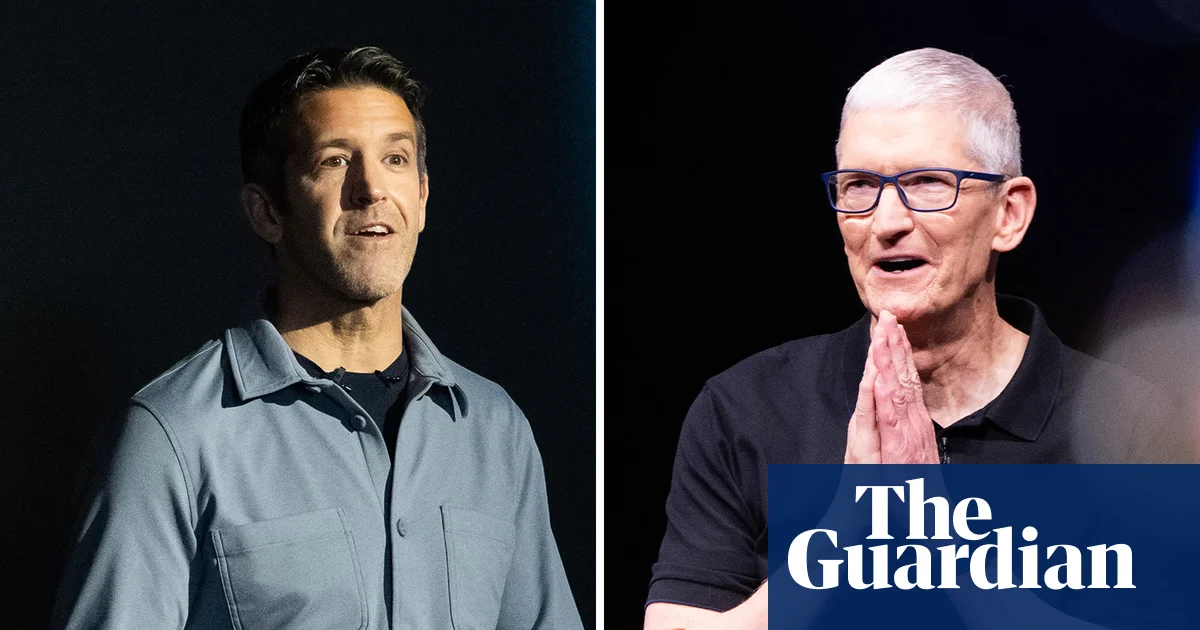
Tim Cook remains Apple’s quiet influencer amid shifting tech tides

Apple’s Leadership Transition Signals Strategic Shifts Amid Global Policy Challenges

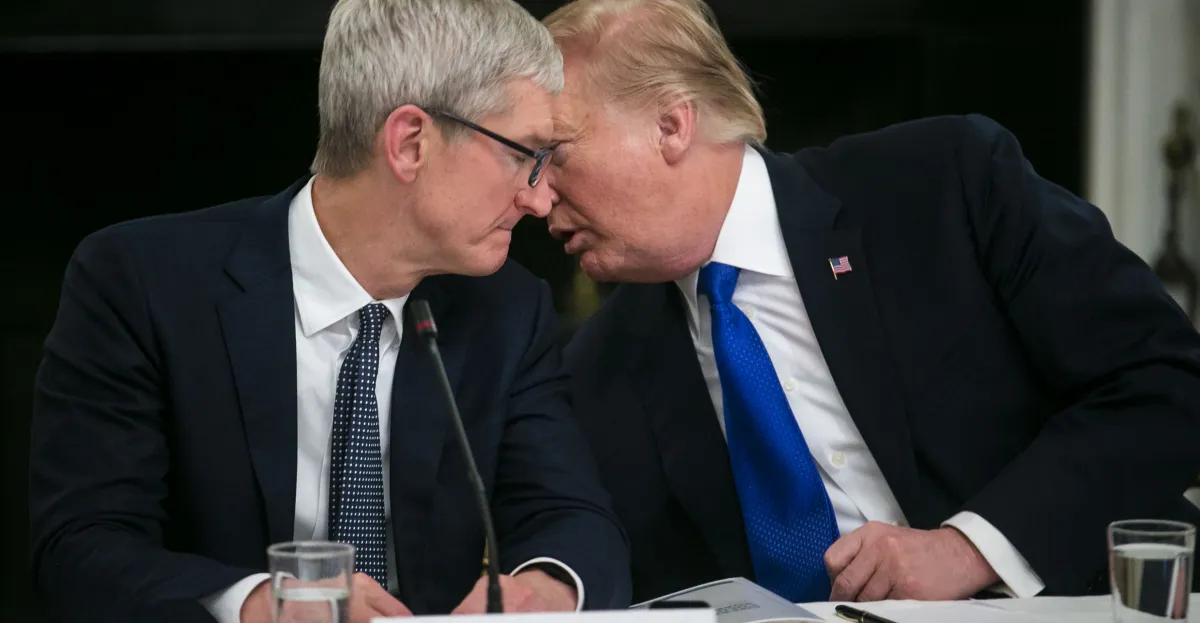
In a move that underscores ongoing innovation and disruption in the tech sector, Tim Cook has transitioned from CEO to the role of Apple’s executive chairman, while John Ternus, senior vice president of hardware engineering, takes the helm as CEO. This leadership shakeup arrives at a critical juncture for the industry, as Apple braces for mounting regulatory pressures and geopolitical tensions shaping the tech landscape. With Cook remaining actively involved in high-stakes policy negotiations—particularly with U.S. policymakers—Apple continues to navigate complex global economic dynamics, emphasizing business resilience in an era marked by technological disruption and policy upheaval.

The strategic retention of Cook’s influence highlights the importance of political diplomacy in maintaining Silicon Valley’s competitiveness. Historically, Cook has balanced Apple’s interests across contentious markets, notably China and the U.S., exemplifying how industry leaders must adapt to evolving policy climates. This is especially relevant as worldwide regulators, led by institutions like Gartner and MIT, pursue aggressive measures to regulate emerging AI technologies. These efforts aim to create a safer, more accountable ecosystem—yet pose significant hurdles for companies aiming to innovate without stifling growth.

Meanwhile, the industry faces disruptive shifts in market structures, driven by innovations in AI, 5G, and edge computing. Experts suggest that the next decade could define the battleground between regulatory constraints and technological breakthroughs. Apple’s pivot towards advanced hardware and AI integration exemplifies the company’s strategic focus on disruption. Despite the leadership change, Cook’s ongoing influence on policy and corporate strategy ensures Apple remains agile, capable of tackling complex issues like AI regulation, app store oversight, and international trade tensions.

Looking ahead, the industry’s trajectory hinges on adapting to a rapidly shifting geopolitical landscape and embracing cutting-edge innovation. Companies that effectively leverage disruption while navigating policy constraints will be best positioned for sustained growth. As Elon Musk and other visionaries push the frontiers of electric vehicles, space exploration, and AI, the urgency for young tech leaders to adopt a proactive stance intensifies. The coming years promise a fierce contest at the intersection of tech innovation and regulatory power, underscoring the necessity for strategic foresight in the face of relentless change.

Tim Cook steps down as Apple CEO; John Ternus named his successor

Apple, the multinational technology giant, has announced a significant leadership transition, marking a pivotal moment not only within the realm of consumer electronics but also in the broader geopolitical scene. After nearly 15 years of steering the company through unprecedented expansion, Tim Cook will step down as CEO, handing the reins to John Ternus. This transition coincides with a period of intensifying global competition in artificial intelligence and tech innovation, where corporate decisions resonate with national security interests and economic stability. The move appears poised to influence the company’s strategic direction amid rising scrutiny over its trajectory in AI integration and market positioning.

  • Cook’s leadership saw Apple expand its market dominance, especially with record-breaking iPhone sales in China, signalling entrenched global dependencies.
  • Ternus, known for engineering expertise, promises to uphold the company’s core values while navigating the uncertain landscape of AI development.
  • Growing international and domestic tensions over tech sovereignty and competitive technology race shape the broader context for the announcement.

International organizations and analysts have keenly observed Apple’s shift as a reflection of the larger geopolitical dynamics at play. Some experts argue that the leadership change signals a strategic pivot as the tech sector grapples with AI supremacy and technological independence. In recent years, superpowers like the United States and the People’s Republic of China have been engaged in a high-stakes contest over control of AI and digital infrastructure, with corporations caught in the crossfire. According to technology historian Dr. Lisa Crawford, the new leadership at Apple might signal a cautious step toward more aggressive investment in emerging tech, possibly aligning corporate innovation with national interests. Such moves could reshape global supply chains and influence international cooperation, particularly in the face of mounting sanctions and tech war tensions.

This transition also carries profound implications for society and the global economic landscape. While Apple’s success under Cook bolstered prosperity, it also deepened dependencies in key markets, especially in East Asia. The decision to maintain a measured approach to AI integration—preferring third-party tools over full in-house solutions—may be a strategic response to fears of technological vulnerabilities or geopolitical vulnerabilities in the supply chain. Analysts warn that the next phase of technological rivalry could hasten a divide between Western and Eastern digital ecosystems, with global implications for cybersecurity and technological sovereignty.

As the world watches, the future of Apple seems intertwined with the broader narrative of international power struggles. The United States and other nations will scrutinize John Ternus’s leadership, assessing whether his technical expertise translates into a strategic foresight that can tackle the threats posed by global tech competition. Meanwhile, the real battle unfolds behind closed doors: between nations vying for dominance in the digital age, where the next few years could redefine the balance of power. As history continues to be written in these corridors of influence, one thing remains certain—every executive decision, every innovation, and every shift in leadership at companies like Apple shapes the unfolding fabric of our interconnected world, leaving future generations to grapple with the legacy of today’s choices.

Australia Politics Live: Tim Wilson Snubs Deputy Role as Taylor and Ley Eye Liberal Leadership Spill

Unfolding Geopolitical Shifts and Domestic Turmoil: Australia’s Political Landscape and International Ripple Effects

In recent days, Australia has been engulfed in a tumultuous political saga that underscores the broader geopolitical ramifications of internal party conflicts and leadership disputes. The Liberal Party’s leadership spill — culminating in the contest between Angus Taylor and Sussan Ley — exemplifies the fragility of political allegiances amid global instability. As the world watches, these disputes are more than domestic skirmishes; they are manifestations of wider ideological battles that could reshape regional alliances and influence Australia’s posture on the international stage.

Numerous analysts, including prominent historians and global institutions, highlight how leadership crises like this ripple beyond national borders. The United Nations and wise geopolitical observers warn that such upheavals weaken a nation’s ability to project strength, particularly in the Indo-Pacific, a region increasingly vital amid the shift of global power dynamics toward China and the United States. The outcome of this spill could determine Australia’s future role — whether as a steadfast ally of Western democracies or an errant actor caught in internal discord. Importantly, the internal disunity, vividly illustrated by the backroom dealings and public statements of figures like Jane Hume and Tim Wilson, signals a nation at a crossroads, whose domestic stability directly influences regional security.

  • The leadership ballot, scheduled to commence at 9 am, reflects a deeper contest within the ruling party—one emblematic of the ideological battles shaping the global conservative movement.
  • Figures such as Jacinta Nampijinpa Price and Sarah Henderson show heightened interest in repositioning conservative policies, signaling internal struggles over Australia’s strategic direction.
  • The broader international implications include intensified concerns over freedom of speech and foreign influence, especially as protests unfold over the Israeli president’s visit, symbolizing heightened geopolitical tensions that resonate globally.

Indeed, as Australian leaders grapple with their party’s consolidation or disintegration, global sentiments also hang in the balance. The International Monetary Fund and World Bank have issued cautions about regional stability, emphasizing that internal political crises can impair economic resilience and diplomatic credibility. This week’s events serve as a stark reminder that internal division can undermine a nation’s capacity to navigate the complex currents of international diplomacy and economic competition. The appointment of Bruce Preston to the Reserve Bank’s interest rate committee signals a pivot toward technical expertise, yet the chaos within the Liberal ranks underscores the volatility that continues to define Australian politics. As the nation votes to determine its future leadership, historians caution that today’s decisions are shaping a history where internal upheavals are the harbingers of larger shifts.

In a world where national sovereignty is increasingly tested by external forces, Australia’s internal crises echo broader themes of resilience and vulnerability. The protests by the Jewish community and others against Herzog’s visit exemplify the societal fractures—a microcosm of the geopolitical turbulence that characterizes this era. As the dust settles and new leaders emerge, the shadow of history reminds us that these moments of political turbulence are but chapters in a larger narrative—one where the decisions made today will influence the global balance of power for generations to come. The unfolding story of Australia’s leadership contest, intertwined with regional tensions, serves as a stark reminder: in an interconnected world, internal discord can become the catalyst for profound, lasting change.

Labour's Tim Allan, Keir Starmer’s top strategist, steps down
Labour’s Tim Allan, Keir Starmer’s top strategist, steps down

Recent developments within United Kingdom political circles signal a tumultuous period that could reshape not only domestic governance but also influence legacy international alignments. The resignation of Tim Allan, the director of communications for Prime Minister Keir Starmer, after only five months underscores internal power struggles and mounting discontent at the highest levels of government. His departure, coupled with the recent resignation of Morgan McSweeney, the chief of staff, reflects a broader crisis of confidence and uncertainty enveloping the current leadership. These upheavals come at a time when the UK is navigating complex global terrains, especially in its relations with the United States and wider NATO alliances.

This political disarray coincides with a scandal that threatens to undercut Starmer’s credibility: the controversial appointment of Peter Mandelson as ambassador to Washington. Critics, including prominent historians and international analysts, point to Mandelson’s notorious associations, including links to the convicted Jeffrey Epstein. The decision has ignited furious debates over accountability, transparency, and how foreign policy decisions are made behind closed doors. In particular, it raises questions regarding the responsibilities of diplomats in safeguarding national reputation and the potential impact of such scandals on UKAmerica relations, especially amid intensifying geopolitical tensions.

On the international front, these internal disturbances are emblematic of a broader shift in global power dynamics, with China and Russia increasingly asserting their influence. Analysts warn that internal instability within Western nations, including the UK, could weaken their stance in ongoing conflicts and diplomatic negotiations. Organizations such as the International Crisis Group have pointed out that political fractures in key allies threaten to undermine coordinated responses to pressing crises, from Eastern Europe to the Indo-Pacific. European nations, observing these developments, brace for potential repercussions—ranging from diminished alliance cohesion to shifts in the balance of global influence—decisions that will echo through history’s unfolding chapters.

As Britain grapples with its internal struggles and controversial international appointments, the overarching narrative remains clear: the decisions made today will either fortify or fracture a delicate geopolitical landscape. The weight of history presses heavily on these fleeting moments; each crisis, scandal, and reshuffle signals not merely a moment in time but the potential redefinition of alliances and power structures. As the world watches, the question persists—will these internal upheavals serve as a catalyst for renewed strength, or will they herald a period of decline and disarray that shapes the global order for generations to come?

Social Media Auto Publish Powered By : XYZScripts.com