Matox News

Truth Over Trends, always!

Autism shouldn’t mean kids have to fight for their education—it's time for change.
Autism shouldn’t mean kids have to fight for their education—it’s time for change.

The Silent Crisis: Social Issues Impacting Families and Communities Through the Lens of Special Educational Needs

In today’s society, the landscape of support for children with special educational needs (SEN) remains fraught with challenges that ripple through families, education systems, and communities at large. Recent reports from the Institute for Public Policy Research (IPPR) highlight an urgent crisis: the current framework for supporting these children is fundamentally inadequate. Nearly one in five pupils in England—a staggering 1.7 million students—rely on some level of SEN support, yet far too many experience a system that neglects their holistic needs or leaves them isolated and uneducated.

While policymakers promise reform, the reality reveals a persistent cultural and infrastructural gap. This gap not only hampers the educational journey but profoundly affects the family dynamic, stripping children of the dignity and opportunity they deserve. As sociologists like Anthony Giddens note, social inclusion hinges on the ability of institutions to adapt empathetically to diverse needs. Instead, many families find themselves in a constant state of struggle, navigating a convoluted, often unresponsive system that seems to view them as obstacles rather than partners in their child’s development.

The Human Toll of Inaccessible Support

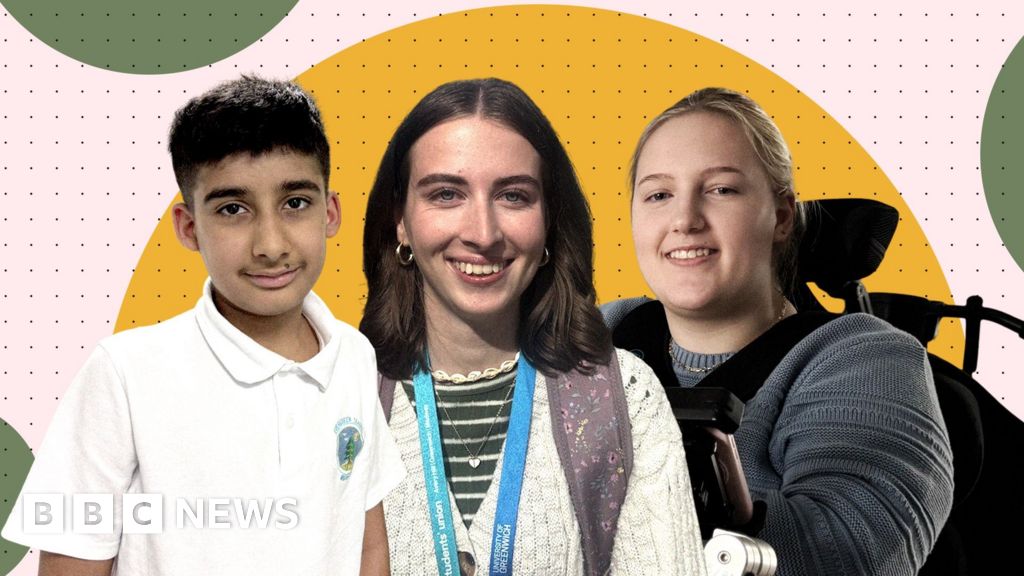
Take the case of Evie, an 18-year-old with complex disabilities diagnosed with autism and ADHD. Her story epitomizes the structural flaws that undermine human dignity. Despite her evident needs, her journey through mainstream and specialized education was marked by loneliness and insufficient support. “There were schools that could meet my complex health and mobility needs, but the level of learning was incredibly low,” she recounts. Her family’s exhaustive search for a suitable place resulted in three years spent at home—an exile from the vibrant world of learning and social interaction.

This phenomenon is not isolated; other children like Arav, a 12-year-old on the autism spectrum, face the harrowing reality of crowded classrooms and limited dedicated spaces. Armed only with a tribunal victory, his family fought fiercely for what should be a basic right: an appropriate placement. The shortage of specialized spaces, often driven by systemic neglect and underfunding, leaves families to wage legal battles that drain resources and hope alike. These examples underscore a fundamental truth: the social fabric frays when institutions fail to prioritize inclusivity and support.

Rethinking Support: From Policy to Practice

Policy experts like Dr. Emily Hunt advocate for a paradigm shift—the introduction of Additional Learning Support as a statutory layer in mainstream schools. This envisioned framework could ensure support is accessible without arduous assessments or diagnoses. Moreover, giving schools more control—paired with adequate funding and staff training—may bridge the accessibility gap and foster real inclusion. The IPPR urges that the current Education, Health and Care Plan (EHCP) model be replaced only after a consultative process leads to demonstrably better family support and academic outcomes.

  • Providing extra resources and training for educators to handle diverse needs.
  • Establishing clear routes to redress for families dissatisfied with their support.
  • Rewarding inclusivity through inspection standards like Ofsted assessments.

The Department for Education (DfE) insists that reforms are underway, emphasizing early intervention, improved training, and expanding specialist places. Yet, much remains to be done as families and children continue to navigate a system that often feels more adversarial than supportive. The very societal fabric that links families and communities to their future stability and growth is strained when generations of children are denied access to the opportunities they deserve—simply because systems have yet to evolve.

Reflections on Society’s Moral Compass

The stories of Betsey and the families who fight to secure a decent education for their children are a stark reminder that social cohesion depends on societal values. As we witness these struggles unfold—where late diagnoses, overstretched resources, and bureaucratic inertia leave children feeling disregarded—the moral question is clear: Are we truly forging a society that values every individual equally? \n Sociologist John R. Gilligan emphasizes that for society to progress, it must nurture inclusivity—moving beyond merely passing legislation towards genuine cultural shifts.

As society stands at this crossroads, the hope remains that through collective effort and moral resolve, the next chapter will be written not by the obstacles faced but by the society’s capacity for compassion, innovation, and unwavering commitment to equity. Like the resilient children whose stories illuminate the systemic flaws, our society must learn to listen, to adapt, and to uplift those most vulnerable. Only then can society aspire to be truly inclusive—where every child, regardless of their needs, wakes up to a future filled with possibility and hope.
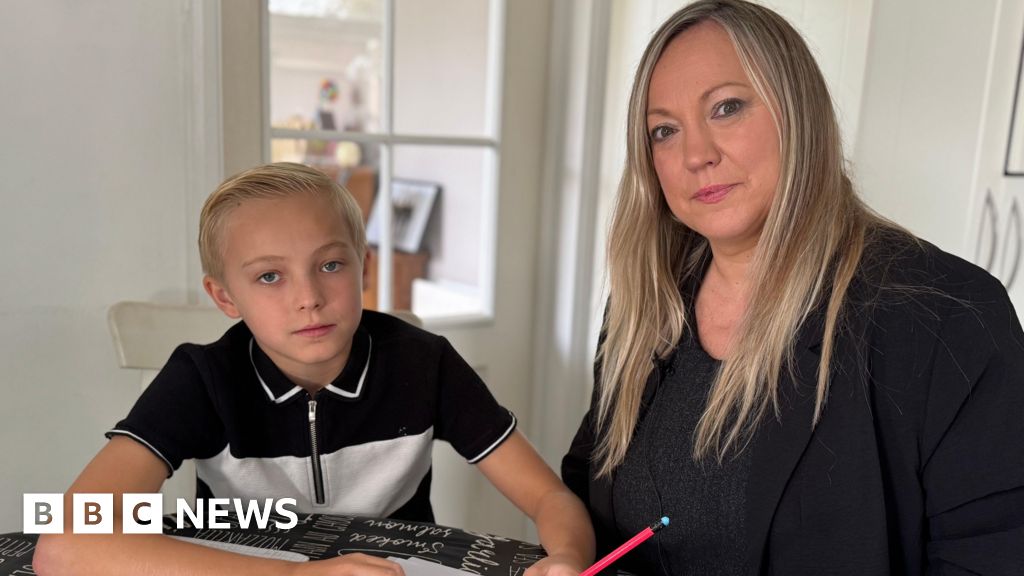

Autistic teen's plea for extra exam time overlooked by council, raising concerns about inclusive support
Autistic teen’s plea for extra exam time overlooked by council, raising concerns about inclusive support

Discrimination and the Struggle for Inclusivity in Education

Recent cases like that of Joshua, a 10-year-old boy diagnosed with autism and ADHD, have cast a spotlight on the ongoing \_battle for fair treatment within our education system.\_ Despite professional recommendations that he be granted 25% extra time during his 11+ exams—necessary accommodations to support his neurodiverse needs—Kent County Council (KCC) denied this request, citing adherence to established \_equalities law\_.

Joshua’s mother, Nicky, a qualified teacher and leader in special educational provision, expressed her dismay, asserting that her son was \_let down\_ by the system that should be designed to embrace inclusivity. Her critique echoes a broader societal tension: while our laws advocate for equality, their implementation often falls short for vulnerable communities, especially when bureaucratic procedures overlook professional advice or individual circumstances.

Communities and Families Bearing the Brunt of Systemic Gaps

Families like Nicky’s exemplify the profound personal toll. Her advocacy underscores how social issues extend beyond policy documents, directly influencing familial well-being and the future prospects of children with special needs. The disconnect between official guidelines—such as those from the Joint Council for Qualifications—and local authorities’ interpretations reveals a \_cultural gap\_ that hampers genuine inclusion.

Within many communities , families are torn between fighting for their children’s rights and grappling with systemic indifference. Sociologist Dr. Alan Goodman notes that social policies often unintentionally perpetuate \_demographic divides\_, especially affecting working-class families who lack the resources for persistent legal or bureaucratic battles. This disparity fuels a cycle where children with neurodivergence, instead of receiving tailored support, are simply sidelined or dismissed, contributing to a social fabric increasingly frayed at its edges.

Transformative Potential Through Education and Cultural Shift

Experts like Jess Hendrickx, a neurodivergent assessor and author, emphasize that **education alone isn’t enough; a societal shift toward **\_greater understanding and empathy\_\_** is essential.** The conversation around \_neurodivergence\_ has gained unprecedented momentum, yet the challenge lies in translating awareness into action. As sociologist Dr. Emily Carter underscores, \_inclusivity is a cultural commitment\_ that requires local authorities, educators, and communities to prioritize personalized support over rigid standards.

  • Implement comprehensive training for teachers and officials on neurodivergent needs
  • Develop policies flexible enough to accommodate diverse learning styles
  • Engage families as equal partners in educational planning
  • Ensure legal adherence while respecting individual circumstances

Ultimately, the core issue remains the society’s moral obligation to nurture its youngest members, ensuring no child is left behind simply because bureaucratic procedures are ill-equipped to recognize human diversity.

As society stands at this crossroads, the hope of transformation flickers like a distant star—fragile but enduring. The challenge is to build a future where social justice in education is no longer an aspiration but an unwavering reality, lightening the path for souls like Joshua, and reminding us all that in our collective striving, humanity’s true strength is found.

Mosquitoes Strike Iceland for the First Time After Record Heat Wave

Record-Breaking Heatwave in Iceland Sparks Unforeseen Ecological Shift

In a startling development that underscores the profound effects of climate change on fragile ecosystems, Iceland has recorded the first-ever discovery of mosquitoes within its borders. Historically a haven of icy detachment, the once-impregnable barrier against these pests has been broken by this year’s unprecedented heatwave. Local insect enthusiast Bjorn Hjaltason identified and captured two female mosquitoes and one male, later confirmed by the Icelandic Institute of Natural History as Culiseta annulata, a resilient species capable of surviving frigid winters. This event has sent ripples through environmental circles and geopolitical analysts alike, spotlighting the tangible consequences of a scorching climate that now approaches Iceland’s northern shores.

Prior to this year, Iceland remained one of only two mosquito-free zones globally, with the only other being Antarctica. The cold climate and distinct ecological conditions historically prevented mosquitoes from establishing a foothold. However, the recent series of heatwaves—an anomaly according to the Met Office—have shattered previous temperature records, with May highs exceeding 20°C (68°F) and peaking at an all-time high of 26.6°C (79.8°F) at Eglisstaðir Airport. Such dramatic shifts are emblematic of the larger, more ominous trend of global warming, which the UN’s climate body affirms as driven by human activity. As global temperatures climb, scientists warn of destabilized ecosystems and unforeseen biological invasions, challenges that nations are increasingly ill-prepared to handle.

  • The key event: The first confirmed mosquito presence in Iceland amid record-breaking heat, signaling a disturbing ecological breach.
  • Potential consequences: Expansion of insect-borne diseases, disruption of local fauna, and strain on natural resources.
  • Broader implications: The event is a stark illustration of how climate change accelerates the erosion of natural barriers that historically protected regions like Iceland and Antarctica.

International organizations and experts are taking notice. Critics argue that these developments underscore the urgent need for a coordinated global response to climate change, focusing on both mitigation and adaptation. Historians and environmental analysts warn that this incident foreshadows a new era—one in which the impacts of human pollution and carbon emissions reach into the most remote corners of the world, rewriting the script of nature’s historical boundaries. The question now is whether nations will recognize the gravity of these signs or dismiss them as isolated anomalies. With each passing year marked by record heat and ecological upheaval, the line between natural resilience and human-inflicted vulnerability continues to blur.

As the story unfolds, Iceland stands as a stark symbol—a fragile outpost on the frontlines of a warming planet. The insect’s invasion, while seemingly minor, may herald a larger, more dangerous trend of ecological unravelling that knows no borders. The discovery leaves us with a haunting image: a once-untouched icy haven gradually succumbing to the relentless march of warming tides. Humanity, standing at a crossroads, must confront whether this is the prelude to a new world order—one shaped by climate-driven upheaval or the dawn of decisive action to halt the chaos. The weight of history is still being written, and the next chapter could determine whether the icy wilderness remains a sanctuary or succumbs to the scars of human neglect.

Snag the Bose QuietComfort Ultras for just $284—Save $145 for a limited time and stay ahead in style and sound!

The New Wave of Lifestyle: How Tech Deals Shape Our Cultural and Social Landscape

In a world pulsing with constant innovation, consumer technology trends continue to redefine the way younger generations connect, work, and entertain. This season, the buzz is centered around not only groundbreaking products but also a societal shift driven by massive online deals and the desire for the latest gadgets at irresistible prices. Amazon’s recent Prime Big Deal Days exemplifies this cultural phenomenon, with hundreds of deals reaching record lows and symbolizing a new form of digital lifestyle ownership that’s increasingly tied to social status and personal expression.

At the forefront of these trends are products like the Bose QuietComfort Ultra headphones. For the first time ever, the ultra-premium headphones have dipped below $300—specifically, a stunning $145 discount to just $284. The fact that this deal is available only in the Deep Plum color further highlights how brands are now cultivating a sense of exclusivity and individual style, resonating deeply with a generation eager to showcase personal identity through choice of accessories. These headphones aren’t just tools for better sound; they symbolize a societal shift toward prioritizing comfort, quality, and personalized aesthetics. As reported by influencers and tech analysts, this confluence of luxury and affordability is transforming how youth perceive their everyday tech, making it an extension of their #personalbrand and social currency.

This evolving lifestyle is underscored by a broader trend: the integration of high-tech gadgets into everyday life as social symbols. Leading sociologists argue that these tech purchases are serving a dual purpose—enhancing personal productivity while serving as a statement of modern identity in a digital age. The days of simply owning gadgets are fading; now, early adopters and trendsetters look for exclusive, stylish, and functional items that can double as conversation starters, especially amid a thriving culture of social media showcasing. As the younger demographic continues to influence market dynamics, companies like Bose are not just selling headphones—they’re selling a lifestyle rooted in tech-savviness, individualism, and social relevance.

Adding a layer of complexity, experts suggest that this consumer behavior is also reflecting a deeper societal shift toward **”digital exclusivity”** —where owning the latest tech isn’t just practical but a manifestation of social status. The review of Bose’s first-generation Ultra models highlights their comfort and battery life—the qualities favored by youngerusers. The fact that such high-end products are now more accessible than ever signals a shift in how youth engage with luxury, emphasizing entertainment, convenience, and identity expression over mere functionality. With brands tailoring limited editions and colorways to appeal to specific subcultures, we are witnessing the emergence of an entire consumer class for whom tech is not just utility but a form of cultural expression.

Yet amidst these cultural shifts, a poignant question arises: what does this evolving relationship with technology say about our future societal values? If the current trajectory suggests that possessions are becoming symbols of identity and social standing, then the next big question isn’t just about *what* we buy but how our shared consumption patterns shape societal norms. As influencers and sociologists debate whether this new tech-centric lifestyle fosters authentic self-expression or superficial status, the real puzzle remains: are we paving a future where our gadgets define us more than our actions or character? This ongoing societal experiment might redefine not only our trends but also the very fabric of social status in the digital age—nudging us toward a world where the line between lifestyle and social currency is increasingly blurred.

Sinclair and Nexstar End Boycott, Bringing Jimmy Kimmel Live! Back to Prime Time

In the current tapestry of American media culture, the recent saga surrounding the return of Jimmy Kimmel Live! exemplifies more than just a late-night comedy show—it underscores a deeper struggle over identity, tradition, and the very fabric that holds society together. Sinclair Broadcast Group and Nexstar Media Group, two colossal entities dominating local television, made headlines not merely for resuming broadcasts, but for their deliberate preemption of Kimmel’s show, a move cloaked in the language of editorial judgment and free speech. Yet, beneath these claims lies a profound conflict reflecting the shifting balance of cultural power, where media convergence threatens to diminish the space for diverse societal voices, and where the limits of free expression are being tested amid the push for consolidated control.

This ongoing showdown invites us to revisit the dynamics of cultural authority as articulated by thinkers like Ortega y Gasset, who warned that mass society risks reducing individual cultural expression to mere conformity, surrendering the richness of tradition that nourishes national identity. Sinclair’s assertion of “independent judgment” in programming masks a strategic effort to shape narratives aligned with a conservative political vision—one that seeks to leverage media as a tool for cultural preservation against what critics deem excessive liberal influence. The widespread preemption of Kimmel’s show—owned by Disney, which itself symbolizes a modern cultural empire—raises questions about the balance of power in the media landscape. Such corporate maneuvers echo Tocqueville’s concerns about a burgeoning “tyranny of the majority,” wherein conglomerates uphold their authority by marginalizing dissenting voices, transforming the airwaves into a battleground for ideological dominance.

This incident is emblematic of a broader pattern—one where our culture is weaponized as an instrument of societal cohesion or division. The consolidation of local stations under parent companies like Sinclair and Nexstar exemplifies Chesterton’s critique of industrial-scale uniformity that threatens to erode the unique moral and social fabric of communities. Meanwhile, the controversy underscores a fundamental truth: culture is intrinsically tied to identity and memory. When a show like Kimmel’s becomes a battleground, it is less about comedy and more about the preservation of tradition. As T.S. Eliot observed, the end of all our exploring is to arrive back where we started—yet, transformed, bearing the imprint of our journey. Today, our cultural memory is being challenged, manipulated, and reshaped in ways that threaten to dissolve the shared stories that form the backbone of our society.

In the twilight of this digital age, we are called to recognize that culture is both memory and prophecy—a reflection of our past and a blueprint for our future. As the edifice of media power consolidates, shaping public consciousness becomes a matter of preserving the tradition of free thought. Our societal identity inheres in the stories we tell and the values we champion; when the airwaves are commandeered by corporate interests, it is not merely a question of entertainment but of who we are and who we wish to become. To navigate these turbulent waters, we must once again embrace the esteem of cultural guardians who understand that the true power of media lies in its capacity to mirror the human spirit—resilient, rooted in history, and prophetic of hope. For in the end, culture is the eternal echo of humanity—both the memory that sustains us and the prophecy that beckons us forward into the dawn of new possibilities.

Social Media Auto Publish Powered By : XYZScripts.com