Matox News

Truth Over Trends, always!

Ripley’s Unveiled as Winning Bidder for $12 Million Golden Toilet, Sparking Cultural Buzz

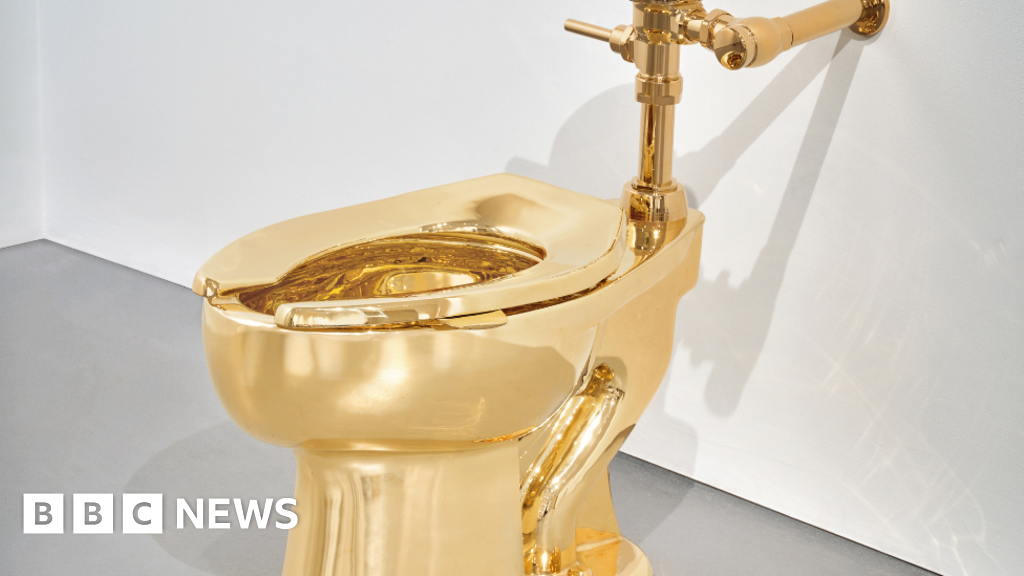
In an age where the boundary between art and spectacle blurs with every passing day, the story of Maurizio Cattelan’s America—a fully functional 18-karat gold toilet—epitomizes the tempestuous intersection of culture, commerce, and identity. Valued at over $12 million and shrouded in the mystique of theft, the work is more than a provocative homage to luxury; it is a mirror held up to our society’s obsession with material excess and superficial spectacle. Once installed in the Guggenheim, this opulent bidet—an ostentatious symbol of wealth—evoked both admiration and disdain, revealing how culture now often reflects the complexities and contradictions of the human condition.

Art critics and cultural philosophers interpret Cattelan’s creation as a cultural statement that challenges the sacredness of artistic and societal institutions. As T.S. Eliot noted, genuine culture acts as a memory and prophecy; it roots us in history while illuminating potential futures. The gold toilet, with its conspicuous luxury, compels society to confront the paradox of beauty and vanity, emblematic of a civilization increasingly preoccupied with the superficial. The theft from Blenheim Palace in 2019—an audacious act—only accentuates the dangerous allure of cultural symbols that question authority and value, echoing historical parallels of revolutionary upheaval and cultural critique.

  • In this context, the auction of the second version of the golden toilet—sold at Sotheby’s with a starting bid pegged to its actual gold weight—embodies the commodification of art, transforming cultural critique into a transaction.
  • The unveiling of the second piece, revealing its connection to a broader series crafted by Cattelan, invites us to reconsider the role of art as both a mirror to society and a marketplace commodity.
  • The involvement of Ripley’s Believe It or Not!, a cultural fixture known for celebrating oddities, underscores how modern spectacle often revels in blurring the boundaries between high art, entertainment, and societal commentary.

This saga, punctuated with theft, auction, and celebrity fascination, reflects a deeper truth: culture remains the vital fabric of societal identity—an inheritance and a prophecy intertwined. Philosophers like G.K. Chesterton argued that tradition, when understood rightly, is the living reflection of human continuity, not mere relics. Today’s cultural landscape, obsessed with novelty and spectacle, risks losing sight of this continuity, reducing art to fleeting trends. Yet, beneath the veneer of gold and controversy, there persists an enduring dialogue about human nature, morality, and the values that define us all. Culture, therefore, acts as both a collective memory informing who we are and a prophetic voice beckoning us toward who we might become.

As we stand amidst layers of history and innovation, the crescendo of human creativity remains a testament to our eternal quest for meaning and transcendence. Culture, in its highest form, is neither merely the past nor the present—it is the silent poetry of the human soul, whispering of both memory and prophecy, guiding us through the corridors of time with its deceptive shimmer yet unfading light. And in this eternal dialogue, may we recognize in every work—be it gold-plated or humble—the indelible imprint of what it means to be truly alive.
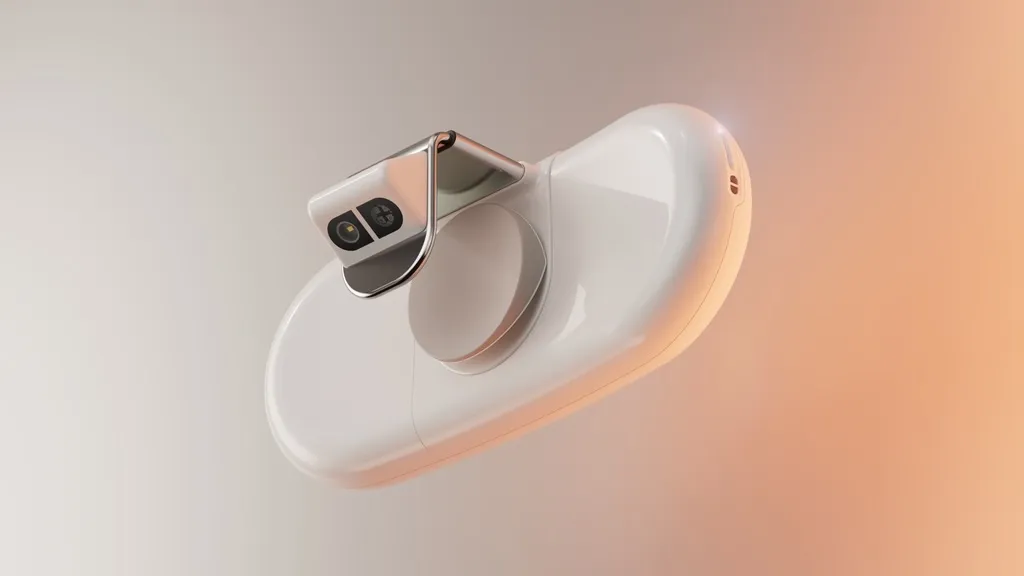
Kohler drops next-gen toilet camera—tech meets bathroom innovation

Revolutionizing Personal Health Monitoring: Kohler’s Dekoda and the Future of Digital Health Devices

Kohler, a renowned leader in home goods, has entered the healthtech arena with its groundbreaking device, Dekoda. Priced at $599, this miniature camera attaches directly to the toilet bowl and provides users with real-time imaging of their digestive output. While this innovation is undeniably disruptive, it signals a broader trend toward integrating digital technology into daily routines, transforming personal health monitoring from conventional checkups to continuous, at-home diagnostics.

The Dekoda leverages advanced imaging technology along with AI-driven analysis to offer insights into gut health, hydration levels, and even detect potential blood in stool—key indicators often linked to serious health conditions. Its design incorporates a rechargeable battery, USB connectivity, and a fingerprint sensor that ensures user identification, emphasizing both convenience and security. According to CNET, the device is available for pre-order, with shipments to commence on October 21, accompanied by a subscription model ranging from $70 to $156. This business model exemplifies how tech firms are shifting toward recurring revenue streams, much like the SaaS industry, by embedding continuous health insights into consumer routines.

Market Implications and Industry Disruption

The advent of the Dekoda signifies a seismic shift in the health and wellness industry—an industry historically dominated by medical professionals and traditional diagnostics. With startups like Throne emerging with comparable products, a new competitive landscape is forming. Disruption here is driven by consumer demand for more personalized, at-home health solutions—an emerging vertical that giants like Apple and Gartner predict will expand rapidly over the next decade.

This development also raises strategic questions for established healthcare systems and insurance providers, who must now contend with increasingly accessible, user-driven diagnostic data. As Peter Thiel and other Silicon Valley visionaries have emphasized, the convergence of hardware, AI, and data analytics will elevate individuals from passive health consumers to active participants in disease prevention and health management. Such trends push the industry towards a future where early detection and proactive health interventions become the norm, reducing long-term healthcare costs but also shaking up regulatory frameworks.

Challenges and Ethical Considerations

Despite its promise, Dekoda and similar innovations evoke critical concerns around privacy, data security, and user consent. Kohler assures customers that the device’s sensors only see within the toilet bowl and guarantees end-to-end encryption for all data. However, industry analysts warn that widespread adoption may catalyze a wave of privacy infringements, with sensitive health data vulnerable to hacking or misuse. As the market matures, regulatory agencies will likely impose stricter standards, but the pace of innovation risks outstripping policy development, leaving consumers exposed.

Disruptive technologies like Dekoda exemplify a rapidly evolving frontier where innovation intersects with ethics. Tech giants and startups alike are racing to carve out dominance in a space that could redefine healthcare delivery. In the coming years, advancements in AI, machine learning, and sensor miniaturization will further push the boundaries of what personal health devices can achieve, fostering both excitement and caution among industry experts and consumers alike.

Future Outlook: A Call to Action for Industry Leaders

As this market accelerates, the question for entrepreneurs, investors, and policy makers is clear: who will set the standards for privacy, security, and ethical deployment of these transformative devices? The proliferation of toilet cameras like Dekoda indicates that innovation is no longer confined to high-end labs—it’s now embedded in everyday life, demanding agile yet responsible stewardship. With every new development, the stakes rise higher, underscoring the necessity for rapid technological progress paired with robust safeguards. The future of personal health technology is here, and those who embrace disruption while navigating its challenges will shape healthcare’s next era.

Social Media Auto Publish Powered By : XYZScripts.com



