Matox News

Truth Over Trends, always!

Majority of Students Secured Top School Options in a Growing Shift Towards Choice

As pupils across the country discover their secondary school placements, a wave of emotional responses and societal implications unfold, revealing much about the resilience and challenges faced by families, communities, and the broader educational landscape. This process of school allocation, often perceived as a routine administrative task, significantly influences the trajectory of a child’s social development, shaping their future opportunities and reinforcing existing social inequalities. For many families, the announcement marks a pivotal moment that tests their sense of hope and adaptability in an increasingly competitive environment.

The distribution of school placements reflects deeper societal issues, such as unequal access to quality education and the persistent socio-economic stratification that continues to define many urban and rural communities. Sociologists like Pierre Bourdieu have highlighted how educational institutions tend to reproduce societal hierarchies, with children from affluent families more likely to secure placements at prestigious schools. Conversely, disadvantaged communities often find themselves confined to underfunded institutions, undercutting students’ prospects and perpetuating cycles of inequality. The impact on families is tangible: parents may feel heightened anxiety, investing significant resources into supplementary tutoring or relocation to secure better educational opportunities for their children.

This social stratification extends beyond individual families to influence community cohesion and social mobility. Institutions such as local councils and educational authorities face mounting pressure to ensure equitable allocation within limited capacities. Yet, systemic barriers often hinder efforts, leaving marginalized populations vulnerable to social exclusion. The consequences resonate in communities, where disparities in school quality contribute to widening racial, economic, and cultural divides. Education historian Dr. Miriam Cohen warns that such disparities not only affect individual success but threaten the fabric of society itself, fostering feelings of alienation and disenfranchisement among youth.

Addressing these challenges requires a multifaceted approach, with an emphasis on reforming admissions policies, increasing investment in underserved schools, and fostering genuine community engagement. Proposed solutions involve expanding access to high-quality education through targeted funding, comprehensive scholarship programs, and initiatives that prioritize inclusive and diverse school environments. The aim is to dismantle barriers rooted in socio-economic background and to foster a sense of shared opportunity. As social commentators argue, sustainable social change hinges on recognizing that every child’s success is inherently tied to the support systems within their community and family, underscoring the ethical imperative to address educational inequities.

Ultimately, the journey of a young pupil receiving their school placement encapsulates the broader societal struggle—balancing tradition with reform, privilege with justice. As communities grapple with these social issues, it is essential to remember that behind every placement letter lies a human story, a family dreams, and a future waiting to be shaped. Society’s challenges demand collective effort, innovative solutions, and a moral commitment to forge pathways where opportunity is not dictated by circumstance but illuminated by hope. In this ongoing narrative of growth and resilience, the question remains: can society truly rise to meet the needs of all its young, offering them not just a place in a school, but a place in a future that values their potential?
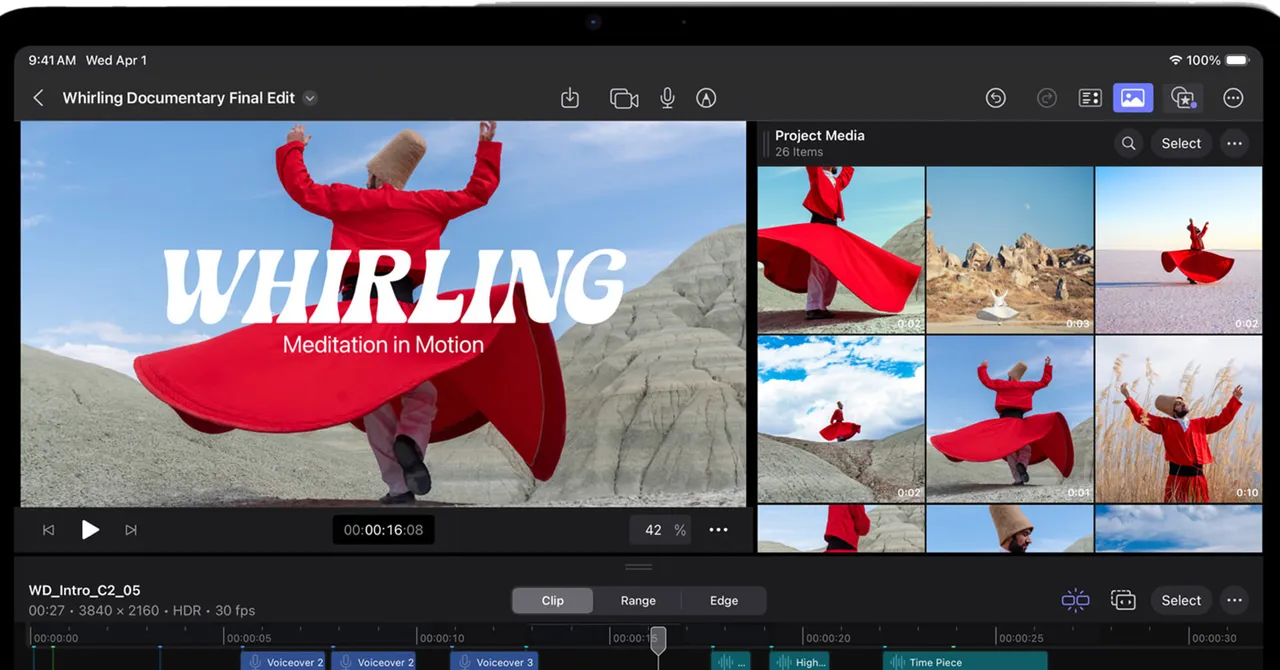
Apple Boosts the iPad Air to Keep Up with Top Tech

In a notable move emblematic of ongoing disruption in the consumer electronics sector, Apple has introduced its latest iteration of the iPad Air, now featuring the powerful M4 chip. While the update may appear incremental, shifting from M3 to M4, it highlights Apple’s relentless push toward innovation and efficiency within established device categories. The refresh primarily enhances performance with a significant boost in memory — moving from 8 GB to 12 GB of unified memory — at the same price point, signaling Apple’s intent to consolidate its hardware leadership amid global supply chain challenges.

The market implications of this move are profound. Apple’s decision to incorporate its N1 networking chip— supporting Wi-Fi 7 and Bluetooth 6 standards, along with Thread for smart home integration — signifies a strategic pivot toward disrupting the connected device ecosystem. Analysts from Gartner suggest that such integrated advancements not only reinforce Apple’s ecosystem dominance but also accelerate the industry-wide shift toward smart, seamless networks. This is reinforced by the adoption of Apple’s C1X modem, enhancing energy efficiency for cellular models with sub-6 5G support. These are the nuanced, yet critical differentiators shaping the future of mobile and IoT markets.

Furthermore, Apple’s focus on maintaining a competitive pricing strategy—keeping the iPad Air starting at $599 — amidst a memory shortage crisis— underscores its commitment to innovation accessible to a broad demographic of young, tech-savvy users. With storage options climbing up to 1 TB, the company is positioning itself to serve a variety of digital content creators and remote workers who require power and flexibility. The upcoming product announcements, including potential updates to MacBooks and other flagship devices, are anticipated to further disrupt traditional market segments, challenging competitors with superior integration, performance, and platform cohesion.

Industry thought leaders like Elon Musk and Peter Thiel have emphasized that disruption in tech is accelerated by strategic hardware advancements that push the envelope of what’s possible. Apple’s latest move with the M4 iPad Air exemplifies this trend—leveraging cutting-edge silicon and connectivity to redefine expectations and set new standards. As the company prepares for its “Special Apple Experience” event in New York City, the industry should brace for a wave of transformative product launches. The convergence of powerful hardware, network capabilities, and ecosystem integration signals a pivotal moment — one where innovation becomes the primary weapon in consolidating market dominance. For competitors and consumers alike, the future of tech is unfolding quickly, demanding both agility and foresight to remain competitive in this rapidly evolving landscape.

Top 5 Unknowns in Trump’s New Iran Showdown

Cyber Warfare and Geopolitical Disruption: Iran’s Strategic Edge

The landscape of modern conflict is evolving rapidly, driven by groundbreaking innovations in cyber technology that challenge traditional notions of security and sovereignty. Iran, once considered a regional player with limited cyber capabilities, has increasingly demonstrated a knack for exploiting vulnerabilities with calculated sophistication. As Jeff Greene, former assistant director at CISA, points out, Iran is adept at maximizing the impact of its cyber capabilities, making it a serious disruptor in the global arena. From attacks on Wall Street institutions in 2016 to destructive assaults on Saudi Arabia’s Aramco in 2012, Iran has established a track record of destabilizing critical infrastructure, signaling a shift in how state adversaries leverage innovation for geopolitical gain.

The implications for U.S. and allied forces are profound. As Iran’s cyber arsenal grows more sophisticated, its potential to deliver asymmetrical blows—whether through cyberattacks, destabilizing information operations, or even retaliatory cyber espionage—raises questions about future conflict scenarios. The proliferation of AI-enabled hacking tools and autonomous attack vectors means that even lower-scale cyber skirmishes can escalate swiftly, intertwining economic stability with national security. Industry analysts from Gartner and MIT underscore the need for rapid innovation and better threat intelligence to stay ahead of these disruptive tactics, emphasizing that disruption is no longer a matter of if, but when.

Beyond cyber, Iran’s strategic calculus appears to be expanding, linking cyber operations with traditional military and hybrid warfare techniques. The broader geopolitical implications are alarming; recent U.S. military strikes and confrontations suggest a shifting paradigm where conventional and unconventional tactics converge. Defense Secretary Pete Hegseth’s provocative rhetoric—reminiscent of a broader doctrine of ‘F-A-F-O’—signifies a newfound emphasis on demonstrating strength. Yet, Iran’s own historical resilience, shaped by pivotal moments like the 1979 revolution and lasting power struggles, indicates that its response to U.S. actions could involve a complex mix of cyber retaliation, proxy operations, and geopolitical maneuvering. As the post–World War II landscape illustrates, legacy conflicts evolve into long-term paradigms that reshape regional and global order, making the current crisis a mere chapter in a much larger story of upheaval.

Looking ahead, industry leaders, policymakers, and technology innovators must recognize that the intersection of disruptive tech and geopolitical strategy is accelerating at an unprecedented rate. The strategic environment demands not only more advanced cybersecurity defenses but also proactive innovation in AI, quantum computing, and autonomous systems—areas where companies like OpenAI and Boston Dynamics are pushing boundaries. The nature of future conflict is being rewritten in lines of code and cyber flux, with the potential to unleash consequences that could echo through global markets and political stability for decades to come. The urgency is clear: to prevent disaster, the world must accelerate its innovation cycle and recognize that today’s cyber and military disruptions are merely the vanguard of a new era—an era where technology and geopolitics are inextricably linked, demanding vigilance, agility, and relentless pursuit of what’s next.

Top 14 Travel Toiletry Bags for Young Adventurers: Tested & Trusted for 2026

Revolutionizing Travel Gear: The Future of Business Innovation in Personal Accessories

The world of travel accessories, historically characterized by simple, utilitarian designs, is undergoing a profound shift driven by cutting-edge materials and disruptive manufacturing techniques. Industry leaders such as Monos, Beis, and Aer are spearheading a competitive race to redefine what consumers expect from everyday travel essentials. In an era where innovation is no longer ancillary but fundamental, these brands are leveraging new fabric technologies, sophisticated construction, and strategic design to both elevate their market position and challenge established giants.

For instance, Monos’ Metro Toiletry Case exemplifies material innovation by incorporating ultra-durable vegan leather that balances resilience with lightweight portability. Its structured yet flexible design exemplifies disruption in product form factor—melding protection with packability—a paradigm shift recognized by analysts from Gartner and notable brands like Apple in embracing form-meets-function. Meanwhile, Beis’ Dopp kit exemplifies the application of advanced manufacturing processes such as seamless water-resistant compartments, raising the bar for durability and ease of cleaning—an essential for the burgeoning clean and sustainable travel trend.

Beyond material innovation, the integration of smart features signifies an industry-wide pivot towards business disruption. Brands like Tumi with their Alpha Bravo Response Kit embed tech integrations such as antimicrobial linings and tracking capabilities, setting a new standard in security and hygiene—key concerns for millennial and Gen Z consumers. Such features not only heighten user convenience but also create new revenue streams, as companies explore subscription-based models for accessories and complementary services, mimicking successful tech giants operating at the intersection of hardware and software.

Industry-Wide Impacts and Market Shifts

According to recent industry reports, the market for premium travel accessories is projected to grow at a CAGR of 8-10% over the next five years, spurred by disruption in traditional supply chains and consumer demand for innovation-driven products. This industry shift threatens legacy brands that rely on outdated manufacturing and minimal feature differentiation, while favoring those that embrace disruption and technological integration. Notably, startups adopting sustainable materials and digital diagnostics are already experiencing rapid growth, echoing strategies recommended by Peter Thiel’s insights regarding first-mover advantages in technology markets.

Furthermore, industry consolidation is gradually giving way to an ecosystem of niche, agile brands that focus intensely on innovation and customer engagement. The rise of manufacturers utilizing AI-driven design and advanced composites signifies a potential paradigm shift, reminiscent of Industry 4.0 trends transforming manufacturing sectors across the board. For consumers, this translates to more personalized, durable, and tech-enabled products, driving expectations that modern products must serve both form and function in a disruptive manner unparalleled in previous decades.

The Dynamic Outlook and Urgency for Innovation

As the boundaries of material science and digital integration continue to blur, the future of travel gear appears inexorably linked with business innovation and technological disruption. Industry leaders and startups alike face the imperative of staying ahead by investing in R&D, embracing sustainable practices, and deploying next-generation manufacturing processes. With big tech convergence on the horizon—such as AI-powered design tools and blockchain-enabled supply chains—the push for disruption should be accelerating, not stagnating.

The ongoing evolution in travel accessories serves as a mirror to the broader landscape of technological disruption affecting every sector. As Elon Musk and Peter Thiel have emphasized, those who leverage innovation and act swiftly will not only redefine market standards but also seize the exhilarating economic opportunities of the next frontier. The message is clear: disruption is no longer optional; it is the only way forward in an ever-accelerating technological race. The companies that recognize and adapt to this reality today will be the industry titans of tomorrow, shaping the future of consumer technology and global commerce.

Top Picks for Young Conservatives: Gisèle Pelicot, Olympic Politics, and European Dating Hacks | US News

Global leaders’ aspirations for a US-free world order signal a seismic shift in international geopolitics

In recent discussions among world policymakers, a provocative question emerges: do the prevailing ambitions for a US-free international order have any real chance of materializing? As analyzed by prominent historians and geopolitical strategists, this aspiration reflects a broader discontent with American dominance. Key figures in China and Russia have openly voiced their desire to reshape the global landscape—aiming to diminish western influence and forge alliances that prioritize sovereignty over globalist agendas. Such narratives underscore a shift away from the post-Cold War American-led order, risking a fragmentation of international institutions and a new era of bipolar or even multipolar power contrasts. This emerging reality could redefine global stability, as nations pivot towards regional blocs and assert their independence from the previous enclave of U.S. influence.

Major international sporting events like the Winter Olympics are becoming political battlegrounds, foreshadowing the tensions of LA 2028

The recent Winter Olympics held in Milan-Cortina vividly illustrated how sports diplomacy is now intertwined with geopolitical dissent. From the US men’s hockey team’s playful yet meaningful exchange with then-President Trump to the fierce backlash against critics of President Biden’s policies, the event was fraught with political symbolism. Analysts suggest that the upcoming LA 2028 Olympics will elevate this trend, transforming a global athletic showcase into a platform for political messaging and ideological contestation. Such developments threaten to polarize international audiences, turning once-unifying events into spectacles of rivalry that ripple through diplomatic channels.

Institutions like the International Olympic Committee are under increased scrutiny, caught between catering to international unity and navigating the rising tide of nationalist narratives. As historian John Lewis Gaddis warns, these games could accelerate the disintegration of overarching global camaraderie, replacing shared cultural identity with geopolitical allegiances that threaten global stability.

Behind the high-profile royal scandals and personal exploits lies a broader crisis of moral authority and social trust

The recent revelations surrounding Prince Andrew exemplify how the veneer of privilege is collapsing under the weight of public scrutiny and allegations. Biographers and critics alike describe a narrative of excess, exploitation, and the relentless pursuit of personal gain—characteristics that resonate in a world grappling with declining faith in traditional authority structures. The reputation of royalty is increasingly fractured, an emblem of fading moral certainty amid ongoing societal upheaval. This erosion of social trust spurs a reevaluation of leadership at all levels, fostering a youth-based skepticism toward elites and fueling demands for accountability across the board.

As one international analyst observes, these scandals are part of a larger pattern where institutions once revered—whether royal, political, or religious—are now being scrutinized, challenged, and sometimes dismantled. The resulting cultural turbulence is forcing societies to reconcile the loss of traditional anchors and to forge new identities rooted in transparency and resilience.

History’s shadow looms as the narratives of trauma, resilience, and hope intertwine in the global consciousness

From 9/11 to the current upheavals, the human story is defined by moments of profound crisis and renewed hope. The haunting melodies of William Basinski’s The Disintegration Loops echo a collective memory of pain and perseverance, embodying how societies interpret tragedy as both a warning and a catalyst for change. These narratives serve as stark reminders that history remains an ongoing, often unpredictable, process—where every act of resilience shapes future trajectories.

As nations stand at crossroads—faced with geopolitical ambivalence, cultural disintegration, and the persistent quest for stability—only time will reveal which stories will be written into the annals of history and which will fade into obscurity. The current mosaic of crises, ambitions, and struggles reminds us: every decision, every conflict, every hope fuels the relentless march of history’s unyielding tide.

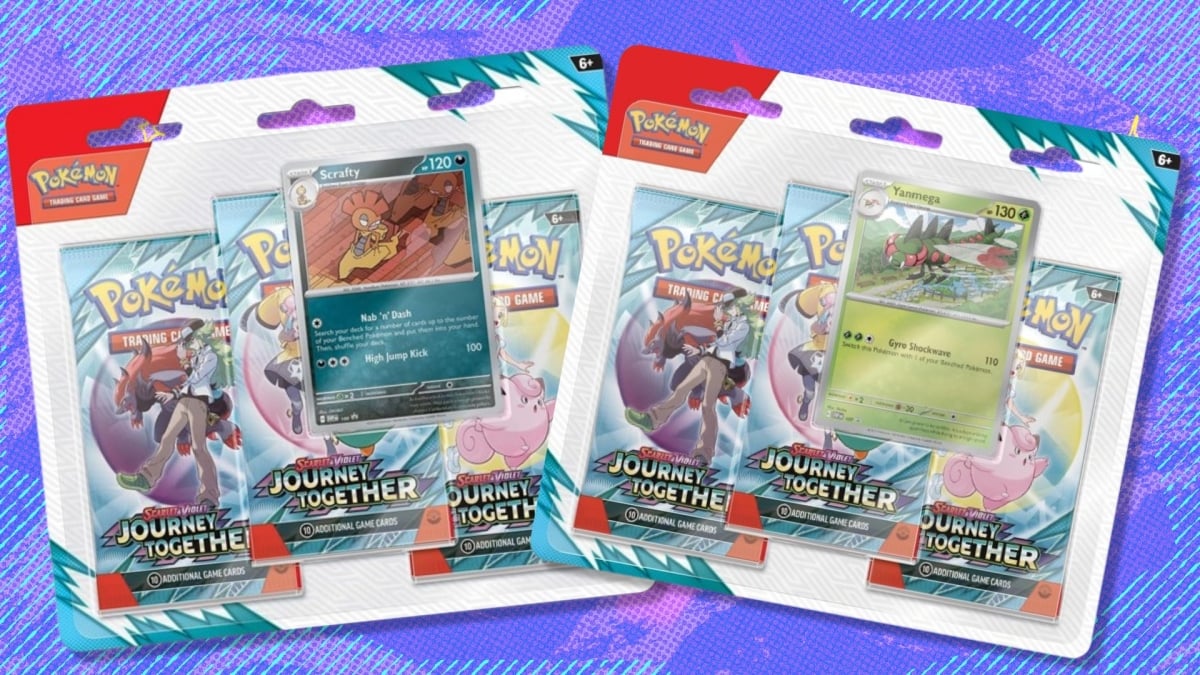
Top Pokémon TCG Deal: Score the Epic Journey Together 3-Pack Blisters for Just $24!

The Pokémon Trading Card Game (TCG) continues its relentless forward march into the cultural spotlight, especially among the youth who are shaping modern trends. Recently, mainstream retailers like Walmart have taken strides to make Pokémon TCG products more accessible and affordable, a clear reflection of a broader societal shift — lowering the barrier of entry for new collectors and players. The Journey Together 3-Pack Blisters, featuring popular cards such as Yanmega and Scrafty, are now selling at Walmart for under $25, a price point that undercuts many online marketplaces and highlights the increasing commercial significance of casual market penetration.

This trend isn’t just about saving a few bucks; it’s emblematic of a cultural renaissance where Pokémon isn’t solely a nostalgic relic for Gen X and Millennials but a fresh, dynamic lifestyle for today’s youth. Influencers and community leaders, including younger high-profile TCG enthusiasts, are bolstering this wave by emphasizing collecting as a social activity. Iconic gamers like Leonhart and UnlistedLeaf have turned pulling a rare card into an event that transcends the game itself, establishing Pokémon TCG as a form of modern social currency.

Analysts, like Gregory C. Roberts, sociologists examining youth culture, note that this trend symbolizes a shift in how younger generations define status and community. Pokémon’s ability to evolve with the digital era—integrating physical cards with online platforms—further amplifies its social relevance. The recent price reductions on sets like Journey Together underscore an industry response to the waning value of certain chase cards, yet it also opens up avenues for more casual fans to participate without the fear of overspending. The affordability, coupled with online content, turns collecting into a trend of shared discovery, bonding a new generation over nostalgic gameplay and competitive pursuits.

As Walmart and other big-box retailers continue to democratize access to Pokémon TCG, the next question looms: Will this affordability drive a sustained cultural shift, or is it merely a fleeting trend? Beyond the price tags, what does this say about the future of childhood leisure, social identity, and the commodification of nostalgia? The upcoming Pokémon Day 2026 might be the true test, determining whether the franchise’s reinvention as a lifestyle product will embed itself deeply into society’s fabric or fade as just another passing fad.

El Mencho, Mexico's top drug kingpin, taken out in military raid
El Mencho, Mexico’s top drug kingpin, taken out in military raid

The name Nemesio Oseguera Cervantes, better known as “El Mencho,” is etched into the annals of international crime as the leader of one of Mexico’s most formidable drug cartels. This notorious figure symbolizes not only the persistent challenge of organized crime in Latin America but also the broader geopolitical implications that ripple across continents. As law enforcement agencies worldwide gear up in a relentless pursuit, analysts underscore that the flickering of El Mencho’s influence is a defiant testament to the resilience of transnational criminal syndicates amid a changing global landscape.

El Mencho’s cartel has expanded its reach far beyond Mexico’s borders, fueling violence and destabilization that defy national boundaries. International organizations such as the United Nations Office on Drugs and Crime (UNODC) warn that these organizations now operate with unprecedented sophistication, integrating money laundering, trafficking, and cybercrime into a seamless web that ensnares societies. The geopolitical impact of their operations extends into U.S. border states, Central America, and even distant regions where illicit flows threaten regional stability. Governments, particularly in North America and Central America, have responded with increased military and law enforcement cooperation, yet the entrenched nature of such cartels complicates efforts to dismantle these sprawling networks.

Historian and geopolitical analyst Professor James Patterson highlights a critical turning point: “El Mencho’s resilience exemplifies the unintended consequences of decades-long drug policies that have prioritized interdiction over root causes.” In this context, the ongoing campaigns to target cartel leadership often result in power shifts rather than eliminations, allowing new figures to rise and perpetuate chaos. The international community’s divided tactics reflect a broader debate about how to effectively confront and eradicate these socio-economic tumors without exacerbating violence or undermining sovereignty.

As questions about the future intensify, the core concern remains: how do nations adapt to and contain the far-reaching influence of such criminal entities? The very fabric of societal stability is at stake, with vulnerable communities bearing the brunt of violence and corruption. Meanwhile, some voices warn that persistent efforts to dismantle powerful cartels risk collateral damage, potentially destabilizing regional politics and economies further. Throughout history, the rise and fall of criminal regimes have often shaped the course of nations, and El Mencho’s persistent grip on the drug trade signals that this phase of the struggle is far from over. The ongoing saga reflects a stark reality — that the decisions taken today will intricately weave into the fabric of future geopolitics, perhaps for generations to come.

Top Dating & Hookup Apps Dominating the UK Scene in 2026: What Young Brits Need to Know

The Rise of Pure: Redefining Casual Encounters for a Generation

In a world increasingly driven by instant gratification and the demand for authenticity, apps like Pure are pioneering a new wave in how young adults approach casual dating and hookups. Unlike traditional dating platforms, Pure offers an experience that is adventurous, no-strings-attached, and 100% anonymous. With features like self-deleting chats and photos that vanish within 24 hours, the app caters to a generation that values privacy, directness, and immediacy. Its rise mainly among Gen Z users is not accidental; it mirrors a cultural shift towards minimal effort connecting and eschewing societal expectations around dating.

The Cultural Impact: Challenging Traditional Courtship

Recent sociological analysis suggests that apps like Pure are more than just digital dating tools—they are symbols of a broader societal shift. Unlike mainstream apps that emphasize profiles, long conversations, and emotional investment, Pure strips down the experience, focusing solely on physical connection and quick gratification. This transition reflects a culture that increasingly values efficiency, honesty, and an unapologetic approach to sexuality. Influencers and analysts highlight that this trend pushes back against the traditional courtship ritual, emphasizing that Gen Z is redefining what intimacy means in the digital age. As social psychologist Dr. Emily Carter notes, this trend aligns with a desire for authenticity and transparency, although delivered through an intentionally minimalist interface. Such dynamics signal a shift in social norms, where societal judgments are sidestepped in favor of convenience and individual choice.

The Social Relevance and Controversies

Despite its niche appeal, Pure is stirring conversations about sexual expression, privacy, and societal standards. Critics argue that the app’s focus on heteronormative encounters and its smaller user base may reinforce limiting stereotypes and exclude more diverse experiences—something many sociologists warn could hinder broader social acceptance. Still, for a generation often dismissed as superficial or detached, Pure’s success underscores a growing demand for spaces where they can explore their sexuality unapologetically and without fear of judgment. The app’s impact extends beyond fleeting encounters; it is part of a cultural revolution that champions bits of personal freedom and authenticity. Influencers who promote youth liberation from traditional dating paradigms praise this as a sign of independent self-empowerment. However, the question remains: is this trend sustainable or just a fleeting phenomenon born of the digital age?

The Next Big Question: What’s Next for Casual Culture?

As Pure and similar platforms gain traction, the critical question emerges—what is the future of casual encounters in a society increasingly obsessed with authenticity and digital immediacy? Will this digital hookup culture evolve into more integrated forms of social interaction or remain a transient phase driven by generational impatience? And more importantly, how will societal norms adapt to the normalization of such openly digitalized, immediate forms of intimacy? The next decade might reveal whether these apps truly fulfill a new landscape of social needs or if they become a fleeting echo of a rapidly shifting cultural tide.

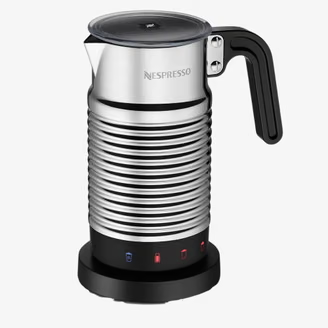
Top Milk Frothers in the U.S. for the Perfect Latte, Hot Chocolate, and More — Elevate Your Brew Game

In a world where the coffee shop has become a sanctuary for millions, the quest for that perfect brew is more than a morning ritual—it’s a lifestyle shift toward personal wellness and a pursuit of excellence in daily routine. From the sleek double boiler espresso machines at your local café to the latest in home coffee gadgets, the landscape of brewing is transforming rapidly. Among these, milk frothers have gained stellar reputation, typifying a broader movement towards accessible luxury and self-care. While traditional barista equipment boasts fine control and professional-grade results, the rise of user-friendly, high-performance devices like the Nespresso Aeroccino 4 and the Breville Milk Café exemplifies how technology now empowers consumers to elevate their lifestyle at home—turning everyday moments into small acts of indulgence.

At the core of these innovations lies a desire for personal impact: health, leisure, and inspiration. The ability to craft café-quality coffee and froth at home speaks to a broader cultural shift—where mindfulness in self-care and quality of leisure become foundational. Wellness experts and lifestyle authors like Tim Ferriss and wellness coach Dr. Mark Hyman emphasize that control over our routines—be it in nutrition, exercise, or morning rituals—translates into greater mental clarity and vitality. These devices, although simple, fit seamlessly into this ethos, promising consistent results with ease and minimal fuss. Whether it’s crafting silky oat milk froth or a hot chocolate for the family, the focus has shifted towards purpose-driven productivity and well-being, encouraging a mindful embrace of leisure as a lifestyle.

The array of milk frothers available today—from the straightforward, budget-friendly Aerolatte to the high-tech, adjustable Subminimal NanoFoamer V2—illustrates a democratization of culinary craftsmanship. For young consumers seeking to blend productivity with quality, the key lies in understanding the different types of devices and their impact on their health and leisure routines:

  • Carafe-style electric frothers for those who value consistency and ease of use.
  • Frother wands for the tinkerers and baristas-in-training, offering tactile feedback and control.
  • Manual frothers that challenge with a hands-on approach—turning frothing into a ritual of patience and discipline.

Health-conscious youth are increasingly aware of materials used in kitchen gadgets, prompting questions about non-stick coatings and PFAS exposure. The rise of premium all-metal devices and uncoated alternatives signals a growing concern for environmental impact and personal safety. Indeed, selecting the right device fosters a deeper connection with one’s health and sustainability, reinforcing the idea that lifestyle choices are active, impactful decisions. As Dr. Michael Greger champions, mindful consumption—down to the tools we use—can lead to better health outcomes and a sense of ownership over our daily rituals.

Ultimately, the journey of integrating technology with wellness and leisure transforms daily routines into an ode to personal growth. Making a perfect latte or frothing plant-based milks becomes more than a task—it’s an act of self-investment and expression. Just as author and wellness pioneer Deepak Chopra suggests that “every act of self-care is a step toward a more harmonious life,” embracing these everyday tools reflects an attunement to ourselves and our environment. In this ongoing lifestyle voyage, each ritual, be it brewing a coffee or practicing mindfulness, becomes a testament to embracing the *best version* of ourselves—an inspiring reminder that life’s richness often lies in the simple, deliberate acts of everyday living.

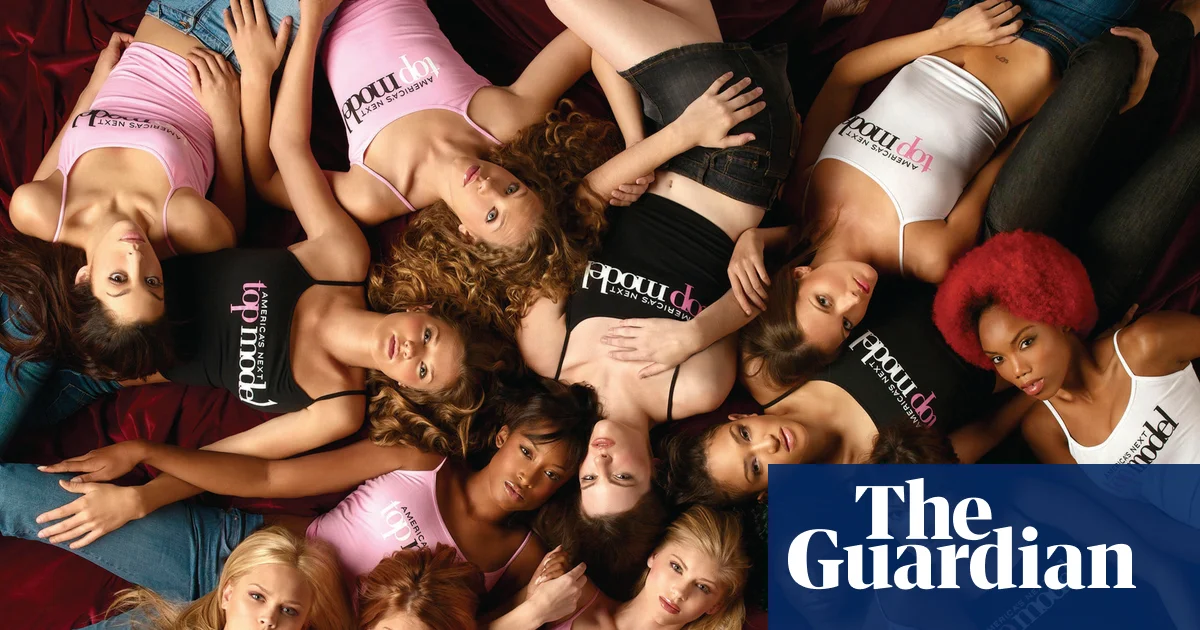
From Underestimated to Over the Line: The Rise of Toxicity in America’s Next Top Model | New Documentary

Few reality TV shows have captured the cultural zeitgeist quite like America’s Next Top Model. Launching in 2003, it became more than just a competition; it was a spectacle that showcased diversity, ambition, and the harsh realities of the fashion industry. But beneath the glamor and runway flashes lies a troubling history—an intricate web of toxicity and exploitation that now, two decades later, is being laid bare through a much-needed re-examination. A recent Netflix docuseries titled Reality Check peels back the curtain, revealing an industry that, while celebrated for its diversity, often echoed the worst traits of its time, including body shaming, racism, and even sexual misconduct. This revival raises pressing questions about the cultural impact of reality television and the shifting social relevance of such platforms in an era of social justice awareness.

Influencers, sociologists, and former insiders like Tyra Banks have publicly reflected on the show’s complex legacy. Banks, who starred as the show’s creator and host, struggled to reconcile her pioneering efforts for diversity—being the first Black woman on the covers of Sports Illustrated and GQ—with the show’s darker underbelly. She admitted that the production often prioritized sensationalism over the mental health and dignity of the contestants, many of whom were as young as 18 and subjected to harsh criticism, ridicule, and even harassment. The series, which was a global sensation, operated in an environment where public expectations of beauty and social media’s relentless scrutiny created a perfect storm of pressure and exploitation. “They started as misfits with very good intentions,” remarks co-director Daniel Sivan, noting how the show’s power dynamics shifted dangerously over its 24 cycles, culminating in a hideous descent into “bullies,” with contestants often caught in the crossfire of on-screen and off-screen abuses.

The revelations uncovered in the series spotlight how societal standards around beauty—amplified by social media—continue to influence cultural perceptions. Even with more formal **duty of care** in modern reality TV, critics argue that social media’s democratization of beauty has paradoxically deepened the obsession with physical perfection. On Instagram, the prominent images remain overwhelmingly thin, fit, and heavily surgically manipulated, creating a confusing message for impressionable youth. Fashion influencer and sociologist Dr. Lisa Hart warns that “Our own children are obsessed with makeup and filters, and that’s shaping their worldview of what beauty truly means.” It suggests that society remains trapped in a cycle where the glamorization of perfection continues to suppress authentic, diverse representations of beauty, making controversial shows like ANTM a mirror reflecting society’s unresolved tensions around identity and appearance.

Despite its troubled history, the prospect of a revived America’s Next Top Model sparks a passionate debate about whether the show can evolve or simply repeat its past mistakes. Banks hints at plans for Cycle 25, a comeback that could either be an opportunity for meaningful change or a rehash of old controversies. The docuseries emphasizes the importance of focusing on the **personality and resilience** of contestants over superficial appearances, a message many believe is crucial for the future of reality TV. However, the lingering question remains: Is society truly ready to confront and rectify the toxic shadows of our cultural icons, or are we simply craving more of the same under a new guise? As we stand at this crossroads, the next big question might be: Will this moment of reckoning lead to a genuine shift in how we define beauty and success, or will it fade into the background, leaving the cycle of exploitation intact?

Social Media Auto Publish Powered By : XYZScripts.com