Matox News

Truth Over Trends, always!

Top Deals: Motorola Razr Ultra & Marshall Emberton II Lead the Pack this Week

2025: A Year of Breakthroughs and Industry Shifts in Technology

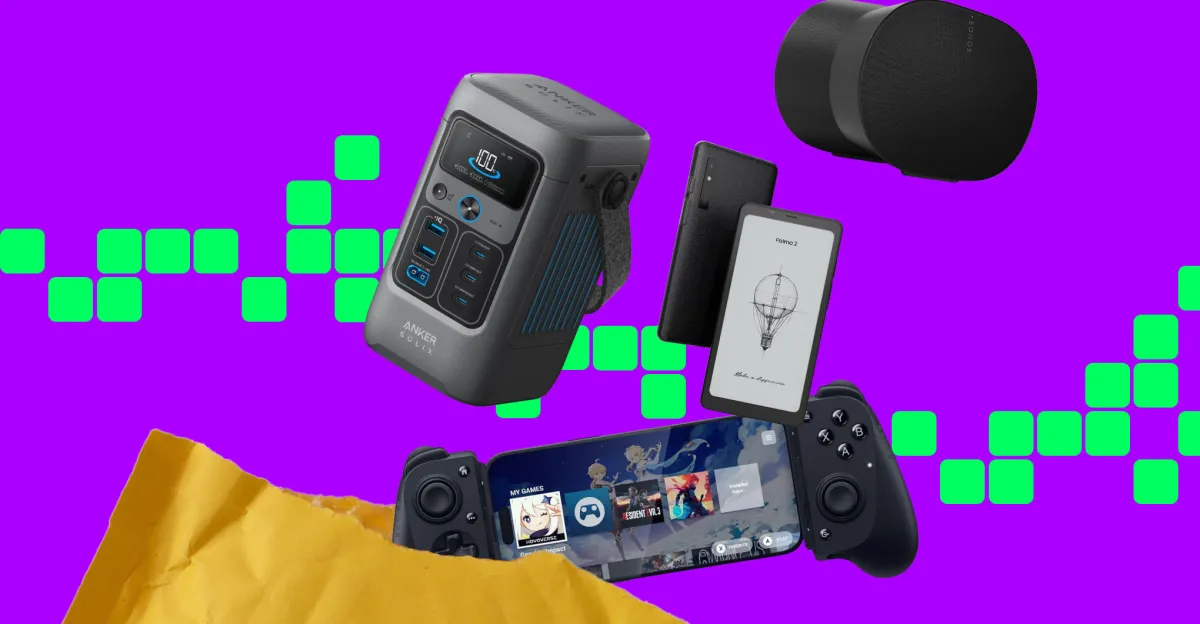
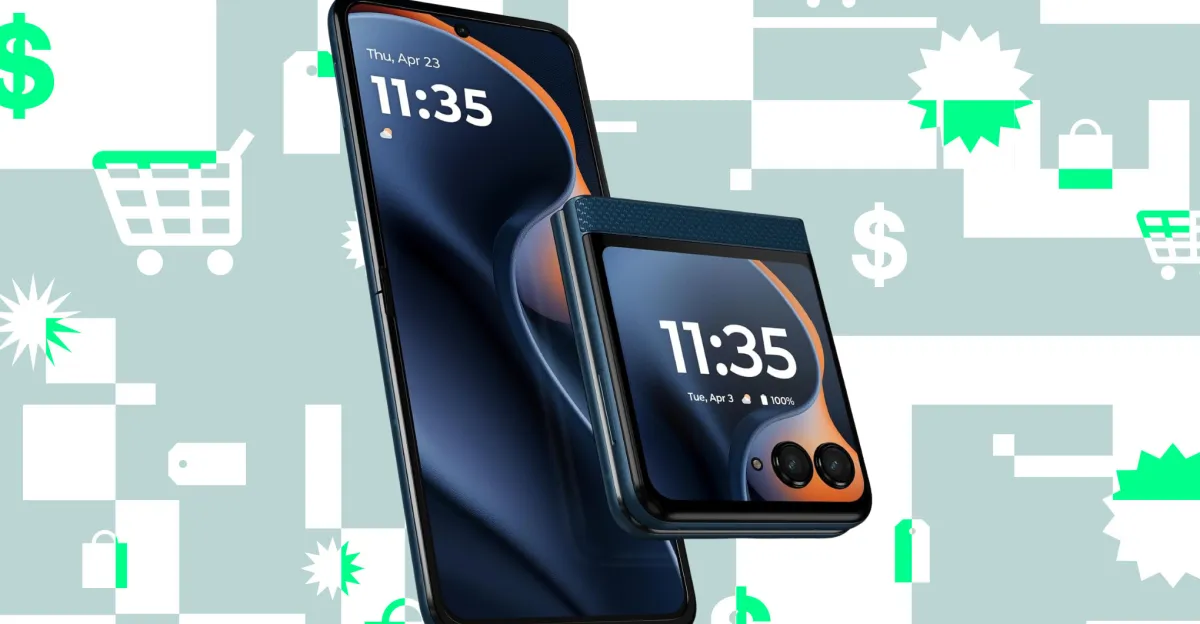
As the technological landscape accelerates into 2025, industry leaders are witnessing unprecedented waves of innovation and disruption that are fundamentally reshaping consumer markets and enterprise sectors alike. Notably, the launch of the Motorola Razr Ultra signals a renewed focus on foldable devices, integrating cutting-edge hardware with an ultra-stylish aesthetic that appeals to a youthful, style-conscious demographic. With its dual-display setup featuring a 7-inch inner screen and a 4-inch outer panel, powered by the Snapdragon 8 Elite chipset, this device exemplifies the convergence of form and function, setting a new benchmark for mobile tech that prioritizes both innovation and user experience.

The business implications of such innovations extend well beyond aesthetics; they signal a pivotal shift in how device developers incorporate AI and versatile hardware to meet the demands of next-generation consumers. The addition of a dedicated AI button for live transcriptions and notification summaries illustrates a move towards more intuitive, context-aware devices—an evolution driven by industry visionaries like Elon Musk and analysts from Gartner. Meanwhile, accessories are following suit. The Marshall Emberton II portable speaker, now more affordable at Best Buy and Amazon, showcases how iconic brands are pivoting towards rugged, outdoor-friendly designs with multi-directional stereo sound, enhancing brand relevance and consumer engagement in competitive markets.

The rapid growth of integrated peripheral solutions underscores a broader trend: hardware ecosystems are becoming more interconnected and powerful. The Ugreen 8-in-1 dock exemplifies this, bringing a wealth of connectivity—including four Thunderbolt 4 ports, gigabit Ethernet, and multiple USB-A ports—centered around an efficient 140W GaN charger. Such innovations streamline workflows, allowing professionals and power users to operate seamlessly across multiple high-resolution displays, high-speed data transfers, and legacy accessories. This level of hardware integration paves the way for more flexible, portable, and powerful computing setups, which are indispensable as remote work becomes entrenched within corporate strategies.

Looking ahead, these technological advancements demonstrate an industry eager to disrupt traditional paradigms by weaving together hardware excellence, AI sophistication, and consumer-centric design. Industry observers like Peter Thiel have long predicted that the most impactful companies will be those that leverage disruptive innovations to redefine user expectations. The combination of rugged, stylish devices like the Motorola Razr Ultra, smart accessories like the Emberton II, and comprehensive connectivity hubs suggests that 2025 may be the year where breakthrough fundamentals set the stage for a more integrated, AI-powered, and consumer-first digital ecosystem. A sense of urgency surrounds these shifts: the companies that embrace this future faster will dominate an increasingly competitive landscape driven by innovation, disruption, and relentless pursuit of future-ready tech. As the industry propels itself forward, it remains clear—those who hesitate risk falling behind in the race for technological supremacy.

Former Bush Adviser Charged with Stockpiling Top Secret Files—Threatening National Security

In a revealing turn of events that underscores the fraught landscape of international security, India-born scholar and former US government adviser Ashley Tellis has been arrested on charges of unlawfully possessing and sharing top secret information. This arrest, occurring amidst rising tensions within global intelligence communities, signals a potential new phase in the ongoing contest for technological and military supremacy. The case is not merely a matter of individual misconduct but a reflection of broader geopolitical struggles that are shaping the future of international power balances.

Tellis, a prominent figure who has played a significant role in negotiating the historic US-India nuclear deal, was found in possession of thousands of classified documents—including material related to U.S. military capabilities—raising alarm bells about the security of sensitive information. According to federal authorities, the FBI discovered these documents at his residence in Virginia, where he held a top-secret security clearance due to his past employment. Allegations orbiting his interactions with Chinese officials further complicate the narrative, suggesting a web of espionage that spans continents and threatens diplomatic stability. These developments come at a time when Western nations and China are engaged in a high-stakes race for technological dominance, especially in areas like artificial intelligence, military systems, and cybersecurity.

This incident sparks a broader debate among international analysts and historians about the authenticity and reliability of global alliances. According to experts at the Council on Foreign Relations, such breaches are not isolated but indicative of a new era where the transnational flow of information can destabilize long-standing diplomatic agreements. For nations like Russia and China, tension-filled espionage cases like Tellis’s serve as both warnings and opportunities—reminders that information is the most potent weapon in the modern geopolitical arsenal. Officials have promised stringent measures in prosecuting those who mishandle classified information, echoing the warnings issued by US intelligence agencies about the potential security risks involved.

The repercussions extend far beyond the United States and directly impact the global geopolitical fabric. The arrest sends a powerful message about accountability and the fragile trust between allied nations, underscoring that even high-profile intellectuals and policymakers are not immune to the relentless tides of espionage and cyber warfare. How this case will influence future intelligence-sharing agreements, especially between India and the US, remains uncertain. Yet, its significance is in how it underscores the perilous fragility of modern diplomacy where secrets are currency—more valuable than ever, but increasingly vulnerable. As international organizations and national governments recalibrate their security protocols amid these revelations, the shadow of espionage looms large over the corridors of power. The true weight of history in the making can be felt palpably, reminding the world that in this intricate game of shadows, the line between ally and adversary can shift with a single revelation.

Top 3 Smart Displays of 2025: Youth-Driven Picks from a Tech Enthusiast

Emerging Smart Display Market Disruption Sparks Industry Shift

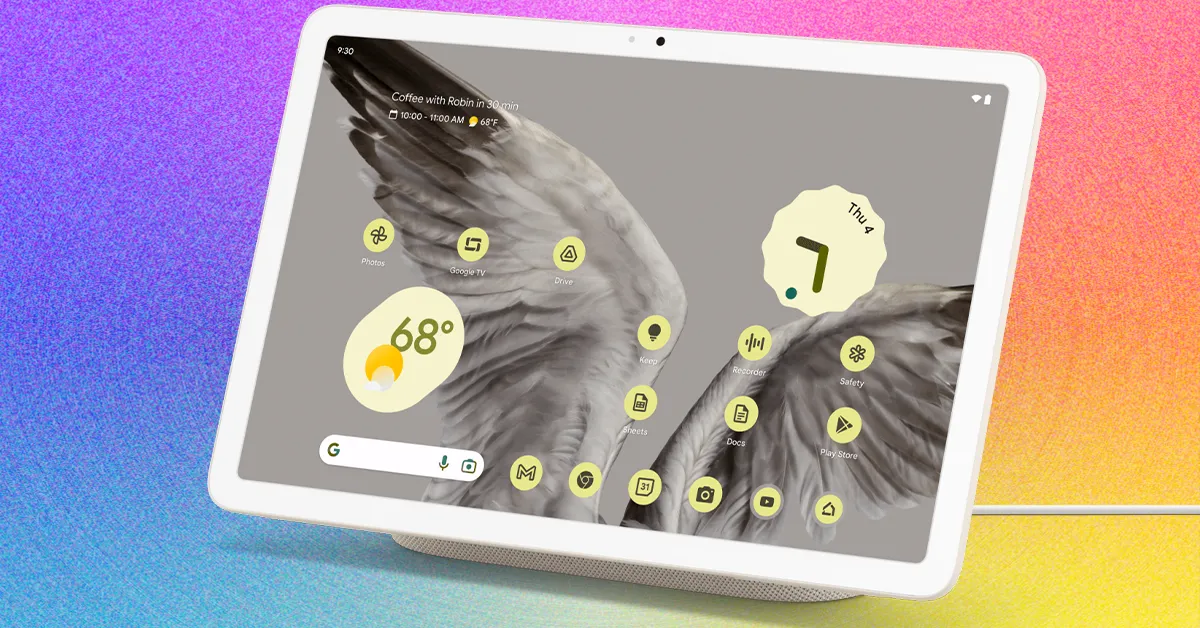
The smart home ecosystem is once again at an inflection point, as major tech players intensify their push into the rapidly evolving market for smart displays and voice assistants. Though companies like Amazon and Google continue to innovate, recent developments are highlighting an industry grappling with innovation, disruption, and uncertain long-term viability. As consumers remain captivated by the promise of seamless integration and AI-powered automation, industry analysts warn that the current trajectory may fundamentally alter the landscape of connected home devices.

Amazon’s latest lineup of smart displays and speakers exemplifies ongoing efforts to disrupt traditional interfaces. The release of the Echo Show 8 (4th Gen) and the Echo Show 11 signals a strategic push to leverage AI-enhanced functionalities with a focus on user personalization and conversational interfaces. Notably, Amazon’s recent rollout of its innovative Alexa+ AI assistant—powered by generative AI—aims to fundamentally transform voice interactions. This upgrade allows the assistant to execute complex tasks and learn from user behavior, aligning with Elon Musk’s vision of AI-driven ecosystems. However, this disruption comes with significant business implications: Amazon reportedly faced losses exceeding $10 billion in 2022, largely stemming from Alexa’s challenges. Yet, the company’s resilience in continuing to introduce new devices underscores a belief that AI disruption can carve out a sustainable market trajectory.

At the forefront of this disruption, Google plans to roll out its new AI assistant, Gemini, across its existing lineup—excluding the currently limited Google Pixel Tablet. This signals a strategic shift where AI innovation is expected to redefine user engagement and device capabilities. While Google has thus far avoided the smart display frenzy, industry leaders acknowledge that third-party partners are likely to fill the gaps, potentially disrupting the market with versatile, AI-enhanced devices. Gartner’s recent outlook emphasizes that when companies successfully integrate generative AI into user interfaces, the implications span beyond consumer convenience to reshape how smart home ecosystems function—what Peter Thiel refers to as “creating a new ecosystem of disruption.”

While the industry races toward innovation, certain market segments face acceleration of obsolescence or decline. Notably, the viability of current smart display forms remains under scrutiny. Meta’s discontinuation of its Portal devices and Apple’s stalled efforts into smart displays underscore a broader trend: the market may be experiencing a phase of re-evaluation and realignment. As companies experiment with new AI-powered interfaces, the industry could see a consolidation or even a phase-back, where only the most innovative, privacy-conscious devices survive—especially given recent shifts in privacy policies, such as Amazon’s removal of local voice processing in favor of cloud-based AI models. This shift leaves consumers vulnerable to increased data processing and raises concerns among privacy advocates, signaling that future devices must balance disruption with trust.

Looking ahead, the industry’s next chapter is set to define the future of connected homes. Innovators like Elon Musk and MIT’s AI labs suggest that AI-driven disruption will dominate the next decade, disrupting old paradigms and creating new markets. The question remains: can legacy players adapt swiftly enough to capitalize on the AI revolution, or will emerging startups seize the opportunity to redefine the smart display industry? As tech titans pour billions into advancing AI functionalities, one thing is clear—those who innovate aggressively and safeguard user trust will shape the future of smart homes. The clock is ticking, and the industry’s response over the coming months could determine its trajectory—either toward revolutionary disruption or continued obsolescence.

Top 8 Cat Water Fountains for Modern Pet Owners – WIRED’s 2025 Picks

Tech Disruptors Transform Pet Care with Innovative Water Fountains

The pet industry is experiencing a seismic shift as innovation in smart water fountain technology accelerates, driven by startups and industry giants alike. Leading firms such as Petkit and Happy & Polly are redefining pet hydration with connected devices that leverage IoT, automation, and advanced filtration. This disruption not only enhances pet health but also presents massive business implications for the future of pet care and technological convergence.

At the forefront of this revolution are products like the Petkit Eversweet Max and Happy & Polly Gothic Cat Drinking Fountain. These devices meld innovation in design and digitization, offering features such as remote monitoring, filter replacement alerts, and hydration analytics. For example, the Petkit Eversweet Max introduces a cordless, battery-powered fountain that logs every sip, providing pet owners with real-time data on their pets’ drinking patterns via dedicated apps. Such innovations transform traditional pet accessories into data-driven, intelligent systems that optimize pet health while creating new business opportunities in IoT-enabled pet products.

Furthermore, the market is shifting from simple bowls to disruptive, health-centric ecosystems. Products like the Oneisall Stainless Steel Pet Fountain emphasize hygiene and durability, addressing concerns about plastic bacterial buildup while offering substantial water capacity and ease of cleaning. Industry analysts, including Gartner and MIT researchers, point out that these technological integrations are establishing a new industry standard, where hygiene, automation, and user-friendly interfaces drive consumer adoption. This trend signals a decline of traditional pet bowls and a rise in premium, tech-enabled hydration solutions that can collect actionable health data, facilitating a more scientific approach to pet wellness.

However, not all products meet expectations. The Petcube Ceramic Pet Water Fountain exemplifies the risks of overhyped innovation, with reports of malfunction and high price tags that inhibit market penetration. Industry experts caution that not every disruption is sustainable; some will fade without proper quality control and consumer trust. Yet, the overall trajectory is clear: technological integration is poised to fundamentally alter the pet hydration industry, making it a prime battleground for startups, tech giants, and investors seeking to capitalize on the pet economy’s exponential growth.

Looking ahead, the convergence of hardware, AI, and consumer data signals a new era of personalized pet care. As Elon Musk and industry executives emphasize, the future belongs to those who innovate swiftly and adapt to the industry’s fast-paced disruption. This moment calls for entrepreneurs and investors alike to recognize the urgency: the pet care market is evolving into a high-tech frontier, with water fountains serving as just the beginning of a broader ecosystem. The winners will be those who leverage innovation to deliver healthier, smarter, and more engaging products for pets and their owners. Ultimately, the industry is on the cusp of a technological renaissance—if you blink, you risk missing the next big shift in pet care technology.

Top Carpet Cleaners of 2025: The Ultimate Youth-Approved Picks

Home Cleaning Tech Breakthroughs Signal Disruption for Industry Giants

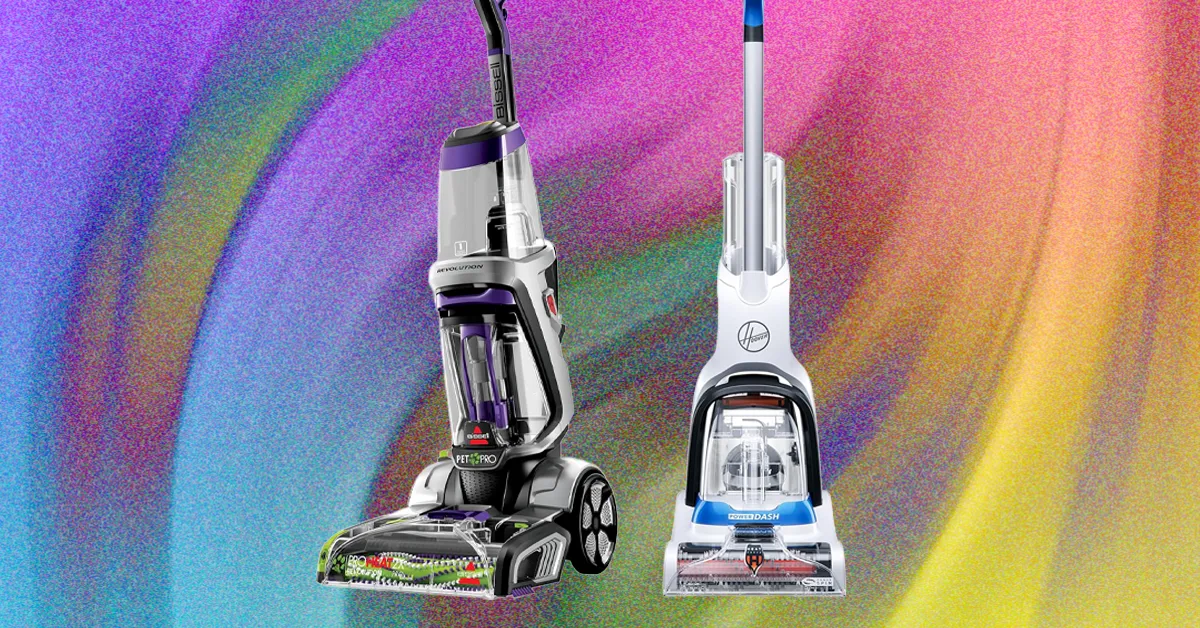
In an era where disruption defines market leaders’ strategies, recent advancements in smart cleaning technology are setting new benchmarks, forcing legacy giants to reevaluate their dominance. Leading companies like Dyson and Shark are facing stiff competition from innovative startups armed with IoT-enabled, ultra-efficient devices that blend innovation with practicality. With industry analysts from Gartner highlighting the rapid pace of change, it is clear that the traditional vacuum and cleaning appliance market is on the cusp of a seismic shift—carrying profound business implications for established players.

The advent of AI-powered, autonomous cleaning robots and multifunctional devices underscores a broader industry trend: the merge of convenience, efficiency, and smart integration. For instance, devices like the Eufy E28 HydroJet and Dreame H14 Pro incorporate features previously confined to individual appliances. These innovations include liquid spill management, self-cleaning cycles, and app-controlled scheduling, demonstrating how disruption is transforming appliance functionality into an integrated ecosystem. Experts from MIT underscore that the convergence of robotics and IoT signifies a strategic pivot—favoring adaptability and consumer engagement over sheer power or cost savings.

Business implications of these innovations are far-reaching

Traditional cleaning product companies are grappling with the challenge of meeting the rising consumer demand for seamless, smart solutions. The cost of R&D in autonomous platforms and advanced sensors is high, but the payoff is equally substantial. Game-changing features include adaptive navigation, obstacle detection, and even intuitive stain removal, all fueled by machine learning algorithms—hallmarks of industry-disrupting innovation. As Elon Musk has repeatedly emphasized, the integration of AI and robotics heralds a new era, where products are not just tools but connected, intelligent systems. This shift threatened to commoditize previous high-margin sectors but also opens a window for aggressive entrants to redefine market standards.

From a business standpoint, companies capable of capitalizing on such disruptive innovations stand to unlock new revenue streams and secure competitive advantages. For example, brands blending cleaning with air and water purification could tap into the health-conscious consumer segment, magnifying their market footprint. Meanwhile, established brands face increasing pressure to abandon legacy products for more disruptive, AI-driven designs, with some analysts warning that Huawei and Xiaomi-like companies might leapfrog traditional giants in the connected home space due to their aggressive innovation strategies.

Looking ahead: the future of smart cleaning technology is now

The industry is at a pivotal juncture—timing is critical for those who wish to lead. Innovation is not only about enhanced features but also about disrupting the business models of companies complacent with incremental improvements. The next decade promises a rapid acceleration of disruptive technologies, driven by breakthroughs in robotics, edge computing, and AI. Companies must remain vigilant and agile; otherwise, they risk obsolescence as market shifts favor fully autonomous, integrated solutions over traditional appliances. In the high-stakes game of technological dominance, timing, innovation, and strategic disruption will determine who leads the smart home revolution and who gets left behind.

As industry leaders and startups jostle for dominance in this lucrative space, one thing is clear: the smart home of tomorrow is being built today. Stakeholders must act decisively—and fast—if they wish to secure their legacy in the emerging era of home automation. The future belongs to those who recognize that disruption isn’t just an option; it’s an imperative.

Thrilling Upsets and Rising Stars: Highlights from this Week’s Top Youth Sports Matches!

Yankees Fall Short in ALDS, Reflecting on a Season of Promise

The New York Yankees took the field with renewed confidence this season, believing they were stronger and more complete than the team that reached the World Series last year. However, their season came to a disappointing conclusion on Wednesday night as they faced elimination in the American League Division Series (ALDS). The dreams of another championship run have been dashed, bringing forth questions about the future direction of the franchise.

In what could only be described as a night of missed opportunities, the Yankees struggled to maintain momentum against their opponents. Key players, such as star pitcher Gerrit Cole, delivered commendable performances, but it wasn’t enough to secure a win. The team fell behind early when a critical error led to a three-run homer that set the tone for a challenging evening. Commentator Michael Kay articulated the sentiment in the broadcast booth, stating, “You can’t afford to give away runs in a game of this magnitude.”

Game highlights revealed the tension upon every pitch, yet the Yankees couldn’t capitalize on their scoring opportunities despite dominating certain statistics throughout the season. The bats were notably silent when it mattered most, leading the team to miss crucial plays. Fans were left disappointed, wondering what might have been had the team executed better in the clutch moments. The resilience displayed by the Yankees, however, serves as a reminder of the grit embedded in their legacy.

As the dust settles from this postseason heartbreak, it is essential to remember that sports transcend the confines of the scoreboard. In moments of triumph and despair, athletes come together, showcasing their dedication and passion, reminding us of a truth that goes beyond mere statistics: unity and camaraderie. The Yankees‘ journey may have ended prematurely, but the spirit they embody will continue to inspire their fans and future generations. As they regroup and refocus for the challenges ahead, one thing remains clear: the love for the game thrives, and it binds us all in ways that are truly remarkable.

Source link

Top 232 Prime Day Deals You Can’t Miss Before Midnight

Tech Industry Faces Disruption Amid Prime Day Market Shifts

The recent culmination of Amazon’s October Prime Day exemplifies a broader trend of disruption within the consumer tech market, signaling shifts that could reshape the landscape for both established giants and innovative startups. While consumers enjoyed lucrative deals on everything from headphones to smartwatches, industry analysts point to a more profound implication: the acceleration of market consolidation, technological innovation, and heightened competition.

This annual event underscores how major players like Amazon leverage massive sales events to reinforce their dominance in the digital marketplace. However, industry insiders and tech skeptics, including experts from MIT and analysts at Gartner, warn that such waves of consumer engagement are merely a prelude to a disruption-driven era. The focus now is on innovations redefining core sectors, such as AI-powered gadgets, smart home devices, and next-generation entertainment systems. Companies that previously relied solely on traditional hardware are now rushing to adopt cutting-edge technologies like AI, machine learning, and IoT to maintain relevance and capture new markets.

Impactful shifts are taking place across different product segments. For instance, the surge in smartwear—including wearable fitness trackers and smartwatches—illustrates how health-conscious consumers are demanding “more intelligent” devices, pushing companies to innovate rapidly. Likewise, the booming soundbar and Bluetooth speaker markets reveal a race to integrate voice assistants, leading to an ecosystem where hardware must seamlessly connect to the cloud, a move that could alter business models and revenue streams. This relentless pursuit of disruption has prompted industry leaders like Elon Musk’s Tesla and Peter Thiel-backed startups to reimagine their roles within this evolving ecosystem, emphasizing disruptive innovation over incremental improvements.

The integration of AI, robotics, and cloud computing into consumer devices signals a fundamental shift in industry power dynamics and competitive strategies. The emphasis on disruptive innovation is not confined to hardware alone; emerging platforms are transforming the way consumers access and interact with digital content, fostering a fertile environment for business model reimagination and market upheaval. As Gartner’s recent reports suggest, the companies poised for long-term growth are those that prioritize agility, leverage AI-driven insights, and rapidly iterate products to meet rapidly shifting consumer preferences. The speed at which these technology waves are cresting demands urgent adaptation for established players who risk being left behind.

Looking ahead, the future of consumer technology hinges on innovation and strategic disruption. The current trends indicate an era where traditional market boundaries will become increasingly blurred, mobilized by technologies that disrupt, redefine, and democratize access. The urgency for companies, investors, and entrepreneurs is clear: those who fail to harness these technological waves risk obsolescence. As digital markets accelerate, the pace of innovation will determine which enterprises lead the charge into a reshaped technological landscape, making strategic foresight and relentless innovation more critical than ever.

Top October Prime Day Lego Deals: Epic Star Wars Sets & Fresh Botanicals for Trendsetters

In recent years, Lego has transformed from simple children’s toys into powerful symbols of cultural evolution and social engagement. The emergence of targeted sales events like Amazon’s Prime Big Deal Days is reshaping how consumers approach holiday shopping, especially within the youth demographic. With the recent surge in Lego deals, it’s evident that the brand is not just about building blocks; it’s about building a cultural identity that resonates across generations. Influencers, artists, and social analysts agree that Lego’s strategic positioning during these shopping seasons fuels a larger societal conversation about creativity, nostalgia, and the power of DIY culture.

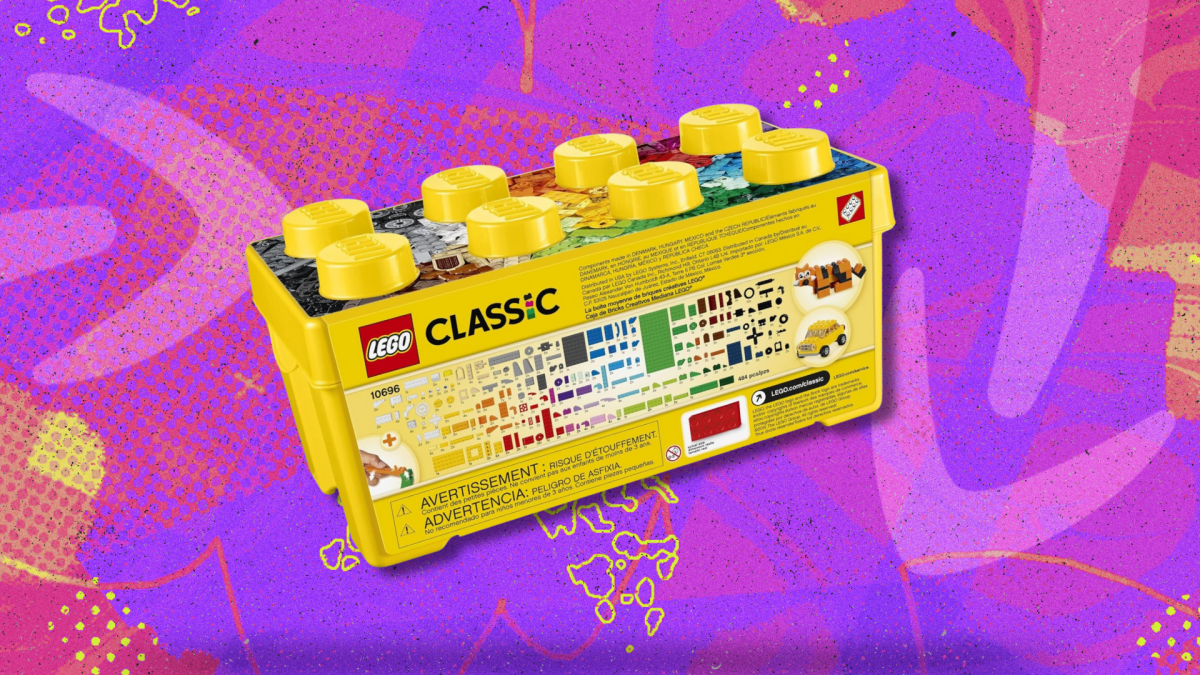
One of the most noticeable shifts—highlighted by savvy shoppers and trend trackers—is how Lego’s product range now caters to a broad spectrum of social interests. From Star Wars themed advent calendars to Vincent Van Gogh’s “Starry Night” sets, the brand taps into the prestige of pop culture and fine art alike. During Prime Day, these sets are not just discounted; they become a vessel for cultural expression. For example, the Lego Star Wars Advent Calendar offers fans a chance to build and preserve some of cinema’s most iconic characters, while also creating a sense of holiday tradition. Meanwhile, adult Lego enthusiasts tap into these deals to craft home decor or artistic installations, demonstrating how Lego blurs the lines between childhood entertainment and mature artistic pursuits. The brand’s strategic deals make it clear: Lego is evolving into a lifestyle staple that speaks to the ambition of its diverse audience.

Experts like Dr. Julia Sanchez, a sociologist specializing in youth culture, note that Lego’s ability to remain relevant amidst digital distractions is rooted in its social relevance. “Lego is no longer just a toy; it’s a language of self-expression,” she explains. With social media influencers showcasing their own creative builds—ranging from architectural marvels to trending pop culture memes—the brand gains a new layer of social currency. The potential for users to share their masterpieces on platforms like TikTok and Instagram turns Lego into an interactive, participatory activity that fosters a sense of community. This participatory culture is making Lego a digital-age phenomenon: a tool for storytelling, identity exploration, and even social mobility, as users showcase their ingenuity for a global audience.

The Future of Creative Consumption: What’s Next for Lego?

As the Lego movement continues to thrive in an era dominated by instant digital gratification, a compelling question remains: Will the brand be able to sustain its cultural relevance as societal values evolve? The next big frontier is how Lego integrates emerging technologies like augmented reality (AR) and AI-driven creative tools. Will future consumers build not only with physical blocks but also code and virtual materials that bridge the tangible and digital worlds? Artists and analysts are increasingly asking whether Lego’s rising influence will inspire new forms of hybrid creativity—perhaps blending traditional craftsmanship with virtual design. The core issue is whether Lego’s strategic investments can keep pace with societal shifts towards personalization, sustainability, and digital storytelling.

The evolution of Lego during prime shopping seasons reveals deeper societal currents—highlighting how a humble toy can become a mirror for cultural aspirations. As shoppers gear up for the holiday season, the question is no longer just about finding a deal; it’s about understanding how products like Lego shape—and are shaped by—society’s evolving values and dreams. The real challenge for the future lies in whether Lego can continue to inspire the next wave of innovators who will craft not just with blocks, but with the ideas that shape tomorrow’s culture.

Top 5 Highlights from Pam Bondi’s Heated Senate Testimony

The United States continues to be a battleground where partisan perceptions and internal conflicts shape its geopolitical stance. The recent Senate Judiciary Committee hearing centered on Attorney General Pam Bondi’s contentious testimony, further revealing the deep fissures within America’s political landscape. As Bondi launched into aggressive defense tactics, many international analysts noted that this spectacle was not just an intra-national affair but a vivid reflection of the how internal US conflicts can influence global perceptions of election integrity, rule of law, and diplomatic stability. Historians of U.S. politics warn that such polarized displays risk delegitimizing American institutions, thereby impacting America’s ability to project soft power on the international stage.

At the heart of the hearing was the issue of judicial integrity and the weaponization of justice. Bondi’s refusal to answer questions regarding the ongoing investigations into Jeffrey Epstein and other sensitive matters, coupled with her rhetorical attacks on Democratic figures, exemplifies deeper ongoing struggles within the American justice system. These internal battles have repercussions that extend well beyond borders. The North Atlantic Treaty Organization (NATO) partners, and allied nations closely monitor the stability of U.S. institutions, often questioning America’s capacity to uphold its commitments when its leaders appear mired in politicized conflicts. The warning signs are clear: the world’s oldest democracy, once a beacon for rule of law, now faces questions that could diminish its moral authority on the global stage.

Meanwhile, international organizations and foreign governments observe how the partisan skewing of justice influences diplomatic relations. The Republican-led critique of the Biden administration’s handling of investigations into Biden family’s business dealings echoes beyond the borders, fueling narratives within authoritarian regimes about Western internal chaos. Conversely, Democratic accusations of selective justice and political weaponization further deepen the divide. Analysts from the European Council on Foreign Relations state that these internal conflicts could complicate efforts to build unified policies on critical issues such as cybersecurity, climate change, and trade — areas where American credibility is paramount. As Senator Lyndsay Graham and others echo concerns about the legitimacy of FBI and DOJ actions, the question persists: how much longer can America maintain its leadership without internal unity?

As history continues to be written in these turbulent moments, the weight of decisions made within these hallowed halls will echo across generations. The question remains: is this internal chaos the prelude to a transformation or the unraveling of the American dream? Each legislative strike, each partisan accusation, adds a new chapter to a story still unfolding. The global community watches, knowing that the outcome of this internal American conflict will inevitably shape the future of international order, alliances, and the very nature of democracy itself — a story still being written in the shadows of history’s unyielding march forward.

Top Humidifiers for Home, Travel & More — Must-Have Picks of 2025

Blueair Launches the DreamWell Humidifier: A Breakthrough in Home Wellness Technology

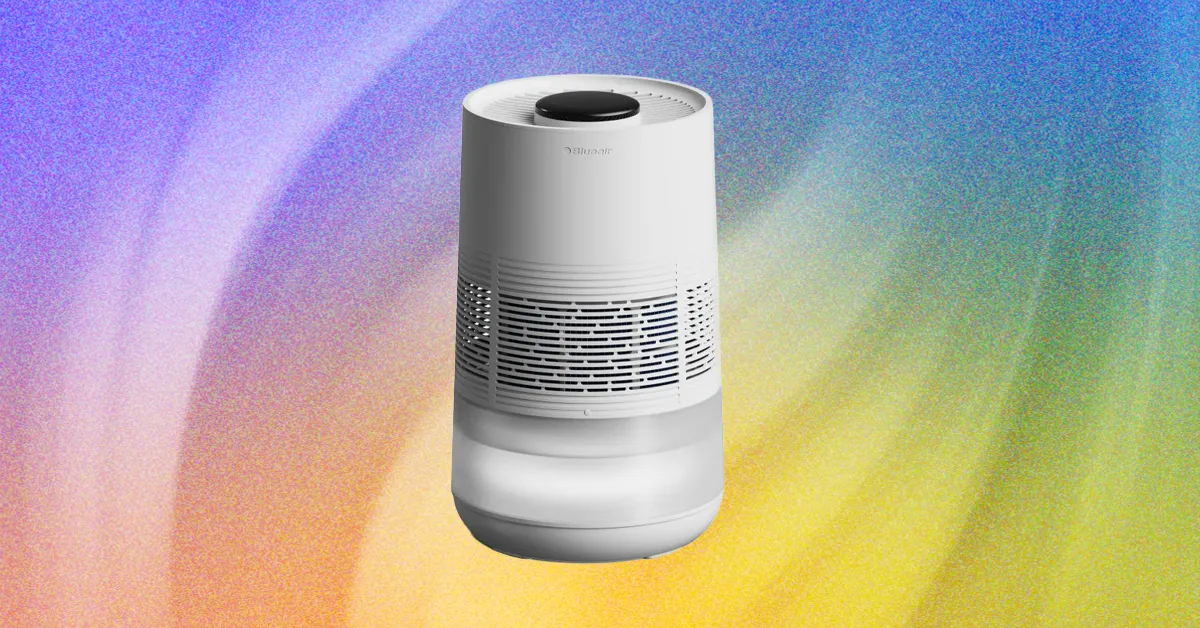
In an era where technological innovation meets everyday life, Blueair has introduced the DreamWell Humidifier, an advanced device poised to redefine home climate control. Designed with user-centric features and smart integration, this product exemplifies how startups and industry giants are leveraging disruption to shape the future of wellness technology. Blueair’s latest offering not only emphasizes ease of use and aesthetic appeal but also demonstrates a strategic focus on connectivity, automation, and personalized comfort, aligning with broader industry trends fueled by the Internet of Things (IoT).

Innovative Features That Drive Market Disruption

The DreamWell stands out due to its integrated app control and geolocation-triggered automation—a feature that exemplifies how IoT continues to revolutionize smart home devices. Through Blueair’s app, users can activate a “welcome home” function, which intelligently pre-warms the environment before arrival by detecting transportation modes such as walking, biking, or driving. According to industry analyst Gartner, such proactive automation will become standard in next-generation smart appliances, identifying a clear shift from reactive to predictive home environments. The device also offers features like mood lighting, scent infusion, and an automatic wick drying cycle, combining comfort with convenience.

  • Multiple tank sizes optimized for room size and user preferences
  • Automatic wick drying reduces maintenance hassle
  • App and voice control expanding accessibility and automation
  • Compatibility with common water sources, including tap water

This level of disruption signals a significant leap forward for consumer appliances, with Blueair aiming to merge style, functionality, and smart tech into a seamless user experience. The under-the-radar yet sleek design ensures the product appeals to a decade increasingly driven by minimalism and sophistication, echoing trends observed in tech innovation hubs like MIT and Silicon Valley.

Business Implications and Industry Shifts

The launch of the DreamWell is more than a mere product upgrade—it signifies a broader strategic move by Blueair to capitalize on the burgeoning home wellness market. As health-conscious consumers seek holistic solutions, the integration of IoT, automation, and personalization in appliances creates new revenue streams for tech companies. Market research predicts that the global smart home market could surpass $150 billion within the next five years, driven by innovations like Blueair’s. Companies that prioritize disruption, scalability, and ecosystem integration will lead this next wave of industry leaders, echoing early moves by Elon Musk with Tesla’s integration of vehicle and energy solutions or Peter Thiel’s emphasis on fundamental platform shifts.

Industry watchers note that such advancements will intensify competition, forcing legacy manufacturers to rethink their strategies. Value-added services, machine learning-powered customization, and ecosystem alliances will become benchmarks for success. The DreamWell’s automated maintenance features and app-based controls represent a sample of the next frontier: an interconnected, intuitive home environment that enhances well-being while reducing manual intervention. As innovation accelerates, startups and established giants alike must prioritize agility and tech-driven disruption to stay ahead.

Forward-Looking Perspective: A Future Powered by Smart Innovation

The launch of the Blueair DreamWell Humidifier underscores an undeniable trend: the convergence of smart technology and wellness is transforming the landscape of consumer appliances. As AI, IoT, and sensor-driven automation become standard, industry leaders must anticipate a future where intelligent environments adapt in real time to human needs—disrupting traditional markets and creating new ones. The rapid commercialization of such innovations portends a future where our homes are no longer static spaces but dynamic, personalized ecosystems powered by relentless advances in tech.

For entrepreneurs, investors, and industry stakeholders, the message is clear: timing, innovation, and strategic disruption will be pivotal in shaping the next era of home wellness. The question remains—how quickly will established players embrace these shifts, and who will lead the charge into this exciting new frontier? The future belongs to those who recognize that in tech, relentless innovation is no longer optional—it is imperative.

Social Media Auto Publish Powered By : XYZScripts.com