Matox News

Truth Over Trends, always!

This Week’s Top Deal: Kid-Friendly Kindle Paperwhite Outperforms the Adult Model

Market Disruption and Innovation: Amazon’s Kindle Offers Signal Industry Shifts

The consumer electronics industry remains a fiercely competitive battleground, fueled by rapid technological innovation and strategic disruption. Recently, Amazon’s latest Kindle lineup, including the Kindle Kids, Kindle Colorsoft Kids, and notably the **Kindle Paperwhite Kids**, exemplifies how entrenched players are innovating to sustain dominance amidst a shifting digital landscape. With prices dropping to historic lows — the Kindle Paperwhite Kids now retailing at $134.99, down from $179.99 — such aggressive pricing underscores Amazon’s strategy to consolidate market share in the e-reader space. This move challenges traditional rivals and forces them to rethink their offerings in the face of Amazon’s relentless push for affordable, feature-rich devices that appeal to a broader demographic, especially younger readers.

This pattern of disruption extends beyond individual products to broader industry trends. Experts from Gartner point out the increasing convergence of hardware, content, and AI-driven personalization, transforming e-readers from mere reading devices into integrated learning platforms. Amazon’s push into kid-friendly devices reflects a broader market shift where the focus is no longer solely on hardware capabilities but on creating ecosystems that foster digital literacy and lifelong engagement. Such strategic positioning foreshadows a future where edu-tech integration and gamification will redefine consumer expectations and unlock new revenue streams, making traditional book publishing and educational content delivery more competitive.

Hardware Innovation and Gaming Disruption: The 8BitDo Ultimate 2

In the gaming sector, recent innovations notably include the **8BitDo Ultimate 2** wireless gamepad, now available at discounted prices — in white for $59.98 and black for $62.99 — marking a rare opportunity for gamers seeking premium accessories. This controller’s compatibility with the upcoming **Nintendo Switch 2**, original Switch, and PC exemplifies a new era of hardware interoperability, challenging proprietary standards that once limited gamer choice and ecosystem lock-in.

  • ReplacesHall effect joysticks with tunneling magnetoresistance (TMR) technology for drift resistance and increased power efficiency.
  • Features trigger stops, LED-illuminated joystick rings, and additional shoulder buttons for advanced control — perfect for high-performance gaming.

The design innovations reflect a broader trend wherein hardware manufacturers leverage cutting-edge materials and ergonomic engineering to disrupt established markets. Industry analysts note that this focus on augmenting user experience and durability is vital for staying ahead in a competitive landscape increasingly driven by consumer demand for versatility and longevity. This kind of disruption might also accelerate the commoditization of console peripherals, compelling leading brands to innovate beyond incremental improvements and aim for transformative technological leaps.

Implications for Business and Industry Dynamics

These developments signal a profound shift in how companies approach market competition. Amazon’s aggressive pricing and ecosystem integration demonstrate the efficacy of disruption through affordability and ecosystem lock-in, pushing rivals into a price and innovation race. Meanwhile, hardware players like 8BitDo are leveraging technological breakthroughs to redefine quality benchmarks, forcing industry-wide innovation cycles. Institutions such as MIT and industry giants like Elon Musk’s companies emphasize the importance of disruptive innovation as essential for future growth, and these product launches underscore that message.

For investors and entrepreneurs, the key takeaway is clear: timing and agility matter more than ever. As the industry continues to evolve rapidly—fueled by advances in AI, materials science, and digital integration—the capacity to innovate swiftly will dictate who leads the next wave of technological disruption. The convergence of consumer electronics, gaming, and educational tech signals a future where sustained competitive advantage will hinge on how quickly companies adapt to emerging trends and consumer expectations. The next decade promises an unprecedented level of technological transformation, and those who act decisively will shape the future landscape of digital innovation.

Top Tips to Keep Your Laptop Screen Spotless Without the Damage

In today’s fast-paced, image-driven society, tech device maintenance has taken on a new cultural significance. What might seem like a mundane task—cleaning your laptop or smartphone screen—actually reflects a larger social shift towards digital minimalism and self-care in our digital age. From influencers sharing sanitized routines to sociologists observing evolving consumer behaviors, the act of maintaining our screens is more than just aesthetics; it’s about preserving the connection between our identities and the digital world we inhabit. Cleaning a screen, in this context, becomes a ritual that symbolizes our respect for technology and the lifestyle choices we make.

This trend is exemplified by the rise of DIY tech care guides led by tech influencers and experts alike. As seen recently in a viral post from Mashable, maintaining your screens properly is now considered an essential part of digital hygiene, akin to grooming or health routines. The emphasis on using microfiber cloths and LCD-safe solvents underscores a cultural emphasis on precision and intentionality when interacting with devices that are deeply woven into our daily lives. The attention to detail mirrors a societal desire to elevate simple acts—like cleaning a screen—into expressions of personal discipline and responsibility.

Moreover, this behavior highlights a significant cultural leap in environmental awareness: avoiding harsh cleaning chemicals and inappropriate materials signals a move towards more sustainable and thoughtful consumption. Sociologists suggest that today’s youth, in particular, are redefining what it means to care for their devices and the environment. Influencers such as tech-savvy creators and lifestyle advocates are championing minimalist approaches, reinforcing the idea that less is more—especially when it comes to technology clutter. As the trend spreads across social media platforms, it’s clear that society is embracing a **simplified, clutter-free digital environment**—one that aligns with broader cultural narratives about mindfulness and intentional living.

Looking ahead, the next big question emerges: Will this focus on meticulous device care evolve into a broader cultural movement towards digital sustainability and even digital minimalism? As technology continues to become more embedded in our identities, the act of *caring for our devices* could transform into a gateway for addressing larger social issues—such as e-waste, digital clutter, and the overconsumption of gadgets. The challenge now lies in how future generations will balance technological convenience with environmental responsibility and personal well-being. Will today’s screen-cleaning routines foreshadow a society that is more deliberate about its digital footprint? Or will it become just another fleeting trend? Only time will tell, but one thing is certain: the way we nurture our technology today is quietly shaping the cultural narratives of tomorrow.

Top 7 MagSafe Phone Grips for 2025: Tested and Trusted by the Next Gen

Innovative Shifts in Smartphone Grip Technologies Signal Industry Disruption

The smartphone accessory market continues to evolve rapidly, with a particular focus on grip technology that aligns with the broader wave of disruptive innovation. As industry leaders seek to enhance user convenience and device safety, several distinct categories of phone grips are emerging, each with unique business implications and technological breakthroughs. In an increasingly competitive landscape, companies are leveraging these innovations to redefine user interactions, create new revenue streams, and challenge traditional accessory paradigms.

Among the most prominent innovations are cases with attached grips. These solutions integrate durability and security, providing users with a firm hold while ensuring the grip won’t detach unexpectedly. However, their larger form factor and compatibility issues with wireless charging limit their market appeal. Nevertheless, leading manufacturers are pushing the boundaries of durability and functionality, aiming to appeal to a demographic that values ruggedness and security. These cases exemplify a trend toward integrated device peripherals, transforming the smartphone into a more versatile, user-centric platform.

Another notable category gaining traction is clamp-style grips, often dubbed universal phone grips. Their versatility allows them to adapt across various device models, offering a flexible yet somewhat cumbersome alternative to MagSafe solutions. While they are not as quick to attach or detach, their ability to be repositioned and reused appeals to budget-conscious consumers and hobbyists. Industry analysts from Gartner suggest that this segment could see significant growth as companies optimize clamp mechanisms for improved stability and ease-of-use. This shift signals an industry move toward modular, user-customizable accessories that cater to a broader audience while intensifying the competitive pressure on proprietary systems such as MagSafe.

The reigning star in this arena remains MagSafe grips, driven by Apple’s deep ecosystem integration and consumer demand for convenience. These grips offer significant advantages, notably ease of attachment/detachment and seamless wireless charging compatibility. However, as observed by tech futurists like Elon Musk and MIT researchers, the reliance on magnetic adhesion introduces vulnerabilities—force-related detachment remains a threat, especially with high-impact drops. The market implications are clear: the security-performance tradeoff is a critical factor shaping future innovations, prompting competitors and innovators to develop more robust magnetic systems or alternative fastening mechanisms.

Looking ahead, industry experts predict this segment will become a hotbed of disruption, akin to the electric vehicle revolution in the automotive sector. As Peter Thiel and other venture capitalists increasingly back startups pushing boundaries, the integration of AI-driven, adaptive grip systems could soon redefine how consumers interact with their devices. Additionally, the emergence of new materials and manufacturing techniques could reduce costs while enhancing durability and safety. Smart, context-aware grips capable of detecting user behavior and adjusting tension in real-time might soon become the standard—ushering in an era where smart accessories are as revolutionary as the smartphones they complement.

In conclusion, the proliferation of innovative grasping solutions underscores a vital truth: the smartphone ecosystem is on the cusp of unprecedented transformation. As these new technologies disrupt entrenched players and create fertile ground for startups and giants alike, a sense of urgency pervades. Investors, manufacturers, and consumers must stay vigilant, for the next generation of mobile interaction is rapidly approaching—a future where the way we hold, protect, and interact with our devices may change more profoundly than ever before.

Sali Hughes on Beauty: Top Velcro Rollers for Bold Body and Bounce — Elevate Your Hair Game

The Resurgence of Velcro Rollers: A Beauty Trend Redefining Style

In an era dominated by high-tech hair gadgets and relentless beauty innovation, Velcro rollers are making an unexpected comeback, proving that sometimes, the simplest tools are the most revolutionary. Once relegated to the backstage of vintage salons, these rollers are now at the heart of a trendy hair revival among youth and beauty aficionados seeking a quick, damage-free way to craft voluminous, lively styles. Influenced by iconic stylists like Sam McKnight, whose background includes creating celebrity-worthy, bouncy dos, the trend underscores a broader cultural shift towards authenticity and simplicity in beauty routines.

What makes Velcro rollers more than just a nostalgic throwback is their resonance with the contemporary desire for effective, damage-conscious styling. Influencers and beauty experts like Sali Hughes emphasize how these rollers can effortlessly lift roots and add natural movement without exposing hair to extended periods of heat, which often causes significant damage — a concern echoed widely among the young generation wary of long-term hair health. The recent reintroduction of the “Big Set,” a kit comprising 18 various-sized Velcro rollers and a retro-futuristic thermal bonnet, highlights a deliberate counterculture movement: rejecting over-complicated devices in favor of straightforward, sustainable hair care methods.

Social platforms have played a pivotal role in amplifying this trend, with beauty influencers showcasing their own roller routines, emphasizing the social relevance of embracing traditional techniques in modern, fast-paced lifestyles. Top lists from trend analysts pinpoint that ‘less is more’ is becoming a guiding principle, as young consumers gravitate towards products that favor ease, portability, and versatility. For instance, a set of Self Grip Rollers, priced at just £12, provides an instant upgrade to flat or lifeless hair, hinting at a broader embrace of DIY culture alongside eco-conscious values. These tools fit seamlessly into busy schedules, allowing the wearer to craft polished looks in the time it takes to enjoy a morning coffee, further cementing Velcro rollers’ social relevance in youth culture.

The cultural impact runs deep, extending beyond mere aesthetics. As sociologists note, this trend encapsulates a desire for self-sufficiency and authenticity, echoing a collective urge to reconnect with more tangible, less digital styles. The narrative becomes even more compelling when considering influencers championing these methods, blurring the lines between vintage appreciation and contemporary cool. Hair expert Sam McKnight illustrates that effective styling doesn’t necessarily require high-tech contraptions, but rather the right attitude and tools — a powerful message in today’s era of social media-driven perfectionism. As the trend grows, the crucial question arises: could this revival be a sign of a future where digital saturation gives way to a preference for tactile, proven techniques? The next chapter in this story might define whether the true beauty revolution hinges on simplicity or technological innovation.

Trump and Hegseth to Hold Rare Meeting with Top US Generals

In a move that has sent ripples through the international geopolitical landscape, President Donald Trump and Defense Secretary Pete Hegseth convened a rare, high-level gathering of over 800 senior military officials at Marine Corps Base Quantico, Virginia. The significance of this assembly extends beyond the United States, as it signals a potential shift in America’s military posture amidst ongoing global tensions. The event, shrouded in secrecy and characterized by extreme security measures, marks an extraordinary departure from traditional military diplomacy, which routinely favours virtual meetings for logistical reasons.

This summit, initially met with skepticism and dismissed by Vice-President JD Vance as routine, has prompted analysis from military strategists and international observers alike. Giuseppe Cavo Dragone, the Italian admiral and chair of the NATO Military Committee, emphasized the unprecedented nature of the gathering, remarking that, in his 49 years of service, he had “never seen that before.” Meanwhile, Mark Cancian from the Center for Strategic and International Studies expressed puzzlement over the decision to hold such a large in-person event, considering the advances in digital communication. His theory suggests that Hegseth likely sought the tangible impact of face-to-face dialogue, which he believed could bolster military esprit de corps and national resolve in a period of mounting threats.

The geopolitical impact of this summit is multi-layered. On one level, it serves as an internal reinforcement of the U.S. armed forces, emphasizing a message of strength and unity in a volatile world. On another level, it raises questions about the direction of American military policy under the current administration, especially as global actors like Russia, China, and Iran continue advancing their strategic objectives. The presence of officers from Europe, South Korea, and the Middle East underscores a clear signal of preparedness and global reach. However, critics warn that such high-profile gatherings could escalate tensions, particularly if they are perceived as provocative or as a show of force rather than a genuine step towards diplomacy. Amidst the backdrop of historical destabilization, analysts like those from the United Nations suggest that decisions made today will reverberate for decades to come, shaping the balance of power and the destiny of multiple nations.

As history continues to unfold on this stage of global geopolitics, the implications of America’s military reaffirmation remain uncertain. What begins as a strategic display of unity might evolve into a defining moment of how nations interpret strength and resolve in the 21st century. The world watches with bated breath, knowing that each decision echoes across borders, determining the future trajectory of geopolitics, warfare, and diplomacy. In this complex theater of power, the weight of history persists, waiting for the pages to turn and reveal whether these moments of show of force will forge peace or ignite the flames of conflict in an already fractured world.

Score Big: 55 Top Deals Ahead of Amazon’s Fall Prime Day—Don’t Miss Out!

Tech Industry Shifts Accelerate as Consumer Electronics Deals Signal Disruption and Innovation Opportunities

The recent surge in consumer electronics discounts during Amazon’s Prime Big Deal Days underscores a transformative phase within the technology sector, driven by rapid innovation and evolving market dynamics. As brands like Apple and Amazon slash prices on flagship products such as the latest iPad Mini, industry analysts anticipate that these aggressive promotional strategies will reshape competitive landscapes. Such discounts not only bolster consumer enthusiasm but also reflect underlying shifts in supply chain efficiencies, chip manufacturing, and retail strategies—paving the way for new business paradigms to emerge.

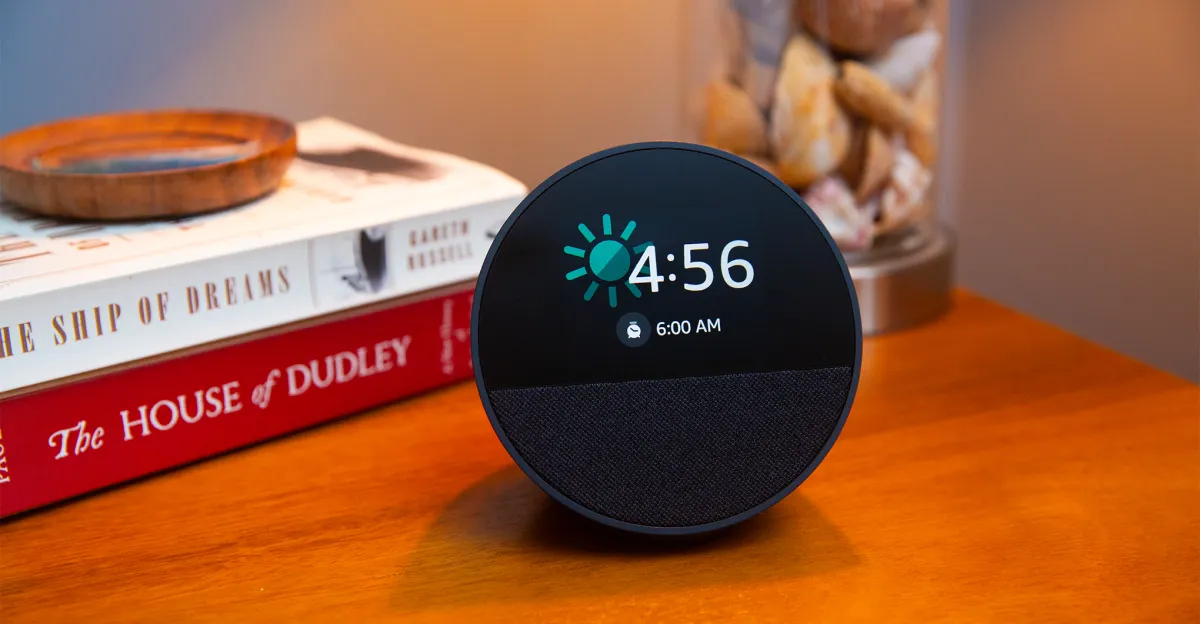
Emerging technologies like wireless earbuds, smart speakers, e-readers, and home automation devices are gaining momentum, with record-breaking deals highlighting their increasing accessibility and integration into daily life. Evident from the promotional campaigns, these gadgets are rapidly evolving through disruption-driven innovation, pushing major players to reimagine their offerings for younger, tech-savvy demographics. For example, the latest Echo devices and Kindle Scribe feature advancements in voice recognition, AI-driven personalization, and seamless ecosystem integration—factors that Gartner and forward-looking investors see as critical for capturing future market share.

The Impacts of Innovation on Business Strategy and Market Dynamics

Industry insiders like Elon Musk and Peter Thiel recognize that disruption in consumer electronics often signals broader shifts within the ecosystem of AI, IoT, and smart infrastructure. The current promotional landscape acts as a market testing ground for these innovations, where bold pricing strategies are employed to accelerate adoption. Companies leveraging machine learning and edge computing are gaining competitive advantages; for instance, smart home products that anticipate user needs and adapt accordingly could redefine residential automation within the next decade.

  • Features: Enhanced connectivity, AI-driven personalization, integrated ecosystems
  • Pros: Increased adoption, accelerated innovation cycles, expanded user engagement
  • Cons: Market saturation risks, supply chain fragility, rapid obsolescence concerns

These developments suggest an industry in flux, with market shifts under way that could advantage innovative startups and established giants willing to adapt quickly. As traditional companies face mounting pressure to innovate or risk obsolescence, the landscape is set for a new wave of disruptive entrants—especially those harnessing AI, 5G, and quantum computing—who will capitalize on this momentum to redefine consumer expectations and industry standards.

Looking Ahead: The Drive Toward a Tech-Driven Future

The rapid pace of technological innovation, combined with strategic promotional campaigns, heralds a future where disruption is the norm rather than the exception. Industry leaders, investors, and policymakers must stay alert to these shifts, recognizing that today’s consumer deals are microcosms of larger strategic pivots. The advent of more affordable, feature-rich devices signals that the next era of technological dominance will be characterized by hyper-innovation, market fragmentation, and new business models rooted in AI, connectivity, and user-centric ecosystems.

As the industry gears up for transformative change, stakeholders must prioritize adaptable, forward-thinking strategies—lest they fall behind. The countdown to a digitally integrated, AI-powered realm is accelerating, and those who act swiftly will shape the trajectory of technological progress in the coming decade.

Top Body Pillows of 2025: The Ultimate Youth-Focused Review

Revolutionizing Rest: How Innovation Is Disrupting the Sleep Industry and Shaping Business Strategies

In an era defined by rapid technological advancement, innovative sleep solutions exemplify how disruptive technologies are reshaping consumer markets. Companies like Pillow Cube and Leacho are pioneering personalized, support-focused sleep products that challenge traditional pillow and mattress manufacturing. This shift underscores a broader industry trend where customer-centric design, driven by AI and material science, offers unparalleled support, comfort, and health benefits wired directly into mainstream sleep technology.

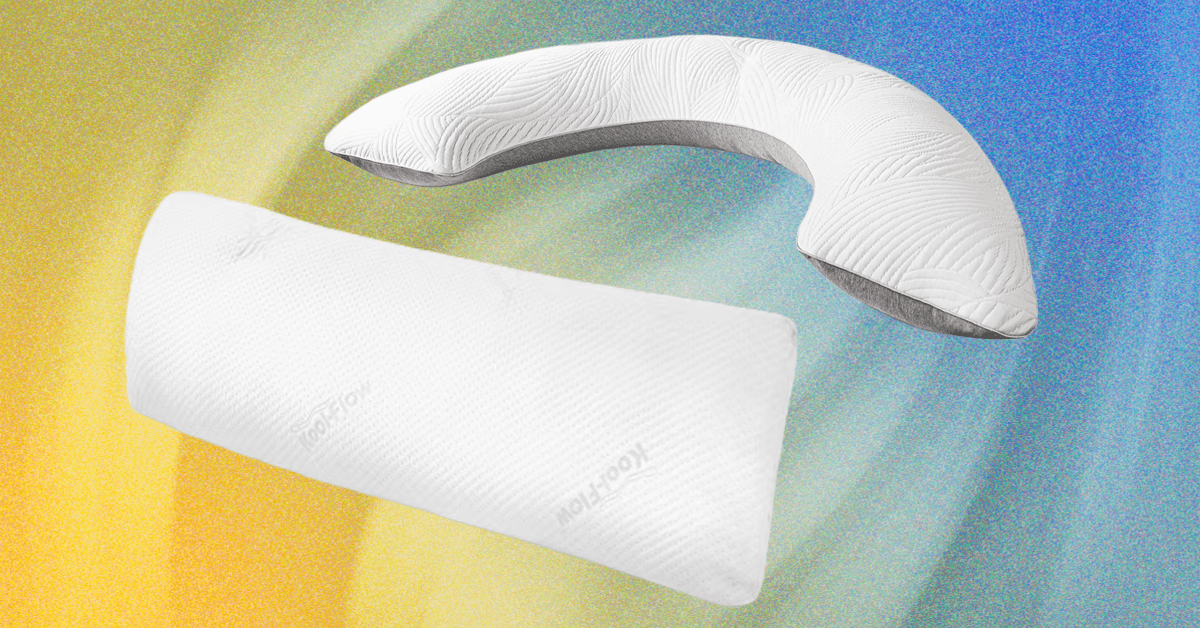
Notably, Pillow Cube has introduced a side-sleeper-specific pillow that emphasizes innovation in ergonomic support. Instead of generic, weighty memory foam mattresses, the company leverages breathable AeroPluff foam and modular design to address individual needs—a clear disruptor to the conventional one-size-fits-all approach entrenched in the industry. Similarly, Leacho offers the versatile Snoogle, a multi-shape, customizable pregnancy pillow that epitomizes consumer-driven innovation. Such products are not only redefining comfort but also heralding a new era where tailored support and temperature regulation become key competitive advantages.

The implications for business are profound: companies that leverage emerging technologies such as advanced foam composites, adaptable shapes, and breathable textiles are gaining a competitive edge. Industry giants like Gartner are already emphasizing the importance of “smart materials” and personalized health data in future product development, revealing a market trajectory favoring disruptive innovation over incremental improvements. These advancements signal a shift toward *industry realignment*, where traditional manufacturers risk obsolescence if they do not adopt flexible, support-oriented designs rooted in science and technology. Market disruption is accelerating as startups focus on user-specific solutions, challenging entrenched players to innovate or fade into irrelevance.

However, not all products will survive this wave of innovation. For example, conventional head pillows made largely from memory foam or traditional polyester fillings are increasingly seen as inadequate. As MIT researchers highlight, fill type—supportive, breathable, and adaptable—is crucial for consumer satisfaction, especially for sleep-optimizing devices. The market’s pivot toward materials that promote airflow, support, and temperature regulation underscores an urgent need for companies to innovate or face declining relevance. The era of one-dimensional sleep products is waning, replaced by a dynamic landscape demanding agility and technological integration to meet evolving consumer expectations.

Looking ahead, the industry faces a pivotal moment where **disruption is inevitable**. The integration of AI, IoT-enabled customizations, and advanced materials will catalyze new business models centered around personalized health and sleep optimization. Companies that harness these trends—like Pillow Cube and emerging startups—are positioned to redefine market standards. Industry leaders such as Elon Musk and Peter Thiel have long emphasized the importance of innovation as a foundation for future prosperity, and the sleep industry is no exception. The urgency for established players to pivot toward science-driven, user-focused fabrications is underscored by the rising market share of disruptive entrants.

As we look toward the future, the message is clear: **those who leverage innovation, disruption, and business agility now will define the next era of sleep technology**. The market is ripe for bold moves—unmatched customization, advanced materials, and integration with health data promise not only better sleep but also a competitive edge that could lead to industry dominance. The clock is ticking on traditional sleep solutions, and the window for meaningful transformation is closing fast. Forward-thinking companies must act swiftly—because the future belongs to the innovators willing to challenge industry norms and embrace a new frontier of support and comfort.

I Tested 17 Rice Cookers to Find America’s Top Model — Here Are My Favorites for the Perfect Cooked Grain

Rediscovering Rice: A Lifestyle Journey of Precision, Versatility, and Wellness

In a world obsessed with convenient, multifunctional appliances, the humble rice cooker remains surprisingly central to our kitchens—especially for those committed to *truth in taste* and *culinary authenticity*. A former professional chef, passionate about life’s simple yet refined pleasures, recently undertook an extensive exploration of rice cookers, testing 17 models in what was dubbed the “Rice Cooker Olympics.” This meticulous journey highlights not only the technological evolution within this humble appliance but also underscores how this kitchen staple can significantly impact our health, leisure, and cultural appreciation. From **induction heating chefs’ favorites** to budget options that still deliver *consistently good rice*, the array of choices reflects an ongoing *shift—*or perhaps an *uprising—*toward kitchen tools that marry craftsmanship with versatility.

Beyond Basic: The Cultural and Wellness Impact of Thoughtful Cookware

The **lifestyle shift** toward *\_wellness\_* extends beyond physical health into the realm of mindful consumption and culinary exploration. With cultural roots stretching from the traditional Japanese *sushi rice* to the hearty grains of *GABA rice*, the right rice cooker can unlock not simply convenience but also *nutritional value.* Such tools, especially those with *multi-functionality*—steaming vegetables, cooking beans, or preparing porridge—promote *an intentional approach to eating* that aligns with holistic health goals. Wellbeing expert Dr. Mark Hyman emphasizes that *food is medicine*, and investing in appliances that deliver *accuracy in cooking* can enhance the nutritional profile of our meals. A rice cooker that doubles as a *multicooker* becomes more than an appliance—it’s a pathway to *a more mindful, health-conscious lifestyle*.

The Top Picks: Precision, Durability, and Cultural Richness

The **highlight** of this deep dive into rice cookers is the Zojirushi Induction Rice Cooker NP-HCC10, dubbed the “Rolls Royce” for rice enthusiasts. Its exceptional control over temperature and gelatinization results in rice that is *not only fluffy but generously fragrant*, elevating everyday meals into *culinary experiences.* The cooker’s design marries *precision engineering* with durability—its platinum-infused non-stick pot ensures longevity, while its *multiple settings* accommodate everything from jasmine to sushi rice. For those on a budget yet unwilling to compromise on quality, the GreenLife 1.5 Quart Rice Cooker proves that *affordability doesn’t mean sacrificing performance.* Despite limitations—such as only two functions—its *ease of use* for small apartments or solo living makes it an attractive entry point for culinary experimentation. Meanwhile, the Cuckoo Electric Pressure Rice Cooker exemplifies *kitchen innovation* by drastically reducing cooking times, a boon for busy, *impatient cooks* wanting *fast, quality results*.

  • Invest thoughtfully: Materials matter—stainless steel options reduce concerns about PFAS or “forever chemicals.”
  • Prioritize versatility: Multifunctional cookers that steam, slow cook, and pressure cook expand your culinary horizons.
  • Reflect on your lifestyle: Consider capacity and ease of maintenance to find a truly lifelong kitchen companion.

A Reflection on Food, Culture, and Personal Impact

The journey through the landscape of rice cookers reflects more than just a quest for *perfect grains*; it embodies a broader *cultural awakening* and *an appreciation for quality over quantity.* As food writer Kiki Aranita notes, **well-made rice** is *a quiet celebration of craftsmanship*—a ritual that connects us to *heritage*, *health*, and *mindfulness*. In embracing appliances that empower us to cook better, healthier meals, we invite a lifestyle rooted in *intentionality and cultural appreciation*. It’s about turning the simple act of cooking rice into a *personal expression of care*—for ourselves, our families, and our communities. Ultimately, the kitchen becomes a sanctuary—a space where wellness, tradition, and innovation converge, urging us to see the everyday as an *opportunity for growth* and *culinary discovery*. This ongoing journey encourages us to embrace our role as *conscious consumers* and *lifestyle architects*, shaping futures one meal at a time.

Support a Top 10 CNN Hero—Give Now!

In an era defined by shifting alliances and a tumultuous geopolitical landscape, the role of civil society and international humanitarian efforts remains crucial. The recent emphasis by media outlets such as CNN on promoting donations to 2021 Top 10 Heroes underscores a broader recognition of grassroots activism in shaping global futures. As international organizations like the United Nations stress, *citizen-led initiatives* are increasingly shaping the narrative of resilience and recovery amid ongoing crises. These actions, while often viewed through local lenses, carry profound geopolitical impact—reverberating across borders and influencing diplomatic relations.*

Recent analyses from leading think tanks highlight that *the rise of philanthropic contributions from individuals and communities worldwide acts as a counterbalance to some governments’ insufficient responses to crises.* Such grassroots initiatives frequently focus on issues like health, education, and social justice, fostering a sense of agency beyond traditional power structures. The focus on donor-driven projects continues to challenge the old paradigms of foreign aid, emphasizing “bottom-up” approaches that resonate with young populations worldwide eager for change. These efforts bring to light how societal engagement can sway national policies, especially as geopolitical tensions escalate, and states face internal and external pressures.

Historian and geopolitical analyst Samuel Richards emphasizes that *these movements reveal a critical shift in global power dynamics.* He notes, “How nations respond to the growing chorus of civil society is increasingly determining their place on the international stage.” The recent recognition of humanitarian heroes such as those supported by CNN exemplifies the importance of public diplomacy—a soft power that strengthens national identities and informs global perceptions. Countries that harness this wave of civic engagement effectively can bolster their soft power and redefine diplomatic interactions in a world where traditional military and economic strength no longer sole indicators of influence.

However, these developments do not come without warning. Many experts caution that the rise of decentralized activism could threaten the existing international order if left unchecked. As global institutions grapple with *how to integrate these grassroots movements into formal policy frameworks,* questions arise about sovereignty, accountability, and the potential for increased polarization. For instance, analysts stress that the quest for influence through bottom-up initiatives may muddy lines between local activism and global geopolitics, complicating efforts to maintain stability. As the world witnesses this ongoing transformation, the importance of strategic foresight and diplomatic agility becomes more evident. History has shown that when society’s voice is amplified—whether through donations, activism, or civic engagement—it can catalyze a seismic shift in international relations. The next chapter of history remains unwritten, and the weight of its story will depend on how nations and societies choose to respond to these emerging forces.

Top chargers dropping early — get ready before Prime Day hits!

Harnessing Portable Power: The Future of Mobile Energy Solutions Dominates Tech Discourse

In an era where technological disruption is reshaping how we connect, work, and play, portable power innovations are taking center stage. Industry leaders like Anker and Jackery continue to push the boundaries of mobility, positioning themselves not just as accessory providers but as pivotal players in the burgeoning portable energy market. These advancements could redefine the interface between consumers and technology, emphasizing innovation, convenience, and resilience.

The recent launch of Anker’s 633 Magnetic Battery exemplifies how companies are integrating disruptive features into compact form factors. This MagSafe-compatible charger combines high efficiency with user-centric features such as an integrated kickstand and multiple charging modes—wireless at 7.5W or through its USB-C port at 20W. Its support for passthrough charging and dual-port options profoundly impacts on-the-go energy management. While gadget users have long perhaps accepted the constraints of power limitations, innovations like this shift the paradigm, enabling a seamless, always-connected experience. With a capacity of 10,000mAh, enough to power most smartphones, it underscores a market trend toward more energy delivery in smaller packages.

On the industrial front, the emergence of dedicated portable power stations such as Jackery’s Explorer 1000 V2 signals a shift toward *off-grid sustainability*. Its design—notably three AC outlets, multiple USB ports, and an impressive 1,070Wh capacity—positions it as an essential device for outdoor adventurers, emergency preparedness, and remote work settings. Early October Prime Day deals, which cut its price to under $430, reflect strategic pricing aimed at capturing a segment eager for reliable, high-capacity power on demand. Given that Jackery claims its batteries retain about 70% of their capacity after 4,000 cycles, the platform’s longevity makes it a disruptive force in traditional power storage industries. Companies that pivot quickly to incorporate these mobile solutions could capture unprecedented market share, especially as remote work and outdoor activities accelerate globally.

The business implications are equally dynamic, with innovations driving a new competitive landscape. Analysts such as Gartner forecast that portable power devices will grow at a compound annual rate exceeding 20% in the coming years, driven by shifting consumer expectations and the relentless rise of mobile lifestyles. Tech giants and startups alike are investing heavily in R&D—integrating AI for smarter power management, developing lighter yet more durable battery chemistries, and exploring hybrid systems that combine solar with conventional energy sources. This wave of disruption not only threatens established utilities but also paves the way for new ecosystems of integrated, sustainable energy solutions. Firms that prioritize interoperability, durability, and rapid charging will dominate emerging markets, fundamentally altering how we think about energy independence.

Looking ahead, the pace of innovation suggests a tech landscape increasingly defined by lightweight, high-capacity, and eco-friendly portability. The convergence of AI, IoT, and battery technology heralds a future where **portable energy devices** are not just tools but strategic assets—enabling everything from autonomous remote operations to emergency disaster response. As industry pioneers like Elon Musk and Peter Thiel emphasize, maintaining a sense of urgency and anticipating breakthrough shifts will be crucial for stakeholders aiming to lead this dynamic sector. In the coming decade, the race to dominate portable power markets will likely determine the next wave of technological sovereignty, with those embracing innovation at its core poised to define the future of mobility and resilience.

Social Media Auto Publish Powered By : XYZScripts.com