Matox News

Truth Over Trends, always!

Top TVs of 2025: Sony, Samsung, LG, and the Future of Viewing

Emerging Tech Giants Push Boundaries in the Home Entertainment Market

The consumer electronics sector continues to showcase urgent innovation and fierce disruption, with brands like Hisense, TCL, Sony, and Samsung leading the charge. These companies are leveraging advancements in mini-LED, QLED, and OLED technologies to redefine the benchmark for picture quality, brightness, and user experience. Analysts from Gartner suggest that the market is experiencing a paradigm shift towards premium display technologies, driven by a consumer demand for more immersive, high-fidelity content consumption. The shift not only intensifies competition but also compels established players to innovate at an unprecedented speed, with some products even risking obsolescence as newer models flood the market.

Innovation and Disruption: The Technology Landscape

At the forefront of this innovation is Hisense’s U8QG, a Mini-LED model promising eye-popping brightness and contrast ratios rivaling OLEDs, yet with better black levels and HDR performance. Similarly, TCL’s QM7K has gained attention for its luxurious black levels and contrast, positioning itself as a potential OLED alternative. However, critics highlight a recurring theme: software glitches and color accuracy issues, indicating a still-maturing ecosystem that could destabilize market confidence if not addressed swiftly.

Meanwhile, Sony’s A95L and Bravia 7 models exemplify the convergence of picture processing and AI-driven upscaling — technologies that are disrupting traditional boundaries between display and intelligent systems. These developments are reinforced by industries like MIT and MIT-based startups pioneering innovations in display tech, heralding a future where real-time image enhancement and adaptive content delivery become industry standard. Yet, as Peter Thiel and other tech investors warn, fast-paced technological disruption often precedes mature software ecosystems, leading to initial instability.

Business Implications and Industry Trajectory

The ongoing upgrades in TV technology pose formidable challenges to existing manufacturers and retailers. The smart TV market is shifting rapidly, emphasizing not only hardware but also integrated ecosystems and services. Companies investing in AI, cloud-based content, and seamless interoperability will gain substantial competitive advantages. Historically, firms like Samsung have been early movers, harnessing their dominant processor and AI-upscaling frameworks, which increasingly become crucial value propositions in premium segments.

Additionally, a key industry implication is the push for standardization in firmware updates and software support. TCL’s recent firmware fix for its QM7K reveals that software stability will be a critical determinant of ongoing consumer trust and brand loyalty. This focus on reliable software ecosystems and consumer experience aligns with the broader trend of convergence between hardware innovation and software robustness—a necessary evolution for the future of smart home tech.

Looking Ahead: The Urgency to Innovate or Perish

As NVIDIA, Elon Musk’s Neuralink, and other disruptors continue to pioneer AI and neural interface applications, the TV industry is poised at a pivotal juncture. The next wave of innovation will likely intertwine virtual reality, AI-driven personalization, and ultra-high-definition content delivery. Industry leaders must act swiftly to adapt or risk being displaced by startups leveraging new cores of computation and connectivity. The consumers of tomorrow demand not just better screens but new immersive experiences driven by disruption, innovation, and relentless R&D.

The future landscape will favor those with agility, foresight, and unyielding commitment to technological leadership. Whether it’s through advances in micro-LED displays, AI-powered image processing, or integrated content ecosystems, the message is clear: disruption is not just an opportunity but a necessity for survival in the next era of digital entertainment.


Harvey’s Rise: How a Young Legal Clerk Disrupted Silicon Valley with a Top Startup

San Francisco’s Harvey: The Rising Tide of Legal AI Disruption

In an industry long seen as resistant to rapid transformation, Harvey, a legal technology startup based in San Francisco, is making waves with its revolutionary AI-driven legal solutions. The company’s valuation has experienced unparalleled growth, surging from $3 billion in February 2025 to an astonishing $8 billion by late October—reflecting not only investor confidence but also the profound industry impact of its innovation. As Harvey continues to attract major legal firms globally, its story highlights a new era where disruption and technological prowess are redefining legal workflows.

Founded by former lawyer Winston Weinberg, Harvey leverages advanced AI models to automate and enhance legal research, transactional work, and litigation support. The company’s secret sauce is its sophisticated platform, which combines innovations like multiplayer collaboration tools and complex data permissioning systems—an essential feature given the industry’s strict confidentiality and data residency laws. With more than 235 clients in 63 countries and over $100 million in annual recurring revenue, the startup is poised to reshape how legal services are delivered, a trend acknowledged by prominent analysts like Gartner, which predicts AI-driven solutions will soon handle a significant portion of routine legal tasks.

What sets Harvey apart from generic AI chat models like ChatGPT is its focus on building a dedicated, industry-specific platform that integrates deeply into the legal ecosystem. Weinberg emphasizes that their moat lies in their ability to evaluate law firm workflows continuously, collect extensive operational data, and develop multiplayer, outcome-oriented models. This approach not only offers a competitive advantage in accuracy and workflow integration but also establishes a disruptive force capable of challenging entrenched legal industry norms. The company’s move toward outcome-based pricing, and its focus on expanding services for large corporate clients and law firms, signals a strategic targeting of high-margin, complex legal work—an area ripe for innovation.

Industry insiders warn of the challenges ahead—particularly in navigating the delicate balance between technological adoption and legal ethics. As Weinberg notes, security and permissioning remain key hurdles in scaling these solutions globally, especially amidst diverse regulatory environments in regions like Germany and Australia. However, the future of legal AI is undeniable: with the industry still in its early innings, the integration of these technologies promises to accelerate legal training, streamline litigation processes, and potentially democratize access to justice. Equipping junior lawyers with AI-enhanced training tools could profoundly reshape legal education, but also raises questions about traditional apprenticeship models.

As Harvey plans to extend its capabilities further—aiming for broader adoption and higher degrees of automation—the broader legal landscape is set for a seismic shift. With major firms and corporate clients embracing AI solutions, the window is closing quickly for slower adopters. Industry leaders like Elon Musk and Peter Thiel have long emphasized the importance of innovation-led disruption, and Harvey’s trajectory embodies that ethos, transforming legal practice from a slow, document-heavy, and error-prone process into a high-speed, AI-powered domain. In the coming years, those who fail to adapt risk being left behind as the legal industry becomes a battleground for AI supremacy.

Top Home Depot Black Friday Deals You Can’t Miss in 2025

Tech Industry Shaken by Market Disruption and Innovation Amid Holiday Sales Frenzy

In a display of dynamic market shifts and relentless innovation, the tech landscape is witnessing unprecedented disruption fueled by expansive consumer campaigns such as the ongoing Home Depot Black Friday sale. This year’s event, extended from November 5 to December 3, underscores a larger trend where disruptive pricing strategies and aggressive promotional tactics are redefining competitive boundaries. Big names like Google and Dewalt are leveraging this retail surge to push their latest smart home gadgets and power tools, fundamentally altering how businesses approach innovation and consumer engagement.

At the forefront of this movement are innovations like Google’s Nest Learning Thermostat (4th Generation), which is now available at its lowest retail price and exemplifies the power of precision smart home control. This device, praised for its sleek design and robust connectivity, integrates external temperature sensors and adaptive readouts to maintain optimal comfort levels—a testament to how disruption in IoT (Internet of Things) devices continues to accelerate. Industry analysts, including Gartner and MIT’s digital innovation labs, highlight that this surge in smart appliances signals a pivotal shift: the integration of intelligence into everyday devices is no longer optional but essential for competitive advantage.

Business Implications: The Race for Dominance in Smart Home and Power Tools

Meanwhile, the power tools segment is experiencing its own seismic shift. DeWalt and Milwaukee Tools are offering buy-one-get-one deals on essential equipment like cordless drills and impact drivers—an aggressive strategy aimed at locking in consumer loyalty at an early phase of ecosystems built around robust battery tech and modular systems. This approach is disrupting traditional sales models, forcing competitors to reconsider their pricing and product development trajectories. Experts argue that such BOGO and deep discount strategies” may significantly accelerate ecosystem lock-in, consolidating market power among brands like Milwaukee, Makita, and Ridgid.

Looking ahead, business analysts speculate that this hyper-competitive environment will force companies to innovate not just in product evolution but in business models. The recent trends suggest that the most successful firms will integrate advanced battery technology with AI-powered management systems, creating seamless, interconnected tool ecosystems that deliver unparalleled value. Elon Musk’s recent remarks on AI displacing traditional manufacturing and Peter Thiel’s focus on zero-to-one innovations further emphasize that disruption in this sector is imminent and necessary to avoid obsolescence.

Forward Looking: The Urgency of Innovation in a Disruptive Market

As the holiday deals season underscores the trend, the tech industry faces a clear mandate: embrace innovation or risk irrelevance. From smart thermostats that optimize comfort intelligently to power tools that integrate with next-gen battery tech, the race is on for market supremacy. Industry leaders and disruptors alike must leverage the current window of consumer engagement to accelerate R&D, data-driven customization, and strategic partnerships. The message is undeniable: The future belongs to those who disrupt, adapt, and innovate swiftly.

In conclusion, the current retail frenzy is more than a fleeting seasonal event; it’s a harbinger of a technological evolution where disruption, innovation, and strategic agility will determine industry leadership. With market shifts accelerating and consumer expectations evolving, tech companies that prioritize innovation today will shape the landscape of tomorrow—and those that delay risk being left behind in the dust of revolutionary change.

2025’s Top Kindle Picks: Paperwhite, Scribe, or Colorsoft?

Amazon Unveils Revolutionary Kindle Scribes, Signaling a Paradigm Shift in E-Reading

In a bold move that underscores how innovation continues to disrupt traditional reading devices, Amazon has announced a trio of next-generation Kindle Scribes at its recent fall hardware event. These devices—ranging from a novel basic model to a premium color-screen edition—represent more than mere upgrades; they exemplify strategic technological leaps aimed at reasserting dominance in the e-reading and digital note-taking market. With features that promise faster performance, thinner profiles, and groundbreaking display technology, these Kindles are set to reshape how young consumers think about digital literacy and connectivity.

Particularly notable is the Kindle Scribe with Colorsoft display, which is the first of its kind to offer color capabilities on a page—an industry first that many analysts see as a disruptive force within the e-reader ecosystem. As business experts highlight, this innovation aligns with a broader industry trend of integrating rich media features into traditionally static devices, thereby blurring lines between e-readers and multipurpose tablets. For companies like Meta and Apple, this presents a warning: the barrier between digital consumption and interactive multimedia is collapsing, and established players focusing solely on monochrome screens risk obsolescence.

Disruptive Features and Market Implications

The new line-up introduces several milestones in e-ink technology and user experience. The series now includes models with super-slim profiles, faster processors, and a suite of innovative accessories designed for extended reading sessions—such as adjustable stands, ergonomic straps, and enhanced protection cases. This signals a strategic push from Amazon not only to capture the youth market but also to foster a new ecosystem of personalized, multi-sensory reading devices. Gartner analysts suggest that this move could catalyze a paradigm shift in how digital content is consumed in everyday life, especially as the affordability of these devices continues to improve.

  • Introduction of a color e-ink display with vibrant, high-contrast visuals
  • Enhanced software features like Word Wise, customizable fonts including Dyslexic-friendly options, and integrated web browsing
  • Expanded ecosystem with accessories tailored for comfort, portability, and multifunctionality

Furthermore, the business implications extend beyond hardware. Amazon’s strategic bundling of accommodation—like trade-in programs for older models and subscription offerings such as Kindle Unlimited and Prime Reading—demonstrates the company’s intent to create a total digital literacy environment. This aligns with MIT’s recent studies emphasizing that disruption in media consumption will increasingly hinge on integrated platforms that combine hardware innovation with content flexibility. Companies ignoring this trajectory risk losing relevance in a rapidly evolving market where the younger generation demands seamless, multimedia-rich experiences.

What the Future Holds for Industry Innovation

Looking ahead, industry experts like Elon Musk and Peter Thiel emphasize the vital importance of keeping pace with technological disruption. Amazon’s new Kindle Scribes exemplify the pioneering spirit needed to stay ahead, with their mix of versatile features, cutting-edge display tech, and expanded ecosystem. The industry faces a clear choice: it can either innovate relentlessly or fall behind, ceding ground to agile startups or tech giants willing to embrace disruptive innovation themselves. As these new devices hit the market later this year, the urgency for competitors to rethink their strategies has never been greater.

With these advancements setting a new standard, the question for the industry and consumers is no longer if, but when—and how quickly—this technology will redefine the landscape of digital reading, learning, and creative expression. The future of e-readers isn’t just about flipping pages anymore; it’s about unlocking a new dimension of connectivity, knowledge, and user empowerment—an opportunity that demands bold innovation and decisive action now.

Top 42 Must-Watch Netflix Shows You Can’t Miss in 2025

Disruption in Streaming: The Industry’s Next Chapter

As the digital entertainment landscape continues to evolve at breakneck speeds, streaming services stand at the forefront of a transformative era driven by relentless innovation and disruptive shifts. From the departure of industry giants like Henry Cavill in The Witcher to groundbreaking animation such as Arcane, companies are redefining how stories are told and consumed. This seismic shift signals a new phase where content is not only more diverse and daring but also deeply intertwined with technological advances, forcing legacy media players and new entrants to rethink their strategies.

Innovation and the Power of Disruption

In recent years, the industry has embraced collaborations between traditional media and cutting-edge tech, exemplified by Netflix’s bold experimentation with animation styles in Love, Death + Robots and the adoption of AI-driven content curation. Market analysts like Gartner emphasize that the integration of artificial intelligence, virtual reality, and immersive storytelling will be decisive in capturing the hyper-connected, youth-oriented consumer base. These ventures aim to disrupt the static binge model, shaking up audience engagement and monetization strategies while setting new standards for interactive and personalized experiences.

Business Implications and Industry Evolution

Major entertainment firms recognize that disruption demands agility and innovation. The strategic focus on original content, innovative storytelling formats, and international markets has become more critical than ever. For example, the resurgence of regional productions like *North of North*, and international hits such as Squid Game, showcase how breaking industry norms creates global cultural phenomena. Furthermore, platforms are increasingly investing in multi-genre and diverse storytelling—ranging from gritty crime thrillers like Black Doves to speculative sci-fi in Pantheon—to appeal broadly and lock in differentiated audiences.

Industry Outlook: A Race Toward the Future

The foundation laid by current digital innovations indicates that the future belongs to those who prioritize technological disruption and emerging consumer trends. Experts from MIT and industry leaders like Elon Musk have warned that the next era of entertainment will be defined by hyper-realistic virtual worlds, AI-generated content, and enhanced viewer immersion. In this landscape, traditional content pipelines must adapt rapidly, leveraging big data and AI to anticipate viewer preferences and deliver tailor-made experiences that transcend conventional paradigms. The advent of live-action AI-driven shows, coupled with interactive narratives exemplified by Black Mirror and Arcane, signals a future where content is no longer static but a fluid, participatory experience facing an urgent need for innovative business models to stay competitive.

In conclusion, the streaming industry is entering a phase of unprecedented disruption, where innovation, technological integration, and bold storytelling will determine the winners and losers of this new digital era. The question is not if but when traditional media giants will fully embrace or be displaced by these revolutionary trends. As the digital frontier expands, stakeholders must act swiftly—embracing innovation is no longer optional but essential for survival in the fiercely competitive, fast-changing future of entertainment.

High School Stars Shine Bright: Top Performers of the Week Light Up the Field!

Tragedy Strikes Dodgers’ Alex Vesia Off the Field

In a heart-wrenching development, Los Angeles Dodgers reliever Alex Vesia revealed on Friday that his daughter, Sterling, tragically passed away on October 26. At the time, Vesia missed the World Series due to what was described by the team as a “deeply personal family matter.” The news sheds light on the profound challenges athletes face beyond their performances on the field.

Vesia’s statement not only serves as a reminder of the, at times, underappreciated personal sacrifices that athletes make but also reinforces the human element intertwined with sports. The baseball community is rallying around Vesia during this unfathomable time, highlighting the importance of solidarity and empathy among players and fans alike. “Sterling was a light in our lives,” Vesia expressed, emphasizing the love and joy she brought to his family.

The Dodgers organization has been supportive, publicly expressing their condolences while reinforcing the notion that family and well-being take precedence over any game. Coach Dave Roberts echoed these sentiments, stating, “The health and happiness of our players and their families are paramount. Alex is part of our family, and we are here for him.” Such unity within the team underscores the realization that sports extend beyond the diamonds and into the fabric of personal lives.

As the Dodgers ready themselves for the upcoming season, Vesia’s tragedy serves as both a sobering moment and a rallying point. His resilience could inspire the team to channel their grief into a powerful motivation to succeed on the field. The camaraderie fostered during this difficult time can create an even stronger bond among teammates, enhancing their collective performance.

In a world constantly focused on statistics and victories, the real essence of sports lies in its power to unite people in times of joy and sorrow. Through support, shared experience, and collective strength, tragedies such as Vesia’s serve as a powerful reminder that, more than mere games, sports bring communities together, celebrating not just champions, but the human spirit itself. The true legacy of athletes like Alex Vesia is rooted not only in their athletic prowess but in their capacity to inspire resilience, reminding us that, in this game of life, together we can overcome any obstacle.

Source link

Top 65 Must-Watch Movies on Disney+ This November—Don’t Miss Out!

Disruptive Innovation in Streaming: How New Content Powerhouses Are Reshaping the Entertainment Business

The entertainment industry is experiencing an era of unprecedented innovation, driven by the relentless expansion of streaming platforms challenging traditional distribution models. Disney+, with its expansive library of classics and contemporary hits, exemplifies the disruption sweeping through Hollywood. This launch has transformed content consumption, forcing studios and content creators to rethink business strategies in a fiercely competitive landscape. According to Gartner, streaming services will account for over 60% of global television entertainment by 2025, marking a significant industry shift away from traditional broadcasting and theatrical releases. The technology behind these platforms—ultra-fast data delivery, cloud computing, and advanced video compression—has enabled a new era of on-demand, high-quality entertainment, making complete content libraries accessible at the tap of a button.

What sets Disney+ apart in this revolution is not just its vast repertoire but its strategic focus on innovation—particularly in leveraging new formats like exclusive documentaries and cinematic reboots, which serve as both business tools and cultural touchstones. This approach exemplifies the power of disruption, where traditional studios are no longer the sole gatekeepers of valuable intellectual property. Instead, newer competitors are capitalizing on technological advancements to deliver targeted, personalized content, compelling a shift in consumer preferences. The release of critically acclaimed titles like Inside Out 2 or the documentary Summer of Soul demonstrates how storytelling with social relevance and high production value keeps audiences engaged and loyal. For businesses, this means adapting quickly to the digital-first economy—embracing innovation not just in tech but in content and audience engagement.

Industry insiders such as Peter Thiel have long recognized that disruption often comes from non-traditional sources. As major players face stagnation, startups and tech giants are stepping into the vacuum—pioneering artificial intelligence-driven content curation, immersive virtual reality experiences, and interactive media—that threaten to redefine entertainment’s future business models. Companies like Netflix and Amazon Prime are investing heavily in original productions that blend cutting-edge technology with storytelling mastery. Recently, the successful integration of features like interactive storytelling in series such as Black Mirror showcases how innovation can generate new revenue streams and customer loyalty. As Elon Musk emphasizes, “The future belongs to those who can combine technology and narrative seamlessly,” and that truth is now manifesting in the studios that dare to disrupt the status quo.

Looking ahead, the convergence of technological innovation and disruption compels industry stakeholders to move with a sense of urgency. The advent of in-browser augmented reality, 5G networks, and next-generation graphics rendering signals an imminent overhaul of entertainment norms. This evolution promises not only to enhance viewer immersion but also poses strategic challenges—those unable to adapt risk obsolescence or marginalization in what is rapidly becoming a digital-native entertainment universe. The next decade will likely see a dramatic shift where content is not just consumed but experienced, integrated, and personalized through emerging technologies that could, as some critics warn, threaten privacy and cultural diversity if not carefully managed. For youth consumers and savvy entrepreneurs alike, the message is clear: the pace of technological change demands bold innovation and relentless disruption—those who fail to anticipate these shifts will be left behind as the entertainment landscape rewires itself at a breakneck speed.

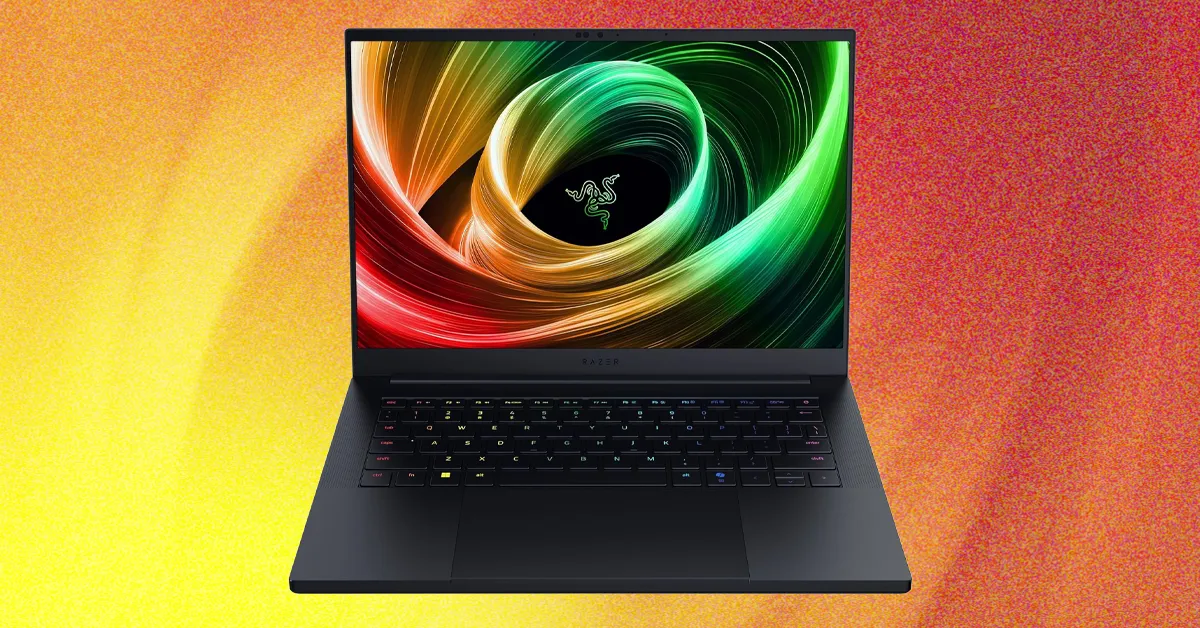
Razer Blade 14: Still the Top Compact Gaming Machine for the Next Generation

Razer Sets the Stage for Gaming Laptop Disruption with Next-Gen Hardware

In a move that underscores the relentless push for innovation in gaming hardware, Razer has unveiled its latest gaming laptop configuration, harnessing the raw power of the AMD Ryzen AI 9 365 processor paired with the cutting-edge Nvidia RTX 50-series graphics cards. Starting with a foundational 1 TB of storage, users can choose between the RTX 5060 and 5070, two GPUs emblematic of Nvidia’s ongoing disruption in graphics processing technology. The new models reflect a strategic focus on performance optimization and user configurability, with Razer enforcing storage and memory upgrades based on their GPU selection—marking a shift that emphasizes tailored computing experiences in the gaming industry.

Performance Benchmarks Illuminate Industry Shifts

Initial reviews suggest that the Razer Blade 14 offers performance aligned with current expectations for high-end gaming laptops. Testing at a native resolution 2560 x 1600 strikes a balance between visual sharpness and smooth gameplay, though many gamers will prefer 1920 x 1200 for superior frame rates. Notably, the RTX 5070 performs approximately 14% faster than the previous RTX 5060 in comparable models, such as Lenovo’s Legion 7i Gen 10, signaling a step forward in GPU efficiency and power density.

Critically, the performance benchmarks were conducted without leveraging Nvidia’s advanced upscaling—such as frame generation or ray tracing—which means these numbers underrepresent the full potential of the hardware. By employing Nvidia’s DLSS technology, gamers can sustain higher frame rates without compromising visual quality, underscoring the industry’s shift toward AI-driven rendering advancements that challenge existing paradigms.

Business Implications and Industry Disruption

This latest release highlights how companies like Razer continue to disrupt traditional gaming laptop markets by integrating performance-centric innovations with modular, configurable platforms. The industry is witnessing a shift towards more user-customizable hardware, driven by consumer demand for mobility, power, and flexibility—all while maintaining competitive edge against competitors like ASUS, MSI, and Alienware.

Strategic differentiation lies in the advanced GPU offerings and their integration with AI-based features. As noted by industry analysts from Gartner and MIT, AI acceleration in graphics and workload processing will soon become standard, forcing incumbents to innovate swiftly. For instance, the RTX 5070 and upcoming RTX 5070 Ti models with increased VRAM will further challenge existing high-performance segments, especially as the demand for portable yet powerful machines grows exponentially.

Future Outlook: Innovation as a Business Mandate

The gaming hardware industry is on the precipice of significant transformation. Traditional perceived limitations—such as power consumption and thermal management—are being addressed through disruptive innovations in cooling systems, AI-optimized rendering, and component miniaturization. With giants like Elon Musk and investors like Peter Thiel emphasizing disruption and breakthrough tech, the race to dominate the next wave of AI-infused, ultra-portable gaming platforms intensifies.

In this environment, businesses that prioritize innovation, agility, and user-centric customization will lead the future of gaming hardware. As Razer’s latest models demonstrate, this is not merely about incremental upgrades but about redefining performance benchmarks and industry standards. The next few years promise to be a battlefield where disruption is the new norm, and those who fail to adapt risk being left behind in a rapidly evolving technological landscape.

NYC Mayoral Race & Top US Election Highlights: What the Youth Should Keep an Eye On

In a year often overshadowed by global crises, local elections continue to serve as critical barometers of America’s political mood and societal shifts. Across the nation, standout races— from the vibrant streets of New York City to the swing voters of Virginia and New Jersey— reflect an energized populace eager to shape the future direction of their states. While these elections may seem like mere regional exercises, their consequences ripple outward, influencing national discourse and the cultural landscape. For the young, ambitious individual, these elections underscore the importance of staying engaged and understanding how leadership on the local level can have lasting personal impacts—be it in healthcare, safety, or community wellbeing.

Perhaps the most anticipated race currently unfolding is the New York City mayoral election, where Mamdani’s democratic socialist platform resonates with a youthful demographic hungry for change. This 34-year-old assemblyman’s bid to become the city’s youngest mayor in over a century signifies more than a political upset; it symbolizes a generational shift in values. Mamdani’s campaign, after beating a political heavyweight like Andrew Cuomo in the primaries, embodies what many young citizens are seeking: a break from traditional politics and a bold focus on issues like **affordable housing, sustainable development, and community wellness**. Meanwhile, Cuomo’s attack on Mamdani’s experience highlights the ongoing debate over what it truly means to lead—particularly in a city that faces complex challenges such as public safety and economic inequality.

Beyond the Big Apple, states like California are engaged in a quieter yet equally significant political game — the **mid-decade redistricting referendum**. Californians face a rare opportunity to temporarily redraw congressional maps through Proposition 50, a move driven by Democrats seeking to maintain control amid a historically close political landscape. This strategic shift underscores how every vote counts in shaping the very borders of influence. For the young, politically conscious voter, understanding these shifts isn’t just about partisanship; it’s about recognizing how the reallocation of political power can alter the policies that directly impact young families, entrepreneurs, and community well-being. With millions of dollars pouring in from various campaigns, it’s clear that the battle for fair representation is fierce, and its outcomes will determine how issues like **education reform and economic opportunity** are prioritized in the years to come.

Meanwhile, in the political battleground of Virginia and New Jersey, the gubernatorial contests offer a mirror to the national pulse. With Virginia on the cusp of electing its first female governor—be it Democrat Abigail Spanberger or Republican Winsome Earle-Sears—these races highlight the importance of diverse leadership and the potential for transformative change. For young voters, the significance goes beyond gender or party lines; it’s about star constructing a society that values **inclusive progress, personal empowerment, and a shared sense of community**. The tight races reflect a nation balancing between tradition and innovation, conservative values and progressive aspirations—a reflection of a society still searching for its true identity.

At the heart of these elections, even the shadow of former President Trump looms large, influencing the tone and rhetoric of campaigns. From his comments on New York’s political landscape to endorsements in local races, the Trump factor reminds young voters that leadership is more than policies; it’s about ideology, resilience, and the desire for a vision that echoes their hopes for personal safety, economic opportunity, and national pride. The race for New York City’s mayor, in particular, underscores this dynamic—where the city’s future could hinge on whether it embraces a bold new wave of leadership or conserves the tried-and-true. For the emerging generation, the message is clear: participation in these elections is an act of empowerment—a step toward shaping a society rooted in values of independence, resilience, and transformative growth.

As the dust settles on these critical races, what remains is a profound reminder: lifestyle is a reflection of leadership. The city streets, state borders, and political offices are all stages where lives are reshaped by decisions made today. For the youth eager to carve a niche within this evolving landscape, these elections are more than just ballots; they are a call to embody *active citizenship*—a commitment to forging a community that values wellness, opportunity, and pride in shared progress. After all, it’s in these collective choices that the journey of lifestyle, characterized by health, leisure, and purpose, is truly defined. Embrace it—because your voice in shaping tomorrow begins with the decisions made today.

Top 5 Live TV Streams of 2025: Tested and Trusted for Young Viewers

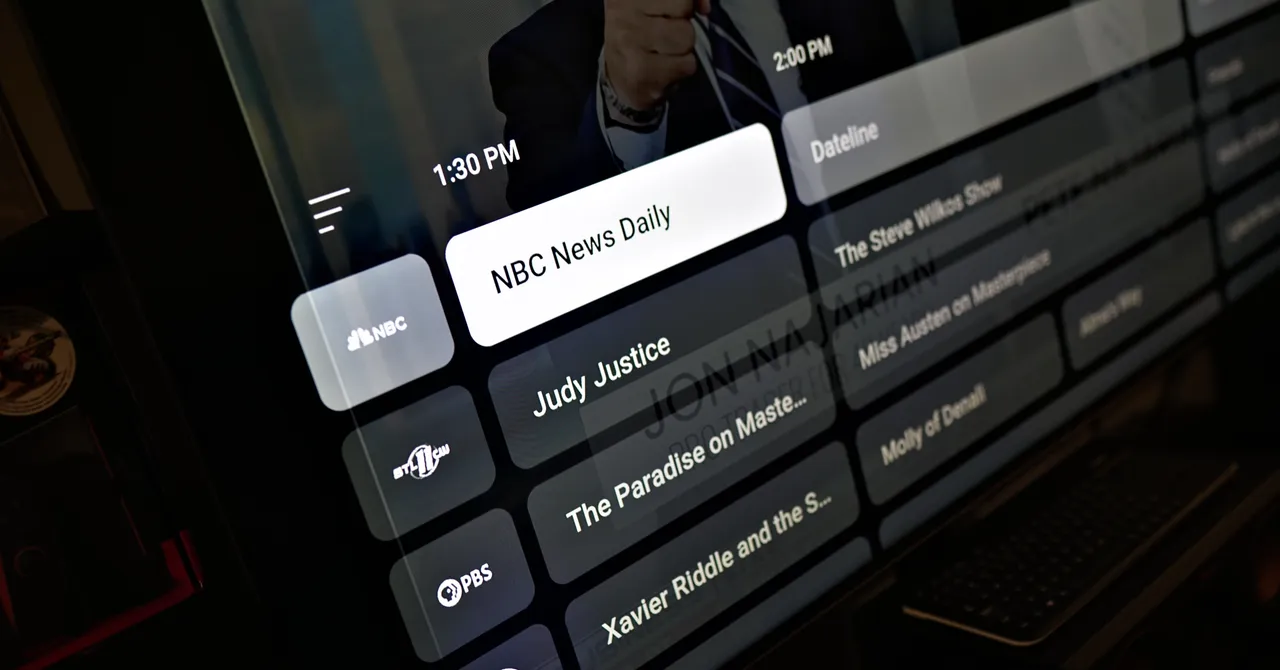
Disruption in Streaming: Sling TV’s Modular Model Sparks Industry Shift

The live TV streaming industry continues to evolve rapidly, with Sling TV emerging as a noteworthy disruptor, despite its notorious complexity. Unlike conventional platforms such as Hulu Live TV or YouTube TV, Sling’s innovative modular approach allows consumers to customize their plans through a base package complemented by a range of affordable add-ons. This flexibility is pushing established giants to reconsider their monolithic service offerings, signaling a potential shift toward more personalized, cost-efficient streaming solutions.

However, this model introduces a new layer of “consumer sovereignty” that could redefine competitive dynamics. The industry’s traditional focus on all-inclusive packages is being challenged by Sling’s emphasis on segmentation—offering core plans at lower prices with optional extras for specific interests. This strategy is aligned with broader market trends highlighted by analysts at Gartner, emphasizing consumer empowerment and segmentation as key drivers for next-gen entertainment platforms. The result: a disruptive force that incentivizes other players to innovate or risk falling behind in an increasingly fragmented but highly tailored landscape.

From a business perspective, Sling’s approach unlocks new revenue streams while maintaining cost leadership—underscored by its ability to underprice competitors by a few dollars despite offering a narrower channel portfolio. This cost-efficiency, paired with extensive compatibility across popular devices such as Roku, Samsung Smart TVs, Apple’s ecosystem, and even Xbox, positions Sling as an agile player capable of rapid market penetration. The availability of apps across leading hardware—from TiVo to Xfinity—further enhances its accessibility, democratizing live TV and broadening its reach among younger, tech-savvy consumers looking for customizable, affordable content.

Looking ahead, industry leaders, analysts, and innovators like Elon Musk, Peter Thiel, and MIT researchers agree that the streaming wars are just beginning. As disruptive technologies like AI-driven content curation and dynamic pricing models mature, the potential for smaller, agile firms like Sling to carve out significant market share becomes increasingly apparent. Ensuring adaptability and innovation will be vital for incumbents to stay relevant in a landscape driven by consumer-centric disruption. The imminent future promises a battleground where technological innovation, strategic agility, and disruptive thinking will determine which companies lead the next era of entertainment. Those who leverage these shifts early will not just survive—they will dominate the new streaming paradigm.

Social Media Auto Publish Powered By : XYZScripts.com