Matox News

Truth Over Trends, always!

Top 232 Prime Day Deals You Can’t Miss Before Midnight

Tech Industry Faces Disruption Amid Prime Day Market Shifts

The recent culmination of Amazon’s October Prime Day exemplifies a broader trend of disruption within the consumer tech market, signaling shifts that could reshape the landscape for both established giants and innovative startups. While consumers enjoyed lucrative deals on everything from headphones to smartwatches, industry analysts point to a more profound implication: the acceleration of market consolidation, technological innovation, and heightened competition.

This annual event underscores how major players like Amazon leverage massive sales events to reinforce their dominance in the digital marketplace. However, industry insiders and tech skeptics, including experts from MIT and analysts at Gartner, warn that such waves of consumer engagement are merely a prelude to a disruption-driven era. The focus now is on innovations redefining core sectors, such as AI-powered gadgets, smart home devices, and next-generation entertainment systems. Companies that previously relied solely on traditional hardware are now rushing to adopt cutting-edge technologies like AI, machine learning, and IoT to maintain relevance and capture new markets.

Impactful shifts are taking place across different product segments. For instance, the surge in smartwear—including wearable fitness trackers and smartwatches—illustrates how health-conscious consumers are demanding “more intelligent” devices, pushing companies to innovate rapidly. Likewise, the booming soundbar and Bluetooth speaker markets reveal a race to integrate voice assistants, leading to an ecosystem where hardware must seamlessly connect to the cloud, a move that could alter business models and revenue streams. This relentless pursuit of disruption has prompted industry leaders like Elon Musk’s Tesla and Peter Thiel-backed startups to reimagine their roles within this evolving ecosystem, emphasizing disruptive innovation over incremental improvements.

The integration of AI, robotics, and cloud computing into consumer devices signals a fundamental shift in industry power dynamics and competitive strategies. The emphasis on disruptive innovation is not confined to hardware alone; emerging platforms are transforming the way consumers access and interact with digital content, fostering a fertile environment for business model reimagination and market upheaval. As Gartner’s recent reports suggest, the companies poised for long-term growth are those that prioritize agility, leverage AI-driven insights, and rapidly iterate products to meet rapidly shifting consumer preferences. The speed at which these technology waves are cresting demands urgent adaptation for established players who risk being left behind.

Looking ahead, the future of consumer technology hinges on innovation and strategic disruption. The current trends indicate an era where traditional market boundaries will become increasingly blurred, mobilized by technologies that disrupt, redefine, and democratize access. The urgency for companies, investors, and entrepreneurs is clear: those who fail to harness these technological waves risk obsolescence. As digital markets accelerate, the pace of innovation will determine which enterprises lead the charge into a reshaped technological landscape, making strategic foresight and relentless innovation more critical than ever.
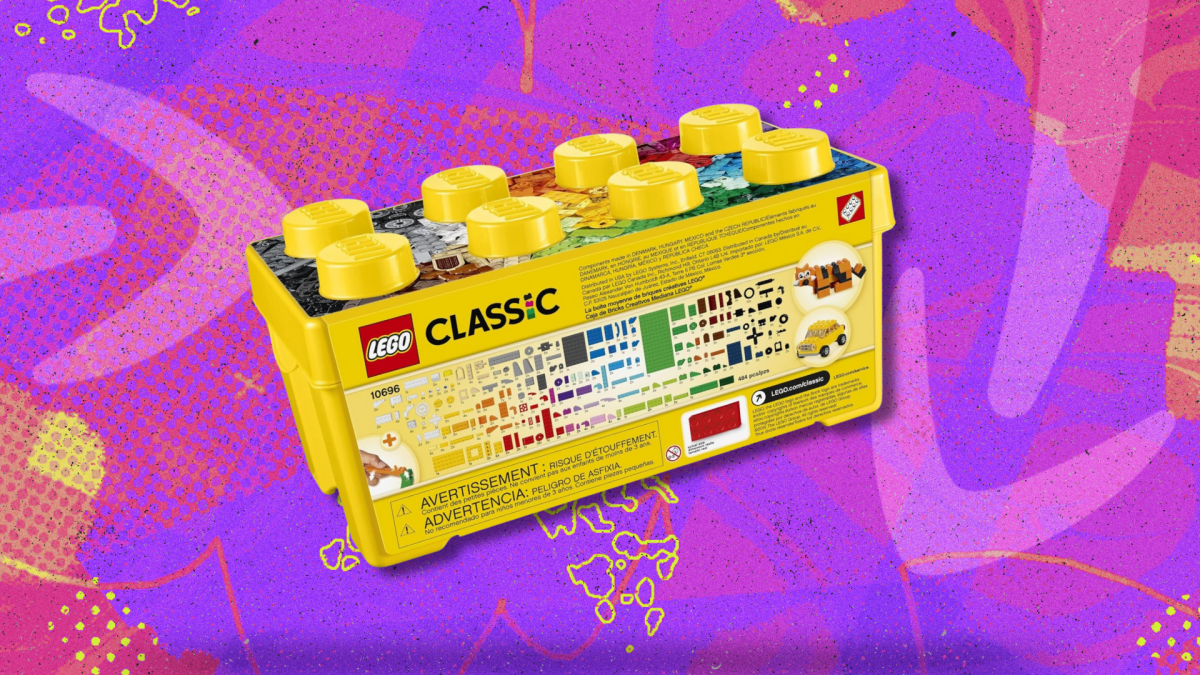
Top October Prime Day Lego Deals: Epic Star Wars Sets & Fresh Botanicals for Trendsetters

In recent years, Lego has transformed from simple children’s toys into powerful symbols of cultural evolution and social engagement. The emergence of targeted sales events like Amazon’s Prime Big Deal Days is reshaping how consumers approach holiday shopping, especially within the youth demographic. With the recent surge in Lego deals, it’s evident that the brand is not just about building blocks; it’s about building a cultural identity that resonates across generations. Influencers, artists, and social analysts agree that Lego’s strategic positioning during these shopping seasons fuels a larger societal conversation about creativity, nostalgia, and the power of DIY culture.

One of the most noticeable shifts—highlighted by savvy shoppers and trend trackers—is how Lego’s product range now caters to a broad spectrum of social interests. From Star Wars themed advent calendars to Vincent Van Gogh’s “Starry Night” sets, the brand taps into the prestige of pop culture and fine art alike. During Prime Day, these sets are not just discounted; they become a vessel for cultural expression. For example, the Lego Star Wars Advent Calendar offers fans a chance to build and preserve some of cinema’s most iconic characters, while also creating a sense of holiday tradition. Meanwhile, adult Lego enthusiasts tap into these deals to craft home decor or artistic installations, demonstrating how Lego blurs the lines between childhood entertainment and mature artistic pursuits. The brand’s strategic deals make it clear: Lego is evolving into a lifestyle staple that speaks to the ambition of its diverse audience.

Experts like Dr. Julia Sanchez, a sociologist specializing in youth culture, note that Lego’s ability to remain relevant amidst digital distractions is rooted in its social relevance. “Lego is no longer just a toy; it’s a language of self-expression,” she explains. With social media influencers showcasing their own creative builds—ranging from architectural marvels to trending pop culture memes—the brand gains a new layer of social currency. The potential for users to share their masterpieces on platforms like TikTok and Instagram turns Lego into an interactive, participatory activity that fosters a sense of community. This participatory culture is making Lego a digital-age phenomenon: a tool for storytelling, identity exploration, and even social mobility, as users showcase their ingenuity for a global audience.

The Future of Creative Consumption: What’s Next for Lego?

As the Lego movement continues to thrive in an era dominated by instant digital gratification, a compelling question remains: Will the brand be able to sustain its cultural relevance as societal values evolve? The next big frontier is how Lego integrates emerging technologies like augmented reality (AR) and AI-driven creative tools. Will future consumers build not only with physical blocks but also code and virtual materials that bridge the tangible and digital worlds? Artists and analysts are increasingly asking whether Lego’s rising influence will inspire new forms of hybrid creativity—perhaps blending traditional craftsmanship with virtual design. The core issue is whether Lego’s strategic investments can keep pace with societal shifts towards personalization, sustainability, and digital storytelling.

The evolution of Lego during prime shopping seasons reveals deeper societal currents—highlighting how a humble toy can become a mirror for cultural aspirations. As shoppers gear up for the holiday season, the question is no longer just about finding a deal; it’s about understanding how products like Lego shape—and are shaped by—society’s evolving values and dreams. The real challenge for the future lies in whether Lego can continue to inspire the next wave of innovators who will craft not just with blocks, but with the ideas that shape tomorrow’s culture.

Top 5 Highlights from Pam Bondi’s Heated Senate Testimony

The United States continues to be a battleground where partisan perceptions and internal conflicts shape its geopolitical stance. The recent Senate Judiciary Committee hearing centered on Attorney General Pam Bondi’s contentious testimony, further revealing the deep fissures within America’s political landscape. As Bondi launched into aggressive defense tactics, many international analysts noted that this spectacle was not just an intra-national affair but a vivid reflection of the how internal US conflicts can influence global perceptions of election integrity, rule of law, and diplomatic stability. Historians of U.S. politics warn that such polarized displays risk delegitimizing American institutions, thereby impacting America’s ability to project soft power on the international stage.

At the heart of the hearing was the issue of judicial integrity and the weaponization of justice. Bondi’s refusal to answer questions regarding the ongoing investigations into Jeffrey Epstein and other sensitive matters, coupled with her rhetorical attacks on Democratic figures, exemplifies deeper ongoing struggles within the American justice system. These internal battles have repercussions that extend well beyond borders. The North Atlantic Treaty Organization (NATO) partners, and allied nations closely monitor the stability of U.S. institutions, often questioning America’s capacity to uphold its commitments when its leaders appear mired in politicized conflicts. The warning signs are clear: the world’s oldest democracy, once a beacon for rule of law, now faces questions that could diminish its moral authority on the global stage.

Meanwhile, international organizations and foreign governments observe how the partisan skewing of justice influences diplomatic relations. The Republican-led critique of the Biden administration’s handling of investigations into Biden family’s business dealings echoes beyond the borders, fueling narratives within authoritarian regimes about Western internal chaos. Conversely, Democratic accusations of selective justice and political weaponization further deepen the divide. Analysts from the European Council on Foreign Relations state that these internal conflicts could complicate efforts to build unified policies on critical issues such as cybersecurity, climate change, and trade — areas where American credibility is paramount. As Senator Lyndsay Graham and others echo concerns about the legitimacy of FBI and DOJ actions, the question persists: how much longer can America maintain its leadership without internal unity?

As history continues to be written in these turbulent moments, the weight of decisions made within these hallowed halls will echo across generations. The question remains: is this internal chaos the prelude to a transformation or the unraveling of the American dream? Each legislative strike, each partisan accusation, adds a new chapter to a story still unfolding. The global community watches, knowing that the outcome of this internal American conflict will inevitably shape the future of international order, alliances, and the very nature of democracy itself — a story still being written in the shadows of history’s unyielding march forward.

Top Humidifiers for Home, Travel & More — Must-Have Picks of 2025

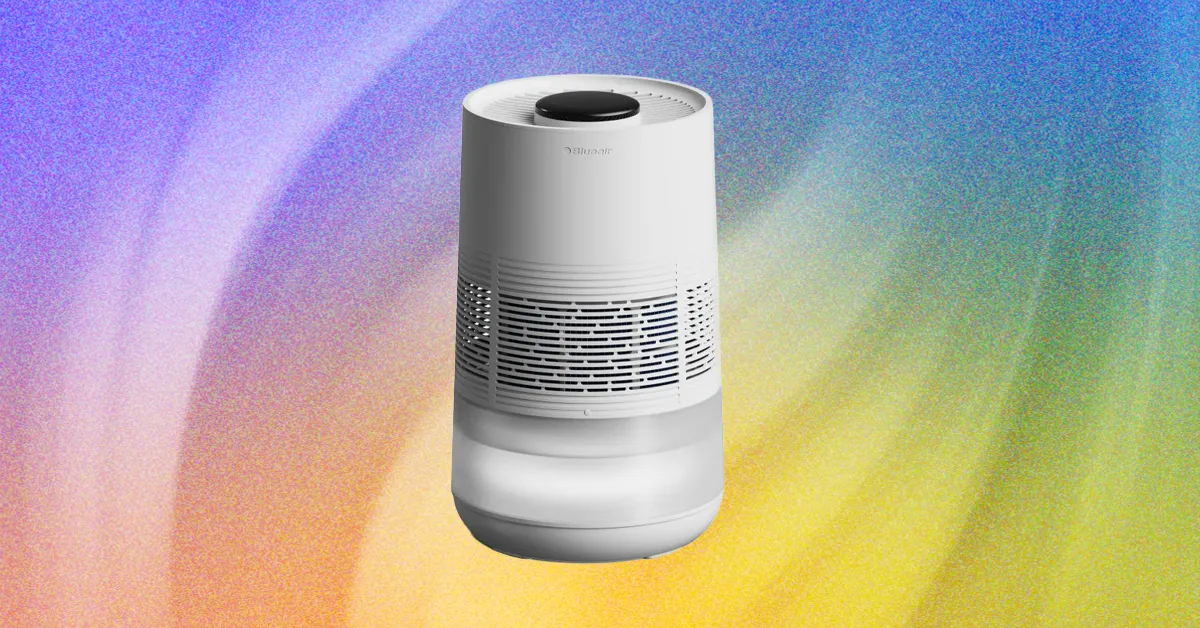
Blueair Launches the DreamWell Humidifier: A Breakthrough in Home Wellness Technology

In an era where technological innovation meets everyday life, Blueair has introduced the DreamWell Humidifier, an advanced device poised to redefine home climate control. Designed with user-centric features and smart integration, this product exemplifies how startups and industry giants are leveraging disruption to shape the future of wellness technology. Blueair’s latest offering not only emphasizes ease of use and aesthetic appeal but also demonstrates a strategic focus on connectivity, automation, and personalized comfort, aligning with broader industry trends fueled by the Internet of Things (IoT).

Innovative Features That Drive Market Disruption

The DreamWell stands out due to its integrated app control and geolocation-triggered automation—a feature that exemplifies how IoT continues to revolutionize smart home devices. Through Blueair’s app, users can activate a “welcome home” function, which intelligently pre-warms the environment before arrival by detecting transportation modes such as walking, biking, or driving. According to industry analyst Gartner, such proactive automation will become standard in next-generation smart appliances, identifying a clear shift from reactive to predictive home environments. The device also offers features like mood lighting, scent infusion, and an automatic wick drying cycle, combining comfort with convenience.

  • Multiple tank sizes optimized for room size and user preferences
  • Automatic wick drying reduces maintenance hassle
  • App and voice control expanding accessibility and automation
  • Compatibility with common water sources, including tap water

This level of disruption signals a significant leap forward for consumer appliances, with Blueair aiming to merge style, functionality, and smart tech into a seamless user experience. The under-the-radar yet sleek design ensures the product appeals to a decade increasingly driven by minimalism and sophistication, echoing trends observed in tech innovation hubs like MIT and Silicon Valley.

Business Implications and Industry Shifts

The launch of the DreamWell is more than a mere product upgrade—it signifies a broader strategic move by Blueair to capitalize on the burgeoning home wellness market. As health-conscious consumers seek holistic solutions, the integration of IoT, automation, and personalization in appliances creates new revenue streams for tech companies. Market research predicts that the global smart home market could surpass $150 billion within the next five years, driven by innovations like Blueair’s. Companies that prioritize disruption, scalability, and ecosystem integration will lead this next wave of industry leaders, echoing early moves by Elon Musk with Tesla’s integration of vehicle and energy solutions or Peter Thiel’s emphasis on fundamental platform shifts.

Industry watchers note that such advancements will intensify competition, forcing legacy manufacturers to rethink their strategies. Value-added services, machine learning-powered customization, and ecosystem alliances will become benchmarks for success. The DreamWell’s automated maintenance features and app-based controls represent a sample of the next frontier: an interconnected, intuitive home environment that enhances well-being while reducing manual intervention. As innovation accelerates, startups and established giants alike must prioritize agility and tech-driven disruption to stay ahead.

Forward-Looking Perspective: A Future Powered by Smart Innovation

The launch of the Blueair DreamWell Humidifier underscores an undeniable trend: the convergence of smart technology and wellness is transforming the landscape of consumer appliances. As AI, IoT, and sensor-driven automation become standard, industry leaders must anticipate a future where intelligent environments adapt in real time to human needs—disrupting traditional markets and creating new ones. The rapid commercialization of such innovations portends a future where our homes are no longer static spaces but dynamic, personalized ecosystems powered by relentless advances in tech.

For entrepreneurs, investors, and industry stakeholders, the message is clear: timing, innovation, and strategic disruption will be pivotal in shaping the next era of home wellness. The question remains—how quickly will established players embrace these shifts, and who will lead the charge into this exciting new frontier? The future belongs to those who recognize that in tech, relentless innovation is no longer optional—it is imperative.

This Week’s Top Deal: Kid-Friendly Kindle Paperwhite Outperforms the Adult Model

Market Disruption and Innovation: Amazon’s Kindle Offers Signal Industry Shifts

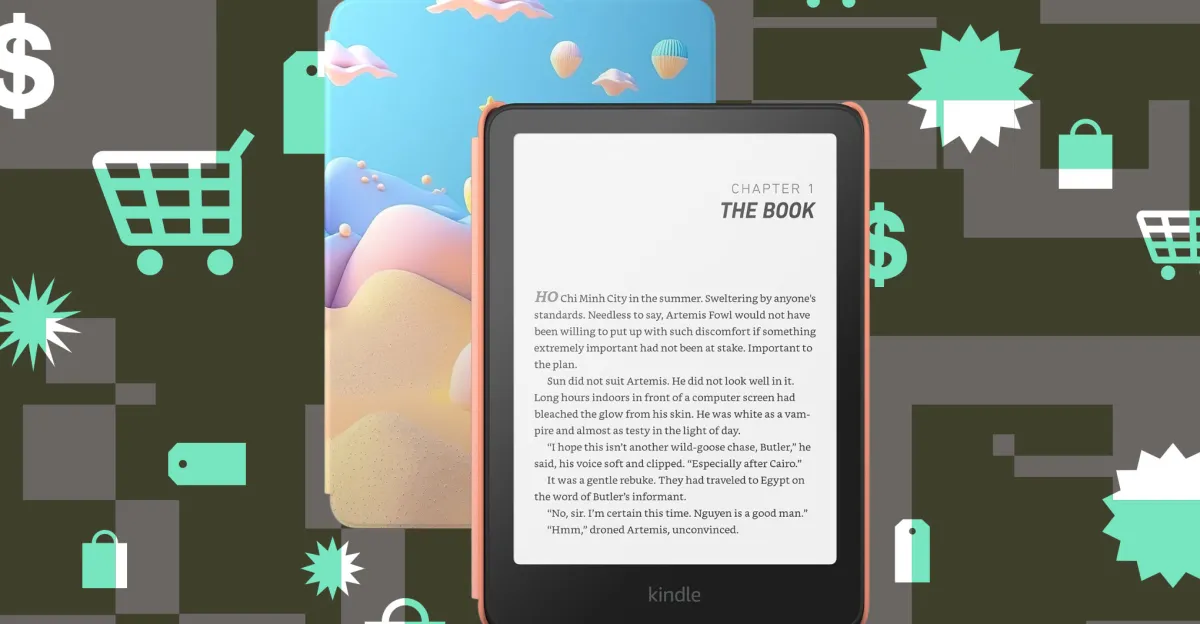
The consumer electronics industry remains a fiercely competitive battleground, fueled by rapid technological innovation and strategic disruption. Recently, Amazon’s latest Kindle lineup, including the Kindle Kids, Kindle Colorsoft Kids, and notably the **Kindle Paperwhite Kids**, exemplifies how entrenched players are innovating to sustain dominance amidst a shifting digital landscape. With prices dropping to historic lows — the Kindle Paperwhite Kids now retailing at $134.99, down from $179.99 — such aggressive pricing underscores Amazon’s strategy to consolidate market share in the e-reader space. This move challenges traditional rivals and forces them to rethink their offerings in the face of Amazon’s relentless push for affordable, feature-rich devices that appeal to a broader demographic, especially younger readers.

This pattern of disruption extends beyond individual products to broader industry trends. Experts from Gartner point out the increasing convergence of hardware, content, and AI-driven personalization, transforming e-readers from mere reading devices into integrated learning platforms. Amazon’s push into kid-friendly devices reflects a broader market shift where the focus is no longer solely on hardware capabilities but on creating ecosystems that foster digital literacy and lifelong engagement. Such strategic positioning foreshadows a future where edu-tech integration and gamification will redefine consumer expectations and unlock new revenue streams, making traditional book publishing and educational content delivery more competitive.

Hardware Innovation and Gaming Disruption: The 8BitDo Ultimate 2

In the gaming sector, recent innovations notably include the **8BitDo Ultimate 2** wireless gamepad, now available at discounted prices — in white for $59.98 and black for $62.99 — marking a rare opportunity for gamers seeking premium accessories. This controller’s compatibility with the upcoming **Nintendo Switch 2**, original Switch, and PC exemplifies a new era of hardware interoperability, challenging proprietary standards that once limited gamer choice and ecosystem lock-in.

  • ReplacesHall effect joysticks with tunneling magnetoresistance (TMR) technology for drift resistance and increased power efficiency.
  • Features trigger stops, LED-illuminated joystick rings, and additional shoulder buttons for advanced control — perfect for high-performance gaming.

The design innovations reflect a broader trend wherein hardware manufacturers leverage cutting-edge materials and ergonomic engineering to disrupt established markets. Industry analysts note that this focus on augmenting user experience and durability is vital for staying ahead in a competitive landscape increasingly driven by consumer demand for versatility and longevity. This kind of disruption might also accelerate the commoditization of console peripherals, compelling leading brands to innovate beyond incremental improvements and aim for transformative technological leaps.

Implications for Business and Industry Dynamics

These developments signal a profound shift in how companies approach market competition. Amazon’s aggressive pricing and ecosystem integration demonstrate the efficacy of disruption through affordability and ecosystem lock-in, pushing rivals into a price and innovation race. Meanwhile, hardware players like 8BitDo are leveraging technological breakthroughs to redefine quality benchmarks, forcing industry-wide innovation cycles. Institutions such as MIT and industry giants like Elon Musk’s companies emphasize the importance of disruptive innovation as essential for future growth, and these product launches underscore that message.

For investors and entrepreneurs, the key takeaway is clear: timing and agility matter more than ever. As the industry continues to evolve rapidly—fueled by advances in AI, materials science, and digital integration—the capacity to innovate swiftly will dictate who leads the next wave of technological disruption. The convergence of consumer electronics, gaming, and educational tech signals a future where sustained competitive advantage will hinge on how quickly companies adapt to emerging trends and consumer expectations. The next decade promises an unprecedented level of technological transformation, and those who act decisively will shape the future landscape of digital innovation.

Top Tips to Keep Your Laptop Screen Spotless Without the Damage

In today’s fast-paced, image-driven society, tech device maintenance has taken on a new cultural significance. What might seem like a mundane task—cleaning your laptop or smartphone screen—actually reflects a larger social shift towards digital minimalism and self-care in our digital age. From influencers sharing sanitized routines to sociologists observing evolving consumer behaviors, the act of maintaining our screens is more than just aesthetics; it’s about preserving the connection between our identities and the digital world we inhabit. Cleaning a screen, in this context, becomes a ritual that symbolizes our respect for technology and the lifestyle choices we make.

This trend is exemplified by the rise of DIY tech care guides led by tech influencers and experts alike. As seen recently in a viral post from Mashable, maintaining your screens properly is now considered an essential part of digital hygiene, akin to grooming or health routines. The emphasis on using microfiber cloths and LCD-safe solvents underscores a cultural emphasis on precision and intentionality when interacting with devices that are deeply woven into our daily lives. The attention to detail mirrors a societal desire to elevate simple acts—like cleaning a screen—into expressions of personal discipline and responsibility.

Moreover, this behavior highlights a significant cultural leap in environmental awareness: avoiding harsh cleaning chemicals and inappropriate materials signals a move towards more sustainable and thoughtful consumption. Sociologists suggest that today’s youth, in particular, are redefining what it means to care for their devices and the environment. Influencers such as tech-savvy creators and lifestyle advocates are championing minimalist approaches, reinforcing the idea that less is more—especially when it comes to technology clutter. As the trend spreads across social media platforms, it’s clear that society is embracing a **simplified, clutter-free digital environment**—one that aligns with broader cultural narratives about mindfulness and intentional living.

Looking ahead, the next big question emerges: Will this focus on meticulous device care evolve into a broader cultural movement towards digital sustainability and even digital minimalism? As technology continues to become more embedded in our identities, the act of *caring for our devices* could transform into a gateway for addressing larger social issues—such as e-waste, digital clutter, and the overconsumption of gadgets. The challenge now lies in how future generations will balance technological convenience with environmental responsibility and personal well-being. Will today’s screen-cleaning routines foreshadow a society that is more deliberate about its digital footprint? Or will it become just another fleeting trend? Only time will tell, but one thing is certain: the way we nurture our technology today is quietly shaping the cultural narratives of tomorrow.

Top 7 MagSafe Phone Grips for 2025: Tested and Trusted by the Next Gen

Innovative Shifts in Smartphone Grip Technologies Signal Industry Disruption

The smartphone accessory market continues to evolve rapidly, with a particular focus on grip technology that aligns with the broader wave of disruptive innovation. As industry leaders seek to enhance user convenience and device safety, several distinct categories of phone grips are emerging, each with unique business implications and technological breakthroughs. In an increasingly competitive landscape, companies are leveraging these innovations to redefine user interactions, create new revenue streams, and challenge traditional accessory paradigms.

Among the most prominent innovations are cases with attached grips. These solutions integrate durability and security, providing users with a firm hold while ensuring the grip won’t detach unexpectedly. However, their larger form factor and compatibility issues with wireless charging limit their market appeal. Nevertheless, leading manufacturers are pushing the boundaries of durability and functionality, aiming to appeal to a demographic that values ruggedness and security. These cases exemplify a trend toward integrated device peripherals, transforming the smartphone into a more versatile, user-centric platform.

Another notable category gaining traction is clamp-style grips, often dubbed universal phone grips. Their versatility allows them to adapt across various device models, offering a flexible yet somewhat cumbersome alternative to MagSafe solutions. While they are not as quick to attach or detach, their ability to be repositioned and reused appeals to budget-conscious consumers and hobbyists. Industry analysts from Gartner suggest that this segment could see significant growth as companies optimize clamp mechanisms for improved stability and ease-of-use. This shift signals an industry move toward modular, user-customizable accessories that cater to a broader audience while intensifying the competitive pressure on proprietary systems such as MagSafe.

The reigning star in this arena remains MagSafe grips, driven by Apple’s deep ecosystem integration and consumer demand for convenience. These grips offer significant advantages, notably ease of attachment/detachment and seamless wireless charging compatibility. However, as observed by tech futurists like Elon Musk and MIT researchers, the reliance on magnetic adhesion introduces vulnerabilities—force-related detachment remains a threat, especially with high-impact drops. The market implications are clear: the security-performance tradeoff is a critical factor shaping future innovations, prompting competitors and innovators to develop more robust magnetic systems or alternative fastening mechanisms.

Looking ahead, industry experts predict this segment will become a hotbed of disruption, akin to the electric vehicle revolution in the automotive sector. As Peter Thiel and other venture capitalists increasingly back startups pushing boundaries, the integration of AI-driven, adaptive grip systems could soon redefine how consumers interact with their devices. Additionally, the emergence of new materials and manufacturing techniques could reduce costs while enhancing durability and safety. Smart, context-aware grips capable of detecting user behavior and adjusting tension in real-time might soon become the standard—ushering in an era where smart accessories are as revolutionary as the smartphones they complement.

In conclusion, the proliferation of innovative grasping solutions underscores a vital truth: the smartphone ecosystem is on the cusp of unprecedented transformation. As these new technologies disrupt entrenched players and create fertile ground for startups and giants alike, a sense of urgency pervades. Investors, manufacturers, and consumers must stay vigilant, for the next generation of mobile interaction is rapidly approaching—a future where the way we hold, protect, and interact with our devices may change more profoundly than ever before.

Sali Hughes on Beauty: Top Velcro Rollers for Bold Body and Bounce — Elevate Your Hair Game

The Resurgence of Velcro Rollers: A Beauty Trend Redefining Style

In an era dominated by high-tech hair gadgets and relentless beauty innovation, Velcro rollers are making an unexpected comeback, proving that sometimes, the simplest tools are the most revolutionary. Once relegated to the backstage of vintage salons, these rollers are now at the heart of a trendy hair revival among youth and beauty aficionados seeking a quick, damage-free way to craft voluminous, lively styles. Influenced by iconic stylists like Sam McKnight, whose background includes creating celebrity-worthy, bouncy dos, the trend underscores a broader cultural shift towards authenticity and simplicity in beauty routines.

What makes Velcro rollers more than just a nostalgic throwback is their resonance with the contemporary desire for effective, damage-conscious styling. Influencers and beauty experts like Sali Hughes emphasize how these rollers can effortlessly lift roots and add natural movement without exposing hair to extended periods of heat, which often causes significant damage — a concern echoed widely among the young generation wary of long-term hair health. The recent reintroduction of the “Big Set,” a kit comprising 18 various-sized Velcro rollers and a retro-futuristic thermal bonnet, highlights a deliberate counterculture movement: rejecting over-complicated devices in favor of straightforward, sustainable hair care methods.

Social platforms have played a pivotal role in amplifying this trend, with beauty influencers showcasing their own roller routines, emphasizing the social relevance of embracing traditional techniques in modern, fast-paced lifestyles. Top lists from trend analysts pinpoint that ‘less is more’ is becoming a guiding principle, as young consumers gravitate towards products that favor ease, portability, and versatility. For instance, a set of Self Grip Rollers, priced at just £12, provides an instant upgrade to flat or lifeless hair, hinting at a broader embrace of DIY culture alongside eco-conscious values. These tools fit seamlessly into busy schedules, allowing the wearer to craft polished looks in the time it takes to enjoy a morning coffee, further cementing Velcro rollers’ social relevance in youth culture.

The cultural impact runs deep, extending beyond mere aesthetics. As sociologists note, this trend encapsulates a desire for self-sufficiency and authenticity, echoing a collective urge to reconnect with more tangible, less digital styles. The narrative becomes even more compelling when considering influencers championing these methods, blurring the lines between vintage appreciation and contemporary cool. Hair expert Sam McKnight illustrates that effective styling doesn’t necessarily require high-tech contraptions, but rather the right attitude and tools — a powerful message in today’s era of social media-driven perfectionism. As the trend grows, the crucial question arises: could this revival be a sign of a future where digital saturation gives way to a preference for tactile, proven techniques? The next chapter in this story might define whether the true beauty revolution hinges on simplicity or technological innovation.

Trump and Hegseth to Hold Rare Meeting with Top US Generals

In a move that has sent ripples through the international geopolitical landscape, President Donald Trump and Defense Secretary Pete Hegseth convened a rare, high-level gathering of over 800 senior military officials at Marine Corps Base Quantico, Virginia. The significance of this assembly extends beyond the United States, as it signals a potential shift in America’s military posture amidst ongoing global tensions. The event, shrouded in secrecy and characterized by extreme security measures, marks an extraordinary departure from traditional military diplomacy, which routinely favours virtual meetings for logistical reasons.

This summit, initially met with skepticism and dismissed by Vice-President JD Vance as routine, has prompted analysis from military strategists and international observers alike. Giuseppe Cavo Dragone, the Italian admiral and chair of the NATO Military Committee, emphasized the unprecedented nature of the gathering, remarking that, in his 49 years of service, he had “never seen that before.” Meanwhile, Mark Cancian from the Center for Strategic and International Studies expressed puzzlement over the decision to hold such a large in-person event, considering the advances in digital communication. His theory suggests that Hegseth likely sought the tangible impact of face-to-face dialogue, which he believed could bolster military esprit de corps and national resolve in a period of mounting threats.

The geopolitical impact of this summit is multi-layered. On one level, it serves as an internal reinforcement of the U.S. armed forces, emphasizing a message of strength and unity in a volatile world. On another level, it raises questions about the direction of American military policy under the current administration, especially as global actors like Russia, China, and Iran continue advancing their strategic objectives. The presence of officers from Europe, South Korea, and the Middle East underscores a clear signal of preparedness and global reach. However, critics warn that such high-profile gatherings could escalate tensions, particularly if they are perceived as provocative or as a show of force rather than a genuine step towards diplomacy. Amidst the backdrop of historical destabilization, analysts like those from the United Nations suggest that decisions made today will reverberate for decades to come, shaping the balance of power and the destiny of multiple nations.

As history continues to unfold on this stage of global geopolitics, the implications of America’s military reaffirmation remain uncertain. What begins as a strategic display of unity might evolve into a defining moment of how nations interpret strength and resolve in the 21st century. The world watches with bated breath, knowing that each decision echoes across borders, determining the future trajectory of geopolitics, warfare, and diplomacy. In this complex theater of power, the weight of history persists, waiting for the pages to turn and reveal whether these moments of show of force will forge peace or ignite the flames of conflict in an already fractured world.

Score Big: 55 Top Deals Ahead of Amazon’s Fall Prime Day—Don’t Miss Out!

Tech Industry Shifts Accelerate as Consumer Electronics Deals Signal Disruption and Innovation Opportunities

The recent surge in consumer electronics discounts during Amazon’s Prime Big Deal Days underscores a transformative phase within the technology sector, driven by rapid innovation and evolving market dynamics. As brands like Apple and Amazon slash prices on flagship products such as the latest iPad Mini, industry analysts anticipate that these aggressive promotional strategies will reshape competitive landscapes. Such discounts not only bolster consumer enthusiasm but also reflect underlying shifts in supply chain efficiencies, chip manufacturing, and retail strategies—paving the way for new business paradigms to emerge.

Emerging technologies like wireless earbuds, smart speakers, e-readers, and home automation devices are gaining momentum, with record-breaking deals highlighting their increasing accessibility and integration into daily life. Evident from the promotional campaigns, these gadgets are rapidly evolving through disruption-driven innovation, pushing major players to reimagine their offerings for younger, tech-savvy demographics. For example, the latest Echo devices and Kindle Scribe feature advancements in voice recognition, AI-driven personalization, and seamless ecosystem integration—factors that Gartner and forward-looking investors see as critical for capturing future market share.

The Impacts of Innovation on Business Strategy and Market Dynamics

Industry insiders like Elon Musk and Peter Thiel recognize that disruption in consumer electronics often signals broader shifts within the ecosystem of AI, IoT, and smart infrastructure. The current promotional landscape acts as a market testing ground for these innovations, where bold pricing strategies are employed to accelerate adoption. Companies leveraging machine learning and edge computing are gaining competitive advantages; for instance, smart home products that anticipate user needs and adapt accordingly could redefine residential automation within the next decade.

  • Features: Enhanced connectivity, AI-driven personalization, integrated ecosystems
  • Pros: Increased adoption, accelerated innovation cycles, expanded user engagement
  • Cons: Market saturation risks, supply chain fragility, rapid obsolescence concerns

These developments suggest an industry in flux, with market shifts under way that could advantage innovative startups and established giants willing to adapt quickly. As traditional companies face mounting pressure to innovate or risk obsolescence, the landscape is set for a new wave of disruptive entrants—especially those harnessing AI, 5G, and quantum computing—who will capitalize on this momentum to redefine consumer expectations and industry standards.

Looking Ahead: The Drive Toward a Tech-Driven Future

The rapid pace of technological innovation, combined with strategic promotional campaigns, heralds a future where disruption is the norm rather than the exception. Industry leaders, investors, and policymakers must stay alert to these shifts, recognizing that today’s consumer deals are microcosms of larger strategic pivots. The advent of more affordable, feature-rich devices signals that the next era of technological dominance will be characterized by hyper-innovation, market fragmentation, and new business models rooted in AI, connectivity, and user-centric ecosystems.

As the industry gears up for transformative change, stakeholders must prioritize adaptable, forward-thinking strategies—lest they fall behind. The countdown to a digitally integrated, AI-powered realm is accelerating, and those who act swiftly will shape the trajectory of technological progress in the coming decade.

Social Media Auto Publish Powered By : XYZScripts.com