Matox News

Truth Over Trends, always!

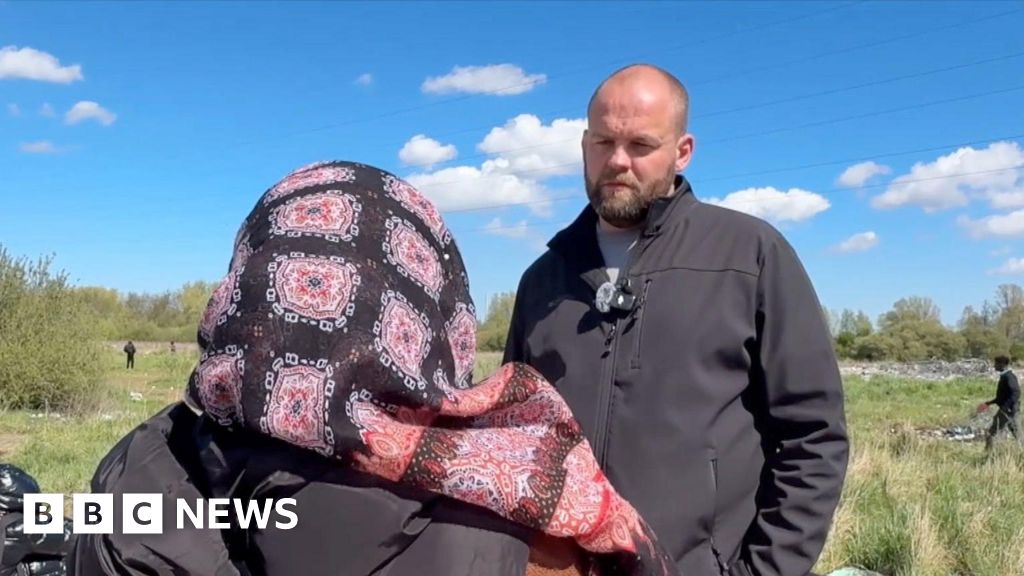
BBC Tours Migrant Camp in France as New Deal Unveiled

The United Kingdom is poised to solidify a significant new agreement with France aimed at curbing the perilous crossings of migrants through the English Channel. Valued at over £600 million, this three-year deal underscores the increasing urgency on both sides of the channel to address one of Europe’s most contentious migration crises. Central to this pact is the deployment of riot police along French beaches, a move that symbolizes a hardening of the border enforcement policies and a decisive effort to deter migrants from risking their lives at sea.

According to the Home Office, a crucial element of this agreement is the conditionality of funding—if Paris fails to reduce crossing attempts within the first year, a portion of the financial aid will be withheld. This stipulation signals a clear shift towards a results-oriented approach, where the UK seeks to pressure France into more vigorous border controls. Such policies, criticized internationally for their aggressive stance, also illustrate the rising stakes of a geopolitical chess match over sovereignty, sovereignty, and security. The wider implications extend beyond bilateral relations, touching on issues of international law, humanitarian concerns, and regional stability.

Meanwhile, France faces mounting domestic pressure and international scrutiny. As journalist James Waterhouse reported from a migrant camp on France’s north coast, thousands still harbor hopes of reaching the UK, despite increasing obstacles. This persistent exodus highlights broader geopolitical shifts, revealing a continent struggling to manage the fallout of unstable regimes, economic hardship, and the global consequences of conflicts elsewhere. Historians and analysts warn that these border battles are not merely about immigration but signal a more profound ideological divide: between open societies with liberal ideals and nations fiercely committed to safeguarding their borders and cultural integrity.

  • The deal marks a critical juncture in UK migration policy, emphasizing immediate border security but raising questions about long-term humanitarian impacts.
  • International organizations such as the United Nations and European Union are monitoring the development, cautioning against measures that could violate human rights.
  • Experts warn that if the trend continues, many migrants could resort to more dangerous routes or become more vulnerable on the fringes of Europe.

As the world watches, the unfolding saga of migration and sovereignty underscores a fundamental fact: the decisions made in the coming months will echo through history, shaping the fate of nations and the destiny of countless lives. From the beaches of northern France to the political chambers of Westminster, the battle over borders, identity, and security remains a defining struggle of our era. The course of this story is still unwritten, but its outcome could very well determine the legacy of our times—a testament to the enduring clash between openness and sovereignty in an increasingly uncertain world.
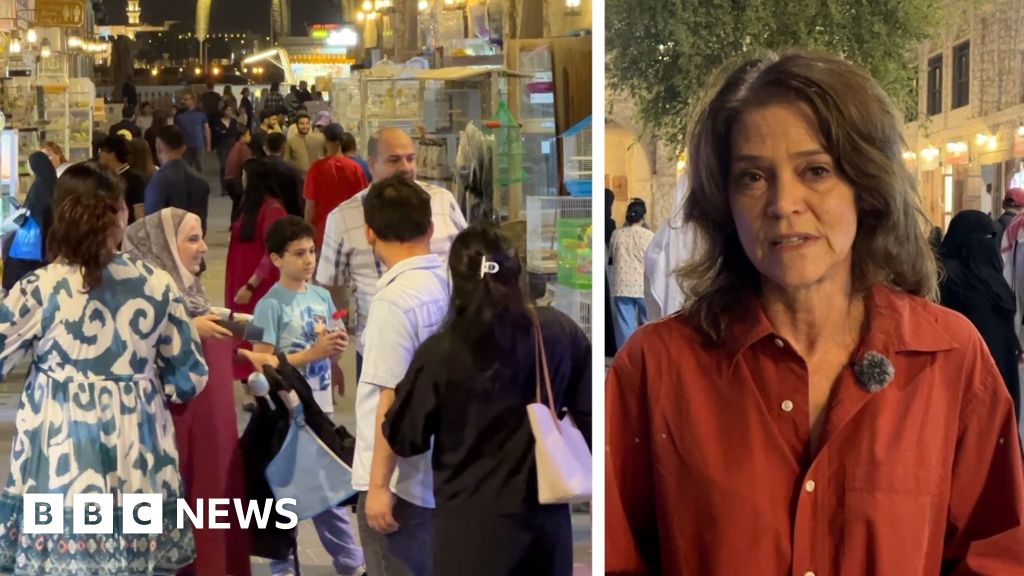

BBC Tours Doha Market Rebounding Two Weeks into Iran Conflict

As the Middle East plunges into its third week of escalating conflict, the ripple effects are reverberating beyond regional borders, threatening to redraw the geopolitical landscape. The initial outbreak, triggered on 28 February by a series of targeted strikes involving Israel, the United States, and Iran, has shaken what was once thought to be a relatively stable area. In a stark display of the fragile peace and mounting tensions, the bustling Souq Waqif market in Doha was nearly deserted the day the conflict erupted, a grim sign of how fears of broader war are unsettling even the most tranquil corners of the Gulf.

The Gulf Cooperation Council nations, traditionally aligned with Western interests and regional stability, are now caught in a maelstrom of violence and retaliation. Tehran’s retaliatory strikes have targeted various locations, including military facilities in neighboring countries, resulting in at least 18 fatalities across the Gulf states. These actions underscore Iran’s strategy of asymmetric warfare, aiming to leverage its regional influence while avoiding full-scale confrontation. Despite extensive efforts at interception, many of the Iranian missiles heading toward Qatar were successfully neutralized by advanced air defense systems. Nevertheless, the threat of escalation remains palpable, with potential repercussions for international security. Analysts warn that these attacks not only threaten regional stability but also threaten to ignite a broader conflict involving major powers on multiple fronts.

International organizations and geopolitical analysts have expressed concern over the mounting geopolitical impact. Victor Hanson, a renowned historian specializing in Middle Eastern conflicts, warns that this cycle of retaliation risks leaving the region’s delicate balance in ruins, with long-lasting consequences for global diplomacy and security. The conflict’s broader implications extend to oil markets, trade routes, and the strategic interests of nations around the world. As the United Nations calls for restraint, the decisions made in these critical weeks will likely shape regional alliances and conflicts for decades to come.

Meanwhile, within Qatar, a country that has seen relative calm, the mood begins to shift. Once bustling, the Souq Waqif market has gradually regained its activity, signaling resilience amid turmoil. The BBC’s Barbara Plett Usher visited the market to gauge local sentiment, uncovering a populace torn between fear and hope. Society’s response highlights how decision-makers’ actions in the coming days—whether de-escalation or escalation—will determine the fabric of regional societies and their futures. As the world watches with bated breath, history continues to unfold—its outcome uncertain, the stakes immensely high, and the narrative still being written with each passing hour.

Social Media Auto Publish Powered By : XYZScripts.com


