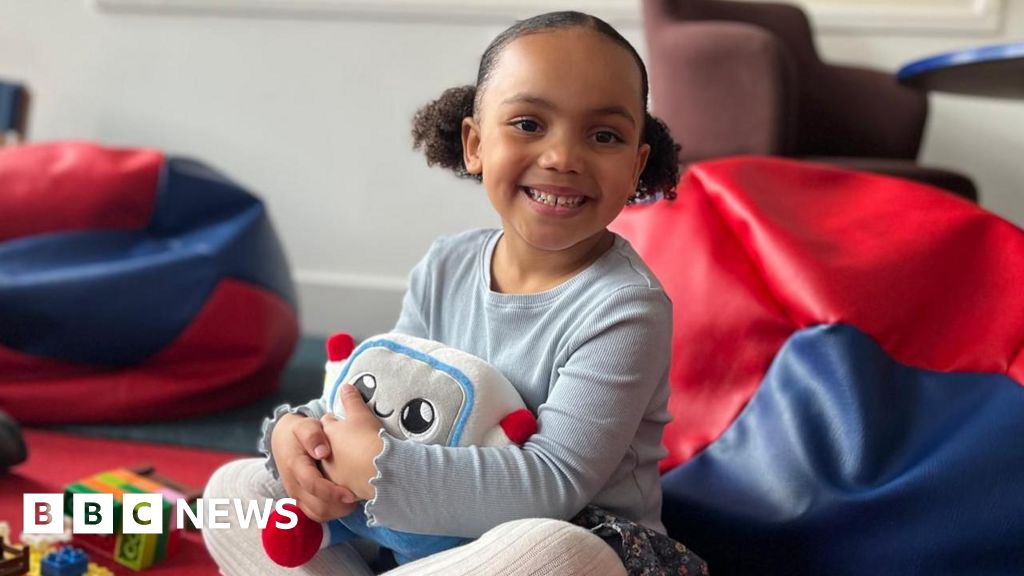

Emerging Risks of AI Toys in Shaping Childhood Experiences
Recent research conducted by Cambridge University has highlighted a significant and emerging concern within society: the potential for artificial intelligence (AI) toys to misinterpret children’s emotions. This groundbreaking study, the first of its kind, raises questions about the intersection of technology, childhood development, and the well-being of families in a rapidly digitizing world. As many households adopt AI-enabled toys for entertainment and education, understanding the social and emotional implications for our youngest generations becomes increasingly urgent.
At the core of this issue lies a profound societal challenge: how technological advancements are reshaping traditional familial dynamics and children’s emotional development. The research from Cambridge indicates that AI toys, equipped with emotion recognition capabilities, often struggle to accurately read children’s nuanced expressions. This misreading can lead to a cascade of adverse effects, from miscommunication to emotional frustration—particularly affecting families in underprivileged communities who may lack access to alternative resources for healthy emotional development.
The Societal Implications of Emotional Misreading
- Impact on Family Relationships: When AI toys incorrectly interpret a child’s feelings, it can undermine trust and emotional security within the family unit. Children may feel misunderstood or invalidated, leading to broader issues of emotional literacy and human connection that sociologists like Arlie Hochschild have long warned about in the context of technology’s encroachment into personal spaces.
- Educational Challenges: Schools increasingly incorporate AI tools in classrooms, aiming to foster personalized learning. Yet, if these tools are prone to emotional inaccuracies, students’ unique emotional needs could be overlooked, reducing the efficacy of these educational innovations.
- Community and Cultural Tensions: As social commentators observe, technology often exacerbates existing social inequalities. Marginalized communities, less equipped to scrutinize or challenge unreliable AI, risk falling further behind, deepening societal divides over access to emotionally responsive, culturally sensitive education and support.
Historians like Yuval Noah Harari have raised concerns about humanity’s relationship with technology—warning that misplaced reliance may erode fundamental human skills, such as empathy and emotional recognition. The moral dilemma is clear: should we allow artificial intelligence to mediate the most intimate aspects of childhood experience?
Pathways Forward for Society and Policy
Addressing these complex issues requires a multipronged approach:
- Stronger regulations around AI safety and emotional assessments must be implemented to protect children and families from potential harm.
- Investment in community-based programs that reinforce human emotional skills, ensuring children do not grow up solely dependent on machines for social interaction.
- Educational reforms that foster digital literacy among parents and educators, equipping them to critically assess the capabilities and limitations of AI tools used by children.
Ultimately, society faces a choice: continue to embrace technology at the risk of distorting essential human qualities, or actively shape a future where machines serve human needs, not replace them. As society grapples with these shadows of the digital age, hope remains rooted in our collective resolve to nurture resilient communities and uphold the dignity of genuine human connection. In the quiet moments of reflection, we are reminded that the true progression of society hinges on protecting its most vulnerable—our children—and ensuring that technological innovations serve the moral imperative of *humanity’s moral growth and social cohesion*.