Matox News

Truth Over Trends, always!

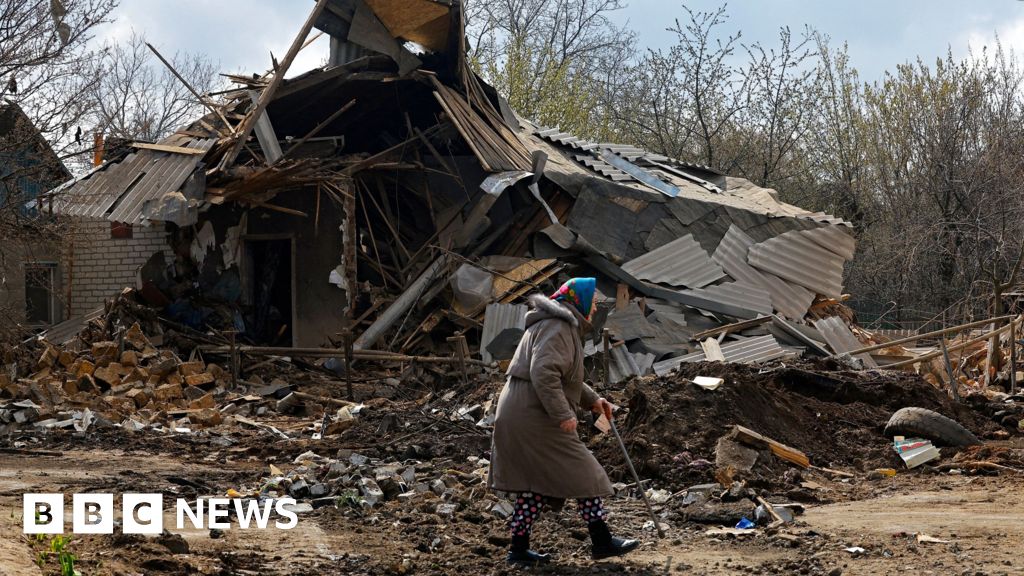
Ukraine and Russia trade blame over hundreds of ceasefire breaches

Ukrainian President Volodymyr Zelensky has issued a stern warning to Russia, affirming that his nation’s forces would respond “symmetrically” to any Russian attacks. This declaration signals a significant shift in Ukraine’s military posture amidst ongoing tensions and the broader geopolitical contest for influence in Eastern Europe. As the conflict continues to evolve, analysts suggest that Ukraine aims to establish a clear doctrine of reciprocity, signaling its readiness to escalate military responses should Russian aggression persist. This statement not only underscores Ukraine’s resolve but also complicates the delicate diplomatic landscape, making international repercussions far-reaching.

Since the onset of hostilities, Russia has maintained a strategy of targeted assaults on Ukrainian infrastructure and military positions, challenging Ukraine’s sovereignty and prompting a swift international response. The United Nations and NATO have urged de-escalation, emphasizing the importance of diplomatic solutions. However, Zelensky’s firm vow indicates a growing expectation among Kyiv’s leadership that Moscow cannot continue its current trajectory without risking a broader conflict. Historians and geopolitical analysts warn that the decision to adopt a symmetrical response could be a pivotal turning point, raising the stakes of a regional conflict that threatens global stability.

Global institutions such as NATO are closely monitoring Ukraine’s military stance, acknowledging that Kyiv’s willingness to match Russian aggression might redefine the boundaries of regional confrontation. Europe faces a dilemma: uphold diplomatic engagements or prepare for increased military commitments. The European Union has expressed solidarity with Ukraine, yet fears remain that a escalation could draw in other states, potentially igniting a wider regional conflict. The stance taken by President Zelensky resonates with longstanding national sentiments of resilience and sovereignty, but also serves as a warning to other nations about the rising tide of hybrid and conventional warfare.

Meanwhile, international scholars note that Russia’s pursuit of strategic objectives in Ukraine—such as securing territorial gains and weakening Kyiv’s Western integration—remains unchanged, prompting concerns about the potential for a prolonged, attritional conflict. In this complex chess match, every decision carries the weight of history, shaping the future of millions of lives and redefining global power dynamics. The international community stands at a crossroads, confronting the reality that the outcome of this confrontation will not only determine Ukraine’s fate but also test the resilience of the entire liberal order. As the world watches, the question remains—how much farther will this conflict go, and what new boundaries will be drawn in the sands of geopolitics?

In the unfolding narrative of this turbulent epoch, the resolve of Ukrainian defenders and the strategic calculus of Russia intertwine in a high-stakes game of survival and dominance. With each provocative move, the world edges closer to an unpredictable future where the lines between diplomacy and warfare blur, and the weight of history presses down on all nations. This is not merely a regional crisis—it is a defining moment, echoing through time, as the international order faces one of its most defining tests in decades.
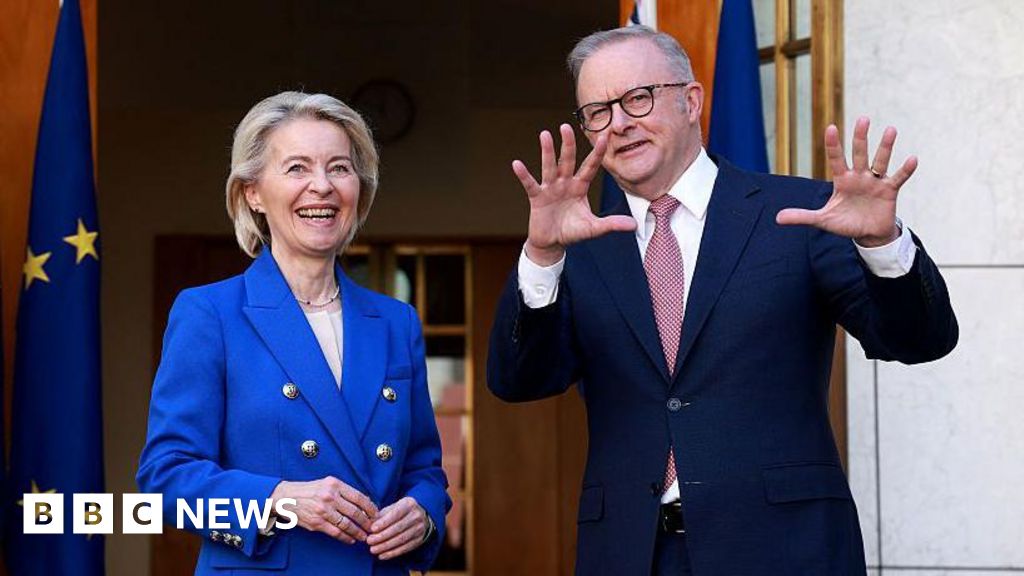
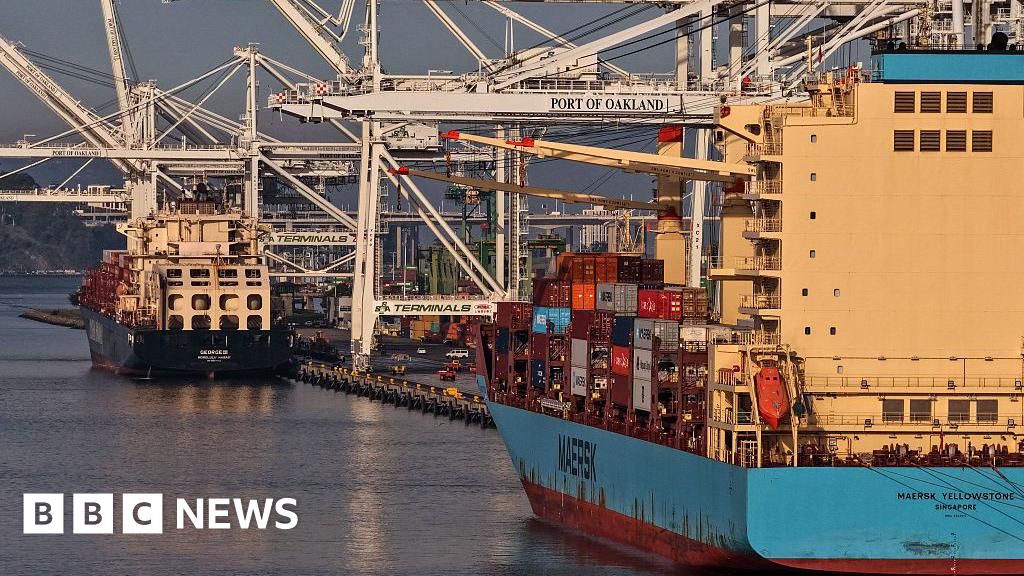
Australia and EU strike major trade deal amid global chaos

Australia and the EU Forge Landmark Trade and Security Agreements

In a decisive move that echoes across the global political landscape, Australia and the European Union have officially signed a comprehensive suite of trade and security agreements, marking a pivotal chapter in their diplomatic histories. After years of intense negotiations characterized by shifting alliances and strategic recalibrations, the two centers of influence are now forging deeper economic and geopolitical ties that could significantly alter the power dynamics in the Indo-Pacific and Europe. This development is widely regarded by analysts and international observers as a clear signal of both parties’ intent to bolster sovereignty and resilience amid growing global uncertainties.

The agreements, described as “the most sweeping” multilayered accords to date, encompass wide-ranging provisions in trade liberalization, digital cooperation, defense collaboration, and strategic infrastructure development. The EU’s representatives emphasize that these accords will strengthen the economic independence of Australia from traditional alliances while advancing Europe’s strategic footprint in the Asia-Pacific. For Australia, they symbolize a reaffirmation of independence from external economic dependencies, especially amid concerns over China’s rising assertiveness in the region—a subject often highlighted by geopolitical analysts such as those at the International Institute for Strategic Studies.

  • The trade component reduces tariffs, streamlines customs procedures, and expands access for Australian agricultural goods in European markets.
  • The security dimension involves increased intelligence sharing, joint military exercises, and a mutual commitment to countering terrorism and cyber threats.
  • Strategically, the agreements establish a framework for coordinated diplomacy addressing issues from regional stability to climate change, reflecting a more assertive European stance outside its traditional sphere.

This new alliance is more than just economic pragmatism; it signifies a conscious pivot by both parties toward a more autonomous, multi-vector global strategy. Experts suggest that these deals are a response to the shifting U.S.–China rivalry, with Europe seeking to diversify its trade partnerships and Australia aiming to protect its national interests amidst an increasingly volatile Indo-Pacific. International organizations such as the World Trade Organization and regional security forums have already begun analyzing the broader geopolitical impact: a potential reduction in dependence on traditional allies and a move towards a multipolar international order.

From a historical perspective, this signing marks a significant evolution in global diplomacy. Analysts like Dr. Emily Carter of the Global Policy Institute point out that these agreements reflect a broader trend in the 21st century: nations increasingly seeking to forge independent paths, shaping alliances that are flexible and resilient against the unpredictable tides of international politics. Significantly, this evolution signals to other countries—especially emerging powers and middle nations—that economic and security sovereignty are now central to national strategy. Europe’s strategic realignment and Australia’s intent to diversify their global partnerships underscore a fundamental shift in how nations seek to secure their futures in a world where traditional bonds are often tested.

As global actors recalibrate their strategies, the decisions taken today will have lasting repercussions for generations. The ink is barely dry on these historic agreements, yet their impact resonates far beyond the economic corridors and military command centers—embedded in the fabric of global history still being written. The world stands at a crossroads, with the unfolding narrative of these alliances promising either increased stability and prosperity or a tense tug-of-war for influence that could redefine the very essence of sovereignty. The weight of history presses heavy, reminding us that in the shifting sands of geopolitics, each decision bears the power to shape the destiny of nations—and perhaps, the future of the world itself.

Trade court demands tariff refunds, deal a blow to Trump’s trade policies

In a significant turn of events, a prominent trade court has recently cleared the path for businesses worldwide to secure refunds for tariffs that the Supreme Court invalidated last month. This ruling marks a vital development in the ongoing evolution of international trade policies and signals a potential shift in how nations approach economic sovereignty and commerce regulations. The decision underscores the volatile and unpredictable landscape of global markets, where legal, political, and economic forces intertwine to shape the fabric of international commerce.

The initial Supreme Court decision dismantled a set of tariffs that, for years, served as a tool for several U.S. administrations to protect domestic industries from foreign competition. But its recent reversal prompted uncertainty, especially among businesses that had anticipated potential rebates or refunds due to the ramped-up tariffs. Now, with the trade court’s endorsement, companies can begin pursuing these refunds, thus rekindling economic hopes for many sectors hit hard by previous tariffs. This move has caused ripples across the global economic community, illustrating how legal reinterpretations within the U.S. legal system can send shockwaves through international markets and alliances.

Analyzing this development, respected international trade analysts highlight the geopolitical impact of this shift. Historically, tariffs served as tools of protectionism, often sparking retaliatory measures and trade wars. The recent court decision appears to reinstate a more predictable legal environment within the U.S. and potentially affecting negotiations on trade agreements such as the USMCA or upcoming bilateral pacts. Countries like China, Mexico, and Canada closely monitor American legal dynamics, as this determines their own standing in intertwined trade networks. The renewed availability of tariff refunds could influence American relations with these economic giants, potentially leading to a recalibration of trade strategies and diplomatic dialogues.

Adding complexity, the decision bears profound consequences for emerging economies. As nations such as India and Brazil seek to propel growth through increased trade liberalization, the reactivation of tariff refunds in the U.S. could either bolster or hinder their efforts, depending on how the shifting legal landscape influences global supply chains. The World Trade Organization and other international bodies have voiced cautious optimism; however, many analysts warn that this development could signal a broader return to protectionist tendencies, challenging longstanding efforts to foster open and fair trade. The stakes for sovereignty, economic resilience, and societal stability are rising; what remains uncertain is whether this decision marks a temporary reprieve or the beginning of a fundamental transformation in America’s trade posture.

Many experts warn that such legal victories and reversals, while seemingly technical, embody a deeper battle — one that will determine the future trajectory of global power. Historians and political strategists remind the world that decisions made in courtrooms and legislative chambers today will ripple through generations, shaping whether nations move toward greater economic independence or capitulate to the forces of globalization. As the international community watches with bated breath, one thing is clear: in the unpredictable arena of global geopolitics, the course of history is still being written, and the next chapter could turn the tide of international influence in unforeseen directions.

Trump warns Spain: No trade without military base access

The recent decision by Spain to prevent United States military forces from utilizing its bases for strikes against Iran marks a significant turning point in international geopolitics. This move, announced amid escalating tensions in the Middle East, underscores a broader realignment of global alliances and sovereignty issues that are shaping the modern era of international security. It signals a departure from the longstanding implicit cooperation that has characterized U.S. military strategies in Europe, and highlights the growing assertiveness of nations seeking to carve out independent foreign policy paths.

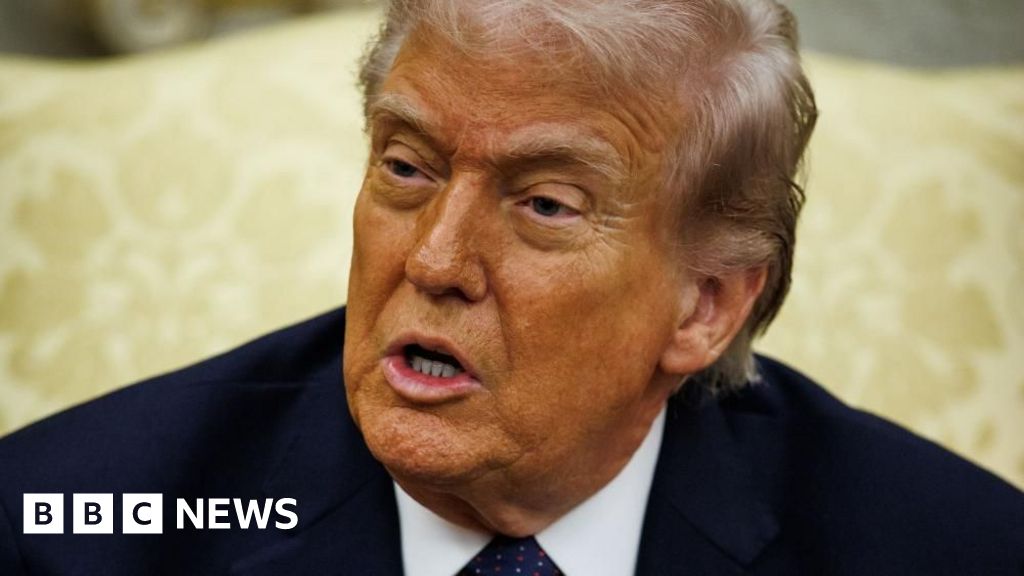
Following Spain’s decision, former U.S. President Donald Trump sharply condemned the move, arguing that it jeopardizes American national security interests and undermines the necessary, swift military responses to regional threats. His rhetoric reflected a broader concern among U.S. policymakers who view bases across Europe and the Mediterranean as critical assets in maintaining strategic dominance. The implications extend far beyond Spain itself; analysts suggest this could embolden other host nations to scrutinize or restrict U.S. military operations, thereby complicating America’s ability to respond effectively in a volatile Middle East. According to international security analysts, maintaining unimpeded access to bases is often seen as vital to U.S. strategic flexibility, especially in a region where rapid action can determine outcomes in conflict or diplomatic stalemates.

This development comes against the backdrop of a shifting geopolitical landscape where global influence is increasingly contested. Spain, which historically maintained a policy of strategic neutrality, appears to be asserting a more independent foreign stance amidst rising nationalistic sentiments and economic pressures. Meanwhile, Iran continues to challenge Western influence, with mounting concerns over nuclear proliferation and regional influence. The decision by Spain is being viewed by many experts as a reflection of a broader desire among Western nations to reassert sovereignty and diversify their security partnerships. American and European diplomats are now faced with the daunting task of recalibrating their military and diplomatic strategies to adapt to this new reality.

International organizations such as the North Atlantic Treaty Organization (NATO) have historically provided a framework for collective defense, but recent events underscore fundamental shifts. As historian Dr. Peter Roberts notes, “The era of unquestioned U.S. military supremacy in Europe is receding. States are increasingly willing to challenge the old order, asserting their independence in the face of global uncertainty.” The consequences of Spain’s move could intensify regional instability, change the balance of power in the Mediterranean, and influence future treaties related to military cooperation and sovereignty. This rising assertiveness not only reshapes alliances but also profoundly impacts societies that depend on stability, security, and the delicate balance of diplomacy and deterrence.

As history continues to unfold in the shadows of historic conflicts and Cold War rivalries, the question remains: how will global powers adapt to a world where the old paradigms of dominance are challenged from within and beyond? The weight of this moment is a stark reminder of the fragility of peace and the relentless push for national sovereignty. In the theater of international relations, where decisions are often made in quiet backrooms, the risk of miscalculation looms large. And so, the trajectory of this new chapter in the geopolitics of the 21st century hangs in delicate balance, its outcome capable of reshaping the world order itself—destined to be remembered as a defining moment in the ongoing saga of history’s fierce conflicts and fragile alliances.

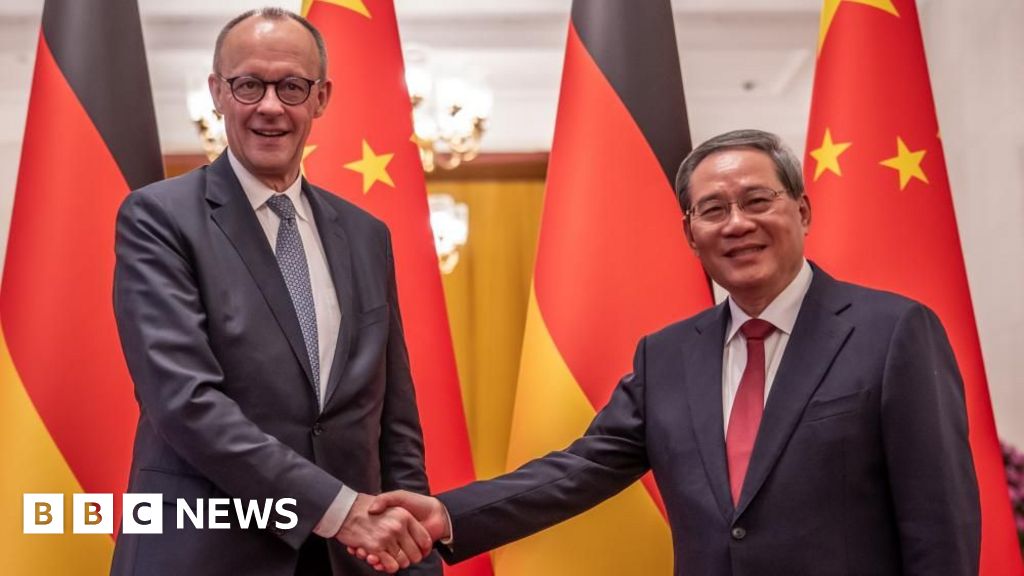
German Chancellor warns of growing trade gap with China on first Beijing visit

In a significant development amid shifting international trade dynamics, German business groups have issued a pointed appeal to Friedrich Merz, demanding a clear and decisive stance towards China’s economic practices. This move underscores growing concerns within Europe about the strategic risks posed by China’s expanding influence in global markets and the need for coherent policies to safeguard national interests. As tensions over trade competition, export controls, and technological sovereignty escalate, the call from industry leaders signals a potential turning point in Europe’s approach to balancing economic relations with China.

Under Germany’s increasingly complex geopolitical landscape, business sectors are warning that ambiguous or lenient policies could underminet the competitive edge of European firms, particularly in key sectors such as technology, manufacturing, and telecommunications. Analysts suggest that the European Union’s future approach may be pivotal in shaping global power dynamics. The pressure on Merz, the leader of the opposition, reflects broader debates within Germany—Europe’s economic powerhouse—about how to maintain a strategic and independent stance amidst rising U.S.-China tensions. Moreover, this call aligns with European efforts to reinforce export controls, safeguard technology, and counteract economic coercion, which many see as essential in preventing China’s market dominance from eroding Europe’s technological sovereignty.

Historically, decisions on trade and diplomacy have an enduring impact on national security, societal stability, and international rankings. The stance taken by Germany’s politische and business elites will likely influence the broader European Union’s foreign policy direction. Recent reports from international organizations, including the World Trade Organization, suggest that such moves could provoke retaliatory measures from Beijing, adding risk to European export-dependent economies. Meanwhile, U.S. policymakers, keen on coalition-building with European allies, are watching these developments with a mix of interest and apprehension, recognizing that the collective stance will shape how the Western bloc resists China’s strategic ambitions.

As critics warn of the potential for economic decoupling and diplomatic rupture, the words of historians and analysts carry increasing weight. Many caution that reckoning with China’s rise involves more than tariffs and export controls; it requires a deliberate, principled strategy that considers the societal and geopolitical repercussions for generations to come. The decisions made today could determine whether Europe remains a unified, resilient power or whether it succumbs to fragmentation and dependency. With Merkel’s legacy fading and a new chapter in global diplomacy emerging, the weight of history presses upon leaders to act decisively. In this unfolding saga of power, influence, and sovereignty, the future hangs in the balance—a testament to the enduring importance of strategic foresight in a rapidly changing world.

Trump hits back with new tariffs to dodge Supreme Court ruling

US Implements New Tariffs Amid Shifting Trade Policies, Igniting Innovation Risks for Tech Sector

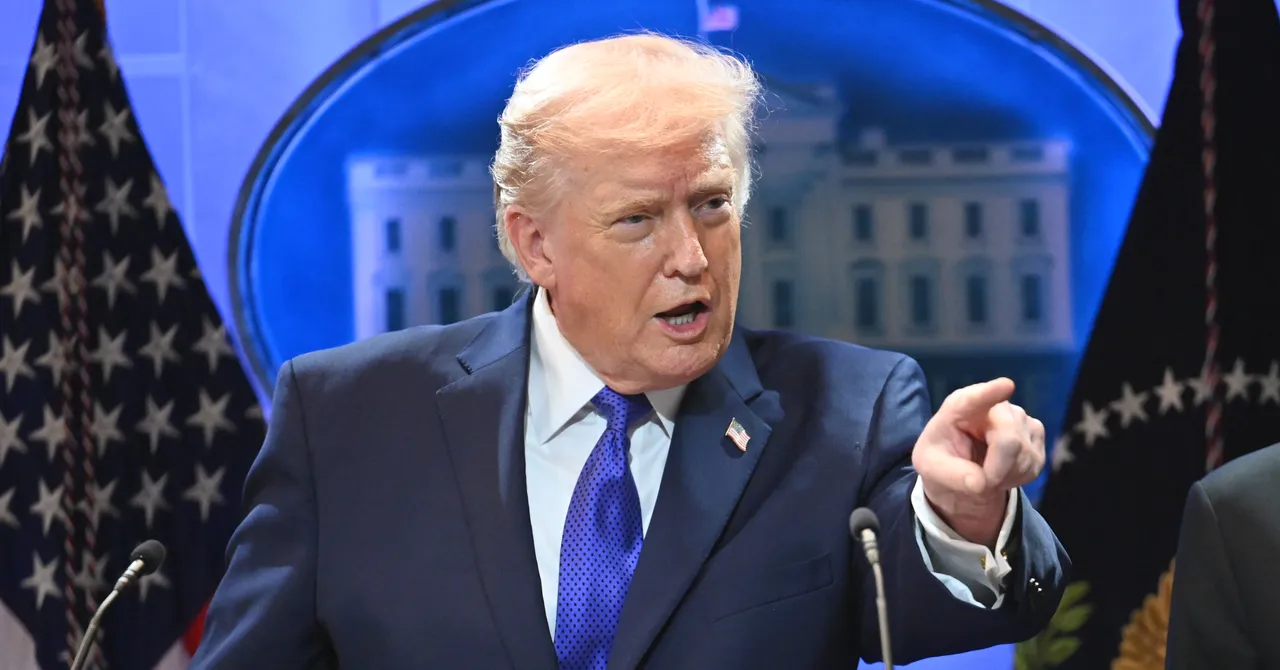
In a bold move that underscores the increasing unpredictability of American trade policy, President Trump has announced a new 10 percent tariff on nearly all imports, effective February 24, 2026. This decision follows a recent Supreme Court ruling that overturned the bulk of tariffs previously imposed last year, highlighting the deepening complexities faced by global supply chains. The policy, rooted in Section 122 of the Trade Act of 1974, grants the administration sweeping powers to impose tariffs during trade deficits, significantly disrupting the established flow of goods—most notably in critical sectors like technology, manufacturing, and raw material sourcing.

The implications for innovation and disruption are profound. With tariffs impacting key components such as semiconductors, rare earth minerals, and critical tech inputs, U.S. industries may face increased costs and supply chain friction. Industry leaders, including giants like Apple and Intel, are already sounding alarms over potential delays and rising expenses that could stifle product development and market competitiveness. For emerging tech startups, these tariffs could represent a barrier to innovation, impeding access to essential foreign supplies and elevating costs at a time when technological leadership is fiercely contested. Less access to affordable components risks undermining the U.S.’s position as a global tech powerhouse, potentially ceding ground to competitors in Asia and Europe who could capitalize on these disruptions.

Furthermore, the strategic deployment of tariffs via Section 122—a rarely used authority—attests to a broader shift in U.S. trade policy. Experts like Gregory Husisian from Foley & Lardner LLP describe this move as a “bridge authority,” designed to leverage temporary measures while preparing for subsequent regulatory maneuvers. In this context, the U.S. government is positioning itself for a protracted battle during which it can invoke other measures, such as Section 301 and Section 232 investigations, to target unfair trade practices or national security threats. These tactics, combined with the suspension of the de minimis exemption, threaten to introduce _massive logistic bottlenecks_ in e-commerce and global trade networks, amplifying costs for consumers and businesses alike.

The broader business implications are unmistakable. As Elon Musk and Peter Thiel have emphasized, technological disruption is not merely about innovation but also about strategic adaptability. The ongoing tariff saga underscores a fundamental warning: in an era where geopolitical tensions escalate, companies must prioritize resilience and agility. The potential for prolonged tariff-related litigation—especially over refund processes and appeals—further amplifies the climate of uncertainty, compelling businesses to adapt swiftly or face obsolescence.

Looking ahead, this policy signals a sharp pivot toward a more protectionist U.S. economy, intensifying the stakes for innovators who rely on global supply chains. Time is of the essence; the window for strategic adjustment is closing swiftly. Industry observers and policymakers alike must recognize that these measures, if sustained or expanded, could reshape the global tech ecosystem—favoring those who innovate swiftly and adapt decisively. As the world watches, the urgency for U.S. companies to rethink supply chain strategies and sharpen their competitive edge has never been greater—an inevitable race toward a future where disruption is the new norm, and only the most agile will thrive.

Trump enacts tariffs threat to clamp down on Iran trade partners

In a significant move that underscores the evolving landscape of international trade and diplomacy, the United States issued an order on Friday outlining potential tariffs targeting Iranian imports. While the document stops short of specifying the exact rate, it references a 25% figure as a reference point, signaling a firm escalation in economic pressure. This tariff could be applied broadly to goods imported from any nation that directly or indirectly engages with Iran, a move that is poised to ripple through global supply chains and redefine diplomatic ties in the Middle East.

The new policy underscores Washington’s continued pursuit of. what it describes as economic sanctions aimed at curtailing Iran’s influence and nuclear ambitions. By expanding tariffs to potentially encompass a wide array of countries—those that purchase, import, or acquire Iranian goods and services—the US seeks to isolate Iran further, while simultaneously pressuring allied nations to choose sides. Financial analysts interpret this as a strategic measure to strengthen leverage in negotiations, but it also risks igniting new trade disputes that could destabilize regional and global markets. Commentators such as Dr. Elizabeth Carter, an expert on international sanctions, warn that such broad measures tend to have unintended consequences, impacting not only Tehran but also American allies and global consumers alike.

This latest move arrives at a pivotal moment in the complex web of international relations. Russia, China, and the European Union have all expressed caution or dissatisfaction, emphasizing their concern over the potential for increased tensions and economic fallout. According to reports from the World Trade Organization, such expansive tariffs run the risk of breaking the delicate norms of free trade, tilting the global order towards fragmentation.

  • For Europe, which maintains ongoing energy and economic ties with Iran, this could mean a recalibration of their policies and alliances.
  • For China, already embroiled in its own trade tensions with the US, this new development adds an additional layer of complexity to its international strategy.
  • Additionally, Russia may leverage these tensions to expand its influence in the Middle East and beyond.

Historians and geopolitical analysts warn that these sanctions and tariffs are not merely economic tactics but signals of a broader shift in global power dynamics. The move has been met with a mixture of skepticism and strategic calculation, as governments seek to protect their interests while navigating an increasingly uncertain international arena. As diplomatic negotiations unfold, the world watches with bated breath—each decision refracted through the prism of history, where the lines between peace and conflict, cooperation and confrontation, grow ever more blurred. The narrative of our time is being written in these moments of economic leverage; the weight of history is heavy, and the future remains unwritten, teetering on the brink of change.

EU and India seal historic trade deal—big win for youth and the economy

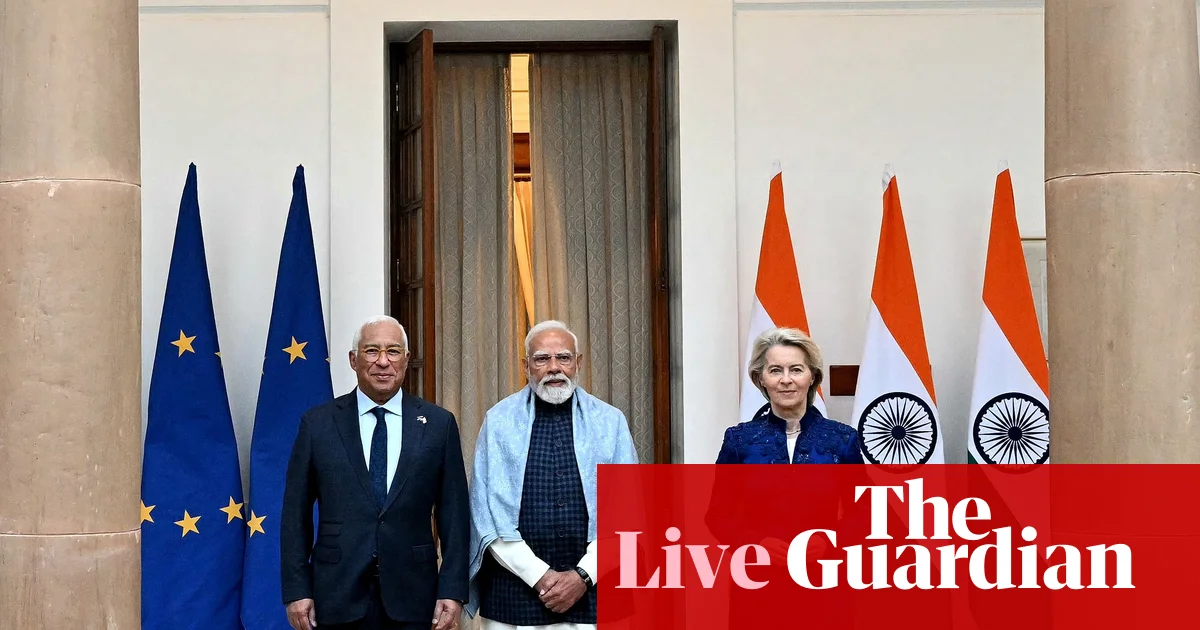
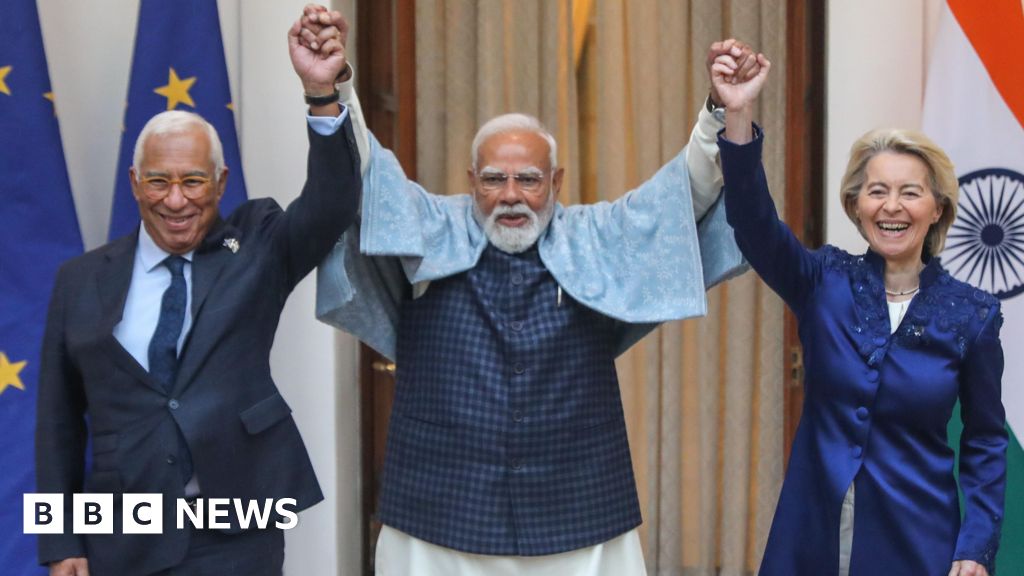
The European Union has recently cemented a landmark victory in global trade negotiations by finalizing a comprehensive agreement with India. This deal, heralded as “the mother of all trade deals” by Ursula von der Leyen and praised by Prime Minister Narendra Modi for its historic scale, marks a pivotal moment in the shifting landscape of international commerce. With tariffs on cars set to plummet from as high as 110% to just 10% over five years, the accord opens up India’s protected market, promising a lucrative channel for EU exports worth over €180bn annually, and supporting nearly 800,000 European jobs. It is a testament to how geopolitical and economic considerations have converged at a defining juncture, with the EU seeking diversification amid strained relations with the United States and uncertain global trade dynamics.

Importantly, the significance of this agreement transcends mere tariffs. It embodies a strategic pivot by the European Union to strengthen alliances with emerging economic powerhouses at a time when global order is under redefinition. Analysts and historians emphasize that such a move signals a powerful shift toward multi-polarity, reducing reliance on traditionally dominant economies.

  • The accord connects more than 2 billion people into a single market, a rise in regional economic connectivity that could ripple across the globe}
  • It underscores Europe’s strategic effort to counterbalance the monopsony power of China and the unpredictability of the US under tariffs-driven policies
  • Historically, trade deals like this—long in the making—are often seen as precursors to broader geopolitical alliances

The broader geopolitical impact of operationalizing this deal cannot be understated. It sends a clear message to the world: as the global order is “being fundamentally reshaped,” Western powers are actively creating new blocs and partnerships that challenge the old hierarchy. Recent weeks have seen the EU sign a deal with Mercosur, after two and a half decades of negotiations, further illustrating a pattern of diversification away from US-centric trade reliance. Economists warn that such measures could deepen divides, foster new alliances, and ignite competition on a scale that history has rarely seen. Especially noteworthy is how Europe’s renewed engagement with India aligns with strategic interests beyond commerce, including security, defense, and geopolitical influence, in a period marked by rising tensions in Ukraine and disputes over Greenland’s strategic resources.

Finally, as the global chessboard continues to shift, the significance of these negotiations remains clear. They are not merely economic transactions but are cornerstones in the construction of a new geopolitical architecture. The decisions made today will set the tone for decades to come, echoing through history as pivotal moments where old world order gave way to new alliances and rivalries. The narrative of this era is still unfolding—each trade agreement, each diplomatic handshake, a page in the vast and complicated story of global power—leaving the modern world poised on the precipice of a new chapter that may redefine the very fabric of international society.

India and EU strike free trade deal amidst Trump tariff disputes

Europe and India Forge Landmark Trade Agreement Amid Geopolitical Shifts

The European Union and India have sealed a historic trade agreement after nearly two decades of intermittent negotiations, signaling a strategic pivot in international commerce. This deal, dubbed by European Commission President Ursula von der Leyen as “the mother of all deals,” aims to deepen economic ties between Europe’s collective 27 nations and the world’s most populous country, which together account for nearly 25% of the global gross domestic product (GDP), and a market of two billion consumers. The significance of this accord extends beyond simple trade—it is a calculated move by two key players to assert their influence in a world increasingly dominated by protectionism and shifting alliances.

The agreement is expected to result in tangible benefits for both sides: tariffs on goods such as chemicals, machinery, and electrical equipment will be significantly reduced, including the phased elimination of duties on aircraft and spacecraft. Most notably, duties on motor vehicles—some as high as 110%—are set to drop to a mere 10% under a quota of 250,000 vehicles. European products like cars, machinery, and agricultural foodstuffs will find easier access into India’s rapidly expanding market, effectively lowering prices and boosting competitiveness. While sensitive agricultural sectors like dairy and sugar have been excluded from the deal, analysts view this pact as a major step toward harmonizing supply chains and attracting increased foreign investment, creating a ripple effect on global markets.

However, beneath the veneer of economic cooperation lies a critical geopolitical message: both the EU and India are navigating a complex geopolitical landscape shaped by US policies and protectionist tendencies. In recent months, Delhi has been locked in a trade war with the United States, wrestling with tariffs imposed last year by President Donald Trump. These tariffs, along with ongoing negotiations for a separate US-India trade agreement, have underscored the fragile state of India’s international economic relations. Meanwhile, Brussels has been asserting its own independence from American dominance, exemplified by its recent 25-year negotiation victory with South American trade bloc Mercosur. Leaders like Ursula von der Leyen and António Costa emphasized that this new trade zone demonstrates a clear shift towards trade agreements over tariffs—a strategic stance with lasting implications for how nations navigate power and influence in the 21st century.

As India and the EU expand cooperation in security and climate action, the global order is witnessing a recalibration. India’s Defense Minister Rajnath Singh has discussed opportunities for supply chain integration and trust-building in defense ecosystems, signaling a move toward greater strategic autonomy. Meanwhile, international analysts question how long the US’s dominance can persist in a world where alliances are shifting and economic corridors are being redefined. Historians warn that these developments could mark the beginning of a new multipolar era, one where sovereignty and economic independence take precedence over traditional blocs.

Ultimately, the unfolding story of the EU-India trade pact is a vivid chapter in the broader narrative of a world in flux. As each side claims victory and signals future ambitions, history remains on the precipice, poised to record whether this alliance survives the tumult of geopolitics or becomes merely a fleeting victory in an ongoing struggle for global influence. The weight of history presses down—all eyes now turn toward whether this bold step will cement a new axis of power, or scar the path for future diplomacy in a world still rewriting its rules.

Trump Threatens New Tariffs on South Korea Over Trade Deal Delays

Trump’s Tariff Brinkmanship: A New Chapter in Global Trade Relations

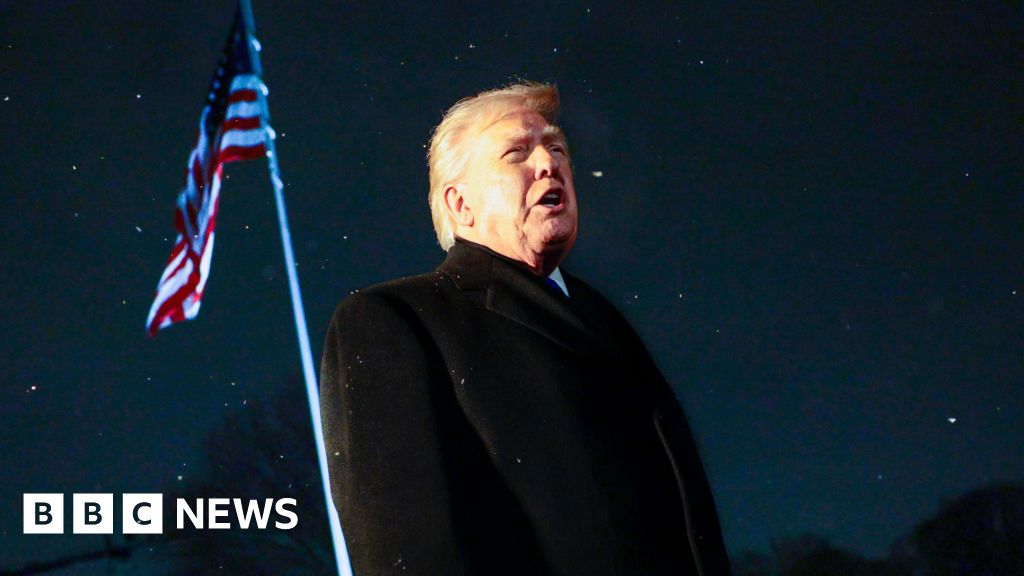
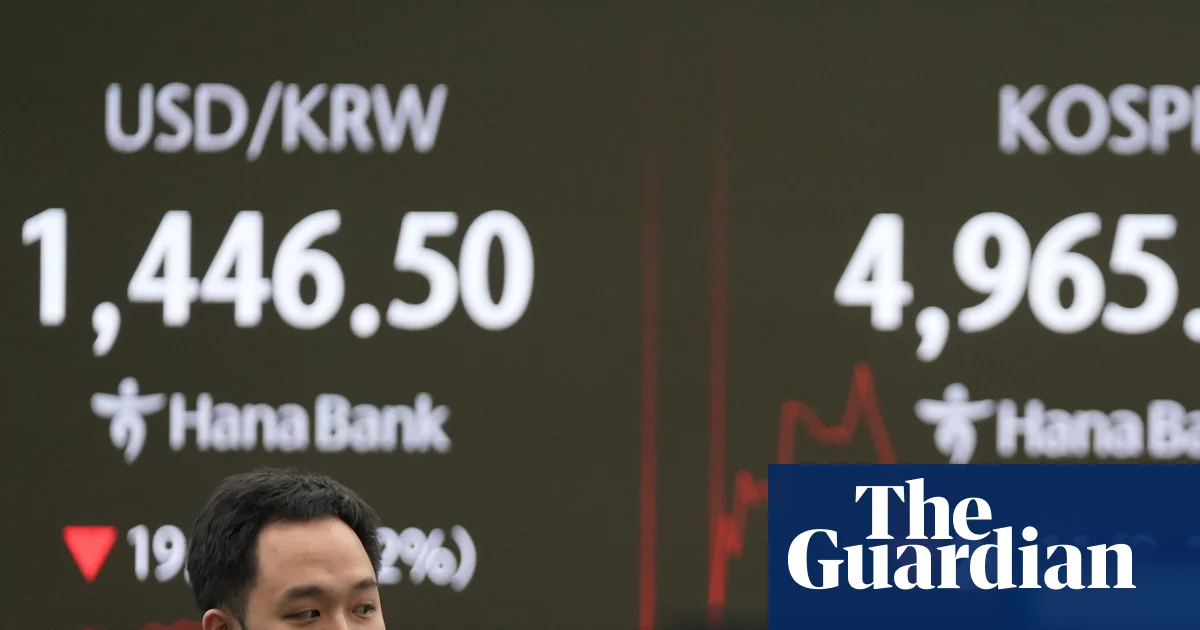
The United States under President Donald Trump has reignited tensions with its key allies by threatening significant tariff hikes on South Korea, threatening to reverse the gains from last year’s historic trade and security agreements. In a sharply worded social media post, Trump indicated that the tariffs on Korean exports would jump from 15% to 25%, citing the lack of parliamentary ratification of the deal as a pretext. While the US administration still has to formally initiate these measures, the move sent shockwaves through global markets and diplomatic circles, highlighting an aggressive stance that has become emblematic of Trump’s approach to foreign economic policy.

South Korea’s presidential office responded swiftly, stating it had not been notified of any impending tariff increase and planned to dispatch trade ministers to Washington for urgent talks. This diplomatic friction underscores a deeper discord over the status of last year’s agreement, which it claims was a mere memorandum of understanding rather than a binding treaty, thereby complicating its legal standing in Seoul. The dispute exemplifies how geopolitical decisions made in Washington directly impact South Korea’s industrial sectors, particularly automobile and pharmaceutical industries, which are vital to the nation’s economy. Historically, analysts emphasize that such tariffs pose a dual threat: they jeopardize economic stability and could lead to a wider ripple effect destabilizing the regional balance of power.

Broadening the Scope of Trade Warfare

  • Since re-electing the aggressive trade policies, Trump has issued threats to multiple trading partners, including Canada and various European nations.
  • He proposed a 100% tariff on goods crossing the US-Canada border, a move aimed at intimidating Canada as it explores a new trade deal with China.
  • Earlier in January, Trump threatened to impose tariffs on European nations over a proposed purchase of Greenland, though these threats have since been rescinded amid international backlash.

International organizations, such as the World Trade Organization (WTO), have expressed concern over these volatile tactics, which risk undermining the post-World War II global trading system rooted in stability and predictability. Economists warn that Trump’s use of tariffs as leverage, often seemingly impulsively, injects an unprecedented level of uncertainty into international markets. The Atlantic Council‘s Josh Lipsky pointed out that recent actions are a clear indication of growing impatience among US policymakers, with the volatility alone imposing significant costs across global markets.

Impacts on Global Geopolitics and Society

This relentless brinkmanship reflects a broader shift in international relations, where economic disputes are increasingly intertwined with geopolitical strategy. As the US demonstrates a willingness to impose unilateral tariffs to punish allies and enemies alike, it signals a departure from traditional multilateral diplomacy. The ripple effects extend far beyond trade numbers, affecting national security alliances, regional stability, and societal welfare. Countries like South Korea now face the dual challenge of safeguarding their economic interests while navigating an increasingly unpredictable global landscape—a scenario that history warns could lead to lengthy conflicts with long-term repercussions.

History scholars observe that recent precedents—such as the Smoot-Hawley tariffs of the 1930s—remind us how protectionist measures can deepen global economic downturns and foster international discord. As the world watches, it remains uncertain whether this volatile phase will mark a turning point toward renewed cooperation or a descent into protracted trade wars that threaten the fabric of global stability. The unfolding decisions and reactions today may well define the geopolitical landscape for decades to come, leaving a legacy etched into history’s cumulative story of conflict and resilience.

Social Media Auto Publish Powered By : XYZScripts.com