Matox News

Truth Over Trends, always!

Myanmar farmers turn to opium as conflict drives them into illegal trade

Amid the chaos of Myanmar’s ongoing military conflict and political upheaval, a disturbing trend has emerged: the resurgence of opium poppy cultivation, which has surged to its highest level in a decade. The United Nations Office on Drugs and Crime (UNODC) reports a 17% increase in poppy cultivation this year alone, totaling over 53,000 hectares—the largest footprint since the early 2010s. This expansion underscores a grim reality: the illicit drug economy thrives where chaos reigns, fueling not only regional instability but also deeply impacting families, education, and communities across the nation.

This rising tide of illicit cultivation is primarily driven by conflict and economic hardship that continue to plague Myanmar, intensifying poverty and pushing farmers towards the lucrative but dangerous world of opium. As sociologist Dr. Emily Carter notes, “When legitimate livelihoods are destroyed by violence and political upheaval, many farmers turn to illegal crops as a last resort, creating a vicious cycle of dependence and violence.” The expansion of poppy farming in eastern Shan State and Chin State—both regions embroiled in ongoing clashes between military forces and armed groups—reflects the geographic spread and escalation of this social crisis. With the southern Shan State remaining the primary center of cultivation, and new pockets emerging in Sagaing Region, the problem is no longer confined but expanding, threatening to destabilize neighboring countries as well.

However, beyond its economic and political ramifications, the rise of opium cultivation exerts a profound toll on families and communities. Children growing up amidst violence and poverty are often robbed of access to education, their futures dimmed by the specter of addiction and social disintegration. Social commentators warn that the drug economy’s growth undermines human dignity and societal cohesion, making it harder for stable communities to reclaim their sense of normalcy. And while the Myanmar military prepares for an election amid a raging civil war, the UNODC warns that the expansion in cultivation signals a potential for further growth, reinforcing a cycle of despair and violence. Historically, history’s sociologists like Norbert Elias have emphasized how social disintegration feeds on itself in conditions of prolonged conflict—an observation as relevant today as ever.

Addressing this crisis requires more than military or political solutions; it demands a concerted effort to rebuild trust, economic stability, and social cohesion within Myanmar’s fractured landscapes. The challenge remains: to restore hope and opportunity where despair has taken root. As society watches the unfolding tragedy, we are called to reflect on the moral imperative of supporting resilient communities, advocating for just economic reforms, and fostering international cooperation. For these communities, the road to recovery is long, often littered with the shadows of lost innocence and broken dreams. Yet, if society dares to remember the resilience of its youth and the strength of moral resolve, there exists the possibility of turning society’s darkest hour into a dawn of renewal—a testament that even amid chaos, hope endures, waiting quietly for those brave enough to nurture it.
Is Canada Ready to Stand Firm in the US Trade Showdown?

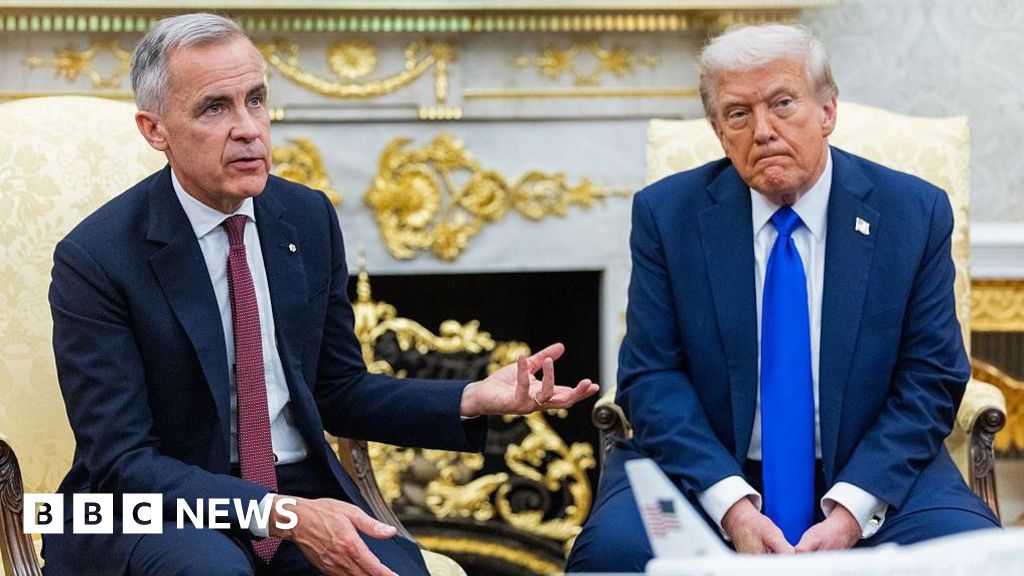
In an era characterized by shifting alliances and unpredictable economic policies, Canada finds itself at a critical crossroads in its relationship with the United States. The recent diplomatic stance taken by Prime Minister Mark Carney reflects a notable departure from previous negotiations—his apparent lack of urgency in resuming trade talks has stirred concerns both domestically and internationally. While Carney dismisses the timing of discussions as trivial and claims there is no “burning issue” to address, critics argue this signals a strategic shift, foretelling a more cautious, perhaps even confrontational, approach to trade under the shadow of mounting geopolitical tensions. This attitude could herald a new phase of Canadian independence in trade policy, distancing itself from the unpredictability of U.S. negotiations heavily influenced by the upcoming U.S. midterm elections and national political winds.

The pause in negotiations comes amid a backdrop of escalating tariffs imposed by Washington, including a 35% levy on certain Canadian exports, with specific sectors like metals and automobiles bearing the brunt of these punitive measures. Historically, such tariffs have crippled Canadian exports—about 75% of which are directed southward—and threaten the very fabric of its economy. With some Canadian officials advocating patience, Canadian trade representatives like Richard Madan continue lobbying U.S. lawmakers behind the scenes, even as formal negotiations stagnate. This diplomatic standstill is compounded by the fractured relationship over an anti-tariff advertisement from Ontario, which appears to have deeply offended the U.S. administration, further complicated by Trump’s unpredictable, often retaliatory, trade tactics. Renowned analysts, including Chris Sands of Johns Hopkins University, warn that *”a great deal of posturing”* obscures the underlying vulnerability that Canada’s economy faces in the face of American tariffs, which are both a tool of economic leverage and political signaling.

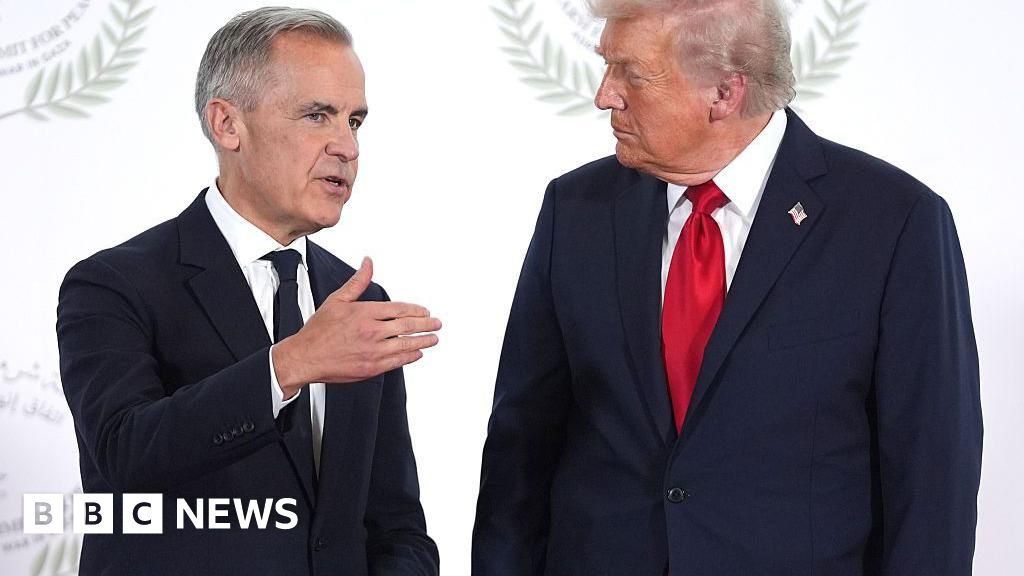
The geopolitical impact of this standoff extends beyond immediate economic concerns. As global leaders converge on events such as the FIFA World Cup draw—where Carney is expected to meet with President Trump—the diplomatic signals sent are fraught with implications. Canadian Prime Minister Carney’s recent trips to the United Arab Emirates and his focus on securing foreign investment signal a strategic pivot. With Canada’s goal to double non-U.S. exports within a decade, the government seeks to diversify its trade alliances amidst the turbulence. However, the shadow of Washington’s tariffs looms large, pressing Canadian industries, especially aluminum and heavy machinery, into a battle for survival. Industry leaders like Jean Simard emphasize that *”time is on our side,”* hinting that patience may benefit Canada in the long run, even as some U.S. sectors, such as aluminum, start feeling the pinch as stockpiles dwindle and dependence on imports intensifies. The looming review of the USMCA trade agreement, slated for December hearings, hints at a possible turning point—perhaps a window for Canada to influence the future arrangement and assert its economic sovereignty.

Yet, the internal political landscape complicates matters further. U.S. midterm elections are casting a long shadow, with many in Congress positioning themselves for upcoming campaigns. The growing discontent among American voters, evidenced by a recent Fox News poll indicating that 76% harbor negative views towards the economy, has pushed President Trump toward softening some tariffs, signaling a cautious openness to negotiations on metals and energy. Although the trade negotiations have hit a standstill, the impending US trade review and international pressures could hint at a possible thaw—yet the risk remains that history may be dictated not by diplomacy, but by increasingly entrenched national interests and the relentless march of history itself. As Canada steadies itself, navigating a complex web of geopolitical challenges, the future remains uncertain. The flesh-and-blood reality is that the decisions made today will ripple through generations, forging a path that could either unite or divide the continent—a defining chapter in the new world order, where the echoes of past conflicts still resonate with unforgiving clarity.

Reform’s Benefit Cuts Could Spark Trade War with EU, Labour Warns

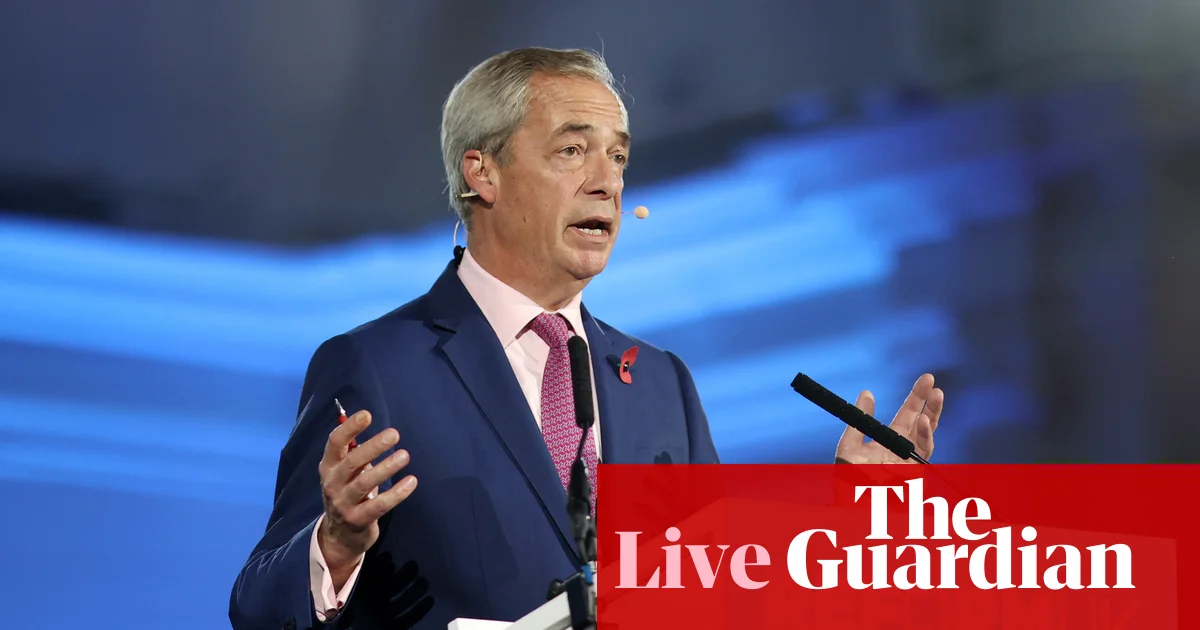
As the world continues to grapple with the aftermath of widespread political shifts and economic realignments, recent developments underscore a powerful surge of nationalist sentiments and protectionist policies that threaten the stability of traditional international alliances. The United Kingdom, for instance, stands at a nexus of these forces. The recent proposal by Nigel Farage, leader of Reform UK, to implement sweeping immigration and benefits reforms highlights this trend. These policies aim at removing the rights of EU nationals to claim benefits and increasing NHS surcharges, all purportedly to balance the nation’s finances. However, analysts warn that such measures could ignite a trade war with Europe, reminiscent of the Brexit dynamics that radically reshaped Britain’s relationship with its continental neighbors.

  • Farage’s proposals to slash benefits for EU nationals and hike visa costs are driven by a calculated desire to appeal to populist voters but raise significant geopolitical consequences. The potential breach of post-Brexit trade agreements, as indicated by Labour critics, could provoke retaliatory tariffs and other trade barriers, destabilizing the UK’s vital economic ties with the EU. Historian Dr. Mark Stevenson notes that “such unilateral moves, couched in nationalist rhetoric, risk unraveling decades of integration and economic cooperation.”
  • This wave of protectionism aligns with rising nationalist policies across Europe, exemplified by France’s far-right National Rally backing a wealth tax on the very rich—an approach Farage staunchly opposes, citing fears of high earners fleeing Britain. Nonetheless, polls demonstrate that a majority of Reform UK voters support a one-off wealth tax, revealing a societal undercurrent favoring redistribution measures that challenge free-market principles.

Meanwhile, the UK’s internal debates mirror these international tensions. Labour leaders, such as Steve Reed, have unequivocally stated that the proposed reforms would breach international trade commitments and could precipitate a trade conflict with Europe. The risks are exacerbated by the recent disclosure of rising net migration figures, which, despite declining estimates, factor heavily into the political calculus. The International Organization for Migration’s recent reports emphasize that such figures influence national policies, often stoking fears of cultural dilution—a narrative exploited by parties advocating strict border controls.

As Keir Starmer and other international leaders convene in European capitals, the emerging geopolitical landscape is fraught with uncertainties. The return of protectionist ideologies signifies a decisive shift away from multilateralism, threatening a new era of economic nationalism that could define the 21st century. This unfolding chapter underscores a critical point: decisions made in the corridors of power today will either forge a path toward renewed cooperation or plunge nations into prolonged confrontation. The weight of history presses heavily on this moment—each policy, each alliance, each confrontation writing a new narrative of global power and societal resilience.

China ready to loosen chip exports in new trade deal, White House confirms

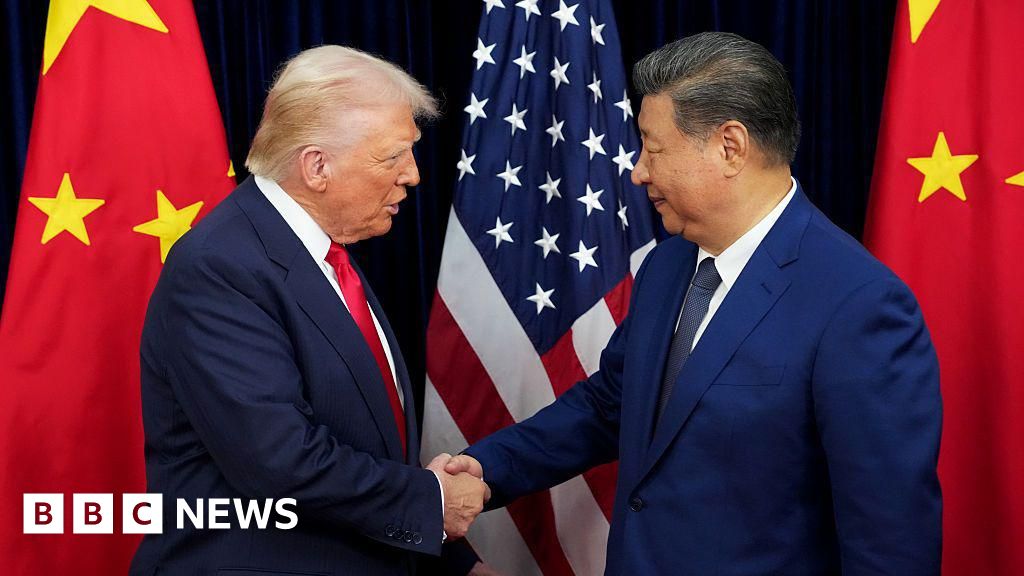
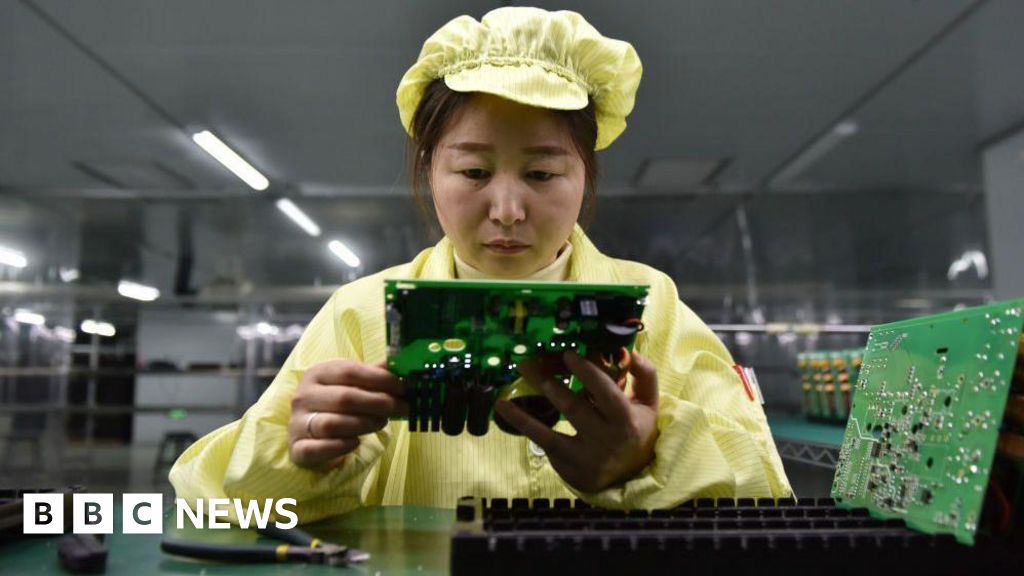
In a significant move that signals a cautious step toward de-escalating the simmering trade tensions between the two global superpowers, China has agreed to begin easing its export ban on critical automotive computer chips. This decision emerges from a landmark deal struck during a summit between Chinese President Xi Jinping and former US President Donald Trump in South Korea, the first major diplomatic breakthrough in the last few years of economic brinkmanship. The White House confirmed that this deal could have profound geopolitical impact, with trade policies once viewed as tools of coercion now potentially shifting toward cooperation.

This agreement is not merely about trade; it carries broader implications, affecting global supply chains, international relations, and the balance of economic power. According to analysts, the deal demonstrates how both nations recognize the cost of instability. The US and China jointly agreed to a series of measures that address bottlenecks and vulnerabilities, especially within high-tech manufacturing and raw material sectors. The reopening of critical chip supplies from China’s Nexperia—a Dutch-based Chinese-owned company—aims to stabilize global automobile markets, which have been thrown into disarray by previous restrictions. Historians cautious about the momentum note that these “breakthroughs” are fragile, warning that the geopolitical chess game remains incomplete, and recent policies could revert if disagreements resurface.

  • Trade war tariffs — Previously, Trump’s tariffs on Chinese goods aimed at boosting American industries but backfired by raising consumer prices worldwide. The new deal proposes a gradual lowering of these tariffs, signaling a possible return to more normalized trade relations.
  • Export controls on rare earth minerals — Beijing has agreed to pause export restrictions for a year, alleviating fears of a technological blockade that could cripple industries like aerospace and defense, underscoring the strategic importance of China’s resource control.
  • Supply of fentanyl-related chemicals — The delicate issue of chemical exports used in fentanyl manufacture is set to be addressed with new measures aimed at limiting the drug’s devastating impact on US society, amidst rising concern about the opioid crisis.
  • US soybean exports — China’s renewed commitment to purchase billions of dollars worth of American soybeans signals a move toward economic normalization, following a year of destructive trade disruptions that hurt American farmers profoundly.

International institutions like the World Trade Organization and economic think tanks have hailed the deal as a potential turning point, but many remain skeptical. This cautious optimism is echoed by analysts warning that the core issues—trust, sovereignty, and influence—remain unresolved, merely postponed for the moment. Historian Henry Kissinger and other diplomatic veterans stress the importance of robust, transparent commitments, cautioning that the path to lasting peace remains fraught with uncertainty and regional rivalries.

As the world watches these developments with bated breath, the ultimate question persists: is this agreement a genuine breakthrough or a strategic pause in a longer, ongoing contest for supremacy? With each handshake and signed document, history appears to hold its breath, perched on the brink of a new chapter—one that could reshape the global order, or plunge the world back into chaos and confrontation. The echoes of this moment will resonate through generations, reminding us that in the realm of geopolitics, peace is often fleeting and fragile—yet always worth striving for amidst the shadows of power.

US and China reach trade deal framework before Trump-Xi summit

Global Power Dynamics Shift as US and China Edge Toward Partial Trade Agreement

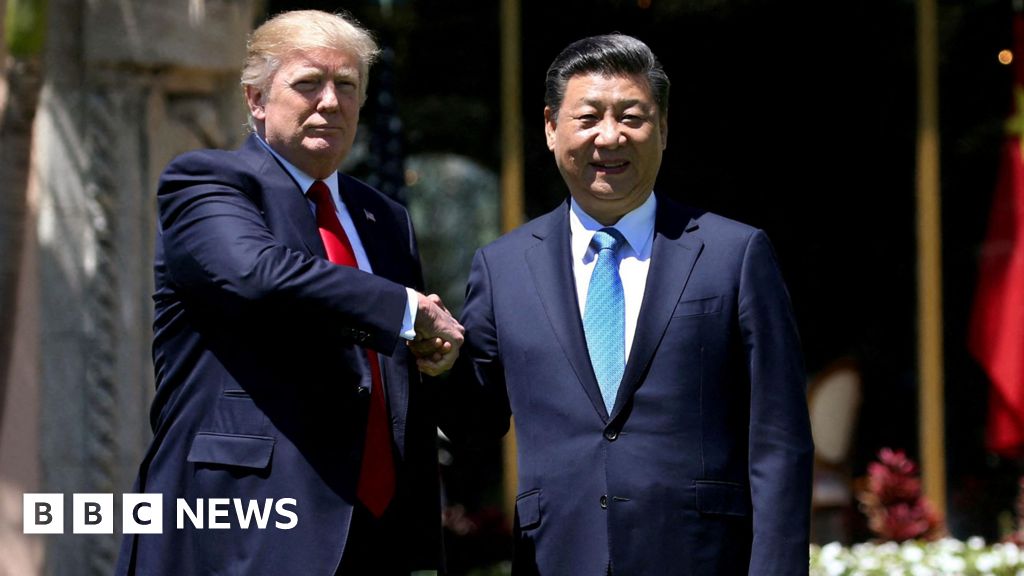
In a move that signals a potential détente between two of the world’s most influential powers, the United States and China have reportedly reached a preliminary framework for a trade deal, setting the stage for negotiations at the upcoming summit in South Korea. According to US Treasury Secretary Scott Bessent, key issues such as TikTok’s US operations and rare earth mineral controls are central to this accord. The deal, if finalized, could mark a significant departure from the recent history of relentless tariffs and escalating tensions, offering a brief respite but also underscoring the fragile nature of US-China relations amid shifting geopolitical landscapes.

This diplomatic development emerges at a time when both nations vie for global dominance and seek to avoid the catastrophic consequences of a full-blown trade war. Both governments have expressed a cautious optimism, aiming to stave off the steep tariffs threatened earlier this year, which would have further strained economic ties. The Chinese government indicated that the two sides “reached a basic consensus,” and plans are being made to “further finalize specific details,” hinting at pragmatic diplomacy in a landscape often marred by mutual suspicion and strategic mistrust. Historian and geopolitical analyst Dr. Jacob Walters notes that “such agreements, while partial, are crucial in preventing an all-out trade conflict that could destabilize the global economy.” The agreement holds particular weight because the US’s aggressive stance—particularly Trump’s threats of a 100% tariff—has heavily impacted industries and farmers in both countries.

The core issues underpinning these negotiations reveal significant geopolitical impacts and how decisions affect nations and societies. For the US, controlling the supply and access to rare earth minerals—critical components in electronics and renewable energy—has become a strategic priority amid China’s dominance, as the country processes 90% of the world’s supply. The US, under Trump’s administration, had threatened to impose tariffs and export controls, risking supply chain disruptions and economic fallout for American tech giants and manufacturers. However, China’s decision to delay tightening export controls by a year, as Bessent reported, underscores how both nations are weighing economic vulnerabilities against national security concerns. Meanwhile, the softening stance on soybean purchases indicates a willingness to reconcile economic interests with broader strategic agendas. This delicate balancing act reflects a rising awareness that economic interdependence must be managed carefully to prevent conflict in the age of globalized supply chains.

China-U.S. Relations: A Shift Toward Strategic Thaw?

Since the re-election of Donald Trump, US trade policy has oscillated between protectionism and engagement, with tariffs serving as a tool to reshape China’s trade practices. The recent moves toward a deal suggest an understanding that prolonged confrontation could threaten decades of economic progress. Trump’s initial call for dramatic tariffs, especially on Chinese imports, was driven by concerns over intellectual property theft and unfair trade practices. Yet, the tactical pause—marked by negotiations on TikTok, the targeted app of Chinese tech aspirations—may hint at a broader strategy to contain Beijing’s influence while maintaining economic leverage. This political gamble—leveraging technological dependency and economic dependence—could redefine the geopolitical chessboard for years to come. Analysts warn, however, that such agreements are fragile and must be followed by tangible actions to prevent future escalation, especially as Beijing and Washington brace for ongoing competition in technology, military influence, and regional dominance.

Added to the mix is the US’s apparent success in securing trade agreements with nations across Southeast Asia—Malaysia, Cambodia, Thailand, and Vietnam—an effort to strengthen alliances and diversify economic dependencies. These moves serve as a counterbalance to Chinese regional influence, highlighting a global contest for alignment and power. The dance of diplomacy, characterized by negotiations, threats, and tentative agreements, leaves global observers pondering the trajectory of international stability amidst rising nationalism and geopolitical rivalries.

As the world watches, history continues to unfold, teetering on the edge of a new era defined by strategic compromise and the shadows of past conflicts. These fleeting moments of diplomacy—fraught with hope yet fraught with uncertainty—may carve the future of global order. Whether this tentative framework evolves into a permanent peace or collapses under the weight of unfinished business remains an open question, echoing the age-old tension between power and responsibility, prosperity and security. In the grand narrative of history, the next chapter is yet to be written, but its consequences will resonate well beyond the corridors of power, shaping the lives and societies of generations yet to come.

Reagan Ad Sparks Trade Crisis: What Blamed for U.S.-Canada Talks Breakdown?

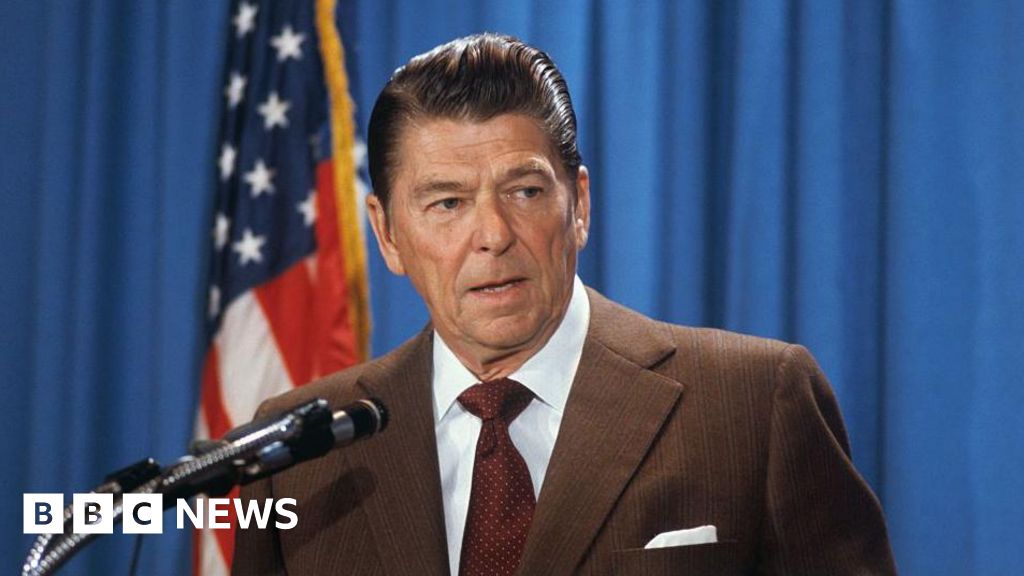
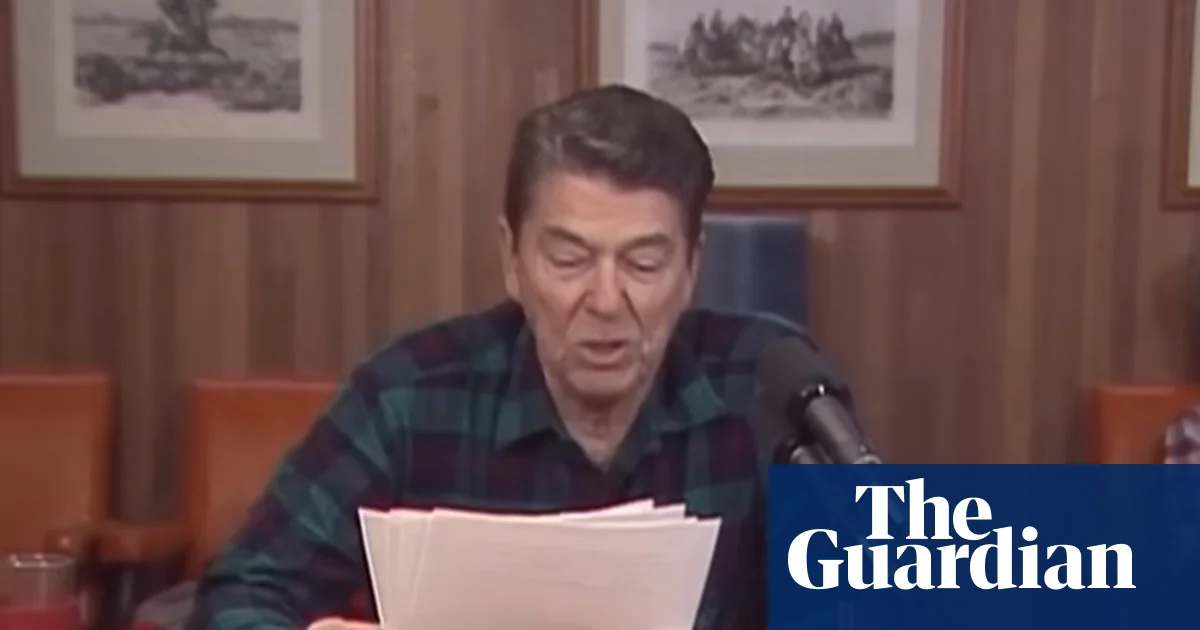
In a dramatic turn of events that underscores the fragile fabric of international economic stability, President Donald Trump has decisively halted all trade negotiations with Canada following the release of a controversial advertisement. The ad, prominently featuring excerpts from a 1987 address to the nation by Ronald Reagan, aims to highlight the perceived dangers of tariffs and protectionist policies. However, critics argue that this move reflects a broader struggle over the future direction of global trade policies—one that could reshape the geopolitical landscape for years to come.

The ad, sponsored by the Canadian province of Ontario, presents transcribed snippets of Reagan’s historic speech, emphasizing his warnings about the long-term consequences of tariffs: “Over the long run, such trade barriers hurt every American, worker and consumer.” By selectively editing and rearranging these excerpts, the ad seeks to underscore Reagan’s commitment to free trade as an economic virtue—yet the controversy surrounding it has ignited fierce political debate across North America. The Ronald Reagan Foundation quickly responded, condemning the ad as a misrepresentation of Reagan’s original message, which was fundamentally rooted in the principles of free trade and economic openness. Meanwhile, Ontario announced it would cease running the ad, citing the need to resume vital trade discussions with the United States—an indication of how high-stakes the rhetoric has become in this trade war.

Esteemed analysts from the International Monetary Fund (IMF) and various economic historians have long pointed to the historic repercussions of tariffs, echoing Reagan’s warnings from decades ago. As the 1987 address makes clear, high tariffs inevitably lead to retaliation by foreign nations, triggering escalating trade wars with devastating consequences. “Markets shrink and collapse, industries shut down, and millions of jobs are lost,” Reagan warned—a stark prognosis that resonates strongly today amidst rising tensions. Many experts see President Trump’s recent actions as part of a broader trend where geopolitical instability threatens global economic cooperation, risking a repeat of the past’s economic tumult.

The geopolitical impact of this dispute extends beyond mere trade. It signals a fundamental shift in how nations approach economic sovereignty and international alliances, especially as the United States reevaluates its trade policy stance. Countries across Europe, East Asia, and beyond are watching closely, aware that the future of free trade hinges on these decisive moments. According to international relations analysts, such moves threaten to unravel decades of progress made toward economic integration and global stability. As President Biden’s administration navigates these turbulent waters, the outcome could either reinforce the post-Cold War order or push the world back toward protectionism and economic isolationism.

With history threatening to repeat itself, the unfolding narrative leaves nations and societies standing at a crossroad where every decision echoes with the weight of history. As the world watches, the question remains: will this clash of trade visions forge a new era of cooperation or plunge the globe into a protracted economic conflict? The answer may well determine the fate of prosperity in the 21st century, reminding us that in the struggle for global influence, history’s pages are still being written, with each chapter etched into the fabric of international relations—an ongoing story that demands vigilance, resolve, and perhaps a renewed commitment to free and fair trade as the cornerstones of a prosperous future.

US-Canada clash over Reagan-era tariff attack as trade talks stall — Trump administration step in

Geopolitical Turmoil: Canada’s Trade Rift with the US Sparks International Reckoning

The recent escalation in trade tensions between Canada and the United States marks a significant turning point in international relations, highlighting the fragile nature of economic diplomacy in an era dominated by unilateral decision-making. The controversy began when the Ontario government ran a political advertisement featuring a historical speech by Ronald Reagan, emphasizing his stance that “trade barriers hurt every American worker”. The move, aimed at engaging US audiences on the impact of tariffs, unexpectedly ignited a diplomatic firestorm after Donald Trump responded with accusations of a “fraudulent” ad and, ultimately, the outright suspension of all trade negotiations with Canada. This sequence of events demonstrates how historical narratives can be weaponized in modern geopolitics, with repercussions that resonate far beyond the initial dispute.

The US-Canada trade relationship, long regarded as a cornerstone of North American stability, now faces an uncertain future. With the US imposition of 35% tariffs on Canadian steel, aluminum, and other key sectors, and Canada’s retaliatory measures, the economic fabric of both nations risks unraveling. Experts like Chris Sands, director of the Center for Canadian Studies at Johns Hopkins, warn that these developments could mark the cessation of meaningful negotiations. “Can we stop trade talks? Yes, but there was no evidence we were going anywhere anyway,” he notes, underscoring the perceived dead-end nature of current policy. The American move, fueled by political calculations amidst upcoming judicial hearings on presidential tariff authority, signifies a shift from Reagan’s ideals of free trade to a protectionist stance that threatens to destabilize the longstanding continental economic framework.

Moreover, this diplomatic breakdown occurs amid critical international deadlines. The scheduled review of the United States-Mexico-Canada Agreement in July 2026, coupled with U.S. Supreme Court hearings on Trump’s emergency tariff powers, underscores a pivotal moment for North American integration. The decision by the Canadian government to pivot towards building new partnerships in Asia reflects a broader strategy: diversifying economic reliance away from the tumultuous US market. As analysts observe, Canada’s stance is emblematic of a larger pattern—asserting sovereignty and safeguarding national interests against unpredictable American policies. Canada’s leadership now walks a tightrope, balancing domestic political pressure, regional unity, and its long-term strategic interests. These shifts will undoubtedly influence the global order, challenging established alliances and redefining how nations navigate shared economic destinies.

As history cast its long shadow over the present, the unfolding saga of North American trade relations raises a stark question: Will the echoes of Reagan’s optimistic free-trade vision be drowned out by the harsh realities of 21st-century protectionism? Or is this the beginning of a deeper reordering of global economic alliances? Only time will reveal whether these recent flashpoints are fleeting moments or the prelude to a fundamental transformation—where history’s lessons are either heeded or dismissed, and the world’s balance of power is reshaped by decisions made in moments of crisis. The weight of the future hangs heavy, as the pages of history continue to turn, writing a new chapter that will be remembered for generations to come.

Trump pulls out of Canada trade talks after anti-tariff ad controversy

US and Canada at Crossroads: Trade Tensions Ignite a New Global Crisis

The fragile landscape of international trade has once again been rocked by a provocative move from President Donald Trump, who declared an immediate halt to all negotiations with Canada following a contentious advertisement campaign. The ad, sponsored by the government of the Canadian province of Ontario, utilized audio excerpts of Ronald Reagan’s 1987 address to underscore a stark warning: tariffs harm American workers and economic stability. Trump’s swift denunciation of the campaign as “FAKE” and “egregious” signals a worsening of already tense relations, casting a shadow over the broader North American economic framework. As trade negotiations die on the vine, the geopolitical how decisions affect nations and societies becomes unmistakably clear: a trade war on the rise threatens to destabilize not only regional stability but also the global balance of power.

Analysts highlight how these moves are part of a broader pattern of challenging traditional trade agreements. Prime Minister Mark Carney has been tirelessly seeking to forge a deal that would ease the impact of U.S. tariffs—particularly those targeting Canadian goods. Yet, Ontario’s Premier Doug Ford, a vociferous critic of Washington’s tariffs—imposing a 50% levy on metals and 25% on automobiles—has openly threatened to retaliate, even suggesting cutting off power supplies to the U.S. This political tension exemplifies how doorway policies influence how societies adapt to economic pressure. The White House’s sector-specific tariffs have caused significant job losses and shrinking industries in Ontario, illustrating the tangible damage inflicted on middle-class livelihoods when geopolitical decisions prioritize protectionism over free trade. Such conflicts threaten to escalate further, raising the specter of a full-scale trade war that analysts warn could lead to economic fallout reminiscent of the early 20th century’s protectionist era.

Meanwhile, international organizations and historians are scrutinizing this modern crisis through the lens of history, with some cautioning that Trump’s aggressive stance risks reigniting Cold War-era tensions. The United States Supreme Court’s upcoming decision on tariffs’ legality looms large in this evolving narrative, potentially forcing Washington to reimburse billions collected from tariffs—an outcome that could undermine Trump’s signature economic policies. The Ronald Reagan Foundation has condemned the Ontario government for mishandling Reagan’s speech by “selectively editing” his words to serve political ends. This contentious use of history underscores how decisions in this moment could redefine diplomatic norms, and whether the legacy of Reagan, a symbol of free enterprise, can be warped into a tool of modern protectionism.

As China’s embassy in Washington indicates with similar propaganda efforts, the strategic use of historical figures and economic rhetoric underscores a broader global contest—a contest for influence, sovereignty, and economic leadership. The mounting tensions threaten to fracture longstanding alliances, pushing societies toward a pivotal choice: embrace the chaos of protectionism or rally back to the principles of free trade that once fostered unprecedented prosperity. The forces shaping this story are still unfolding, but the weight of history reminds us that the decisions taken in this crucible of geopolitical tension will resonate for generations. In the crucible of power struggles and economic brinkmanship, the world stands at a threshold, teetering on the edge of a new, uncertain chapter in history—where the echoes of Reagan and the audacity of Trump collide amidst rising tides of nationalism and global uncertainty.

China’s Growth Dip Sparks Concerns Amid Rising US Trade Fight

China’s Economic Slowdown and Rising Trade Tensions: A Turning Point on the World Stage

In recent weeks, China, the world’s second-largest economy, has signaled a noteworthy deceleration in its economic growth, with official figures revealing a 4.8% expansion in the third quarter of 2025—its slowest pace in a year. This downturn, while manageable within China’s broader economic ambitions, carries profound implications for the global order, especially given the recent escalation of trade conflicts with the United States. Over the past months, Beijing has tightened restrictions on exports of rare earth minerals, crucial to advanced technologies across the globe. Analysts warn this move could sharpen the already fragile trade truce with Washington, potentially spiraling into a new era of economic confrontation.

Despite official claims of resilience, China’s economic trajectory is now increasingly shaped by geopolitical forces. The country’s leadership, amid a pivotal summit this week, aims to chart a course for its economic blueprint between 2026 and 2030. The recent data, showing a slowdown from a 5.2% growth in July, underscores the mounting pressures from both internal challenges and external conflicts. Beijing’s government attributes ongoing growth to the vitality of its technology sector and business services—sectors that are vital to China’s ambitions of technological self-sufficiency—and it remains committed to a targeted annual growth rate of around 5%. However, as US President Donald Trump swiftly reacts to the export restrictions with threats of additional tariffs, the specter of a renewed trade war looms large, threatening to ripple across global markets.

Trade tensions are now central to the unfolding geopolitical narrative. Before the recent restrictions, Chinese businesses benefitted from a brief easing of tensions, with exports to the US rising 8.4% in September. Yet, the re-imposition of export controls, combined with potential tariff hikes, risks disrupting this fragile recovery. Meanwhile, US Treasury Secretary Scott Bessent indicated ongoing efforts to ease tensions through diplomatic engagements in Malaysia, seeking to foster dialogue between Xi Jinping and Donald Trump. The margins of compromise remain narrow as international observers, including esteemed historians and economic analysts, debate whether these moves signal mere tactical adjustments or the prelude to a sustained confrontation that could redefine the geopolitical landscape.

Meanwhile, China’s industrial output and service sector continue to perform strongly—growing 6.5% last month, driven by advancements in 3D-printing, robotics, and electric vehicles. These sectors exemplify China’s strategic pursuit of technological innovation amidst external pressures. Yet, the longer-term implications remain uncertain. Historians warn that a frayed trade fabric and rising nationalism could lead to a decoupling—a splintering of the global economic order that would leave many nations reassessing alliances and strategic dependencies. As policymakers and international institutions watch, the world teeters on the brink of a new geopolitical era—one that could favor a multipolar order or plunge into a prolonged conflict that reshapes the fabric of international society. The unfolding story of China’s economic voyage is far from over; in fact, it appears to be entering a new chapter, where every decision carries the weight of history, shaping the destiny of nations and societies in ways yet to be fully understood.

Social Media Auto Publish Powered By : XYZScripts.com