Matox News

Truth Over Trends, always!

RSC’s Game of Thrones Play Promises an ‘Immersive’ Experience Rooted in Tradition and Power

In an era where technological advancements threaten to alienate us from authentic human experience, a profound shift is emerging in the realm of cultural engagement: the desire for living and breathing the same space as the characters. This phenomenon signifies a renaissance of tradition and identity, as audiences seek to transcend the passive consumption of art and reclaim an active, visceral connection with the cultural narratives that shape their understanding of society. Such a movement echoes the timeless philosophical assertion that culture is both our memory and our prophecy; it embodies our history while guiding our future, offering a bridge between generations through shared aesthetic and moral values.

At its core, this immersive approach to culture reflects a culture’s intrinsic capacity to serve as a repository of identity. As the French historian Tocqueville observed, societies rooted in a rich cultural fabric are more resilient, more capable of nurturing a collective sense of purpose. Today, this resilience is manifest in performance art, immersive theatre, and virtual reality experiences that foster a sense of participation rather than observation. The audience, no longer a detached observer, becomes a vital part of the narrative, inhabiting the lived spaces of tradition and myth. This aligns with the philosophical stance of Ortega y Gasset, who emphasized the importance of life as a permanent dialogue between individual existence and cultural expression—an active engagement that sustains societal vitality.

Artistically, this evolution signifies a return to the classical ideals of participatory experience. Works that once merely represented life are now designed to involve the spectator directly in its unfolding, echoing the gestures of Augusto Boal’s Theater of the Oppressed, where dialogue and action dissolve the boundaries between performer and audience. Such phenomena underscore a core truth: culture is not only what we inherit, but also what we choose to embody and forge anew. This renewed emphasis on embodied participation underscores a broader societal trend: the recognition that tradition, when actively lived, fosters a shared sense of purpose and moral clarity. It is a response to the vacuum of meaning in modern life, an affirmation that our cultural past bears the seeds of our collective identity and future.

As the cinematic critic T.S. Eliot once asserted, the true function of art is to help us see again, to remind us of our initial clarity amid the chaos of modern existence. Today, this immersive cultural renaissance offers a path toward rediscovering that clarity—an acknowledgment that our cultural continuity is vital not only to preserve identity but to inspire prophecy. When we live and breathe among the characters of our shared stories, we become active participants in a grand, ongoing dialogue—an echo of human history that continues to unfold, inspiring us to cast anew the molds of tradition and hope. Culture, therefore, is neither relic nor mere ornament; it is a vital breath of life that sustains the soul of society—a poetic testament to the enduring human journey, weaving memory and prophecy into a tapestry of the enduring human spirit.
Italian town faces fierce street clash, echoing the fight for tradition

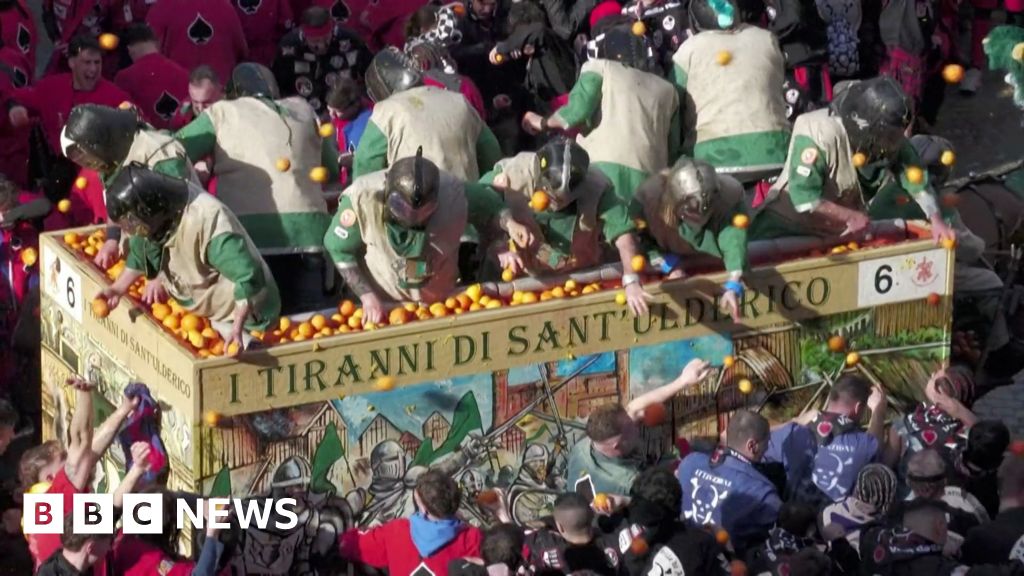
In a display of vibrant tradition and historical resilience, Ivrea, a northern Italian town near Turin, continues its annual Battle of the Oranges, an event that preserves a centuries-old legend of uprising and liberation. This spirited celebration, rooted in medieval history, is more than just a riot of color and fruit; it symbolizes the enduring spirit of society against tyranny. As participants hurl oranges at each other, they reenact the legendary defiance of Violetta, a miller’s daughter who confronted an oppressive tyrant and helped unshackle the town from despotism. Such cultural expressions are vital in reinforcing national identity in a time when global events increasingly threaten local traditions.

The Battle of the Oranges features nine teams representing the townspeople who once revolted to overthrow feudal oppression, with the oranges themselves symbolizing the fruits of their victory. The spectacle involves intricate choreography—teams on foot face off against horse-drawn carriages loaded with oranges—demonstrating the historical conflict between the oppressed and their overlords. According to organizers, the oranges are not meant for consumption; rather, they are collected and repurposed as fertilizer afterward, highlighting an environmentally conscious dimension to the event. Historians and cultural analysts emphasize that such festivals serve to reinforce community cohesion and cultural pride, especially amid mounting international uncertainties.

In the broader context, Italy’s tradition of carnival celebrations reflects a society keen to preserve its cultural uniqueness despite the homogenizing forces of globalization. Countries across Europe, from Spain to France, maintain their own versions of festive resistance—each emphasizing historical narratives that bolster national pride. International organizations acknowledge that these events contribute positively to local economies and regional identities, but they also serve as subtle acts of cultural defiance against the tides of global conformism. The resilience of such traditions underscores the importance of protecting local histories from being overshadowed by international commercial interests.

As global powers navigate a landscape of shifting alliances, economic upheavals, and ideological clashes, the significance of maintaining national stories like Ivrea’s is more crucial than ever. Decades from now, historians may see these festivals as the quiet acts of rebellion that kept a culture alive amidst a rapidly changing world. In a time where international institutions and diplomatic treaties often threaten sovereignty and cultural autonomy, the defiant spirit embodied in the Battle of the Oranges reminds us that history, much like the fruit hurled in jest, can be a potent symbol of struggle and resistance. The question remains: in an era of globalization, who will be the custodians of national identity, and at what cost? The story of Ivrea’s carnival suggests that the answer lies not just in diplomacy but in the collective memory of communities that refuse to be silenced, weaving their stories into the very fabric of history itself.

David Hockney’s iPad sketches of Yorkshire Wolds set for auction—art on the rise, tradition meets tech

International Art Market Anchored by David Hockney’s Revolutionary iPad Drawings

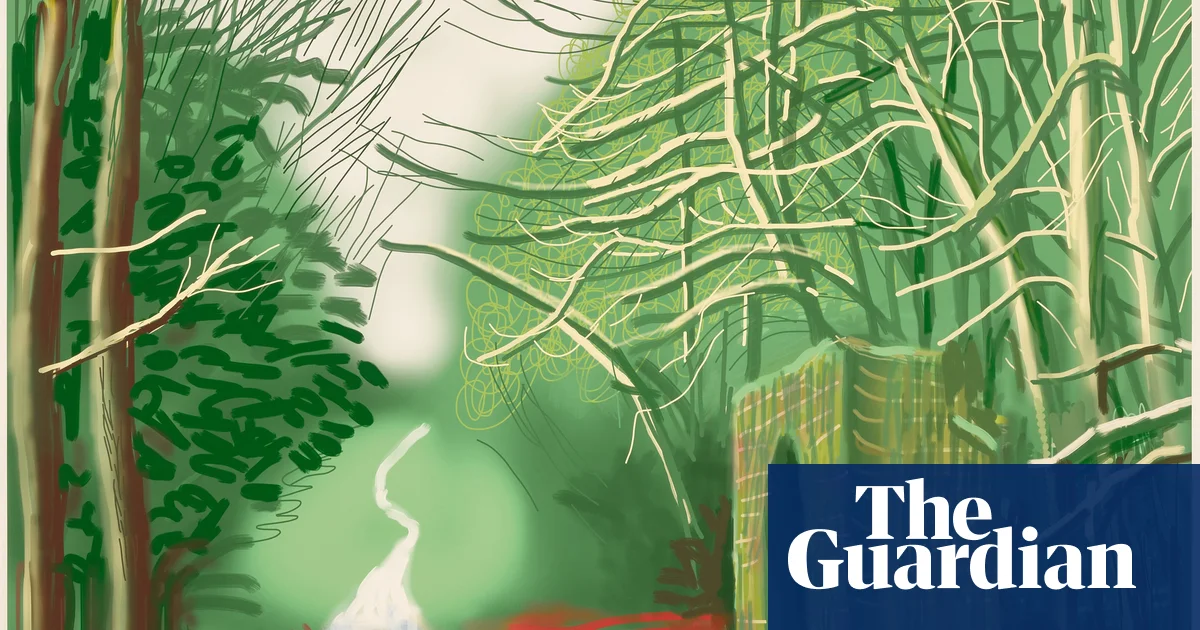
In an extraordinary display of artistic innovation, British artist David Hockney is making headlines as Sotheby’s announces the sale of 17 of his iPad drawings from his acclaimed series, The Arrival of Spring in Woldgate. This collection, the most significant grouping of Hockney’s digital works ever to reach the auction block, signals a momentous shift in the intersection of technology and fine art. Set to go under the hammer during the peak of London’s prestigious Frieze art fair, these pieces are expected to command a combined value exceeding £1.7 million, with individual estimates reaching up to £180,000. The event underscores the growing acceptance and valuation of digital mediums within a traditionally conservative art market, highlighting a changing landscape that transcends borders and generations.

Hockney’s pioneering embrace of iPad technology—initially introduced to the public in 2010—has challenged long-standing norms about how art is created, perceived, and appreciated worldwide. His move from the sunny climes of Beverly Hills to the more temperate Yorkshire Wolds was driven by inspiration rather than environment, as he sought to capture the subtle arrival of spring in the face of unpredictable northern European weather. Recognizing the limitations of en plein air painting in British winters, Hockney innovated by adapting his artistic process to digital screens, producing vivid, detailed drawings that eloquently depict the changing seasons. “Turner would have loved it,” Hockney famously remarked, alluding to the historic painter’s admiration for capturing natural light and transient moments—traits that now find a new vehicle in the iPad’s capabilities.

This sale not only cements Hockney’s status as a trailblazer but also serves as a broader barometer for the geopolitical impact of digital art. International organizations and art critics argue that Hockney’s successful monetization of iPad works challenges traditional notions of artistic hierarchy, emphasizing the democratization of creation tools and expanding the reach of art to younger, tech-savvy audiences worldwide. As noted by cultural analysts and historians such as Martin Gayford, the medium’s fluidity allows artists to explore subtle transparency and layered textures akin to Turner’s oil sketches—yet, the digital shift signifies a broader cultural pivot that influences societies’ perceptions of authenticity, value, and heritage.

The market’s reception has been remarkably positive, with Sotheby’s remarks indicating that the rarity of such a significant collection of iPad creations is unprecedented in the modern art world. “Most collectors treasure their digital copies intensely, and these prints are no exception,” Yessica Marks, Sotheby’s head of prints, explained. Analysts emphasize that this sale could set a precedent, encouraging a renewed appreciation for digital works and accelerating their integration into mainstream collectors’ portfolios. This echoes a larger international trend where key nations—especially those heavily invested in technological innovation—are shifting cultural investments towards digital and hybrid forms of creative expression. The results of this auction, therefore, could influence global art valuation standards and influence policy regarding digital intellectual property rights in the arts.”

As the hammer prepares to fall in London, the implications ripple beyond the gallery walls; they symbolize a paradigm shift that could redefine art history itself. In the unfolding fabric of modern history, Hockney’s digital sketches might mark the beginning of a new era—one where technology and tradition coalesce to craft a narrative of human creativity that is both timeless and ephemeral. The world watches as this narrative continues to unfold, deepening the debate: how do we preserve cultural memory in an age rushing toward digital dominance? The answer awaits, hidden within these vibrant, layered images—silent witnesses to a decisive turning point in the ongoing saga of art and society.

Springsteen: Deliver Me From Nowhere – A Gritty, Authentic Biopic That Navigates Between Tradition and Fresh Perspectives

In an era saturated with biographical renditions, the musical biopic has become both a commonplace and a mirror of society’s collective identity—an artifact reflecting our fascination with genius, struggle, and the mythos of artistic creation. As Timothée Chalamet rightly observes, the formulaic patterns of this genre can breed skepticism; yet, it is precisely within these familiar frames that culture reveals its deeper, enduring significance. The stories told through film serve not only as entertainment but as an extension of societal memory—reverberating past triumphs and failures, shaping present perceptions, and foreshadowing future possibilities. Here, the biopic functions as a vessel for cultural continuity, anchoring the individual’s journey to the collective destiny of society itself.

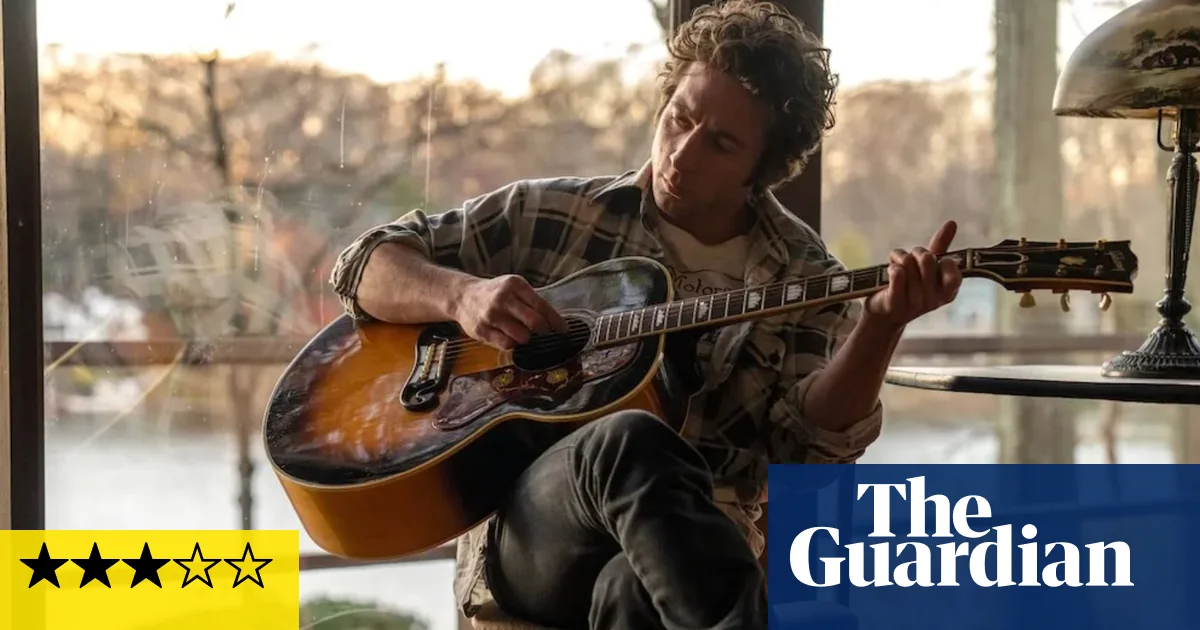
This connection is vividly exemplified in recent portrayals of icons like Bruce Springsteen. Films such as Deliver Me from Nowhere venture into the depths of the artist’s creative and personal turmoil, revealing a terrain where genius is often cloaked in fragility. Seen through the lens of thinkers like Ortega y Gasset, culture is a living organism, embodying the <vital spirit of a society>—a blueprint for identity, resilience, and the ongoing quest for meaning. Springsteen’s story, set amidst the turmoil of his early 30s and the cultural upheavals of the early 1980s, underscores this relationship. His artistic pursuit—shaped by the raw realities of blue-collar America and inspired by narrative voices like Flannery O’Connor—transcends mere entertainment; it is an act of cultural affirmation, a way for society to confront its own shadows while aspiring toward renewal.

Within this cinematic reflection, there emerges a narrative of resilience against homogenization, of the importance of preserving the traditions and memories that form the backbone of societal identity. Like Chesterton’s view that “the modern mind is a mind of escapism,” the danger lies in losing sight of the deep roots that anchor us. Whether it is the recording of Bruce’s acoustic demos, capturing the blue-collar heartbeat of America, or the intimate portraits of his family life, the essence of these stories lies in their candid acknowledgment of human vulnerability. They remind us that culture is a living dialogue, a bridge between the history that shapes us and the foresight that guides us. In this way, the artist’s journey becomes less a mythic narrative and more a testament to the unending pursuit of authenticity amid the noise of success.

As the poetry of human memory and prophecy of hope intertwines, it compels us to see culture not merely as a reflection, but as a catalyst for the future. The stories of singers, poets, and prophets, captured in film and song, serve as the grooves of our collective record. Their relevance is timeless, reminding us that in understanding the echoes of the past, we reveal the contours of our shared destiny. Culture, therefore, is neither static nor insular; it is the living archive of our identity, an ongoing composition that bears witness to our wounds and aspirations alike—ever echoing, ever evolving, and forever speaking the language of humanity.”

Social Media Auto Publish Powered By : XYZScripts.com