Matox News

Truth Over Trends, always!

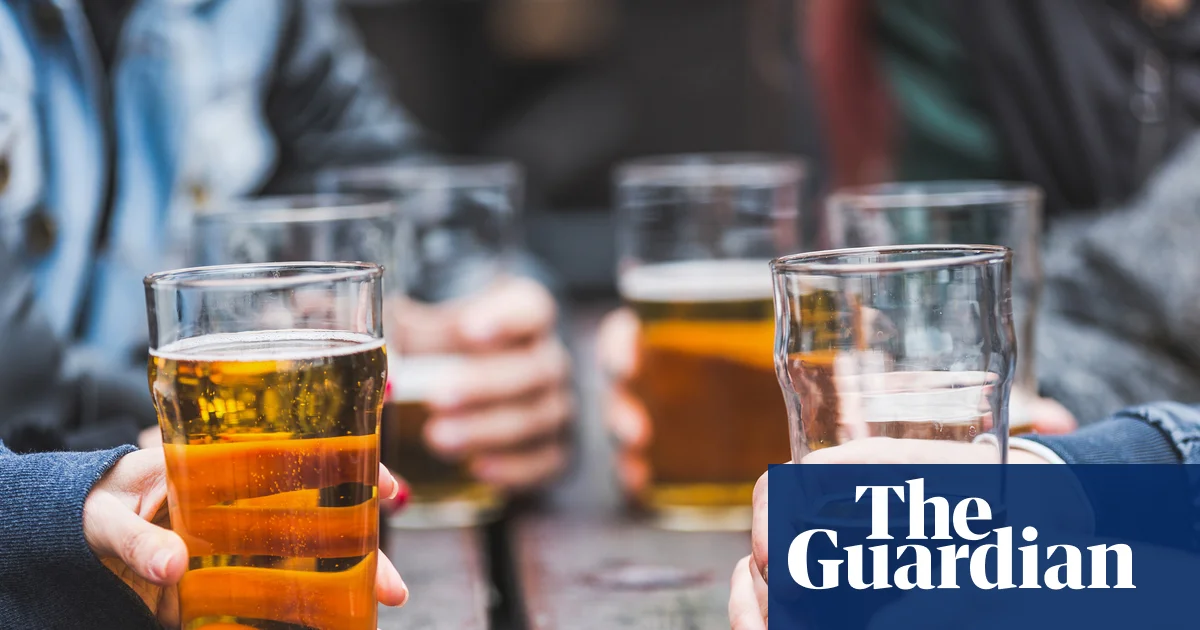
Late-night pub openings undermine traditional values and societal spirit

Recent government initiatives, such as extending licensing hours for pubs and alcohol sales, reveal a troubling societal shift that impacts families, education, and community cohesion. The move appears aimed at stimulating economic growth by encouraging late-night drinking, yet many analysts question whether this strategy addresses the core issues faced by our communities. At the heart of this debate lies a critical tension: how do we balance economic needs with the protection of public health and social stability? Sociologists like Frank Furedi warn that policies promoting unrestricted alcohol access may inadvertently deepen social divisions, foster unhealthy lifestyles, and erode the moral fabric that holds families together. The increase in alcohol-related harm, including the record-breaking 10,473 alcohol-specific deaths recorded in 2023 — and the society-wide cost of approximately £27.4 billion annually — serve as stark reminders of what excessive drinking engenders across generations.

The continuing trend of longer pub hours seems at odds with the NHS’s ongoing efforts to mitigate alcohol misuse, which deeply affects mental health and community stability. Alcohol misuse is associated with depression, anxiety, and violence, threatening the well-being of our youth and vulnerable populations. The social fabric frays further as families face the consequences of addiction, with children often bearing the emotional scars of parental neglect or chaos stemming from alcohol abuse. Social commentators, including Alan Walker, emphasize that these policies may serve the interests of commercial industries rather than the well-being of society, suggesting that the true solutions lie elsewhere. The challenge is ensuring that economic incentives do not overshadow moral obligations to protect vulnerable members of society and uphold the integrity of our communities.

In contemplating these policy choices, it becomes clear that the societal cost extends beyond health and economics to the core of our shared cultural values. The push for longer pub hours, coupled with efforts to introduce ID cards and restrict free speech, all signal a broader societal shift that increasingly questions the balance between individual freedoms and social responsibility. As historian Paul Johnson notes, societal health depends on strong, cohesive communities rooted in shared values and moral responsibility. When families are impacted by addiction, and communities struggle under the weight of social tensions, the promise of a resilient society seems distant. Yet, amidst these challenges, there remains hope. By fostering greater community engagement, strengthening national moral foundations, and resisting the influence of those who profit from societal harm, society can begin to repair the fractures. The future may hinge on our collective ability to prioritize *moral integrity* over short-term economic gains—an endeavor that begins with acknowledging the profound human impact of social policy decisions.
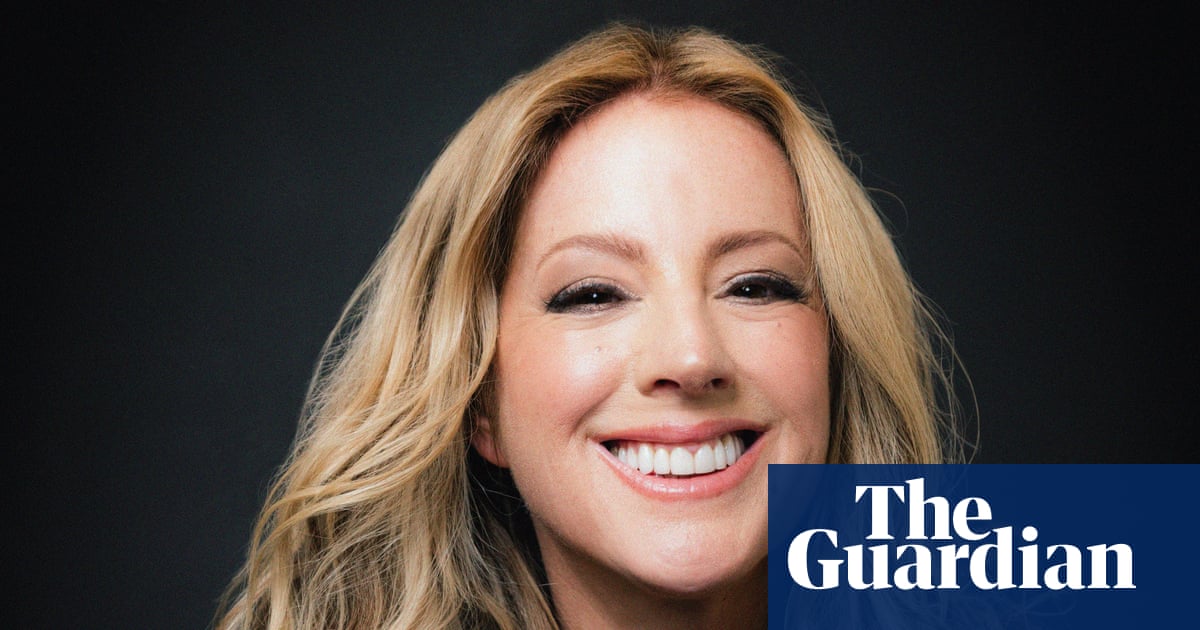
Empowering Voices: Sarah McLachlan Reflects on Her Journey Against Traditional Roles in Music and Beyond

Sarah McLachlan, a name once synonymous with the vibrant, empowering movements of the 1990s music scene, finds herself contemplating her artistic identity after an 11-year hiatus from releasing original songs. In her own words, she pondered, “What do I have to say at this point in my life?” Such introspection reveals a broader cultural conversation regarding the implications of identity, privilege, and societal expectation on artistry. McLachlan’s emergence during an era marked by the rise of female singer-songwriters, including luminaries like Alanis Morissette and the Indigo Girls, made her more than just an artist; she was a cultural icon who challenged conventional narratives and reshaped our understanding of gender roles in music and beyond.

McLachlan’s legacy can be traced back to her founding of Lilith Fair, a revolutionary music festival convened to celebrate female musicians and dismantle the prevailing gender biases of the industry. In a time when radio stations claimed it was “too much” to have more than one female artist on the airwaves, McLachlan bravely organized a series of all-female concerts that blossomed into a nationwide phenomenon. This bold move not only defied societal expectations but also drew attention to the, at times, insidious sexism inherent in the music industry. As cultural critic Tocqueville once noted in reference to democratic values, it is often the undercurrents of social mores that shape a culture’s identity. McLachlan and her contemporaries exemplified the resilience of women standing against such currents.

In her recent works, McLachlan continues to grapple with the complexities of her position in society. Addressing contemporary issues through songs like “One in a Long Line,” she projects her concerns regarding the erosion of women’s rights onto a canvas that resonates with upcoming generations. Her emphasis on community and unity stands as a counterpoint to divisive political narratives. McLachlan aptly states, “It’s about the generations coming forward and what we’re creating for them and what the world’s going to look like.” This articulation of legacy and responsibility aligns with the notions laid down by Ortega y Gasset, who emphasized the importance of the individual’s role within the broader societal context. McLachlan serves as both a witness and a participant, a voice urging younger generations to assert their own narratives in a world rife with complexities.

Ultimately, the recent resurgence of McLachlan’s work not only highlights her evolution as an artist but underscores the vital connection between culture, identity, and societal values. A new documentary, Lilith Fair: Building a Mystery, re-examines the festival’s powerful legacy, portraying the joy and solidarity it fostered amidst a backdrop of cultural turbulence. The documentary serves as both a reminder of what has been accomplished and a clarion call for future generations to continue the fight for equality and representation. As McLachlan herself muses, “Is it just fear? Is it control?” Thereby, she reflects the philosophical quest for understanding the roots of cultural dynamics that perhaps stymie progress. In a world where art often mirrors society, McLachlan exemplifies the enduring power of culture to shape identity and forge collective memory—a lingering echo of the past that resonates with hopes for a more promising future.

The rich tapestry of McLachlan’s life and work illustrates that culture is more than mere entertainment; it is a vessel of memory and an architect of tomorrow’s identity. In her lyrics and public stances, we witness the echo of G.K. Chesterton’s assertion that “tradition means giving votes to our ancestors.” For McLachlan, the reverberations of the past fuel her ambition to craft a future defined not by constraints but by compassion and creativity. As we engage with her music, we are reminded that culture not only preserves our identities but also foretells the ever-evolving narrative of humanity—a narrative that is at once a reflection of who we have been and a prophecy of who we may yet become.

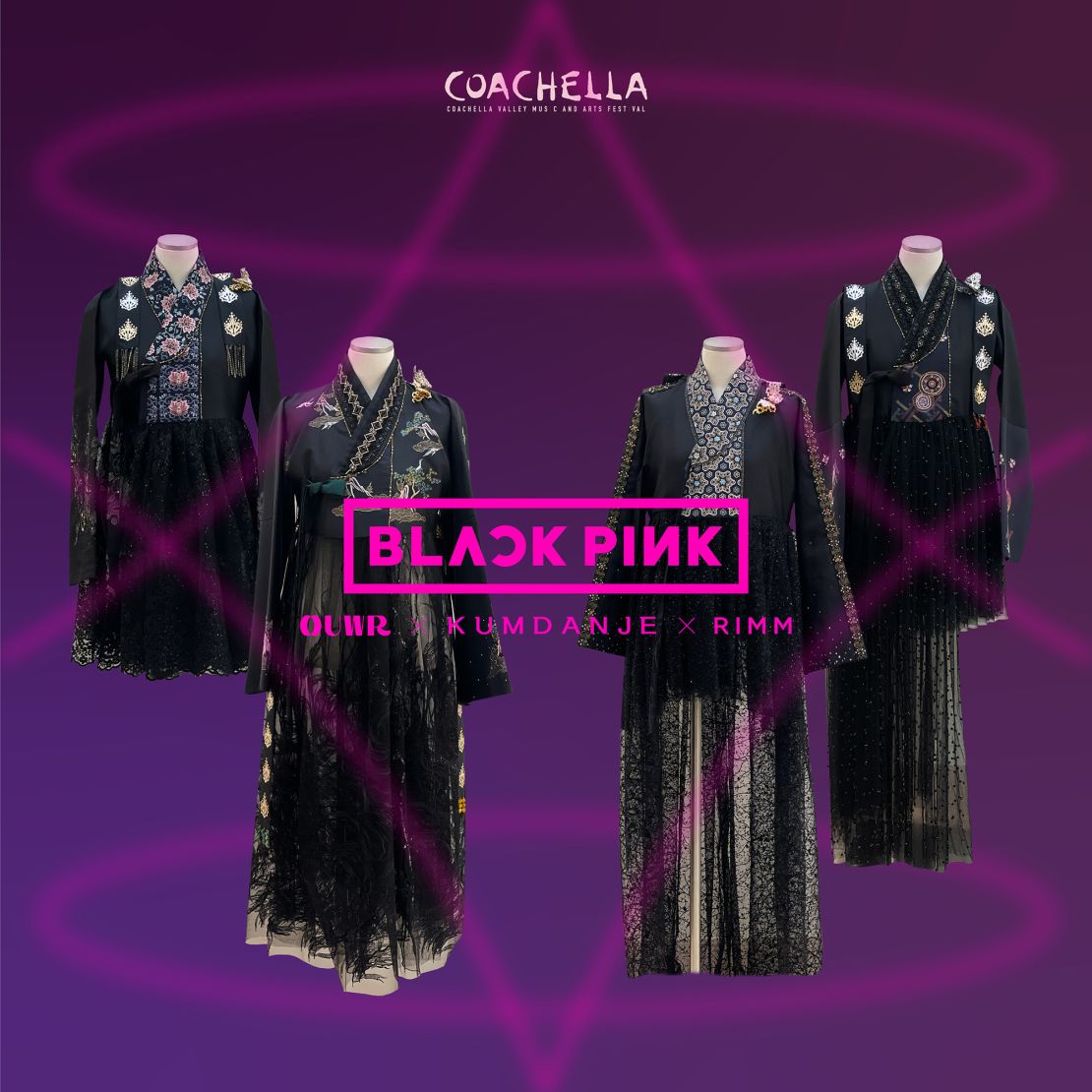
Blackpink Turns Heads at Coachella in Traditional Hanboks

Blackpink’s Historic Coachella Performance and the Rising Role of Korean Culture in Global Politics

In a moment that transcended entertainment and echoed across the geopolitical landscape, Blackpink, the iconic K-Pop girl group, made history at Coachella 2023 by becoming the first Asian act to headline the festival. Their performance, attended by over 125,000 fans, was not merely a display of musical talent but a deliberate assertion of cultural pride. The group honored their Korean heritage by debuting on stage in stunning hanboks, traditional Korean garments richly embroidered with symbolic motifs. This act was a potent statement, intertwining fashion, culture, and geopolitics, highlighting how nations leverage cultural diplomacy to elevate their influence on the international stage.

The significance of this moment extends far beyond the festival grounds. By incorporating hanboks into their performance, Blackpink subtly challenged Western-centric narratives that have historically marginalized Asian cultures in global pop and political spheres. According to cultural analysts, such displays of cultural pride serve as a form of soft power—an assertion of identity in a world often dominated by Western hegemony. The group’s ability to seamlessly fuse traditional Korean elements with modern pop iconography exemplifies the rising influence of South Korea as a cultural powerhouse, capable of shaping international perceptions and expanding its soft power reach.

The Cultural and Political Roots of Korea’s Expanding Global Influence

In recent years, South Korea has steadily ascended as a major player in both global culture and geopolitics. From the global dominance of K-Pop to Korean cinema’s critical success, the country’s cultural exports have become vital tools for shaping international narratives. Historians and geopolitical commentators argue that this cultural ascent correlates with South Korea’s strategic state policies aimed at fostering national pride and leveraging cultural diplomacy as a counterbalance against North Korea’s persistent threat. The use of traditional garments like hanboks during such high-profile events signals an intentional effort to promote Korea’s rich heritage, making cultural identity a cornerstone of their nation-branding strategy.

Furthermore, the appearance of hanboks with intricate embroidery or modern adaptations at major fashion events—such as Seoul Fashion Week or Milan Fashion Week—demonstrates a deliberate attempt by Korean designers to present their culture globally. International organizations and industry analysts alike recognize this as a calculated move that consolidates Korean soft power, bolster ties with diaspora communities, and perpetuate a narrative of cultural resilience. This is especially critical considering the regional tensions in East Asia, where soft power becomes an essential tool for diplomacy and influence without direct confrontation.

Fashion as an International Language of Power and Identity

The spectacle at Coachella was not only cultural but also deeply political. Internationally renowned fashion brands like Dolce & Gabbana and local artisans contributed to the group’s look, transforming their stage into a visual manifesto of Korean cultural resurgence. As historians note, fashion has long served as an expression of power and identity—witness Madonna’s Jean Paul Gaultier cone bras or Geri Halliwell’s Union Jack mini dresses—each moment capturing a turning point in cultural history. The use of hanboks, embroidered with symbols of royalty like peonies, underscored a refusal to let traditional culture be confined to the past, instead presenting it as a living, breathing force shaping Korea’s future aspirations.

As the world watches this evolution, the message is clear: nations are increasingly aware that soft power through culture can reconfigure global narratives, shape alliances, and influence societal perceptions. The cultural diplomacy embodied by Blackpink’s groundbreaking performance, therefore, marks not just a moment of teenage fanfare but a pivotal junction in the ongoing contest for influence—where tradition meets modernity on the grand stage of geopolitics.

If history is any guide, the echoes of this event will resonate through generations, a testament that when nations harness their cultural symbols at moments of global visibility, they carve their names into the fabric of history. As we stand on the brink of further shifts, one thing remains undeniable: the stages of the world are the new battlegrounds for influence, where tradition and innovation collide amid the relentless tide of change.

Social Media Auto Publish Powered By : XYZScripts.com