Matox News

Truth Over Trends, always!

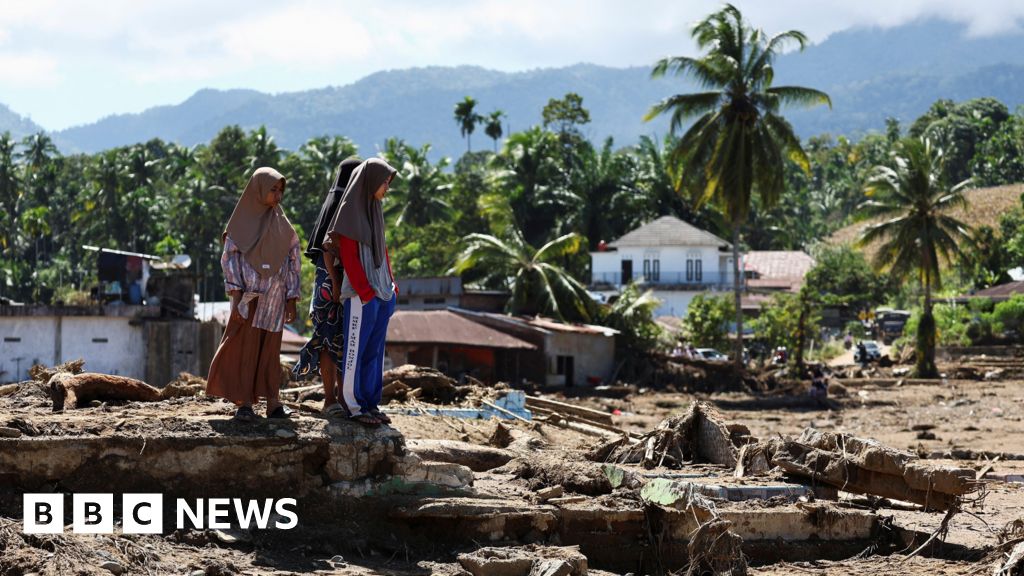
Floods in Indonesia claim over 500 lives — a tragic wake-up call for action

Indonesia is currently grappling with a devastating natural disaster that underscores the growing **geopolitical impact** of climate-related events. Over the past week, **floods caused by a rare cyclone over the Malacca Strait** have resulted in the deaths of more than 500 individuals, with the toll expected to rise as rescue operations struggle to reach the worst-affected provinces. As the world’s fourth-most populous nation, **Indonesia’s** turmoil resonates well beyond its borders, reflecting broader regional vulnerabilities and the global challenge of climate adaptation. This tragedy highlights how nature’s fury is no longer confined to isolated zones but now reshapes geopolitical stability and socio-economic fabric in Southeast Asia. Governments and international organizations worldwide are analyzing the aftermath to gauge future risks and the adequacy of disaster response mechanisms amid accelerating climate change.

Across **Aceh, North Sumatra, and West Sumatra**, thousands remain cut off from essential supplies, with many victims living in conditions marked by absolute despair. Amidst mudslides, washed-away bridges, and impassable roads, rescue workers face immense difficulty in delivering aid, exacerbating the crisis. Historians and analysts warn that modern Southeast Asia’s vulnerability to such floods is intensifying because of **climate change**, which scientists claim is making storms more intense and frequent. The Indonesian government’s response, led by President Prabowo Subianto, emphasizes national resilience but is criticized by some for bureaucratic delays hampering immediate aid deployment. This event serves as a stark reminder of **how decisions or lack thereof** on environmental policies can directly affect millions, transforming environmental disasters into security and political crises. The **International Panel on Climate Change (IPCC)** has previously warned that a warming planet will only magnify these events, requiring urgent global cooperation and strategic foresight.

As this climate catastrophe unfolds, the *regional geopolitical landscape* is also shifting. Countries like **Malaysia, Thailand, and Sri Lanka**, all experiencing their own severe weather episodes recently, exemplify a pattern where **climate disruptions** threaten regional stability. Borders are blurred as migrant flows and resource shortages intensify, and competition for aid and influence among nations becomes palpable. In this climate era, every severe storm underscores the importance of regional alliances and international support, but also exposes gaps in disaster preparedness and climate resilience. Meanwhile, *analysts* from institutions like the **World Meteorological Organization** contend that such events are accelerate due to **human activity**, making climate diplomacy an urgent geopolitical issue that transcends national borders. This interconnected crisis demands strategic, multilateral approaches—yet it also raises questions about sovereignty and the ability of governments to protect their populations from these rapidly escalating threats.

As the dust settles over Indonesia’s flooded landscapes, history’s grand narrative continues to unfold. The current catastrophe is not just a tragedy—it is a warning from the natural world, a call for unity in the face of mounting adversity. The *coming years* will determine whether nations can learn from this disaster and forge resilient pathways forward or fall victim to the chaos that unchecked climate change can bring. In the shadow of this unfolding crisis, the global community faces a stark choice: adapt and prepare or watch as the edge of history rewrites itself amid relentless storms and rising seas. The echoes of this crisis will resonate far beyond the flooded plains of Indonesia, resonating as a critical turning point in the ongoing story of humanity’s struggle with nature’s unleashed power.

Parents blame system failure as NHS fined £200,000 over tragic death of daughter

In recent months, a tragic and sobering case has underscored the profound significance of societal and institutional responsibilities in safeguarding families and communities. The death of Ellame Ford-Dunn, a 16-year-old girl battling severe mental health issues, highlights glaring deficiencies in the NHS system tasked with protecting its most vulnerable members. The tragic sequence—her absconding from a 24-hour acute mental health ward and subsequent suicide—has ignited debates about the integrity and adequacy of mental health services, especially for young people. Her parents have publicly expressed their profound grief and anger, emphasizing that their daughter was failed by a system designed to safeguard her.

The failures go beyond individual negligence, illustrating a deep systemic shortcoming. According to officials, the supervising nurse did not follow Ellame when she left the ward—an act justified by instructions not to pursue patients who absconded. This procedural lapse was linked to broader issues such as the national shortage of mental health beds for children and adolescents, which has forced overwhelmed institutions into making difficult decisions. The trust involved pleaded guilty to criminal health and safety offences and was fined £200,000 plus costs, acknowledging its failure to provide safe care. Yet, critics argue that financial penalties are insufficient when weighed against the human cost of such tragedies, asserting that these incidents reveal failures embedded within the very fabric of an understaffed and underfunded mental health infrastructure.

Expanding beyond the immediate case, experts and social commentators warn that such failures threaten the fabric of family and community life. Societal institutions—including schools, health systems, and community organizations—are interconnected in a delicate web of support. When one strand weakens, families are left to bear the burden of preventable losses. Historically, sociologists such as Émile Durkheim have emphasized that social cohesion relies on trust in institutions—trust that must be rooted in accountability and effective service delivery. Within this context, the ongoing struggle to adequately resource mental health services for youth reveals how social neglect can produce devastating outcomes that ripple through generations. This case acts as a stark reminder that families, especially those with vulnerable children, pay the highest price when systems falter, and that societal failure to adapt to evolving mental health challenges risks fracturing the moral fabric of communities.

Yet, amidst grief and calls for reform, there lies a persistent hope that society can reflect on these failures and transform them into catalysts for real change. As mental health experts advocate for more comprehensive policies and increased funding, there is a pressing moral imperative to prioritize the well-being of our youth. The story of Ellame is not merely a story of tragedy but a call for society to recommit to its moral duty—envisioning a future where no parent must endure such loss, and where institutional failures give way to resilient, caring systems responsive to the needs of children in distress. Society must unite in this challenge, for in our collective response, lies the potential to forge a future where safety, dignity, and hope are accessible to every vulnerable child, and where the scars of past failures serve as lessons guiding a society toward true justice and compassion.”

Netflix’s Selena Documentary Honors Her Inspiring Legacy While Respectfully Addressing Tragic Endings | Cultural Highlights

Remembering Selena Quintanilla: The Cultural Legacy of a Star Gone Too Soon

In the tapestry of American cultural history, few figures evoke both admiration and tragedy as poignantly as Selena Quintanilla. Her story transcends mere fandom, embodying the vital connection between culture, identity, and societal aspirations. As the Queen of Tejano Music, Selena’s ascent was a reflection of a vibrant, evolving Latin American identity in the United States—a testament to how tradition and modernity can intertwine to forge a new, powerful cultural expression. Her untimely death at just 23, murdered by her employee Yolanda Saldívar in 1995, was not merely a personal tragedy but a cultural rupture, one that left a void in the heart of her community and a question about the price of fame for those who dare to challenge societal boundaries.

Yet, Selena’s life, as documented through recent works like Netflix’s Selena y Los Dinos: A Family’s Legacy, underscores her profound influence not only as an artist but as a symbol of youthful perseverance and cultural authenticity. Director Isabel Castro’s intimate portrayal reminds us that cultural icons are not just commodities but custodians of tradition—carriers of stories that define who we are and who we aspire to be. The documentary captures Selena’s blend of raw talent and authentic charm, revealing her as a young woman who balanced the demands of burgeoning superstardom with the enduring spirit of her roots. Her early years fronting her family band, despite sacrifices like missing out on childhood friendships, echo Ortega y Gasset’s notion of the artist as a creator of reality, shaping culture through persistent effort and authentic expression.

The Power of Culture as Identity and Prophecy

  • Selena’s music was not solely entertainment but a bridge to affirm her community’s identity—reclaiming Hispanic traditions in a rapidly Americanizing landscape.
  • Her fashion and style became symbols of cultural pride, offering a modern reinterpretation of heritage that resonated deeply with her fans.
  • Her personal journey, including her pursuit of fluency in Spanish and her romantic union with Chris Pérez, exemplified the human desire to reconcile tradition with modernity—an ongoing dialogue between past and future.

Philosophers like T.S. Eliot have noted how culture mirrors inner life, serving as both memory and prophecy. Selena’s story encapsulates this duality: her songs echo the collective memory of her community, while her aspirations and personal growth hint at a future where Hispanic-American culture continues to evolve and influence the national tapestry. The tragic rupture—her murder— reminds us that the preservation and nurturing of cultural identity are fragile, yet fragile things often bear the deepest meaning. Her legacy persists not just in her music but in the cultural currents she helped shape, urging young people today to see their roots as a source of strength and innovation.

Culture as Humanity’s Living Memory

In the final moments of Castro’s documentary, Selena’s father gazes upon her museum, a shrine not just to a star, but to the enduring power of cultural memory. “They took her life,” he says quietly, “but we’re going to keep her alive through her music.” It is a reminder that culture is both a living memory and a prophecy of what humanity can achieve when rooted in tradition yet open to transformation. As Chesterton once celebrated, the true wonder of culture lies in its capacity to turn the past into a living voice, whispering to each new generation that human greatness is born from the reverent preservation of memory and the fearless pursuit of future horizons.

In this ongoing dance between memory and prophecy, Selena’s story remains an emblem of resilience. Her luminous presence, captured in song and spirit, guides us to remember that our cultural roots are not anchors of the past but rather the wings with which we reach toward tomorrow—a testament that, in the sanctuary of tradition, humanity’s best ideals are preserved, celebrated, and endlessly reborn. And so, her story—like all true culture—calls us to see that we are both the heirs and the prophets of our collective human narrative, forever reaching toward the horizon of what we might become.

Second brother of French anti-drugs activist shot dead in Marseille—another tragic blow to the fight against crime

Marseille Violence: The Tragedy of Gang Warfare and Its Global Implications

The recent brutal murders in Marseille, France, underscore a critical escalation in urban violence, with profound geopolitical repercussions that extend beyond local boundaries. The killing of two brothers from the same family—Brahim in 2020 and now Mehdi in 2023—illuminates the destructive power of organized crime and its enduring grip over the city’s most vulnerable communities. The tragic pattern, with youth as young as 15 pulled into violent vendettas, serves as a stark reminder of the erosion of social stability within Western nations, challenging political leaders and law enforcement agencies alike. The fact that a young anti-drugs activist, Amine Kessaci, whose work aimed to mitigate this chaos, receives death threats underscores an unsettling turning point—a confrontation with the fracture lines in French society and the wider Western world.

Marseille’s endemic violence is emblematic of a broader uprising of urban insurgencies affecting many Western city-states. As gangs continue to carve out turf within high-immigration neighborhoods, their warfare spills into street-level shootings, often occurring in broad daylight, as seen with Mehdi’s murder by motorcycle gunfire. Local authorities acknowledge that these crimes are not isolated; they are part of a harrowing cycle of revenge and territorial disputes, often fueled by drug trafficking networks that have entrenched themselves in the city’s fabric. The European and international community, including analysts and historians, highlight that such violence threatens the very fabric of civil society, prompting urgent calls for comprehensive reforms. Yet, the persistence of these conflicts raises uncomfortable questions about how nations can reform immigration, law enforcement, and social policy to prevent a slide into lawless chaos.

The Shadow of Organized Crime and Political Reckoning

  • The murder of Brahim, linked to drug gang vendettas, encapsulates the threat posed by criminal organizations that often operate with impunity and difficulty for authorities to dismantle.
  • Mehdi’s murder, seemingly unrelated to gangs, is feared to be a warning aimed squarely at Amine, whose outspoken activism and political ambitions made him a target—symbolizing how criminal violence intersects with political activism.
  • Amine’s establishment of Conscience, an NGO dedicated to aiding families affected by drugs violence, underscores a new wave of civic activism aimed at combating these structures from within.

Such developments signal a warning of a wider societal breakdown, with international watchdogs cautioning that, without decisive action, these localized conflicts could spiral into a broader crisis of governance and security. The French government’s response, characterized by police protection for activists like Amine, reflects a recognition of the seriousness of these threats. Still, critics argue that current policies lack the strategic depth needed to truly unravel the roots of criminal networks. The European Union and other international bodies continue to monitor the situation, with some alarmed by the increasing youth involvement in gangs—an issue that threatens to undermine future generations’ prospects and social cohesion.

Consequences for Europe and Beyond

The violence in Marseille epitomizes a continuing challenge for EU nations attempting to balance multicultural integration with national security. As analysts point out, the situation could serve as a harbinger for similar strains across other European borders, especially in cities with large immigrant populations. The ongoing crisis also raises questions about international cooperation—whether global institutions will rise to the occasion or become overwhelmed by the complexity of such urban war zones. The historical perspective warns that neglecting these issues risks turning once-thriving urban centers into lawless enclaves, where de facto warlord rule replaces civil authority, echoing patterns seen in failed states worldwide.

As history unfolds, the death of Mehdi and Brahim Kessaci will be remembered not only as isolated tragedies but as symbols of a war within cities that threaten to rewrite the social contract. The weight of this moment challenges leaders and societies to confront uncomfortable truths about governance, integration, and the true cost of neglecting the roots of urban decay. The future remains uncertain—balancing on the precipice of change, where each decision could either mend a fractured society or plunge it further into the shadows of chaos. History, it seems, is still writing its darkest chapters, and the fate of Marseille may well serve as a cautionary tale for cities worldwide struggling beneath the weight of their own internal conflicts.

Seven migrants lose their lives in tragic sinking near Thai-Malaysia border

In a stark reminder of the ongoing humanitarian crisis in Southeast Asia, at least seven lives have been lost as a boat carrying undocumented migrants sank near the border between Thailand and Malaysia. The incident, which has sent shockwaves through regional and international corridors, underscores the perilous plight of the Rohingya minority—an ethnic group caught in a relentless cycle of persecution and displacement. Malaysian authorities report that 13 individuals have been rescued, but hundreds remain missing, with a boat carrying approximately 70 people believed to have gone down in the waters near Langkawi. This tragedy highlights the deadly human toll that unresolved conflicts, economic hardship, and international neglect continue to exact on vulnerable populations.

The Rohingya crisis is emblematic of a broader geopolitical divide that influences regional stability. Since the brutal crackdown by Myanmar’s military in August 2017, which forcibly displaced hundreds of thousands of Rohingyas into neighboring Bangladesh, the international community has been grappling with the question of sovereignty, human rights, and regional responsibility. Many Rohingyas, denied citizenship and facing systemic discrimination within Myanmar, view Malaysia—a Muslim-majority country—as a hoped-for refuge, yet their perilous maritime journeys reveal the limits of regional asylum policies. Analysts argue that this exodus underscores a failure of international diplomacy and the persistent failure of Myanmar’s government to address minority rights, creating a volatile environment that spills over into neighboring nations.

The dramatic rise in illegal maritime crossings exemplifies how civil conflicts and oppressive regimes have direct, destabilizing effects far beyond their borders. Since 2017, rights groups and international organizations, including the UN, have warned of the dangers of the trafficking networks that prey on desperate Rohingyas, often charging exorbitant fees—sometimes more than $3,000—per passage. As the boat sank and rescue efforts continue, the incident serves as a grim test of Southeast Asia’s ability to uphold maritime safety and human rights standards. Australian and European analysts have pointed out that this tragedy is a clear symptom of the region’s inability to effectively stem illegal migration, which, in turn, fosters instability, fuels refugee crises, and deepens socio-economic strains on border nations.

Global institutions have called for concerted action, urging Southeast Asian governments to enhance cooperation regarding refugee protection and maritime security. Yet, the geopolitical calculus often favors tough borders and strategic interests. Countries such as Malaysia and Thailand face internal and external pressures to manage migration, with some factions advocating stricter border controls to contain what they perceive as a threat to national sovereignty or social cohesion. Such sentiments risk undermining international efforts and leaving the most vulnerable populations to an unforgiving fate at sea. As historians and political analysts warn, the ongoing crisis could forge a new era of regional instability if neglected—history has shown that unsolved conflicts tend to erupt again, igniting broader geopolitical conflicts.

As rescue operations stretch into a second day and search areas expand, the *weight of history continues to press down*. Each life lost, each vessel sent to peril, becomes a somber reminder of unresolved conflict and the profound failures of international custodianship in this volatile region. The Rohingya crisis is no longer a distant humanitarian concern; it is a crucible in which the fate of human rights, sovereignty, and regional security are being tested. The coming days will reveal whether Southeast Asia can break the cycle of tragedy or whether history will continue its dark course, leaving countless lives adrift and the world with an unresolved moral crisis that demands urgent and sustained action.

Tragic blaze at Bosnian retirement home leaves 11 dead—safety concerns mount for seniors

The recent fire at a nursing home in Tuzla, Bosnia-Herzegovina, represents a tragic flashpoint in the region, claiming the lives of 11 innocent souls and injuring at least 30 others. This disaster not only highlights the devastating toll such incidents take on local communities but also underscores the pressing need for international attention to safety standards in vulnerable institutions across Eastern Europe. The blaze, which erupted late Tuesday night on the seventh floor of the facility, has prompted widespread condemnation from regional leaders and international observers, raising serious questions about oversight and preparedness in a nation trying to stabilize amid political and economic challenges.

Authorities have yet to determine the exact cause of the fire, but Prime Minister Nermin Nikšić described it as “a disaster of enormous proportions”. The incident has ignited concerns about the infrastructural vulnerabilities that plague many post-conflict societies, where neglect or insufficient regulation can turn private tragedies into national crises. With footage showing flames engulfing upper floors and residents desperately fleeing, the incident underscores the urgent need for comprehensive reform — a point echoed by international agencies such as the United Nations Humanitarian Office. These organizations often warn that such tragedies may become more frequent without decisive improvements in safety standards.

Analysts emphasize how this event exposes the fragile state of Bosnia-Herzegovina’s social services amidst political instability. Historian Marko Petrovic notes that “post-war governance has neglected essential social infrastructure,” with many facilities operating under outdated regulations. The incident is a stark reminder that decisions made today will shape the social fabric of tomorrow. As the government initiates a full investigation, questions swirl about regulatory lapses and accountability. The tripartite presidency of Bosnia-Herzegovina has offered condolences; yet, some experts warn that until systemic reforms are implemented, similar tragedies are likely to recur, shaking public confidence in national leadership.

Ultimately, the fire at Tuzla’s nursing home exemplifies how local disasters ripple outward, influencing geopolitical stability and international perceptions of Bosnia-Herzegovina. As the nation grapples with internal struggles, this tragedy becomes a symbol of the wider human cost inflicted by neglect and systemic failure. Will this be a turning point or a mere chapter in a persistent pattern of crisis? It is a question that history now watches, waiting to see if the lessons of Tuzla will be heeded or lost amidst ongoing political tumult. In a world where the fragile threads holding societies together can unravel in moments, the weight of history presses ever heavier — holding the future of Bosnia-Herzegovina and its people in the delicate balance of remembrance and reform.

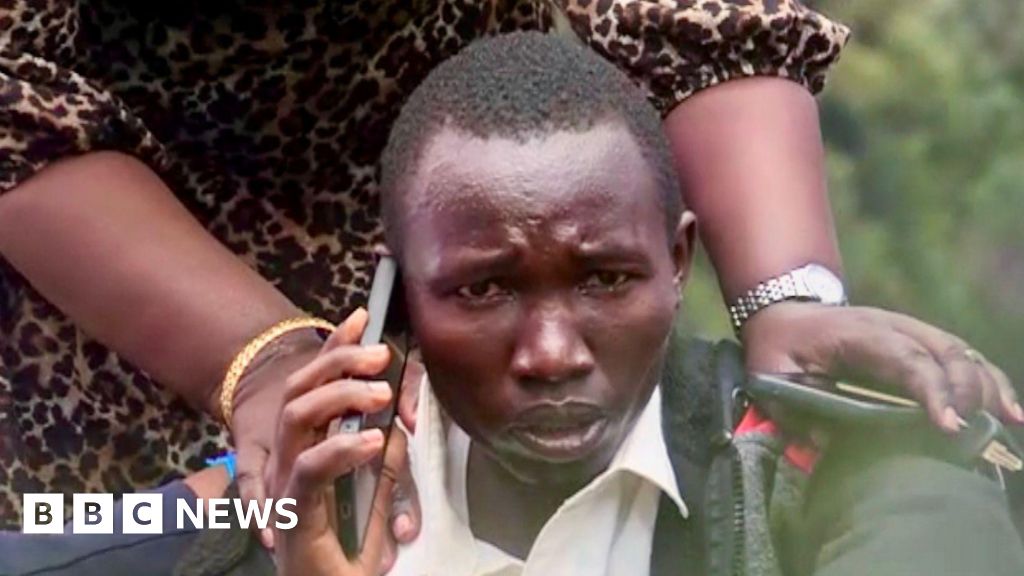
Uganda and Kenya landslides claim over 40 lives — a tragic reminder of the need for better preparedness

The recent landslides that ravaged the border regions of Kenya and Uganda have exposed not only the region’s vulnerability to natural calamities but also the broader geopolitical and societal implications of climate-induced disasters. Over 40 lives have been lost—blighted by relentless heavy rainfall and unsafe housing in the volatile terrains of the Great Rift Valley. Families are mourning, communities are displaced, and rescue efforts are hampered by ongoing mudslides, underscoring the urgent need for international attention and effective preventative strategies. This tragedy demands a deeper understanding of how environmental instability inside Africa can ripple into regional security concerns, migration patterns, and diplomatic relations, especially in a world increasingly affected by climate change.

Historically, Kenya and Uganda’s landslides are not isolated incidents. Record-breaking rainfall and deforestation since 2010, exemplified by the tragic death of approximately 300 people in the Ugandan town of Bududa, signify a mounting crisis tied to climate stressors. Analysts such as Dr. Emily Chen of the International Climate Agency warn that the frequency and intensity of such natural disasters are expected to rise, especially as local authorities lack comprehensive infrastructure to mitigate these risks. The decision by both governments to distribute modest compensation—5 million shillings in Uganda for the deceased and survivors—stands as a superficial Band-Aid, offering little in the way of sustainable prevention or resilience. The underlying threat extends beyond immediate loss; it heralds a future where climate vulnerability could undermine developmental gains, spark regional displacement, and destabilize fragile societal structures.

The geopolitical impact of these disasters extends into international corridors of power. Global institutions are watching, yet much of the response remains reactive rather than proactive. Countries like Kenya and Uganda are grappling with the repercussions, as their governments face mounting pressure to implement climate adaptation policies. Some experts argue that failing to address these environmental challenges could lead to increased migration across borders, thus straining neighboring nations and potentially fueling regional tensions. As researchers emphasize, the decision to build homes on unstable slopes is a perilous gamble with societal safety—highlighting the critical need for stricter land-use policies informed by scientific analysis. This disaster also serves as a stark warning for international cooperation, emphasizing that climate change is a threat not confined within national borders but a challenge requiring united global action.

As the tragic echoes of lives lost amid relentless mudslides fade into history, the question remains: Will this be a wake-up call for the world to act decisively against the climate crisis? When shifting lands and rising waters threaten to rewrite the map of East Africa, nations face a critical choice—adapt, or witness their societies unravel amid the dust and debris of ignored warnings. With every landslide that obliterates hopes and homes, the weight of history bears down more heavily. The unfolding story of environmental calamity in Kenya and Uganda is not merely a regional issue but a pivotal chapter in the narrative of humanity’s struggle against nature’s fury—a testament to the urgent need for global vigilance and action before more chapters are written in tragedy.

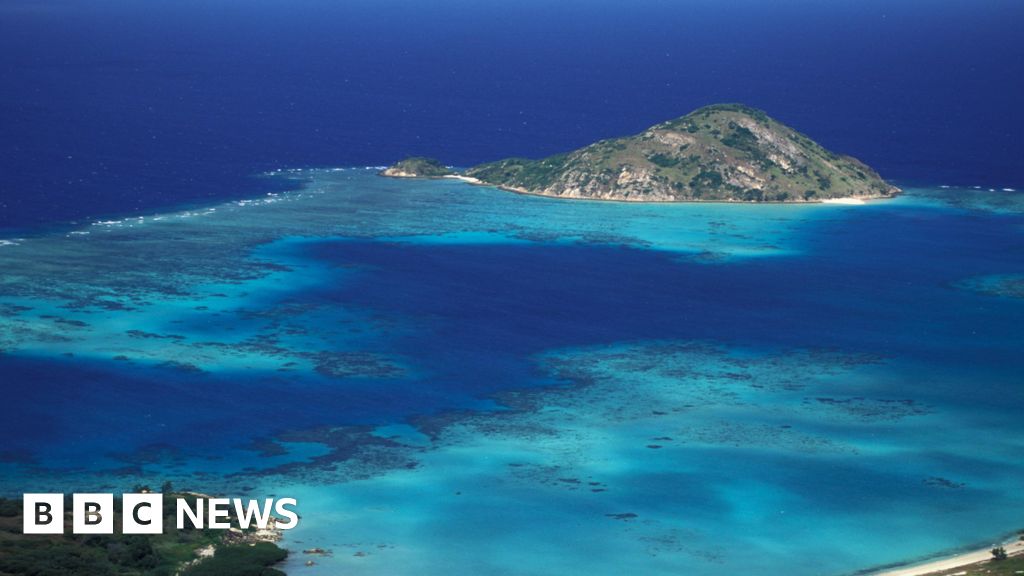
Young Woman's Tragic Fate After Cruise Ship Leaves Her Stranded on Australian Island
Young Woman’s Tragic Fate After Cruise Ship Leaves Her Stranded on Australian Island

The recent discovery of an 80-year-old woman’s body on Lizard Island, part of Australia’s Great Barrier Reef, underscores a broader issue gripping international attention: the safety of high-class tourism in remote and fragile environments. The woman, who was participating in a 60-day cruise around Australia—a journey costing tens of thousands of dollars—became separated from her group during a hike on the island’s highest peak, Cook’s Look. Despite her fellow travelers and the crew’s efforts, she was tragically found dead after an extensive search operation involving helicopters, boats, and volunteer groups. The incident has provoked a stern response from authorities and illuminated the dangers faced by those indulging in luxury exploration in remote locations.

While the details remain under investigation by the Australian Maritime Safety Authority (Amsa), experts and analysts warn that this tragedy is a *symptom* of larger issues: the increasing risks associated with adventure tourism in sensitive ecological zones. According to the cruise company’s chief, Mark Fifield, support has been extended to her family, yet many voices are raising concerns over the safety protocols employed in these remote expeditions. The incident has sparked pertinent debates among international safety organizations, with some critics questioning whether enough measures are in place to protect elderly travelers venturing into unpredictable environments. History reminds us that such accidents, when not prevented, serve as stark warnings of humanity’s overreach into nature’s most delicate corners.

The geopolitical impact of this event extends beyond Australian shores. The case has brought international scrutiny to Australia’s burgeoning tourism industry, especially its focus on luxury and eco-tourism. Analysts argue that nations with expansive coastlines and unique ecological sites are increasingly becoming battlegrounds for attracting wealthy travelers, which can compromise safety standards if not properly regulated. Australia’s commitment to safeguarding its natural heritage and tourists has faced questions as it balances economic interests with risk mitigation, especially as the incident coincides with ongoing climate debates impacting reef preservation efforts. The incident also raises alarms about how governments coordinate disaster response and maritime safety, with some experts warning that these procedures must be globally standardized to prevent such tragedies from becoming commonplace.

Beyond immediate concerns, international organizations such as UNESCO and the UN continue to evaluate Australia’s environmental policies and safety protocols, framing this incident as a critical juncture. As the world’s gaze intensifies, the response from Australian authorities and global observers will be pivotal in setting future standards. The public reaction, from both local residents and international travelers, reflects a broader shift — a demand for responsible tourism that not only commands respect for local ecosystems but also ensures the safety of those who seek adventure and luxury amid nature’s marvels. This incident, though devastating, is not merely an isolated tragedy; it is a grim chapter in a larger story of humanity’s complex relationship with nature and the ongoing, relentless pursuit of exploration. As history continues to unfold, the weight of this moment serves as a potent reminder: the paradise of today can, in an instant, become the site of another tragedy, etching itself into the collective memory of a world still striving to balance progress with prudence.

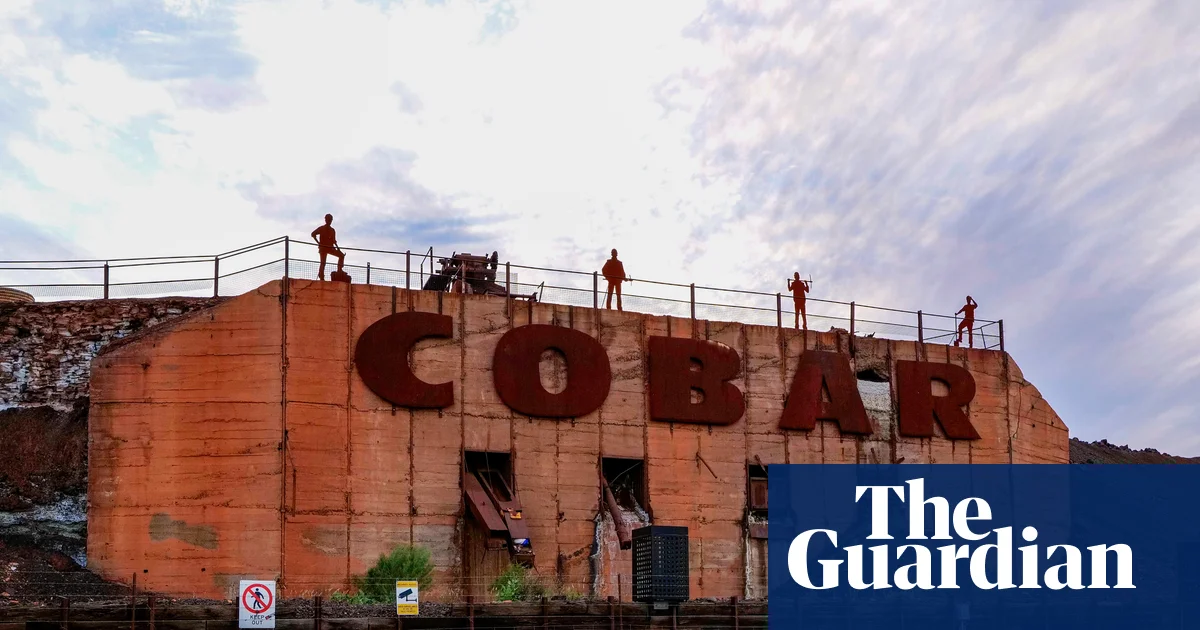
Mine blast at Cobar claims two lives — a tragic blow to our far west communities

Tragedy Strikes In Australia: Deadly Mine Explosion Raises Safety Concerns and Geopolitical Implications

In a devastating incident in the Cobar region of Australia, two workers lost their lives following an underground explosion at the Endeavour Mine. This catastrophe underscores the persistent risks associated with resource extraction industries, even as technological advancements claim to improve safety protocols. According to authorities, emergency services responded swiftly after being alerted early Wednesday morning; however, the magnitude of the explosion resulted in one confirmed death on-site and the subsequent death of a woman who was initially rescued. The incident also left another woman hospitalized with hearing damage and shock, highlighting the ongoing danger faced by miners in hostile underground environments.

How decisions and safety regulations impact nations and societies

This tragedy in Australia resonates beyond local concerns, echoing a broader global discussion on the safety standards within resource-dependent nations. Australian authorities, including NSW Premier Chris Minns and state Minister Courtney Houssos, have expressed their heartbreak and solidarity with affected families. These events serve as a harsh reminder that even in countries with improved safety protocols, vigilance remains vital. As some analyses suggest, the mining sector is a cornerstone of Cobar’s economy, primarily supporting copper, gold, zinc, and lead extraction—industries that are vital for local employment and regional economic stability. Yet, each accident risks not only human lives but also threatens the societal fabric, stirring political debates about regulatory oversight and corporate responsibility.

Geopolitical and economic dimensions of resource security

The incident’s international implications lie in how resource security and safety standards influence global geopolitics. Countries that rely heavily on mineral exports such as Australia find that mining accidents can ripple through global supply chains, affecting industries ranging from electronics to automotive manufacturing. Moreover, Australia‘s role as a strategic resource provider heightens the stakes, especially as global demand for critical minerals surges—driven by alternative energy initiatives and technological innovation. Historically, mining tragedies have occasionally spurred reforms and heightened regulatory scrutiny, but they also underscore the fragility of mining infrastructure amid economic pressures to maximize output.

Experts from international organizations warn that such incidents can undermine critical diplomatic relationships, especially if safety lapses are perceived as neglect or intentional cost-cutting. The World Bank and International Labour Organization have long championed stricter safety standards, but enforcement often falls short amid rising global competition for mineral wealth. While Australia remains a key player in this geopolitical chess game, the incident at the Endeavour Mine might influence future negotiations on trade, labor rights, and environmental regulations, prompting nations to reassess their own resource policies.

Conclusion: The weight of history and the future that remains unwritten

As the dust settles over the incident at Cobar, the broader narrative unfolds—a narrative of human resilience, regulatory challenges, and the relentless pursuit of progress at a cost. History has shown that each tragedy on the frontier of resource extraction leaves an indelible mark on national consciousness and international policy. With the investigation ongoing, the mining industry and governments worldwide are reminded that beneath the surface of prosperity lies a fragile balance, one that must be guarded jealously. In the shadows of these dark events, the true test lies not only in justice for the fallen but in the unwavering resolve to forge safer pathways into the future, lest we forget the lessons written in the scars of history.

Illinois politician’s family, including four members, perish in tragic helicopter crash

In a year already marked by turbulent shifts on the international stage, the personal tragedy faced by Darren Bailey, a former Illinois state senator and current gubernatorial candidate, echoes the unpredictable nature of today’s worldwide landscape. Bailey’s recent mourning over the death of his family in a helicopter crash in Montana highlights how individual stories of loss and resilience continue to resonate amidst broader geopolitical upheavals. While the media focuses on domestic politics, such personal tragedies remind us that beneath the grand narratives lie real lives often touched by unexpected, tragic events—events that also reflect on the fragile nature of stability in a rapidly changing world.

The geopolitical impact of such tragedies extends beyond personal anecdotes when viewed through the lens of international relations and societal stability. As nations face crises, whether it be regional conflicts, economic uncertainties, or environmental disasters, stories like Bailey’s evoke a shared human vulnerability. Historically, moments of national mourning have served as symbols of unity but also as reminders of the delicate balance of safety and security that governments endeavor to maintain. In this context, declared or unforeseen accidents pose questions about safety protocols and the readiness of agencies in managing crises—factors that, when mishandled, can ripple across global communities and influence diplomatic relations, especially in regions where stability is already precarious.

According to analysts and international organizations, the recent tragic accident underscores the importance of vigilance and preparedness, especially in areas prone to environmental hazards or geopolitical tensions. While authorities have yet to determine the cause of the Montana crash, the incident amplifies ongoing debates about regulation and oversight in the transportation sector, which many experts underline have direct implications for national security. This local tragedy could serve as an unexpected catalyst prompting policymakers to reevaluate safety standards, not just domestically but in a broader international context, particularly as many nations grapple with cross-border risks associated with transportation and technology. The lessons learned from such accidents are influential in shaping future policies aimed at preventing similar loss of life, but they also serve as stark reminders of how unpredictable the currents of history can be.

Leaving aside the immediate tragedy, the broader geopolitical impact of personal and national loss resonates with regional and global stakes. As China and Russia engage in power plays asserting influence over key regions, and Western democracies grapple with internal divisions, the importance of maintaining stability becomes paramount. Leaders like Bailey, who are rooted in conservative ideals such as support for law enforcement and opposition to radical reforms, symbolize a segment of society that seeks to uphold traditional values—values seen by critics as increasingly under threat amid a shifting global order. These domestic dynamics influence international positioning; nations watch how internal crises are managed as indicators of resilience or vulnerability. In a world where alliances are tested and new threats emerge, the internal stability of nations like the United States becomes a strategic asset that geopolitical competitors will scrutinize.

As history continues to unfold, the tragic loss of Bailey’s family reminds us that beneath the epic battles for influence and resources lie countless personal stories. Will this moment of grief serve as a catalyst for reflection and renewed resilience? Or will it swiftly fade into the background as new conflicts dominate headlines? With each passing day, the story of human perseverance intertwines with the unfolding tapestry of history, leaving future generations to ponder whether the lessons learned from these tragedies—both personal and geopolitical—will be enough to shape a more secure and enduring world, or if they will be buried beneath the weight of ongoing chaos. The choices made now, amid shared sorrow and hope, will ultimately carve the contours of history still unwritten.

Social Media Auto Publish Powered By : XYZScripts.com