Matox News

Truth Over Trends, always!

Train Dreams: Unveiling the Power Behind the Scene

In the quiet elegance of cinema, we find a mirror to our souls—a mirror that reveals the intricate tapestry of memory, tradition, and identity. The recent final scene of “Train Dreams” exemplifies this truth, illustrating how visual storytelling transcends mere entertainment to engage with fundamental questions about what it means to be human. As Joel Edgerton’s character, Robert Grainier, embarks on a flight that becomes a voyage through his memories, we are reminded of the profound power of cultural memory to shape individual and collective identity. These fleeting moments in the sky serve as a poetic reflection on how history, personal and societal, are stitched together by the threads of remembrance, forging a sense of continuity amid chaos.

Filmmakers today, much like historians or philosophers of the past, play a vital role in preserving and interpreting our cultural heritage. Ortega y Gasset emphasized that “a people that forgets its past is condemned to relive it”. This scene’s meticulous construction—combining practical effects with cutting-edge VFX—underscores an essential truth: the craft of filmmaking is itself a form of cultural memory, a preservation of moments that might otherwise vanish into obscurity. The deliberate choice to recreate the antique plane and craft seamless transitions between past and present aligns with the timeless human pursuit of meaning through storytelling. Just as T.S. Eliot argued that tradition is the anchor of innovation, contemporary cinema—particularly in its focus on memory—serves as both a custodian and a prophet of our cultural identity.

Furthermore, the scene’s meditative narration guides us through the layered landscape of personal history, echoing the insights of Chesterton who extolled the importance of tradition as the vital link between our ancestors’ sacrifices and our present lives. The visual montage of memories—some seen earlier in the story, others new—mirrors the ongoing dialogue between individual memory and societal narratives. The flickering images, like the legends passed down through generations, affirm that culture is neither static nor mere relic. It is a dynamic force that animates our sense of __who we are__ and propels us forward, providing a moral and spiritual compass amid the upheavals of modernity.

As the final shot captures Grainier’s face, suffused with a myriad of emotions, there is a poignant reminder of philosopher Tocqueville’s assertion that democracy and culture are intertwined; both require active remembrance and participation to flourish. The scene’s culmination—Grainier’s feeling of connection—resonates universally: that through art and memory, humanity glimpses a glimpse of a transcendent order, a poetry in the cosmos of our collective soul. Culture, in its essence, is not merely a reflection of the past but an unfolding prophecy of our future, whispered across the ages in the silent language of human creativity. And in this symphony of fleeting images and enduring memories, we find a glorious testament—that culture is an indelible part of our identity, anchoring us in the wisdom of tradition while guiding us toward an unknowable yet inevitable horizon.
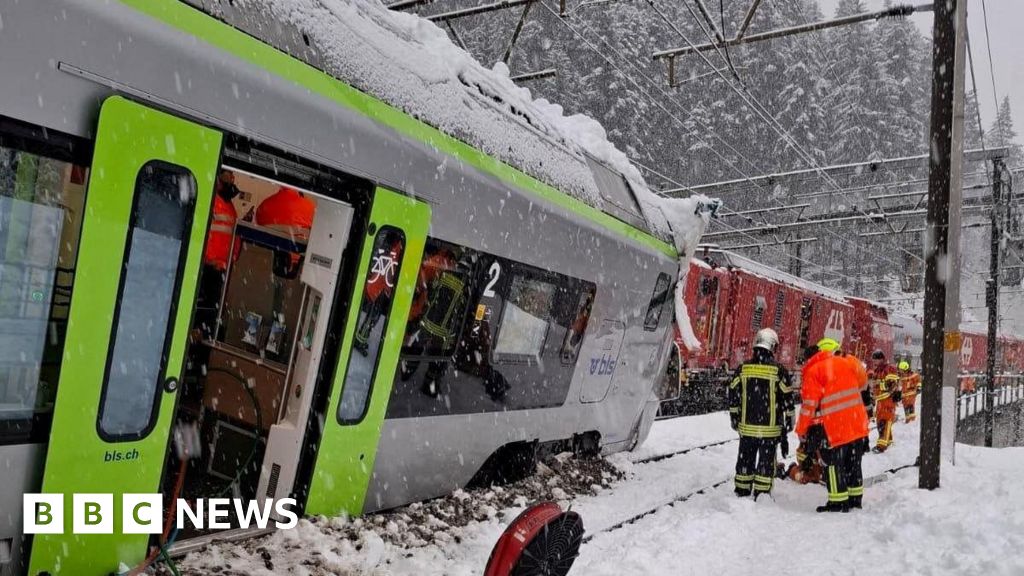
Five hurt after Swiss train derailment in severe snowstorm

In a recent incident that underscores the growing vulnerabilities in global transportation infrastructure, a passenger was hospitalized following a derailment reportedly caused by an avalanche. Authorities have indicated that this tragic event highlights the escalating risks associated with climate change, particularly in regions where natural disasters are becoming increasingly frequent and severe. Such incidents not only threaten individual lives but also pose a broader challenge to the stability and security of nations that rely heavily on interconnected transport networks.

International alarm is rising over climate-induced disruptions, as experts and analysts warn of a future where extreme weather phenomena could become commonplace. The derailment, which occurred in a mountainous area prone to avalanches, exemplifies how unpredictable environmental conditions are impacting safety protocols. According to international climate scientists, the frequency and intensity of natural disasters like avalanches are directly linked to rising global temperatures. As glaciers melt and snowpack destabilizes, the risk to infrastructure in vulnerable regions escalates, demanding urgent action from governments worldwide.

The incident has prompted discussions at global institutions, including the United Nations and regional safety agencies, regarding the necessity of integrating climate-risk assessments into national transportation planning. Analysts argue that this calls for a paradigm shift in policy, emphasizing resilience and adaptation in infrastructure development. The derailment serves as a stark warning that traditional engineering solutions may no longer suffice in the face of rapidly changing environmental conditions. Experts like Dr. Maria Jensen, a leading climate risk analyst, emphasize that *”failure to adapt will only accelerate the vulnerability of our societies to natural and man-made calamities.”*

Furthermore, this incident raises crucial questions about how nations manage natural disaster preparedness and intergovernmental cooperation. The potential for similar calamities to escalate in frequency and severity has led international organizations to reassess strategies. The derailment serves as a bellwether sign of the shifting geopolitical landscape—where climate issues are increasingly intertwined with national security and economic stability. As countries in the developing world often lack the resources to bolster their infrastructure against such threats, the global community faces a moral and strategic dilemma: invest in resilient infrastructure now or face the mounting costs of future catastrophe.

In the grand tapestry of history, natural disasters have repeatedly rewritten the course of nations. Today, as technology and climate science reveal new vulnerabilities, the choices made in the coming years will shape the future of multilateral cooperation and national resilience. This derailment, while seemingly isolated, echoes a much larger warning—a reminder that in an interconnected world, the ripple effects of environmental upheaval know no borders. The question remains: can humanity prioritize proactive measures over reactive crises before the lessons of today become tomorrow’s irreversible tragedies? The weight of history lingers—an unfolding story where the stakes have never been higher, and the clock continues to tick toward an uncertain horizon.

Spain cuts speed limit on key train line following safety flaw

Spain Faces a Rail Crisis as Safety Concerns Shake the Nation

The recent crises plaguing the Spanish rail system have thrust the country into a state of heightened alert and uncertainty, highlighting deep-seated questions about infrastructure integrity, government accountability, and the broader implications for European security. In the wake of the tragic accident in Adamuz, which resulted in 45 deaths, authorities have responded with drastic measures—most notably, the speed reductions along key high-speed lines, a move that underscores the fragility of Spain’s once-celebrated rail network.

Transport authorities, led by Minister Óscar Puente, announced the temporary lowering of speeds on the Madrid-Barcelona high-speed corridor—a crucial artery for Spain’s economy and mobility—from 300 km/h to a mere 80 km/h. This decision reflects mounting concerns over technical failures and aging infrastructure, with inspections revealing cracks and weld failures on recently renovated tracks. Such technical lapses not only jeopardize passenger safety but threaten Spain’s image as a leader in high-speed rail technology, which was once heralded as a testament to the country’s modernity and ingenuity.

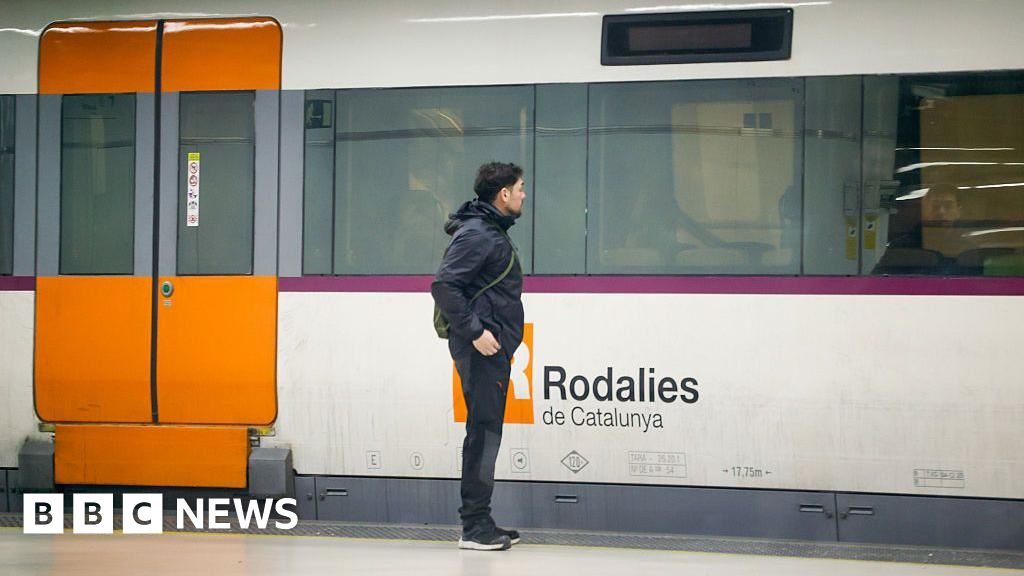
Adding fuel to the fire, the Rodalies regional line in Catalonia has become a battleground of safety protests, service disruptions, and political contention. After the tragic loss of a trainee driver, the service was grounded amid demands for improved safety standards. The Catalan Republican Left (ERC) labeled the decades of neglect and underinvestment as the root cause of the current crisis, emphasizing how political disinvestment and bureaucratic complacency are putting lives at risk. Meanwhile, the Spanish government is under mounting pressure, with Prime Minister Pedro Sánchez scheduled to face Congress on 11 February to address the nation’s mounting concerns—a move seen by many as a deflection and a test of his administration’s resolve.

The investigation into the Adamuz derailment reveals unsettling details: a 40-centimeter section of track, welded together from pieces manufactured decades apart, likely caused the fatal derailment. Despite recent renovations and technical reviews, the weld’s failure exposes systemic flaws in Spain’s infrastructure oversight, raising fears that similar issues may lurk elsewhere in the network. International safety standards, lauded by global organizations like Transport Canada and European Railway Agency, mandate rigorous inspections—yet, the failure to prevent this tragedy indicates a troubling deviation from best practices.

Analysts warn that these failures have *geopolitical implications* extending beyond Spain’s borders. As a member of the European Union, Spain’s technological and safety lapses threaten the continent’s broader transit and security frameworks. Many voice concern over the potential for international confidence erosion, jeopardizing future investments and partnerships. Historians caution that this crisis echoes past errors: the cost of neglecting critical infrastructure in pursuit of innovation. As Spain grapples with its railway woes, the world watches, awaiting a response that will determine whether this once-proud nation can reclaim its reputation—or be remembered as a cautionary tale of hubris and neglect in an era when infrastructure is the backbone of sovereignty and resilience.

Russia ramps up train strikes as Ukraine’s rail network faces sharper attacks

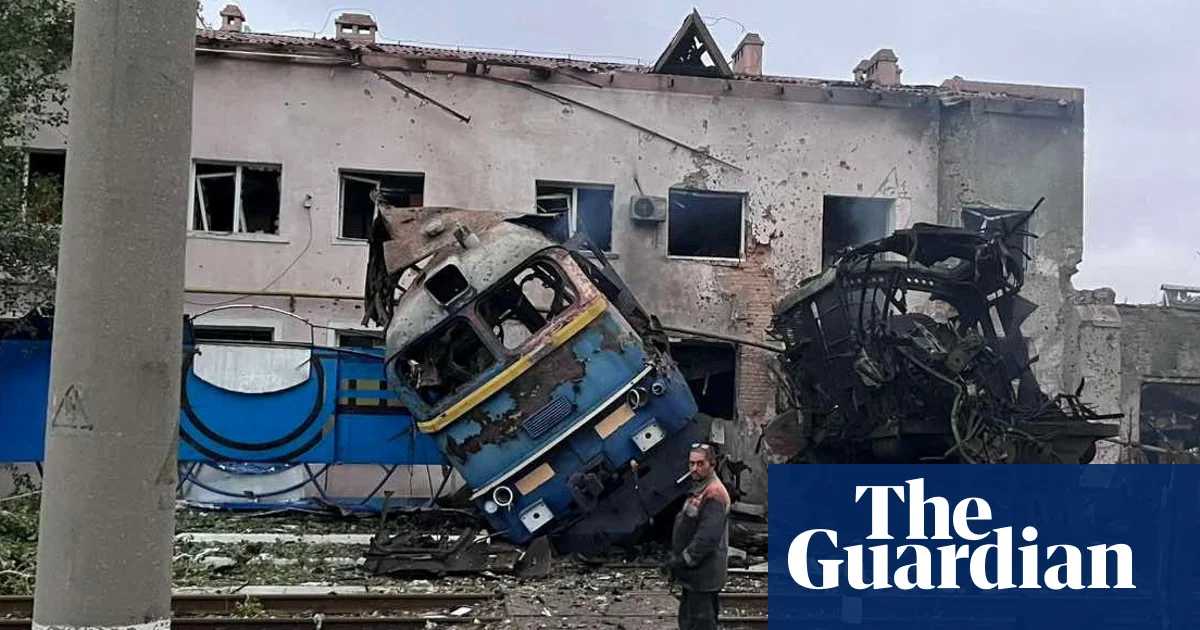
In a dramatic escalation of Russia’s ongoing conflict with Ukraine, the country’s critical railway infrastructure has come under a relentless barrage of attacks since July 2025. According to Oleksii Kuleba, a deputy prime minister responsible for infrastructure, the number of assaults has tripled in just the last three months — from 800 attacks earlier this year to over 3,000 damaged objects, with cumulative damages reaching an estimated $1 billion (£760 million). These targeted strikes, primarily carried out through advanced drone technology, aim to cripple Ukraine’s logistical backbone, which is vital for both civilian commerce and military support in the eastern front.

The geopolitical impact of these attacks extends far beyond the immediate destruction. Ukraine’s extensive rail network, which moves more than 63% of the country’s freight—including essential grain exports—and 37% of passenger traffic, is a lifeline that sustains the nation’s economy and its war effort. No civilian airports have operated since the onset of the full-scale invasion, making rail mobility the sole conduit for both international aid and government leadership visits. As Ukrainian officials scramble to fortify this critical infrastructure—installing electronic countermeasures and deploying specialized air-defense units—the relentless assault exposes a brutal truth: Russia’s strategic objective is to undermine Ukraine’s logistical capacity, directly impacting the nation’s ability to sustain itself during wartime.

Behind the scenes, international analysts and military experts have echoed concern over the new precision of Russian drone strikes. Serhii Beskrestnov, a Ukrainian military drone specialist, warns that as Russia’s drone technology advances, the vulnerability of Ukraine’s train system will only deepen. The slow-moving trains, following predictable routes vulnerable to high-precision strikes, may soon face the moment where the tracks remain intact but without rolling stock to operate upon them. This scenario underscores a haunting possibility: the initiative to destroy Ukraine’s analog and digital infrastructure is a calculated, systematic effort to choke off the country’s ability to move supplies and personnel, ultimately aiming to capitulate the Ukrainian resistance from within.

The international community’s response remains divided, with Western nations providing military aid but also grappling with the long-term consequences of intensifying hostilities. Critics argue that Russia’s strategy seeks to destabilize Ukraine’s logistical framework, thereby forcing Kyiv into a perilous choice of capitulation or prolonged struggle. Official figures attribute these attacks to Moscow’s deliberate campaign to disrupt Ukraine’s southern logistics—blocking vital seaports—and to sow chaos in strategically significant regions such as Chernihiv, Sumy, and the industrial Donbas area. As the situation narrows down to a high-stakes chess match, historians warn that history may record this as the moment when Ukraine’s railways became the battlefield’s silent victims and the last hope of resilience against encroaching chaos.

With each passing day, the weight of history hangs heavier. The destruction of Ukraine’s railway system is more than a military tactic; it symbolizes a broader struggle for sovereignty, economic stability, and national identity. As Kyiv’s resilience is challenged and the world watches, the outcome remains uncertain. But one thing is clear: the fate of Ukraine’s railways—and perhaps the future of the nation itself—rests on the unfolding decisions of global leaders and their responses to this ongoing assault on vital infrastructure. The chapter of this conflict remains unwritten, yet the lessons of today will echo through history, etching the ongoing conflict into the annals of geostrategic shadows—where resilience and desperation collide amid the relentless march of war.

Train Smashes into Lorry Carrying Vehicles in Texas—Disrupts Traffic

The recent series of rail-related incidents in Shertz, Texas, signals a concerning trend that extends beyond the immediate safety concerns of local authorities. Just this week, an 18-wheeler transporting a full load of vehicles collided with a passing train, an event that underlines the ongoing vulnerabilities within critical infrastructure in the United States. Remarkably, no injuries were reported, and the train avoided derailment, but the incident underpins broader issues that warrant international scrutiny and urgent attention from policy makers worldwide.

The incident is not isolated. Earlier this week, on 28 October, a similar event occurred when an Amtrak passenger train collided with a semi-tractor trailer carrying rocks — a crash that produced only minor damage to the train and no injuries. These two separate but related events reveal a pattern of risk that, according to transportation analysts and critics, could have turned catastrophic. The recurrent nature of such accidents in a single city—an urban microcosm—serves as a potent reminder of the necessity for robust safety measures, increased technology, and international best practices in rail safety regulations.

Broadly, these incidents highlight the significance of infrastructure resilience in a changing global landscape. As the United States grapples with aging railway systems and increasing freight volume, many security experts and transportation historians emphasize the importance of international learning and cooperation. Retired transportation safety expert Dr. Harold Jenkins underscores that such accidents are often the result of a combination of human error, outdated infrastructure, and insufficient technological safeguards. These events serve as warnings—touchpoints where local failures could ignite larger crises, especially as global trade increasingly relies on complex and delicate supply chains.

  • The first incident involved an 18-wheeler stopping on the tracks—a tragic misjudgment or an operational failure?—and raises questions about driver awareness and signaling systems.
  • The second, with the rocks-laden train, involved a collision of a lighter nature, yet it amplifies concerns over transportation regulations and the integration of automated safety controls.
  • Both incidents could tarnish Texas’ image as a gateway for international commerce, impacting trade flows and foreign investment.

The geopolitical impact of these seemingly local events stretches far beyond Shertz. They resonate in the corridors of power in Washington D.C., where discussions about infrastructure investments and modernization schemes are persistent but often underfunded. International organizations like the World Bank and the OECD have issued warnings about the dangers of neglecting critical infrastructure in an era of increasing global economic volatility. These incidents serve as natural experiments—warning signs—highlighting how neglect, if unchecked, can lead to disruptions with ripple effects across borders, affecting supply chains, economic stability, and national security.

As the world watches the idiosyncratic yet interconnected evolution of transportation networks, the relentless march of history presses forward—reminding us that the decisions made today can reverberate through generations. Another collision, another wake-up call. The weight of these events is not merely local; it is a chapter in the ongoing saga of modern civilization’s struggle to balance progress with safety. The question remains: will urgent international cooperation and modernization efforts turn these harbingers of future calamities into catalysts for secures and resilient infrastructure—or are we destined to repeat history’s darker lessons in the shadow of complacency?

A Year On, Serbia Still Reeling from Train Station Tragedy

Serbia’s Tragedy and the Political Wake-Up Call to the World

In the heart of Europe, Serbia faces a profound moment of reckoning as the aftermath of the Novi Sad railway station disaster has ignited a wave of public outrage. A year after the catastrophic collapse of a concrete canopy claimed 16 lives—ranging from children as young as six to seniors aged 77—the nation witnesses a collective mourning that has transitioned into a powerful political statement. This tragedy, which emerged under the auspices of President Aleksandar Vučić‘s government, has cast a long shadow over Serbia’s development ambitions, exposing the deep-rooted issues of corruption, negligence, and cronyism.

Upholding the memory of the victims and condemning the government’s failure, tens of thousands gathered at Novi Sad’s station to participate in silent homage—precisely one minute per life lost. Their grief was palpable, with families crying and supporters physically supporting women, as the nation grappled with the stark reality of how infrastructure projects, hailed as symbols of progress, had succumbed to deadly lapses in safety standards. Analysts from the International Crisis Group warn that such disasters underscore how corruption may have infiltrated Serbia’s public works, impairing essential safety protocols and endangering ordinary citizens. The incident has become a catalyst for widespread protests, accusing authorities of covering up systemic flaws that threaten the fabric of Serbian society.

Major internal and international responses have further heightened alerts. The European Parliament has called for full and transparent legal proceedings, emphasizing the importance of accountability in safeguarding public safety standards. Investigations have charged several former officials, including Goran Vesić, the ex-Minister of Transport, and deepened suspicion that the tragedy was a consequence of entrenched corruption. Serbia’s youth are leading the charge with a steadfast demand for institutional reform, independent justice, and a break from the corrupt practices that have marred the nation’s progress. Their protests, unlike the discredited political opposition, have gained widespread trust among ordinary citizens, signaling a generational shift that could redefine the country’s future.

This movement has also rattled the political establishment, with President Vučić’s previously combative rhetoric softening briefly, as he issued a rare public apology for his harsh language toward protesters. Yet, the deep wounds remain, and the discourse of “color revolutions”—a term once associated with Western-backed regimes—lingers ominously over the protests. The youth-led movement seeks the formation of a technocratic government, pushing for elections that would restore faith in Serbia’s institutions and root out corruption at its core. How this unfolding story will shape not just Serbia’s domestic policy but also its international relations remains a pivotal question for global observers.

As history continues to unfold at Novi Sad, the collective memory of the victims acts as a stark reminder of the stakes involved. The decisions taken today by Serbia’s leaders—whether rooted in transparency, integrity, or heedless power—will determine the trajectory of a nation wrestling with its past and forging its future. The world watches as a new generation demands justice and honesty, their voices echoing across the corridors of power, warning that history’s pen is yet to be finished. Will Serbia emerge from this tragedy stronger, more transparent, and committed to genuine progress? Or will it succumb to the entrenched corruption that has so often shadowed its path? The answer lies in the unfolding narrative of a nation at a crossroads, where each decision could mark a new chapter—one written in the blood of the fallen, and in the hope of those determined to rebuild a broken trust.

Dutch Train Strikes Truck at Level Crossing—Young Commuters Safe

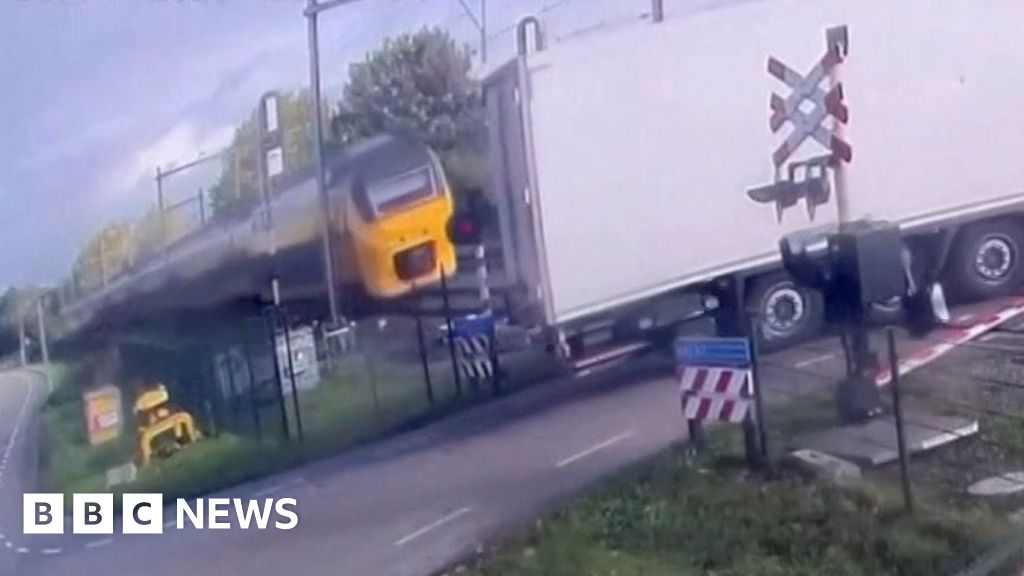
The recent train accident in Meteren, the Netherlands, has sent ripples across the global geopolitical landscape, illuminating the persistent vulnerabilities in national infrastructure security amidst rising international tensions. CCTV footage reveals the harrowing sequence where a truck, maneuvering carelessly on the railway line, becomes entangled in a tragic collision with an oncoming train operated by ProRail. Though authorities confirm minor injuries to five individuals involved, the incident underscores a broader concern: how nations safeguard vital transport corridors amid geopolitical shifts.

In the context of international infrastructure reliability, this event highlights the potential for localized tragedies to escalate into international issues, especially as cross-border trade and regional cooperation become increasingly critical. Leading global analysts have drawn parallels to other infrastructure failures in geopolitically sensitive areas, warning that such incidents, though seemingly isolated, may be symptomatic of systemic oversight or underfunding. Experts from organizations such as the International Transport Forum emphasize that preventative measures and international cooperation are vital as countries like Germany, France, and Belgium bolster their transportation security budgets in response to rising external threats and internal neglect.

Furthermore, this incident raises questions about the stability of European cooperation and defense. Despite the longstanding commitment to free movement through agreements such as the Schengen Area, vulnerabilities within national transportation networks can serve as choke points for larger security concerns. As European Commission officials reiterate, reliable infrastructure is the backbone of economic resilience and societal safety. Yet, the incident demonstrates that old vulnerabilities can resurface, exacerbated by the waning political focus on infrastructure investment. Historically, similar events have prompted much-needed debates about modernization and cross-national safety standards, but progress remains sluggish, leaving citizens exposed at crucial moments.

As nations grapple with internal reforms and international threats, the weight of history presses on policymakers’ shoulders. The Netherlands, known for its pioneering efforts in sustainable urban development, now faces a stark reminder that even advanced societies are not immune to oversight. The incident in Meteren acts as a stark metaphor for the fragile threads holding together the global order; a single lapse, a momentary misjudgment, can cascade into larger crises, leaving societies vulnerable and authorities questioning their readiness. The unfolding nature of this tragedy underscores an urgent truth: history is continuously written, and the stakes are higher than ever, as the world’s geopolitical landscape teeters on the edge of new, uncertain realities.

Man detained over viral video of alleged assault on Paris train

France’s Safety Crisis Reignited by Viral Train Crime Footage

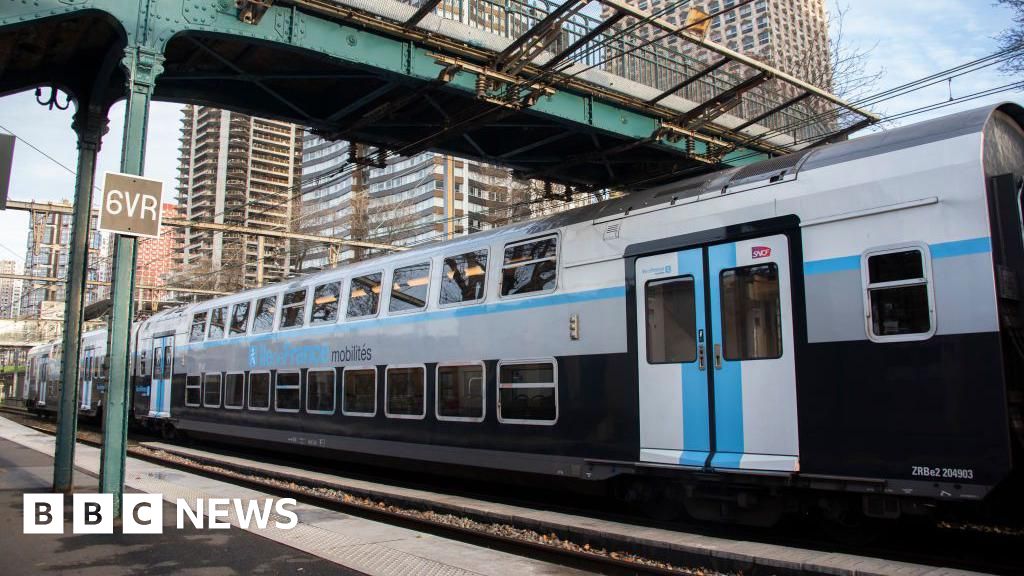
The recent arrest of a suspect in France following a disturbing incident on a train near Paris has sparked a renewed discourse on women’s safety and national security. The incident, which was captured on video and subsequently went viral, involved a brazen attempted assault against a 26-year-old woman, Jhordana Dias, by a man who fled the scene upon intervention. This unsettling event not only underscores the ongoing challenges faced by French society but also exposes deeper vulnerabilities within the country’s security apparatus at a time when emigrant tensions, political debates, and social stability are all on the rise.

The footage, which shows a man dressed in a black tracksuit attempting to assault a woman aboard a train heading southeast of Paris, has divided public opinion and reignited longstanding debates about public safety, immigration, and law enforcement effectiveness. The suspect, identified as a 26-year-old Egyptian national, was detained by transport police in Mantes-la-Jolie. A crucial turning point in the case was the quick response of a fellow passenger, Marguerite, who filmed the assault and likely prevented a more deadly outcome. Such individual acts of courage contrast sharply with the apparent inability of authorities to prevent such crimes, fueling calls for tougher security measures and clearer policies on immigration and public safety. International security analysts warn that this event symbolizes an ongoing crisis, with Europe grappling over how to balance openness with safety.

Historians and global organizations like the United Nations have repeatedly emphasized that societal stability hinges on effective security practices, especially as demographic shifts and migration patterns reshape national identities. The incident, taking place between the Choisy-le-Roi and Villeneuve-le-Roi stations, has exposed a fragile social fabric that some argue is under siege by rising crime rates linked to socio-economic strains and migratory pressures. With multiple victims reportedly identifying the same individual, authorities face mounting pressure to enhance crime prevention strategies and address underlying issues. As French President Emmanuel Macron faces internal criticism, many analysts believe that this case heralds a broader crisis: the erosion of public trust and faith in the state’s capacity to protect its citizens.

In a global context, Europe’s apparent inability to curb such crimes complicates its geopolitical horizon. Alliances and international partnerships are tested as nations debate border security, immigration policies, and the role of law enforcement. Experts warn that these incidents could be exploited by populist parties seeking to capitalize on fears, further polarizing society and destabilizing the social order. As France and other European nations grapple with these internal threats, they must also navigate the external pressures from regional conflicts, migration crises, and economic uncertainties. Ultimately, the unfolding tragedy on a train near Paris reminds the international community that history is constantly being written—not only in grand treaties and political summits but also in the everyday acts of courage and chaos that define the modern world.

India’s First Female Train Driver: Breaking Barriers and Leading the Way Forward

India’s Trailblazer: Surekha Yadav and the Broader Impact on Gender Equality in Critical Sectors

In a groundbreaking testament to persistence and progressive change, Surekha Yadav recently bid farewell after 36 years of service as India’s first female train driver. Her remarkable career, which began in 1989, symbolizes more than personal achievement—it underscores a shifting tide in gender roles within India’s traditionally male-dominated infrastructure sectors. Yadav’s journey from rural Maharashtra to operating the nation’s railways highlights the critical *geopolitical impact* of fostering equal opportunities in industries vital to economic development.

When Yadav first took to the locomotive, her decision defied societal norms. She entered into a profession then unthinkable for women, particularly in India, where government jobs are among the most coveted for the security and perks they offer. Her success challenged entrenched stereotypes, paving the way for a new generation of women amid a system historically reserved for men. Increasingly, international organizations, including the United Nations and global labor advocates, emphasize the importance of integrating women into strategic sectors such as transportation and engineering — a move that directly influences social stability and economic resilience in developing nations.

Unpacking the international significance of Yadav’s career

  • Her story has become a symbol of *progressive social change*, inspiring industries worldwide to break gender barriers and adopt inclusive recruitment policies.
  • As one of over 2,000 women now operating Indian Railways, her influence extends beyond individual achievement to national strategies aimed at empowering women in critical roles.
  • Historians and analysts, including Dr. Rajeev Malhotra, argue that Yadav embodies the *turning point* in India’s social fabric, where economic necessity meets evolving perceptions of gender roles.

Furthermore, the *geopolitical impact* resonates globally, as nations observe India’s efforts to modernize and diversify its workforce. India, with its sprawling rail network and strategic position as a rising economic power, aims to project an image of progressiveness and gender equality. This not only enhances India’s soft power but also sets a precedent for other developing nations attempting to balance modernization with traditional values. International organizations increasingly recognize the importance of such domestic shifts, as they bolster the global fight against gender discrimination, which remains embedded in many sectors worldwide.

How decisions at the policy level influence societies and nations

The Indian government’s recognition of jobs like train-driving as *winnable battles for social inclusion* illustrates a broader international trend towards sustainable development and gender parity. Ms. Yadav’s mentorship of aspiring women operators exemplifies how individual careers catalyze societal change, challenging societal norms and expanding the horizons of what is considered possible for women. These stories foster an environment where gender becomes less of a barrier to participation in vital sectors—enhancing economic productivity and social cohesion.

Experts from the World Economic Forum emphasize that such shifts in employment patterns not only empower women but also serve as a *game-changer* in addressing unemployment and economic inequality. By breaking ceilings in transportation and engineering, nations reinforce their commitment to cultivating resilient societies capable of adapting to global challenges, including climate change, urbanization, and technological disruption. As India continues to interlace its development goals with gender inclusivity, the international community watches closely, poised to learn and emulate this model of transformation.

The Ongoing Archive of Meaning

As Ms. Yadav’s locomotive finally pulls into the station after decades of service, she leaves behind more than just a legacy of skill and determination. Her retirement marks a *significant point in history*, yet the odyssey of gender equality in India’s infrastructure remains incomplete. The weight of her story underscores that decisions—local, national, and international—shape the societal landscape and write the next chapter of history. With each train that departs and arrives, there is a silent acknowledgment that every mile driven is a mile towards a more inclusive and resilient future—an indelible mark in the ongoing march of progress.

Social Media Auto Publish Powered By : XYZScripts.com