
Matox News

Truth Over Trends, always!

Is a Trash Bin the Next Art Trend? We Dug Into Caraway’s Sleek New Kitchen Containers

In a world where lifestyle shifts increasingly emphasize *intentional living* and *minimalist aesthetics*, even the most mundane aspects of daily life are being elevated to a form of art. The latest trend that encapsulates this movement? The emergence of thoughtfully designed, well-crafted household essentials. One prime example is a new wave of trash cans that do more than just contain waste—they blend function, form, and philosophy to create a holistic, almost spa-like experience in mundane chores. Brands like Caraway are championing this revolution, turning an everyday necessity into a statement of style and purpose.

At the forefront of this movement, Caraway’s recent range of trash cans and recycling bins exemplifies how elevating simple objects influences health and *well-being*. These pieces boast sleek, fingerprint-resistant finishes and intuitive design features like drawers for sorting recyclables. Despite carrying a premium price tag—$245 for their flagship trash can—they promise long-term durability and a *frictionless* experience that transforms a routine task into a moment of reflection or even joy. An expert like wellness guru and author Emily Nagoski emphasizes that *environmental harmony*—the feeling of beauty and order—can significantly uplift mental health and foster a *well-rounded lifestyle*.

How well does it do its job?

Beyond aesthetics, these products excel in practical performance. My recent test involved packing the Caraway trash can with food scraps—coffee grounds, moldy produce, onion peelings—plus some kitty litter, all within close proximity to my living space. The results? No offensive odors escaped, confirming how airtight the design truly is. When opened, a slight puff of smell briefly escaped, a minor trade-off for the solid containment when closed. Meanwhile, the recycling bin stayed odor-free, a testament to its airtight construction. For those mindful of maintaining *wellness at home*, controlling household odors contributes substantially to a *stress-free, inviting environment*. This commitment to function over mere form is what distinguishes brands like Caraway, which prioritize longevity and ease of maintenance—features that resonate with the rising segment of young consumers seeking value along with style.

Moreover, such durable design aligns with a sustainable philosophy—less waste, longer-lasting products, easier cleaning—all vital considerations for healthy living. The simplicity of a removable bin, easily rinsed in a bathtub or with a hose, underscores the importance of *mindful maintenance*. Wellness expert Dr. Mark Hyman notes that *clean, organized spaces* directly impact mental clarity, a principle that these products embody. By creating a space that not only looks clean but is actually hygienic, consumers reinforce a lifestyle rooted in intentionality and *personal empowerment*.

Will it last?

Durability matters immensely; a beautiful object that fails prematurely defeats its purpose. Caraway’s bins proved to be robust during my ‘stress test’: unboxed in my apartment’s vestibule, they withstood my attempts to bump and bang them—ramming a vacuum cleaner against the side with no dents or cracks. Routine use, including frequent emptying and rinsing, demonstrated their resilience. Such robustness offers both peace of mind and a subtle reminder that investing in quality is investing in oneself. The capacity for these pieces to withstand everyday wear aligns with a broader cultural narrative—one increasingly focused on *quality over quantity*, on “less but better” as advocated by lifestyle writers like William Morris and modern minimalist influencers.

As this movement evolves, it encourages a *redesign of life’s essentials*. Instead of relegating household chores to neglect, they become a chance for *mindful appreciation*—a chance to embrace a lifestyle centered on quality, durability, and aesthetic harmony. This journey, inspired by the quiet beauty of well-crafted objects and the philosophy of *living with intention*, underscores a profound truth: our surroundings shape our mindset. In taking care of the small, mundane details, we forge a path toward a more *balanced, inspired life*, affirming that style and function, when thoughtfully combined, can elevate even the simplest tasks into acts of purposeful living.
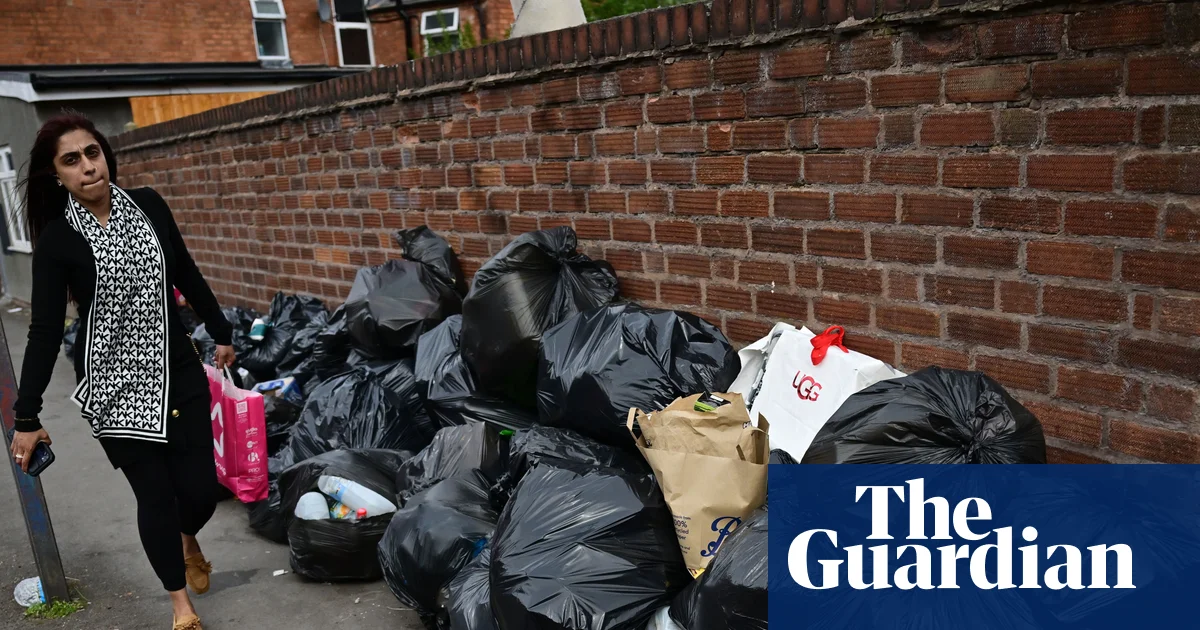
Birmingham bin strike sparks concern: what's behind it and when will trash be back? | Birmingham
Birmingham bin strike sparks concern: what’s behind it and when will trash be back? | Birmingham

Society in Crisis: The Birmingham Bin Strike and Its Social Impacts

Over a year has passed since the bin workers of Birmingham initiated an all-out strike, leaving the city engulfed in overflowing waste and mounting health concerns. This protracted dispute is emblematic of wider societal issues rooted in economic austerity, social inequality, and the erosion of traditional community institutions. As the UK’s second-largest city struggles under the weight of uncollected rubbish, the ripple effects are felt most acutely by families and vulnerable populations, exposing the fragility of social cohesion and the growing divide within urban communities.

At the heart of the conflict lies a debate over pay cuts, job roles, and the financial burdens faced by local government. The union, Unite, claims that proposed changes threaten workers’ safety and threaten to strip hundreds of pounds from their annual income. Conversely, city officials cite the specter of costly equal pay claims and financial instability as reasons for their stance, a consequence of recent bankruptcies and austerity-driven policies. Sociologists like Robert Putnam warn that such economic strains threaten social capital, eroding trust and cooperation necessary for vibrant communities. As negotiations falter, citizens bear the brunt—mothers with children, the elderly, and low-income families—who are now coping with the unsanitary conditions that threaten their health and safety.

Impact on Families and Communities

The social fabric of Birmingham is unraveling under the weight of uncollected waste. Public health crises emerged—mountains of rubbish, rat infestations, and maggots—highlighting how hampered waste collection disrupts daily life. Communities in affluent areas managed to keep their streets cleaner, disproportionately benefiting those with resources and social capital, while marginalized neighborhoods faced the worst. Such disparities underscore the widening social divide and the destabilization of shared spaces that traditionally foster community ties.

  • The city declared a major incident amidst overflowing bins, endangering residents and intensifying fears surrounding sanitation and disease.
  • The disruption has fractured trust in local governance, fueling political upheaval—mayoral elections loom, with new administrations potentially eager to restore order and social stability.
  • Families are disproportionately affected, with children exposed to increased health risks, compounding existing inequalities and social tensions.

This scenario echoes social theorists’ warnings about the corrosive effects of prolonged social neglect, and highlights how essential community institutions are in maintaining societal resilience. Without proactive engagement and social safety nets, disparities deepen, threatening the very cohesion that sustains urban life.

Hope for Renewal and societal transformation

Despite the bleak narrative, there remains a glimmer of hope—a societal recognition that addressing the root causes of such conflicts is imperative for future stability. Sociologists argue that restoring trust hinges on genuine dialogue, accountability, and shared commitments to rebuilding community resilience. The upcoming local elections could serve as a catalyst for change, signaling whether Birmingham’s leadership will prioritize social equity, transparency, and investment in public services.

In this frontier of social challenge, the community’s story is not solely one of decline but also resilience. It is an invitation—perhaps even a moral call—to society’s leaders and citizens alike—to reimagine a city where dignity, health, and shared responsibility are renewed in the face of adversity. As history has shown in moments of crisis, the strength of a society lies not in the absence of challenges but in its capacity for reflection and renewal. Birmingham’s struggle with its waste crisis, therefore, becomes a mirror—reflecting our collective need to forge social bonds and restore trust, lest society itself become buried under the weight of its neglect.

“Every Shirt Tells a Tale: How Designers Are Saving Football Kits from the Trash and Rebooting Style”

The Rise of Upcycled Football Shirts: A Cultural Shift in Sports & Fashion

The world of football isn’t just about the game anymore; it’s a reflection of broader cultural and social shifts. As clubs and fans grapple with environmental concerns, a new trend has emerged — *upcycled* football shirts that blend sustainability with style. This movement is not only changing how we see sports apparel but also challenging the disposable culture that has dominated modern fashion. While thousands of shirts are discarded each season—UEFA estimates that up to 60% of kits are thrown away—designers like Hattie Crowther and brands such as Vintage Threads are turning this problem into an opportunity. They’re transforming old kits into striking, one-of-a-kind headpieces, dresses, and jackets, giving these once-forgotten items a new lease on life. These creatives, many of whom are women leading the way, are reframing what it means to own a football shirt—making it a meaningful statement of style and values rather than just fleeting merchandise.

This movement delves into the _social relevance_ of sports apparel, as it transcends typical fan gear. Retro football shirts have become sought-after fashion symbols, appearing on celebrities like Kim Kardashian and Timothée Chalamet, fueling a vintage revival. On platforms like Depop, searches for historic kits have skyrocketed—up 38% over the past six months—showing a passionate collector culture thriving within this ecosystem. Preloved shirts aren’t just fashion statements; they are stories, symbols of nostalgia, and acts of environmental responsibility. Fans are recognizing that the enduring legacy of a shirt, especially one with a story, keeps its relevance alive far beyond the pitch. Gary Bierton, from Classic Football Shirts, notes that every secondhand shirt carries a narrative, often more compelling than what’s now mass-produced in the current cycle of rapid kit releases.

At its core, this _cultural impact_ signals a deeper societal shift toward embracing a circular economy in fashion. Instead of viewing football shirts as disposable commodities created from synthetic polyester—a material that’s cheap and performance-friendly but problematic environmentally—there’s a growing _movement_ to extend their lifespan. Initiatives like Green Football’s Great Save highlight how swapping, donating, and reworking kits can cut a shirt’s environmental footprint by up to 30%. This approach doesn’t just stop at sustainability; it opens avenues for clubs and designers to monetize _the story_ and _the style_ behind vintage and upcycled kits, turning environmental responsibility into a lucrative, *aspirational* trend. Clubs like Brighton are already experimenting with creating fashionable accessories from misprinted kits—proving that sustainability can be chic and profitable simultaneously.

Yet, the next big question is: *Will this movement be sustainable in the long term, or will it become a fleeting fad?* As the industry begins to see economic benefits—upcycled designs that are desirable and collectible—it raises the possibility of a circular football economy becoming embedded into mainstream sports culture. If this push toward sustainability continues to grow, perhaps the future of football apparel isn’t just about the game but about redefining how we value and repurpose our cultural artifacts. With youth-driven influencers, innovative designers, and forward-thinking clubs leading the charge, the true question remains — *how will this shift redefine not just fashion, but our societal priorities in the coming years?*

Social Media Auto Publish Powered By : XYZScripts.com