Matox News

Truth Over Trends, always!

Travel chaos deepens in India as hundreds of flights are grounded—disrupting millions' plans
Travel chaos deepens in India as hundreds of flights are grounded—disrupting millions’ plans

The recent turmoil within India’s aviation sector underscores the profound internal challenges facing one of the world’s fastest-growing economies. The shutdown of IndiGo, the nation’s largest airline, has triggered widespread travel disruptions at a critical time—India’s peak travel season—highlighting systemic vulnerabilities rooted in recent regulatory reforms. As thousands of passengers remain stranded amid a backdrop of domestic chaos, India finds itself at a crossroads where domestic policy decisions could ripple across geopolitical lines.

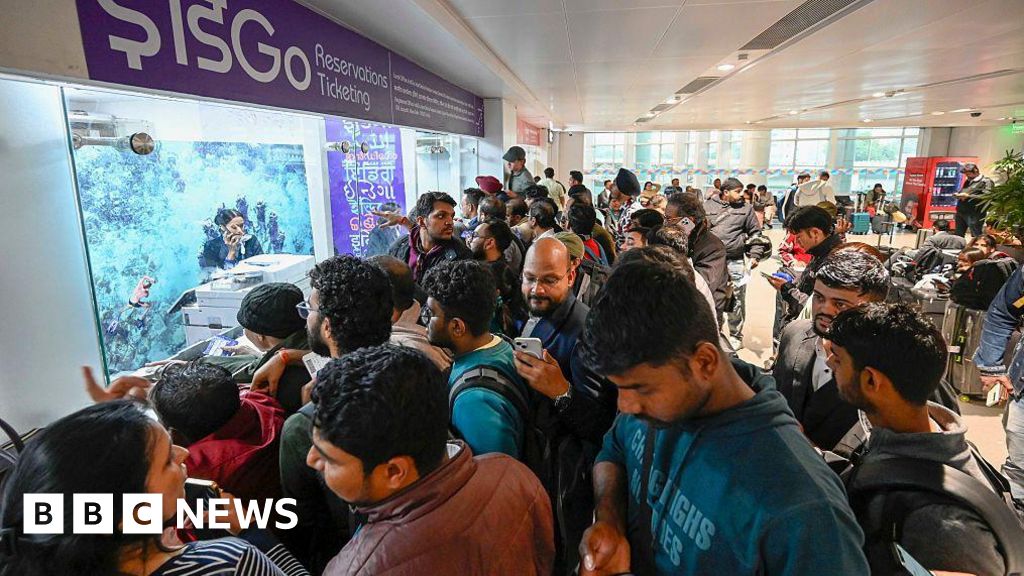
Over the past week, IndiGo canceled hundreds of flights, leaving major airports in Delhi and Mumbai overwhelmed with unprepared travelers. The airline’s leadership indicated that complete operational recovery might not occur until 10 February, citing increased rest rules and night-duty restrictions as key factors. The new regulations, intended to improve pilot safety, have instead exposed critical planning gaps, which the Indian aviation regulator bluntly attributed to “misjudgment and planning gaps.” The regulator, alongside the government, has demanded detailed restructuring plans from IndiGo, emphasizing the urgency of aligning safety with operational efficiency—an effort to appease both safety advocates and economic stakeholders.

This crisis comes amid acute domestic unrest over the impact of recent policy shifts, which have faced sharp criticism from pilot associations, safety experts, and even international observers. The Airline Pilots Association of India warns that any easing of duty regulations risks “gravely” compromising safety, emphasizing that the balance between flexible regulation and public security remains precarious. At the same time, the government’s visible displeasure reveals an attempt to assert control amidst *public outrage* and operational breakdowns. These developments, analysts argue, threaten to undermine India’s global reputation as a reliable air travel hub, with potential consequences for foreign investment, tourism, and diplomatic relations.

On the geopolitical front, India’s internal strife in its aviation sector signals a broader narrative. As India asserts itself on the world stage through ambitious economic initiatives, such as the Make in India campaign and regional infrastructure projects, domestic instability may serve as a cautionary tale. Historically, rapid economic growth combined with regulatory missteps can serve as vulnerabilities exploited by rivals or destabilized by external shocks—be it regional conflicts or global economic downturns. The international community, including institutions like the International Civil Aviation Organization, closely monitors such crises, understanding that internal challenges in a rising power can influence geopolitical stability.

As passengers voice their frustration—the Singaporean High Commissioner even lamenting lost personal milestones—the incident leaves a stark reminder: the decisions made today in policymaking and crisis management will reverberate across the region and beyond for decades to come. The unfolding story in India is more than an aviation crisis; it is a reflection of a nation striving to balance rapid growth with the complexities of governance, safety, and international reputation. The weight of history presses down as the world watches, knowing full well that in these turbulent times, a single misstep can threaten to rewrite the trajectory of a nation’s rise—leaving future generations to grapple with the consequences of decisions shrouded in the fog of uncertainty.

Why Sleep Tourism Is Taking Over the Youthful Travel Scene

Sleep Tourism: A Journey Toward Restorative Living

In a world increasingly obsessed with wellness and personal health, a fascinating trend has been quietly gaining momentum—**sleep tourism**. No longer just about exploring exotic destinations or indulging in luxury, travelers are now prioritizing something fundamental: quality sleep. The pandemic’s disruption has only amplified this shift, revealing how critical rest is for mental and physical regeneration. Hotels and resorts worldwide are stepping up with innovative offerings that focus on enhancing sleep, transforming overnight stays into restorative experiences that could redefine the way the younger generation perceives leisure and self-care.

Leading the charge are establishments like the Park Hyatt New York, which recently unveiled the Bryte Restorative Sleep Suite. This 900-square-foot sanctuary is outfitted with sleep-enhancing amenities designed to promote optimal rest—think custom blackout curtains, scent-misted pillows, and soundproofing. Similarly, Rosewood Hotels & Resorts launched the Alchemy of Sleep retreats, emphasizing the importance of holistic, personalized rest strategies. These innovations reflect a deep understanding that sleep is a pillar of longevity and well-being, which the wellness industry is now recognizing as vital for sustained youthfulness and vitality.

The concept of sleep-centric hotels extends beyond luxury. In London, the Zedwell hotel offers rooms with cutting-edge soundproofing technology designed to block out noise and disturbances. Meanwhile, Swedish manufacturer Hästens introduced the Hästens Sleep Spa Hotel in Portugal, focusing on personalized sleep environments. These ventures illustrate how sleep-focused hospitality is thriving, inviting a new generation—particularly millennial and Gen Z travelers—to view rest not as a downtime but as a crucial part of their lifestyle journey.

Pandemic Impact on Sleep Awareness

The COVID-19 pandemic has been a catalyst for re-evaluating priorities, especially regarding health. According to research published in the Journal of Clinical Sleep Medicine, over 40% of adults experienced deteriorating sleep quality during this period. This alarming statistic has prompted hotels and wellness advocates to champion sleep-focused retreats and programs, emphasizing that restoration extends beyond physical recovery to mental resilience. Experts like Dr. Rebecca Robbins highlight how travel experiences centered on healthy sleep strategies can offer long-term benefits, especially when guided by qualified science and medical professionals.

Innovative approaches such as the Sleep Concierge at London’s Cadogan Hotel, featuring tailored interventions like meditation recordings, weighted blankets, and scented pillow mists, exemplify a holistic approach. Tailored sleep programs aim to address individual needs, recognizing that personalized care is essential for genuine improvement. The long-term goal is to empower travelers to carry these principles into their everyday lives, fostering a culture where quality sleep becomes a cornerstone of youthful vitality, mental clarity, and overall well-being.

Looking Ahead: A New Narrative for Lifestyle and Wellness

As sleep tourism continues to evolve, it signifies a broader cultural shift away from the relentless hustle that has long defined modern life. With industry leaders like Six Senses and boutique hotels emphasizing integrated wellness programs, the message is clear: rest is revolutionary. The future lies in blending science, luxury, and personal empowerment to redefine how we view leisure. It invites us to see ourselves not merely as busy individuals racing against time but as explorers on a journey toward lifelong vitality.

This growing movement encourages everyone—whether a college-bound youth or a young professional—to embrace the idea that life’s most profound gift is the power of restorative sleep. It challenges the old narrative that sleep is optional, replacing it with a mindset that prioritizes health, longevity, and self-love. Ultimately, our lifestyle becomes a conscious voyage, one where embracing the art of rest allows us to truly flourish, both physically and spiritually—making every night’s sleep a stepping stone toward a future filled with vitality and purpose.

Here’s to a journey where rest isn’t just a pause but a pathway to a stronger, brighter you.

Asia-Pacific’s Travel Crown Slip: Is the Region Losing Its Global Edge?

Asia Pacific’s Travel Landscape: From Bust to Boom?

Once celebrated as the vibrant epicenter of global tourism, the Asia Pacific region has experienced a seismic shift in travel dynamics. With iconic destinations like Bali, Singapore, and bustling hubs in Japan and China, this region was responsible for over a third of all international passenger journeys pre-pandemic. But the global health crisis pivoted its trajectory, leaving many wonder if this once unstoppable traveler magnet will regain its former glory anytime soon. According to a recent CAPA report, Asia Pacific is projected to relinquish its title as the world’s largest travel region to Europe by the close of 2022, illustrating a sobering slowdown in recovery.

Despite a robust past, the numbers paint a different picture today. While 2019 saw an astonishing 3.38 billion passengers transit through Asia Pacific airports, forecasts now suggest this figure will fall to approximately 1.84 billion by year’s end. This decline is largely attributed to stringent border restrictions, mainly driven by China’s unwavering zero-Covid policy and Japan’s cautious reopening strategy, set to fully lift restrictions on October 11. These policies, while rooted in health considerations, have imposed a tangible toll on aviation and tourism infrastructure, stalling the momentum of regional recovery. Interestingly, while international travel has faltered, domestic tourism in countries like China continues to hold its ground, down only 5.4% from 2019 levels, hinting at an inner resilience that could eventually fuel broader bounce-back.

The Road to Reconnection: Challenges and Opportunities

Recovery efforts hinge heavily on political will and policy harmonization. Most travel in Asia Pacific destinations remains a shadow of pre-pandemic figures—hovering at 50% or less—except for exceptions like India, which is only 11% below 2019 benchmarks. Industry experts emphasize the importance of harmonized international travel rules, advocating for greater openness and continued vaccination drives to smooth the often fragmented patchwork of border policies. The ongoing restrictions, despite easing in some regions, underscore a broader message: trust and flexibility are key to fuel the revival of this vital travel ecosystem.

Travel professionals suggest that the region’s recovery will likely stretch into late 2023 or early 2024, driven by a mix of economic factors, epidemiological stability, and strategic initiatives to boost international connectivity. The Asian travel renaissance, if navigated adeptly, could serve as a cornerstone for economic revitalization, creating opportunities for entrepreneurs, youth explorers, and cultural ambassadors eager to reconnect with Asia’s diverse tapestry. As the world gradually reopens, the region’s internal drive for tourism innovation—from eco-friendly resorts to wellness retreats—aligns with a growing desire among young travelers to live authentically, embrace new experiences, and pursue personal growth through exploration.

Embarking on the Journey Forward

  • Plan with flexibility: In uncertain times, adaptable itineraries empower travelers to seize opportunities as borders shift.
  • Prioritize wellness: Wellness travel is more than a trend; it’s a lifestyle shift that fosters personal impact, filling journeys with purpose and rejuvenation.
  • Embrace cultural richness: Connecting with local communities enriches the travel experience, transforming it from routine to transformative.

In essence, travel isn’t merely a pursuit of leisure but a voyage toward self-discovery and interconnectedness. For the young adventurer, the traveler navigating the currents of global change, Asia Pacific’s unfolding story holds a mirror to broader societal shifts—one of resilience, unity, and the unyielding desire to explore. As borders open and connections are reestablished, a new chapter awaits—one in which journeys of discovery foster not just economic growth but also the spirit of global community. The adventure to embrace the world—and one’s place within it—continues, beckoning the next generation of explorers to step forward into a future full of promise.

Thanksgiving Travel Back on Track as US Government Reopens

The Resilience of American Airways Amidst Political Turmoil

In an encouraging sign of recovery following the recent federal government shutdown in the United States, the nation’s airline industry is swiftly returning to normal operations, dispelling fears that travel chaos would spill over into the upcoming holiday season. Experts report that, thanks to the rapid return of air traffic controllers and a series of strategic measures, the busy airports are on the verge of regaining stability. Transportation Secretary Sean Duffy announced that controllers, deemed essential workers, would receive their full back pay within the coming days, a move that signals a crucial step toward restoring confidence in airline schedules and safety protocols.

Despite a pre-existing shortage of air traffic controllers—exacerbated by retirements and training challenges—this short-lived crisis has exposed larger issues within U.S. infrastructure and governance. During the shutdown, thousands of controllers and Transportation Security Administration (TSA) staff worked without pay, prompting the FAA to impose initial flight reductions at some of the country’s busiest airports. Almost 7% of departures were canceled at the peak, a significant surge from the usual 1%, illustrating how fragile the system had become amid staffing shortages and stress. Yet, as staffing levels improve, experts predict that typical schedules may be reinstated as early as next week, underscoring the resilience of American institutional mechanisms once politicians pull back from disruptions.”

International Implications and Broader Geopolitical Impact

The swift resolution of the shutdown, coupled with the issuance of bonuses to controllers and TSA officers, signals both pragmatic recovery and political messaging from the highest levels of government—foremost, President Donald Trump. Such concedes are not insignificant in the global context, where perceptions of American stability directly influence international relations and economic partnerships. Commentators like former diplomats and analysts at the International Institute for Strategic Studies warn that ongoing political turbulence at home can weaken America’s geopolitical standing and embolden adversaries watching from abroad, especially amidst rising tensions with China and Russia.

Furthermore, the decision to incentivize essential workers with bonuses may have ripple effects across allied nations, highlighting how domestic politics influence broader economic strategies. In particular, the U.S. might pursue a cautious expansion of its security and transportation policies, reinforcing the need for robust infrastructure investments amid unpredictable political weather, as Chinese and European competitors accelerate their own agendas. Such shifts inevitably shape the future of international commerce, travel, and security—parameters that generations will inherit as part of the unfolding geopolitical saga.

What Lies Ahead in a Turbulent Age

While current indicators show a fast return to routine, some uncertainties linger beneath the surface. Airline pilots and staff face increased workloads, and the lingering staffing shortages threaten to cause future delays, especially should adverse weather conditions arise. Analysts from Atmosphere Research Group warn that Mother Nature’s unpredictability remains the ultimate test for reinstating complete operational stability. The FAA’s target to replenish the number of qualified controllers—now about 3,800 below desired levels—won’t be met for years, hinting that the fundamental weaknesses in the system could resurface if not addressed with visionary reforms.

As history remains in the midst of being written, the resolve of American institutions to bounce back from political crises will be scrutinized by watchers near and far. Just as the specter of the 2019 shutdown lingered for months before fully dissipating, this latest episode urges a sober reflection amidst the glitter of recovery. With each flight returning to the skies and each paycheck fulfilling its purpose, the weight of history presses on, reminding all observers that beneath the veneer of recovery lies the fragile, enduring struggle of a nation choosing between chaos and resilience.

Chicago Biz Guide 2025: What Young Professionals Need to Know

Chicago’s Tech Scene: Innovation, Disruption & Business Opportunities

The Windy City, long revered for its cultural and economic vibrancy, is cementing its position as a formidable hub for technological innovation and industry disruption. This shift is driven by a new wave of startups, established giants investing heavily, and forward-thinking institutions like MIT emphasizing practical applications that reshape traditional markets. As global tech giants and local startups converge, Chicago is transforming from a traditional industrial city into a dynamic playground for digital revolution, especially impacting sectors such as fintech, AI, and urban mobility.

Major companies such as Google and Microsoft are expanding their presence in Chicago, leveraging the city’s rich talent pool and strategic location. Meanwhile, emerging players, fueled by innovative startups and venture capital flow, are disrupting legacy industries with AI-driven solutions, autonomous vehicle projects, and scalable fintech platforms. Industry analysts, including Gartner and Boston Dynamics, highlight Chicago’s growing reputation for disruptive innovation within urban infrastructure and enterprise SaaS. The integration of smart city technologies, such as IoT-enabled transportation systems, is poised to redefine urban planning and citizen engagement—aligning perfectly with the city’s commitment to cutting-edge development.

Additionally, Chicago’s flexible co-working spaces, like Art/Work Coworking and Deskpass, exemplify the evolving ecosystem that empowers developers, entrepreneurs, and remote-first teams. These hubs promote a culture of agility and innovation necessary to stay ahead amid rapid market shifts, offering amenities such as fast Wi-Fi, modular meeting rooms, rooftop terraces, and creative labs. Such environments challenge conventional corporate office models, fostering a new business paradigm of decentralization and mobility. This trend underscores the industry’s recognition that adaptive workspaces are foundational to sustained innovation in the post-pandemic era.

  • Emerging tech sectors in Chicago include AI, fintech, and smart city ecosystems.
  • Global giants are expanding local investments, highlighting the city’s strategic importance.
  • Innovative coworking spaces are shaping the future of remote and hybrid work models.
  • City infrastructure is being transformed through IoT and urban mobility projects, attracting investment.

In this climate of relentless disruption, industry leaders like Elon Musk and Peter Thiel underscore the imperative for entrepreneurs and corporations to prioritize innovation and agility. The future of Chicago’s tech economy hinges on its capacity to build infrastructure that supports not only business growth but also societal progress. With China and Silicon Valley racing ahead in key domains, Chicago’s rise signals a pivotal moment—an urgent call for stakeholders to leverage emerging technologies, attract top talent, and sustain competitive advantage. The city’s trajectory suggests that those who invest early in this ecosystem will shape the next generation of urban living, work, and commerce, ultimately dictating the pace of global technological evolution.

As industry watchers anticipate further breakthroughs, the stakes couldn’t be higher. Chicago’s strategic investments in innovation infrastructure and comprehensive tech initiatives are setting a blueprint for others worldwide. With disruptive forces accelerating and market incentives amplifying, the window for bold action is now. For entrepreneurs, investors, and policymakers, ignoring this emerging wave could mean falling behind in an era where disruption is the new status quo. The future of urban innovation is unfolding in real time—those who move swiftly will lead the charge into a smarter, more connected tomorrow.

Austin Business Tips for 2025: Young Pros’ Guide to Getting It Done

Innovating the Heart of Texas: Austin’s Tech Scene Sparks Disruption and Business Transformation

Once renowned for its eclectic music and cultural vibrancy, Austin is rapidly transforming into a powerhouse of technological innovation and entrepreneurial disruption. The city’s evolution from the “Silicon Hills” to a central hub of startup activity exemplifies industry shift towards tech-driven urban economies. As major players like Big Tech and innovative startups converge, this epicenter encapsulates how disruptive technologies are reshaping business landscapes and redefining the future of work and commerce.

At the core of Austin’s burgeoning tech ecosystem are its creative co-working spaces, incubators, and a thriving network of entrepreneurs who embody the spirit of fast-paced innovation. Resources like Austin Coworking and Deskpass exemplify this shift, offering flexibility and fostering community among young, ambitious professionals. These platforms are not merely about workspace—they symbolize a broader paradigm shift in how the next generation of tech talent collaborates and innovates. Industry analysts from Gartner highlight that adaptability in work environments and access to agile resources are pivotal for startups aiming to disrupt traditional industries and attract top talent.

Equally notable is Austin’s vibrant hospitality and lifestyle scene, which caters to a new class of digital entrepreneurs and remote workers. Iconic hotels like The Otis and Omni Hotel blend comfort with innovation, offering amenities tailored to the needs of tech-savvy visitors. Concurrently, Austin’s food scene—characterized by legendary BBQ joints like Terry Black’s—demonstrates how local businesses are embracing disruption through online ordering, unique culinary twists, and a focus on experiential dining. This symbiotic relationship between tech and lifestyle underscores a market shift towards a digitally connected, experience-driven economy with enormous implications for business models across sectors.

Moreover, Austin’s brewing and beverage industry, featuring innovative venues like Breakside and local breweries, reinforces the city’s stance on disruptive consumer experiences. These establishments integrate cutting-edge brewing techniques with community-centric outdoor spaces, reflecting how traditional industries are leveraging technology and creative marketing to capture a new generation of consumers. Forward-looking firms such as Breakside focus on crushable lagers and West Coast-style IPAs, exemplifying how brands are embracing innovation at both product and experiential levels, which is critical for maintaining competitive advantage in a crowded market.

From a strategic perspective, this trend signals a broader industry transformation driven by emerging technologies like AI, IoT, and data analytics. Entrepreneur peter Thiel and MIT’s research underscore that early adoption of disruptive innovations is essential for startups to leapfrog established competitors. As Austin continues to attract top-tier talent and investment, the urgency to harness these technologies accelerates, promising a future where disruption is not optional but imperative for survival.

Looking ahead, Austin’s transformation offers a compelling template for other cities aiming to compete in the 21st century economy. The rapid integration of innovation into every facet of urban life—from coworking hubs and hospitality to lifestyle and food—underscores the importance of agility, adaptation, and bold experimentation. Entrepreneurs, investors, and industry leaders must recognize that the race for domination in the tech-driven future is already underway, and those who leverage this momentum today will shape the world of tomorrow with unprecedented velocity and impact.

HMRC slashes child benefits for 35,000 families over flawed travel data—rights of hardworking families under threat

Social Developers and Society at a Crossroads: The Human Toll of Benefit Crackdowns

In recent months, the UK government’s intensified crackdown on benefit fraud has cast a dark shadow over families, communities, and social integrity. The thrust of this initiative, intended to save taxpayers an estimated £350 million, has instead revealed a troubling pattern of overreach and systemic errors. The latest revelations depict a landscape where innocent families—many with members on fragile health or with unique needs—find themselves entangled in a bureaucratic nightmare fueled by flawed data and impersonal policy. The societal ripple effects—especially on families with children that rely on child benefit—illustrate how swiftly social cohesion can fray under the weight of rigid, impersonal state mechanisms.

Rows of stories from families across the UK depict the profound human impacts. Take, for example, Cerys, a mother whose first trip abroad with her young son to Amsterdam resulted in her losing vital support. Her account underscores a disturbing failure of cross-agency data verification: although HMRC’s records showed she had recently moved from Liverpool to Newcastle, her benefit was suspended merely because she traveled, flying out and back within a single day—a routine family outing. Similarly, Simon Pilbrow’s brief trip from Heathrow to Vienna with his children was met with a letter from HMRC demanding proof of residency, despite the fact that he was simply exercising normal, lawful travel. These stories emphasize how misaligned policies are with real-world family life, often punishing the very families who are just trying to maintain stability amidst economic uncertainty.

Indeed, the social cost of such policies extends beyond individual families to communities at large. The decisions by HMRC to suspend benefits based on incomplete border data—highlighted by the fact that many travelers’ entries or exits are inaccurately tracked—exacerbate societal inequities. These families, often already vulnerable, face not only financial hardship but also the erosion of trust in a system meant to serve and protect them. Sociologists like <Michael Young> and social commentators warn that unchecked administrative overreach can foster a climate of insecurity and social fragmentation. When families are forced into endless paperwork, proving their honesty in a system that often neglects the nuance of human lives, the societal fabric begins to weaken. It becomes an environment ripe for insecurity, which disproportionately affects communities on the margins, further entrenching social divides.

In response to the crisis, authorities have apologized and promised review processes, but the underlying issues of data accuracy, procedural transparency, and empathetic policy implementation remain glaring. The challenge lies not just in correcting errors but in confronting the moral dilemma: how to balance the pursuit of financial integrity with the moral obligation to protect vulnerable populations. As social critics argue, real reform must prioritize human dignity over bureaucratic efficiency. Families like Judy and Matt, who face losing benefits after trips to France for their grandchildren, exemplify the urgent need for policies that respect the complexities of modern family life. Without this, society risks creating a chasm where trust used to reside, replaced by suspicion and fear.

As society stands at this crossroads, the question is whether systemic reforms will evolve from mere administrative corrections to genuine efforts that restore social trust and community resilience. The stories remind us that behind every benefit claim lies a human story—families forging their everyday existence amidst economic, social, and health challenges. It is in recognizing the humanity within these narratives that society finds hope. Perhaps, beneath the layers of bureaucratic rigidity and flawed data, there lies the potential not only for correction but for renewed social compassion and justice. Society’s enduring strength will depend on whether we can transform these challenges into opportunities—not just to reform policies, but to reweave the social fabric that binds us all together, weaving empathy into the very framework of social justice.

Top Humidifiers for Home, Travel & More — Must-Have Picks of 2025

Blueair Launches the DreamWell Humidifier: A Breakthrough in Home Wellness Technology

In an era where technological innovation meets everyday life, Blueair has introduced the DreamWell Humidifier, an advanced device poised to redefine home climate control. Designed with user-centric features and smart integration, this product exemplifies how startups and industry giants are leveraging disruption to shape the future of wellness technology. Blueair’s latest offering not only emphasizes ease of use and aesthetic appeal but also demonstrates a strategic focus on connectivity, automation, and personalized comfort, aligning with broader industry trends fueled by the Internet of Things (IoT).

Innovative Features That Drive Market Disruption

The DreamWell stands out due to its integrated app control and geolocation-triggered automation—a feature that exemplifies how IoT continues to revolutionize smart home devices. Through Blueair’s app, users can activate a “welcome home” function, which intelligently pre-warms the environment before arrival by detecting transportation modes such as walking, biking, or driving. According to industry analyst Gartner, such proactive automation will become standard in next-generation smart appliances, identifying a clear shift from reactive to predictive home environments. The device also offers features like mood lighting, scent infusion, and an automatic wick drying cycle, combining comfort with convenience.

  • Multiple tank sizes optimized for room size and user preferences
  • Automatic wick drying reduces maintenance hassle
  • App and voice control expanding accessibility and automation
  • Compatibility with common water sources, including tap water

This level of disruption signals a significant leap forward for consumer appliances, with Blueair aiming to merge style, functionality, and smart tech into a seamless user experience. The under-the-radar yet sleek design ensures the product appeals to a decade increasingly driven by minimalism and sophistication, echoing trends observed in tech innovation hubs like MIT and Silicon Valley.

Business Implications and Industry Shifts

The launch of the DreamWell is more than a mere product upgrade—it signifies a broader strategic move by Blueair to capitalize on the burgeoning home wellness market. As health-conscious consumers seek holistic solutions, the integration of IoT, automation, and personalization in appliances creates new revenue streams for tech companies. Market research predicts that the global smart home market could surpass $150 billion within the next five years, driven by innovations like Blueair’s. Companies that prioritize disruption, scalability, and ecosystem integration will lead this next wave of industry leaders, echoing early moves by Elon Musk with Tesla’s integration of vehicle and energy solutions or Peter Thiel’s emphasis on fundamental platform shifts.

Industry watchers note that such advancements will intensify competition, forcing legacy manufacturers to rethink their strategies. Value-added services, machine learning-powered customization, and ecosystem alliances will become benchmarks for success. The DreamWell’s automated maintenance features and app-based controls represent a sample of the next frontier: an interconnected, intuitive home environment that enhances well-being while reducing manual intervention. As innovation accelerates, startups and established giants alike must prioritize agility and tech-driven disruption to stay ahead.

Forward-Looking Perspective: A Future Powered by Smart Innovation

The launch of the Blueair DreamWell Humidifier underscores an undeniable trend: the convergence of smart technology and wellness is transforming the landscape of consumer appliances. As AI, IoT, and sensor-driven automation become standard, industry leaders must anticipate a future where intelligent environments adapt in real time to human needs—disrupting traditional markets and creating new ones. The rapid commercialization of such innovations portends a future where our homes are no longer static spaces but dynamic, personalized ecosystems powered by relentless advances in tech.

For entrepreneurs, investors, and industry stakeholders, the message is clear: timing, innovation, and strategic disruption will be pivotal in shaping the next era of home wellness. The question remains—how quickly will established players embrace these shifts, and who will lead the charge into this exciting new frontier? The future belongs to those who recognize that in tech, relentless innovation is no longer optional—it is imperative.

U.S. Envoys Travel to Egypt for Gaza Ceasefire; Trump Claims Breakthrough Near

In a development marked by international diplomacy and regional instability, the United States appears to be intensifying its role as a pivotal mediator in the ongoing gaza conflict. White House officials announced that Jared Kushner, former senior advisor and son-in-law to President Donald Trump, along with Steve Witkoff, are heading to Egypt to negotiate a potential ceasefire and hostages’ release. The move signals an active US attempt to de-escalate violence that has claimed thousands of lives, primarily among civilians, in Gaza. Amid the fragile diplomatic climate, Egypt is poised to host delegations from Israel and Hamas on Monday, reflecting its strategic position as a regional diplomatic hub. The implications of these negotiations extend beyond mere hostages, touching upon the very sovereignty and security of multiple nations involved in this complex turmoil.

The geopolitical impact of these developments resonates profoundly as Israel strives to recover its image and assert military dominance, while Hamas remains resistant to diplomatic overtures and continues to resist disarmament demands. Israeli Prime Minister Benjamin Netanyahu expressed hope of bringing home all remaining hostages during the upcoming Jewish holidays of Sukkot, emphasizing the political weight of the negotiations. Meanwhile, Trump publicly articulated that the US is “very close” to an agreement, claiming that “every country of the world in favor” of the deal. His remarks coincide with accusations from Hamas that Israel’s continued massacres and bombings defy the narrative that military operations are being scaled down, suggesting that the peace process remains fragile and fraught with accusations and distrust. The outcomes of these negotiations hold significant geopolitical consequences, impacting regional stability and international perceptions of conflict management.

The humanitarian toll in Gaza continues to deepen, with reports of at least 17 Palestinians killed in a single Israeli attack on Saturday, most of whom were women and children. The escalation includes targeted drone strikes, house raids, and a brutal blockade that, according to UN experts and humanitarian agencies, risks crossing into a chapter of genocide. Israel rejects this classification, asserting its actions are strictly for self-defense. Historians and analysts warn that such escalations threaten to ignite a broader regional confrontation, with Turkey’s Recep Tayyip Erdoğan playing a distraction role by pressing Hamas for a swift resolution. As the world watches, the underlying question remains—will diplomatic negotiations hold, or will this cycle of violence spiral into a larger regional conflict, dragging everyone into an unpredictable and destructive future?

In the shadow of global diplomacy, the pieces are moving on a geopolitical chessboard that could tilt toward peace or chaos, with history’s pen poised to write its next chapter. The current negotiations may serve as a fleeting turning point or a tragic foreshadowing of an even darker era. As the world holds its breath, the ongoing dance of diplomacy and warfare underscores the harsh reality that in this volatile region, the decisions of today will echo through generations, shaping a future where hope and despair remain locked in mortal conflict.

Storm Amy hits UK: London’s royal parks shut, Scotland faces blackouts and travel chaos

Storm Amy’s Global Impact: A Shattering Force of Nature and Its Geopolitical Consequences

As Storm Amy sweeps across northern Scotland, Ireland, and Scandinavia, its destructive power has transcended mere weather phenomena, revealing the vulnerabilities and resilience of modern societies. With wind speeds reaching record-breaking levels—such as the slip of Baltasound into the lowest pressure ever recorded in the UK—this tempest underscores a new chapter in climate variability. According to the Met Office, the storm broke overnight pressure records, signaling a menacing escalation in storm strength that meteorologists and climate scholars are closely monitoring. The storm’s ferocity has led to widespread flooding, power outages, and transportation chaos, emphasizing how nature’s fury is reshaping the geopolitical landscape and how nations respond to environmental crises.

Across Ireland, the storm’s wrath has caused the loss of power for hundreds of thousands, with officials warning that recovery could take days—particularly in counties like Donegal and Galway. Irish police reported the tragic death of a man in County Donegal as a direct result of this weather event, intensifying the human toll amidst the chaos. The Irish Meteorological Service’s yellow and amber warnings highlight the dangerous scale of Wind gusts exceeding 90 mph, which have already toppled trees, torn down power lines, and triggered floods in coastal regions. Similar scenes of devastation have been reported in Scotland, where more than 170 incidents have been logged by Network Rail, including fallen trees obstructing railways, leading to transport bans and economic disruptions. Once seen as unpredictable yet localized, such environmental catastrophes are now evidence of an increasingly volatile climate—a development that is inexorably linked to geopolitical strategies in the 21st century.

Beyond the British Isles, Storm Amy’s reach extends into Scandinavia, striking Sweden, Denmark, and Norway. Heavy gusts have caused power outages in tens of thousands, alongside flooding and damage to infrastructure. The European response reveals a continent on edge, with authorities in Norway issuing flood warnings and warnings for large waves threatening coastal areas. International traffic and maritime routes are severely impacted, showcasing how extreme weather patterns are stirring an urgent reevaluation of geographic vulnerabilities. Historians and climate analysts warn that these storms are consistent with the patterns forecasted by climate change models, heralding a new era where geopolitics will increasingly contend with the instability introduced by increasingly frequent and intense environmental disasters.

Geopolitical Impact: A Testing Ground for Resilience and Cooperation

The widespread devastation from Storm Amy exposes the fragile fabric of modern society’s infrastructures—transport, power, and communication networks—yet also tests the mettle of international cooperation. Governments scrambled to respond, with disruptions affecting everything from regional train services in Scotland to ferry routes in Ireland. The frequent suspension of critical transportation—such as the postponement of rugby matches in Galway and the halting of Scotland’s rail networks—illustrates how environmental shifts threaten economic stability and social cohesion. Analysts at the United Nations warn that failure to adapt to these climate pressures will deepen geopolitical tensions, especially in regions where resources are already stretched thin.

In particular, the storm’s ferocity serves as a sobering wake-up call to Western nations, prompting discussions on infrastructure resilience, emergency preparedness, and climate diplomacy. Governments are now forced to confront the reality: climate change is no longer a distant threat but an immediate challenge with profound geopolitical ramifications. Countries are increasingly entering alliances focused on climate adaptation, energy security, and shared responses to natural Calamities. According to climate scientists, delays in investing in adaptive infrastructure threaten to exacerbate social divides, fueling migration pressures and resource conflicts in vulnerable regions. Even international institutions like the European Environment Agency have voiced concern, emphasizing that the storm’s impacts are a stark illustration of a changing climate demanding immediate international action.

The Unfolding Canvas of History: An Era Marked by Nature’s Wrath

As the storms continue to batter Europe and the British Isles, history reminds us that such events are not isolated but interconnected with the larger currents of environmental and geopolitical change. The images of fallen trees, flooded roads, and power outages are the visuals of a new reality forged by climate shifts—reality in which nations must reshape their policies, their economies, and their very understanding of security. Indeed, as analysts warn, the escalating frequency and intensity of storms like Amy threaten the stability of societies and international order itself. The chaos wrought by this storm is a stark reminder that in an age of rapid environmental change, the lines between nature and geopolitics are irrevocably blurred, and history itself is being rewritten by the power of the elements.

Social Media Auto Publish Powered By : XYZScripts.com