Matox News

Truth Over Trends, always!

Air Canada halts select flights to New York, signaling possible travel hurdles for Canadians

In a clear reflection of the geopolitical volatility engulfing the Middle East and its ripple effects worldwide, airlines across the globe are facing unprecedented challenges. Air Canada recently announced a temporary suspension of flights from Toronto and Montreal to New York’s JFK airport, citing the spiraling costs of aviation fuel. This move, while seemingly operational, signals a deeper crisis directly tied to the ongoing conflicts involving the US, Israel, and Iran. The escalation of hostilities since February, particularly the latest military confrontations, has driven oil prices skyward, disrupting established supply chains and forcing airlines to reassess their routes and profitability.

Experts and international organizations warn that the impact extends beyond mere airline scheduling. The International Energy Agency (IEA) recently issued a stark warning that Europe’s jet fuel reserves could last only six weeks unless regional stability improves. Fatih Birol, the IEA’s executive director, emphasized that ongoing Middle East unrest has created a reservoir of uncertainty, threatening to spark widespread flight cancellations should oil supplies remain disrupted. This scenario not only jeopardizes international travel but also portends a broader economic ripple across sectors reliant on global logistics and mobility. The escalating crisis is striking at the very heart of international commerce, with governments and markets on high alert for further escalation.

Meanwhile, American carriers like Spirit Airlines are seeking emergency financial aid to cope with surging fuel costs, reflecting the severity of the crisis within the aviation industry. Industry analysts point out that the doubling of jet fuel prices, since the flare-up of hostilities, has rendered many routes unprofitable, prompting service reductions and route suspensions. Air Canada’s schedule adjustments are just the tip of the iceberg—other carriers such as Qantas and Virgin Australia are also raising ticket prices while curtailing flight frequencies, reflecting a global flight industry in crisis mode. These decisions are not made lightly; they are emblematic of a broader economic reality where energy prices directly influence societal mobility and national economic stability. Economists and geopolitical analysts warn that prolonged instability in the Middle East could escalate these issues, dragging the global economy into a period of unprecedented turmoil as the very air travel network, a pillar of globalization, convulses under pressure.

As the world watches this unfolding crisis, the question remains: how long will nations linger on the brink of economic chaos before an international response is galvanized? The decisions made in the coming weeks will either stabilize or deepen an already fractured global order. History may well record this moment as a turning point—where geopolitical conflicts ignited a domino effect threatening the core of international commerce, testing the resilience of societies and economies worldwide. The future of international travel, energy security, and geopolitical stability hangs precariously in the balance, leaving humankind at the mercy of the shifting tides of power and conflict—an enduring reminder that in today’s interconnected world, the stakes could not be higher.
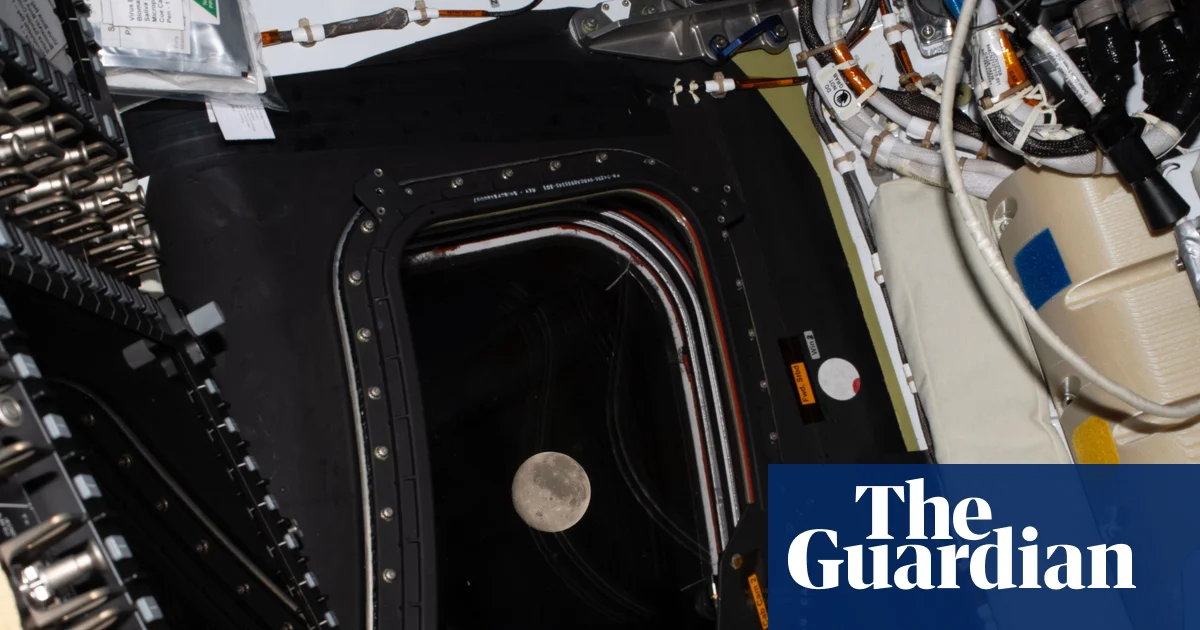

Artemis II Breaks Records: Astronauts Travel Farthest from Earth in History

In an extraordinary milestone for global space exploration, the crew of Artemis II has broken the longstanding distance record set by Apollo 13 over 50 years ago. At precisely 1:57 p.m. Eastern time on Monday, astronauts Jeremy Hansen of the Canadian Space Agency, and NASA astronauts Reid Wiseman, Victor Glover, and Christina Koch, soared beyond the lunar orbit, reaching a point approximately 5,000 miles (8,000 km) farther from Earth than any humans previously had. This historic feat underscores the renewed vigor and strategic importance of the U.S. and its allies’ space programs, particularly as competition with China and Russia heating up in the arena of lunar and planetary exploration.

This milestone isn’t just about reaching new distances; it carries palpable geopolitical impact that stretches across international borders. As analysts from the International Institute of Space Policy and historians point out, projects like Artemis serve as a powerful reminder of national prestige and technological prowess. With recent geopolitical tensions escalating, especially in regions like the South China Sea and Eastern Europe, the race to establish dominance in space is increasingly seen as a proxy battleground for future influence. The Artemis program, rooted in a renewed sense of American patriotism and global leadership, signals that the United States aims not only to explore but to concretely stake a claim in the new space frontier.

Experts warn that such advancements could reshape global alliances and economic partnerships. The deployment of advanced lunar science missions, such as surveying hypothetical landing zones and photographing celestial bodies, is underpinned by a broader strategy—reasserting technological supremacy and securing future resource access. The United Nations and NASA officials have continually emphasized the importance of international cooperation; however, many influential voices, including renowned historian Dr. Mark Whitaker, caution that the current momentum favors a bifurcated space arena—where dominant powers carve out spheres of influence. Such divisions could ultimately set the stage for a new Cold War in space, with implications for global peace and security.

Meanwhile, the symbolic act of capturing the ‘Earthrise’ image aims to unite humanity under a shared identity—an inspiring reminder that even amid geopolitical rivalries, the planet remains a fragile oasis of life and hope. Despite the scientific and geopolitical triumphs, astronauts like Glover reflect on the deeper meaning, emphasizing our collective responsibility to “get through this together.” As the Artemis II mission prepares to transit through illuminated shadows cast by the moon and face communication blackouts out of contact with Earth, it is a sobering testament to how our ascent into space navigates both technological achievement and profound geopolitical currents. In a moment that echoes the pioneering spirit of the Apollo era, humanity is once again at the crossroads of history—where our choices could define the future of civilization or lead us into unforeseen conflicts. The story of Artemis II remains unwritten, but its unfolding narrative will forever shape the course of human destiny on this tiny blue dot floating in the vast universe.

Moms Say New School Means 15 Hours of Travel — Are Our Kids Being Shortchanged?

Reclaiming Humanity in Our Schools: A Call to Recognize Children Beyond Data

In a time when statistics and metrics increasingly dominate educational discourse, a poignant appeal from a parent has gained widespread attention: a plea for children to be seen as more than just a number on a spreadsheet. This plea resonates deeply within many communities, highlighting the ongoing tension between data-driven policies and the fundamental need for personalized, humane education. For decades, families, educators, and social institutions have grappled with the challenge of maintaining the human element amid rising bureaucratic oversight. As sociologists like Charlotte Perkins Gilman and contemporary social commentators argue, the transformation of children into mere data points risks eroding the essential bonds that foster growth, resilience, and community cohesion.

This cultural shift reflects broader demographic and societal changes. In many areas, resource allocation is increasingly tied to quantifiable outcomes, leading to a prioritization of test scores over holistic development.

  • Educational institutions under pressure to perform often resort to standardized testing, which can diminish individual attention and stifle creativity.
  • Children from diverse and often underprivileged backgrounds bear the brunt of this trend, facing systemic challenges that impede their full potential.
  • Parents and advocacy groups argue that such approaches overlook the human importance of nurturing emotional intelligence, moral character, and social skills.

Research by leading sociologists underscores how social issues directly impact families and community stability. When children are viewed narrowly—as measurable units—families feel increasingly alienated from the educational process, which can erode trust in societal institutions. Educators, caught between policy mandates and their desire to serve as mentors, often find themselves constrained, unable to foster the individual strengths or challenges of their students. Social commentators warn that this phenomenon not only hampers educational outcomes but also risks fracturing the social fabric. As communities become fragmented, the shared values that once held families together seem diminished, leaving behind a sense of societal disconnection that extends beyond school walls.

Addressing these pressing social issues requires a multifaceted approach. Many advocates propose

  • Rebuilding school curricula around values-centered education that emphasizes character, resilience, and community engagement.
  • Implementing policies that allocate resources toward mental health and social opportunities, recognizing their integral role in development.
  • Encouraging public dialogue about what constitutes meaningful education, ensuring that children are seen as individuals with unique dreams, fears, and potential.

As society stands at this crossroads, the challenge lies in transforming our educational models from repositories of data into havens of humanity. Historically, societies that valued human dignity and community — from ancient towns to modern neighborhoods — found strength in their shared stories and moral commitments. Embracing this wisdom, contemporary communities must ask themselves: *What future are we shaping for the next generation?* Will we allow a world where children are reduced to mere statistics, or will we reaffirm our duty to see them as whole beings — worthy of love, attention, and the chance to forge their own destiny? The answer lies in our collective resolve to preserve the heart of society amid its relentless pursuit of progress, reminding ourselves that behind every data point stands a face, a story, and a future worth fighting for.

Airbnb Launches Private Car Pickup—Fresh Ride Solutions for Travelers

In a move that underscores the relentless push towards integrated, full-stack travel services, Airbnb announced the expansion of its platform to include a new car pick-up service across 125 cities worldwide, partnering with Welcome Pickups. This innovation is not merely an addition but a disruptive shift, signaling a strategic pivot aimed at transforming Airbnb from a home rental platform into a comprehensive travel ecosystem. With the introduction of private car bookings accessible directly within their app, Airbnb is positioning itself to challenge entrenched transportation players while setting the stage for a seamless user experience, blurring the lines between accommodations and mobility.

The company revealed that its pilot program in Europe and Asia demonstrated remarkable success, with “thousands of guests” utilizing the service and achieving an extraordinary average rating of 4.96. When users book a stay, they will now find an option to schedule private transportation, view reservations, and modify details—all within the same platform. This consolidation not only enhances user convenience but also exemplifies the strategic disruption of the traditional travel value chain, wherein distributed services—hotels, transportation, experiences—are converged into a unified digital ecosystem. Analysts from Gartner emphasize that such integrations accelerate industry transformation, forcing competitors to innovate or concede market share.

Moreover, Airbnb’s ambition extends beyond mobility. Building on its summer services launch—which introduced categories like chefs, spa treatments, and personal trainers—the company is aggressively bolstering its comprehensive trip management capabilities. Their recent partnership with Instacart to facilitate grocery orders illustrates an intent to deliver end-to-end trip experiences.

  • Enhanced convenience for travelers
  • Deeper platform engagement
  • Potential for new revenue streams

But such moves also signal a profound shift for the industry—Uber, Expedia, and traditional hospitality giants now face a formidable, integrated challenger that aims to control not just the booking process but the entire traveler journey.

During its Q4 2025 earnings call, Airbnb CEO Brian Chesky emphasized the magnitude of this shift, referencing the “massive” opportunity in hotel stays, with the aim of embedding Airbnb as a primary platform across all aspects of travel. This full-stack approach exemplifies the ongoing disruption in the travel industry, echoing sentiments shared by industry experts like Peter Thiel, who warn of the necessity for companies to innovate at an aggressive pace to stay ahead. As Airbnb explores additional features—such as hotel bookings and even local experiences—the company is rapidly evolving into a comprehensive, all-in-one travel platform. The implications for competitors are clear: adapt or risk obsolescence in a marketplace that’s increasingly favoring integrated digital ecosystems.

Looking ahead, the pace of Airbnb’s expansion signals a broader industry upheaval—<_>disruption is imminent for traditional hospitality and transportation sectors(_). Stakeholders and investors must recognize that the companies which innovate boldly and leverage emerging technologies like AI, data analytics, and seamless omnichannel experiences will dominate the future landscape. As Airbnb’s model exemplifies, the pioneer spirit is alive—and accelerating. The coming years will be pivotal, demanding urgent innovation and a strategic vision that can navigate and capitalize on this unfolding digital revolution.

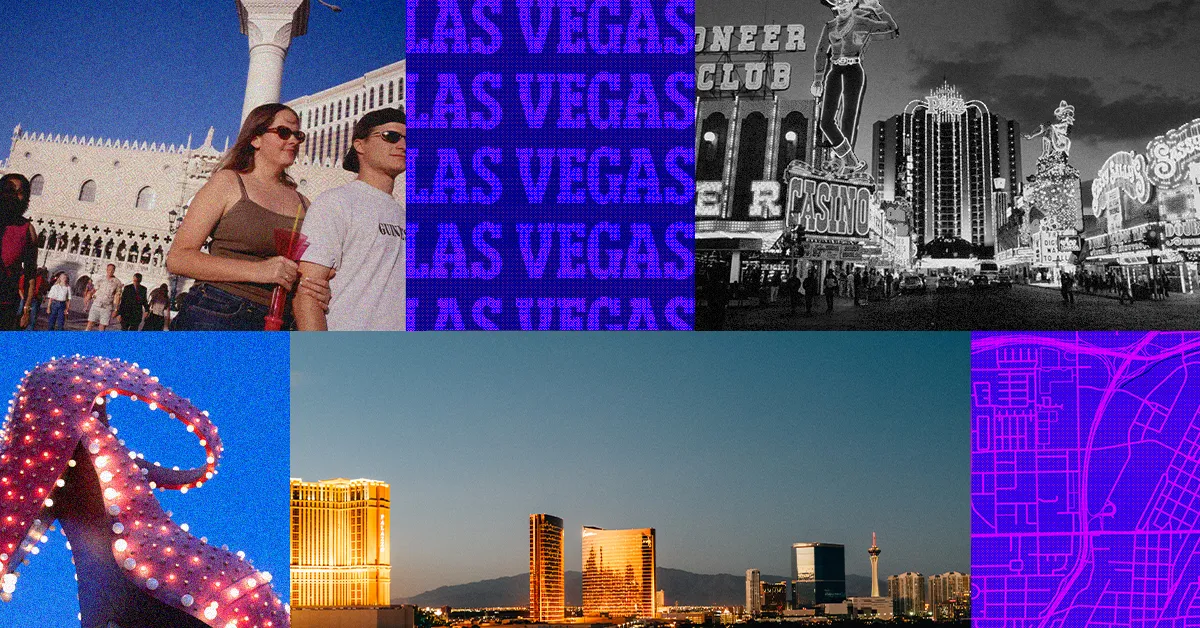
Your Guide to Dominating Vegas Business in 2026

Vegas Leads the Charge in Innovation and Disruption Across Food, Beverage, and Culture

Las Vegas continues to redefine its position as a global hub of industry disruption and innovation, setting new standards that command the attention of entrepreneurs and investors worldwide. The city’s thriving restaurant scene exemplifies this, with publicus and Tamba leading a culinary revolution by embracing borderless fusion cuisine and raw artistry that reshapes traditional dining paradigms. With a focus on incorporating state-of-the-art cooking techniques—from live-fire grilling to avant-garde raw bars—Vegas exemplifies a market aggressively adapting to consumer demand for experiential luxury and originality.

Beyond just food, the city’s beverage landscape is experiencing a comparable upheaval. Nocturno and The Bellagio’s speakeasy demonstrate a commitment to craft mixology at a super-premium level, pushing the envelope with rare spirits and vintage wines. Such establishments reflect a broader trend: Vegas is transforming into an epicenter of exclusive drinking experiences, catering to a new generation of connoisseurs who seek authenticity with an edge. Recognized industry experts like Mariena Mercer Boarini and Luis “Lu” Lopez underscore how Vegas’s rapid innovation is fueling a business model centered on ultra-personalized luxury and cutting-edge mixology.

Disruptive Innovation in Culture and Arts

Vegas’s artistic scene is also experiencing a renaissance, driven by venues like The Neon Museum and Meow Wolf’s Omega Mart, which challenge conventional notions of cultural experience. These initiatives embody a disruptive approach to arts and culture—blurring traditional boundaries between high art and pop culture—thus transforming Vegas into a nexus for creative experimentation and investment. Institutions such as Regis Galerie and Eden Gallery demonstrate how high-end art is augmenting the city’s entertainment ecosystem, attracting a young, affluent audience hungry for memorable, immersive experiences.

The implications for business are substantial: Los Vegas’s innovative model is a blueprint for other emerging entertainment economies. The city’s focus on combining luxury gastronomy, art, and nightlife under a seamless experience is creating a virtuous cycle of investment and innovation. As analyst reports from Gartner suggest, such integrated cultural-business ecosystems are poised to dominate the next wave of global urban development, where market disruption will no longer be an exception but the rule.

The Future is Now—A Call for Bold Investment

In this landscape of relentless innovation, tech entrepreneurs and capital pools are well-advised to watch Vegas as the early indicator of broader industry shifts. From cutting-edge culinary methods to immersive cultural venues, the city exemplifies a disruption-driven economy that demands agility, foresight, and bold investment. Figures like Elon Musk and Peter Thiel have long championed the importance of anticipating these seismic shifts. Vegas’s example underscores that the future of industry leadership will favor those who innovate faster and think bigger.

As we look ahead, this relentless march of disruption signals that the window for traditional players to adapt is closing. Capitalizing on Vegas’s innovations could set a precedent for other cities aiming to compete in a transformed global economy. For young entrepreneurs and investors, the call is clear: get involved now or risk getting left behind in the dust of tomorrow’s winners. The convergence of technology, culinary, and cultural innovation in Vegas signals a future where disruption is not just inevitable, it is the new normal.

Top 14 Travel Toiletry Bags for Young Adventurers: Tested & Trusted for 2026

Revolutionizing Travel Gear: The Future of Business Innovation in Personal Accessories

The world of travel accessories, historically characterized by simple, utilitarian designs, is undergoing a profound shift driven by cutting-edge materials and disruptive manufacturing techniques. Industry leaders such as Monos, Beis, and Aer are spearheading a competitive race to redefine what consumers expect from everyday travel essentials. In an era where innovation is no longer ancillary but fundamental, these brands are leveraging new fabric technologies, sophisticated construction, and strategic design to both elevate their market position and challenge established giants.

For instance, Monos’ Metro Toiletry Case exemplifies material innovation by incorporating ultra-durable vegan leather that balances resilience with lightweight portability. Its structured yet flexible design exemplifies disruption in product form factor—melding protection with packability—a paradigm shift recognized by analysts from Gartner and notable brands like Apple in embracing form-meets-function. Meanwhile, Beis’ Dopp kit exemplifies the application of advanced manufacturing processes such as seamless water-resistant compartments, raising the bar for durability and ease of cleaning—an essential for the burgeoning clean and sustainable travel trend.

Beyond material innovation, the integration of smart features signifies an industry-wide pivot towards business disruption. Brands like Tumi with their Alpha Bravo Response Kit embed tech integrations such as antimicrobial linings and tracking capabilities, setting a new standard in security and hygiene—key concerns for millennial and Gen Z consumers. Such features not only heighten user convenience but also create new revenue streams, as companies explore subscription-based models for accessories and complementary services, mimicking successful tech giants operating at the intersection of hardware and software.

Industry-Wide Impacts and Market Shifts

According to recent industry reports, the market for premium travel accessories is projected to grow at a CAGR of 8-10% over the next five years, spurred by disruption in traditional supply chains and consumer demand for innovation-driven products. This industry shift threatens legacy brands that rely on outdated manufacturing and minimal feature differentiation, while favoring those that embrace disruption and technological integration. Notably, startups adopting sustainable materials and digital diagnostics are already experiencing rapid growth, echoing strategies recommended by Peter Thiel’s insights regarding first-mover advantages in technology markets.

Furthermore, industry consolidation is gradually giving way to an ecosystem of niche, agile brands that focus intensely on innovation and customer engagement. The rise of manufacturers utilizing AI-driven design and advanced composites signifies a potential paradigm shift, reminiscent of Industry 4.0 trends transforming manufacturing sectors across the board. For consumers, this translates to more personalized, durable, and tech-enabled products, driving expectations that modern products must serve both form and function in a disruptive manner unparalleled in previous decades.

The Dynamic Outlook and Urgency for Innovation

As the boundaries of material science and digital integration continue to blur, the future of travel gear appears inexorably linked with business innovation and technological disruption. Industry leaders and startups alike face the imperative of staying ahead by investing in R&D, embracing sustainable practices, and deploying next-generation manufacturing processes. With big tech convergence on the horizon—such as AI-powered design tools and blockchain-enabled supply chains—the push for disruption should be accelerating, not stagnating.

The ongoing evolution in travel accessories serves as a mirror to the broader landscape of technological disruption affecting every sector. As Elon Musk and Peter Thiel have emphasized, those who leverage innovation and act swiftly will not only redefine market standards but also seize the exhilarating economic opportunities of the next frontier. The message is clear: disruption is no longer optional; it is the only way forward in an ever-accelerating technological race. The companies that recognize and adapt to this reality today will be the industry titans of tomorrow, shaping the future of consumer technology and global commerce.

Millions hit with travel bans as fierce winter storm grips Northeast

As North America grappled with a record-breaking winter storm, the recent blizzard that swept through the North-eastern United States exemplifies the growing intensity and unpredictability of climate phenomena. Heavy snowfall exceeding 2 feet in several cities, with gusts over 30mph, has paralyzed transportation networks from New York City to Boston. Emergency declarations in multiple states and the suspension of flights and public transit underscore the storm’s immediate impact on society. Yet, beyond the immediate chaos, this weather event raises pressing questions about how global instability, driven by climate change, is influencing geopolitical stability and societal resilience.

While the storm’s physical toll is evident—power outages affecting nearly 700,000 along the east coast and widespread shutdowns—its geopolitical implications are more subtle but no less significant. In response to the crisis, local governments mobilized extensive emergency efforts, from expanding shelter capacities to deploying snow removal crews. However, these responses also expose underlying vulnerabilities, especially in major urban centers that serve as economic hubs. The combined effect of worsening weather patterns and ongoing urbanization in vulnerable regions exacerbates social inequalities and strains national infrastructure. Analysts warn that such natural disasters, if persistent, could destabilize regional economies and trigger migration crises, forcing governments worldwide to reconsider their climate resilience strategies.

The international reaction remains muted but attentive, with some experts and organizations warning that climate-related disturbances could usher in a new era of geopolitical volatility. According to the International Panel on Climate Change (IPCC), the increasing frequency of extreme weather events correlates strongly with rising global temperatures caused by unchecked emissions. Meanwhile, thought leaders among historians and geopolitical analysts highlight that nations most affected by climate stress are often those with fragile political structures or limited resources for disaster mitigation—risking destabilization and conflict. For instance, the U.S. storm comes amid mounting tension in other regions, such as Ukrainian and Taiwanese flashpoints, where climate stress compounds existing geopolitical disputes.

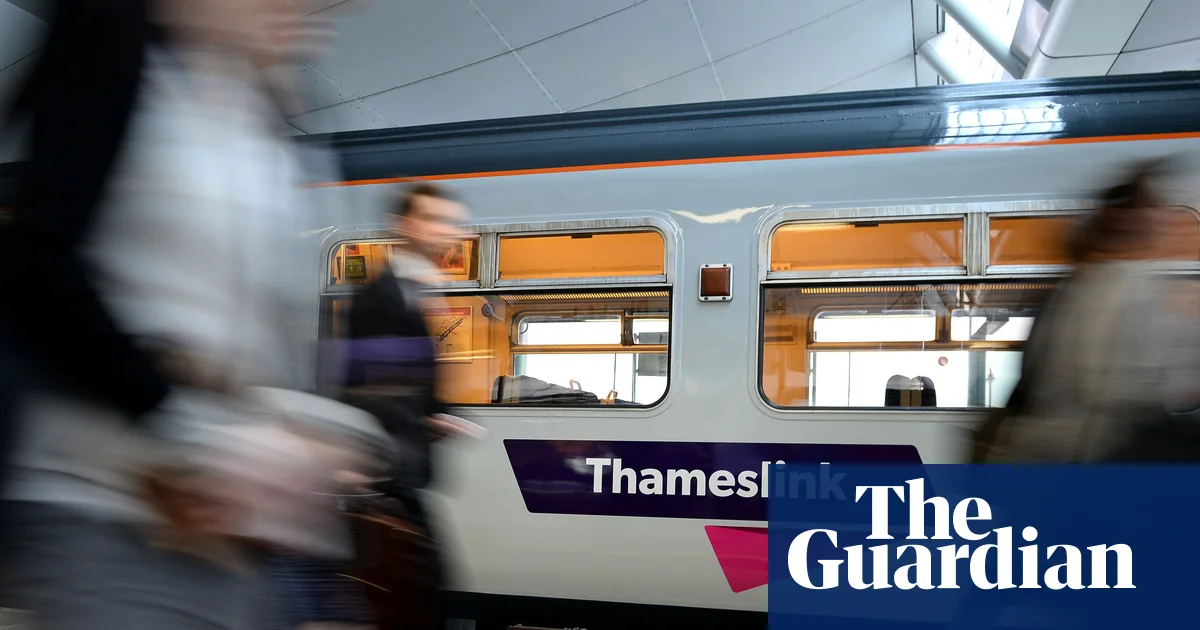
Rail company warns: Do not travel amid multiple incidents in southeast England

Amidst the rolling hills and historic cityscapes of Great Britain, a critical disruption has underscored the fragile state of its national infrastructure, with direct geopolitical implications reverberating across Europe and beyond. The recent train derailment and signalling failures in south-east England, involving major operators such as Southern, Thameslink, and Gatwick Express, reveal much more than transportation glitches; they are symptomatic of deeper systemic challenges that now threaten the stability of the UK’s transport and political sovereignty. As Britain faces an ongoing process of re-nationalisation of its rail services, analysts suggest these incidents symbolize a broader struggle between market-driven deregulation and state-controlled resilience—a contest with profound transnational consequences.

Once celebrated for their efficiency, privatized rail networks in the UK are increasingly under scrutiny, with about 18% of train trips now operated directly by the government. The recent crisis, triggered by a derailment at a depot in Selhurst and a signalling fault between London Blackfriars and Norwood Junction, has led to widespread delays and cancellations across major routes, disrupting daily lives and forcing commuters to face uncertain journeys. Experts like transportation analysts argue these disruptions are a sign of the risks embedded within a privatized model that prioritizes profit over operational stability. The specter of nationalisation looms larger, with political leaders emphasizing the need to tighten control over critical infrastructure to safeguard national security and social stability.

This governmental shift, exemplified by recent moves to bring West Midlands Trains and other operators under state control, marks a decisive turn in Britain’s attempt to reassert sovereignty over its transportation arteries. Following this trajectory, the expected nationalisation of GTR in May signals a hardening stance that some see as an essential rebalancing of power—aimed at restoring reliability and sovereignty. However, critics warn that such measures must be accompanied by robust reforms to ensure the long-term resilience of Britain’s infrastructure amidst an evolving geopolitical landscape. As nations worldwide assess their dependencies on privatized systems, the UK’s experience serves as a cautionary tale that strategic control may be indispensable in the era of global uncertainties.

According to international organizations and historians tracking the decline of privatized utilities, these episodes are more than isolated events—they are indicators of a global realignment. In Europe, political leaders are reexamining the balance between liberalization and state oversight, fueled by recent crises that expose vulnerabilities within interconnected networks. The decision to re-nationalize raises fundamental questions about how societies prioritize security, economic stability, and social cohesion in a rapidly shifting geopolitical order. As London grapples with its transit failures, the message resonates outward—decision-making in transportation is ultimately a reflection of a nation’s sovereignty and the resilience of its social fabric. The unfolding saga remains a stark reminder: history is still being written, and the direction it takes will shape generations to come.

Gaza’s Rafah Border Reopens for Select Travel Amid Tensions — What You Need to Know

Amid mounting international scrutiny, European Union officials and former diplomats are raising alarms over the ongoing humanitarian and legal crises in Gaza and the broader West Bank. A coalition of more than 400 former European top diplomats has called for intensified pressure on Israel, condemning what they describe as “excesses and unremitting violations of international law.” This unprecedented appeal underscores the deepening global concern about the conflict, as the bloc considers suspending or revisiting its strategic relations with Israel, including the engagement under the EU-Israel association agreement. The signatories, many of whom previously held senior diplomatic positions, are urging the EU to adopt a firm stance by initiating a “time-limited dialogue” with Israeli authorities, potentially including the suspension of agreements if Israel fails to respond constructively.

This diplomatic push comes at a time when the United Nations and human rights organizations warn of a dire reality on the ground. More than 500 Palestinians, including approximately 100 children, have been killed during Israeli military operations since last year’s ceasefire, according to Gaza’s health ministry. Heavy restrictions on humanitarian aid and ongoing Israeli settlement projects, particularly in East Jerusalem and the West Bank, threaten the viability of a two-state solution. Notably, Israel’s moves towards annexation and settlement expansion have drawn international condemnation, further complicating the prospects of peace and stability in the region. Critics argue that such policies not only violate international law but also bolster radical factions, which perpetuate cycles of violence and instability across the Middle East, with the global geopolitical landscape sharply affected as a result.

The recent reopening of the Rafah border crossing between Gaza and Egypt, after months of closure, symbolically marks a new but fragile chapter in the ongoing crisis. The limited movement of Palestinian civilians—just fifty people daily—mainly those in need of medical treatment, reflects the complex security calculus driven by Israeli and Egyptian authorities. Israeli officials stipulate that ongoing security checks will regulate crossing, and the process involves multi-layered screening. The Gaza health ministry reports approximately 20,000 patients, many of them wounded or ill, waiting to evacuate, emphasizing the persistent humanitarian catastrophe. This partial reopening, aligned with the US-led ceasefire efforts, comes amidst the deadliest Israeli airstrikes in months, which have resulted in the deaths of at least 30 Palestinians, including civilians sheltering in tent cities, highlighting the precariousness of peace prospects and the ongoing toll of conflict.

International organizations and analysts highlight how these strategic decisions and geopolitical maneuvers ripple through societies and influence global stability. The World Health Organization warns of worsening health conditions in Gaza, with rising cases of respiratory infections and hypothermia, exacerbated by the blockade and infrastructure destruction. Meanwhile, the International Criminal Court continues to investigate potential war crimes, including Israel’s conduct amidst accusations of a “genocide,” as a prominent UN human rights lawyer openly condemns Israeli policies — a stance that has led to sanctions and diplomatic fallout, especially from the US. The confluence of military action, diplomatic isolation, and international moral debates reveals a landscape of profound instability, where each decision echoes beyond borders. As the world watches, history’s ink continues to be written with every strike, treaty, and diplomatic reprimand—reminding all that peace in Gaza is not merely a local issue but a chapter in a larger story of justice, sovereignty, and international law that remains unfinished.

Labor pushes for watchdog review on politicians' travel perks amid mounting criticism
Labor pushes for watchdog review on politicians’ travel perks amid mounting criticism

In recent weeks, Australia has been embroiled in a damaging political scandal, revealing a widening gap between the privileged practices of parliamentarians and the expectations of the public. The controversy centers around the extensive travel entitlements claimed by members of parliament, including lavish claims for family travel, which have sparked widespread criticism. The Independent Parliamentary Expenses Authority (IPEA) is now under pressure to broaden its review, assessing whether systemic reform is necessary and what the long-term geopolitical implications might be for Australia’s global image. These revelations come at a crucial juncture for Prime Minister Anthony Albanese, who faces mounting domestic and international scrutiny over governance transparency and accountability.

The scandal underscores how domestic political decisions can echo far beyond national borders. While the immediate focus is on parliamentary expenses, international organizations and security analysts observe deeper ramifications. Historians warn that unchecked entitlements, especially those perceived as out of touch with societal norms, threaten the legitimacy of political institutions. Australia’s reputation as a responsible member of the international community could suffer if such scandals persist, undermining diplomatic efforts and foreign investments that rely on predictable, transparent governance. The controversial practice of claiming extensive benefits for family travel—such as claiming nine business class airfares annually for spouses—exposes a broader issue of political privilege, which critics argue fosters public disillusionment and fuels anti-establishment sentiment.

Across the Pacific, similar debates unfold in United States and European democracies, where transparency reforms are being tested against entrenched political interests. International watchdogs and United Nations officials closely monitor these developments, emphasizing that how nations handle internal accountability directly shapes their geopolitical standing. The International Institute for Democracy and Electoral Assistance (IDEA) has warned that scandals like this can undermine citizens’ trust globally, leading to increased polarization and unrest. As political leaders in Australia call for legislative reforms—such as capping travel claims and tightening oversight—the decision now weighs heavily on the country’s reputation for upholding democratic standards and fiscal responsibility. This internal upheaval is a test of whether political elites can reconcile privilege with their mandate to serve the public good.

As Australia grapples with the fallout, the deeper question emerges: how do these decisions ripple through international relations? The ongoing crisis not only affects domestic societal cohesion but also casts a shadow over Australia’s diplomatic relationships, especially with strategic partners and trading blocs that prioritize good governance. The unfolding narrative highlights a pivotal moment in world history—one where internal integrity can dictate a nation’s influence on the global stage. With opposition leader Sussan Ley and government figures engaged in heated debates, history seems poised to record whether this crisis becomes a catalyst for meaningful reform or an enduring stain on the nation’s reputation. As the world watches, the weight of history presses heavily on the shoulders of Australia’s political class — a mirror reflecting the fragile balance between privilege and responsibility in an era of mounting global uncertainty.

Social Media Auto Publish Powered By : XYZScripts.com