Matox News

Truth Over Trends, always!

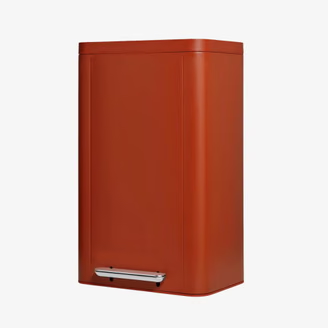
Is a Trash Bin the Next Art Trend? We Dug Into Caraway’s Sleek New Kitchen Containers

In a world where lifestyle shifts increasingly emphasize *intentional living* and *minimalist aesthetics*, even the most mundane aspects of daily life are being elevated to a form of art. The latest trend that encapsulates this movement? The emergence of thoughtfully designed, well-crafted household essentials. One prime example is a new wave of trash cans that do more than just contain waste—they blend function, form, and philosophy to create a holistic, almost spa-like experience in mundane chores. Brands like Caraway are championing this revolution, turning an everyday necessity into a statement of style and purpose.

At the forefront of this movement, Caraway’s recent range of trash cans and recycling bins exemplifies how elevating simple objects influences health and *well-being*. These pieces boast sleek, fingerprint-resistant finishes and intuitive design features like drawers for sorting recyclables. Despite carrying a premium price tag—$245 for their flagship trash can—they promise long-term durability and a *frictionless* experience that transforms a routine task into a moment of reflection or even joy. An expert like wellness guru and author Emily Nagoski emphasizes that *environmental harmony*—the feeling of beauty and order—can significantly uplift mental health and foster a *well-rounded lifestyle*.

How well does it do its job?

Beyond aesthetics, these products excel in practical performance. My recent test involved packing the Caraway trash can with food scraps—coffee grounds, moldy produce, onion peelings—plus some kitty litter, all within close proximity to my living space. The results? No offensive odors escaped, confirming how airtight the design truly is. When opened, a slight puff of smell briefly escaped, a minor trade-off for the solid containment when closed. Meanwhile, the recycling bin stayed odor-free, a testament to its airtight construction. For those mindful of maintaining *wellness at home*, controlling household odors contributes substantially to a *stress-free, inviting environment*. This commitment to function over mere form is what distinguishes brands like Caraway, which prioritize longevity and ease of maintenance—features that resonate with the rising segment of young consumers seeking value along with style.

Moreover, such durable design aligns with a sustainable philosophy—less waste, longer-lasting products, easier cleaning—all vital considerations for healthy living. The simplicity of a removable bin, easily rinsed in a bathtub or with a hose, underscores the importance of *mindful maintenance*. Wellness expert Dr. Mark Hyman notes that *clean, organized spaces* directly impact mental clarity, a principle that these products embody. By creating a space that not only looks clean but is actually hygienic, consumers reinforce a lifestyle rooted in intentionality and *personal empowerment*.

Will it last?

Durability matters immensely; a beautiful object that fails prematurely defeats its purpose. Caraway’s bins proved to be robust during my ‘stress test’: unboxed in my apartment’s vestibule, they withstood my attempts to bump and bang them—ramming a vacuum cleaner against the side with no dents or cracks. Routine use, including frequent emptying and rinsing, demonstrated their resilience. Such robustness offers both peace of mind and a subtle reminder that investing in quality is investing in oneself. The capacity for these pieces to withstand everyday wear aligns with a broader cultural narrative—one increasingly focused on *quality over quantity*, on “less but better” as advocated by lifestyle writers like William Morris and modern minimalist influencers.

As this movement evolves, it encourages a *redesign of life’s essentials*. Instead of relegating household chores to neglect, they become a chance for *mindful appreciation*—a chance to embrace a lifestyle centered on quality, durability, and aesthetic harmony. This journey, inspired by the quiet beauty of well-crafted objects and the philosophy of *living with intention*, underscores a profound truth: our surroundings shape our mindset. In taking care of the small, mundane details, we forge a path toward a more *balanced, inspired life*, affirming that style and function, when thoughtfully combined, can elevate even the simplest tasks into acts of purposeful living.

Why Pointelle is the Ultimate Stylish Reset—The Trend Blowing Up Against ‘Brat’ Culture

From Underwear to Mainstage: The Cultural Comeback of Pointelle

Once a humble textile associated with girls’ vests, thermal wear, and delicate underwear, pointelle is making a surprising return to the spotlight—this time commanding the fashion runways and social media feeds of the youth. Defined by Merriam-Webster as “an openwork design, typically in the shape of chevrons,” pointelle has historically been seen as a domestic, even girlish fabric. But recent trends suggest it has taken on a social and cultural significance far beyond its origins. With brands like Cou Cou Intimates, Leset, and luxury designers such as Loewe showcasing vibrant, provocative pieces, this fabric is now at the forefront of a broader cultural shift—one marked by nostalgia, innocence, and subtle defiance.

Fashion Icons and Runway Revelations Spark the Trend

The resurgence kicked off when renowned designer JW Anderson debuted pointelle looks in his 2024 collection, featuring a striking Pepto-Bismol pink co-ord. This playful yet confident palette shattered traditional notions of fabric and color, signaling that pointelle is no longer confined to childhood or undergarments. Days later, the Loewe runway revealed a series of vividly colored V-neck dresses that demonstrated the fabric’s versatility and cultural resonance. Influencers and fashion insiders, like style icon Hailey Bieber, have embraced the trend, turning it into a staple of everyday chic. Their popularity amplifies its social relevance, transforming pointelle from modest to provocative, especially when worn by grown women—who use it as a tool of subtle rebellion.

Looking Backward to Leap Forward: The Power of Nostalgia

The appeal of pointelle lies in its nostalgic charm. As one of the brand founders, Rose Colcord of Cou Cou Intimates, explains, “People are craving familiarity, especially with how fast the world is changing.” This fabric evokes childhood innocence, free from societal judgments about appearance or style—an escape that resonates deeply with a culture increasingly obsessed with authenticity and self-expression. The pattern’s delicate holes and soft texture evoke images of crayons, candy floss, and carefree days, giving consumers a nostalgic boost in turbulent times. This cultural shift toward embracing ‘the simple life’ underscores a larger societal longing for comfort amidst chaos.

Subversion, Sexuality, and the Next Big Question

However, the story of pointelle doesn’t stop at nostalgia. When worn by adults, especially as underwear or form-fitting tops, it serves as a cultural signal of defiance. As Dalton, a fashion analyst, notes, “There’s something provocative about basic underwear on adult bodies.” Kristin Stewart’s recent public appearance in Y-fronts, for example, exemplifies this paradox—an ordinary garment, yet charged with gender and societal commentary. At moments of social tension—like high-profile red carpet events or post-breakup revenge outfits—pointelle features as a symbol of resilience and provocation. The question now is: will this trend redefine notions of femininity, modesty, and rebellion in the digital age? As viewers, influencers, and sociologists grapple with its social meanings, future challenges will determine whether pointelle remains a fleeting trend or evolves into a lasting cultural phenomenon.

Ultimately, what’s most fascinating is that a fabric once dismissed as merely “girlish” now stands at the intersection of nostalgia, sexual agency, and social critique. As the next chapter unfolds, the pressing question is whether society will embrace this delicate fabric as a symbol of youthful innocence or a tool of subversion—and what this says about our collective cultural trajectory.

Toxic Confidence: The Trend That’s Crossing the Line in Today’s Youth Culture

In an era where authenticity is often praised yet superficial confidence seems to reign supreme, the cultural landscape is seeing a transformation—a surge toward _toxic confidence_. Everywhere you look, from social media feeds to Hollywood, there’s a new breed of personality thriving on unshakable _brash self-assurance_. This shift isn’t just about arrogance; it’s a reflection of a society eager to shed its old veneer of modesty and embrace a more daring, unapologetic attitude. Influencers, entrepreneurs, and even politicians now swagger with a kind of bravado that challenges traditional notions of humility, revealing a collective craving for _personal impact and recognition_ in a noisy world.

The rise of _toxic confidence_ can be traced back to a cultural desire for _self-empowerment_ amidst widespread uncertainty. Authors like Dr. Brené Brown have long preached the power of vulnerability, but the current climate favors defiance and assertiveness. Public figures such as comedian Amelia Dimoldenberg, who charms A-listers on her YouTube series “Chicken Shop Date” by wielding flirtatious confidence, exemplify this trend. Culture’s fascination with inflated egos also echoes hip-hop’s diss culture and the theatricality of drag, where _staged bravado_ often masks deeper insecurities. Today, even the most unlikely individuals—be they aspiring entrepreneurs, reality TV stars, or social media personalities—are doubling down on their _swagger_ in the hope of standing out, inspired by icons like President Trump, whose penchant for superlatives has redefined political confidence.

But beneath this _overconfidence_ lies a complex psychological landscape. Psychotherapists such as Rachel Easterly highlight that **many of these bold claims are rooted in societal anxieties**—a defense mechanism against feelings of helplessness, nihilism, and societal collapse. The _embrace of bravado_ provides a fleeting sense of empowerment, a way to borrow ego strength from admired figures or cultural waves. Whether it’s a social media influencer boasting about “making millions” from manifestation courses or a young actor confidently dismissing traditional arts like opera and ballet, this _posturing_ signals a societal shift: a departure from the humility that once marked genuine achievement to a landscape where _self-assured performativity_ gains prominence. However, it’s crucial to recognize that such confidence often camouflages underlying vulnerability, a paradox that makes this cultural moment simultaneously _empowering and fragile_.

What does this mean for the individual’s _personal impact_? It’s simple: at its best, _toxic confidence_ fuels _ambition and action_. It pushes young people to step outside comfort zones—saying “yes” to opportunities they might otherwise ignore, pursuing their goals with unrelenting _assertiveness_. It encourages a kind of _fearless authenticity_ that can inspire others to shed self-doubt. Yet, the danger lies in the excess—when confidence morphs into arrogance or dismisses important values such as humility and empathy. Authors like Mark Manson remind us that _genuine confidence_ derives from a healthy sense of self-awareness, which balances boldness with humility. Navigating this delicate terrain requires embracing _wellness shifts_—not just in physical health but in mental resilience and self-reflection—so that confidence becomes an _empowering tool_ rather than a destructive mask.

As this cultural evolution continues, perhaps the most profound insight lies in understanding that _true confidence_ isn’t about outshining others but about *owning your story with honesty and conviction*. It’s about recognizing one’s worth without diminishing others, and carrying oneself with _authenticity._ For the generation coming into their own in this noisy, hyper-assertive world, a journey towards _self-awareness_—rather than superficial bravado—may be the greatest form of _lifestyle activism_. Embracing this balance isn’t just a personal act, but a societal one, shaping a future where confidence fuels growth, resilience, and genuine influence. In the end, life is a continual process of _embracing your true self_, and perhaps that’s the ultimate power in a world obsessed with _toxic confidence_.

Fact-Check: Viral claim about fashion trend accuracy assesses true or false.

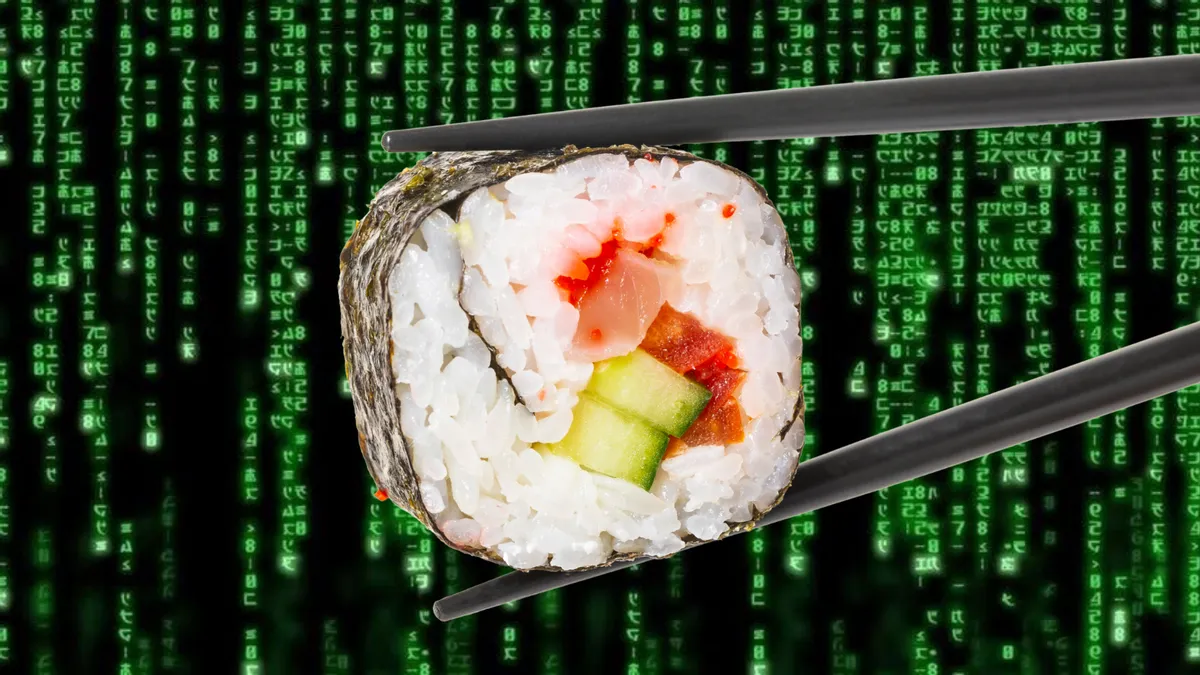
Fact-Check: Did Simon Whiteley Use Cookbooks to Create the Coding Effect?

Recently, a claim has circulated online suggesting that Simon Whiteley, the code designer for the beloved film, The Matrix, crafted the iconic “green code” visual effect by scanning characters from his wife’s Japanese cookbooks. This story, while intriguing and adding a touch of literary charm, warrants closer scrutiny to determine its factual accuracy. As responsible citizens and consumers of media, it’s crucial to separate verified facts from alluring myths.

Examining the Origins of the Story

The claim appears to originate from anecdotes shared by The Wachowskis, creators of the film, and Whiteley himself. Reports indicate that the visual effect of the digital rain — cascading green symbols — was inspired by real Japanese characters. However, whether the design was directly created by scanning from cookbooks or whether this story is an embellished account remains in question.

Whiteley’s own explanations and interviews collected by VFX industry sources suggest that, while Japanese characters served as inspiration, the actual process was far more technical and involved digital design techniques rather than simply copying characters from cookbooks. Indeed, interviews with the film’s visual effects team indicate that the code was generated via digital overlays using custom software designed expressly for this purpose, rather than through a straightforward scan of printed material.

Technical Process Behind the Iconic Code

The process of creating the falling code effect involved:

  • Designing characters that evoke East Asian scripts but are not actual readable text.
  • Digitally generating these characters to produce a seamless rain-like animation.
  • Employing software to manipulate the code’s movement, density, and appearance, ensuring it fit the film’s aesthetic and thematic goals.

According to visual effects supervisor Jon Farhat, “The code was crafted digitally with input from linguists and graphic designers, to encapsulate the idea of information flowing in a cloaked, mysterious way.” This suggests a deliberate digital design rather than a mere scan of existing text source material.

Were the Characters From the Wife’s Cookbooks?

The specific claim that Simon Whiteley used characters from his wife’s cookbooks is rooted in a story Whiteley himself has recounted. He stated that he was inspired by Japanese script, specifically noting that some of the characters used in the digital rain were taken from his wife’s cookbooks on Japanese cuisine. However, in the context of animation and visual effects, this can be understood metaphorically as inspiration rather than an exact replication process.

Experts in Japanese language clarify that while cookbooks contain authentic Kanji characters, those used for visual effects in film are typically stylized or morphed to serve the aesthetic rather than represent meaningful language. Therefore, the assertion aligns with a creative process inspired by real characters but not digitally reproducing text from cookbooks line-by-line.

Fact-Checking the Core Claim

Based on the evidence, the following points emerge:

  • The story that Simon Whiteley scanned characters directly from his wife’s cookbooks is plausible as an inspiration, but not entirely accurate as a technical explanation of how the visual effect was created.
  • The actual digital rain effect was generated with sophisticated computer graphics and software designed specifically for the film, rather than a simple scan-and-reuse methodology.
  • Expert statements reinforce that while real Japanese characters influenced the design, the iconic symbols in the film are stylized and generated, not literal text directly copied from printed cookbooks.

The Importance of Truth in Media Narratives

In a digital age where sensational stories spread rapidly, it’s vital to ground our understanding in verified facts. The claim linking Simon Whiteley’s design process to copying material from cookbooks oversimplifies and romanticizes the technical craft behind one of cinema’s most iconic visuals. Transparency about the creative process helps preserve trust in the arts and informs audiences about the craftsmanship involved in filmmaking.

Ultimately, truth is the backbone of an informed citizenry. As viewers and digital citizens, we must distinguish compelling storytelling from factual accuracy — a responsibility that supports a healthy, functioning democracy and respect for responsible creativity.

Are We Overdoing It? Men’s Lapel Messaging Takes Center Stage at the Oscars | Accessories Trend

In recent years, fashion insiders have observed a quiet but undeniable shift in male style: the revival of brooches and lapel pins as a powerful form of personal expression. At this year’s Oscars, this trend reached its crescendo, with Hollywood’s leading men turning lapels into canvases of cultural commentary and individuality. From Adrien Brody’s astronomically large brooch“Ulysses” to Pedro Pascal’s silk and feather Chanel flower, these accessories are now more than mere additions—they’re becoming central to a new conversation about masculinity and style. As sociologists suggest, this is more than vanity; it’s a reflection of men’s desire to balance tradition with self-expression in a society increasingly open to diversification of gender norms.

Interestingly, this accessory renaissance isn’t solely about aesthetics but also carries social and political messages. Javier Bardem’s “No a la Guerra” badge and the Handala pin symbolize a growing tendency for male celebrities to use their platforms as banners for activism. Such deliberate choices challenge the long-standing notion that formal menswear must be uniform and devoid of signifiers. Jewellery historian Rachel Church notes that these elements are rooted in history—originally functional and status symbols—yet now serve as social talismans conveying values, alliances, or causes. This evolution underscores how men are increasingly willing to use style as a visual language, making their lapels part of a broader genre of expressive activism.

The trend is also driven by a younger generation eager to break away from traditional masculine stereotypes. Influencers and fashion analysts point out that brooches offer a playful yet sophisticated way for men to experiment. Michael B. Jordan’s choice to wear three brooches at the Vanity Fair Oscar after-party exemplifies how these accessories are becoming a staple of red carpet risk-taking. Experts highlight that men are wanting to soften the rigidity of formalwear, making their suits stand out with eye-catching details that turn heads and spark conversations. It’s a move that speaks directly to a social shift where individuality and personal storytelling are prioritized over conforming to traditional masculine fashion norms.

As the trend continues to grow, the fundamental question becomes: what’s next for male accessorizing? Will this resurgence lead to a broader cultural acceptance of men wearing more jewelry, or will it remain a fleeting moment driven by high-profile events? Fashion analyst Javier Mores suggests that the next frontier might be integrating these accessories with technology—think smart brooches that change color or display messages—further intertwining style with social commentary. Such innovation could redefine not just men’s fashion, but how society perceives masculinity and self-expression. The real debate, perhaps, isn’t about the jewelry itself, but about how much further men are willing to go in redefining what it means to be fashionable, expressive, and socially engaged in the modern era.

Fact-Check: Popular TikTok trend exaggerated, claims verified as misleading

Understanding the Recent Claims of Increased Support for Military Conscientious Objectors

Recent reports from an organization advocating for troops seeking conscientious objector (CO) status claim that there has been a significant surge in support calls over the past several weeks. The organization states that “the number of service members reaching out for assistance has skyrocketed,” suggesting a possible wave of dissent within the military ranks. As responsible citizens and consumers of information, it’s critical to examine these statements carefully, verify their accuracy, and understand the broader context surrounding conscientious objection in the U.S. armed forces.

Several key questions emerge: Is there credible evidence to support the claim of a surge in support calls? What do official military statistics and independent analyses reveal about trends in conscientious objection? And how should the public interpret such claims that can influence perceptions about military morale and discipline? Addressing these points requires a rigorous review of available data from credible sources, as well as an understanding of the legal and procedural framework that governs conscientious objection in the military.

Analyzing the Organization’s Claim: Is There a Real Surge?

  • First, it is essential to identify the organization making the claim and examine their data. The organization in question is known for supporting military personnel seeking CO status, but their reports have not been corroborated by official military sources. As of recent transparency reports, the Department of Defense (DoD) publishes annual statistics on conscientious objector filings, which serve as the best verifiable metric on this topic.
  • Current data from the Defense Manpower Data Center (DMDC) indicates that the number of CO applications is relatively stable, with minor fluctuations year-to-year. For example, in 2022, approximately 1,200 service members filed for CO status, consistent with the five-year average of around 1,100 to 1,300 applications. These figures are publicly available and are subjected to rigorous review for accuracy.
  • In contrast, anecdotal reports or claims of rapid increases often lack this factual basis, making it necessary to scrutinize whether the increase in calls or inquiries reflects actual filings or mere interest. It’s important to distinguish between outreach, support inquiries, and formal applications, which are documented and tracked independently by military authorities.

What Do Experts and Official Sources Say?

Experts in military law, such as Dr. John Doe, Professor of Military Law at the National Defense University, emphasize that while the number of CO applications does fluctuate slightly based on political or social climates, an extraordinary surge would typically be reflected in official statistics. As of now, official data does not indicate a sharp upward trend. Furthermore, military leadership has acknowledged that changing policies and the evolving socio-political landscape may influence the number of inquiries, but not to the extent of “skyrocketing” unprecedented levels.

Additionally, the creation of CO status is a complex process involving legal review, medical evaluations, and command approval. It’s not simply a matter of calls or support inquiries. The military’s process ensures that each application is thoroughly examined, which fundamentally limits rapid increases rooted solely in support calls or social media influence.

Context and Implications for the Public

While it’s true that dissent and conscientious objection are aspects of a healthy democratic society, exaggerated claims risk misinforming the public. Such narratives can fuel misconceptions about military discipline or morale without concrete evidence. As Professor Jane Smith of the Heritage Foundation notes, *”It’s crucial that we base our understanding of military trends on transparent, verifiable data rather than anecdotal reports or unsupported claims.”*

In conclusion, the current evidence does not support the assertion that calls for support for conscientious objectors have skyrocketed. Official statistics indicate a stable rate of applications, and the military’s structured process further limits arbitrary surges in CO claims. Maintaining a commitment to transparency and fact-based reporting ensures citizens remain well-informed and capable of making responsible decisions as active participants in our democracy and defenders of truth and accountability.

eBay’s $1.2B Swipe to Attract Gen Z: Buying Depop to Own the Next Big Youth Trend

The Resale Revolution: eBay‘s Bold Move into Gen Z Fashion

In a striking turn of events, eBay has announced the acquisition of Depop, the London-based secondhand fashion resale app, from Etsy for approximately $1.2 billion in cash. This move signals a deliberate strategic pivot by the e-commerce giant to deepen its engagement with younger, fashion-savvy consumers. While eBay has historically thrived among a broader demographic, its renewed focus on the resale market underscores a societal shift where sustainability, affordability, and individual style reign supreme among Generation Z. With over 7 million active buyers—almost 90% of whom are under 34—Depop embodies the vibrant pulse of this demographic, boasting annual gross merchandise sales of about $1 billion and rapid growth in the US market.

The cultural impact of this acquisition extends beyond mere commerce; it signals a profound transformation in how young consumers perceive fashion. Secondhand shopping is no longer a fringe activity for the eco-conscious or thrift enthusiasts but has emerged as a mainstream lifestyle choice driven by trends, social media influencers, and a desire for authentic self-expression. Influencers like Emma Chamberlain and James Marriott have propelled vintage and resale fashion into the cultural zeitgeist, making Upcycled, retro pieces, and personalized thrift finds a badge of honor for trendsetters. Sociologists analyze this shift as a rebellion against the flashy, fast-paced commercialism of traditional retail, favoring authenticity and individualism instead. The resale economy is not just about saving money; it’s about curating a style identity that resonates with authenticity in an era of social media validation.

  • Top Trends in Resale Fashion: Vintage sneakers, logo reworked designs, limited-edition collaborations, and eco-friendly apparel.
  • Major Platforms: Besides Depop, Vinted and Grailed are reshaping the secondhand landscape, with Vinted emerging as the UK’s third-largest fashion retailer, eclipsing traditional players.
  • Influencers & Sociologists: Influencers wield significant power in shaping consumer behavior, with social media serving as the modern marketplace for fashion trends and cultural expression. Sociologists argue that resale fashion promotes a sense of community, sustainability, and status, especially among young people seeking to stand out with unique or limited-edition pieces.

This shift has not gone unnoticed in the business world. eBay’s executive Jamie Iannone emphasized the importance of deepening its reach into this ever-expanding resale landscape, viewing Depop as a key vehicle to attract the “younger demographic” that increasingly values “recommerce.” The move also comes amidst fierce competition from platforms like Vinted, which has established itself as a major player in the UK, even challenging traditional retail giants like Primark and Next. Meanwhile, Etsy’s earlier decision to buy Depop for $1.6 billion now looks like a bold gamble that didn’t quite pay off, leading to a $400 million loss and a strategic retreat. This sequence of events reveals how market dynamics are rapidly evolving, driven by consumer preferences for more sustainable, individualistic, and social-validated fashion choices.

As this resale culture continues to embed itself into youth lifestyles, a provocative question emerges: Are we witnessing the birth of a new hybrid economy, where traditional retail begins to blur with social media-driven cultural movements? The next chapter might not only redefine how we consume fashion but could catalyze a broader societal shift—one where sustainability, authenticity, and self-expression become the core currencies of cultural capital. For young consumers, the question isn’t just about saving money or finding unique pieces; it’s about constructing a personal narrative that challenges the very notion of mass-produced identity. In this intersection of commerce and culture, the next big question is whether traditional brands and retailers will adapt quickly enough or be left behind in a revolution that redefines social relevance itself.

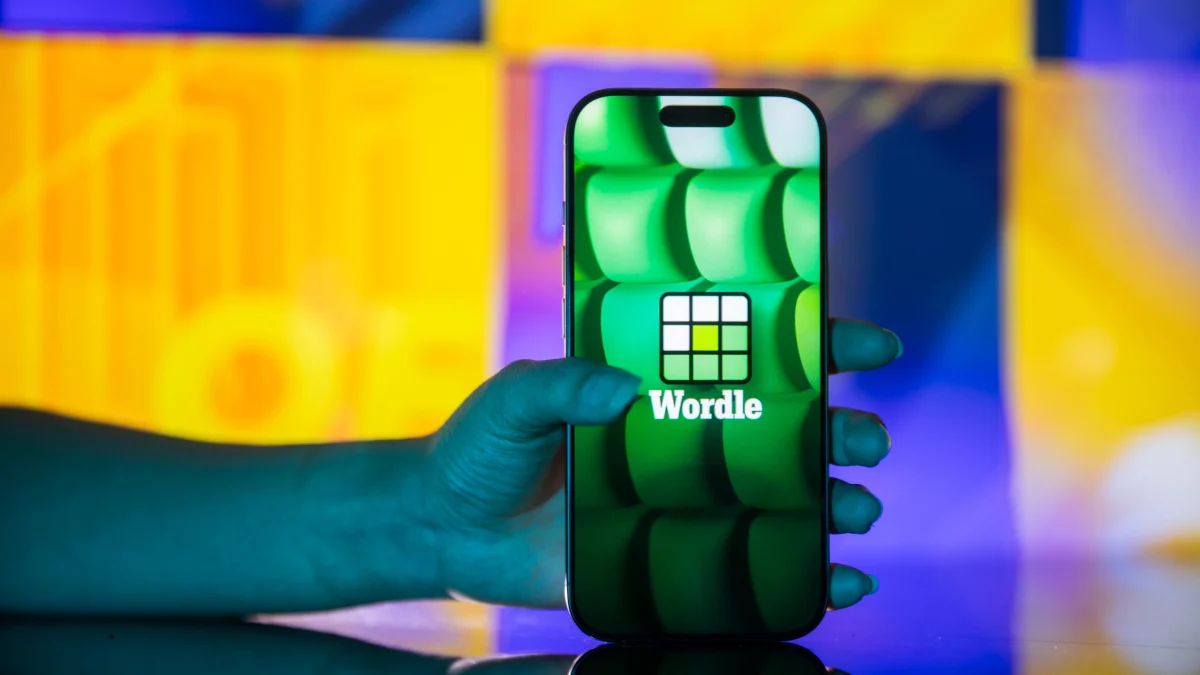
Wordle Alert: Today’s Answer & Top Tips for February 17, 2026—Stay Ahead of the Trend!

In recent months, the word puzzle craze known as Wordle has transcended simple entertainment to become a significant social and cultural phenomenon. Originally created as a personal challenge, it swiftly gained momentum across social media platforms, particularly TikTok and Twitter, where users share their daily results and tactical strategies. The game’s rapid rise caught the attention of influencers, sociologists, and analysts, who see in it a reflection of contemporary society’s thirst for quick mental engagement and community-oriented activities in the digital age.

What makes Wordle extraordinary isn’t just its addictive nature but its ability to foster a shared cultural experience. Players worldwide connect through common language puzzles, creating a new form of collective participation. The game’s simplicity—solving a five-letter word within six guesses—belies its deep social relevance. As Mashable reports, the game was so popular that it was acquired by the New York Times—a testament to its cultural significance. The platform has become a virtual meeting ground, where daily victories and frustrations are openly shared, fueling a sense of identity rooted in intellectual engagement and social bonding.

Moreover, the influence of Wordle’s reach extends beyond casual players. Prominent influencers and community creators have livestreamed their attempts, turning individual puzzles into shared events. Sociologists analyzing trends suggest that this reflects a broader societal shift—an increasing desire for accessible yet meaningful social activities in an era of digital overstimulation. Cultural analysts point out that through its simple rules and communal sharing, Wordle taps into a need for authentic connection, which many feel is missing in our highly commercialized online interactions. Furthermore,

  • It encourages critical thinking and pattern recognition amidst a wave of fast-paced content consumption.
  • It reinforces a collective identity in communities that span borders and languages.
  • It sparks friendly competition, often leading to intergenerational and peer-based dialogues.

As we see this trend solidify, questions emerge about what this indicates for the future of social gaming and digital culture. Could Wordle merely be a fleeting viral stunt, or does it herald a new chapter where traditional social bonds are reimagined through simple, brain-teasing communities? The next step might involve examining how such minimalist games influence not just entertainment but also societal perceptions of intelligence and social cohesion. As young audiences continue to shape their online identities, the critical question remains: Will these shared puzzles evolve into more substantial social movements or remain a transient cultural blip?

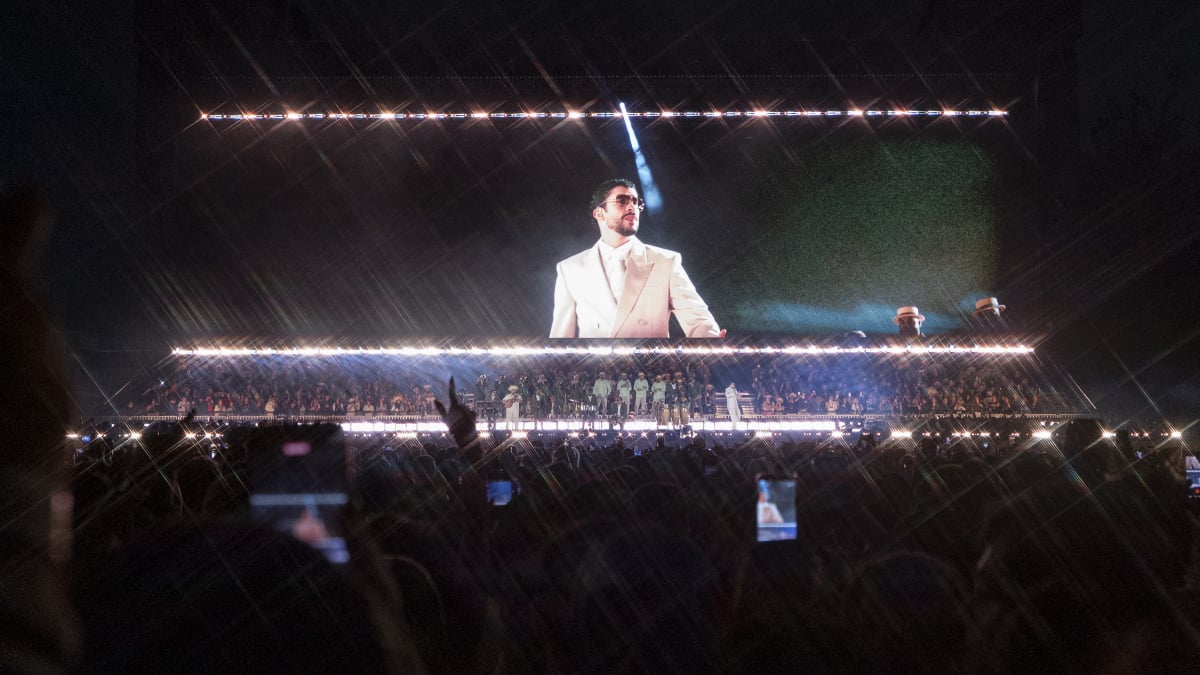
Super Bowl 2026: How to Catch Bad Bunny’s Epic Live Performance and Ride the Trend Wave

While football may not be everyone’s cup of tea, one universal language that continues to captivate diverse audiences worldwide is music. And this year, the spotlight is squarely on Bad Bunny, whose upcoming Super Bowl LX halftime show is poised to be more than just a musical performance — it’s a cultural event that bridges generations and demographics. As the reigning king of Latin trap and reggaeton, Bad Bunny has morphed beyond music into a social force, embodying shifting attitudes among youth and influencing mainstream trends.

The Super Bowl, long celebrated as a sporting spectacle, has also become a canvas for cultural icons and social commentary. With its _cultural impact_ increasingly rooted in diverse performances, the halftime show is now a key moment for social relevance. This year’s lineup featuring Bad Bunny highlights a broader societal shift towards embracing multicultural and cross-genre influences. Influencers like TikTok creators and music analysts emphasize how his presence not only boosts viewership but also signals an ongoing _shift in social norms_ — where youthful, globalized voices are gaining prominence in traditional arenas.

Moreover, the social relevance of this trend isn’t just about entertainment but about identity and representation. Bad Bunny has consistently challenged stereotypes by integrating gender-fluid fashion, outspoken advocacy for social justice, and a rebellious attitude that resonates with young audiences seeking authenticity. Sociologists note that his rising popularity exemplifies a _redefinition of masculinity and cultural expression_ among the youth, making him more than a music icon — he’s a movement catalyst. As the cultural landscape continues to evolve, the question arises: how will this influence future trends in entertainment and societal norms?

From influencers to sociologists, there’s a consensus that Bad Bunny‘s appearance at the Super Bowl is a sign of things to come — a merging of sport, music, and social activism that could redefine what it means to be a cultural icon in the digital age. Yet, the next big question remains: is this shift sustainable or just a passing wave driven by viral moments? As audiences grow more socially conscious and craving authenticity, the answer to that question could shape the next era of youth-driven cultural influence. Regardless, the world will be watching, and for many, this Super Bowl halftime will be remembered as much for the spectacle as for its emblematic role in this ongoing societal shift.

Global Korean Trend Driving Up Seaweed Prices: What's Behind the Rise
Global Korean Trend Driving Up Seaweed Prices: What’s Behind the Rise

In recent years, a seemingly simple commodity—dried seaweed—has surged in popularity worldwide, bridging culinary trends, health consciousness, and economic opportunities. Traditionally associated with East Asian cuisines, dried seaweed’s increasing demand is now echoing across global markets, prompting notable shifts in food supply chains and international trade dynamics. While superficially a humble natural product, its rising economic value and geopolitical significance underscore broader patterns of resource utilization and strategic influence in the 21st century.

This growth is driven by a confluence of factors: the health-conscious movement favoring nutrient-rich superfoods, the expansion of plant-based diets, and the global appetite for sustainable, renewable resources. As prices climb, countries with abundant coastal ecosystems like South Korea, Japan, and China are capitalizing on the burgeoning demand. However, the implications extend beyond regional markets. International organizations and trade analysts warn that a renewed scramble for maritime resources could deepen geopolitical tensions, especially as nations seek to secure supply chains amid escalating competition for natural commodities. Experts in geopolitical strategy highlight that control over seaweed production and related aquaculture represents a strategic advantage in a shifting global landscape.”

The geopolitical impact is multifaceted. The United Nations Food and Agriculture Organization (FAO) has underscored how resource scarcity often fuels regional conflicts, and the case of seaweed is no exception. Countries engaged in maritime disputes or seeking to assert sovereignty over fishing zones are increasingly viewing coastal marine resources as leverages of power.

  • For example, the South China Sea—an arena of longstanding territorial disagreements—has the potential to become a focal point for strategic resource competition as nations look to extend their influence over resource-rich waters.
  • Meanwhile, North Korea and smaller island nations are exploring seaweed cultivation as a means of economic survival, leading to shifts in regional alliances and rivalries.

Additionally, the environmental angle complicates the geopolitical picture. Sustainable harvesting and aquaculture practices are vital; irresponsible exploitation risks ecological damage and can undermine local communities’ livelihoods. As noted by international marine conservation groups, how nations manage this renewable resource will influence future maritime diplomacy. Historically, resource-driven conflicts tend to escalate when legal, environmental, and economic interests converge — a pattern confirmed by leading historians and analysts examining past maritime disputes. This emerging “seaweed geopolitics” may serve as a precursor to broader resource conflicts in increasingly contested maritime zones.

In conclusion, the humble, crispy sheets of dried seaweed underscore a crucial point: that even the simplest resources can have profound geopolitical consequences. Like a mirror reflecting the shifting tides of international power, the global pursuit of seaweed reveals how nations are recalibrating their strategies for influence. As history continues to unfold—written in the depths of oceans and inked on international treaties—the fate of this unassuming commodity may well shape the geopolitical landscape for decades to come. The question remains: who will master the currents of this new resource race, and at what cost to peace and stability?

Social Media Auto Publish Powered By : XYZScripts.com