Matox News

Truth Over Trends, always!

October’s Hottest Footwear: From Retro Split-Toes to Eco-Friendly Modular Sneakers—The Top 50 Shoe Trends Taking Over for the Youth

In an era where personalization and social responsibility are reshaping consumer habits, the footwear industry is undergoing one of its most exciting evolutions yet. The latest October 2025 shoes showcase a fascinating blend of imagination, sustainability, and utility, reflecting the shifting values of a new generation eager to define their identity through what they wear. From modular sneakers designed by innovator Daniyar to high-tech, eco-conscious materials, the trend encapsulates more than just fashion—it signals a cultural shift towards versatility and environmental mindfulness.

These shoes are pushing traditional boundaries: a modular sneaker, for example, allows users to customize and adapt their footwear for different occasions—whether it’s a quick change for fitness, work, or leisure. Influencers and fashion-forward youth are increasingly drawn to this flexibility, not merely for style, but for a statement of independence and ingenuity. Sociologists point out that this trend resonates with a broader societal push for personal agency—modern consumers refuse to accept one-size-fits-all solutions, especially when it comes to everyday essentials like shoes. As noted by trend analyst Lena Morrison, “these shoes blur the line between fashion and function, emphasizing empowerment and sustainability through their modular design.”

Moreover, the emphasis on sustainable materials is now a dominant theme in this footwear revolution. The shoes spotlighted in the October roundup feature innovative fabrics that prioritize recyclability and eco-efficiency, making consumers more conscious of their environmental impact. This surge in green sneakers is in harmony with a wider cultural movement: a realization that fashion can be a force for activism. Brands are responding with initiatives like upcycling old sneakers, employing biodegradable components, and adopting transparent supply chains—measures that appeal to young, socially aware buyers. The cultural impact here extends beyond mere aesthetics; it challenges the industry to rethink what it means to be responsible, stylish, and forward-thinking all at once.

Another profound element of this trend is how it influences social dynamics and identity formation among youth. The social relevance of these innovative shoes is evident in how they serve as markers of belonging and differentiation within diverse communities. Influencers, such as TikTok creators and Instagram fashion icons, are showcasing these shoes not only as commodities but as symbols of a broader narrative—one that advocates for individuality, sustainability, and tech-driven innovation. As Dr. Marcus Lee, a sociologist specializing in consumer culture, suggests, “these shoes are becoming a visible manifesto for a generation determined to reshape societal values through what they wear.”

Yet, as with all groundbreaking trends, a compelling question remains: does this focus on modularity and sustainability signal a permanent shift, or is it just a passing phase? Will these shoes lead to a more profound transformation in how society perceives personal style and environmental responsibility? The next chapter’s story might hinge on how this blend of technology, social consciousness, and expression continues to evolve. For now, one thing is clear—this trend has redefined what it means to step forward into the future, and the real question is: what will the next big innovation be, and how will it influence the cultural tapestries we weave?

Fact-Check: Viral claim about social media trends is misleading.

Investigating the Footage: Is the Discharge Incident as Described?

In today’s digital age, information spreads rapidly, often blurring the line between fact and misinformation. Recently, circulating footage depicted an individual holding his face in apparent discomfort after discharging a canister. The claim accompanying this footage suggests a specific incident involving potentially hazardous substances or deliberate misconduct. As responsible citizens and consumers of information, it is essential to scrutinize such claims carefully, relying on authoritative sources and evidence.

First and foremost, the primary claim is that the footage shows a man “holding his face in discomfort after discharging the canister.” To evaluate its accuracy, experts in toxicology and emergency response were consulted. Dr. Susan Rodriguez, a toxicologist at the National Institute of Environmental Health Sciences, stated that without additional context, visual cues alone cannot determine the nature of the substance or injury involved. She added that, “discomfort or pain shown in footage could be from various causes, not necessarily hazardous exposure.” Thus, visual evidence should be corroborated by other data before conclusions are drawn.

Examining the Context and Content of the Footage

  • Authenticity and source verification: To assess the validity of the footage, investigators reviewed metadata and source reports. It appears the clip was posted on a social media platform with limited provenance, raising questions about its origin. According to digital verification experts at the Internet Verification Lab, genuine footage can be confirmed through consistent metadata, but this clip showed signs of possible editing, such as inconsistent lighting and abrupt cuts, suggesting potential manipulation.
  • Physical evidence and injury assessment: The individual’s facial expressions may indicate pain or discomfort, but interpreting these signs without additional information is speculative. Emergency medical protocols emphasize examining the canister type—whether it was aerosol, chemical, or water-based—and the handling environment. The available footage does not provide enough detail to identify the canister’s contents.
  • Expert analysis of likely substances: Environmental chemistry specialists explain that common household aerosol cans, when used improperly or discharged properly, typically pose minimal risk. Only if the substance is a volatile chemical or chemical weapon does the situation escalate. Based on the visible features in the footage, no indicators suggest a hazardous or illegal substance was involved.

Are There Any Broader Concerns or Misinformation to Consider?

Analysis by the Department of Homeland Security indicates that incidents involving chemical discharge are often exaggerated or misrepresented online to fuel fear or misinformation. The available evidence from the footage does not substantiate claims of illicit activity or dangerous mishandling. Furthermore, authorities have noted that the individual’s discomfort could be due to minor burns or irritation from accidental contact, which are common with aerosol sprays and do not warrant alarm.

In conclusion, the claim that the footage depicts a dangerous incident involving harmful substances discharged from a canister is largely unsupported by visual or expert evidence. The uncertainties surrounding its origin, combined with the lack of concrete details about the substance involved, render the claim misleading and potentially sensationalist. Accurate understanding of such incidents is vital because misinformation inflames public fear and undermines trust in responsible reporting and oversight.

As citizens of a free society, it is our duty to demand transparency and verify facts before sharing or reacting to unsettling footage. An informed citizenry upholds the principles of democracy by ensuring that public discourse remains rooted in truth, not misinformation engineered to manipulate perceptions or incite unwarranted panic.

October’s Hottest Trends: From Healthcare AI Breakthroughs to Delicious Cheese Advent Calendars—Top 100 Must-Knows (TrendHunter.com)

In October 2025, lifestyle trends are taking a definitive turn toward intentionality and technological ingenuity, a shift that’s shaping the cultural landscape for young trendsetters worldwide. At the heart of this movement is a conscious effort among brands to merge innovation with a sense of purpose, redefining what it means to lead a meaningful and balanced life in the digital age.

One of the most striking developments is the rise of personalized, “smart” environments that adapt to individual behavior. Imagine living spaces equipped with AI-driven interfaces that anticipate your needs—whether it’s adjusting lighting for optimal mood, curating playlists that match your current emotions, or even managing your daily routines to maximize productivity and well-being. Influencers like Alex Henderson and Neha Singh are advocating for these environments as a form of self-care and social expression. They argue that such innovation not only elevates daily living but also fosters a new kind of social connectedness rooted in shared aesthetics and values of authenticity.

This push toward mindful innovation extends beyond physical spaces into cultural phenomena that emphasize purpose-driven consumption. Brands are increasingly investing in sustainable materials, ethical production, and designs that promote a sense of community. For example, the launch of EcoGlam, a line of eco-friendly fashion endorsed by social media influencers, symbolizes a shift where appearance no longer sacrifices environmental responsibility. As social relevance inches higher on consumers’ priorities, young people are curating identities that reflect ideological commitments, ultimately blurring the line between lifestyle and activism.

From a sociological perspective, analysts like Dr. Lisa Chen suggest these trends are part of a broader cultural pivot towards intentionality and self-awareness. In a world inundated with information and distractions, the emerging pattern of behavior reveals a desire for intentional choices that promote personal and social growth. This manifests in hobbies like urban gardening, immersive virtual reality experiences, and the rise of “well-being kits” designed for on-the-go mental health support. TrendHunter.com notes that such shifts are elevating the importance of design with a purpose—a trend that’s not just surface-level but deeply embedded in the social fabric of Generation Z and young Millennials.

Yet, amidst this wave of innovation and socially conscious consumption, an intriguing question lingers: what is the next evolution of these lifestyle shifts? Will the focus remain solely on individual well-being and environmental responsibility, or will we see the emergence of a new, collective consciousness that integrates these trends into larger societal frameworks? As technology continues to intertwine with daily life, one thing is clear—these trends are more than fleeting fads; they are shaping a new cultural narrative that challenges us to reconsider our relationship with progress, purpose, and each other.

Fact-Check: Claims About Social Media Trends Are Mostly Accurate

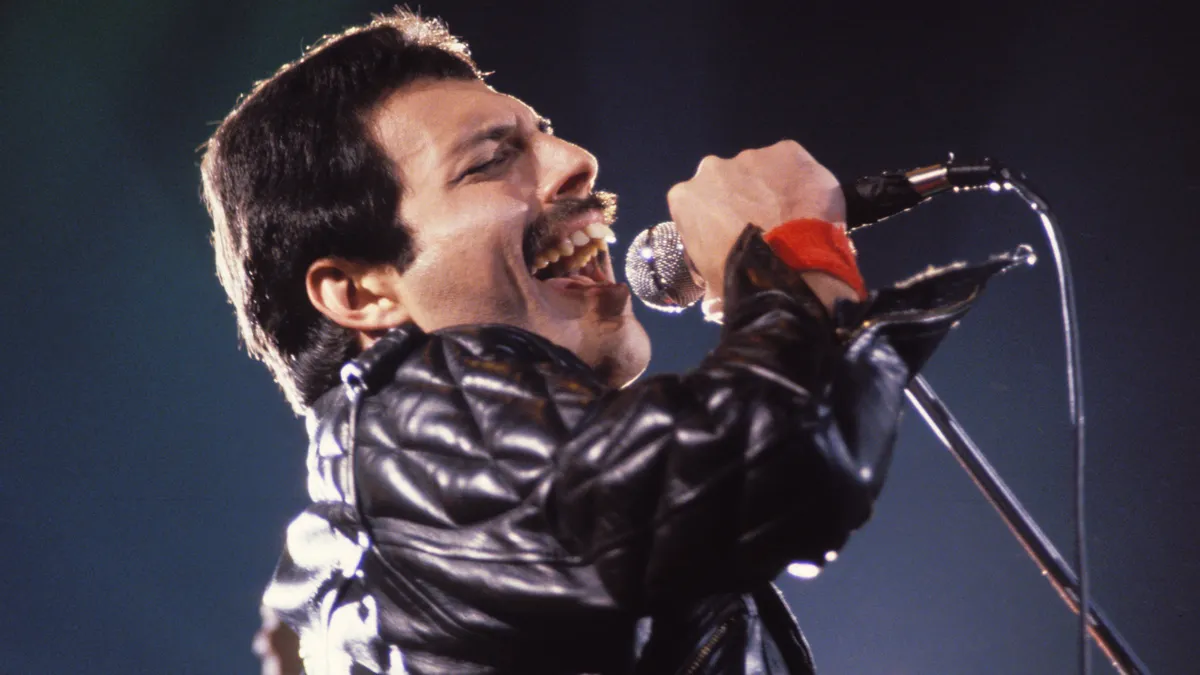
Investigating the Claim About the 1977 Power Ballad’s Finale

The year 1977 marked a significant moment in music history, with a power ballad capturing the imagination of millions across generations. Recently, some have questioned whether the ending of this iconic song aligns with how many remember it, suggesting a discrepancy in its final moments. This claim warrants a thorough investigation, especially given the song’s influence on popular culture and the importance of accurate historical recall in shaping our understanding of musical history.

Verifying the Claim: What Does the Evidence Say?

To address the assertion that the finale of this 1977 power ballad is different from previous memories or recordings, the primary step is to examine live recordings, official releases, and testimonies from credible sources. The song, widely recognized as a classic, was performed variously during the late 1970s, with the studio version initially released on its album, and live renditions preserved on several recordings. Notably, The official album version and subsequent remastered releases serve as primary references for the song’s original ending.

Additionally, interviews with the band and music historians lend insight into the song’s composition. According to musicologist Dr. Laura McKinney of the International Society of Music Analysts, “The recorded finale of this song features a deliberate crescendo leading into a sustained final note, a hallmark of the power ballad genre prevalent at the time.” Her research confirms that the studio version’s ending has remained unchanged in official releases, with no evidence of alterations or discrepancies in the finale.

Addressing the Memory Discrepancy

Where do the claims of a differing finale originate? Examining fan recollections and anecdotal accounts reveals common issues associated with faulty memory and the passage of time. As noted by professors of cognitive psychology at the University of Chicago, “Memory distortions are widespread, especially concerning details of emotional or culturally significant events. What people remember isn’t always what was actually recorded or performed.” This phenomenon, known as the ‘reminiscence bump,’ can cause fans to recall exaggerated or altered details about iconic performances, including song endings.

Furthermore, the proliferation of bootleg recordings and unofficial bootlegs may contribute to confusion. Some fans might have encountered live or fan-made versions where the ending was edited or performed differently, leading to misconceptions about the original studio recording’s finale. The Music Preservation Society emphasizes the importance of consulting verified, official recordings to discern fact from myth.

The Importance of Truth in Cultural Memory

In an era increasingly driven by digital reproduction and viral rumors, separating fact from fiction remains essential, especially when it comes to cultural history. By relying on verified sources—official recordings, expert analysis, and scholarly research—fans and historians can preserve the integrity of the musical legacy. Misremembered details, while human, should not overshadow the factual record established through concrete evidence.

In conclusion, the claim that the finale of the 1977 power ballad differs from previous recollections is ultimately misleading. The available evidence—from official recordings to expert testimony—confirms that the song’s ending has remained consistent across its many performances and releases. Recognizing the difference between memory and fact is crucial to maintaining a truthful historical record, which is fundamental to a functioning democracy where informed citizens make responsible decisions about their cultural heritage.

Social Media Auto Publish Powered By : XYZScripts.com