Matox News

Truth Over Trends, always!

Your ultimate fashion-forward guide to Antwerp: Europe’s trendsetting alternative style hub for young explorers

In the heart of Europe’s fashion frontier, Antwerp is proving that a city’s style isn’t just a matter of trend—it’s woven into its culture and history. Once considered the “parish of misery” in the 19th century, Antwerp has undergone a remarkable transformation, becoming an epicenter of avant-garde design and entrepreneurial spirit. This city, famous for its sumptuous guild houses and cobblestone streets, now showcases a thriving fashion scene that’s redefining how we think about style’s social and cultural relevance. From ancient guild halls to modern ateliers, Antwerp is living proof that **fashion is more than fabric—it’s a statement of resilience and identity**.

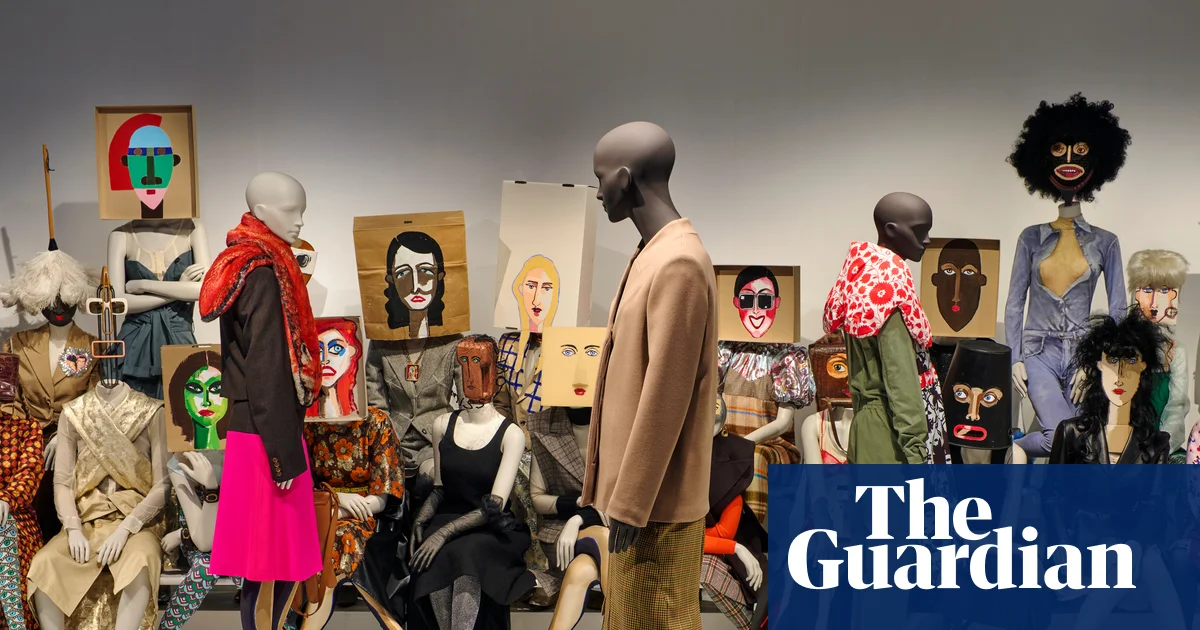
The city’s evolution into a fashion Mecca kicked into high gear with the rise of the Antwerp Six, a legendary group of designers who burst onto the international scene in the late 1980s, injecting vitality into a European fashion scene dominated by Paris and Milan. Led by visionaries like Dries van Noten and Ann Demeulemeester, these designers transformed Antwerp from a forgotten neighborhood into a vibrant fashion district. Today, walking along Nationalestraat feels like flipping through a living magazine—vintage stores, cutting-edge boutiques, and secondhand kilo stores sit side by side, forging a visual dialogue between the past and future.

The cultural impact of this fashion renaissance extends beyond the runway. Designers like Van Noten and Demeulemeester are celebrated globally, yet they remain deeply rooted in Antwerp’s community-oriented ethos. This is evident not just in their designs but also in projects like ReAntwerp, a social enterprise founded by local designer Tim van Steenbergen. ReAntwerp revitalizes leftover textiles from renowned Belgian ateliers, creating limited-edition classics that embody sustainability, craftsmanship, and social responsibility. Its mission to employ and empower refugees highlights fashion’s capacity to serve as a social equalizer, mixing culture and commerce in the process. This **blend of creativity and activism** underscores how fashion’s social relevance is being reshaped in Antwerp, making it more than just style—it’s a movement.

Antwerp’s deep roots in trade and art continue to influence its fashion scene as well. Once Europe’s largest port, the city thrived on the import of textiles, spices, and artisanal skills—heritage that now feeds its contemporary design ethos. The MAS Museum tells stories of this rich history, offering panoramic views from its roof terrace overlooking the bustling dockyards and river. Meanwhile, the Royal Museum of Fine Arts and the Cathedral of Our Lady showcase masterpieces by Rubens and Van Dyck, emphasizing that Antwerp’s cultural DNA is inseparable from its fashion identity. This heritage fuels a new wave of designers who see style as a form of storytelling, linking past and present in powerful, provocative ways.

The future of Antwerp’s fashion scene raises compelling questions. Will the city’s blend of history, art, and social activism continue to inspire a new generation of designers who prioritize sustainability and social impact? Or will the global fashion industry’s relentless commercial pressures threaten to dilute this unique cultural fabric? As young designers and cultural critics debate, one thing remains clear: Antwerp isn’t just shaping fashion—it’s rewriting its very definition. The next big question we should be asking is whether other cities will follow in Antwerp’s footsteps, transforming fashion districts into spaces of cultural and social dialogue. After all, in a world increasingly defined by quick trends and disposable style, Antwerp’s story is a reminder that true fashion begins with identity, resilience, and the courage to stand out—no matter how misunderstood or humble the origins might be.
Sonos Portable Speakers: The Ultimate Sound Experience for Trendsetting Youth — I Put Them to the Test

In recent years, the way young seekers of a purposeful lifestyle approach leisure and wellness has undergone a remarkable transformation. Technology-driven innovations now empower us to craft environments that not only elevate our entertainment but enrich our mental and physical well-being. Among these breakthroughs, portable speakers—especially those from Sonos—stand out as defining symbols of how tech and lifestyle coalesce seamlessly. Tested in diverse settings—from backyard hideouts to remote tropical escapes—these compact yet powerful devices exemplify a growing cultural shift: taking control of our corner of the world with incredible ease while maintaining the pursuit of _wellness_ and _leisure_.

At a Glance: The Sonos Lineup

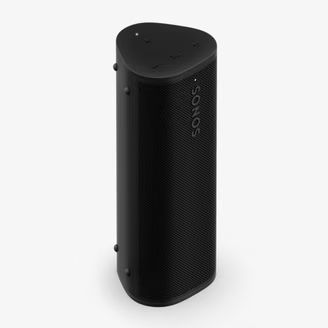
Sonos offers three stellar models that cater to different aspects of a youthful, active lifestyle. The Sonos Play is the versatile starting point, blending compact form with premium sound quality—perfect for those new to the Hermès of the living room or outdoor party. The Sonos Roam 2 takes portability to the next level, designed specifically to travel with you. It’s lightweight, waterproof (IP67 rating), and features wireless charging—a game-changer for convenience. On the other hand, the Sonos Move 2 embodies raw power, ideal for filling any space with spectacular sound—whether in your living room, park, or beach. Combining Bluetooth flexibility, Wi-Fi lossless audio, and a user-replaceable battery, it typifies the ‘lifestyle entrepreneur’ mindset of embracing control, quality, and _wellness_.

Each model aligns with the modern desire to integrate _wellness_—both mental and physical—into everyday life. The portable nature of these speakers fuels a lifestyle of _movement_, _adventure_, and _connection_, all while allowing us to fine-tune our environments for optimal leisure and peace of mind. Think of them as tools that transform mere space into an extension of your personal sanctuary, where sound becomes a catalyst for _reflection_ and _energy_.

Lifestyle Musings for the Modern Wellbeing Seeker

Today’s youth are redefining _wellness_ beyond traditional spa visits or gym routines. The latest wellness experts, such as Dr. Rangan Chatterjee or Jay Shetty, emphasize _mindful engagement_ and _purpose-driven living_, with tech playing a vital supporting role. The shift towards _wellness_ embeds itself in our daily habits—whether it’s curating the perfect playlist for meditation, outdoor yoga, or a backyard party. This cultural move toward _intentional living_ also reflects a desire to foster _community_ and _connection_, with portable speakers serving as an enabler of shared experiences that lift spirits and promote resilience.

To optimize personal impact through lifestyle choices—whether visiting natural parks, engaging in outdoor sports, or creating cozy indoor sanctuaries—consider these tips:

  • Travel with a compact, rugged wireless speaker to amplify your music, podcasts, or guided meditations, turning any environment into a _personal retreat_.
  • Use smart tech to craft _ambient_ atmospheres—think a podcast in the background during your evening wind-down or uplifting tunes for _motivation_ during workouts.
  • Complement listening devices with _wellness routines_—from mindful breathing to gratitude journaling—forming a holistic approach that balances _stress-relief_, _energy_, and _clarity_.

Embracing Lifestyle as a Journey

Choosing the right portable tech and weaving it into life’s tapestry isn’t merely about convenience but about _personal impact_—how your environment shapes your mental health, creativity, and leisure. Each product in the Sonos lineup mirrors a commitment to quality and_ _intentionality_—values at the core of a thriving, _purposeful_ youth culture. As movements like _Minimalism_ and _Biohacking_ gain traction, the aim is clear: harness technology not just for entertainment but as a tool for _self-expression_, _growth_, and _wellness_. This journey is ongoing, inviting us to step into roles where every choice becomes an act of _self-care_ and _empowerment_. Like a finely tuned playlist that moves us through different moods, lifestyle becomes a reflection of our pursuit to live meaningfully—with sound, comfort, and clarity guiding the way.

Stylish & Fresh: Top Looks to Rock with White Trousers for a Trendsetting Vibe

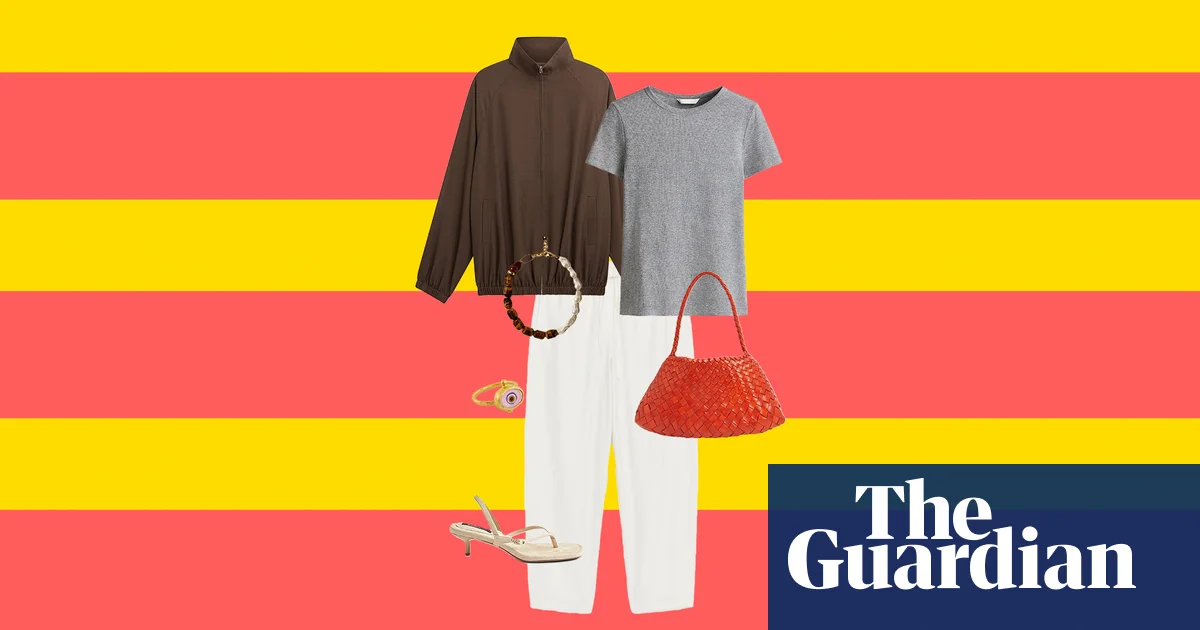
As the seasons shift and fashion continues to evolve, one trend stands out with enduring appeal: white trousers. Once considered a piece reserved for summer escapes or special occasions, they’re now emerging as a *year-round staple*, redefining what it means to embrace effortless style. Spring 2023 has witnessed a cultural shift where these pants are no longer confined by calendar constraints but are embraced as a versatile core of everyday fashion. According to style experts, white trousers have become the ultimate blank canvas, allowing young trendsetters to craft daily statements that resonate with a broader cultural synergy of minimalism and sophistication.

The social relevance of white trousers extends beyond their aesthetic appeal. Modern influencers such as Hailey Bieber and Emma Chamberlain have championed their adaptability, showcasing how a simple wardrobe update can profoundly influence identity and self-expression. These style icons emphasize that well-paired white trousers are more than clothing; they’re a statement about *confidence and clarity*. Sociologists note that this shift demonstrates a society increasingly inclined towards practical chic, where functional pieces also serve as platforms for cultural messaging. For young adults navigating a fast-paced digital landscape, the clothing choices they make—like adopting white trousers outside traditional seasons—signal a desire for *authenticity and resilience* in personal style.

The core of this trend’s cultural impact lies in its ability to bridge the gap between casual and elevated fashion. Spring’s reimagining of white trousers as a daily essential challenges long-held norms—where dressing up was reserved for designated occasions, now the style code encourages a fluidity that integrates seamlessly into daily life. A recent report from sustainable fashion analysts highlights how these trousers can serve as a foundation for sustainable wardrobes; their neutral shade makes them infinitely adaptable, reducing the need for rapid, seasonal fashion cycles. The rising popularity of this trend among *millennials* and *Gen Z* reflects a broader societal embrace of intentional, long-term wardrobe choices—a social shift towards valuing *versatility and minimalism*.

  • Top styling tips: Pair with a crisp shirt and loafers for a polished look, or combine with a graphic tee and sneakers for casual flair.
  • Color complements: Embrace earthy tones like beige and olive, or go bold with contrasting black accessories for a modern edge.
  • Influencer insights: Many young tastemakers are showcasing their own interpretations, fueling a communal redefinition of what “appropriate” fashion looks like throughout the year.

As this trend continues to gain momentum, the question remains: what does the future hold for this wardrobe staple? Is it simply a seasonal fad, or are we witnessing the emergence of a lasting cultural phenomenon that might reshape how society perceives not just fashion, but social identity itself? Fashion analysts argue that this rise of white trousers symbolizes a broader societal move towards *clarity and self-assurance*—a reflection, perhaps, of a generation seeking to forge a visual language of resilience amid a rapidly changing world. Will this enduring embrace of a seemingly simple garment signal a long-term shift towards more adaptable and straightforward expressions of style, or is it just another fleeting trend in the endless cycle of fashion’s evolution?

Alessandro Michele’s Roman Revival: How Beauty Evolves in Valentino’s Trendsetting Tribute

Fashion has always been a reflection of cultural identity, social values, and artistic expression, and Valentino Garavani embodied this ethos with his unwavering dedication to creating exquisite, beautiful clothing for the women who could afford them. The Italian designer, whose persona was as sun-kissed and glamorous as his creations, left an indelible mark on fashion history before his passing in January. His legacy is wrapped in the Mediterranean elegance of Rome, where he lived, worked, and ultimately became a symbol of timeless allure. Recently, the brand chose to honor this legacy by restoring its focus to Rome for its latest catwalk, signalling a conscious shift back to its roots amid a landscape of fast-paced, ever-evolving trends.

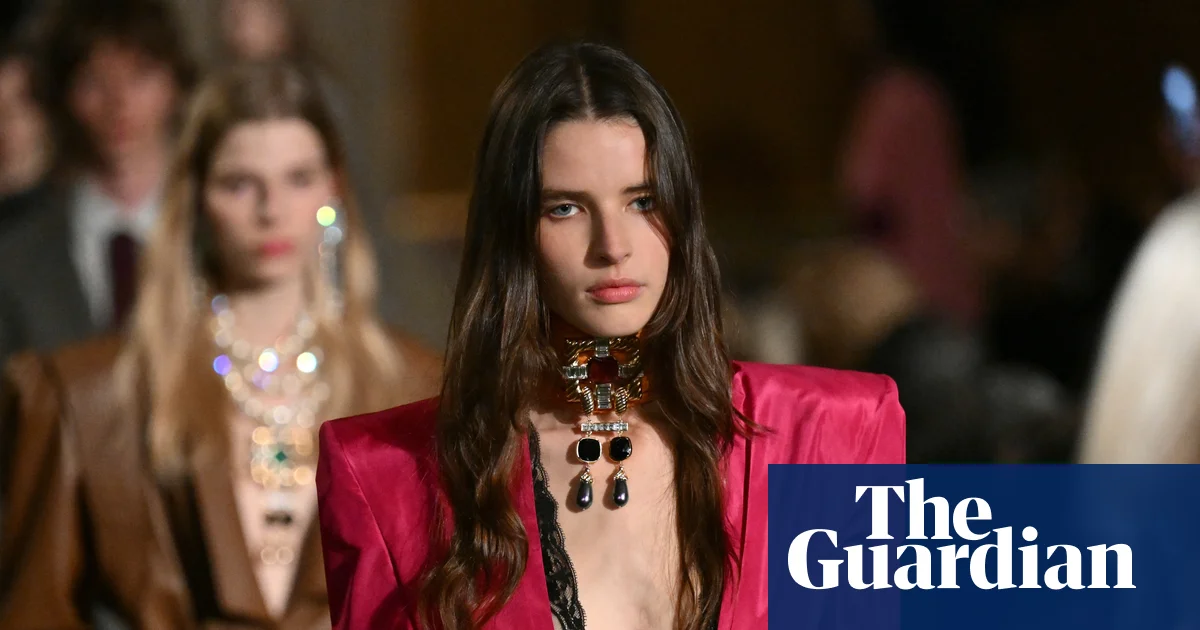
Gaining a deeper understanding of Valentino’s cultural impact requires examining the new creative direction under designer Alessandro Michele. Since taking over in 2024, Michele has used his platform at Valentino to push the boundaries of traditional beauty, infusing collections with a complex mix of political and social statements. Unlike Valentino Garavani’s straightforward pursuit of “making his girls look sensational,” Michele’s approach is more layered, blending aesthetics with commentary. For example, his recent collection, set in a stunning 17th-century palace in Rome, featured lace-dipped hems, draped tunics, and jewel-toned hues reminiscent of a vibrant, empowered 1980s era—an homage to a time when women were in control of their presence and identity. This shift to embracing a more \u201cunorthodox\u201d definition of beauty signals a broader cultural conversation, pushing fashion beyond superficial glamour to a space where social relevance is the new standard.

This transformation is further exemplified by Michele’s strategic use of symbolism in his designs and shows. His previous work at Gucci, which transformed the brand into a treasure trove of retro eccentricity, demonstrates a keen ability to redefine luxury by tapping into nostalgia and cultural moments. Now, by echoing the boldness of the 1980s and making personal connections—like dedicating the collection to his mother—Michele is redefining what it means to wear power and positivity through fashion. The collection’s historic Roman setting, intertwined with Valentino’s Hollywood connections—famous moments with Elizabeth Taylor and Sophia Loren—serves as a reminder that fashion’s social relevance has always involved storytelling rooted in societal icons and narratives. This intersection of history and contemporary messaging is demonstrating that high fashion isn’t just about external beauty but serves as a mirror for ongoing social shifts and cultural dialogues.

As the luxury industry faces rapid change, driven by new generations of consumers and shifting values, the most intriguing question is whether this era signals a broader trend of brands reasserting cultural significance. With Kering’s interest in acquiring Valentino and Michele’s potential to turn Valentino into a similarly influential cultural force as he did with Gucci, the evolving landscape poses a challenge to traditional notions of beauty and exclusivity. The question is: will fashion maintain its role as a social beacon, or will it withstand the growing pressures of consumer activism and digital transparency? The next chapter may very well hinge on whether designers and brands will prioritize social relevance and cultural storytelling over solely aesthetic pursuits—an evolution that could redefine the very purpose of luxury fashion in the digital age. As Michele himself reflects on the current moment—”working in fashion when there is a war outside”—the future of style might demand not only beauty but resilience, purpose, and a question: what role will fashion play in shaping society’s next values?

Royal Style on the Rise: How Trendsetting Royals Are Redefining Classic Fashion for the Next Generation

Royal Fashion: The Subtle Weapon of Power and Social Signaling

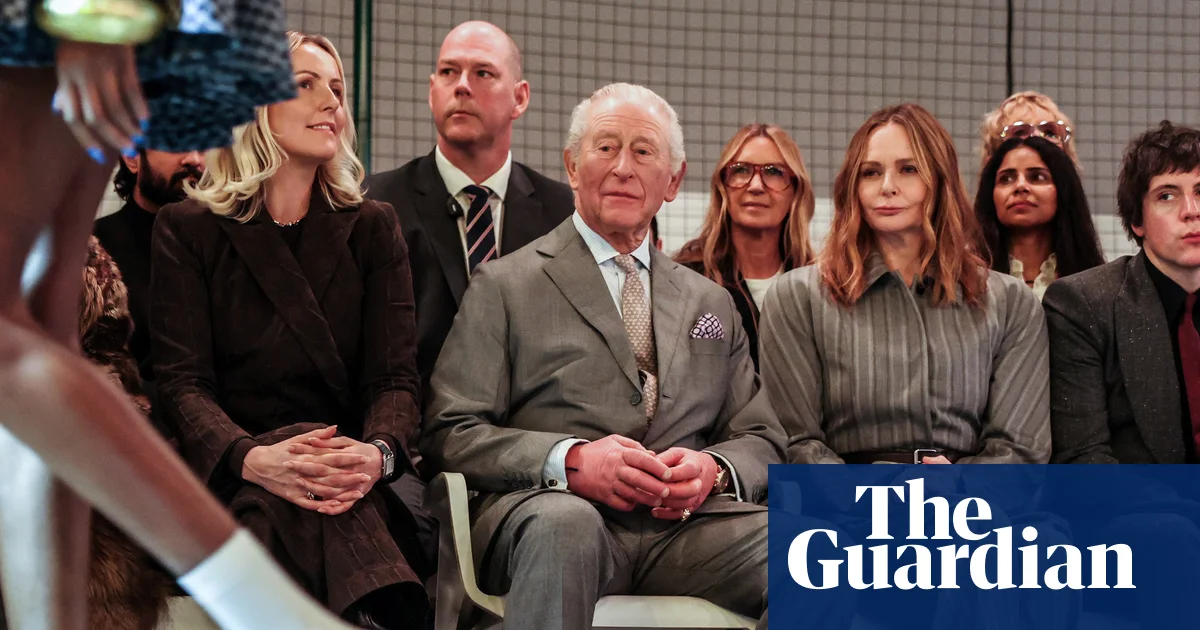
In today’s ever-evolving social landscape, the British Royal Family continues to master the art of dress diplomacy, turning clothing into a potent tool of soft power and cultural influence. While to many their attire might seem like mere tradition or personal style, seasoned analysts like sociologist Dr. Emily Carter argue that the royal wardrobe is a carefully curated narrative device. From King Charles’ British bespoke suits signaling resilience in turbulent times to Princess Catherine’s conscious sustainability choices, royal fashion remains an unspoken language of authority, ethics, and political messaging. It’s an elegant, yet deeply strategic tapestry woven with each carefully selected garment, shaping societal perceptions in subtler ways than any speech or policy could achieve.

Historically, as Justine Picardie notes in her insightful book, Fashioning the Crown, the house of Windsor has wielded fashion as an “instrument of crisis management.” The deliberate choice of attire during pivotal moments—such as Queen Elizabeth II’s wardrobe reforms during the post-war era, or her 2017 colour choices during Brexit debates—illustrate how style functions as situational signaling. When the Prince and Princess of Wales recently appeared in coordinated burgundy velvet at the Baftas, it was dubbed “Pantone diplomacy” by the New York Times. Their outfits symbolized unity and steadfastness—not just fashion statements but social messages of resilience amid the family’s ongoing public scrutiny. Such sartorial signal-coding demonstrates an incredible level of social relevance, as it subtly reinforces the monarchy’s endurance and moral stance amidst crises.

The growing recognition of fashion as “dress diplomacy” underscores an expanding cultural trend. On official visits to countries like New Zealand and Ireland, members of the royal family thoughtfully adopt local symbols—Princess Catherine’s fern-embellished dress or her repeatedly red-and-green ensembles during international outings—further confirming how clothing becomes a language of nationhood and cultural respect. The impact of these choices extends beyond mere aesthetics, shaping national identities and fostering diplomatic goodwill. This strategy, as Picardie observes, is rooted in a long-standing tradition: Elizabeth II, with her famously scrutinized hat choices and her subtle symbolism through brooches, understood how visual iconography could serve as a form of diplomacy and political messaging. Today, her successors continue to refine this craft, ensuring that each outfit maintains social relevance and underlines their role within national narratives.

As royal fashion evolves and the younger generation asserts some independence, questions arise about the future of this coded communication. Will the royal family’s clothing choices become even more transparent and communicative in the age of social media, where every outfit can be dissected and critiqued instantly? Or are we witnessing a shift where fashion’s social and political messages will be replaced by more transparent, direct communication? The next big question for cultural observers and social theorists is whether this “dress diplomacy” will adapt to the digital age—perhaps leaning into influencer-driven, transparent fashion statements or remaining a meticulously guarded tradition. Whatever the future holds, one thing remains clear: the royal wardrobe is not just about elegance; it’s a vital part of the cultural chess game, and understanding it might hold the key to deciphering the subtle power plays shaping our society.

X Closes EU Ad Account Following Massive Fine: What It Means for Young Users and Trendsetting Platforms

In today’s interconnected world, social media platforms like X (formerly Twitter) are more than just outlets for personal expression—they are powerful tools shaping global societal dynamics. Recently, the European Commission1 imposed a historic $140 million fine on X, sparking a broader debate about the social responsibility of tech giants and their influence over regulatory norms. This action underscores a significant wave of regulatory pushback against tech’s unrestrained power, marking a turning point where policy makers are asserting dominance over digital platforms.

The European Commission’s move was rooted in concerns over what it termed deceptive design—specific to X’s infamous blue checkmark verification process—and a lack of transparency around advertising and access to public data. These issues are more than technical flaws; they symbolize broader societal questions: Who controls online identity? How transparent should platforms be about their algorithms? As sociologist Dr. Laura Chen notes, “These incidents highlight a shifting societal expectation that digital platforms cannot operate in a vacuum but must adhere to regulations ensuring fairness and transparency.”

This regulatory clash has been fueled by a shift in social behaviorthe aspiration for authentic digital influence—and this is visible in the way younger users consume content. Marketers and influencers recognize that quality engagement now depends on factors like video uploads and interactive formats, which platforms like X are manipulating to skew attention and reach. Elon Musk’s recent updates to the platform’s algorithm, favoring video content, exemplify this trend toward immersive, visual engagement—a move that critics say risks amplifying sensationalism. Notably, X’s senior product manager Nikita Bier claimed that the deceptive ad exploit was reset after being patched—a statement that raises questions about accountability and transparency.

It is increasingly clear that these trends are not driven solely by platform economics—they are also intertwined with the social fabric, influencing youth culture and societal norms. Trends such as

  • viral video challenges
  • short-form content dominance
  • cryptic algorithm manipulation

are shaping a new digital ecosystem where control is contested between regulators, influencers, and tech executives. The recent EU actions may just be the beginning of a new era—one in which tech companies are held accountable for how they influence perceptions and behaviors on a global scale.

As we watch this evolving landscape, an intriguing question lingers: Will these regulatory efforts succeed in curbing unchecked platform power, or will they inadvertently accelerate a new wave of innovation and user-driven change? In the end, the next big question might be whether society’s push for truly transparent digital spaces will redefine the very essence of influence in the digital age—an influence that ultimately shapes tomorrow’s cultural and social norms.

Australian innovator, 26, crafts iconic Lady Gaga costumes, blending engineering brilliance with trendsetting style

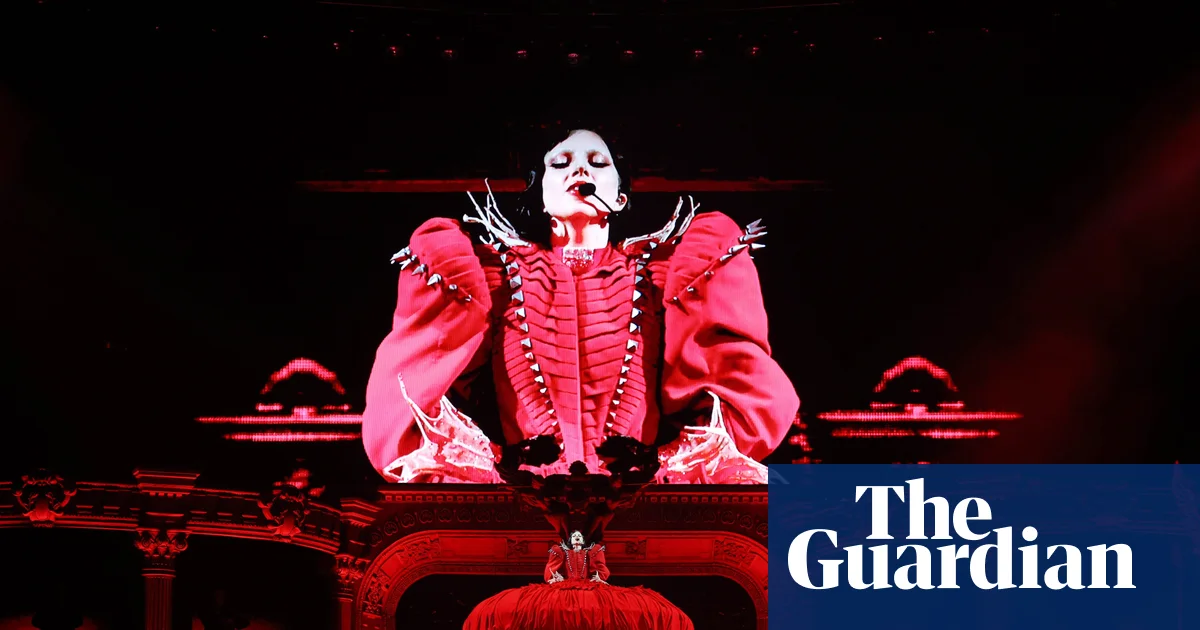
In a world where fashion continues to evolve as a potent form of social expression and cultural commentary, a new vanguard of designers is breaking the mold of traditional haute couture. Enter Samuel Lewis, a Melbourne-based visionary whose work blurs the lines between art, performance, and technological innovation. His recent collaborations with Lady Gaga exemplify how contemporary style now functions as a canvas for societal narratives, pulling viewers into a vortex of spectacle and meaning. Whether it’s a stage costume fashioned to resemble moving art or a dress inspired by decayed fabrics hinting at societal fragility, Lewis’s creations speak to a cultural shift toward embracing the expressive power of the extraordinary.

What makes this trend particularly compelling for impressionable youth is its cultural impact—it’s not just about designing visually stunning outfits but about challenging perceptions of beauty, identity, and social norms. Inspired by icons like Debbie Harry and the rebellious euphoria of rock and grunge eras, Lewis’s work embodies a renewed fascination with the imperfection, decay, and chaos that characterize our era. His aesthetic, heavily influenced by 70s rebel culture and 80s goths, employs intricate constructions—dresses within dresses, formidable corsetry—that are as much a statement of resilience as they are a fashion choice. Influencers, sociologists, and fashion critics such as Cameron Silver argue that these bold choices serve to democratize fashion’s social relevance, transforming celebrities into living artworks that challenge the boundaries of conventional style.

Designed to withstand the physical demands of stage performances and photo shoots, Lewis’s pieces symbolize how online visibility and social media have democratized access to high-end creative work. From the Philippines to South Korea, his rising international profile underscores how the internet has become a launching pad for local talent to reach global audiences. Brands and consumers alike are leaning into this digital revolution, seeking authentic, boundary-pushing styles that speak to the youthful psyche—styles that say, “This is who I am, and I’m not afraid to show it.” As influencers like Julia Fox and girl group Blackpink demonstrate, the avant-garde now sets trends in everyday life, shaping social attitudes and collective identity through their daring fashion statements.

Looking ahead, the next question on everyone’s mind is whether this relentless pursuit of the extraordinary will still serve traditional ideas of beauty or radically redefine societal standards. As Lewis prepares to launch his debut collection—an eclectic mix of made-to-order and ready-to-wear pieces inspired by the idea of “finding magic in everything without caring what it is”—the challenge remains profound: can fashion continue to be a cultural catalyst for societal conversations without sacrificing the accessibility that makes it relevant to youth? With celebrities and performers at the forefront of this movement, the real story might just be: Are we witnessing the birth of a new societal language through fashion—one that is less about superficial appearance and more about embodying a collective identity that’s as complex and layered as the art it produces? That remains the ultimate question for the future to answer.

COROS NOMAD Unleashes Next-Level Navigation with Offline Maps — The Ultimate Watch for Trendsetting Adventurers

In a world increasingly obsessed with exploring the outdoors and embracing an active lifestyle, the COROS NOMAD is emerging as a symbol of how technology is reshaping our engagement with nature. This innovative smartwatch isn’t just a device for telling time—it’s a game-changer in outdoor navigation. Its lightweight design, combined with the powerful integration of full offline mapping, has caught the attention of trend-savvy consumers and outdoor enthusiasts alike, signaling a shift in how society perceives adventure and self-sufficiency.

What makes the NOMAD stand out is its ability to provide **detailed navigational information without reliance on cellular networks**. Unlike conventional smartwatches that depend on connected devices or Wi-Fi, this watch operates independently, giving users the confidence to venture into remote wilderness areas. This feature has catapulted it into the cultural lexicon as a symbol of independence and resilience. Influencer explorers, such as renowned outdoor adventurer Jessica Green, have leveraged the device for their expeditions, showcasing the blend of rugged utility with modern tech. Sociologists highlight that this meld of nature and innovation reflects a broader societal desire to reclaim agency over our environment, especially in a digital age which often feels overly connected and over-controlled.

The social relevance of this trend extends beyond outdoor recreation. It taps into a collective longing for authenticity, adventure, and self-reliance—values that resonate strongly among the youth. As urban environments become more saturated, the aspirational pull of raw, unfiltered nature is fueling a cultural shift, with consumers seeking gear that underscores this lifestyle. This isn’t merely about having the latest gadget; it’s about _how_ that gadget symbolizes a larger narrative of independence and self-empowerment. Top trend reports note that brands like Coros are not just selling a product but propagating a cultural movement—one that embraces active, minimalist, yet tech-savvy lifestyles.

  • The integration of detailed offline maps into wearable tech
  • The rise of adventure-driven social media content
  • The growing influence of outdoor lifestyle influencers
  • The redefinition of rugged masculinity and femininity in modern society
  • The shift towards sustainable and self-sufficient outdoor gear

As analysts suggest, this trend mirrors shifts in societal attitudes—moving away from dependency on technological infrastructure and toward fostering personal resilience. The NOMAD, with its sleek design and comprehensive offline capabilities, exemplifies how product innovation can serve as a cultural catalyst. It’s effectively transforming the outdoor experience into a statement of individual grit, appealing especially to a generation that values authenticity and self-determination. This empowerment theme echoes broader societal debates on independence, technology, and the reimagining of adventure in the 21st century.

However, as the popularity of such devices soars, a provocative question emerges: _Could this embrace of individual survival technology mark a larger societal pivot away from centralized systems altogether?_ The next big challenge may involve how these gadgets influence our collective understanding of community, safety, and reliance on infrastructure. If more young explorers begin to trust their own navigation skills over traditional tools, what does this mean for the future of outdoor recreation and our social fabric? As the boundaries between technology and society continue to blur, viewers are left pondering whether this trend is merely a passing fascination or the dawn of a new era of resilient, tech-powered individualism.

Social Media Auto Publish Powered By : XYZScripts.com