Matox News

Truth Over Trends, always!

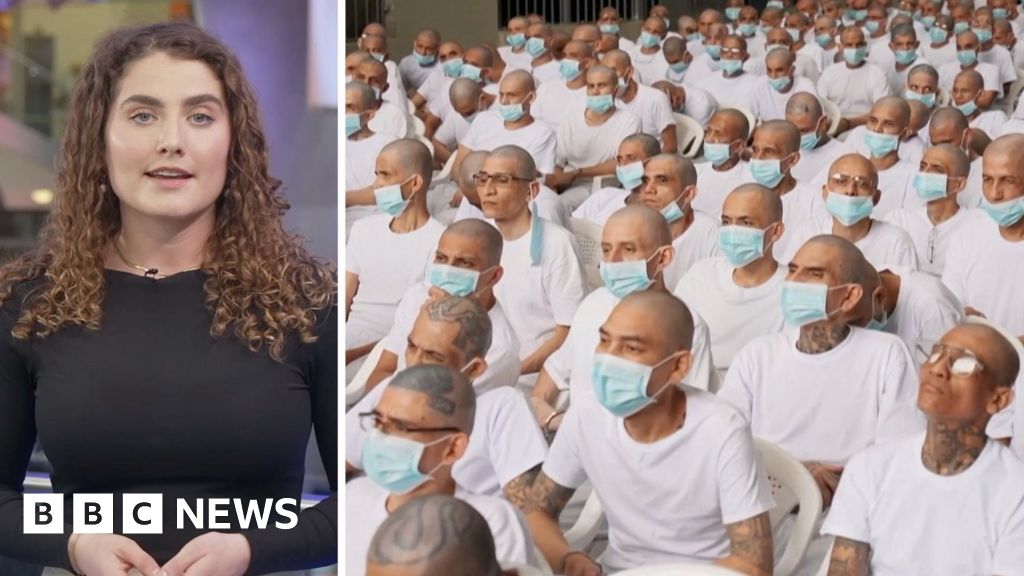
El Salvador starts major trial for 486 suspected gang members—standing up against crime and chaos

In a decisive move that underscores El Salvador’s relentless campaign against organized crime, the country’s authorities have initiated a mass trial involving 486 suspected members of the MS-13 gang. This unprecedented judicial effort marks a pivotal chapter in the nation’s ongoing struggle to reclaim stability and safety amidst years of violence and criminal dominance. The attorney general’s office revealed that the accused collectively stand accused of over 47,000 crimes spanning a decade—including murder, extortion, drug trafficking, and arms smuggling—highlighting the brutal scale of the gang’s influence within the country.

Footage from the trial, broadcast via video link, shows large groups of detainees in prison, illustrating the size and scope of law enforcement efforts. *Such mass proceedings, however, raise *serious concerns among international observers and human rights advocates.* The United Nations experts have criticized these tactics, asserting that mass trials “undermine the exercise of the right to defence and the presumption of innocence of detainees.” This critique points to a broader debate: can swift, severe justice truly justify the potential erosion of fundamental rights? El Salvador’s government remains resolute, asserting that they possess “compelling” evidence capable of imposing “maximum penalties” on those convicted, emphasizing their commitment to justice over international criticism.

Historically, the push for aggressive anti-gang measures in **El Salvador** reflects a wider ideological shift within parts of the global south—favoring tough-on-crime policies that prioritize security over process. Analysts argue that the Salvadoran government’s approach is a response to the failure of softer policies and a recognition that criminal corporations like MS-13 wield significant socio-economic power that can only be countered with assertive action. Nevertheless, critics warn that such strategies risk setting dangerous legal precedents, potentially sacrificing due process for short-term security gains. The United Nations and numerous human rights organizations highlight the danger of overlooking civil liberties in the pursuit of order, arguing that the long-term social costs of undermining legal safeguards could prove disastrous.

  • El Salvador’s government defends its crackdown as essential in dismantling deeply entrenched criminal networks that threaten civil order.
  • International bodies express concern over the fairness and legality of mass trials, cautioning against setting a precedent that could be exploited elsewhere.
  • The global perception of **El Salvador** as a nation willing to sacrifice constitutional protections raises profound questions about the balance between security and liberty.

As global analysts analyze this turbulent chapter—where justice and human rights seem to collide—the situation underscores a broader geopolitical impact: increasingly, **Latin American** nations and others plagued by similar crises are contending with the limits of sovereignty versus international standards. The actions of **El Salvador** are watched carefully, not just for the immediate results but for what they portend for the future of law and order in fragile democracies. With international organizations sharpening their critiques and rights groups mobilizing, the specter of a new paradigm—one where security trumps process—looms large. In this intensity, history remains unwritten, edging toward an uncertain future, as **El Salvador**’s government transforms its response into a test case with implications for the entire Western Hemisphere.

New Trial Starts in Maradona’s Death Case Amid Justice Battles

In a remarkable turn of events that underscores the increasing intersection of media, justice, and geopolitics, the inaugural trial involving members of Maradona’s medical team has abruptly collapsed. The case centered on allegations of negligence surrounding the legendary footballer’s final days, but what was initially seen as a significant legal reckoning quickly unraveled following a controversial decision by a local judge. The court, which allowed live cameras into the proceedings, transformed what many expected to be a landmark case into a spectacle that attracted both global attention and scrutiny.

The decision to permit camera coverage marked a pivotal moment, reflecting broader trends in judicial transparency amidst growing public demand for accountability. However, critics and legal analysts warn that this move may have compromised the integrity of the proceedings, turning them into a media circus rather than a serious judicial process. The collapse of the trial sends a clear message about the delicate balance between transparency and due process, a debate already simmering at international levels. Historians cite this instance as a rare illustration of how media influence can interfere with justice, potentially setting precedents that threaten the sovereignty of national legal systems.

The geopolitical impact of this event extends beyond the courtroom. Although local in scope, it underscores the profound effects of legal proceedings on international perceptions of justice. For Argentina, this trial was not merely about Maradona’s personal legacy but also a mirror reflecting the country’s broader struggles with transparency, corruption, and the rule of law. Regional allies and rival nations alike observed how internal legal dynamics could influence diplomatic relations, especially when tales of negligence become tangled with national pride. Meanwhile, international organizations such as the United Nations and FIFA expressed cautious interest, emphasizing the importance of safeguarding justice as a universal principle amid rising populist pressures.

Experts note that this incident is a harbinger of a rising trend in high-profile legal battles, where media access and public opinion are increasingly intertwined with what should be an impartial judicial process. How this development influences future trials, especially those involving prominent figures or sensitive issues, remains a critical question for international law. It also sparks reflection on the role of national courts in maintaining sovereignty and integrity in an era where instantaneous information can shift public sentiment and international reputation in an instant.

As the dust settles on this spectacular courtroom collapse, the weight of history presses down. The trajectory of justice in the digital age depends on whether societies can uphold due process amid the relentless tide of media spectacle. This incident will undoubtedly be studied by future historians and policymakers as a cautionary tale—an event that not only challenged the boundaries of transparency but also questioned the very foundations of judicial authority. In the end, the silence that follows such a tumultuous event is not the absence of truth, but a testament to the ongoing struggle to define justice’s rightful place amid the chaos of modern geopolitics.

Prison Call Recordings Challenge Ex-Abercrombie Boss’s Suitability for Trial

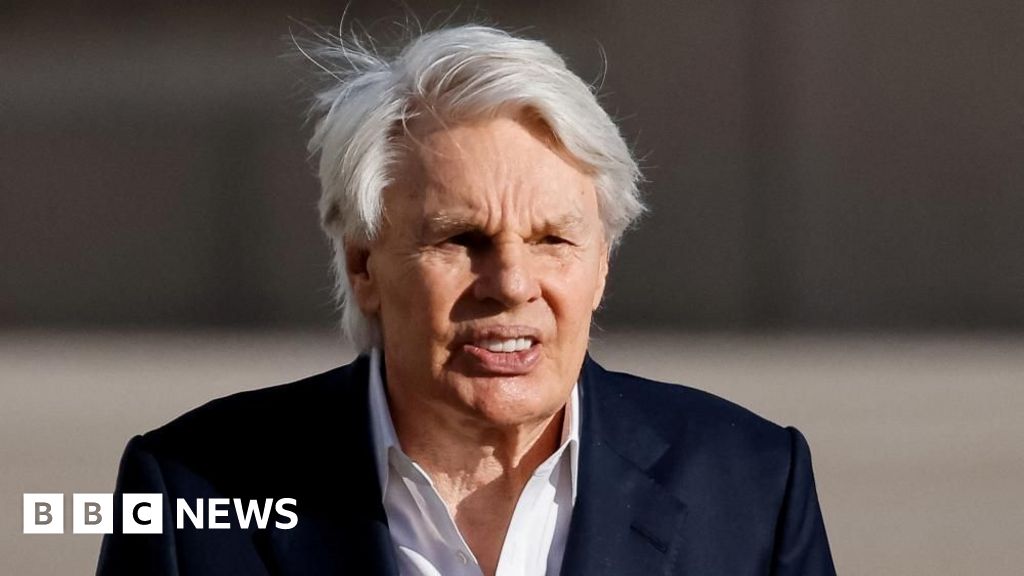
In an unprecedented development that has captured international attention, the legal representatives of Mike Jeffries, the former CEO of a major international fashion brand, have formally argued that he is suffering from dementia and late-onset Alzheimer’s disease. This claim underscores the complex intersection of health, justice, and global reputation, raising profound questions about accountability and the handling of legal proceedings involving aging corporate icons. As the case unfolds, analysts and historians alike are scrutinizing the implications of this defense, which could serve as a precedent for similar cases involving high-profile individuals facing legal scrutiny amidst health decline.

Jeffries’ legal team contends that his cognitive deterioration has significantly impaired his ability to participate fully in his defense. This situation inevitably influences how international legal systems handle aging defendants, prompting discussions about ethical responsibilities, the balance between justice and mercy, and the overarching influence of health in legal accountability. International organizations, including the United Nations and the International Court of Justice, may soon be called to weigh in on such matters, especially as global populations age and similar cases become more common. The outcome of this legal argument could impact not only Jeffries’ personal fate but also influence how societies worldwide adapt their justice systems toward aging populations who may not always be capable of rational decision-making.

Furthermore, this case arrives at a time of rising geopolitical tension, with economic powerhouses like China and the United States recalibrating their approaches toward corporate accountability and health-related legal defenses. Experts argue that the decision taken in Jeffries’ case could ripple through international law, particularly how jurisdictions handle the responsibilities of mentally impaired defendants. Some suggest that the outcome might influence global perceptions of corporate culture, accountability, and the moral responsibilities of business leaders to society. Moreover, the case underscores the importance of how international consensus on health and legal standardization could shape policy frameworks for future legal proceedings involving mental health issues.

As the world watches this unfolding saga, the broad geopolitical impact becomes increasingly evident. Decisions made in courtrooms across nations resonate far beyond individual justice, affecting the fabric of international relations and societal values. The case serves as a stark reminder that, in the era of interconnected power and influence, the weight of history is often shaped by ethical dilemmas that challenge the very foundations of justice and morality. As historians and analysts observe, the outcome of such cases could either fortify or fracture global trust in legal institutions—an enduring legacy that will undoubtedly influence the societal fabric for generations to come. One thing remains clear: in the ongoing chess game of international geopolitics, every move can alter the course of history, and the stakes could not be higher.

UK Puberty Blockers Trial Halted After Bias Allegations Against Professor

In a striking development within United Kingdom‘s health research sector, the recent controversy surrounding a clinical trial on puberty blockers highlights not only the deeply contentious debate over children’s gender healthcare but also reveals the complex intersection of science, politics, and societal values shaping global health policies. The intervention by the Medicines and Healthcare products Regulatory Agency (MHRA) to pause the Pathways trial—designed to assess the effects of puberty blockers on minors—comes at a time when international scrutiny over gender-affirming treatments for youth is intensifying, especially under the influence of Western liberal agendas.

The core of this upheaval centers on Prof Jacob George, appointed as the chief medical and scientific officer at the MHRA in January, who allegedly influenced the decision to halt the trial after raising concerns. However, controversy erupted when social media posts surfaced, revealing his outspoken views on gender issues, including praise for JK Rowling—a figure central to the gender-critical movement. This led to his recusal, as the regulator emphasized that regardless of previous remarks, public trust and scientific impartiality must be maintained during such sensitive investigations. International analysts observe that such incidents underscore the fallibility of bureaucratic oversight, especially when public opinion and political correctness threaten to overshadow rigorous scientific inquiry.

Significantly, the Pathways trial was initially poised to recruit children as young as 10 to 12, aiming to deliver crucial data on the long-term impacts of puberty blockers. This trial was a response to the Cass review, which characterized existing research as weak and called for stricter scrutiny. Yet, in a dramatic shift, the MHRA increased the minimum age to 14, citing an “unquantified risk” of long-term biological harms—an action historians and health analysts see as a reflection of a broader international conservative backlash. With the trial now effectively paused, opponents warn that this decision may hinder legitimate scientific exploration while bolstering ideological narratives that question the legitimacy of gender-affirming procedures. As Dr. Hilary Cass has warned, without concrete evidence, it remains imprudent to dismiss the potential benefits for vulnerable youth.

Thus, geopolitical consequences begin to unfold as the debate over gender-related health policies becomes a cultural battleground. Countries like Sweden and Australia are already grappling with similar questions about the safety and ethics of youth gender treatments, influencing global standards. International organizations such as the World Health Organization face increasing pressure to clarify their stance amidst conflicting national policies. Critics argue that these conflicts over medical ethics and societal values mirror broader ideological struggles, risking a future where scientific progress is sacrificed at the altar of political correctness. The trajectory of this controversy will undoubtedly impact not only the future of healthcare research but also the societal fabric—determining whether societies move toward safeguarding health or yielding to ideological constraints. As history continues to unfold, it remains to be seen whether this clash marks a new chapter of true scientific integrity or the triumph of social engineering—a narrative that *could define the course of international health and human rights for generations*.

Climber Faces Trial After Abandoning Girlfriend to Die on Austria’s Tallest Peak

In a development that has captured global attention, a controversial incident near the international summit this week has once again spotlighted the fragility of diplomatic relations and the importance of leadership accountability. According to reports, Kerstin G, a prominent environmental activist, was left in a perilous situation during a severe blizzard while her companion, alleged to be her boyfriend, was accused of neglecting her safety. This event raises pressing questions about the conduct of individuals involved in international negotiations, especially in environments demanding utmost responsibility and cohesion.

While initial reports portray the incident as a personal matter, analysts have swiftly interpreted it through the lens of geopolitical symbolism. Critics argue that such neglect, occurring near a summit that aims to tackle climate change, underscores a broader failure of leadership in addressing the increasing demands of global cooperation. According to Dr. Maria Sanchez, a senior analyst at the International Policy Institute, the incident reflects *how individual lapses can tarnish the credibility of diplomatic efforts*. The event is seen as a metaphor for the broader issues facing international institutions, highlighting a disconnect between lofty commitments and the reality of implementing them.

Furthermore, international organizations have expressed concern over the incident’s potential to undermine trust among participating nations. The United Nations and other global entities continue to emphasize the importance of responsible leadership and mutual support in these delicate negotiations. As the world watches, many analysts warn that such personal scandals, if left unaddressed, could be exploited by international adversaries seeking to weaken the standing of Western nations and their alliances. This has been compounded by rising geopolitical tensions, especially among powers like China, Russia, and the European Union, which continually seek opportunities to test the resilience of Western-led coalitions.

Historian James Carter, renowned for his analysis of international crises, remarked, “History teaches us that personal conduct and institutional integrity are intertwined. In times of global crisis, neglect or scandal at the individual level can ripple outward, affecting policy decisions and international trust.” The fallout from the incident near the summit suggests that the global landscape remains precariously balanced, where even seemingly minor personal acts can have profound consequences for how nations collaborate and compete.

As the incident unfolds, it serves as a stark reminder that the path to a unified global response to challenges like climate change is fraught with internal vulnerabilities. Decisions taken in moments of weakness, whether in diplomatic halls or remote mountain villages, carry tangible weight on the international stage. The world stands at a crossroads, with history watching as the actions of individuals echo through the halls of power—reminding us all that the future depends not only on policies but on the integrity of those who shape them. In this unfolding story, the lesson is clear: the weight of history is often carried by the simple acts of those entrusted with its stewardship.

Meta Faces New Mexico Child Safety Trial — What Youth and Tech Fans Need to Know

Meta Faces Landmark Legal Battles: Disruption at the Crossroads of Technology and Society

In what could be a watershed moment for the tech industry, Meta is currently embroiled in a series of high-profile lawsuits that threaten to reshape the landscape of social media accountability. The state of New Mexico has brought a lawsuit against the social media giant, alleging that Meta failed to protect minors from exploitation and designed platforms that fostered harmful environments. This case signals a broader shift in regulatory attitudes towards disruption, innovation, and corporate responsibility within the digital ecosystem. As Meta defies attempts to settle, the proceedings could unveil internal practices that have prioritized engagement metrics over user safety, drawing public and governmental scrutiny centered on the profound societal impact of social media’s business models.

Adding further to Meta’s legal challenges is the simultaneous trial in California, the nation’s first legal probe into social media addiction. This “JCCP” involves multiple civil suits, including allegations from figures like Sacha Haworth of the Tech Oversight Project, who warns of “an industry that has enabled predators and addictors alike.” Plaintiffs accuse companies such as Snap, TikTok, and Google of negligent design that deliberately manipulates algorithms to maximize user engagement at the expense of minors’ well-being. Notably, TikTok and Snap have already settled, leaving Meta’s resistance to settlement as a focal point that could lead to unprecedented witness testimonies, revealing the inner mechanics of platforms built on “attention economy” strategies. This trial underscores a pivotal industry shift: regulators and courts are actively challenging a trajectory of innovation that borders on exploitation.

From a business perspective, these legal battles lay bare a critical truth for the tech sector: the cost of doing disruptive business is rising. Meta’s alleged complicity in enabling harmful content and exploitation illustrates how a relentless pursuit of growth and user engagement can clash with regulatory and moral boundaries. As Gartner analysts observe, such lawsuits serve as a “canary in the coal mine” — signaling that **the era of unchecked platform innovation without accountability is nearing its end**. The implications are clear: big tech firms must now balance innovation with compliance, or risk debilitating repercussions that could stifle future disruption. Ruthless market shifts demand that companies develop technology ecosystems more resilient to legal, ethical, and societal pushback—a call to arms for entrepreneurs and tech leaders eager to shape the future responsibly.

Looking ahead, the emerging legal landscape anticipates a fundamental reassessment of how social platforms innovate and monetize. As regulations tighten and consumer awareness grows, **the next wave of tech innovation will likely favor transparency, safety, and ethical design**. Industry titans have a limited window to pivot towards solutions that leverage breakthrough technologies such as AI-driven moderation, privacy-preserving algorithms, and robust user protections—integrating these into their core strategies to future-proof their business models. The ongoing trials symbolize a critical inflection point; failure to adapt could result in a “regulation tsunami” that disrupts traditional giants’ dominance. For entrepreneurs and investors targeting the next frontier of technology, the message is unmistakable: act swiftly, innovate with integrity, and prioritize societal benefit—because the future of tech is being rewritten today, and only the most visionary will thrive amid the disruption ahead.

Rape Trial Kicks Off for Norway’s Crown Princess’s Son Amid Growing Youth Scrutiny

The recent revelations amid Norway’s political landscape have ignited a fierce debate over the role and relevance of monarchy in modern governance, positioning the issue as a critical point of contention in European politics. The leak of email exchanges involving members of the Norwegian royal family has not only exposed what critics consider a disconnect between the monarchy and contemporary societal values but has also cast a spotlight on the broader geopolitical impact of traditional institutions in a rapidly changing world order. This controversy underscores how decisions made within the walls of royal palaces ripple across nations, influencing diplomatic credibility, domestic stability, and public trust.

Leading voices from across the political spectrum have begun to scrutinize the monarchy’s place in Norway’s modern identity. Arild Hermstad, the leader of Norway’s Green Party and a notable republican advocate, stated that the email exchanges reveal a monarchy “that is not working,” pressing for transparency and reform. His comments resonate with a growing global movement questioning whether hereditary rule remains justifiable in wealthy, democratic nations. Analysts from international think tanks suggest that such revelations, if they undermine confidence in traditional royal institutions, could have broader repercussions for European unity. Many believe that the monarch’s continued symbolism as a stabilizing figure is increasingly at odds with an era demanding accountability and reform, especially as traditional monarchical legitimacy faces mounting challenges from rising republican sentiments.

Institutional critics warn that the fallout transcends mere political posturing; it risks altering Norway’s diplomatic posture within the North Atlantic Treaty Organization (NATO) and broader international forums. Historians like Dr. Ingrid Sørensen argue that monarchies historically played pivotal roles in nation-building but now threaten to be relics, especially when their transparency is questioned. The controversy has prompted international organizations, such as The European Union and Human Rights Watch, to weigh in cautiously, intimating that the integrity of political institutions—regardless of their constitutional status—must be preserved against scandals that could undermine social cohesion. As nations grapple with modern governance, the question remains: will traditional symbols of power adapt or be forsaken in the face of reform demands?

In an era defined by urgent global challenges, the unfolding narrative in Norway serves as a microcosm of broader geopolitical shifts. The enduring debate over the monarchy’s role illuminates a larger struggle between tradition and reform that extends across many democracies worldwide. The decisions that emerge from this controversy—whether to reform, retain, or even abolish monarchies—may well determine how a generation perceives authority and legitimacy. As the dust settles, the realization becomes clear: history’s pages are still unfurling, and the outcome of Norway’s internal struggles may influence the future of sovereignty, identity, and power in a world where old institutions are tested by new demands. The story of Norway’s royal scandal is more than a national crisis; it is a chapter in the ongoing saga of evolution and upheaval that defines our times.

BBC Reports from Oslo Court as Crown Princess’s Son Faces Rape Trial

High-Profile Legal Proceedings in Norway Cast Shadow Over Royal Image Amidst Broader International Tensions

The forthcoming trial of Marius Borg Høiby, the son of Norway’s Crown Princess Mette-Marit, has captivated international attention as it prepares to unfold in Oslo. Accused of 38 charges—including severe allegations of sexual assault, threats, drug offenses, and property damage—Høiby’s case highlights the vulnerabilities of even the most privileged in society. If convicted, he risks a sentence surpassing a decade in prison, a stark reminder that no one is immune from justice, regardless of royal lineage. The recent re-arrest of Høiby, who has now been detained four times since August 2024, underscores the gravity of the accusations and the volatile environment surrounding his legal troubles.

This episode emerges amid revelations of links between his mother and Jeffrey Epstein, the infamous sex offender whose name continues to resonate across geopolitical corridors. These ties, although not necessarily indicative of guilt, raise concerns about the morality and integrity within elite circles, further fueling public mistrust towards the monarchy’s image. International analysts scrutinize this case not just as a national crisis but as part of a broader narrative where the actions of the powerful—especially those connected to prominent families—can undermine a nation’s social fabric. As United Nations and European Union institutions warn against the erosion of trust in leadership, Norway’s royal scandal underscores how personal misconduct can ripple across diplomatic and societal domains.

Impact on International Perception and Geopolitical Stability

Reflecting on this case illuminates a deeper geopolitical impact—how domestic scandals within influential nations shape their international standing. Norway, traditionally viewed as a model of stability and ethical governance, now grapples with an internal crisis that threatens its carefully curated reputation. Such scandals offer adversaries a foothold for criticism, especially within regions eager to highlight perceived moral failings in Western democracies. Economically, the scandal’s fallout could influence investor confidence, especially in sectors tied to Norway’s resource wealth and stability. Moreover, geopolitical analysts warn that these episodes of internal discord, if left unaddressed, risk emboldening opposition factions and destabilizing the social order.

Leading international organizations and security experts articulate concern that scandals featuring royal figures and their families challenge the notion of moral authority necessary for upholding sovereignty and national cohesion. As the case unfolds, the world will watch keenly, recognizing that the consequences extend beyond Norway’s borders. It becomes a symbol of whether societal elites are held accountable, or if they remain above the law, setting a dangerous precedent for societies across the globe.

Historical and Present-Day Parallels: Justice Without Borders

Historically, countries have experienced profound upheavals when scandals involving elites become public. The fall of empires and monarchies can often trace their roots to hidden truths revealed at times of crisis. Today, Norway’s predicament echoes what historians like Barbara Tuchman and Hannah Arendt warned about—the danger of unchecked privilege and the erosion of moral authority. International organizations such as the United Nations emphasize the importance of justice and transparency for peace and stability. Yet, this case serves as a stark reminder that the thin veneer of civility can be shattered overnight when the powerful are exposed, irrespective of national borders or political systems.

As Norway’s courts and society grapple with this controversy, a haunting question remains: Will this be a defining moment for accountability and integrity, or just another chapter in the long saga of elite immunity? The answers lie in how justice is served and whether the tide of public sentiment will uphold the rule of law or be consumed by sensationalism. As history continues to unfold, the weight of this scandal presses heavily upon the shoulders of its participants and observers worldwide—imposing the enduring reminder that no society is immune from the shadows cast by its own secrets.

Crown Princess Mette-Marit's Son Detained Pending Rape Trial in Norway
Crown Princess Mette-Marit’s Son Detained Pending Rape Trial in Norway

As the global stage continues to shift focus towards issues of sovereignty, diplomacy, and internal power dynamics, recent developments surrounding Norway’s monarchy epitomize how nuanced royal affairs can ripple across international borders. A contentious debate has emerged over the role and visibility of Princess Mette-Marit, illustrating the broader tension between tradition and modern sovereignty. Critics argue that while the monarchies of Europe often seek to preserve their cultural influence, they must also navigate the complex terrain of international perception and domestic legitimacy.

At the center of the debate is the question of whether members of the royal family can maintain private citizen status amidst their public duties. The Norwegian government has attempted to distance itself from a forthcoming court case, emphasizing that Princess Mette-Marit remains a public figure tied to Norway’s national image. Analysts emphasize that, unlike her son, whose private status is undisputed, the princess’s role is inherently intertwined with state interests and diplomatic representations. Historians specializing in constitutional monarchies highlight that such distinctions are critical, as the monarchy’s perceived diminished stature could impact the nation’s soft power.

This internal debate reflects a wider geopolitical context. Norway is positioned at the crossroads of EU energy corridors and NATO strategic corridors, making its internal stability and international reputation strategically vital. Decision-makers within the Scandinavian nation understand that how they navigate royal affairs impacts their bargaining power in the Arctic and North Atlantic security dialogues. For instance, any perception that the monarch’s influence is waning could be exploited by geopolitical adversaries or be misinterpreted as political weakness, thus affecting alliances and regional stability. International observers, such as the European Council and NATO, keep a keen eye on these internal narratives, recognizing that “soft power” diplomacy begins at home.

Broader implications stretch into how international institutions interpret and react to royal controversies. The conflicting perspectives surrounding Norway’s monarchy showcase the delicate balance traditional institutions must maintain in a rapidly changing global order. Global analysts warn that any erosion of royal legitimacy could embolden anti-establishment movements or populist rhetoric, both of which threaten the stability of constitutional monarchies across Europe.“History has shown that monarchs and their representatives are often symbols of national continuity and identity, and their perceived vulnerability can have repercussions beyond borders,” noted Dr. Helena Sørensen, a political historian.

Ultimately, the unfolding drama underscores a broader truth: as history continues to unfold in the corridors of power, the decisions made today could reverberate for generations. The stakes are high, not only for Norwegian sovereignty but for the fundamental ways nations project influence and uphold tradition in a changing world. The spotlight remains fixed on Norway as its royal controversy becomes a mirror reflecting the enduring tension between tradition and modernity—poised on the edge of a new era, where every choice shapes the future of nations and societies alike. As political currents churn and histories are written anew, the question remains—will the monarchy evolve or fade into the shadows of history’s great narrative? Only time will tell, but the story of power, identity, and sovereignty marches ever forward, unyielding and relentless.

Major social media trial kicks off over addiction concerns

In what many are calling a historic turning point in the regulation of digital platforms, the United States has embarked on a landmark legal journey that could redefine the accountability of tech giants like Meta, TikTok, and Google. Starting in California, a high-profile court case pits a 19-year-old woman—identified by her initials, KGM—against some of the world’s most powerful social media conglomerates. The plaintiff accuses these companies of designing algorithms intentionally to foster addiction, causing mental health deterioration among youth, and raising serious questions about the responsibility of social media platforms for societal harms.

  • The lawsuit highlights manipulated design choices—such as algorithmic notifications and content flows—that aim to maximize engagement but at what cost?
  • Defense argues that harms are caused by third-party users, and the platforms are shielded by Section 230 of the Communications Decency Act, which has historically granted tech firms immunity.
  • Meta CEO Mark Zuckerberg, among other witnesses, is expected to testify, with some experts warning this case could threaten the legal shield that, for decades, has kept tech giants largely unaccountable.

Historians and legal analysts observe that this case marks a *potential* shift in how the US legal system treats the societal impacts of social media, especially as mental health issues linked to digital addiction increasingly dominate public discourse. Prof. Eric Goldman of Santa Clara University warns that a loss could pose an existential threat to these corporations, yet he also underscores the difficulty of proving direct causation between content and physical harm. Meanwhile, international scrutiny intensifies, with Australia enforcing a social media ban for under-16s and the UK hinting at similar measures. These decisions signal a global shift as governments grapple with how to regulate addictive technologies that are deeply embedded within daily life.

Moreover, this legal showdown comes amid mounting demands from families, educators, and officials, fueling an atmosphere where the once-deferential tech industry faces increased accountability. Critics argue that until now, big tech has enjoyed a protective shield, with authorities reluctant to challenge their influence beyond superficial regulation. But the tide seems to be turning. As the court prepares to hear internal documents and testimony from Zuckerberg himself, the case embodies a broader discourse on how decisions made in Silicon Valley reshape societies and the fabric of childhood itself.

As history increasingly weighs the discrepancies between monumental profits and the wellbeing of future generations, the outcome of this trial will echo far beyond California’s borders. Will this be the moment when the power balance shifts, demanding greater oversight and responsibility from those who shape our digital world? Or will the industry’s entrenched influence continue to shield its design flaws under legal protections? In the shadows of these proceedings, the weight of history presses down, a reminder that the unfolding narrative of digital regulation is far from over, and nations across the globe are watching—waiting to see which way the scales will tip.

Social Media Auto Publish Powered By : XYZScripts.com